Why Oregon Hydrangeas Attract Ants (And Whether It’s A Problem)
Spotting ants crawling over your Oregon hydrangeas can make you wonder if something is wrong with the plant.
A few ants are not necessarily a warning sign, but their presence can sometimes point to another insect problem hiding among the leaves and stems.
Hydrangeas can attract ants for reasons that have little to do with the flowers themselves. Sweet substances produced by certain sap-feeding insects can draw ants in, creating a busy trail across your plant.
The ants may even protect those insects because they want access to the sugary food source.
That does not mean you need to reach for an insecticide the moment you see an ant. Take a closer look at the plant first and check for other signs of activity.
Understanding what is bringing the ants there will help you decide if your hydrangea needs attention or if the visitors are simply passing through.
1. Ants Often Follow Aphids Onto Hydrangeas
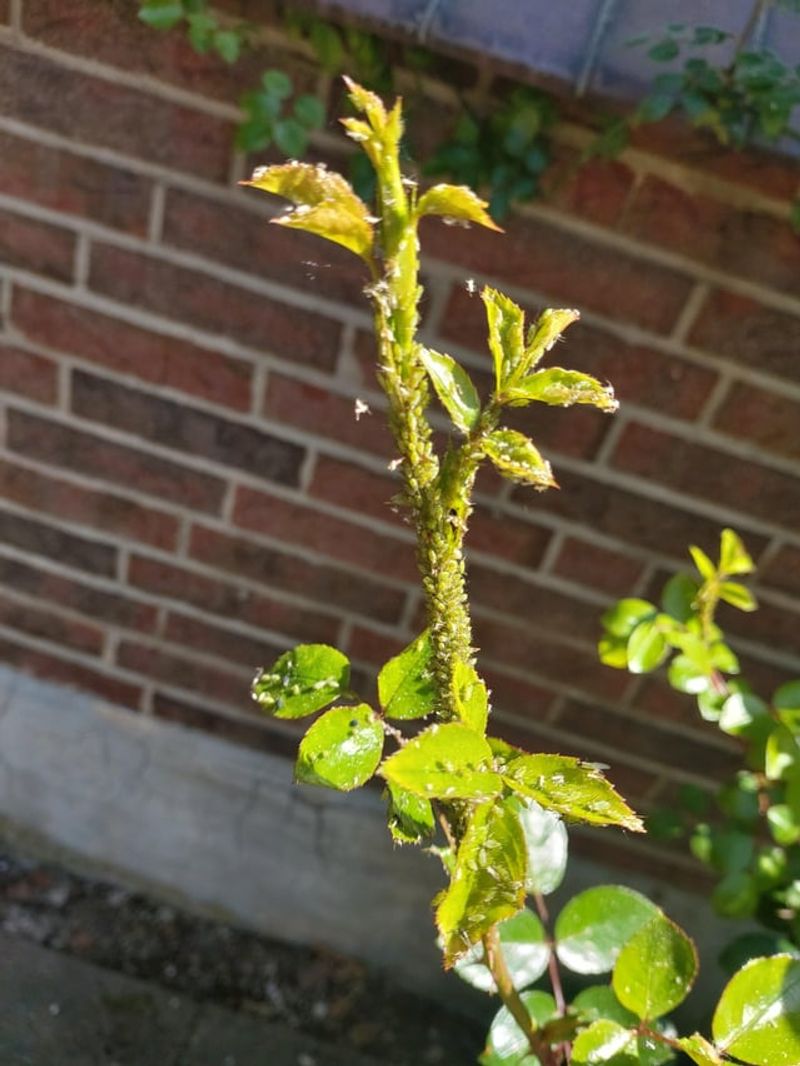
A line of ants marching up your hydrangea usually means they found something worth the trip. Most of the time, that something is aphids.
Ants and aphids have a partnership that has lasted for ages. The ants show up because the aphids are already living on the plant. So when you spot ants, treat it as a signal to look closer.
In Oregon’s mild, damp climate, aphids thrive during spring and early summer. That is also when hydrangeas push out fresh, tender growth. Ants follow the aphids right to that soft new plant tissue.
The ants themselves are not eating your hydrangea. They have no interest in the leaves or petals at all. They are simply following a food source that the aphids provide.
Watching where the ants travel can actually help you. Their trails often lead straight to the spot where aphids are gathered. Think of the ants as tiny tour guides pointing out the problem area.
If you see just a few ants wandering around, there may be very little to worry about. Larger, steady streams of ants suggest a bigger aphid group nearby. Either way, the ants are the messengers, not the main issue.
Focus your attention on finding the aphids they are visiting, and you will be one step ahead.
2. Aphids Produce A Sweet Substance Ants Want
Here is the secret that keeps ants coming back for more. Aphids make a sugary liquid called honeydew, and ants absolutely love it.
As aphids feed on plant sap, they take in more sugar than they need. The extra sugar comes out as sticky, sweet droplets. Ants treat these droplets like a free candy buffet.
To collect the honeydew, ants gently tap the aphids with their antennae. This little nudge encourages the aphids to release more of the sweet stuff. It is a trade that works out well for both bugs.
Because the reward is so tasty, ants will visit the same hydrangea day after day. As long as the aphids keep feeding, the honeydew keeps flowing. That steady supply is what turns a few curious ants into a busy crowd.
Your Oregon Garden Changes Every Week. Your Plan Should Too.
Gardening in Oregon changes quickly throughout the season. Every Friday you’ll receive a simple weekly plan showing exactly what to plant, prune, fertilize, harvest, and protect so you never miss the right timing.
Understanding this helps you see the whole picture. The ants are not attacking your plant, they are farming the aphids for food. Remove the aphids, and the ants lose their reason to stay.
You can even use this to your advantage during garden checks. Follow the sweetness. Wherever the honeydew and ants are thickest, that is where the aphid colony is largest.
Knowing the connection makes the mystery a lot simpler to solve, and it takes the fear out of seeing ants near your favorite blooms.
3. Sticky Leaves Can Reveal An Aphid Problem
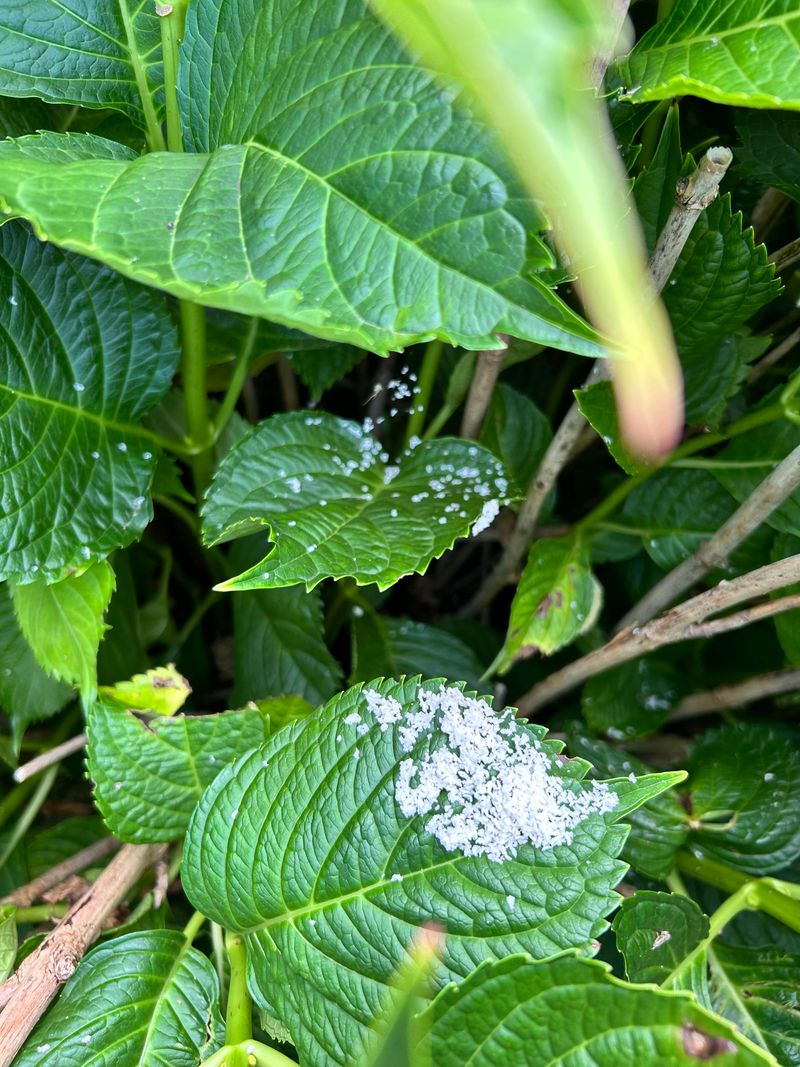
Ever touched a hydrangea leaf and found it oddly sticky? That shiny, tacky feeling is a big clue that aphids have been busy.
The stickiness comes from the honeydew aphids leave behind. As it drips down, it coats the leaves below. Sometimes it even lands on nearby furniture or walkways.
In Oregon’s humid weather, that sticky coating can lead to another issue. A black, dusty layer called sooty mold may start growing on the honeydew. It does not directly harm the plant, but it blocks sunlight the leaves need.
When leaves cannot soak up enough light, the plant grows more slowly. So while the mold looks messy, it also hints at a real problem underneath. The sticky layer is your early warning system.
Checking for stickiness is quick and easy. Just run your fingers along the top of a few leaves. If they feel gluey or look glossy, aphids are likely feeding above.
A gentle rinse with water can wash off both the honeydew and much of the mold. This cleans the leaves and lets them breathe again. It also washes away some aphids in the process.
Make this touch test part of your weekly garden walk. Catching sticky leaves early means you can handle the aphids before their numbers climb too high and cause bigger headaches for your hydrangea.
4. Ants May Protect Aphids From Other Insects
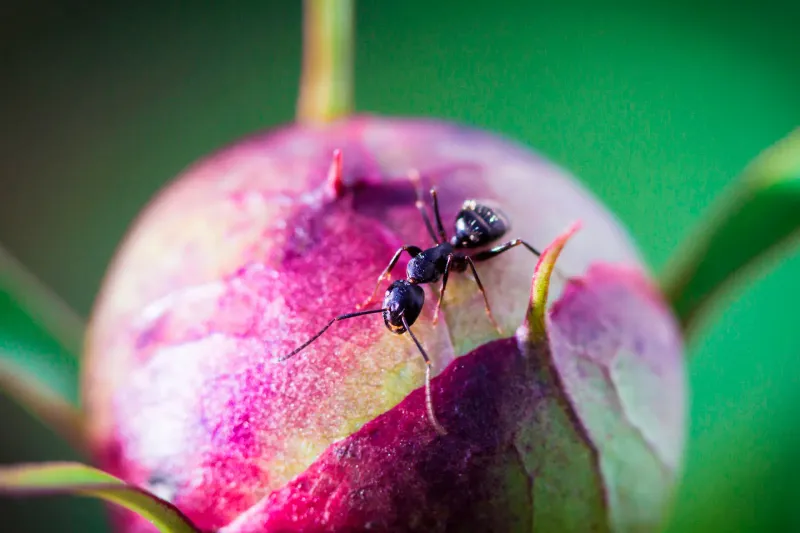
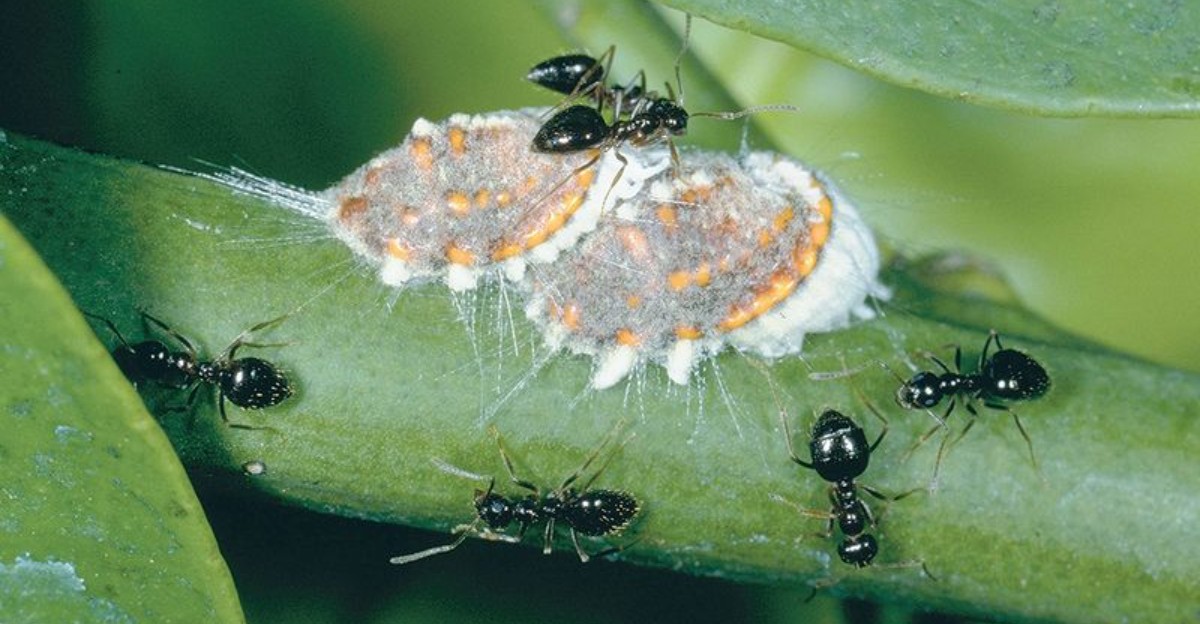
Those little ants are not just snacking, they are also acting like bodyguards. Ants will defend their aphid herd to keep the honeydew flowing.
When helpful bugs like ladybugs or lacewings try to eat aphids, ants push back. They swarm, bite, and chase the hungry visitors away. In their minds, they are protecting a valuable food supply.
This behavior can make an aphid problem last longer. The insects that would normally eat aphids get blocked by the ants. So the aphid colony keeps growing under ant guard.
Knowing this changes how you might respond. Sometimes controlling the ants can let nature’s helpers do their job. Once the guards are gone, ladybugs can move in freely.
A simple trick is to wrap a sticky barrier around the base of woody hydrangea stems. This stops ants from climbing up to their aphid herd. Without ant protection, the aphids become an easy meal for beneficial bugs.
You can also gently spray aphids off with a hose to break up the whole setup. The ants lose their herd, and the balance shifts back your way.
It helps to remember the ants are just doing what comes naturally. They are not villains, only clever farmers guarding their crop. Breaking that partnership is often the smartest move for a healthier, aphid-free hydrangea.
5. Not Every Ant On A Hydrangea Means Trouble
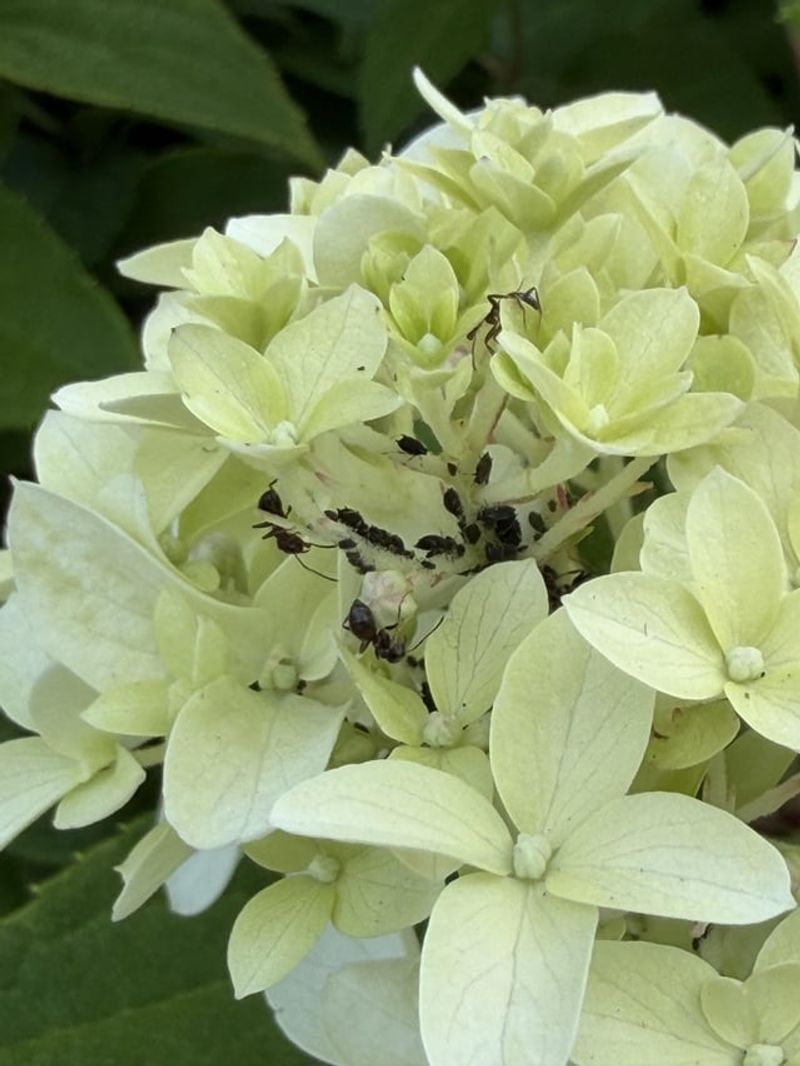
Take a deep breath if you spot an ant or two, because a few wanderers are totally normal. Not every ant means your plant is in danger.
Ants explore everywhere in a garden. They climb plants, fences, and rocks while searching for food and water. A single ant on a bloom is often just passing through.
Some ants even help your garden. They dig tiny tunnels that loosen soil and let air and water reach the roots. A few of them can be quietly useful.
The real concern is a steady, heavy stream of ants going up and down the same stem. That pattern points to aphids and honeydew above. A busy highway of ants deserves a closer look.
So the number and pattern matter more than the presence of ants alone. One or two roaming ants are nothing to fear. Constant traffic is the sign to investigate.
Before you reach for any treatment, watch the ants for a moment. See if they gather in one spot or just drift by. Their behavior tells you whether there is a real problem.
Staying calm keeps you from overreacting and spraying a plant that is perfectly fine. Gardens are full of insects, and most of them cause no harm at all. Learning to read the difference saves you time, worry, and unnecessary effort.
6. Check The Undersides Of Leaves For Aphids
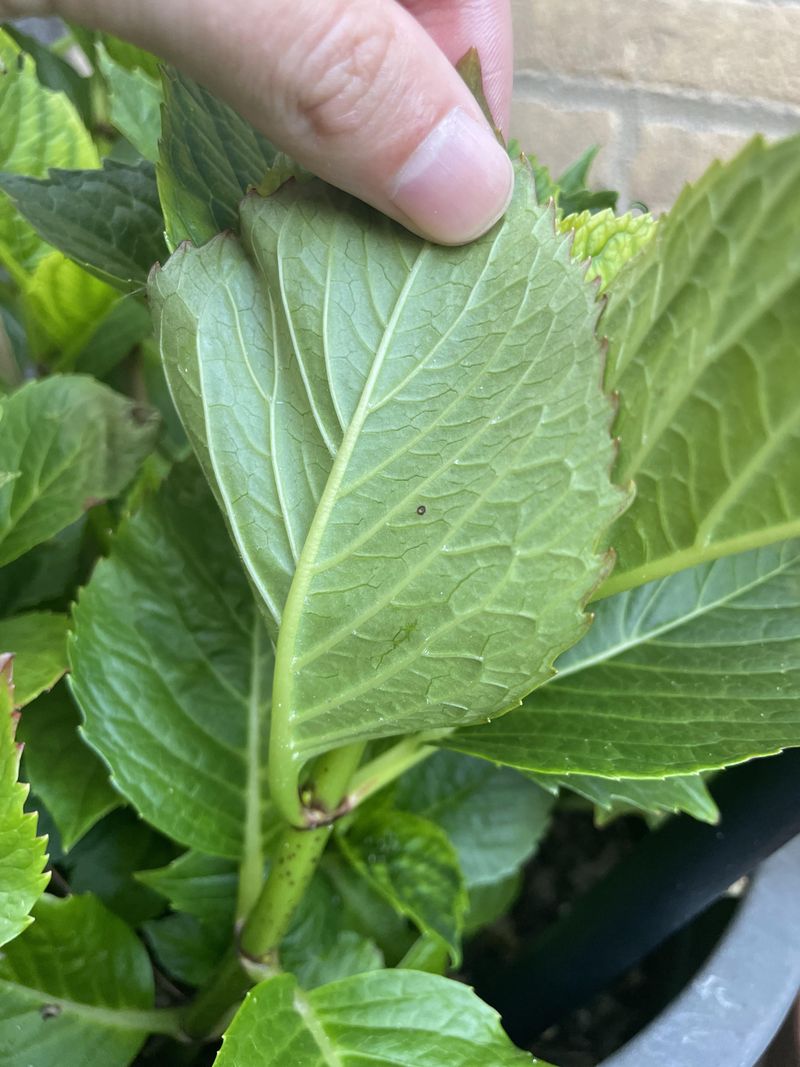
Want to find the real culprit fast? Flip the leaves over. Aphids love to hide on the shady underside where they feel safe.
The underside protects them from rain, sun, and many predators. It is the perfect hiding spot for a growing colony. That is exactly why you should look there first.
Aphids are small, soft, and often green, though some are black, brown, or even pink. They cluster together in little groups. Once you know what to look for, they are easy to spot.
Gently turn a few leaves near the top of the plant. Check the stems and leaf joints too. These tender areas are aphid favorites because the sap is easy to reach.
If you find a cluster, do not panic. A quick blast of water often knocks most of them off. Repeating this every few days can keep their numbers low.
For a closer look, a small magnifying glass helps a lot. You might even see the aphids moving or feeding. Spotting them early makes control much simpler.
Make leaf flipping a regular habit during Oregon’s warm months. A weekly peek underneath catches problems before they spread. It takes just a minute but saves your hydrangea plenty of stress.
Once you handle the aphids, the ants usually lose interest and wander off to find sweetness somewhere else.
7. New Growth Can Be The First Place To Look
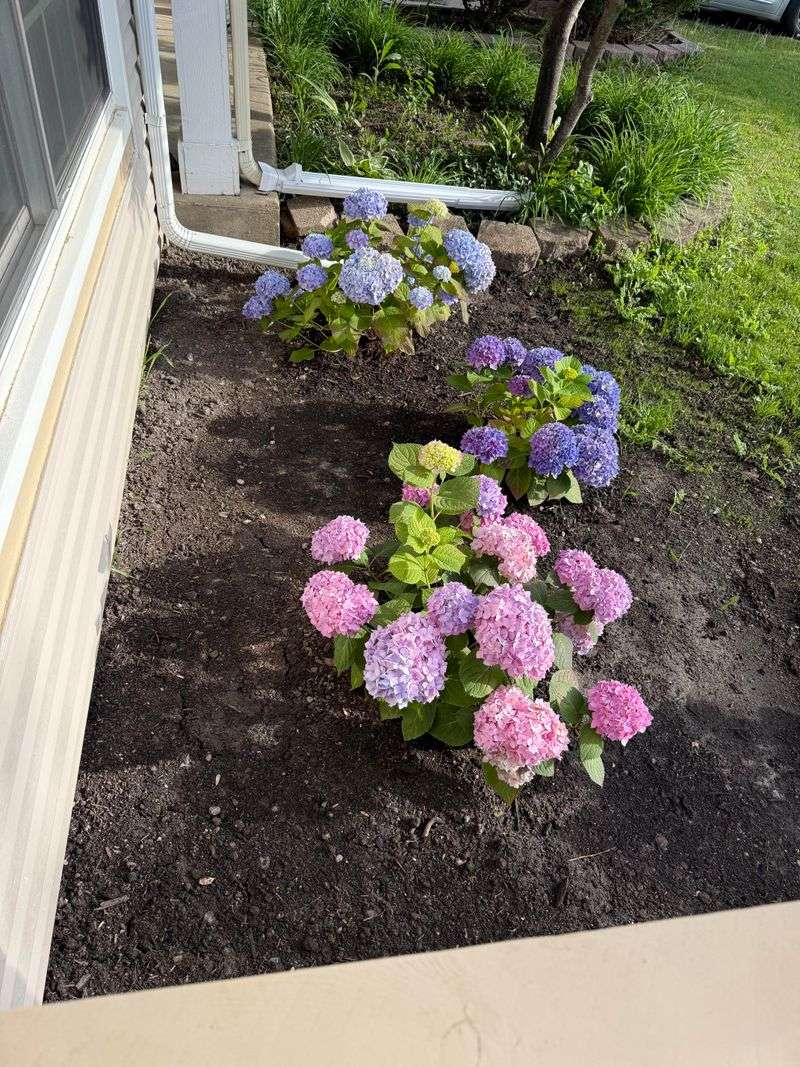
Soft, fresh shoots are like a welcome mat for aphids. New growth is tender and full of sugary sap, so pests head straight for it.
The newest leaves and buds sit at the tips of the branches. Their thin skin makes it easy for aphids to feed. That is why the freshest parts often show the first signs of trouble.
During spring, Oregon hydrangeas put out lots of new growth. This is prime aphid season, and the two line up perfectly. Checking these young tips gives you an early heads up.
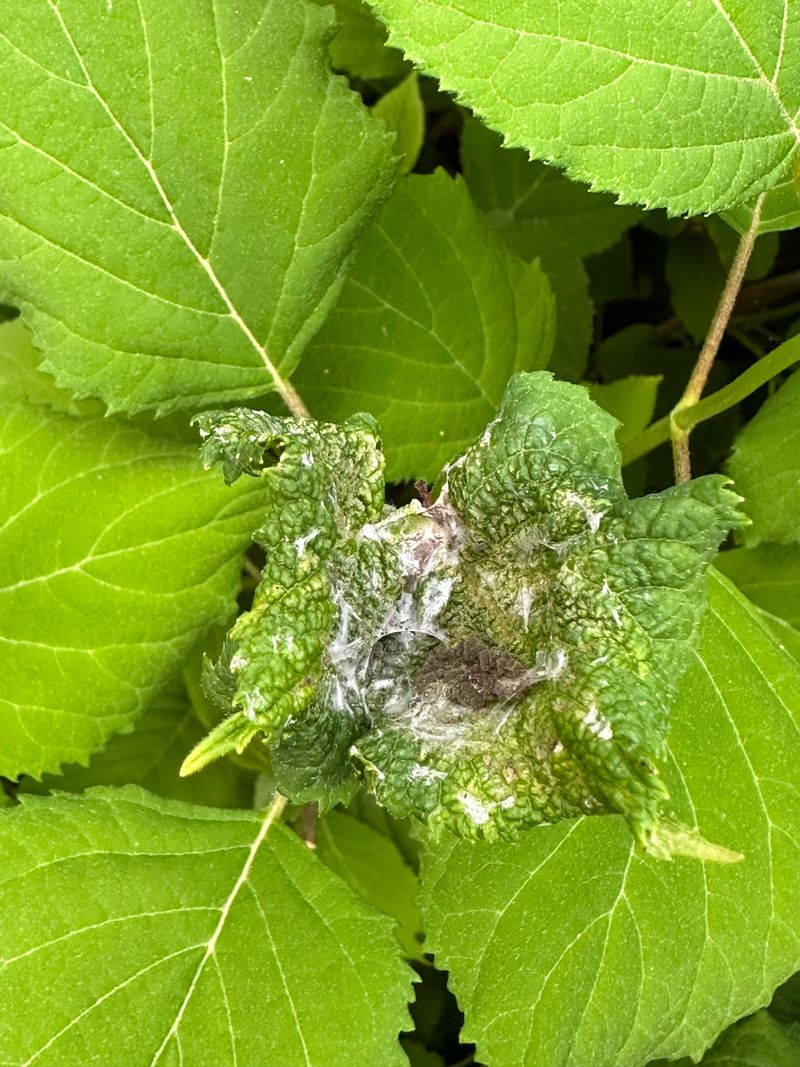
Look closely at buds that are just opening and shoots that seem curled or twisted. Aphid feeding can make new leaves crinkle or curl up. That shape change is a helpful visual clue.
Because ants follow aphids, you will often see them near these tips too. Their presence on new growth points you right to the action. Follow the ants to the tender parts.
Catching aphids on new growth early keeps them from spreading to the rest of the plant. A gentle rinse or a quick pinch of the worst leaves works well. Small steps now prevent bigger clusters later.
Keep an eye on those bright green tips through the growing season. They are the plant’s most tempting snack. Protecting them keeps your hydrangea strong and its blooms looking their best.
8. Beneficial Insects May Already Be Controlling Aphids
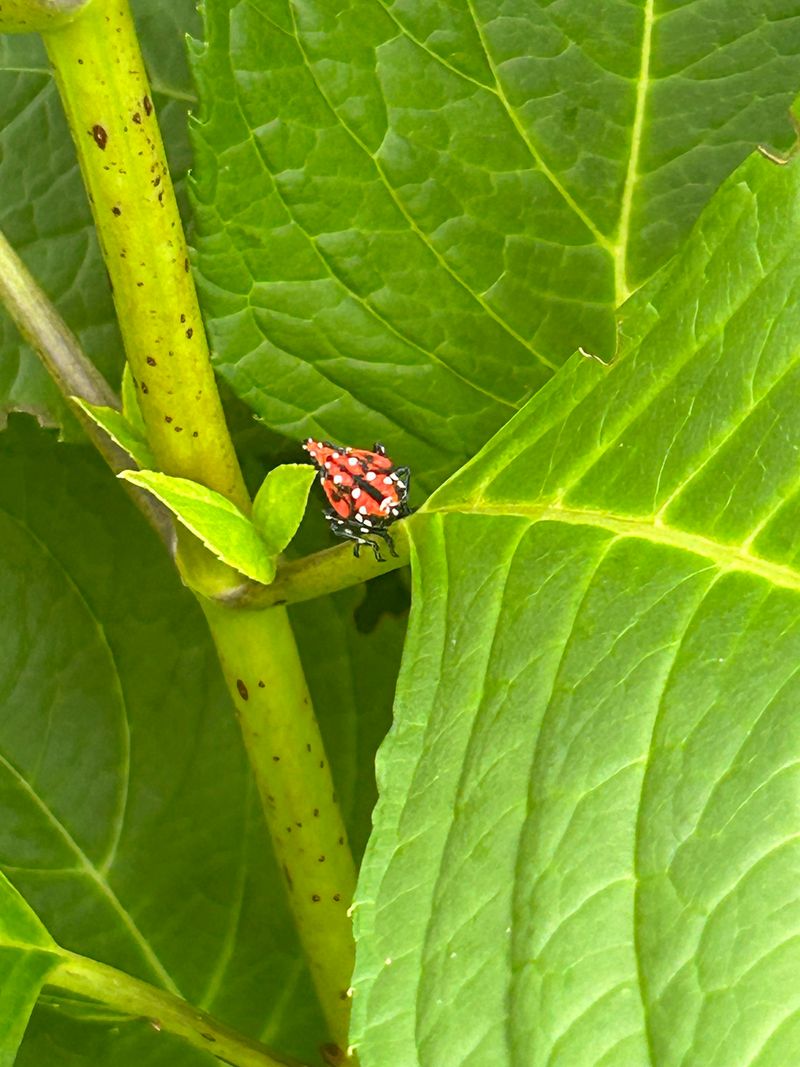
Here is some cheerful news. Your garden may already have a cleanup crew hard at work without any help from you.
Ladybugs, lacewings, and tiny wasps all feed on aphids. A single ladybug can eat dozens of aphids in one day. These helpers keep pest numbers in check naturally.
In Oregon’s diverse gardens, these good bugs show up on their own. They follow the aphids just like the ants do, only they eat them. That balance can solve your problem for free.
Before spraying anything, look for signs of these allies. Spotted ladybug larvae look like tiny alligators and are hungry aphid hunters. Seeing them means help has arrived.
Harsh sprays can harm these good bugs along with the aphids. That can actually make pest problems worse over time. Going gentle protects your natural cleanup crew.
You can invite more helpers by planting flowers like dill, yarrow, and sweet alyssum nearby. These blooms give beneficial insects food and shelter. A welcoming garden stays healthier on its own.
Watering wisely and avoiding heavy chemicals keeps the balance tipped in your favor. Nature is surprisingly good at handling small aphid outbreaks. Often the best move is a little patience.
Give your garden a chance to sort itself out. With a few good bugs on patrol, those ants and aphids may fade away before you lift a finger.