Why Back-To-Back Rainstorms Put California Lawns At Risk For Fungus
A single rainy day rarely causes a lawn much trouble. A week of storms arriving one after another tells a different story.
Grass that never fully dries between showers enters a vulnerable state that few California lawns are built to handle, given how much of the year they spend in dry conditions.
Water lingers on blades, air disappears from the soil, and certain opportunists take advantage within days.
The resulting patches, rings, and discolored spots can seem to appear out of nowhere.
Most of the underlying conditions, though, can be changed with a few adjustments to everyday lawn habits.
Understanding why wet stretches invite trouble makes the fixes feel obvious, and the lawn usually rewards the effort quickly.
1. Long Leaf Wetness Feeds Fungal Spores
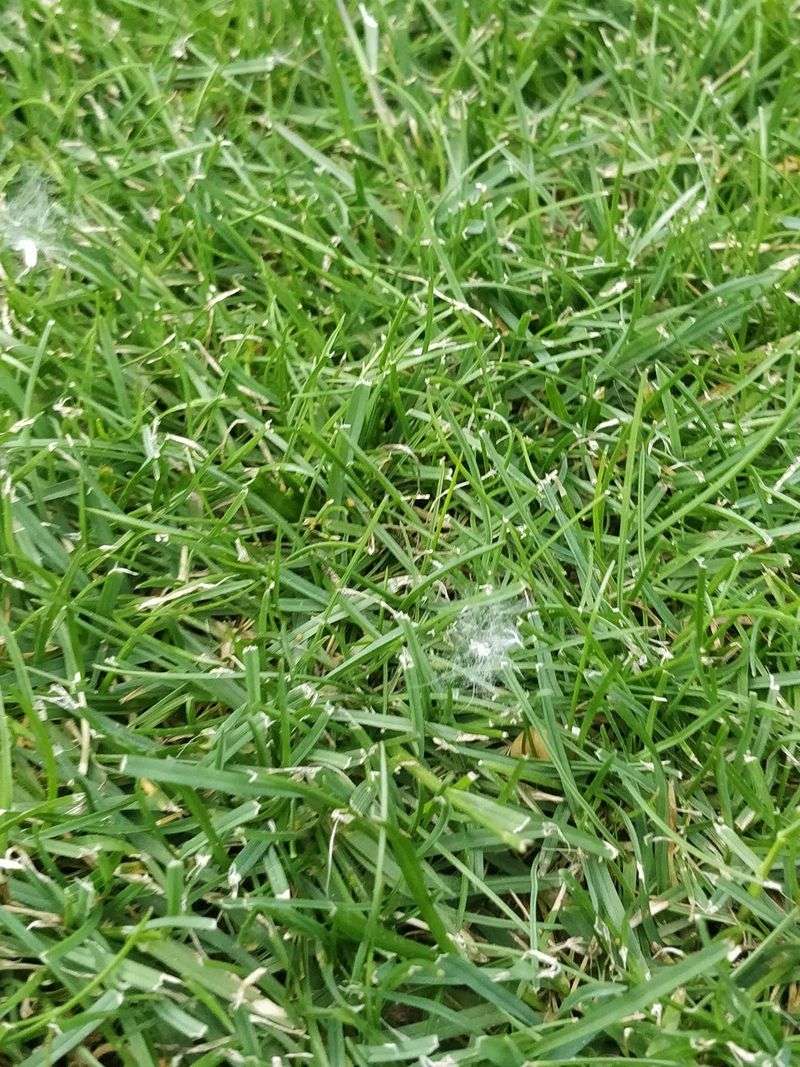
Tiny fungal spores sit on nearly every lawn, waiting for the right moment. Most of the time they stay inactive, yet a long stretch of wet leaves wakes them quickly.
Spores need a film of water to sprout and push into a grass blade, and a quick sprinkle that dries by noon rarely gives them enough time.
Back-to-back storms change that equation, since blades may stay wet for a day or more.
UC IPM points to long leaf wetness as one of the biggest triggers for turf diseases such as brown patch and rust.
Each new storm works like a refill on a drink that never runs dry. The fungus keeps feeding and spreading from blade to blade.
By the time yellow or tan patches appear, the infection has often been active for days.
Rain can’t be stopped, though irrigation can. Sprinklers switched off before a storm, and left off until the lawn truly dries, keep blades from staying wet even longer.
Many California yards run on timers that keep watering right through a rainy week, and a rain sensor or smart controller solves that problem.
Many water agencies also require pausing irrigation after measurable rain.
Once watering resumes, early morning works best, since grass dries quickly as the sun rises and air warms.
Evening watering leaves blades damp all night, creating exactly the long, wet window spores favor most.
2. Saturated Soil Leaves Roots Short On Air
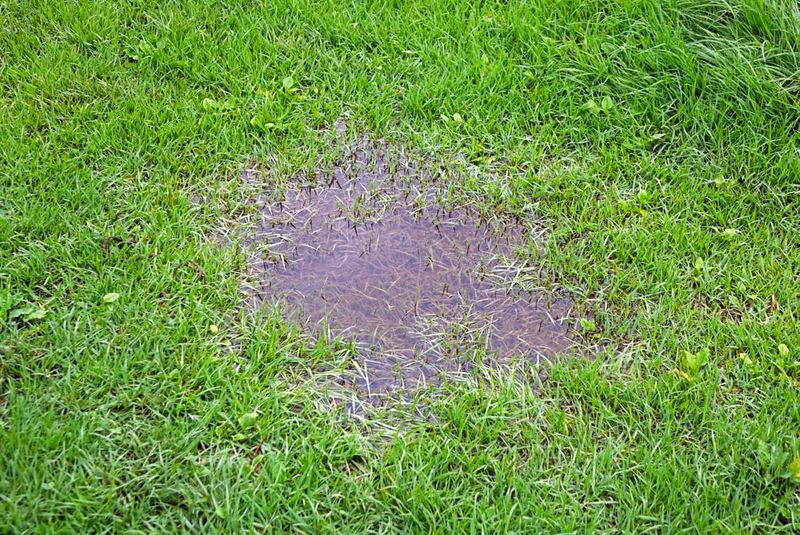
A squish underfoot on a soggy lawn means the spaces in the soil are full of water instead of air. Grass roots need both to stay healthy.
Roots take in oxygen from tiny pockets of air between soil particles. Heavy rain fills those pockets, and repeated storms keep the soil from draining enough to let air return.
Roots weaken, grow shallow, and absorb nutrients poorly as a result.
A stressed lawn makes an easy target. UC IPM notes that poorly drained, compacted soils leave turf more vulnerable to root rots and other diseases.
Clay soil, common across much of California, holds water like a sponge and worsens the problem.
Core aeration ranks among the best fixes. An aerator pulls small plugs of soil from the ground, opening channels for air and water.
The best timing falls when soil is moist but not muddy, usually during the active growing season for the grass type. In October, cool-season lawns make ideal aeration candidates.
Your California Garden Changes Every Week. Your Plan Should Too.
Gardening in California changes quickly throughout the season. Every Friday you’ll receive a simple weekly plan showing exactly what to plant, prune, fertilize, harvest, and protect so you never miss the right timing.
Spots where water collects deserve attention too. Low areas, downspouts dumping onto the lawn, and hard clay layers all keep roots soaking.
Redirecting gutters away from the grass and filling dips with a light topdressing reduces puddling. Keeping heavy foot traffic off wet turf prevents further compaction.
Fewer puddles mean roots that can finally recover, and a lawn better prepared for the next storm.
3. Cloudy Days Slow Drying
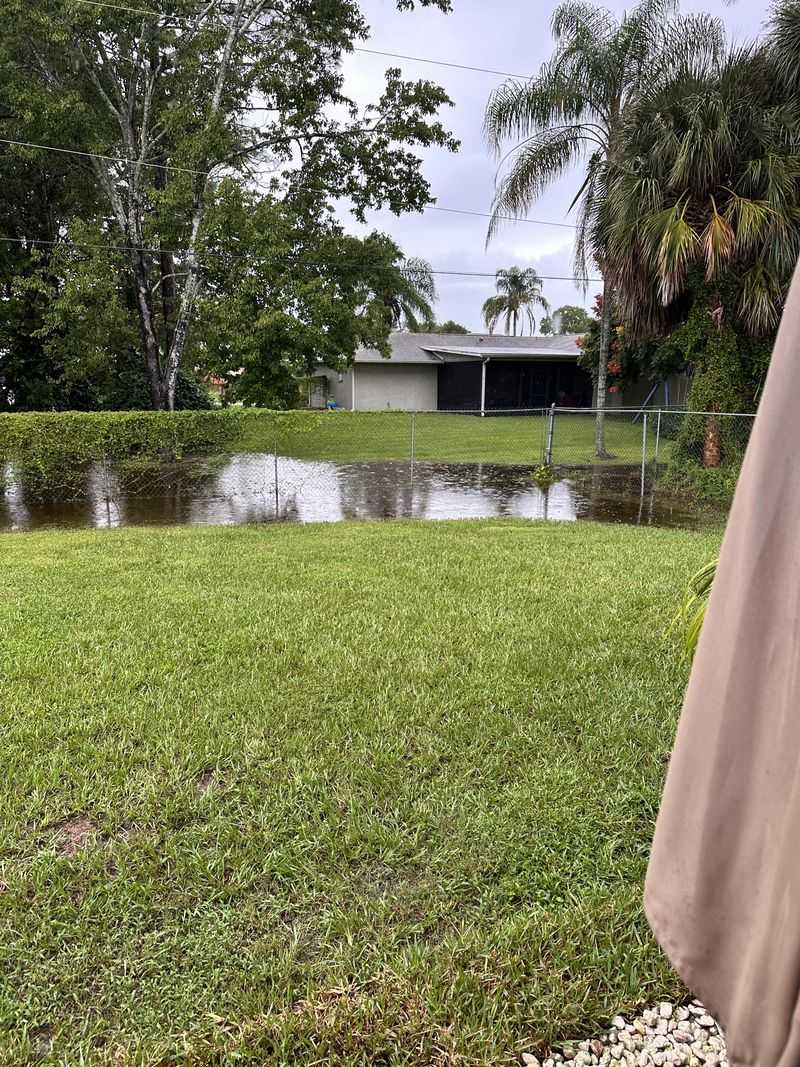
Noon arrives, and the lawn still looks freshly showered. With no sun, no breeze, and no relief, gray weather keeps the whole yard stuck on damp.
Sunlight works as a lawn’s natural towel, its warmth pulling water off blades and out of the top layer of soil.
On cloudy days between storms, that drying power drops sharply while humidity stays high. Leaves that would dry in two hours may stay wet until the next shower.
Shade makes things soggier still. Spots under trees, along fences, or on the north side of a house get less sun even on clear days.
During a rainy stretch, those areas may barely dry at all, and UC IPM lists shade and poor air movement among the conditions that favor many turf diseases.
Brightening things up helps where possible. Thinning low tree branches lets in more light and air, and trimming thick shrubs crowding the lawn edges opens space.
Even a few extra hours of sunshine each week can help grass shrug off moisture. Pruning large trees near the house or power lines belongs with a certified arborist.
Deeply shaded areas may do better with a shade-tolerant grass or a different ground cover entirely, since some spots simply won’t grow happy turf.
Mulch or shade plants in those areas end the same fungal battle every winter. Sometimes the smartest lawn decision involves admitting a patch was never meant to be lawn.
4. Cool Wet Weather Suits Patch Diseases
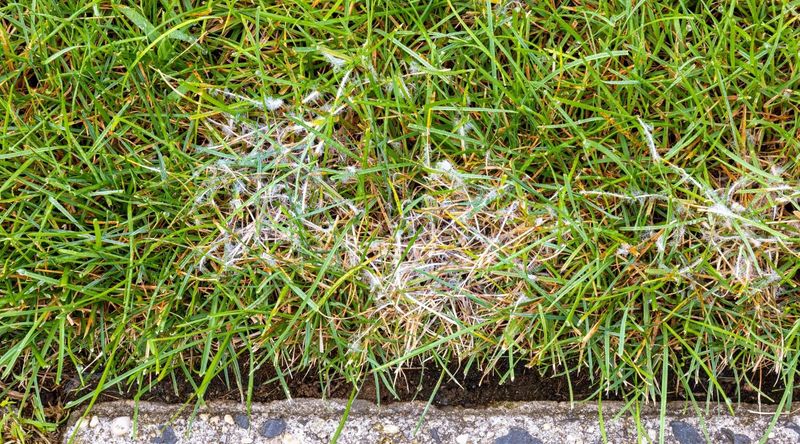
Winter across much of California runs mild, damp, and a little chilly. People enjoy it, and so do several lawn fungi.
Different diseases prefer different weather. Some thrive in summer heat, while others grow busy during cool, wet months.
UC IPM describes Fusarium patch, sometimes called pink snow mold, as favoring cool temperatures and long periods of moisture.
Rust and certain leaf spots also appear when grass grows slowly in cool weather.
Warm-season grasses such as bermudagrass and St. Augustinegrass slow down or go dormant in cool months, and slow grass can’t outgrow damage, so infections linger.
Cool-season grasses like tall fescue keep growing, though they still struggle when storms soak them week after week.
Several clues help. Circular spots of tan, pink, or reddish grass are common signs, while orange dust rubbing off on shoes points to rust.
A few blades pulled after a damp night may reveal spots or fuzzy growth.
An accurate diagnosis matters before any treatment, since many patches look alike and the fix depends on the cause. UC IPM photos and plant diagnostic labs can help.
Local nurseries often recognize common regional diseases quickly as well.
Cultural fixes usually come first, including better drainage, less water, and moderate feeding.
Fungicides serve as a last resort rather than a first reaction to a rainy week, and they work best as prevention when used at all.
5. Thatch Holds Moisture Against Crowns
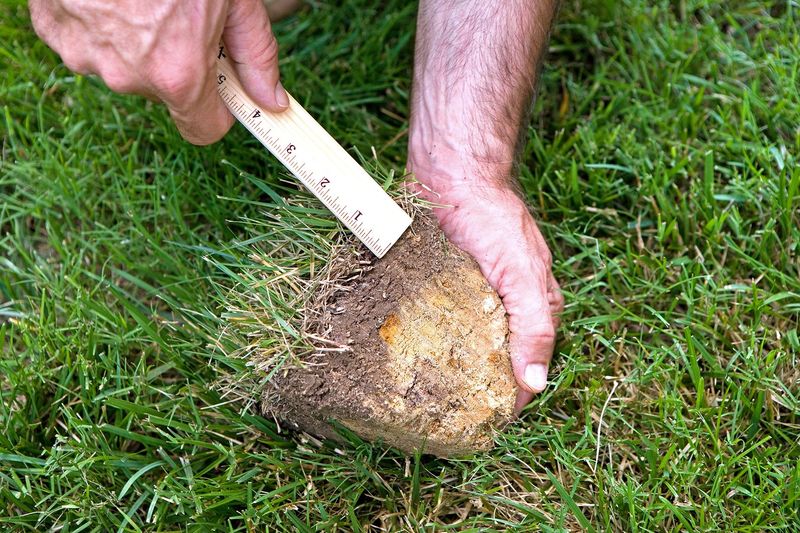
A spongy, brown mat felt beneath the grass before reaching soil reveals thatch. A little helps, though too much turns into a wet blanket.
Thatch is a layer of living and spent stems, roots, and runners that builds up between green blades and the soil.
UC IPM suggests keeping it under about half an inch.
Thicker layers soak up rain and hold it right against the crowns, the growing points at the base of each plant.
Wet crowns are vulnerable crowns. Fungi can live and feed inside thatch, and constant moisture gives them a comfortable base of operations.
Thick thatch also keeps water from reaching soil evenly and encourages shallow roots, and during a stormy week, the mat can stay soggy long after the surface looks dry.
A simple test reveals the level. A small wedge of turf cut out with a shovel shows the brown layer, and more than half an inch calls for action.
Dethatching with a vertical mower or power rake during active growth lets grass recover quickly, and core aeration helps break thatch down over time.
Going forward, avoiding overwatering and heavy nitrogen slows buildup, since both speed thatch formation.
Bermudagrass, kikuyugrass, and St. Augustinegrass build thatch fastest, so those lawns deserve more frequent checks.
Short clippings left on the lawn cause no harm, since they break down quickly and don’t create thatch.
6. Dense Turf Traps Humidity
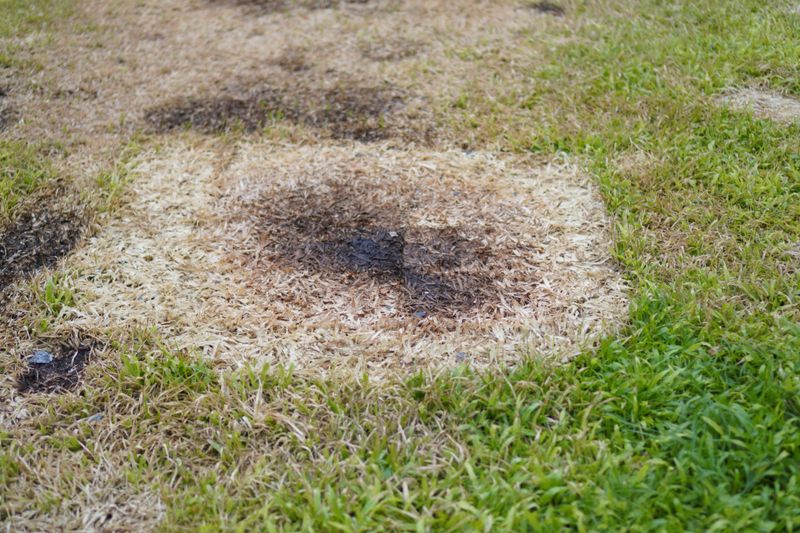
A thick, carpet-like lawn looks wonderful in photos. Down at ground level after rainy days, though, it can feel like a steamy locker room.
Tightly packed blades block air from moving through the grass, so moisture lingers around leaves and the soil surface while humidity stays high.
Fungi thrive in still, damp air, and UC IPM points to poor air circulation as a common factor in turf disease outbreaks.
Tall grass worsens the problem, as do walls, fences, and hedges that block breezes. A backyard lawn boxed in on all sides may stay humid for days after a storm.
An open front yard, by contrast, often dries fast, and overseeding too heavily can create crowded turf that never breathes well.
Mowing at the right height for the grass type, and keeping it consistent, helps. A shaggy lawn during the rainy season holds more moisture, though scalping is best avoided too.
Removing more than a third of the blade at once stresses the plant.
Opening up the yard helps where possible. Pruning hedges that block airflow, spacing new plantings away from lawn edges, and clearing leaves or toys off the grass all improve drying.
A lawn that catches a breeze dries faster and stays healthier. Overseeding at the rate on the seed bag, rather than doubling it, avoids crowding.
More seed rarely means more lawn.
7. Heavy Nitrogen Makes Soft Growth
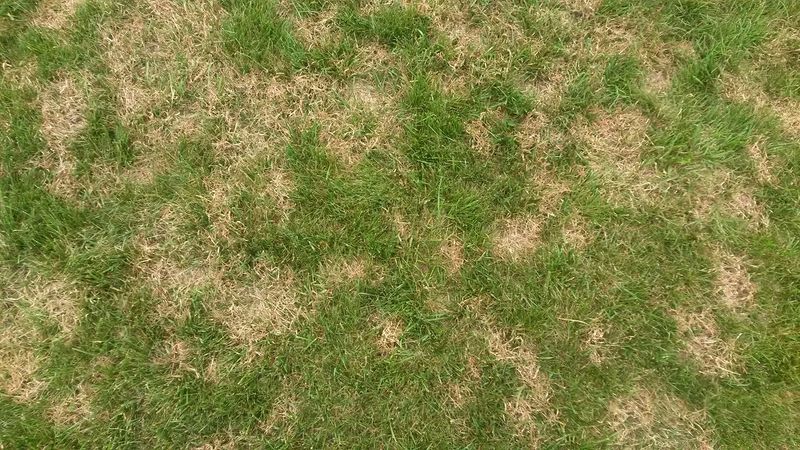
A deep green lawn after a big dose of fertilizer feels like a win, yet fungi may see it as an invitation.
Nitrogen pushes grass to grow quickly, and too much creates lush, tender blades with thin cell walls. That soft tissue lets fungi invade more easily, especially when rain keeps everything wet.
UC IPM lists excess nitrogen as a factor raising the risk of diseases such as brown patch and Pythium blight.
Some diseases prefer the opposite, appearing on underfed lawns. Rust and dollar spot often show up when nitrogen runs low, so the goal is balance rather than starving or overfeeding.
UC IPM guidance for each grass type lists yearly nitrogen amounts in pounds per 1,000 square feet.
Splitting the total into several light feedings works better than one heavy dose, and slow-release products spread nutrients out, reducing sudden bursts of soft growth.
Timing matters too. Cool-season grasses do best fed mainly in fall and spring, while warm-season grasses prefer feeding from late spring through summer.
Fertilizing right before a big storm system is best avoided, since heavy rain can wash nutrients off the lawn and into storm drains, harming creeks and the ocean.
The right amount at the right time keeps grass sturdy and spending under control. Much like dessert, a little fertilizer goes a long way, while too much causes trouble.
8. Mowing Wet Grass Spreads Spores
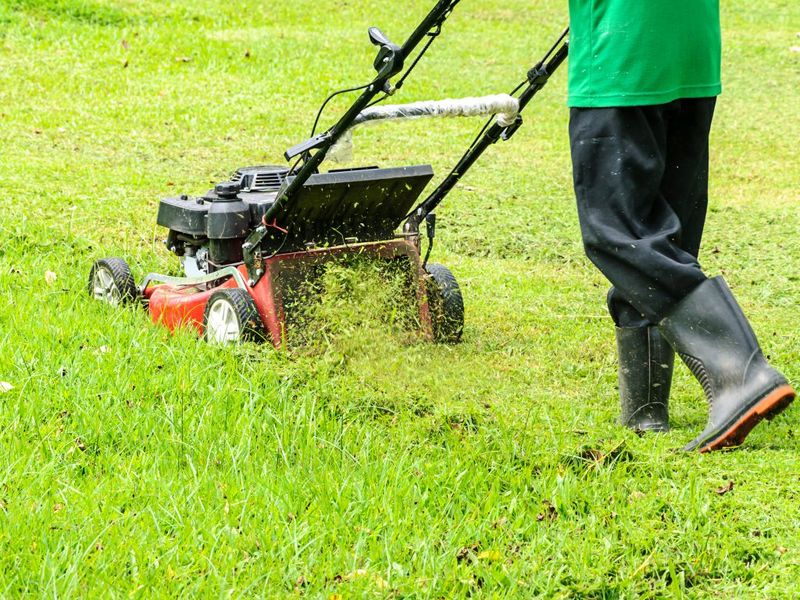
A break in the clouds often arrives with grass far too tall, and reaching for the mower right away is tempting. A little more waiting pays off.
Wet grass works like a disease highway. Spores and bits of infected leaves stick to mower blades, wheels, and shoes, then drop across the whole yard.
UC IPM recommends mowing when turf is dry to help limit disease spread, since a sick patch in one corner can become a lawn-wide problem in a single afternoon.
Wet blades also tear instead of slicing cleanly, leaving ragged tips that heal slowly and give fungi an easy entry.
Clippings clump into soggy piles that mat over the grass and hold even more moisture, while heavy mowers can rut and compact soft soil.
Blades that feel dry when brushed by hand, usually by afternoon on a sunny day, signal the right time. Sharp mower blades keep every cut clean.
Sharpening a couple of times a season makes a real difference. Disconnecting the spark plug before handling the blade prevents accidental starts.
A known infected section is best mowed last. Rinsing or brushing off the deck and wheels afterward keeps spores from traveling to other areas or the yard next door.
Spreading out any clipping clumps helps them dry quickly. A little patience after the storm pays off in a lawn that recovers rather than breaking out in new patches.