This Is When to Stop Mowing Your Michigan Lawn
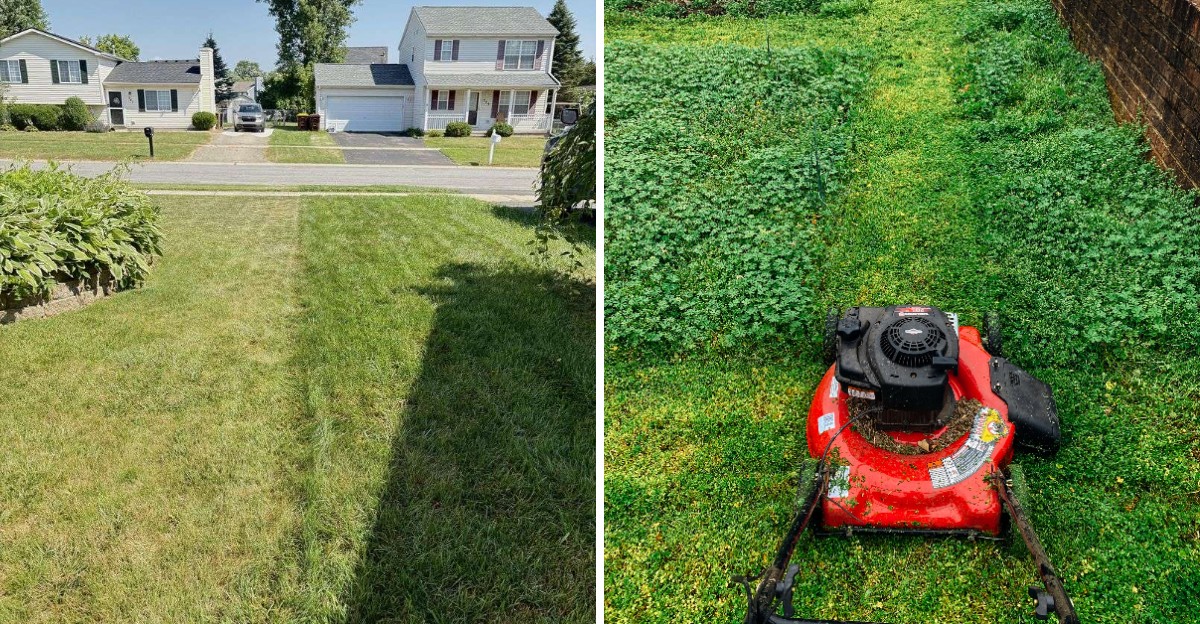
Your grass keeps growing in October, long after the maple leaves turn orange and crunchy underfoot. I honestly thought my yard took a nap the moment football season started, but the blades had other plans.
One simple number on your thermometer decides when the season of yard work finally wraps up for good. Cool-season turf in Michigan keeps pushing out fresh green blades until the air cools down for real.
Personally, I used to trust the calendar, and my lawn paid for it the next spring. Snow pressed the long grass flat, and fuzzy gray mold showed up the moment everything finally melted away.
You’re in for a big surprise at how much one smart October choice shapes next year’s yard. So how do you know the right moment has finally arrived for your own patch of green grass?
1. Your Mower Can Rest Once Temps Stay Below Fifty Degrees
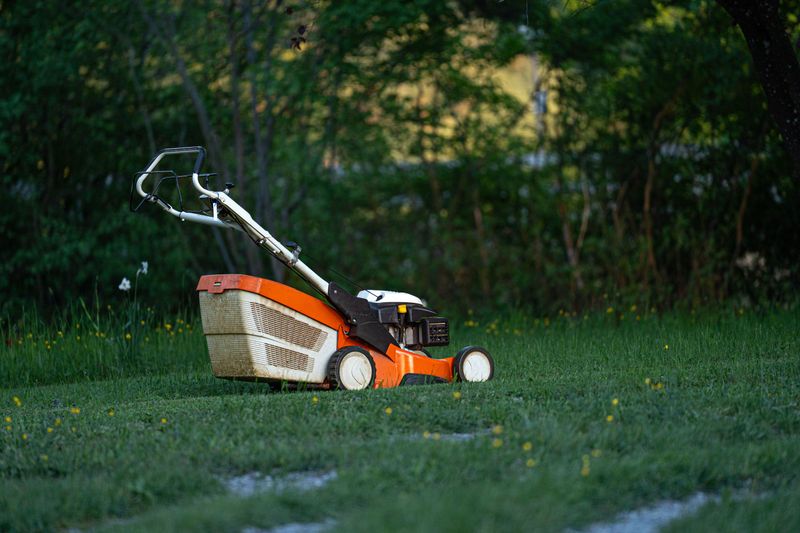
Grab a weather app instead of a calendar, because temperature tells the real story about your grass this fall. Most lawn experts agree that you can park the mower once daytime highs stay below fifty degrees Fahrenheit for good.
Cool-season grasses like Kentucky bluegrass and fine fescue slow way down when the air holds steady below that mark. In most Michigan towns, that shift usually lands somewhere between late October and the middle of chilly November.
One chilly morning does not count, so watch for a full week of cool afternoons before calling it quits. Early October often brings warm spells that wake the grass up again and send it shooting upward surprisingly fast.
I like to jot the daily highs on a bright sticky note by the back door during these weeks. It sounds a little nerdy, but the pattern becomes easy to spot after just a few short days of tracking.
Your lawn also gives clues, since the clippings shrink and the mower bag fills much more slowly than before. When both signs line up, you can feel confident that the season of weekly cutting has reached its end.
2. Your Grass Is Still Busy Growing This Month
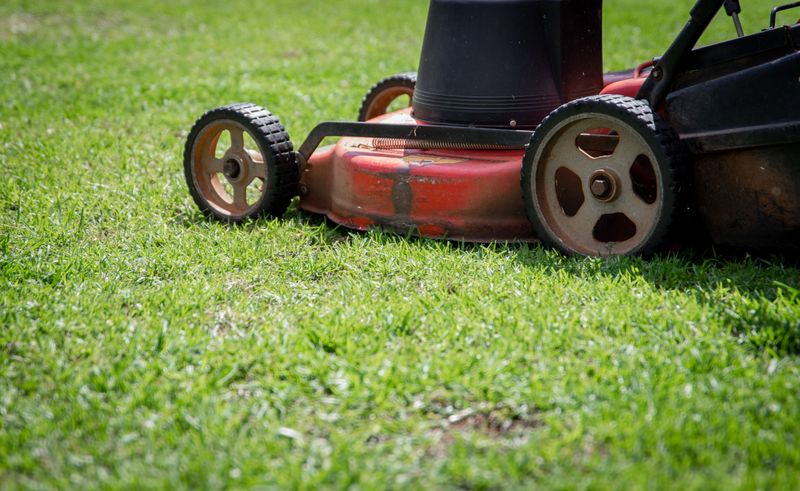
October fooled me for years, because the yard looked sleepy while the roots were quietly working overtime deep underground. Cool nights and mild sunny days create perfect conditions for turf to thicken up before the ground freezes hard.
Fall is actually a second growing season for the grasses that cover most lawns across the Great Lakes region. The blades keep stretching upward, even though the days are shorter and the shadows fall long well before dinnertime.
Skipping cuts during this stretch lets the grass grow shaggy, and shaggy turf flops over under heavy autumn rain. Floppy blades block sunlight from the lower leaves, which then turn yellow and weaken the whole stand of grass.
A good habit is to follow the one-third rule, removing no more than a third of the blade each time. Taking off too much at once stresses the plant right when it should be storing energy for winter.
Your Michigan Garden Changes Every Week. Your Plan Should Too.
Gardening in Michigan changes quickly throughout the season. Every Friday you’ll receive a simple weekly plan showing exactly what to plant, prune, fertilize, harvest, and protect so you never miss the right timing.
You may only need to mow every ten days now, which feels like a nice little break from summer chores. Keep the routine going anyway, since steady trims help the lawn enter the cold months strong, thick, and tidy.
3. You Should Skip The Early Shutdown Mistake
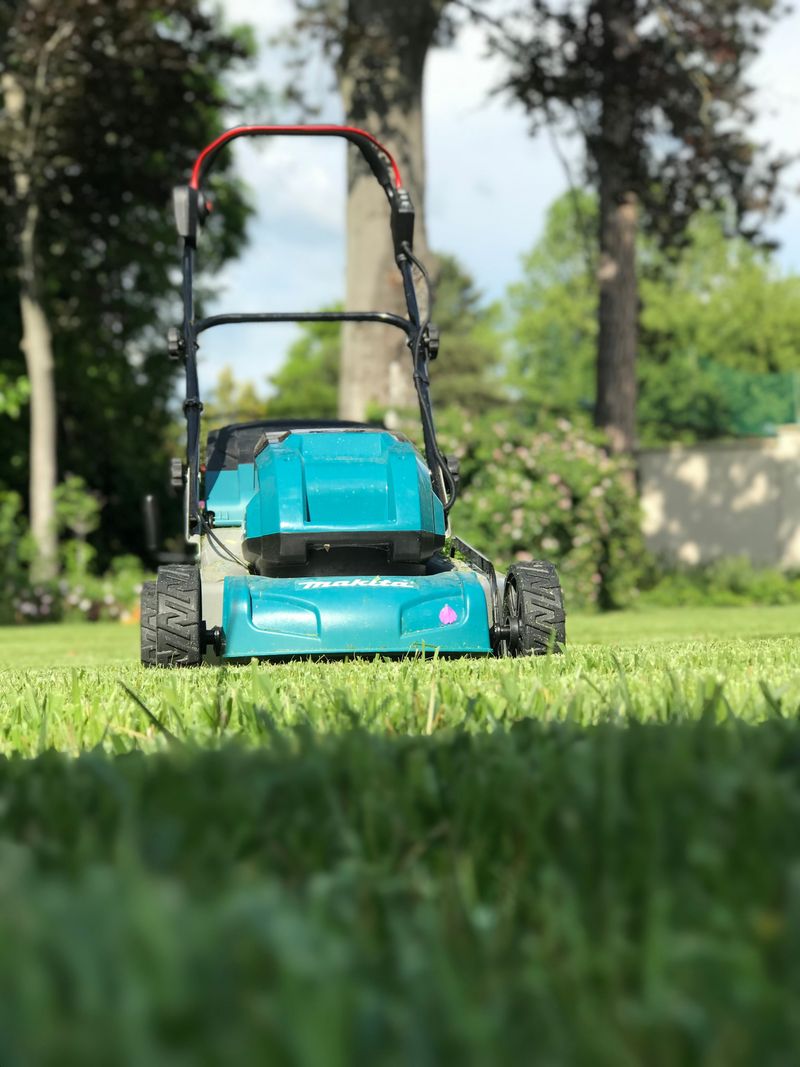
Snow mold sounds like something from a cartoon, yet it is a real headache for many Michigan homeowners each spring. It shows up as crusty gray or pink circles once the snowbanks finally shrink away in late March.
The main cause is often grass that went into winter too tall, floppy, and full of trapped cold moisture. Heavy snow presses those long blades into a damp mat, which gives fungus a cozy dark place to spread.
Tall, tangled turf also attracts voles, small mouse-like critters that tunnel under the snow all winter long searching for food. By spring, you may find winding brown trails across the yard where they chewed paths through the grass.
I made this exact mistake one year when I stored the mower during a busy, rainy stretch in mid-October. The grass kept growing for three more weeks, and the spring cleanup took me two full weekends to finish.
A little patience now saves a lot of raking, reseeding, and frustration once the warm spring weather finally returns. Leave the mower out until the cold truly settles in, even if the neighbors have already packed theirs away.
4. Your Final Cut Deserves A Lower Blade Setting
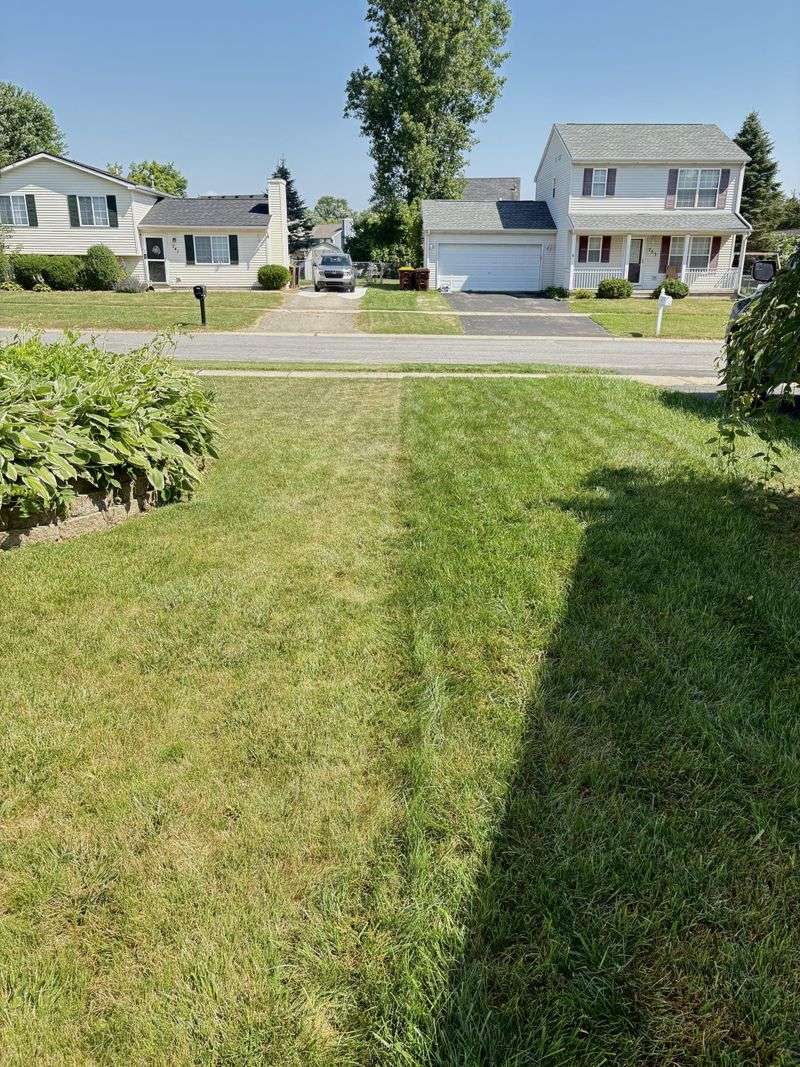
The last trim of the year works like tucking your lawn into bed with a neat, short, comfortable haircut. Lawn pros suggest a finished height of about two to two and a half inches for most cool-season grass.
Shorter blades stand up stiffer, so they resist getting crushed by ice, sleet, and heavy piles of shoveled snow. They also dry out faster after a thaw, which leaves less moisture sitting around for fungus to enjoy later.
Do not get carried away and scalp the yard down to the dirt, because that exposes the delicate crown. The crown is the tender growing point near the soil, and it needs some cover against bitter January winds.
Lower your mower deck gradually over the last two or three cuts instead of dropping it all at once. This gentle step-down lets the grass adjust without the shock of losing half its height in one afternoon.
Personally, I also sharpen the blade before that final pass, since dull edges tear the tips and leave them brown. A clean, crisp cut heals faster and keeps your yard looking tidy right up until the first snowfall arrives.
5. Fallen Leaves Need Your Attention Before Snow Arrives
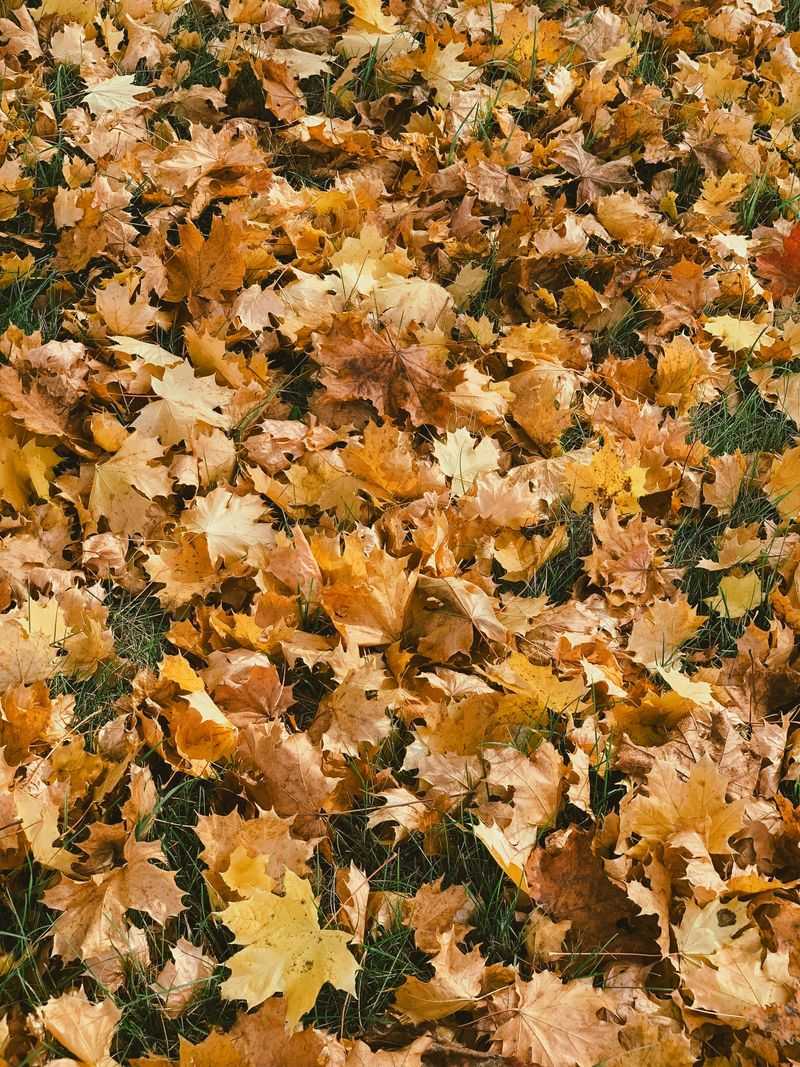
Those gorgeous red and gold leaves look lovely on the trees, but they cause trouble once they carpet the grass. A thick, soggy layer blocks sunlight and traps moisture, which can smother the turf underneath within a few weeks.
Your mower actually doubles as a handy leaf tool during October, which makes those last cuts extra useful. Running over a light layer chops the leaves into tiny bits that sink down and feed the soil all winter.
Researchers at Michigan State University found that mulched maple leaves may even help reduce dandelions the following spring. That fun little bonus makes the chore feel a lot less like work and more like smart backyard gardening.
When the pile gets too deep to mulch, rake or bag the extra leaves before they turn into a mat. Many towns offer curbside leaf pickup this time of year, so check your local schedule before November rolls around.
I try to clear the yard at least once a week while the big oaks are still dropping. Staying ahead of the pile feels much easier than wrestling with a wet, heavy blanket after the first frost.
6. You Can Feed Your Lawn One Last Time
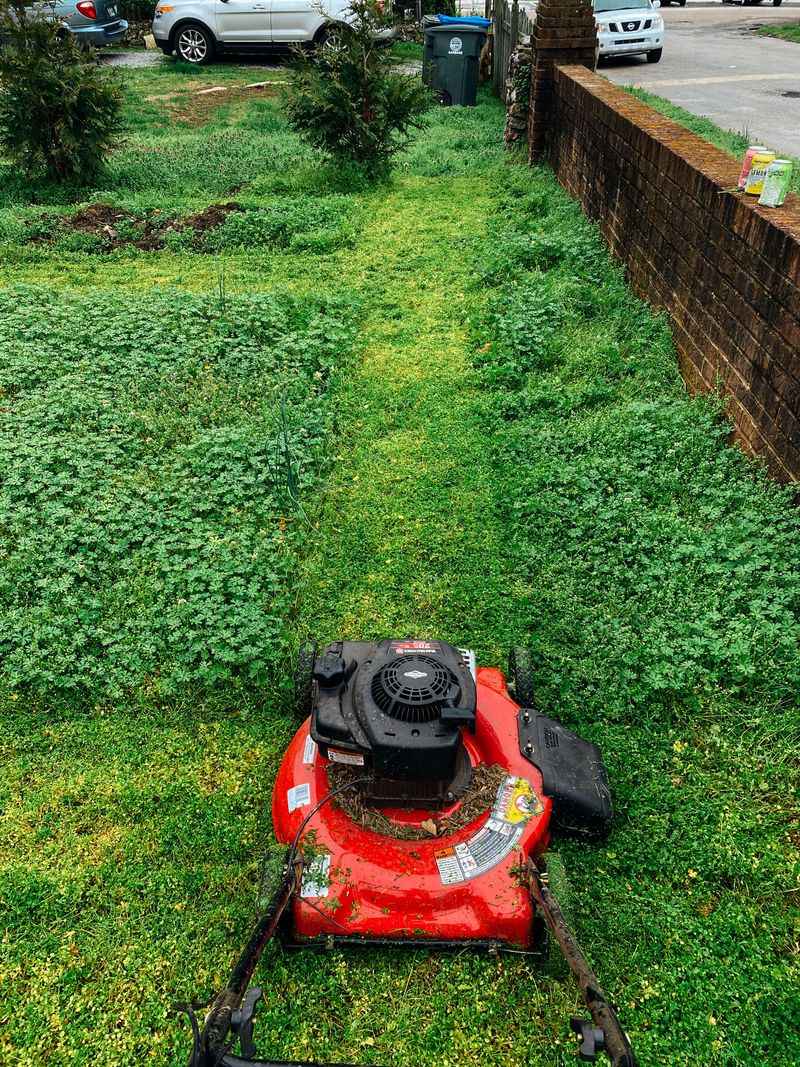
Late fall is the sneaky secret behind those thick, emerald lawns that seem to wake up early every April. A final feeding gives the roots a snack they can tuck away before the ground freezes solid for months.
The best timing usually comes right around your last mow, while the blades are still green but slowing down. Top growth has mostly stopped by then, so the grass sends those nutrients straight down to its busy roots.
Look for a bag labeled for fall or winterizing use, and read the directions carefully before you start spreading. Michigan has rules that limit phosphorus in lawn fertilizer, so most products here focus mainly on nitrogen instead.
Keep the granules off sidewalks and driveways, since rain can wash them into storm drains and nearby lakes or streams. A quick sweep with a broom after spreading protects the water and saves product for the hungry grass itself.
I can’t imagine skipping this step now, because my yard greened up two whole weeks sooner after I started. It takes about twenty minutes with a basic spreader, and the payoff shows up when the snow finally melts.
7. Your Spring Lawn Will Thank You For This Effort
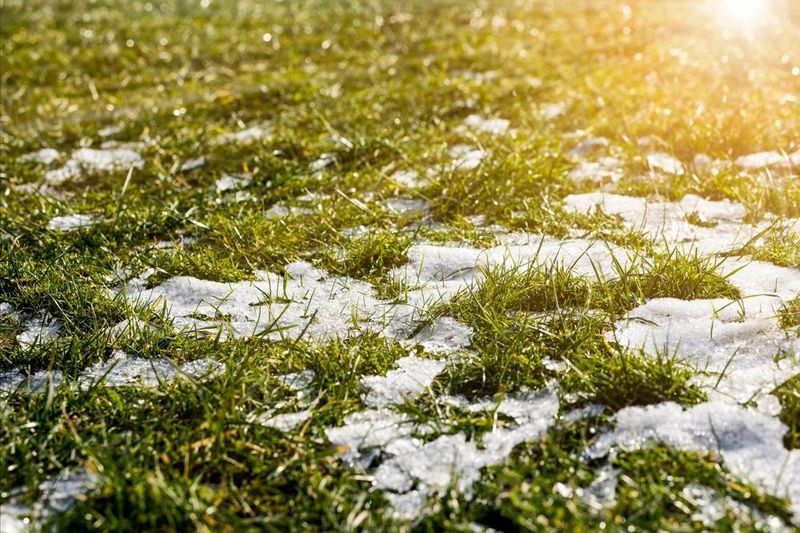
Fast forward to a soggy April morning, coffee in hand, staring at a lawn that already looks fresh and green. That happy scene often traces back to the small, careful choices you made during these crisp October weeks.
Grass that enters winter at the right height with clean, leaf-free soil usually bounces back much faster and thicker. You will likely spend less time patching bare spots and more time enjoying the yard with family and friends.
Healthy, dense turf also crowds out weeds naturally, which means fewer crabgrass surprises once the weather finally warms up. Strong roots hold more water too, so the lawn handles dry stretches in late July with far less stress.
Before the first big snow, give your mower a little love by cleaning the deck and emptying the gas. Some folks add fuel stabilizer instead, which keeps the engine happy while it rests in the garage until spring.
I believe the best lawn care feels like teamwork between you, the weather, and the grass itself each season. Pay attention to the thermometer this month, and your Michigan yard will reward you with a gorgeous spring comeback.