How And When Wyoming Gardeners Should Harvest Coneflower Seeds For More Blooms
Coneflowers disappear from most gardens after a demanding Wyoming winter. Yours don’t have to. Wyoming’s extreme climate actually builds stronger, hardier coneflower seeds than milder states ever could.
Strong winds toughen the plant’s genetics season after season. Most gardeners still toss spent blooms straight into the compost pile. You’re about to skip that mistake entirely.
Timing actually determines whether your seeds sprout or simply rot. Weather shifts fast here, and your window closes quickly. Dry seed heads quietly hold hidden treasure most people never notice.
Color, texture, and moisture all signal the perfect harvest moment. Skip a single clue and you risk losing next year’s blooms. Free seeds mean free flowers, multiplying constantly without spending anything extra.
Nothing about this careful process rewards hesitation or careless guessing. Every moment you wait shrinks your harvest opportunity further. Master this timing now, and an entire garden of blazing color becomes unavoidably yours.
Cut Whole Seed Heads With Scissors
Scissors are your best friend when it comes to harvesting coneflower seeds. Grabbing a seed head with your bare hands often causes seeds to scatter before you even get started.
Sharp garden scissors or pruning snips give you clean, controlled cuts every time. A clean cut also helps protect the remaining plant from damage or disease entering through a ragged stem.
When you cut, aim about two inches below the seed head. This gives you enough stem to hold the head steady while you work with it later.
Place each cut seed head directly into a paper bag or bowl as you go. That way, any seeds that shake loose during cutting are still captured and not lost to the wind.
Some gardeners like to cut several heads at once and process them all in a batch. This approach saves time and lets you compare which heads are fully ripe versus which ones need a few more days.
Avoid using dull scissors because they crush the stem instead of cutting it cleanly. A crushed stem can squeeze seeds out prematurely and make the whole process messier than it needs to be.
With proper timing, you can usually harvest coneflower seeds before the birds do. Save your seeds, then let the birds enjoy the rest. One snip, one seed head, one step closer to a bigger, bolder garden next season.
Rub Seed Heads To Loosen Seeds
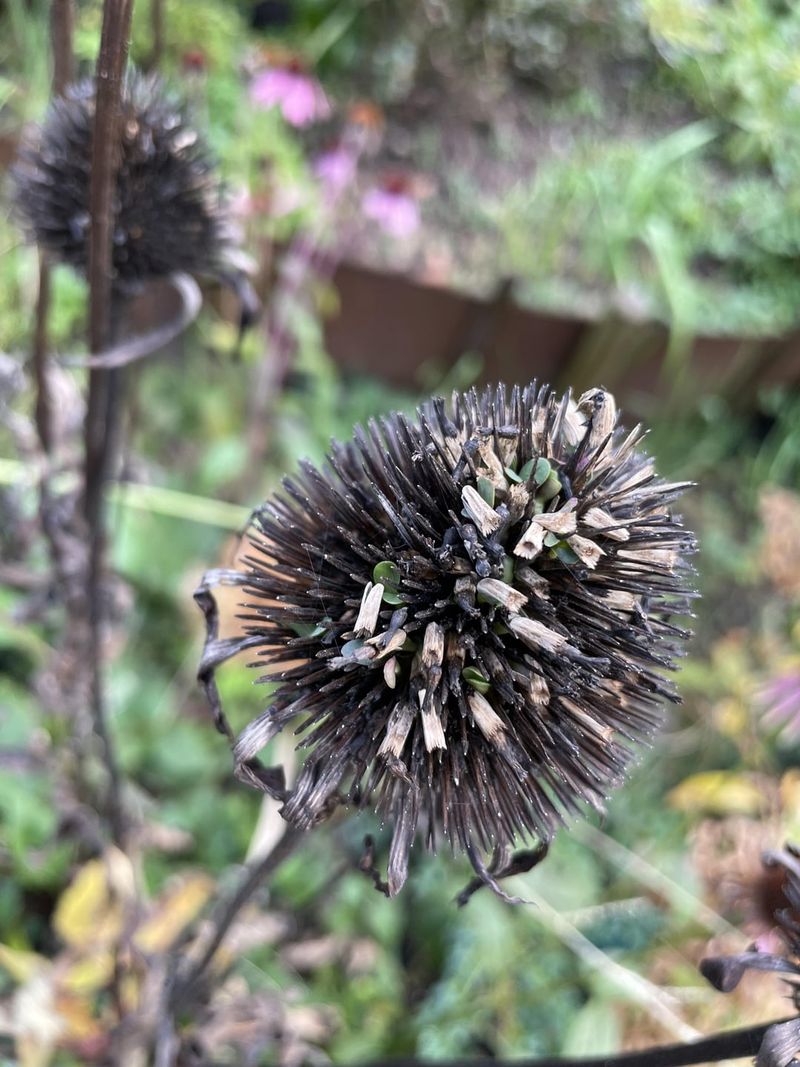
Once your seed heads are cut, the next step begins. Rubbing the dried cone between your palms is the easiest way to release the seeds hiding inside.
Hold the seed head firmly and use a rolling motion with both hands. You will feel the small, pointed seeds start to fall away from the cone almost immediately.
Some cones release seeds easily after just a few seconds of rubbing. Others are tighter and need a bit more pressure, especially if the head was not fully dry when you cut it.
Work over a clean bowl or a sheet of white paper so you can see exactly what falls out. White backgrounds make it much easier to spot the seeds against the chaff and debris that also come loose.
Wear gloves if your skin is sensitive because the cone itself has a slightly prickly texture. The spines are not sharp enough to draw blood, but they can leave your palms feeling scratchy after a long session.
Do not rush this step. Taking your time means more seeds end up in your collection bowl instead of on the ground or blowing away in the breeze.
Rubbing seed heads is one of those small garden tasks that feels repetitive but simple once you get into the rhythm. By the time your bowl is full, you will already be picturing next summer’s coneflower blooms stretching across your garden beds.
Separate Seeds From Chaff And Debris
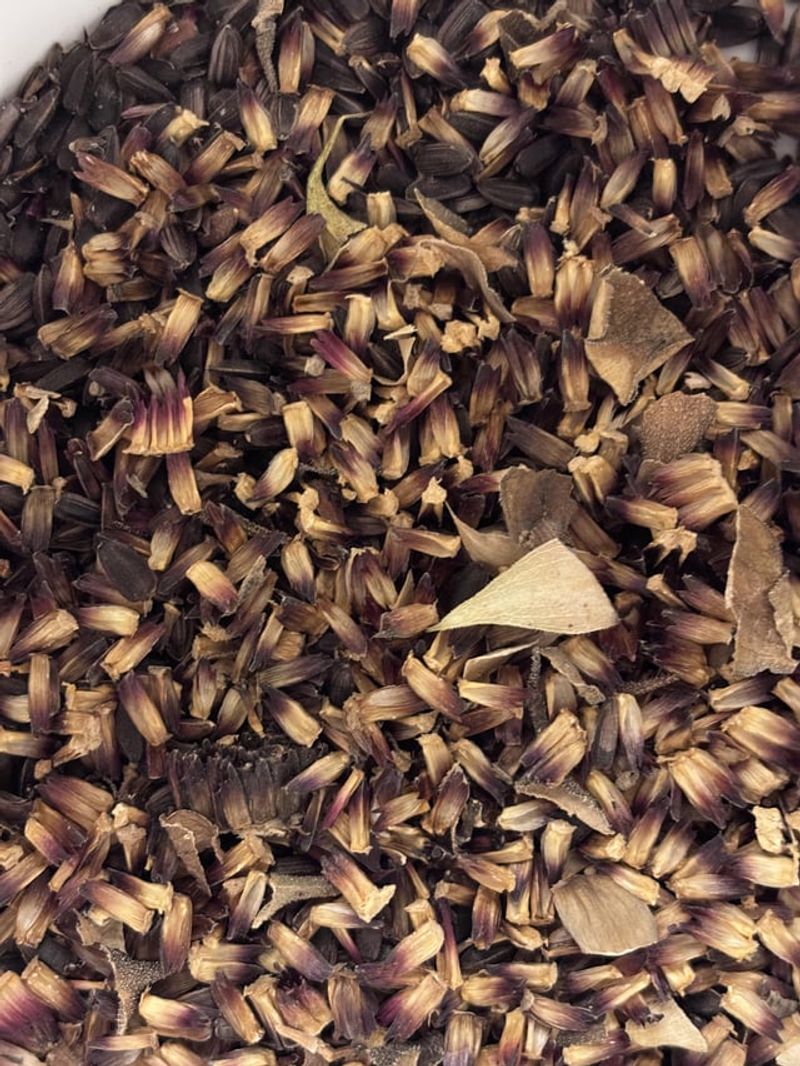
Not everything that falls from a coneflower seed head is actually a seed. Bits of dried petal, cone fiber, and dust all mix in with the real seeds during the rubbing process.
Separating seeds from the chaff is a simple but important step. Planting a mix of seeds and debris reduces germination rates and wastes space in your garden beds.
One popular method is light blowing. Hold your bowl at chest height and blow gently across the surface, letting the lighter chaff float away while the heavier seeds stay put.
Another approach is using a fine mesh strainer. Pour your seed and chaff mixture through the strainer, and the smaller debris falls through while the seeds stay behind.
You can also try the water float test for extra accuracy. Drop seeds into a small cup of water; viable seeds sink while empty or hollow ones float to the top.
Spread your cleaned seeds on a dry paper towel for about an hour before storing them. Any remaining moisture needs to evaporate completely or the seeds may mold during storage.
Taking the time to clean your seeds properly makes a noticeable difference come spring planting. Clean seeds germinate faster, grow stronger, and give you the kind of coneflower display that produces noticeably fuller blooms.
Store Seeds In A Paper Envelope
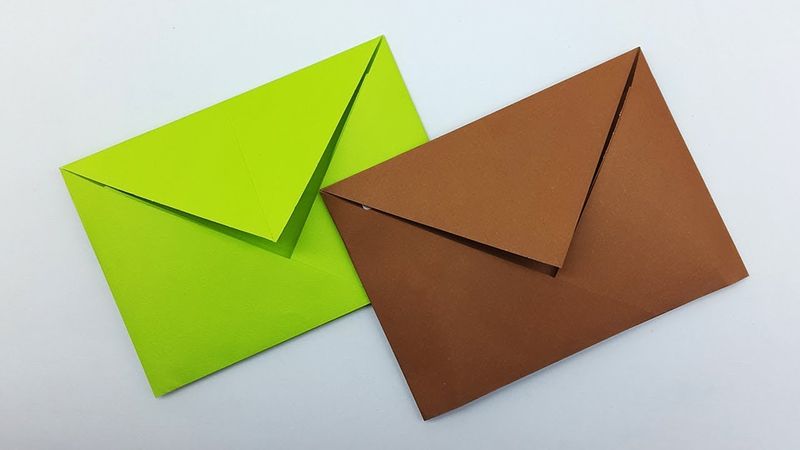
Paper envelopes are the gold standard for storing coneflower seeds over the winter. Unlike plastic bags, paper allows tiny amounts of moisture to escape, which keeps seeds from rotting before spring arrives.
Use a simple letter envelope or a small coin envelope for each batch of seeds. Label each one with the plant name and the harvest date so you know exactly what you have come planting season.
Store your labeled envelopes in a cool, dark, dry location. A drawer in an unheated room or a cardboard box in your basement both work well for keeping seeds dormant and viable.
Avoid storing seeds near heat sources like stoves or sunny windowsills. Heat speeds up moisture loss inside the seed and can reduce germination rates dramatically before you even get a chance to plant.
If you want extra protection, place all your envelopes inside a sealed glass jar with a small silica gel packet. The silica absorbs any stray humidity and keeps your storage environment stable through Wyoming’s variable winter conditions.
Some gardeners write a quick note on the envelope about where in the garden the seeds came from. This helps you track which plants performed best and which spots produced the healthiest blooms.
A well-stored seed envelope preserves this year’s plant for next year’s planting. Open it in spring and you will be amazed at how much life is packed into something so small and ordinary.
Wait Until Petals Fully Fall Off
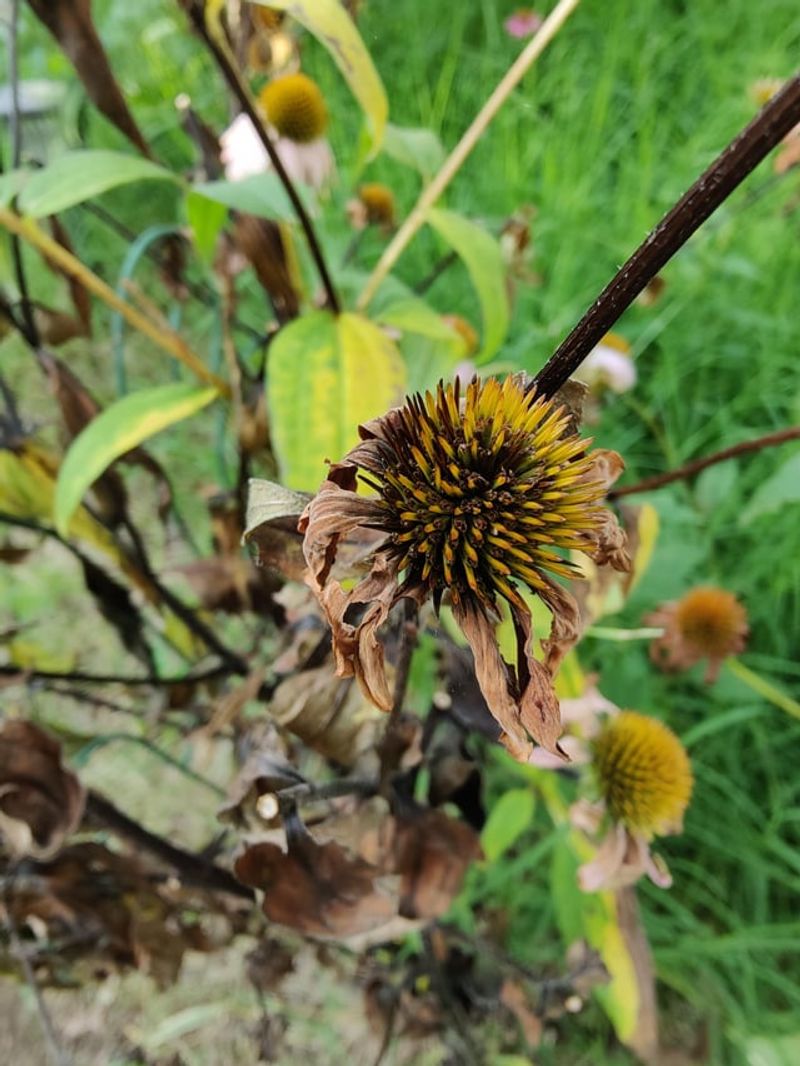
Patience is the hardest part of harvesting coneflower seeds, but it pays off in a big way. Collecting seeds before the petals drop completely means the seeds inside are likely not mature enough to sprout next season.
Watch your coneflowers carefully as summer fades into early fall. The purple or pink petals will start drooping downward, then slowly shrivel and fall away on their own over a week or two.
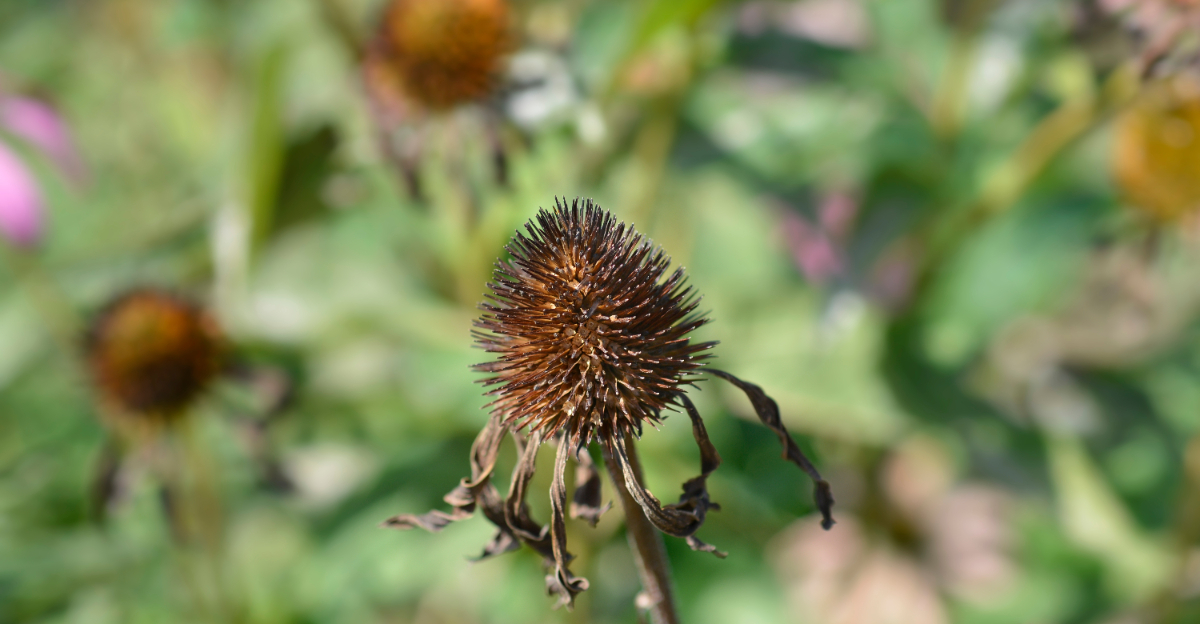
Once the last petal is gone, the cone underneath becomes the star of the show. It shifts from green to a deep brown or nearly black color, which signals that seed development is wrapping up.
Resist the urge to harvest the moment petals start falling. Give the plant at least another week after the final petal drops to ensure seeds have fully hardened inside the cone.
A fully mature seed has a firm, pointed tip and a slightly tan or cream-colored body. Immature seeds are soft, pale, and almost translucent, which means they will not germinate reliably.
Checking your plants every few days during this window keeps you from missing the sweet spot between full ripeness and bird activity. Birds can discover ripe coneflower cones quickly once cones mature.
Waiting for petals to fall completely is not procrastination, it is strategy. Give the plant the time it needs, and your seeds will reward you with strong, healthy sprouts when spring finally arrives in Wyoming.
Check For A Dry Brown Cone
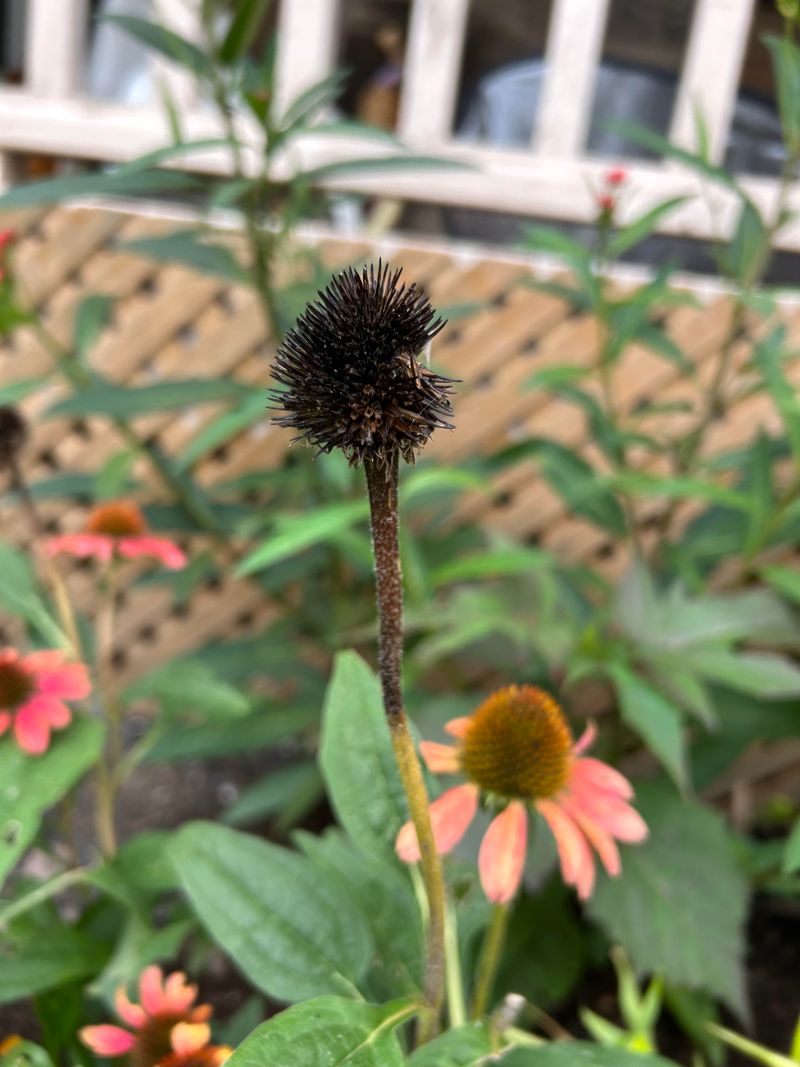
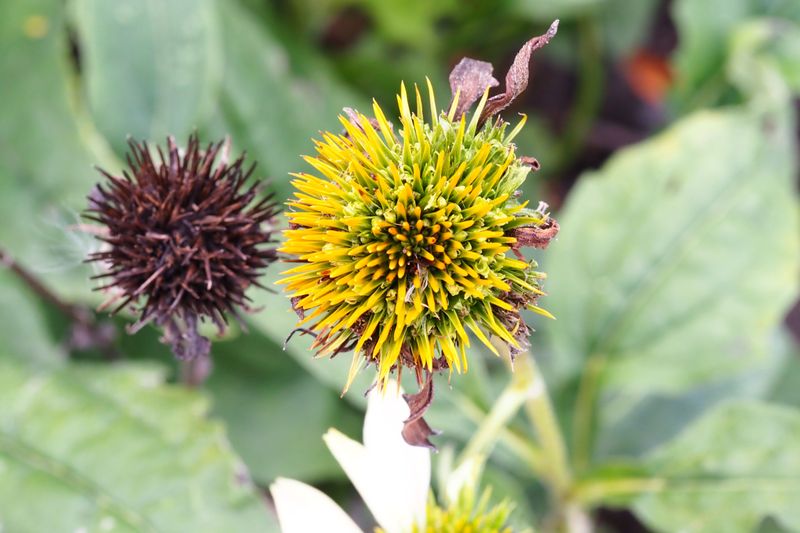
Color and texture tell you everything you need to know about whether a coneflower seed head is ready. A cone that is still green or soft is holding seeds that need more time to develop.
Run your thumb across the surface of the cone. A ripe cone feels rough, scratchy, and firm, almost like the bristles on a stiff brush.
The color you are looking for is a deep chocolate brown or near-black. That dark shade means the seeds inside have completed their development and hardened into viable planting material.
Squeeze the cone gently between your fingers. A ready cone barely gives at all, while an unripe one feels slightly spongy or flexible under pressure.
Shake the seed head near your ear on a calm day. Ripe seeds sometimes produce a faint rattling sound as they shift loosely inside the cone structure.
If your cone is still partly green at the base but brown at the top, give it several more days. Uneven ripening is common and does not mean the plant is unhealthy.
Learning to read a cone by sight and touch takes one season to learn and stays useful for years. Once you know what a perfect, dry brown cone feels like, you will never second-guess your harvest timing again.
Harvest Before Birds Eat The Seeds
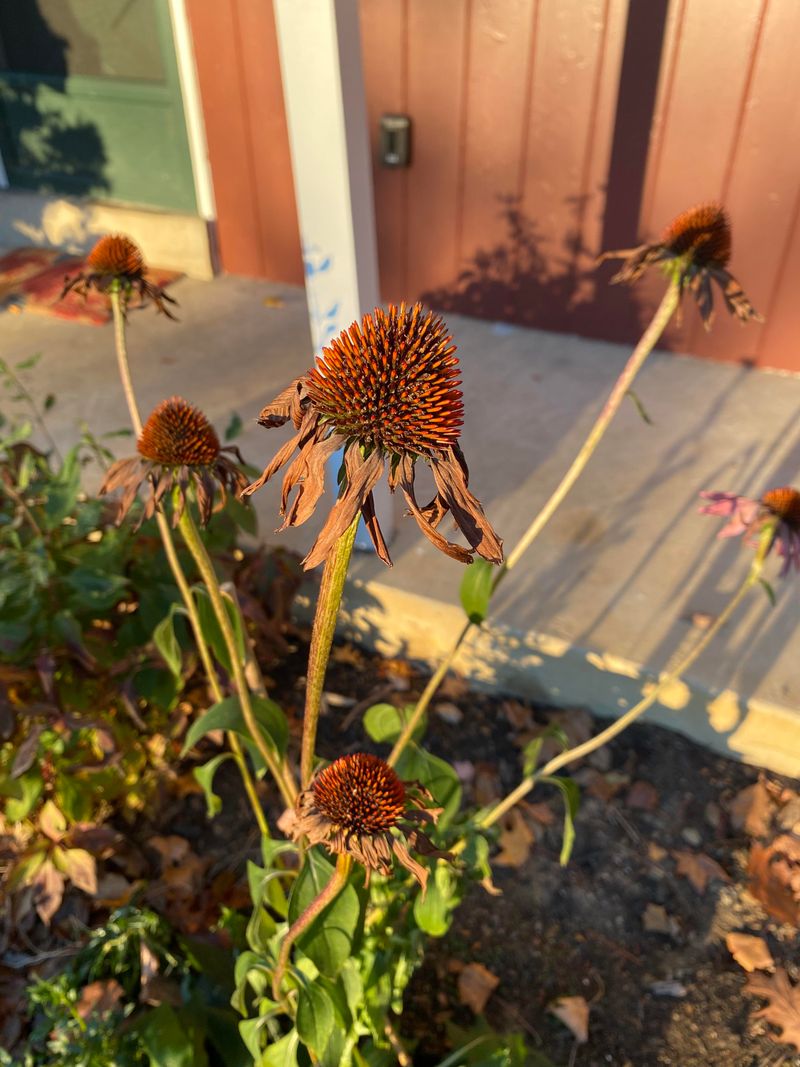
Birds absolutely love coneflower seeds, and they are not shy about helping themselves. Goldfinches, chickadees, and sparrows can strip a mature seed head clean in just a day or two.
Watching birds enjoy your garden is a beautiful thing, but not when you are trying to save seeds for next season. Timing your harvest correctly means both you and the birds can benefit.
Plan to leave some seed heads standing through winter to feed local wildlife. But mark the ones you want to harvest and collect those before the birds find them.
A simple trick is to loosely tie a small piece of cheesecloth or mesh fabric around ripening cones. This lets the cone continue drying while keeping birds from pecking the seeds out early.
Check your marked plants daily once the cones turn fully brown. Bird activity increases sharply in early fall as migratory species fuel up for long journeys, making your window tighter than you might expect.
Early morning is the best time to harvest before bird activity peaks for the day. Most birds begin feeding shortly after sunrise, so being out in the garden at dawn gives you a real advantage.
Harvesting coneflower seeds before the birds arrive is with proper timing, you can usually harvest seeds before birds do. Save your seeds, then let the birds enjoy the rest.
Collect On A Dry Sunny Day
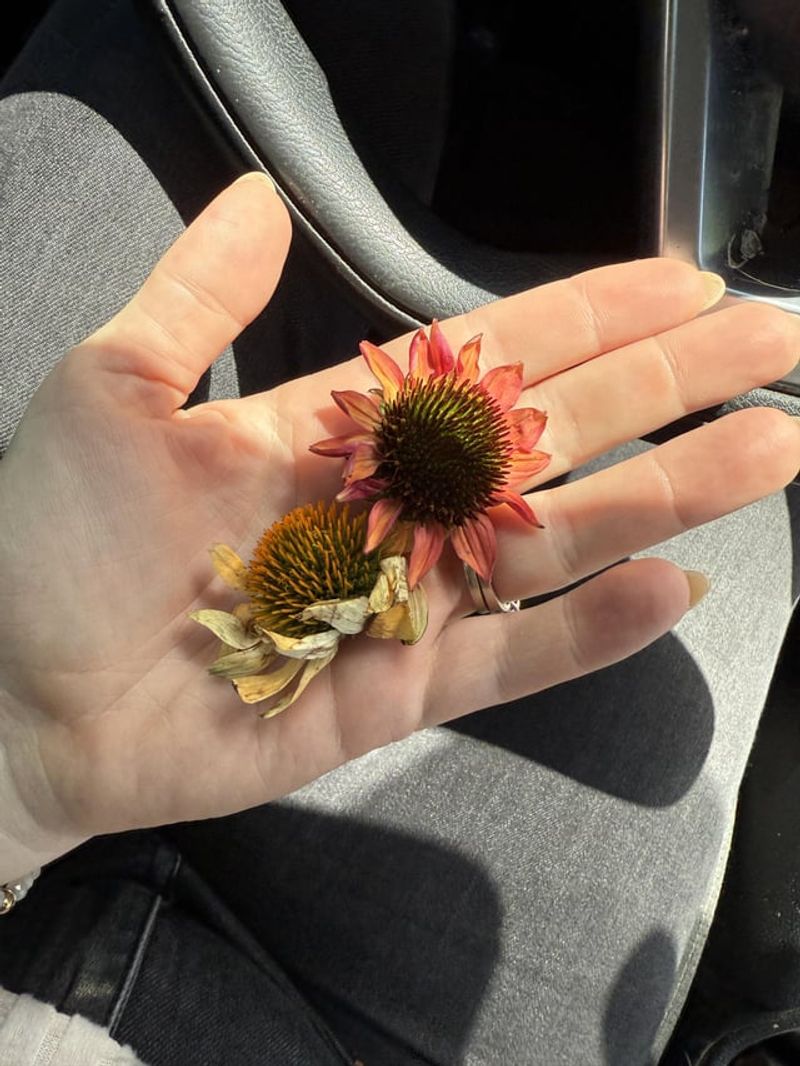
Weather matters more than most gardeners realize when collecting coneflower seeds. Harvesting on a damp or rainy day introduces moisture into your seed collection, which can lead to mold during storage.
Pick a morning after at least two or three consecutive dry days for best results. This ensures the cones and seeds are as dry as possible before you cut and collect them.
Sunny days with low humidity are ideal for harvesting, and many parts of Wyoming see these conditions during late summer and early fall. Dry conditions can help cones reach peak dryness faster than in more humid climates.
Avoid harvesting right after an early frost or a dew-heavy morning. Surface moisture on the cones may not be visible, but it can still affect seed quality during the months of storage ahead.
Mid-morning is the sweet spot for collection timing. Any overnight dew has had time to evaporate, but the afternoon winds that often pick up across Wyoming have not yet begun.
Lay your freshly cut seed heads on a dry surface in the sun for an extra hour before processing. This final drying step gives you added confidence that moisture is not hiding inside the cone structure.
You are holding next season’s entire bloom in the palm of your hand, and that is worth the effort.