Why Box Tree Moth Is Putting Michigan Boxwood Under Quarantine This Fall
Michigan boxwood has a new problem, and it is small, green, striped, and eating its way through hedges across the state with remarkable dedication.
The box tree moth arrived from Asia via Canada, and state officials were quick to respond with quarantine rules that now cover thirteen counties in southeastern parts of the state.
Those rules exist for a good reason. This pest is efficient, hard to spot in its early stages, and perfectly capable of stripping a healthy boxwood bare before most homeowners realize anything is wrong.
Fall is actually one of the most important seasons for stopping it, because young caterpillars tuck themselves into silky pockets between leaves and ride out the winter there, ready to wake up hungry in spring.
Knowing what to look for now can make a real difference come May.
1. A Hungry Newcomer Lands In Michigan Gardens
Long before it reached North America, the box tree moth was a common sight in China, Japan, and Korea. It later spread across Europe, where it chewed through famous hedges in old castle gardens.
In 2018, the pest showed up near Toronto, just a short trip from our northern border. A few years later, it was found in several U.S. states, and Michigan soon joined that list.
Experts believe it hitched a ride on shipped nursery plants. Tiny eggs and young caterpillars are easy to miss when a truck full of shrubs rolls into a store.
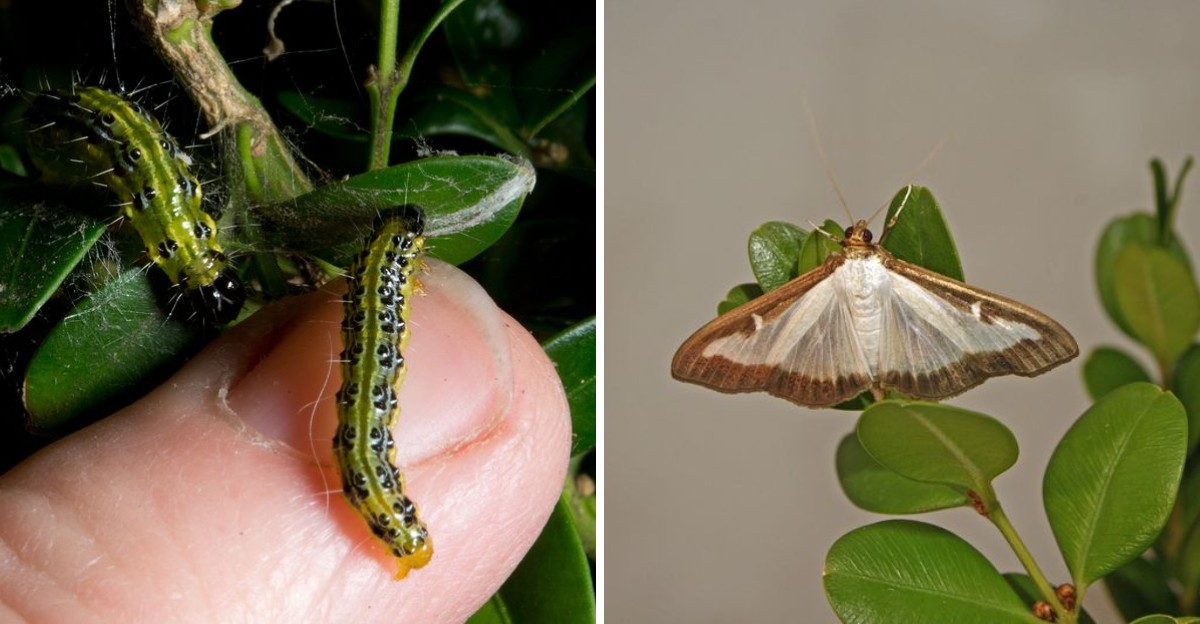
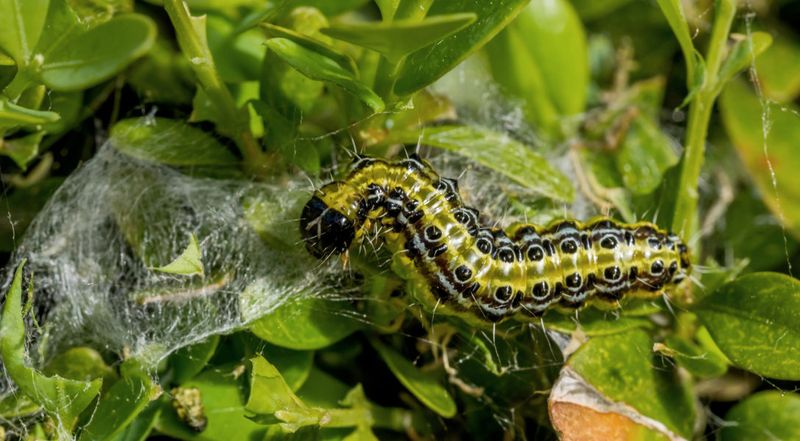
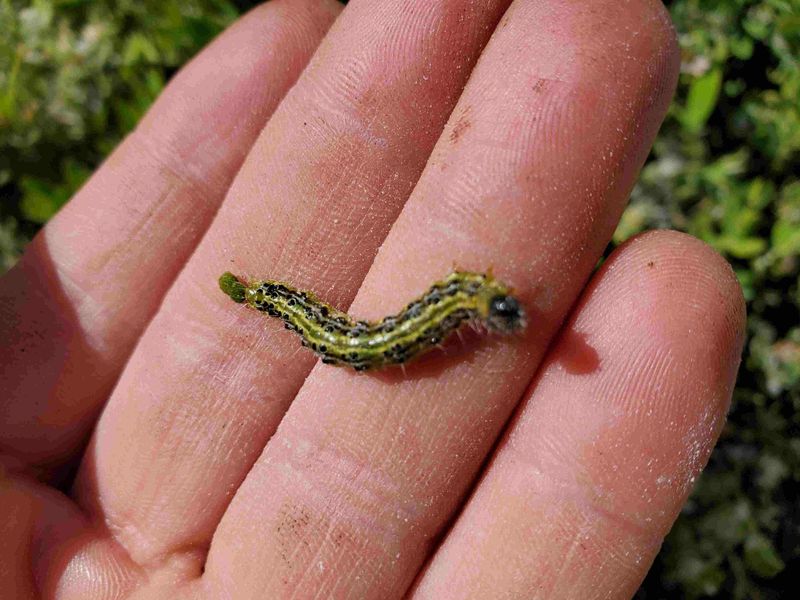
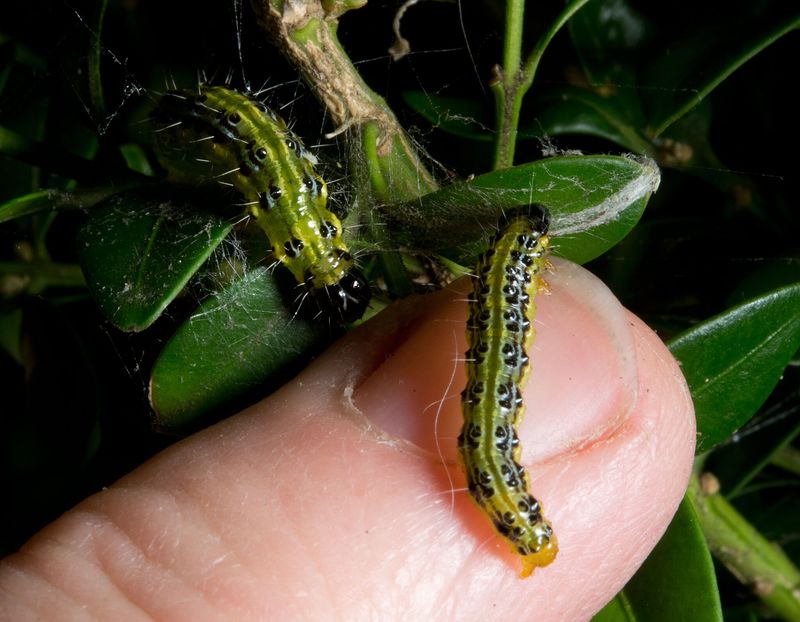
The caterpillars are the real troublemakers. They are bright green with black, white, and yellow stripes, a shiny black head, and a big appetite for boxwood leaves.
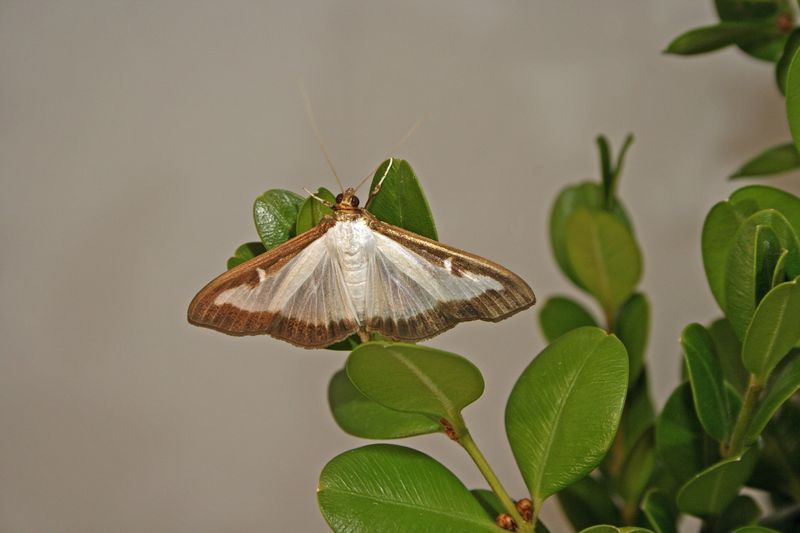
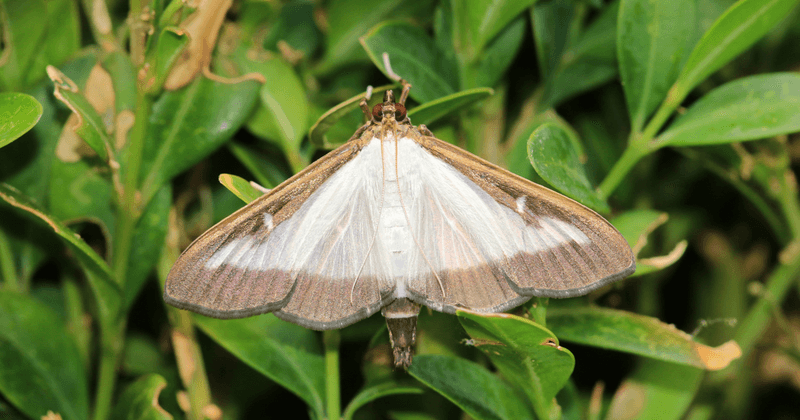
Adults are moths with white wings edged in brown, though some are mostly brown. They flutter around at night and are drawn to porch lights, which is one easy way people first notice them.
Because the moth is new here, local birds and bugs do not yet treat it as a regular snack. That gives the pest a head start in growing its numbers.
Knowing what the moth looks like at each stage is your first tool. A quick photo on your phone can help you compare what you find with pictures from trusted extension websites.
2. Why Michigan Boxwood Is Such An Easy Target
Walk through almost any older neighborhood, and you will see rounded green shrubs hugging front steps. Boxwood has been a favorite for generations because it stays green all winter and takes pruning well.
That popularity is great for curb appeal but tricky when a pest shows up. The box tree moth feeds mainly on boxwood, so a street full of hedges looks like an all-you-can-eat buffet.
Boxwood leaves are also a bit bitter and toxic to many animals. The caterpillars store those bitter compounds in their bodies, which makes many birds skip them.
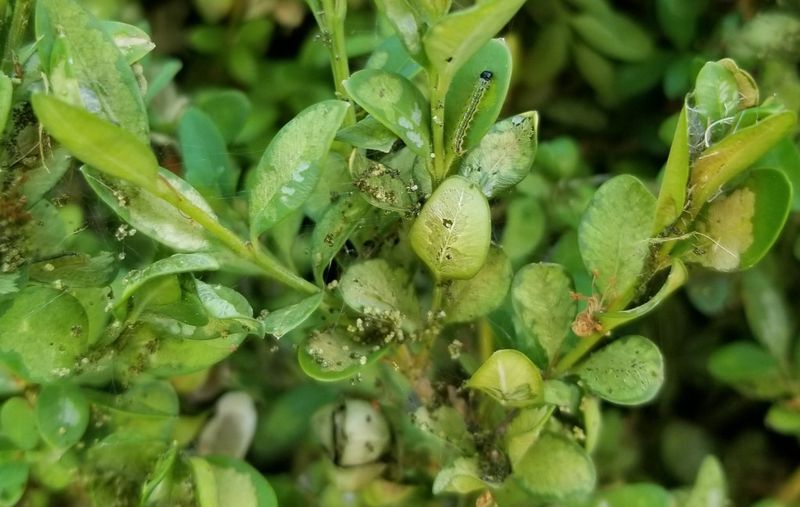
Thick, dense shrubs give the larvae plenty of hiding spots. They spin webbing between leaves and stems, creating cozy shelters that are hard for people to see.
Many gardens planted boxwood in long rows or tight groups. Once caterpillars finish one plant, they can crawl right over to the next one without much effort.
Your Michigan Garden Changes Every Week. Your Plan Should Too.
Gardening in Michigan changes quickly throughout the season. Every Friday you’ll receive a simple weekly plan showing exactly what to plant, prune, fertilize, harvest, and protect so you never miss the right timing.
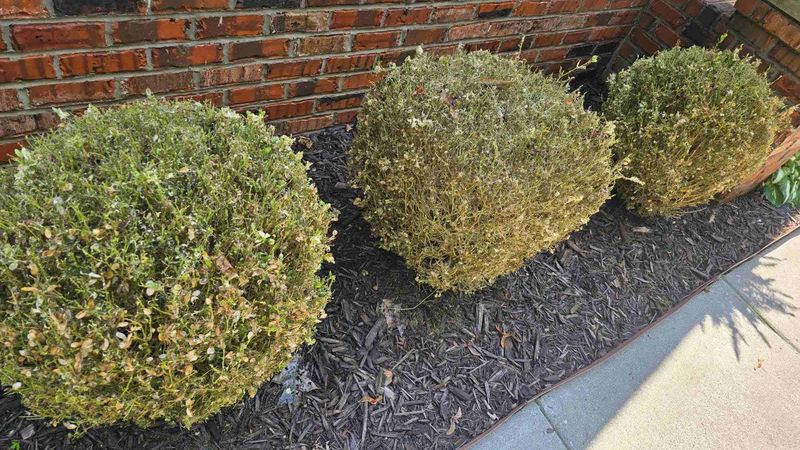
Heavy feeding can strip a shrub bare and leave it looking tan and lacy. Repeated damage over a few seasons may weaken the plant badly.
If your yard has lots of boxwood, consider mixing in other evergreens over time. Inkberry holly, yew, or dwarf arborvitae can give a similar look while spreading out the risk.
3. Fall Timing Matters For Michigan Quarantine Rules
Here is a sneaky trick the box tree moth has mastered. As the weather cools, young caterpillars tuck themselves into tiny silk pockets between leaves and take a long winter rest.
Those pockets are about the size of a grain of rice. A shopper buying a shrub in October could carry home sleeping larvae without any clue.
When spring warms up, the caterpillars wake up hungry. They start munching right away, and the new yard becomes their next home base.
That is why fall is such an important season for quarantine rules. Nurseries move a lot of plants for autumn sales and landscape jobs, so the chance of spreading the pest goes up.
State officials want to stop hidden larvae from riding along to new counties. Checking and limiting plant movement now means fewer surprise outbreaks next May and June.
The moth can also have two or three generations each year in warm spots. Stopping even one group of winter sleepers can make a big difference in how many show up later.
If you plan fall planting, ask the garden center whether its boxwood was inspected. A good seller will gladly explain where plants came from and how they were checked.
4. What The Michigan Quarantine Actually Covers
Think of a quarantine as a traffic light for plants. Some shrubs get a green light to move, while others must wait until they are cleared.
The rules are run by the Michigan Department of Agriculture and Rural Development, often called MDARD. They work alongside federal plant health experts to track where the moth has been found.
Generally, the focus is on boxwood and a few close relatives that the moth likes to eat. Plants from areas with known moth activity may need inspections or treatments before they can be sold or shipped.
Nurseries and greenhouses may be asked to keep records and follow special growing steps. Some may need to show that their shrubs are free of eggs, larvae, and webbing.
Homeowners are usually asked to avoid moving boxwood clippings, cuttings, or whole plants out of affected areas. Even a holiday wreath made with boxwood sprigs could carry hidden passengers.
Rules can change as new spots are found, so details shift from year to year. Checking the official state website is the best way to know what applies in your county.
A simple habit helps a lot. Before sharing a cutting with a neighbor or friend, look up the latest map and make sure your area is not on the list.
5. How To Spot Trouble On Your Shrubs
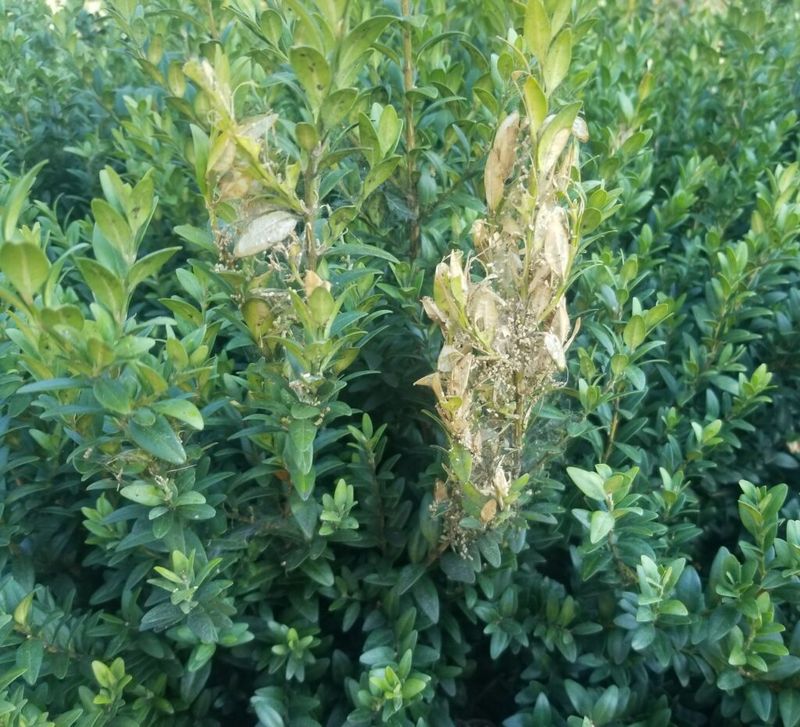
Good detective work starts with slowing down. Grab a flashlight, crouch near your boxwood, and gently part the outer leaves to peek inside.
The first clue is often webbing. Look for fine, silky threads tying leaves together, sometimes with little green or black pellets stuck inside.
Those pellets are caterpillar droppings, called frass. Finding them on the ground below a shrub is a strong hint that someone is snacking above.
Chewed leaves are another sign. Young larvae scrape the leaf surface and leave see-through patches, while older ones eat whole leaves down to the middle rib.
Plants with heavy damage may look tan, thin, or skeleton-like from a distance. Some people first mistake it for winter burn or a watering problem.
Check your porch light on summer nights, too. White moths with a brown border on their wings are worth a closer look and a quick photo.
Try to inspect your shrubs every couple of weeks from spring through fall. Write down what you see in a notebook or phone app so you can notice changes over time.
If you think you found the moth, do not panic. Save a photo, note the location, and report it through the state reporting site or your local extension office.
6. Reporting Sightings Helps Track The Spread
Every report is like adding a pin to a giant map. Scientists cannot be in every backyard, so they count on regular folks to be their extra eyes.
When you send in a sighting, experts can see where the moth is moving and how fast. That helps them decide which areas need new rules and which ones are still clear.
Reporting is usually simple. Most systems ask for a clear photo, your location, the date, and a short note about what you saw.
Online tools like the state invasive species reporting page and the MISIN app make it quick. Your county extension office can also guide you if you prefer talking to a real person.
Fun fact: many early finds of the moth in North America came from curious gardeners and moth fans. Their quick photos helped officials act sooner than they could have alone.
Try to take pictures of the caterpillar, the moth, and the damage if you can. Having several angles helps experts confirm the pest and rule out look-alikes.
Even if your report turns out to be a different bug, it still helps. Knowing where the moth is not found is useful information, too.
7. Safe Home Treatments For Michigan Boxwood Owners
Good news first: you have options that do not require heavy chemicals. Many homeowners start with simple steps and only move to sprays if needed.
Hand-picking works well on small shrubs. Pop caterpillars into a bucket of soapy water, and toss webbed clumps of leaves into a sealed bag for the trash.
A strong spray of water can knock larvae off plants, too. It will not solve a big problem, but it can help slow things down on a few hedges.
Many experts suggest a product made from Bt, a natural soil bacteria. It targets caterpillars that eat sprayed leaves and is much easier on bees, birds, and pets than many other options.
Timing matters with Bt. It works best on young caterpillars, so spray when you first see small larvae in spring or late summer.
Follow the label closely and cover leaves inside the shrub, not just the outside. Caterpillars hide deep in the plant, so a quick surface mist may miss them.
Pheromone traps can tell you when adult moths are flying. They will not solve an outbreak alone, but they are great early warning tools.
Never dump boxwood trimmings in compost or woods. Bag them and place them with regular trash to keep the pest from wandering off.
8. How Nurseries Are Adjusting This Season
Ask any garden center owner, and they will tell you fall is busy. Customers want mums, pumpkins, and shrubs to plant before the ground freezes.
Now, many shops are adding an extra step to that rush. Staff check boxwood closely for webbing, eggs, and larvae before setting plants out for sale.
Some businesses keep certificates showing their stock passed inspection. Others buy plants only from suppliers in areas without the moth.
A few growers are cutting back on boxwood altogether. They are offering other evergreens that look similar but are not on the moth’s menu.
Landscapers face changes, too. Crews may need to clean tools, bag clippings, and avoid moving trimmings between job sites.
These extra steps can raise costs a little or limit choices in some stores. Still, most growers see it as a smart trade to protect plants statewide.
As a shopper, you can support these efforts. Ask questions, look for inspection tags, and be patient if a favorite shrub is out of stock this year.
Buying locally grown plants from trusted sellers is a solid habit. It helps the local economy and lowers the chance of bringing home unwanted guests.
9. Planning A Stronger Michigan Garden For Next Spring
Winter is a gardener’s planning season. While the yard rests under snow, you can sketch out ideas for a garden that bounces back better.
Start by listing every boxwood you own and where it sits. Note which ones looked healthy this year and which showed signs of chewing.
Next, think about variety. A garden with many kinds of plants is harder for any single pest to take over.
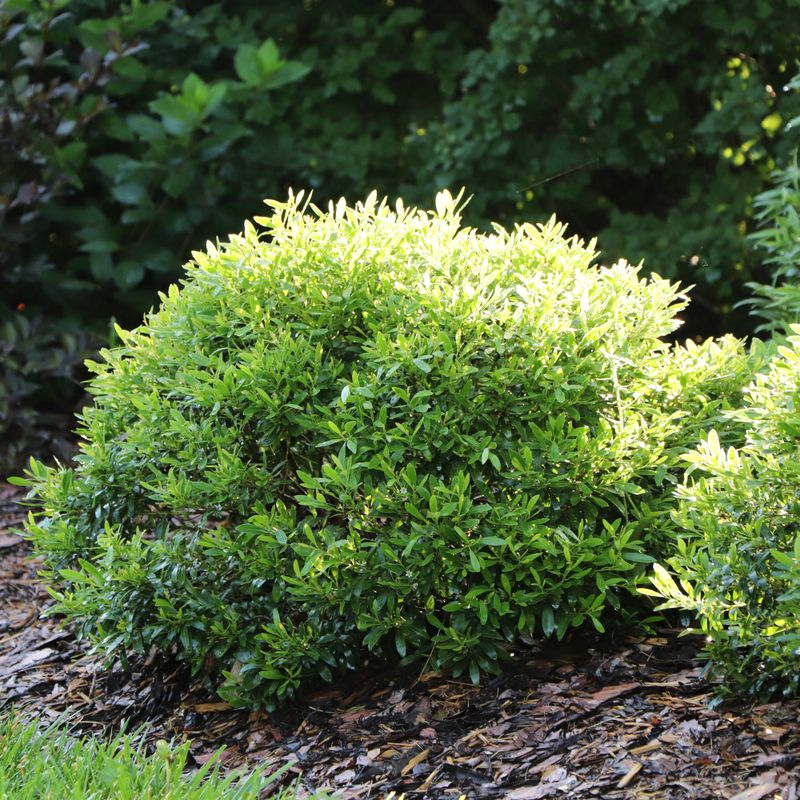
Good boxwood stand-ins include inkberry holly, Japanese holly, dwarf yew, and compact arborvitae. Each gives year-round green and can be shaped into tidy hedges.
Native shrubs like bearberry and some low junipers can also bring winter color. They often attract helpful insects and birds that eat other garden pests.
If you love your boxwood, you do not have to remove it. Just plan for regular spring checks and keep a bottle of Bt or gloves handy.
Mark your calendar for early May, when larvae often wake up. A quick reminder on your phone makes inspections easy to remember.
Gardens change with every season, and pests are part of the story. With a little planning, your yard can stay lovely, green, and ready for whatever flutters in next.