Why Porch Plants Need To Come Inside Before The Next Pennsylvania Freeze
Soon, a cold front may reach the Alleghenies, and your porch plants need cover. Pennsylvania temperatures can slip below freezing weeks before you pull out a sweater.
Geraniums, coleus, and tender herbs shut down fast when ice crystals form inside their leaves. Cells sustain damage, and you find blackened, limp stems by sunrise.
Waiting a week sounds harmless, yet it risks months of garden growth. Forecasters flag these early freezes ahead of time, and Pennsylvania gardeners lose plants overnight.
You can move potted plants indoors in minutes. Cover beds with old bedsheets, which trap heat rising from the soil.
Water the soil beforehand, since damp ground holds warmth longer than dry. Stack pots against your warmest wall to gain extra degrees.
Check tonight’s low at sunset, then act while daylight lasts. Your blooms hold color longer when you act early.
1. Roots Freeze Faster Inside Small Pots
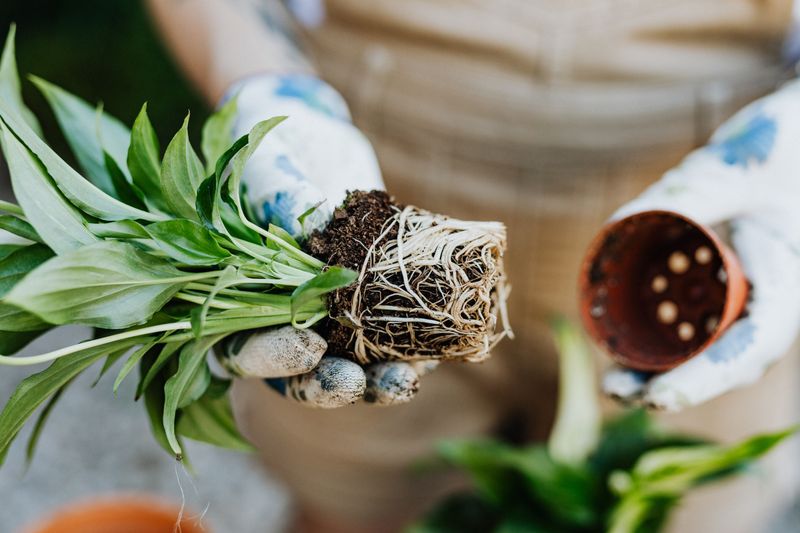
Many gardeners overlook how exposed roots are inside a pot. Root damage can begin at or just below freezing, depending on the plant.
In the ground, soil acts like a thick, cozy blanket around those roots. Earth holds heat from the day and releases it slowly through the night.
A container is a different story altogether. Cold air wraps around every side of the pot, chilling the soil from top, bottom, and edges.
Small pots lose heat the fastest because there is so little soil inside them. A six-inch pot can freeze through on a single hard-freeze night.
Frozen roots struggle to pull water up to the leaves, even after things thaw. So a plant might look fine for days, then suddenly wilt.
Hanging baskets have it even worse, since they swing out in open air. Wind steals warmth from every direction and dries the soil at the same time.
Start by gathering the smallest containers and baskets first. Group larger pots against the house wall, where bricks soak up and share some daytime heat.
For extra insurance, wrap big pots in burlap or bubble wrap before moving day. That buys a few extra nights while you clear indoor space.
Think of it like dressing a kid for the bus stop in January. Fingers and toes get chilly first, and roots are basically the toes of your garden.
Check soil temperature with a cheap probe thermometer if you feel unsure. Readings heading toward the 40s are a good cue to start moving pots indoors.
2. Tropical Plants Dislike Temperatures Below Fifty
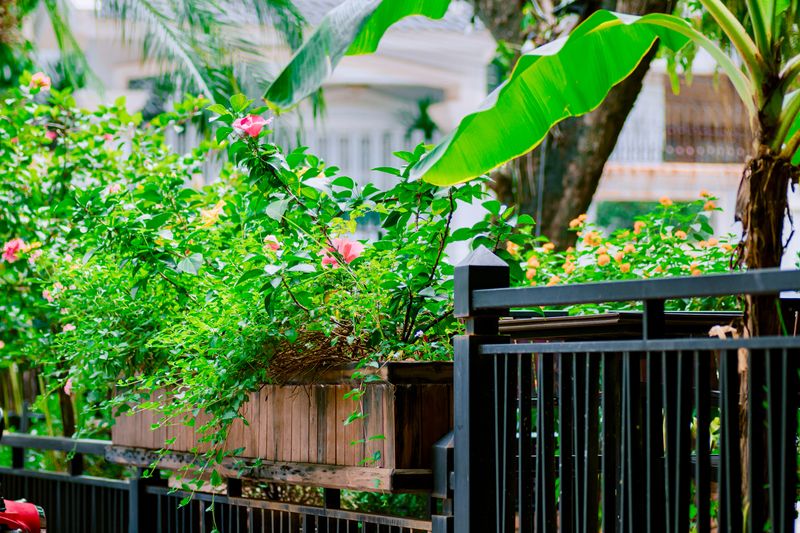
Your hibiscus, mandevilla, and fiddle leaf fig grew up dreaming of beaches, not Pittsburgh. Many of them come from places where winter means slightly less sunshine.
Tropical plants start to decline once temperatures drop below 50 degrees. Growth slows, leaves turn yellow, and some plants drop their foliage.
Scientists call this chilling injury, and it happens well above freezing. Cells get stressed, membranes stiffen, and the plant struggles to move water and food.
So waiting for frost warnings can be too late for these sun lovers. By the time frost arrives, they may already have weeks of cold stress behind them.
Your Pennsylvania Garden Changes Every Week. Your Plan Should Too.
Gardening in Pennsylvania changes quickly throughout the season. Every Friday you’ll receive a simple weekly plan showing exactly what to plant, prune, fertilize, harvest, and protect so you never miss the right timing.
Pothos, peace lilies, and snake plants spend summer outside on many Pennsylvania porches. They should head inside once nights stay in the low fifties.
Mandevilla vines and bougainvillea can come in too, though they may drop leaves at first. Give them a bright window and patience while they settle down.
Before you carry them in, trim any yellow or crispy leaves. Shorter stems also make heavy pots easier to fit through doorways and around furniture.
Keep these warm-weather guests away from drafty doors and heating vents. Steady temperatures between 60 and 75 degrees keep them happiest during long winter months.
Hibiscus is a tropical flower, and Hawaii even honors a native yellow hibiscus as its state flower. Expecting hibiscus to love a Scranton October is a bit like sending flip flops sledding.
A quick check of your forecast each evening helps you time the move. Once nights start dipping near 50 degrees, begin moving plants in.
3. Frost Freezes Water Inside Tender Leaves
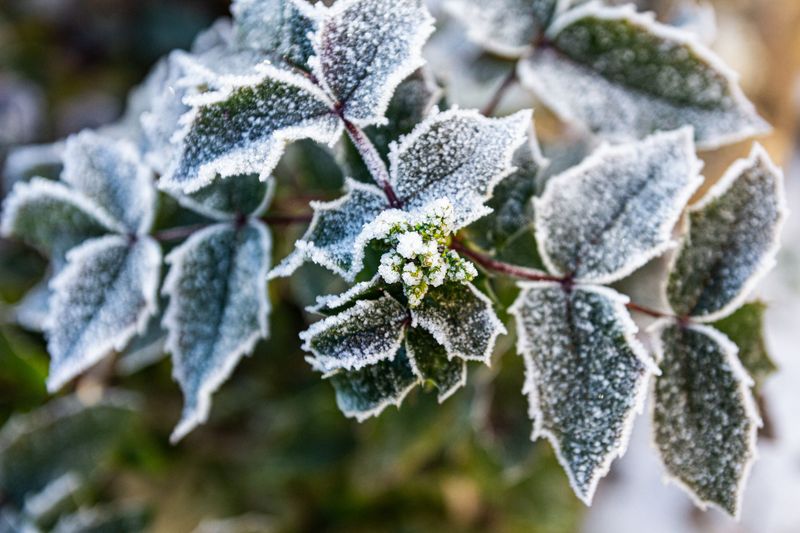
Picture a soda can left in the freezer overnight. The liquid swells, the metal bulges, and you get a sticky mess by morning.
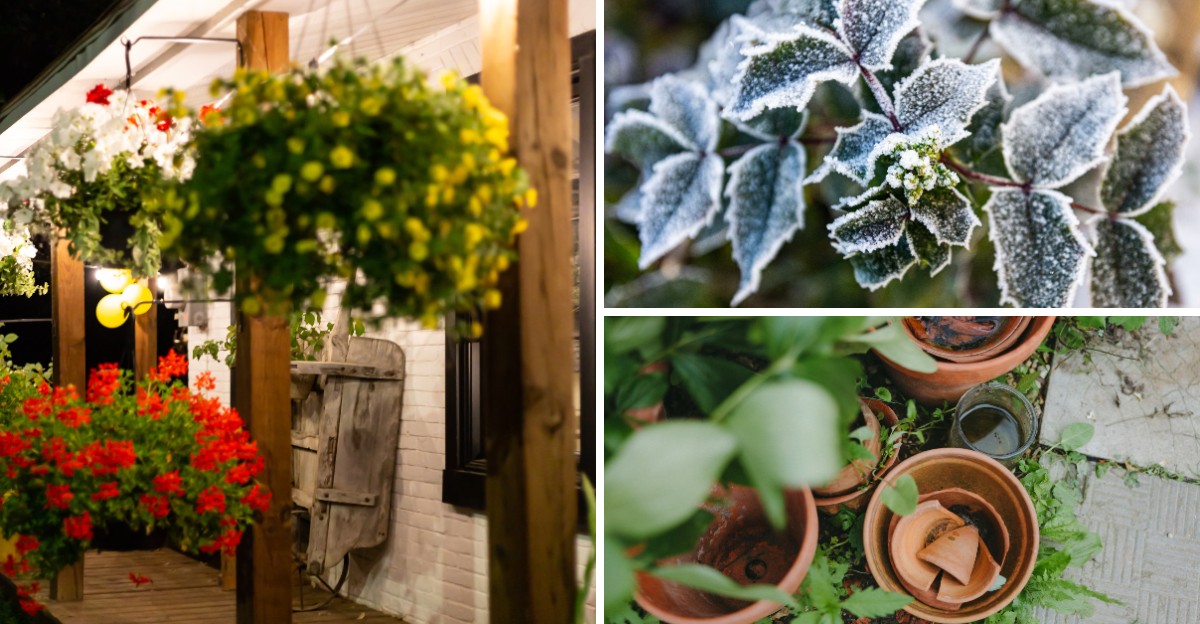
Leaves work in a similar way, since they are packed with water. When temperatures dip to about 32 degrees, water in and between leaf cells starts freezing and expanding.
Ice forming between cells pulls water out and harms their membranes. Once cells are damaged, the leaf turns mushy, dark, and limp within a day.
Basil, coleus, and begonias show the damage fastest because their leaves are soft and thin. You might see black, slimy patches after just one frosty night.
Pennsylvania’s first frost typically arrives between late September and early November, depending on location. Inland valleys like State College can chill down even sooner.
Watch your local forecast closely and pay attention to any frost advisory. If lows are heading toward 38 degrees, treat that as your signal to act.
Bring tender pots inside during the afternoon while leaves are dry. Leaves that stay wet can invite rot once they sit in a warm room.
Cannot move everything at once? Toss an old bedsheet over the biggest pots for one night, then finish the job tomorrow.
Skip plastic covers, though, since plastic touching leaves can transfer cold right through. A little planning now protects your favorites from cold damage.
Your future self will thank you every time a green leaf greets you this winter. Indoors, those same leaves can keep thriving until spring returns.
4. October Nights Can Drop Fast
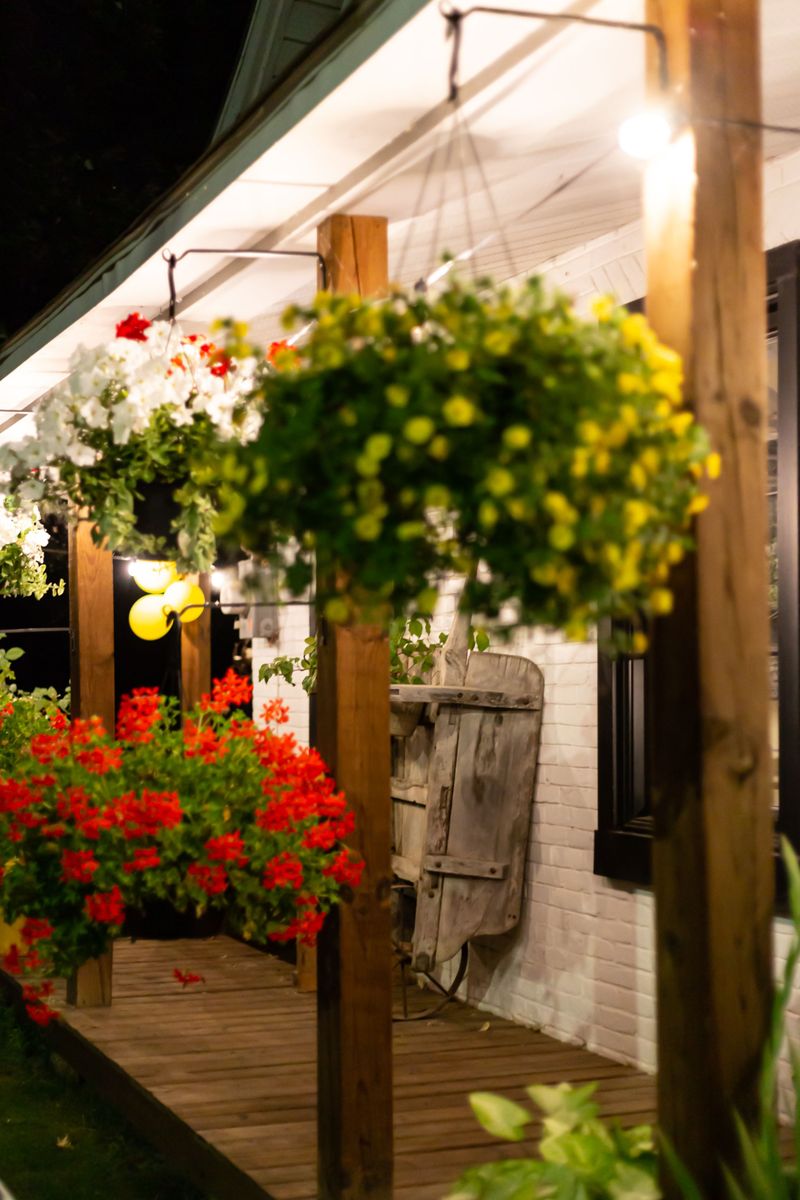
Leave your geraniums out for just one more weekend, and a Saturday night frost can leave them looking like wilted lettuce by Sunday morning.
October weather in Pennsylvania loves to play tricks on gardeners. Afternoons can feel like 70 degrees, then clear, calm nights can pull temperatures down by thirty degrees before dawn.
Clear skies make it worse, since no clouds trap the day’s warmth near the ground. Heat radiates upward, and frost settles quickly on calm nights.
Low spots in yards and valleys are most affected because cold air sinks like water. Porches near the ground can freeze while upstairs windows stay frost free.
Forecasts help, but they cover huge areas and miss tiny pockets of cold. Your backyard might run five degrees chillier than the nearest weather station.
An inexpensive outdoor thermometer with a high and low memory clears up the guesswork. Check it each morning to learn how cold your porch really gets.
Clear, still evenings with dry air deserve extra caution. If you see stars sparkling sharply and feel no breeze, frost might be on the way.
Make a habit of checking the forecast with your evening dinner. Setting a phone reminder for October helps busy families stay one step ahead.
Move your pots on the first chilly weekend, and red blooms can brighten your kitchen table all winter long.
Waiting for the perfect moment often means missing it by a single night. Earlier is safer, and your porch will not mind looking bare.
5. Pests Can Hitch Rides Indoors
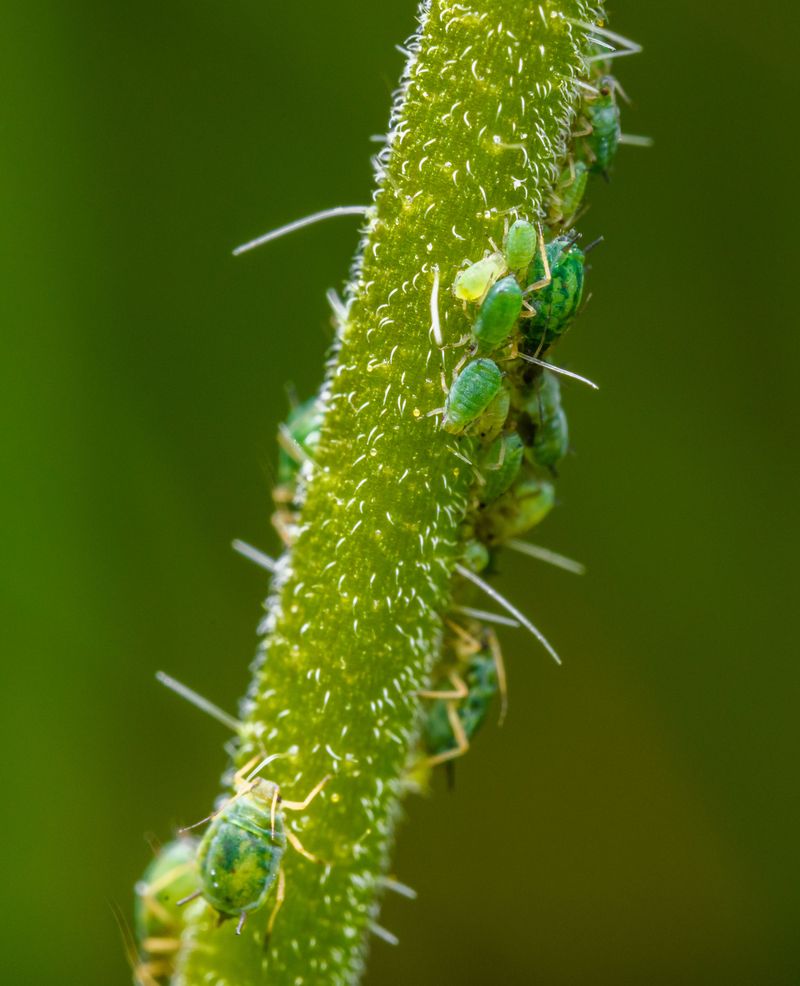
Imagine inviting one guest to dinner and getting fifty uninvited cousins too. Bringing porch pots inside without checking them can feel a lot like that.
Aphids, spider mites, mealybugs, and whiteflies love to hide under leaves all summer. Ants and earwigs also tuck themselves into warm, damp potting soil.
As nights cool, these critters start looking for cozy winter homes. Ants and earwigs in particular may move into your pots as temperatures fall.
Once indoors, pests spread fast because few natural predators keep them in check. Your other houseplants can end up sharing the problem within weeks.
Start inspection a week before moving day. Flip leaves over, check stems, and look for sticky residue, tiny webs, or cottony white clumps.
Spray each plant with a strong stream from the garden hose. That knocks off many bugs and rinses dust from the leaves at the same time.
For stubborn spots, wipe leaves with insecticidal soap or a mild neem oil mix. Follow label directions carefully, test a small area first, and check that the product is safe for edible herbs.
Soak sturdy pots in a bucket of water for fifteen minutes to flush out soil dwellers, but skip this for succulents and plants prone to root rot. Earwigs and pill bugs usually crawl right out, looking very annoyed.
Keep newcomers in a separate room for two to four weeks. That quarantine time lets any hidden pests show up before they reach your favorites.
Spider mites can lay up to 20 eggs a day. A tiny problem in October can turn into a whole crowd by Thanksgiving.
Doing this cleanup while the weather is mild makes the job much more pleasant. Few people enjoy scrubbing leaves with frozen fingers on a windy porch.
6. Clay Pots Crack When Soil Freezes Solid
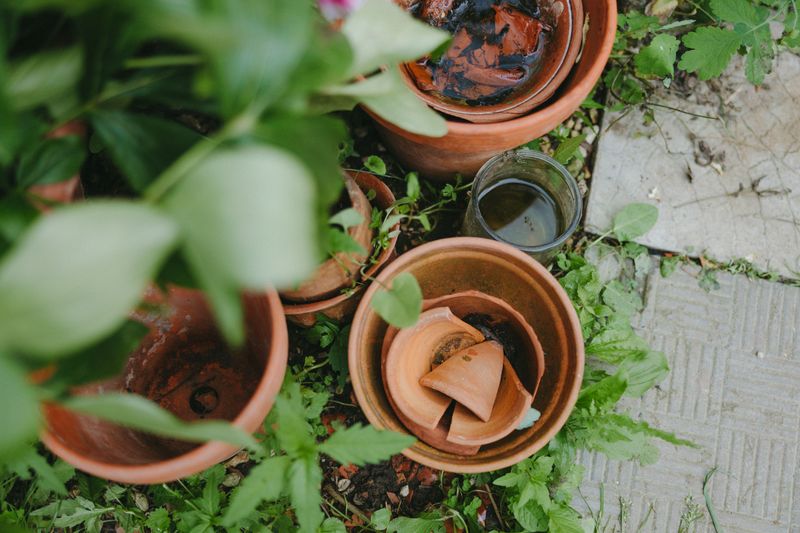
Grandma’s terra cotta pots have a rustic charm that plastic doesn’t quite match. However, that same clay can split open after one hard freeze.
Clay is porous, which means it soaks up water like a sponge. When that trapped water freezes, it expands by about nine percent.
Ice pushes outward against the clay walls from the inside. Over time, tiny cracks grow, rims flake off, and pots can break right in half.
Damp soil adds to the pressure because it swells as it freezes too. Glazed ceramic pots face the same risk if water seeps under the glaze.
Pennsylvania winters cycle between freezing and thawing many times each season. Each cycle widens cracks a little more, like potholes forming on a busy road.
Bringing pots inside protects both your plants and your containers. Even empty clay pots should head to a garage or basement before winter.
Empty pots need a good scrub with warm water and a splash of vinegar. Dry them fully, then stack them upside down to shed moisture.
Heavy pots you cannot move should be emptied and tipped on their sides. Raising them on pot feet helps water drain instead of pooling underneath.
Replacing a large ceramic planter can cost fifty dollars or more at garden centers. A few minutes of effort now protects those treasured pieces for years.
Some families pass favorite pots down through generations like heirloom quilts. Keeping them safe from frost means the story continues next spring.
Fiberglass and resin planters handle cold much better than clay. Consider them for big displays you plan to leave outside.
7. Indoor Light Takes Time To Adjust To
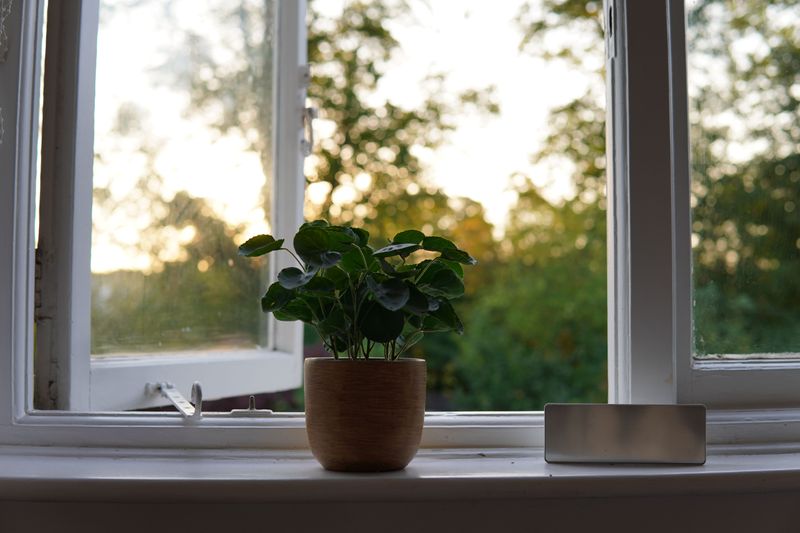
Moving from a sunny porch to a living room is a big shock for any plant. Even near a bright window, indoor light can be many times weaker than direct sun.
Leaves react by turning yellow and dropping, which scares many new gardeners. Relax, because a little leaf loss is normal during the move.
Plants need time to adjust their leaves for lower light. Starting early in October gives them weeks to adapt before heaters run full blast.
Try a gradual approach if your schedule allows it. Move pots into shade for a week before bringing them indoors for good.
South-facing windows offer the strongest light during Pennsylvania winters. East and west windows work for many plants, while north windows suit ferns and pothos.
Rotate pots a quarter turn every week so all sides get light. Otherwise, stems stretch and lean toward the glass like curious kids at an aquarium.
Cloudy winter days are common across the state, especially near Lake Erie. A simple LED grow light can fill the gap and adds little to your electric bill.
Water less often indoors, since plants grow slower with weaker light. Stick a finger an inch into the soil and water only when it feels dry.
Dry indoor air from furnaces can also stress leaves. Grouping pots together can raise humidity slightly, and a small humidifier does even more.
Patience is your best tool during the first month inside. Before long, fresh new leaves will pop out, proving the move was worth it.
Wiping dusty leaves with a damp cloth lets them catch more light. Clean leaves also look shiny and healthy in your cozy winter room.
8. Saved Plants Cost Less Than New Ones
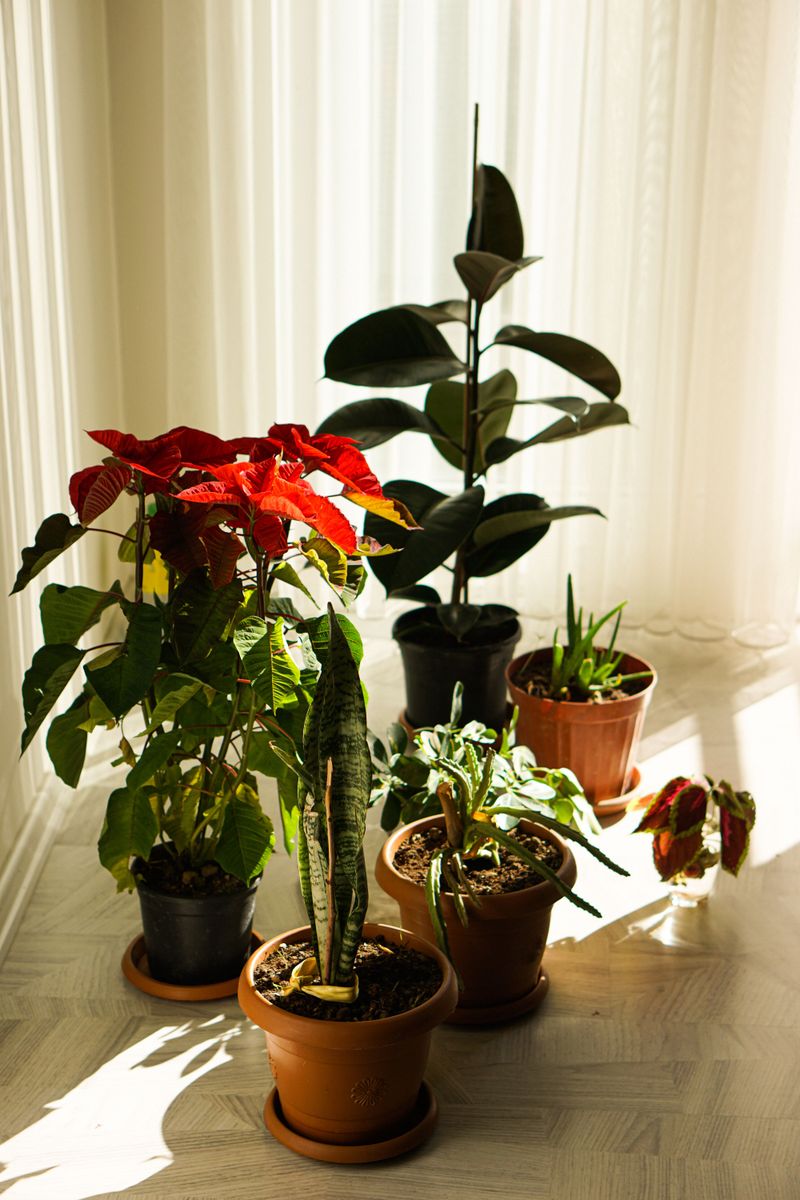
A hanging basket of fuchsias can cost thirty dollars or more each spring. Multiply that by every pot on your porch, and the total adds up quickly.
Saving plants through winter is like getting free decorations next year. Many porch favorites grow bigger and fuller with each passing season.
Geraniums, for example, can live for years when brought inside each fall. Some gardeners keep the same plants for over a decade.
Bigger plants can also bloom sooner in spring than tiny nursery starts. You get color on your porch weeks ahead of neighbors who start fresh.
Overwintered plants give you free cuttings for new pots, too. Snip a few stems in late winter, root them in water or a well-draining mix, and multiply your collection.
Kids can join in by labeling pots and tracking new leaves in a notebook. It turns a chore into a small science project for the family.
Indoor greenery brings cheer during gray Pennsylvania winters. Some small studies suggest houseplants can lift moods and make rooms feel calmer and more welcoming.
Grab a few saucers to protect floors before carrying pots inside. Thrift stores often sell them for pocket change during the fall season.
Money saved can go toward something exciting, like a new variety you have wanted to try. Your wallet and your windowsill both win this deal.
Spending one afternoon moving pots now beats spending a whole paycheck at the nursery later. That math works out well for many budgets.
Write down which plants you saved and how they did by spring. Those notes help you plan an even smarter porch next year.