The Best Time Of Day To Harvest Michigan Vegetables Before Weekend Rain Rolls In
A rainy forecast puts every gardener on a clock. The harvest feels urgent, but the hour you pick can matter as much as the day. Vegetables picked too early are still wet with dew.
Wet leaves and stems spread disease from plant to plant on your hands and tools. Wait until late afternoon, and the heat of the day may have drained crispness from leafy greens. Rain brings its own risks.
Ripe tomatoes and other fruit can swell fast after a soaking and split open. Root crops can crack too. Michigan gardeners often face this squeeze in fall, when a storm can arrive overnight.
Choosing the right window helps you save the best produce. A smart plan beats a frantic scramble at dusk.
1. Mid-Morning After The Dew Dries Is Usually Best
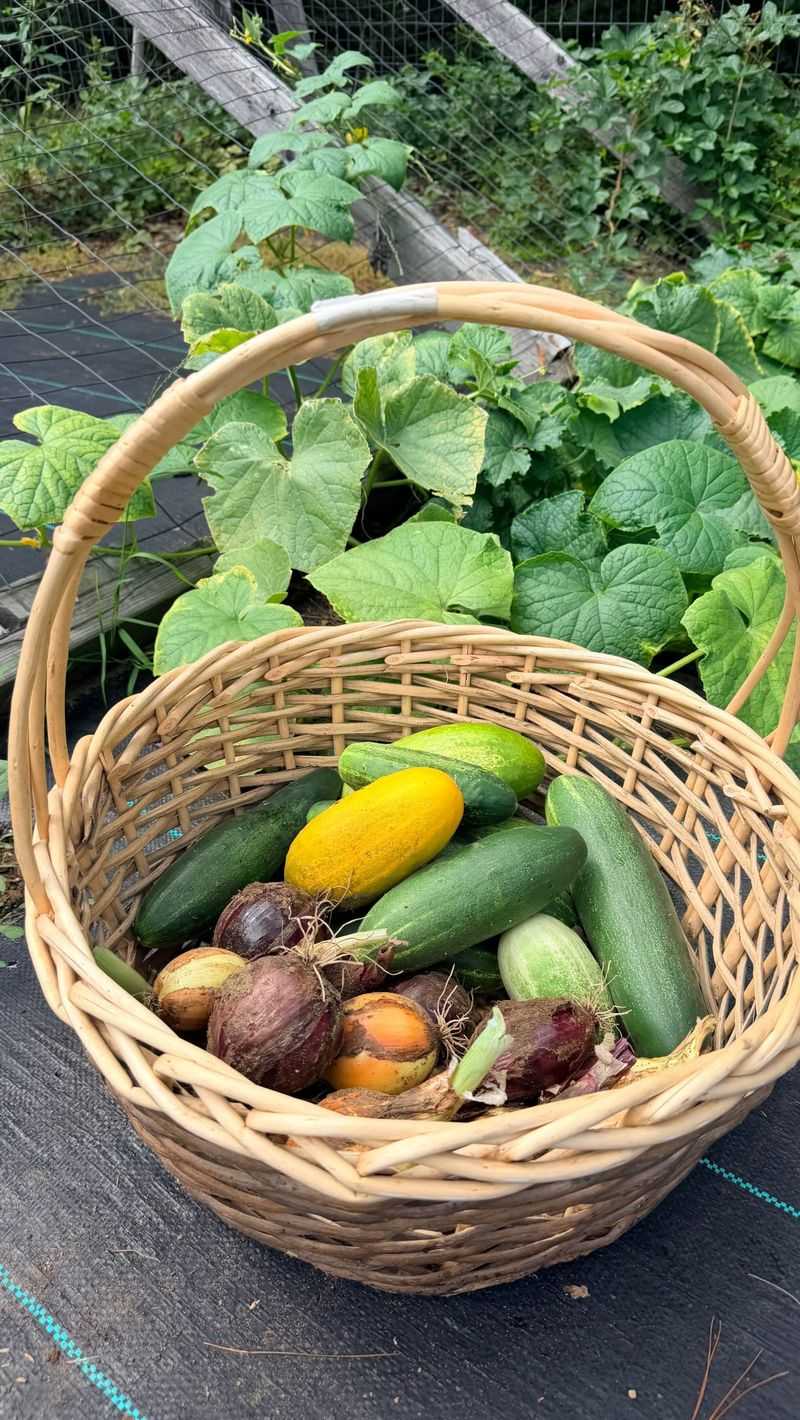
Gardeners who time their picking well often swear by one simple window: mid-morning. The sun is up, the air is still cool, and the plants are in great shape for harvest. Few hours in the day offer such a nice balance.
Overnight, vegetables soak up moisture and rest from the heat of the day. By mid-morning, they are still cool and full of water, so beans snap, peppers feel firm, and cucumbers stay crunchy. At the same time, the dew has had a chance to dry off the leaves.
Handling dry plants lowers the chance of carrying disease from one plant to the next.
Planning makes this timing even more useful. Check the forecast a day or two before the rain is expected, and set aside your Saturday or Friday morning for the biggest harvest.
Grab your baskets, clippers, and containers the night before so you can get started as soon as the leaves are dry.
Once you are in the garden, go after the most rain-sensitive crops first. Ripening tomatoes, mature cabbage, and finished winter squash can suffer the most from a soaking storm.
Easygoing crops like kale or leeks can wait until last, since a little rain will not hurt them much.
Michigan weather makes this habit extra valuable. Fall rain systems often roll across the Great Lakes quickly, and cool, damp mornings are very common from September into October.
Some days the dew lingers until nearly ten o’clock, so be patient and let the sun do its job. A little waiting pays off with cleaner, healthier plants and a basket full of produce at its very best.
2. Leafy Greens And Herbs Taste Best Picked In The Cool Morning
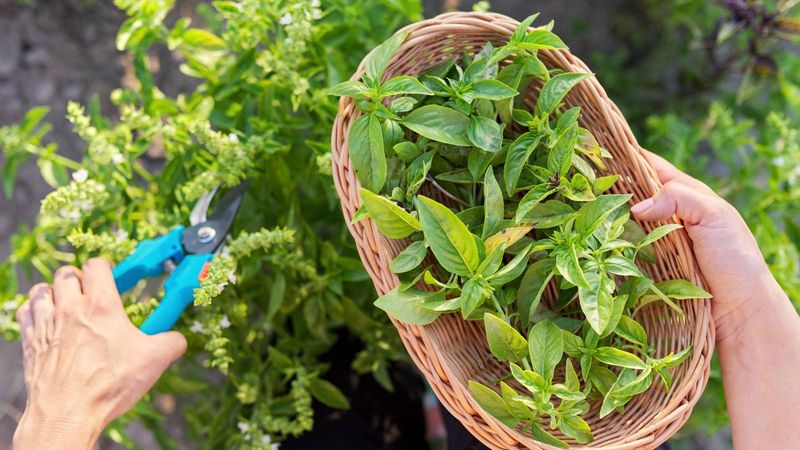
Crunchy lettuce is one of the small joys of a home garden. To get that crisp snap at the table, though, you need to pick at the right moment. For greens and herbs, that moment comes early in the day.
Lettuce, spinach, kale, chard, and herbs like parsley and cilantro hold a lot of water in their leaves.
During the cool hours of the morning, those leaves are fully plumped up and firm. Later in the afternoon, heat pulls moisture out of them, and greens picked then can go limp before you even reach the kitchen.
Your Michigan Garden Changes Every Week. Your Plan Should Too.
Gardening in Michigan changes quickly throughout the season. Every Friday you’ll receive a simple weekly plan showing exactly what to plant, prune, fertilize, harvest, and protect so you never miss the right timing.
Wilted leaves also tend to spoil faster in the fridge. Wait until the dew has dried, then head out with clean scissors or a sharp knife.
Cut leaves cleanly instead of tearing them, which helps the plant keep growing and keeps the harvest neat. For leaf lettuce and kale, you can take the outer leaves and leave the center to produce more.
Speed matters once the greens are cut. Rinse them in cool water to remove grit and tiny bugs, then dry them well with a salad spinner or clean towel. Tuck them into bags or containers lined with a paper towel and put them straight into the refrigerator.
Michigan gardeners have a real advantage here. Crisp fall mornings, often in the 40s and 50s, keep greens chilled right on the plant. Kale and spinach can even taste sweeter after a light frost, since the cold encourages the plants to store more sugar.
Pair those cool mornings with quick care, and your salads will stay fresh and lively all week long.
3. Avoid Harvesting From Wet Plants
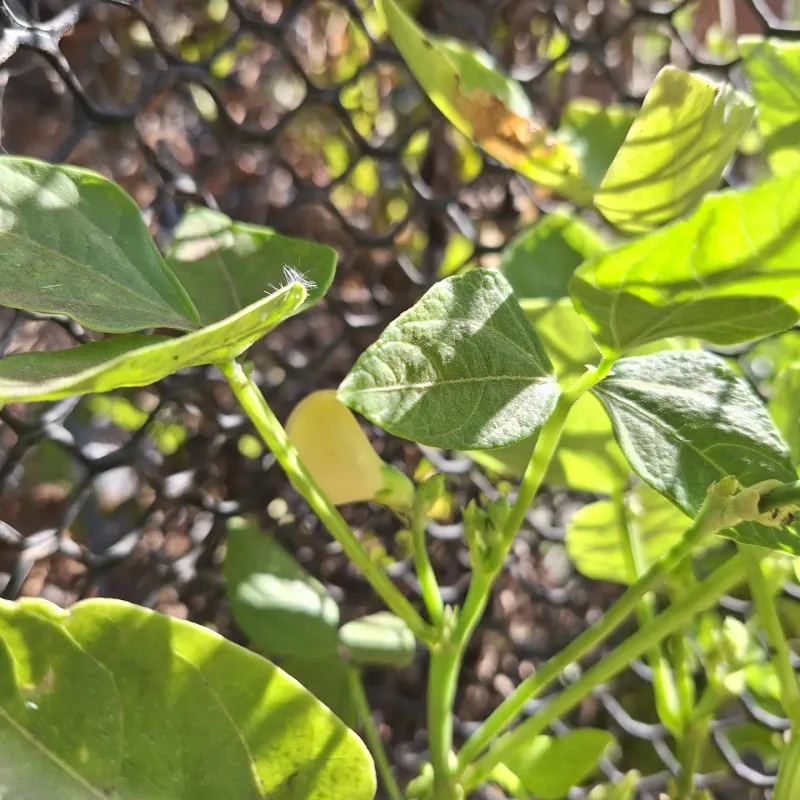
Raindrops sparkling on bean leaves look lovely, but they send a clear message: hold off on picking for now. Wet plants and busy hands are not a good mix. A short wait can protect your whole garden.
Many plant diseases spread through water. Bacteria and fungal spores ride along on damp leaves, and when you brush past them, they cling to your hands, sleeves, gloves, and tools. Then they hitch a ride to the next plant you touch.
Beans, tomatoes, cucumbers, and squash are especially easy targets for problems like bacterial blight, leaf spot, and powdery or downy mildew.
The fix is simple. Let the leaves dry fully before you step into the rows. If rain is coming later in the day, try to wrap up your picking before the first drops fall instead of racing through a downpour.
You will stay drier, and so will your plants. Tools need some attention too. After working around plants that show spots, yellowing, or fuzzy patches, wipe your pruners and knives with rubbing alcohol or a mild bleach solution.
Washing your hands and changing gloves between beds helps as well. It sounds like extra work, but it takes only a minute or two.
Michigan summers and falls give disease plenty of chances to spread. Late summer brings warm, humid nights, and fall adds long stretches of drizzle and heavy dew. Those conditions are exactly what many fungi love.
By keeping your harvest to dry hours, you give your bean patch and tomato vines a better shot at producing right up until frost.
4. Pick Ripening Tomatoes Before Heavy Rain
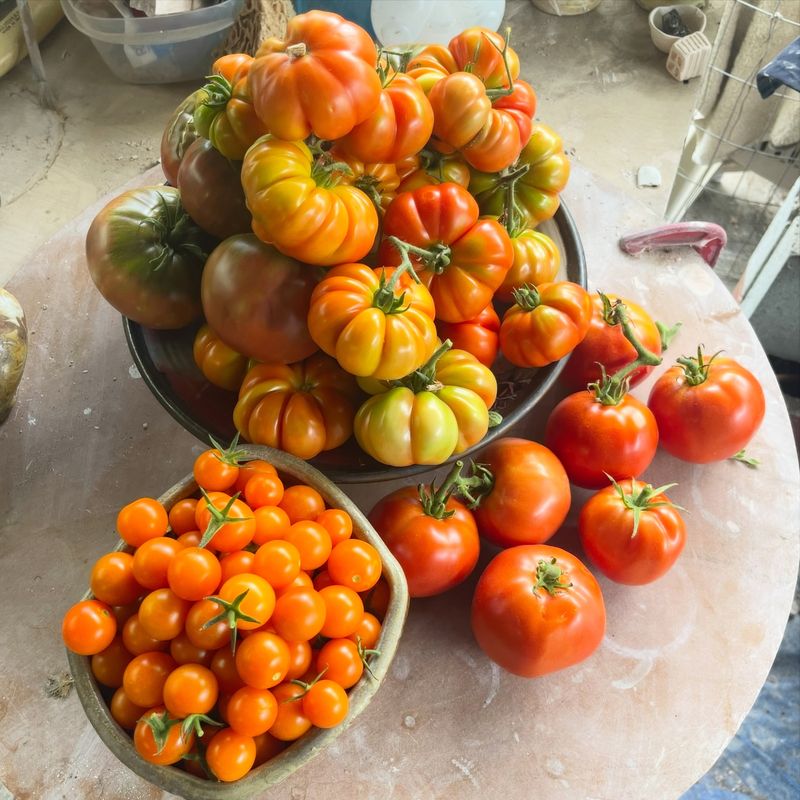
Nothing stings quite like walking out after a storm and finding your best tomatoes split wide open. Sadly, it happens to plenty of gardeners. The good news is that a little planning can save most of your crop.
Here is what goes on inside the fruit. After a dry spell, tomato plants are thirsty, and when heavy rain finally soaks the soil, the roots pull up water fast.
The fruit swells quicker than its skin can stretch, so the skin cracks in rings around the stem or splits down the sides.
Those openings let in mold and bacteria, and they often attract fruit flies, wasps, and other insects.
Beat the problem by picking any tomato that shows a hint of color before the rain arrives. Even a pale blush of pink or orange is enough. Once a tomato reaches this stage, it can finish ripening off the vine with full flavor.
Set the fruit on your kitchen counter at room temperature, out of direct sun, and check it daily. Skip the refrigerator, since cold temperatures dull the taste and turn the texture mealy. Within a few days, most will turn a rich, ripe color.
After the storm passes, take a walk through your plants again. Use any lightly cracked fruit right away in sauces or salsa, and toss badly damaged ones.
Michigan tomato growers face this often, because late summer and early fall dry stretches are frequently followed by soaking rain just as the main crop ripens. A quick pre-storm harvest keeps your counter full of beautiful, whole tomatoes.
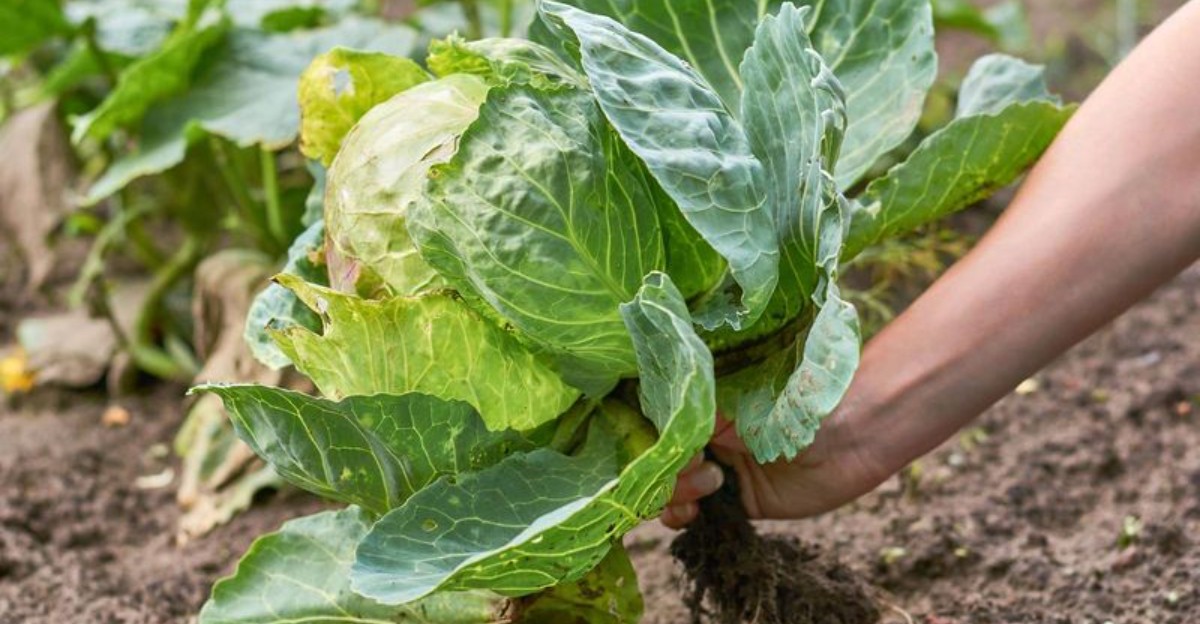
5. Harvest Mature Cabbage Heads Before Rain
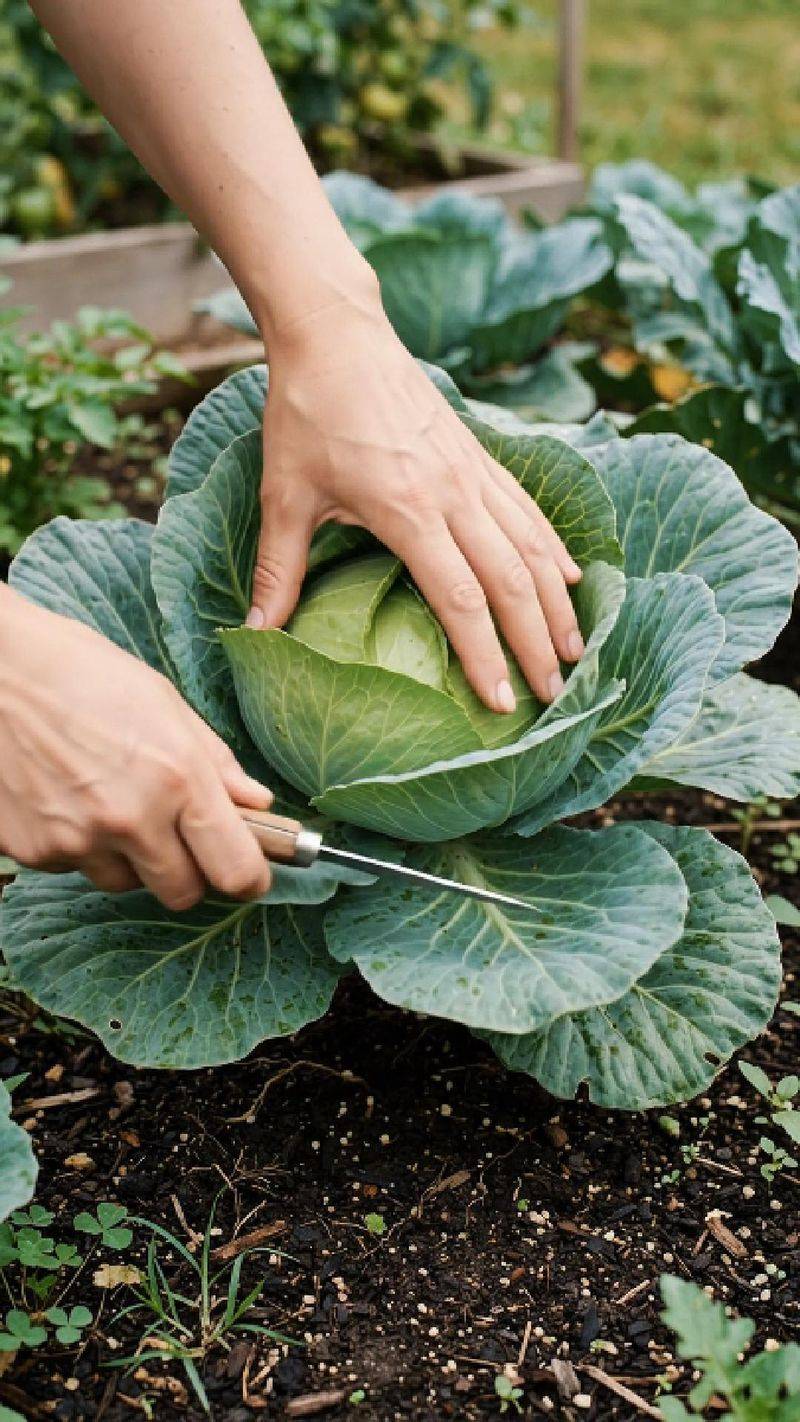
A cabbage head can look perfect one evening and burst open by the next morning. Gardeners sometimes blame pests, but the real cause is often the weather. Rain and mature cabbage simply do not get along.
Once a head is fully formed, its outer leaves are tight and firm. When a soaking rain hits, the plant drinks deeply and sends that water to the inner leaves, which keep growing.
The outer layers cannot stretch any more, so the pressure builds until the head splits. Split heads are still edible, but they spoil faster and invite slugs, insects, and rot.
Checking for readiness is easy and kind of satisfying. Give each head a gentle squeeze with your hand. A mature one feels solid and hard, a bit like a firm ball, while a younger head feels softer and gives a little.
Harvest the firm heads before the storm by cutting through the stem just below the head with a sharp knife. Leave a few outer leaves on to protect the cabbage in storage. Smaller, softer heads can stay in the garden to keep bulking up.
A handy trick for heads that are almost ready is to twist the plant a quarter turn or slice partly into the roots with a spade.
This slows water uptake and buys you a few more days. Michigan gardeners often see fall cabbage reach full size in September and October, right when rainy weather settles in.
Watching the forecast and squeezing your heads keeps those big, beautiful cabbages whole and ready for slaw or sauerkraut.
6. Bring In Winter Squash And Pumpkins Before Wet Weather
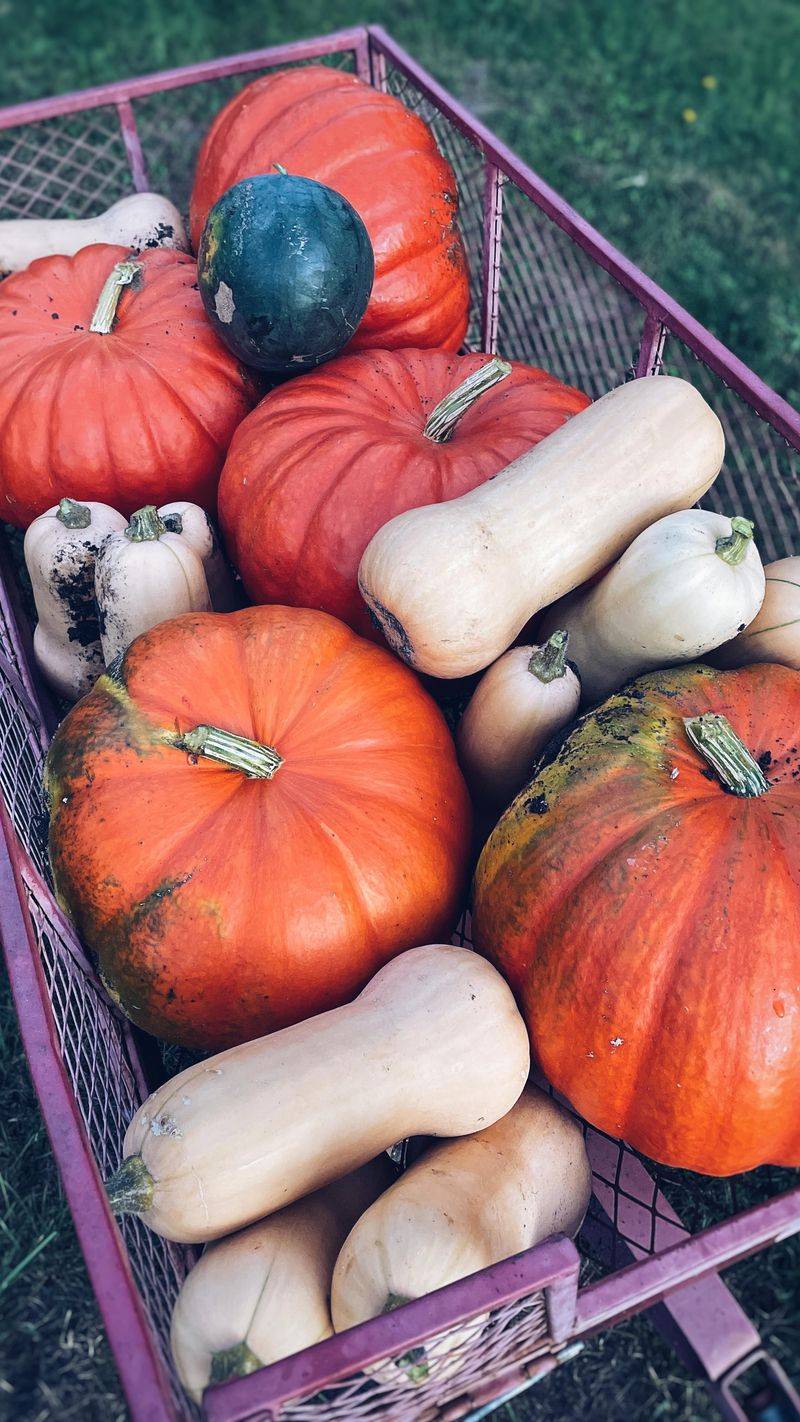
Pumpkins piled on the porch might be the most cheerful sign of fall. To keep them looking great for months, though, they need to come in from the garden before the rainy season gets going. Timing is everything with these hearty crops.
Squash and pumpkins sitting on wet soil day after day are at risk. Moisture collects where the fruit touches the ground, and soft spots and rot can form there. Even a small bruise or patch of decay shortens how long the fruit will keep.
Look for two signs of ripeness. The rind should be hard enough that your fingernail does not easily dent it, and the color should be deep and full for the variety. Butternut turns a rich tan, while pumpkins glow solid orange.
Cut each fruit from the vine with pruners, leaving a few inches of stem attached. That stem acts like a cap and helps keep out rot. Resist the urge to carry squash or pumpkins by the stem, since it can snap off and leave an open wound.
Next comes curing, a step many gardeners skip. Place butternut, hubbard, and pumpkins in a warm spot indoors, ideally around 80 degrees, for about 10 to 14 days. Curing hardens the skin and helps many types taste sweeter.
Acorn squash is the exception, as it stores better without a warm cure. Michigan gardens face a double threat in fall. Rain can soak the patch, and early frosts can damage fruit left outside. Bringing your harvest in early gives you squash that lasts well into winter.
7. Dig Mature Root Crops Before The Soil Turns To Mud
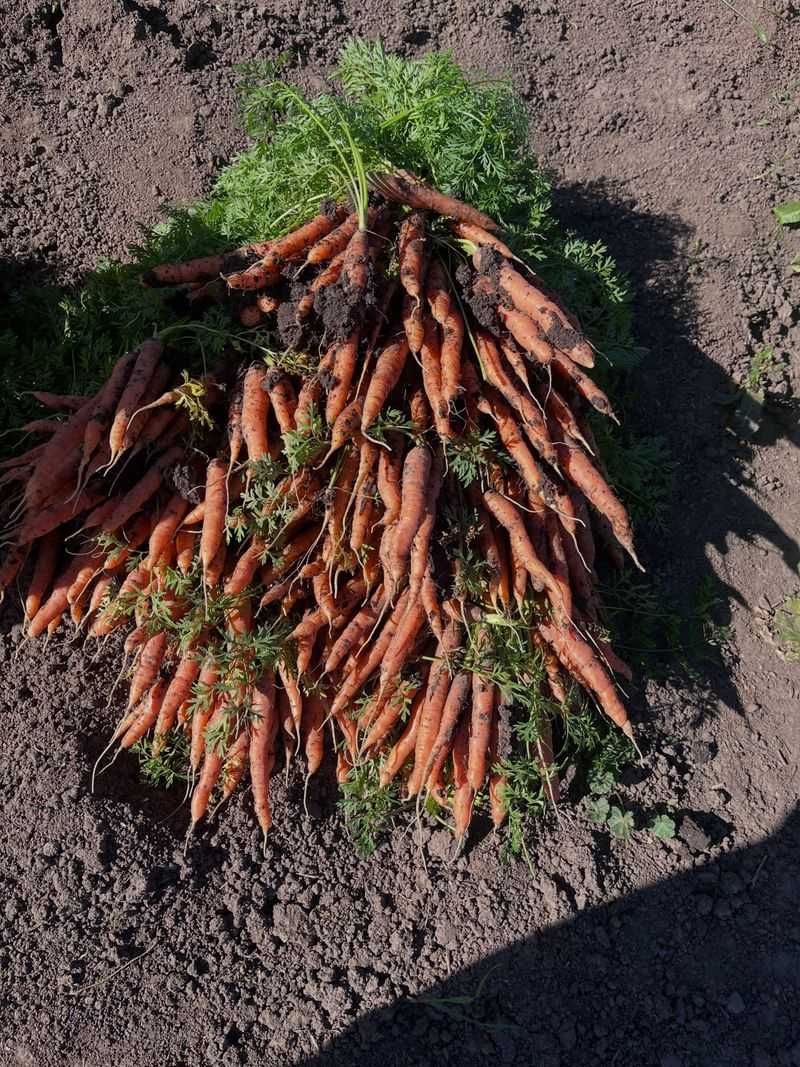
Anyone who has tried to pull carrots from muddy clay knows the struggle. Your boots get heavy, roots snap, and everything comes out coated in sticky muck. Digging before the rain saves you from that mess.
Rain affects root crops in a couple of ways. After a dry spell, a heavy downpour can make carrots, radishes, and some other roots swell fast and crack.
Wet soil also makes digging much harder, and stomping around in it squeezes out air and damages soil structure for next season. Roots caked in mud are more likely to rot once you put them in storage.
The sweet spot is soil that feels moist but not soggy. Use a garden fork and push it in several inches away from the plants, then gently lift to loosen the earth. Pulling straight up on the tops often leaves the roots broken underground.
Once your carrots, beets, and potatoes are out, brush off loose dirt with your hands or a soft brush. Skip washing anything meant for long storage, because extra moisture can lead to mold. Save the scrubbing for when you are ready to cook.
Potatoes need one extra step. Spread them out in a dark, cool, airy spot for about one to two weeks so their skins can toughen. Keep them away from light, which turns the skins green.
Michigan has plenty of heavy clay soil, especially in the southeast and thumb regions, and it turns slick and stubborn after rain. Digging ahead of the storm keeps your soil healthy and your root cellar stocked.
8. Cool And Store The Harvest Quickly
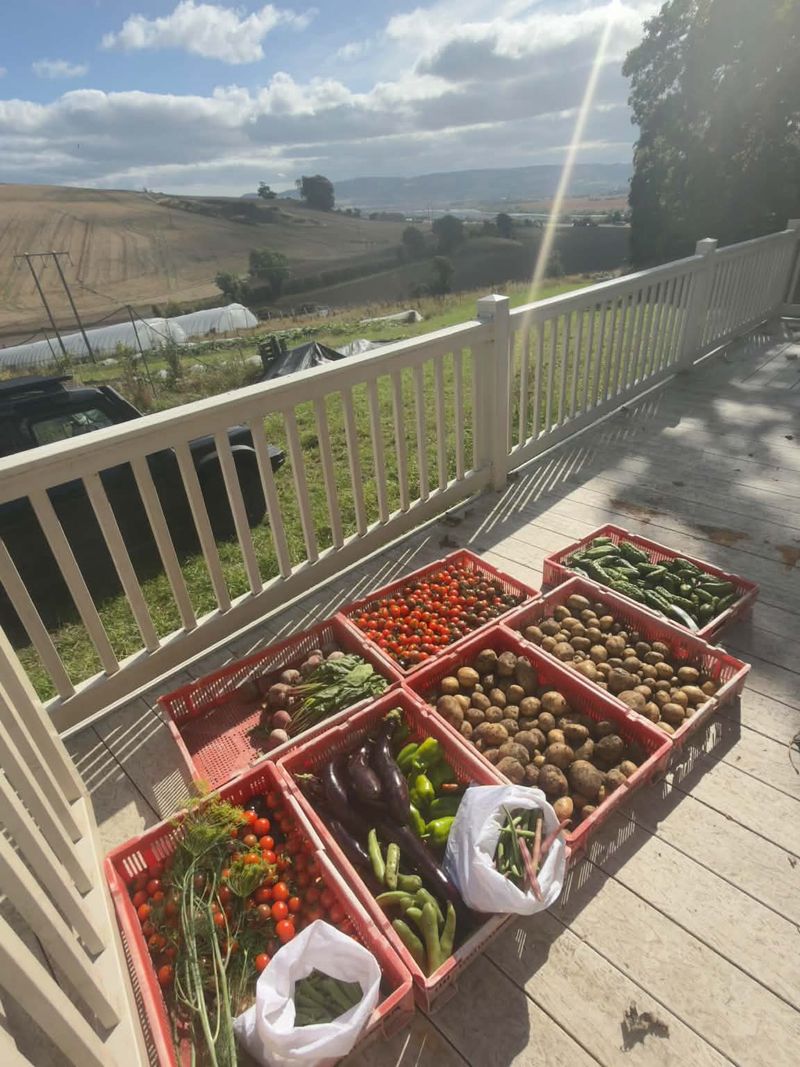
Picture-perfect produce can lose its charm in less than an hour if it sits in the sun. Once vegetables leave the plant, the clock starts ticking. How fast you cool and store them decides how long they stay delicious.
Harvested vegetables are still alive and breathing in a sense, using up their stored sugars and water. Heat speeds that process way up.
A basket of beans or broccoli left on a sunny patio loses moisture, flavor, and crunch quickly, while produce that cools down fast holds its quality for days or even weeks longer.
Start by moving your baskets into the shade as you pick, then bring everything inside as soon as you can. Leafy greens, broccoli, peas, and other cool-weather crops belong in the refrigerator right away.
A plunge in cold water before storing can help pull out field heat from broccoli and greens, as long as you dry them well afterward.
Not everything likes the cold, though. Tomatoes keep their flavor best on the counter, and winter squash stores well in a dry spot around 50 to 55 degrees.
Carrots, beets, and turnips do great somewhere cool and humid, like a refrigerator crisper drawer or a bin of damp sand in a basement.
Michigan gardeners often face a happy problem before a weekend storm. A big rush harvest can bring in more food than one family eats in a week.
Sorting by storage needs, sharing extras with neighbors, and freezing or canning the surplus helps every bit of your hard work get enjoyed.