Why North Carolina Gardeners Are Sowing Cool Season Annuals In Shady Spots This October

Shady garden spots that struggled to support much color during summer’s intense heat suddenly become genuinely valuable real estate for certain cool season annuals once October arrives in North Carolina.
Many of these plants tolerate the gentler, filtered light of partly shaded spots in fall and winter, especially once the trees above them drop their leaves.
Because summer shade often comes from deciduous trees that have already dropped their leaves by the time these annuals are actively growing, spots that seemed too dark in July can receive surprisingly adequate light through the cooler months.
This seasonal shift means gardeners no longer need to write off shady areas as dry zones for fall and winter color.
Taking advantage of this October planting window turns an underused part of the yard into a genuinely productive space for months to come.
1. Deciduous Trees Let In More Winter Sun
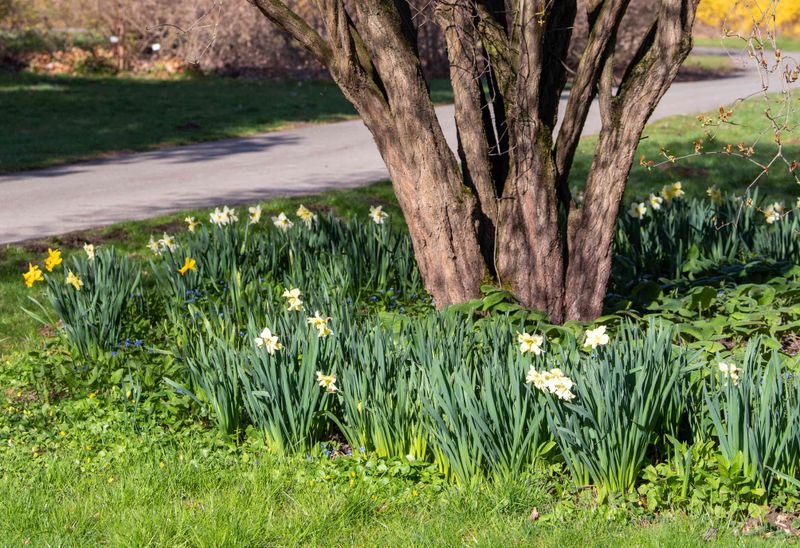
Your shadiest summer bed has a secret. Once oaks, maples, and hickories drop their leaves in fall, the ground beneath them suddenly fills with light.
That dark patch you gave up on in July can turn bright and open by Thanksgiving. Timing makes all the difference here.
Cool season annuals do most of their growing and blooming from November through early spring, which is exactly when those bare branches let sunshine pour through. In other words, the trees step aside right when your flowers need the light most.
Picking the right tree matters, though. Evergreens like pines and hollies keep their needles and leaves all year, so the shade under them never lifts. Stick with beds under trees that go bare in winter, and you will be working with nature instead of against it.
After the leaves come down, take a few minutes to watch your chosen spot. Notice how many hours of sun reach the soil in the morning and afternoon. You may be surprised at how much brighter it gets once the canopy thins out.
Fallen leaves bring one small chore. A thick, wet layer can smother tiny seedlings and block the light they need, so rake heavy piles away from planted areas. You can toss those leaves into a compost pile or shred them for mulch later.
North Carolina yards are full of big shade trees, from Piedmont oak groves to mountain maples. Many homeowners already have perfect winter flower beds hiding in plain sight. All it takes is looking at your yard through a fall and winter lens.
2. Light Shade Protects Seedlings From Early Fall Heat
October in North Carolina can feel like summer forgot to leave. Warm, sunny afternoons often stretch well into the middle of the month, and young plants notice. A little shade can act like a cool umbrella while your seedlings get their start.
Tiny plants have tiny roots, so they cannot pull up much water yet. In full, open sun, they lose moisture fast and may wilt before they settle in. Partial shade keeps the leaves cooler and the soil damp, giving roots time to spread out and grab hold.
Your North Carolina Garden Changes Every Week. Your Plan Should Too.
Gardening in North Carolina changes quickly throughout the season. Every Friday you’ll receive a simple weekly plan showing exactly what to plant, prune, fertilize, harvest, and protect so you never miss the right timing.
Morning sun with afternoon shade is the sweet spot. Gentle early light helps plants grow strong, while shade during the hottest hours keeps stress low. An east-facing bed or a spot beside a leafy tree often fits the bill nicely.
New seedlings and transplants still need some care. Water them gently with a watering can or soft spray so you do not wash away soil or knock over small stems.
Check the ground every day or two, and keep it lightly moist until the plants look perky and steady.
Patience pays off here. Growth may seem slow at first, but as nights turn crisp in late October and November, your plants will pick up speed. Cool weather is what these annuals love, and they respond with fresh leaves and buds.
Many gardeners across the state have watched a sudden warm spell wilt their sunny fall plantings. Tucking new plants into lightly shaded spots is a simple way to avoid that heartbreak. Your flowers get a calm, gentle start instead of a rough one.
3. Moist Soil Helps Seeds Sprout
Seeds are thirsty little things. Before a single sprout pokes through the ground, a seed needs steady moisture for days at a time. If the soil dries out even once during that window, many seeds simply stall.
Here is where shade becomes your helper. Soil in partial shade dries out much more slowly than soil baking in full sun. That extra dampness gives seeds a longer, calmer stretch to wake up and start growing.
October brings a twist for North Carolina gardeners. It is often one of the driest months of the year across the state, with long stretches of clear skies and little rain. A shaded bed can hold onto moisture that a sunny one would lose in a single afternoon.
Getting the ground ready is easy. Loosen just the top inch of soil with a rake or hand tool so seeds can make good contact. Then scatter your seeds and press them lightly into the surface with your palm or the back of a hoe.
Keep the soil evenly moist until seedlings appear, which usually takes one to three weeks depending on the plant. A gentle mist or a watering can with a fine rose works best. Heavy streams can push seeds around or bury them too deep.
Mulch can wait a bit. A thick layer spread over seeded areas can block light and trap tiny sprouts underneath. Once the young plants are up and growing, you can add a thin layer of pine straw or shredded leaves around them.
4. Forget-Me-Nots Thrive In Partly Shaded Beds

Few flowers look as sweet as a cloud of forget-me-nots in April. Their tiny sky-blue blooms, each with a small yellow eye, have charmed gardeners for centuries.
Myosotis sylvatica, the woodland forget-me-not, loves the kind of partly shaded beds many yards already have.
Fall is the time to plant them. Seeds sown in October grow into low, leafy rosettes that sit quietly through winter. Come spring, they burst into bloom and brighten the ground beneath trees and shrubs.
Sowing them takes very little effort. Scatter seed over loosened, moist soil, then cover it with just a thin sprinkle of soil. Keep the area damp until seedlings appear, which often happens within a couple of weeks.
The real magic comes after the flowers fade. Forget-me-nots are known for reseeding themselves, so if you let some plants go to seed after spring bloom, new ones often pop up the next year.
One planting can turn into a patch that keeps coming back on its own. That habit can be a gift or a surprise, depending on your plans.
If you want a tidy bed, pull extra seedlings or snip spent flowers before seeds drop. If you love a relaxed cottage look, let them roam.
North Carolina winters are mild enough for fall-sown plants to settle in before spring. They tend to shine brightest in the Piedmont and Mountains, where cooler weather lasts longer. In the hotter Coastal Plain, give them extra shade and plenty of moisture.
5. Violas Handle More Shade Than Pansies
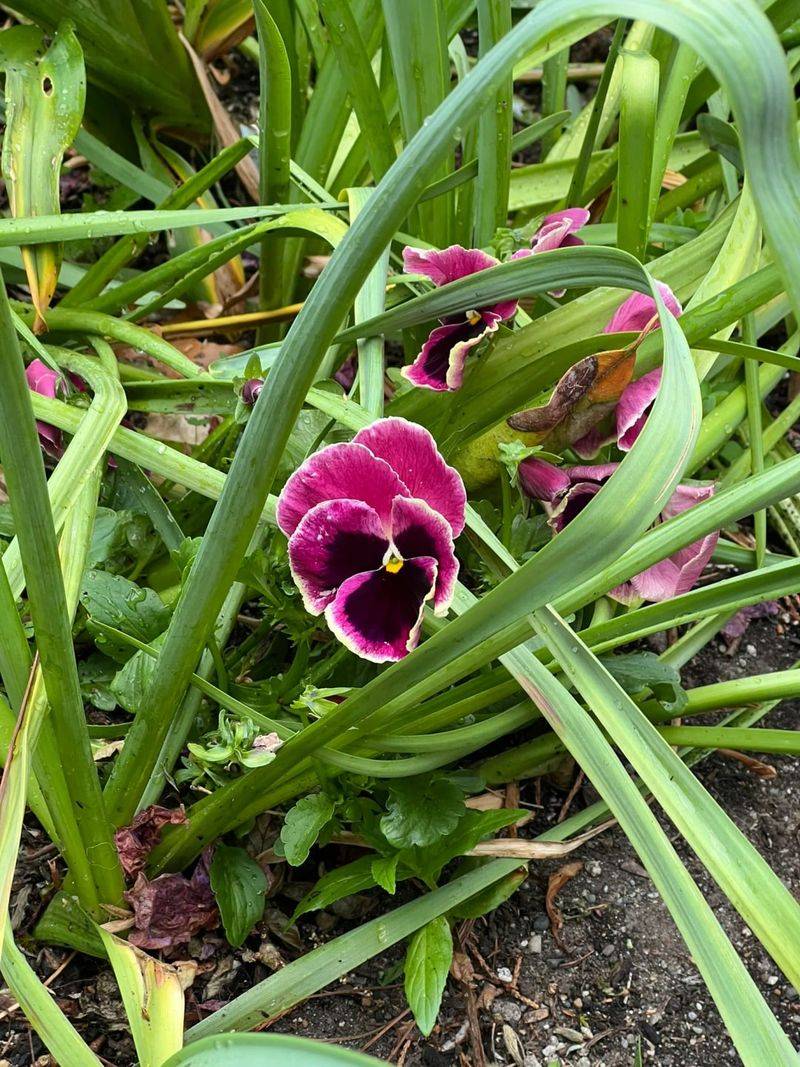
Pansies get most of the attention, but their little cousins might be the smarter pick for shady spots. Violas carry smaller flowers, yet they make up for it with sheer numbers. One healthy plant can cover itself in cheerful blooms that look like tiny smiling faces.
Toughness is their big strength. Violas bloom well with just a few hours of sun each day, and they shrug off cold snaps that send other flowers sulking. They keep flowering through fall, pop back during mild winter spells, and put on a big show in spring.
October is prime planting time. Set viola transplants in spots that get at least three to four hours of sun, since even these tough plants need some light to bloom. Space them a few inches apart so they can fill in without crowding.
Pine straw makes a great light mulch around violas. It helps hold in moisture, keeps roots a bit warmer in winter, and looks tidy in the bed. Plus, it is easy to find almost anywhere in North Carolina.
Watering is simple too. Check the soil, and when the surface feels dry, give the plants a good drink. Pinch or snip off faded flowers now and then to keep new buds coming.
Across the state, from mountain towns to coastal cities, violas are a trusted winter bedding plant. Garden centers stock flats of them every fall for good reason. Plant a few in that partly shaded bed and enjoy color for months.
6. Sweet Alyssum Fills Partly Shaded Edges
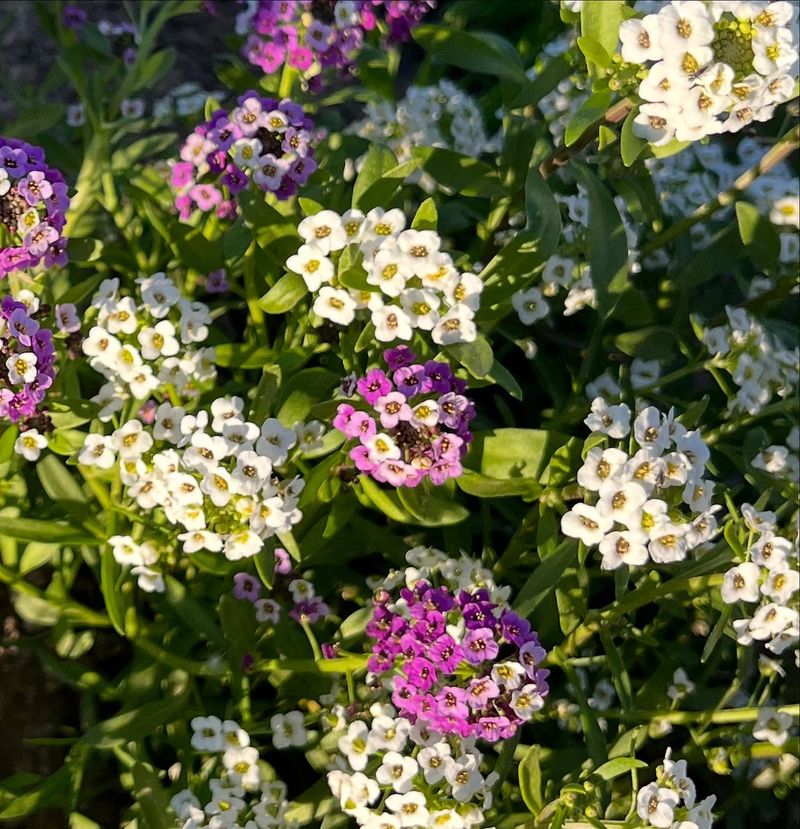
Walk past a patch of sweet alyssum on a cool morning, and you will catch a soft, honey-like scent. Lobularia maritima forms low mounds covered in tiny flower clusters of white, pink, or purple. It looks lovely spilling over the edge of a path or bed.
Cool weather is when this plant truly shines. Sweet alyssum blooms best in fall and spring, and it handles partial shade without much fuss. It makes a great choice for edges that get a mix of sun and shadow during the day.
Garden helpers love it too. Its small flowers attract beneficial insects like hoverflies, whose young feed on aphids. Planting alyssum near vegetables or other flowers can bring in these friendly bugs.
You can start it two ways. Sow seeds right on top of the soil in early fall, since they need light to sprout, or set out transplants from a garden center. Either way, keep the soil evenly moist while the plants settle in.
Sometimes the stems stretch out and look a little scraggly. When that happens, shear the plants back lightly with scissors. They will bounce back with fresh growth and a new round of flowers.
In North Carolina, sweet alyssum performs well through fall and spring. It often survives mild winters in the Coastal Plain and Piedmont, where freezes are short. By midsummer heat, it usually fades, so enjoy it during the cooler months and replant next fall.
7. Deep Shade Still Won’t Work
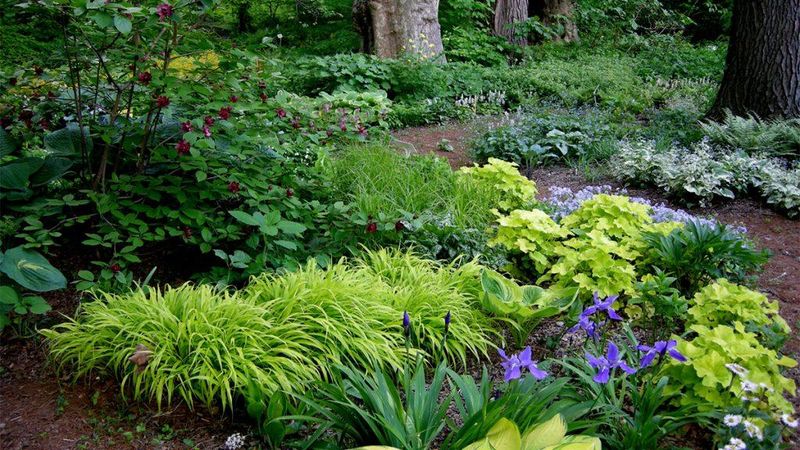
Shade-loving flowers have their limits, and honesty saves a lot of frustration. Even the toughest cool season annuals need some direct sunlight to grow and bloom. Without it, plants stretch, turn pale, and produce very few flowers.
Some spots never brighten up, no matter the season. Ground under evergreens stays dark all winter because those trees keep their leaves.
The north side of a house or tall fence also sits in shadow for most of the colder months, when the sun rides lower in the sky.
A good rule is to aim for at least three to four hours of direct sun in winter. Anything less, and your violas or alyssum will likely struggle. Dappled light helps, but a few solid hours of sunshine make the real difference.
Before planting, spend a few days watching the area. Check it in the morning, at midday, and in the afternoon, and note when sun actually touches the ground. You might even snap a few phone photos to compare.
If a spot stays dark year round, choose different plants. Evergreen ferns, like the native Christmas fern, look fresh in winter and handle deep shade with ease.
Other shade perennials such as hellebores can also add winter interest. North Carolina has plenty of these tricky spots.
Pines, southern magnolias, and hollies are common across the state, and they cast heavy shade that never changes with the seasons. Save your annuals for brighter beds and let tougher shade plants handle the darkest corners.
8. Tree Roots Compete For Water And Nutrients
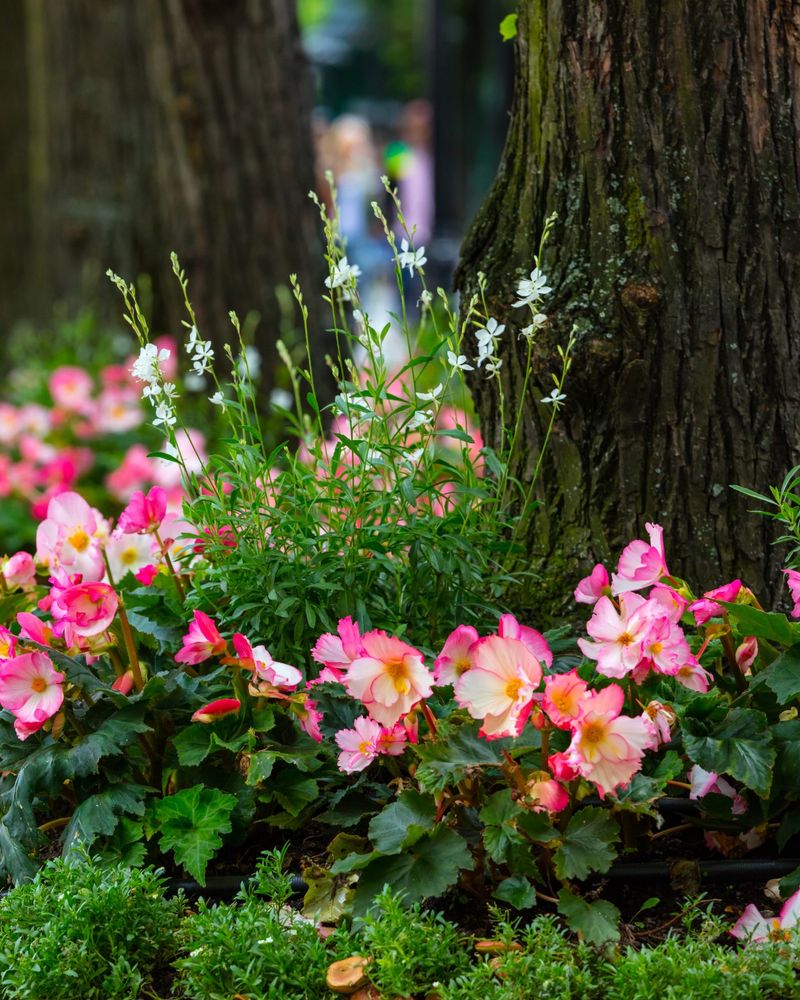
Underground, a quiet tug of war is always going on. Big trees send out roots that soak up water and nutrients from a wide area around their trunks. Your little annuals, with their short roots, often end up on the losing side.
Most tree roots sit in the top foot or so of soil, right where flowers try to grow. That means shallow-rooted plants can go thirsty and hungry even when the bed looks fine on top. Knowing this helps you plan ahead instead of guessing why plants look tired.
Resist the urge to dig deep. Chopping through large roots can harm the tree, and it rarely helps the flowers for long. Instead, tuck small planting pockets between roots and fill them with a few inches of rich compost.
Compost gives annuals a fertile little home where they can settle in quickly. Just keep layers modest around the trunk, since piling soil or mulch high against the bark is not good for trees. A light touch works best for both plants.
Water becomes extra important during dry spells. Check beds under trees more often than open beds, because the roots above and below are drinking too. A slow, deep soak once or twice a week usually beats quick daily sprinkles.
Feeding lightly through the season keeps flowers going strong. A gentle, balanced fertilizer every few weeks in fall and spring does the trick. North Carolina shade trees often spread wide, shallow roots under lawns and beds, so this extra care makes a big difference.