A Sweet Trend Is Coming To Minnesota Backyards This September
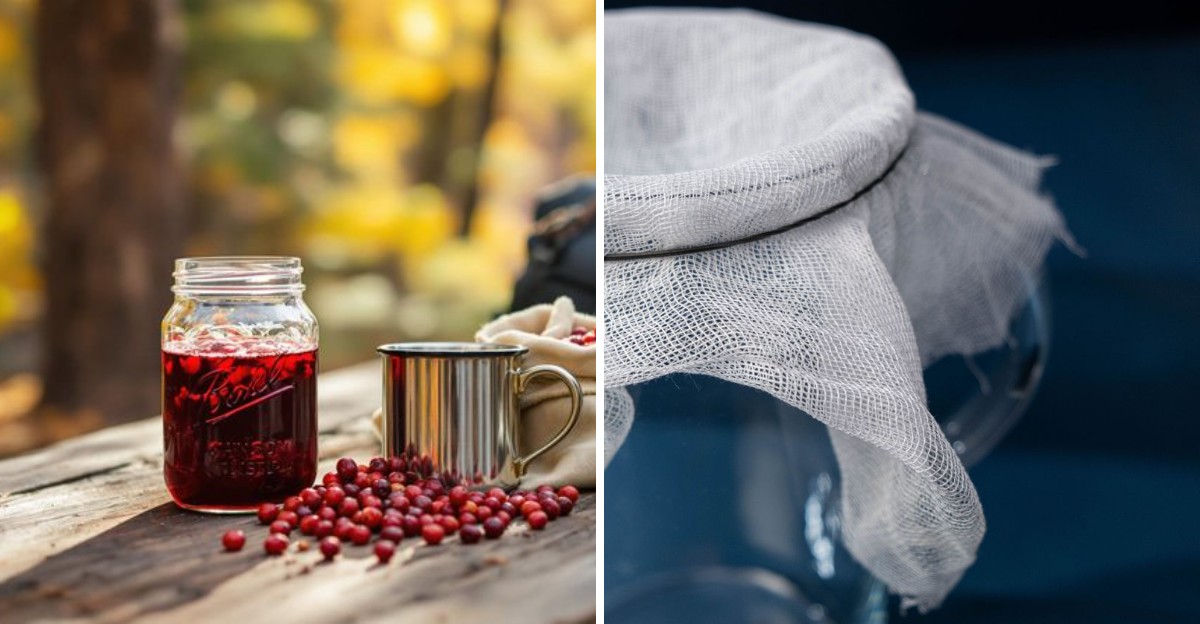
That glossy cluster hanging quietly over your backyard fence isn’t ordinary decoration. Minnesota neighbors near you keep glancing, then walking past it.
You’ve probably passed this exact fruit many times without noticing anything special. Small dark berries are ripening quickly, and yours are finally ready right now. Kitchens near you across Minnesota smell warm and sugared.
Jars are lining your kitchen counters in deep ruby rows. Steam fogs your windows while spoons clink against hot pots. Few people realize how quickly that sweet smell spreads.
Songbirds have visited your backyard tree quietly for many years now. Now you’re claiming your own share, branch by branch. Picking takes only a few quiet minutes, yet your reward lasts through winter months.
You’ll turn tiny berries into something rich and warm. This whole process moves noticeably faster than many people expect. You won’t want to stop once you see how simple it gets.
Meet The Backyard Tree Behind The Buzz
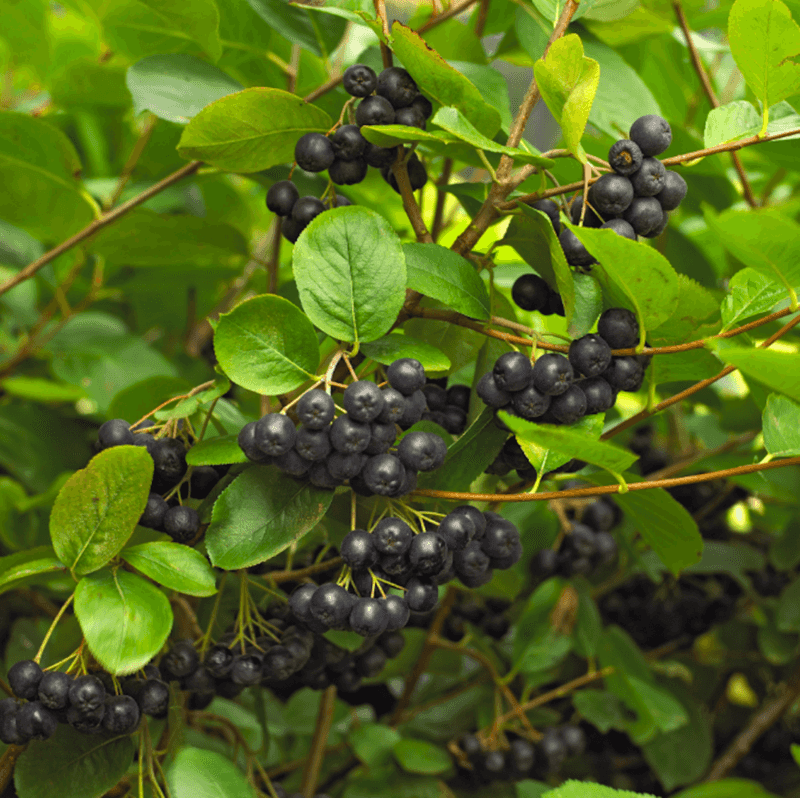
Walk down almost any older Minnesota street in September and you will spot it. A medium tree with drooping strings of tiny, glossy black fruit, each cherry no bigger than a pea.
Bird cherry, also called European bird cherry or Prunus padus, was planted for decades as a fast-growing ornamental. It leafs out early, blooms in white fragrant clusters each May, and then loads itself with fruit by late summer.
Gardeners argue about the tree. It spreads easily and shows up in woods where it was not invited, which has led some Minnesota gardeners and extension programs to flag it as an aggressive self-seeder, even though it isn’t on the state’s official noxious weed list.
Here is the fun part. Harvesting even a bucket or two may modestly reduce local seed spread, all while filling your pantry.
The flavor sits somewhere between a tart cherry and an almond, with a bitter edge raw. Cooked with sugar, that bitterness softens into something rich and wine-like that people compare to sour cherry preserves.
Look for trees along alleys, park edges, boulevards, and older subdivisions in the Twin Cities, Duluth, and Rochester. Fruit ripens from late August through mid-September depending on how warm your summer ran.
One quick note before you grab a bucket. Correct identification matters, since the tiny fruit hangs in long racemes, not in pairs or singles like ornamental plums. Get that right, and your backyard turns into a free orchard.
Timing, Spots, And Simple Manners
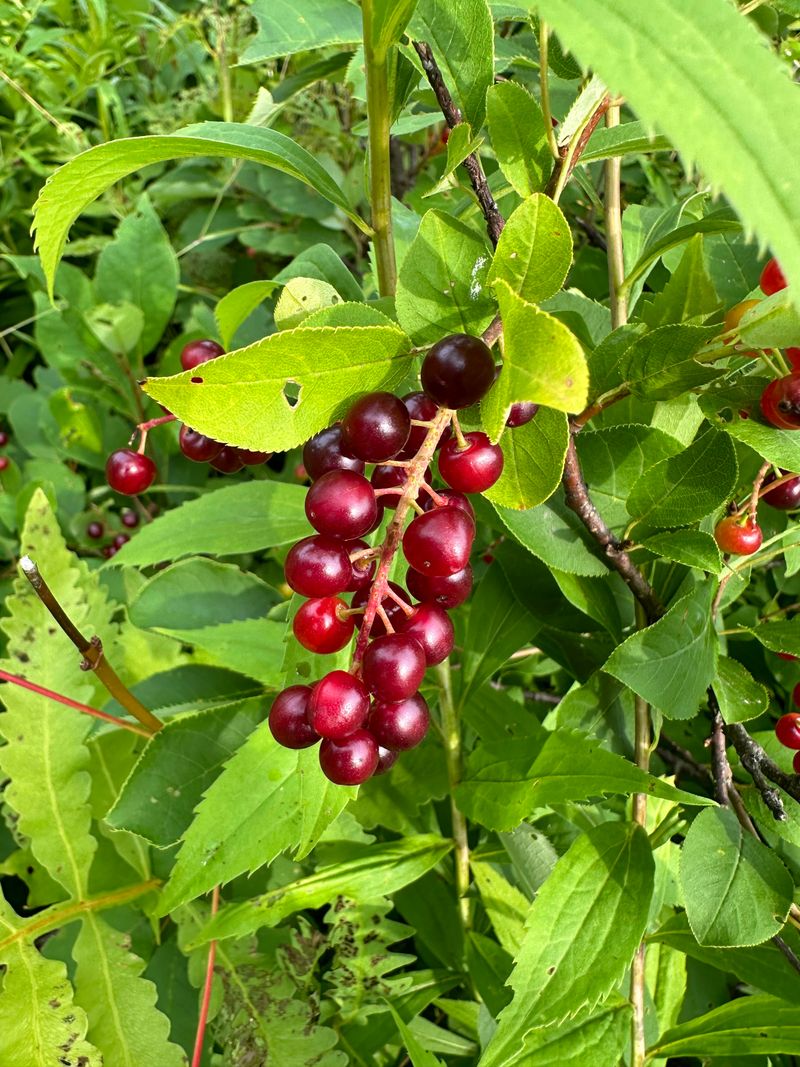
Timing makes or breaks this project. Fruit that is still red tastes harshly astringent, while fruit that has gone soft and wrinkled loses the bright tang that makes the jelly sing.
Aim for berries that are deep purple-black, firm, and glossy. They should slide off the stem with a light tug rather than a wrestling match.
In much of Minnesota that window lands between the last week of August and the third week of September. Northern counties run a little later, southern ones a little earlier.
Bring a wide bowl or a clean ice cream pail and strip whole clusters into it. Do not bother pulling each berry off the stem in the yard, since you will strain everything later anyway.
Your Minnesota Garden Changes Every Week. Your Plan Should Too.
Gardening in Minnesota changes quickly throughout the season. Every Friday you’ll receive a simple weekly plan showing exactly what to plant, prune, fertilize, harvest, and protect so you never miss the right timing.
A tarp under the branches speeds things up dramatically. Shake a limb, let the fruit rain down, then gather the corners and pour.
About manners: ask before you pick from a yard that is not yours. Boulevard trees sit in a gray zone, so a quick knock on the door usually earns you a smile and sometimes a ladder.
Skip trees right against busy roads or ones that may have been sprayed. Parks, church lots, and quiet alleys tend to be cleaner options.
Two gallons of clusters typically yields roughly six to seven cups of juice, enough for one standard batch of jelly and five to six half-pint jars.
Washing, Simmering, And Coaxing Out The Juice
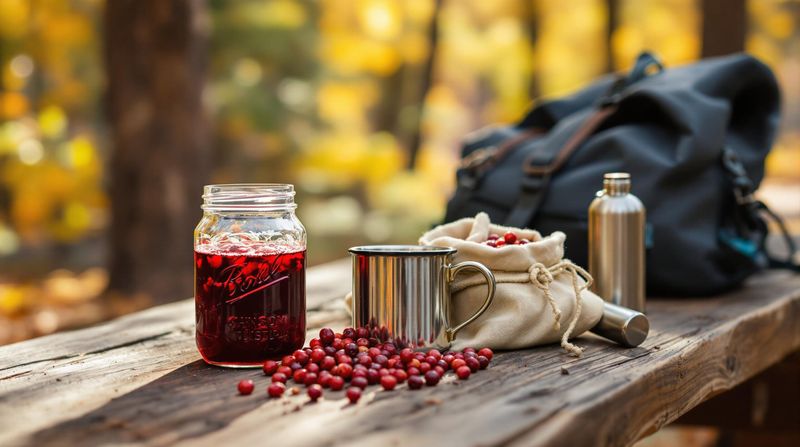
Rinse first, and rinse well. Tip the clusters into a sink of cool water, swish them around, and let the leaves, twigs, and the occasional startled beetle float to the top.
Skim the debris, drain, and repeat once. Stems can stay attached at this stage since they add no off flavor during a short simmer.
Move the fruit into your biggest heavy-bottomed pot. Add water until it comes about halfway up the fruit, roughly one cup of water for every four cups of berries.
Bring the pot to a gentle boil, then drop the heat and let it bubble softly for twenty to thirty minutes. Mash with a potato masher partway through to split the skins.
The kitchen will fill with a smell like cherry pie crossed with marzipan. That almond note comes from natural cyanogenic compounds in the pits, which is why you avoid crushing or blending the seeds.
Never puree bird cherries in a blender. Whole pits are fine during a short simmer, but grinding them releases substances you do not want in your food.
Once the fruit collapses into a dark slurry, turn off the burner. Let it sit for ten minutes so the color deepens and the flavors settle.
Expect the juice to look almost inky in the pot. Held up to a window, it glows a gorgeous garnet, and that is exactly the shade your finished jars will carry.
Straining For A Jar You Can See Through
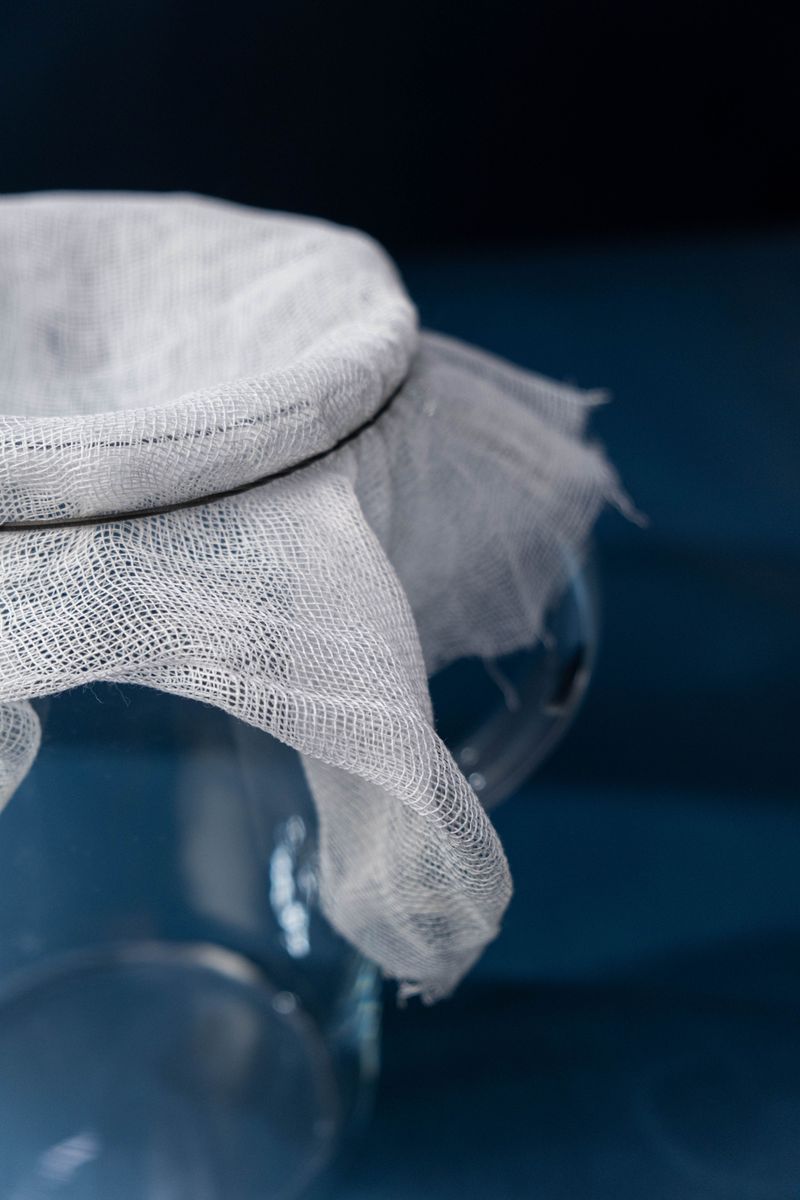
Patience earns you sparkle. The difference between cloudy jelly and jelly that glows on a windowsill comes down to one rule: let it drip, do not squeeze.
Set a jelly bag or a colander lined with four layers of cheesecloth over a deep bowl. A clean cotton pillowcase clipped to an upside-down stool works too, and many home cooks have used exactly that trick for years.
Ladle the hot fruit mash into the bag and walk away. Give it two to four hours, or leave it overnight in a cool kitchen.
Pressing the bag pushes tiny bits of pulp through the weave, which turns the finished jelly hazy. If clarity matters less to you than yield, a light squeeze costs you looks but not taste.
Strain the collected juice a second time through fresh cheesecloth for extra polish. It takes five minutes and makes a visible difference.
Measure what you end up with, because the recipe depends on it rather than on how much fruit you started with. Four cups of juice is a comfortable batch size for most home stoves.
Discard the spent pulp with the pits into yard waste or the trash, not the compost pile where seeds might sprout. That small step keeps the tree from spreading further.
Taste a spoonful of the raw juice while you work. Puckery, tart, faintly bitter, and full of promise is exactly right.
Sugar, Pectin, And The Wrinkle Test
Bird cherries carry only a moderate amount of natural pectin, so a little help keeps things from turning into syrup. Powdered or liquid pectin both work, and low-sugar versions exist if you prefer less sweetness.
A reliable ratio: four cups of strained juice, one box of powdered pectin, and five to five and a half cups of sugar, with a quarter cup of bottled lemon juice if your batch needs extra brightness. Bottled lemon juice matters because its acidity stays consistent.
Stir the pectin into the cold juice first, then bring the pot to a rolling boil that keeps bubbling when you stir. Dump in all the sugar at once and stir hard.
Return it to a full boil and let it go for exactly one minute. Overcooking dulls the flavor and turns the texture rubbery.
The wrinkle test settles any doubt. Chill a small plate in the freezer, drop a spoonful of jelly on it, wait thirty seconds, then push it with a fingertip.
A skin that wrinkles means you are done. Runny liquid means give it another minute and test again.
Skim the pink foam off the surface with a metal spoon so the jars look clean. The foam tastes fine, so spread it on a cracker as your reward.
Some home canners skip commercial pectin and add tart apple juice or crabapple juice instead.
Filling Jars And Finding Reasons To Open Them
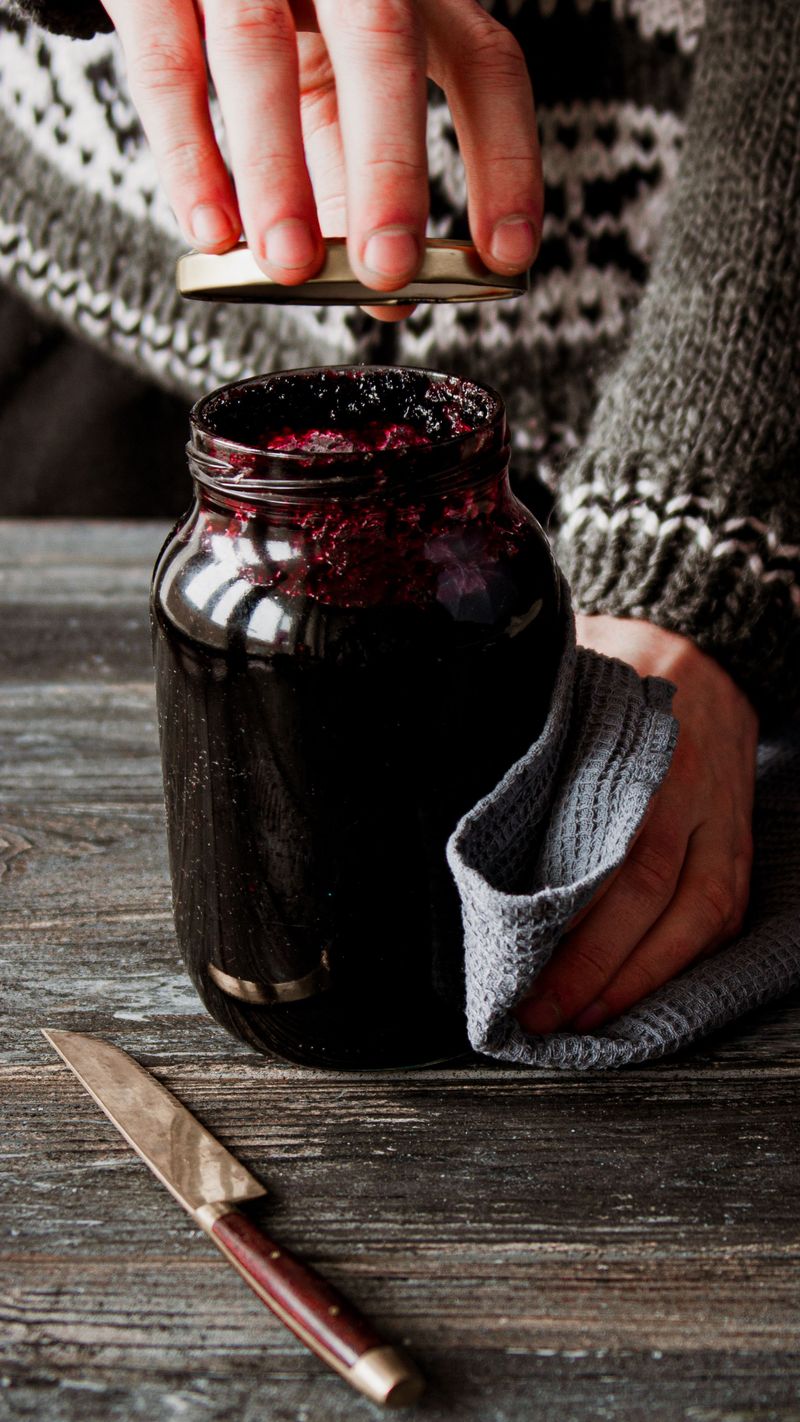
That soft ping of a sealing lid signals a successful seal, and it’s one of the more satisfying sounds of September.
Ladle hot jelly into hot sterilized half-pint jars, leaving a quarter inch of headspace. Wipe each rim with a damp cloth so nothing blocks the seal.
Apply lids and rings fingertip tight, then process in a boiling water bath. Five minutes covers the Twin Cities and Duluth, since both sit under 1,000 feet.
Head toward Rochester or the state’s northern half, and stretch that to ten minutes to match USDA guidelines for higher elevation.
Lift the jars out and set them on a towel, undisturbed, for twelve hours. Any jar that does not seal goes straight into the fridge and gets eaten first.
Sealed jars hold their quality for about a year in a cool dark cupboard. The color stays remarkable, somewhere between garnet and stained glass.
Now the fun part. The tart almond edge pairs beautifully with sharp cheddar, roast pork, wild game, and a Sunday morning stack of pancakes.
Whisk a spoonful into pan drippings for a quick sauce over venison, which fits nicely with Minnesota deer season timing. Swirl it into plain yogurt or spread it under the top crust of an apple pie.
Label each jar with the date and the tree location. Come February, when the yard is buried in white, opening one is like unlocking a small jar of last summer’s light.