Why California Gardeners See More Earwigs When Moisture Returns
Let’s play a game. Name the guest who skips every summer party, then shows up with the whole family after one rainstorm.
Stumped? Your garden probably knows the answer.
All summer, the yard felt quiet. Dry soil. Crispy edges. Not much movement under the pots.
Then October brings that first real soak. You tip over a clay pot, and the ground below suddenly comes alive. Small, shiny, and in a big hurry to leave.
It feels a bit like a surprise party you never planned. And honestly, a few questions pop up fast. Where were they hiding? Why now? And should you grab a spray bottle or just step back?
Hold off on any big decisions for now. Some visitors look scary and turn out to be decent roommates. Others deserve a closer eye. A few old rumors about these critters deserve a good laugh.
The full story might change how you see that crowd under the pot. So, ready to meet your rainy season regulars? Flashlight optional. Curiosity required.
Dry Summer Conditions Kept Them Dormant
Inland California in August can feel like a pizza oven with a zip code. The soil cracks. The lawn turns gold. By noon, the air feels thick with heat.
For a small, soft-bodied insect, that weather spells trouble. Earwigs lose moisture easily through their bodies. So they avoid hot, dry, open places. They prefer dark, damp spots and stay most active at night.
Through a long dry summer, they tend to tuck themselves away. Cool cracks, spots under boards, irrigation boxes, and the few moist corners in the yard all make good hideouts.
They do not vanish completely, though. Gardens with regular sprinklers or drip lines can host earwigs all summer. In drier yards, they stay spread out and well hidden, so most gardeners rarely notice them.
This works like a neighborhood during a heat wave. The streets look empty, but everyone is still home, with the blinds down and the fan on high. Earwigs follow the same playbook.
Their numbers also shift with a yearly life cycle. The schedule varies a lot across California, from foggy coastal towns to hot Central Valley farms.
Your yard may not match a friend’s yard across the state, and that is completely normal.
A quiet summer does not always mean fewer earwigs. It often means they found shade somewhere you were not looking. Sneaky little couch potatoes, really.
Moisture Brings Them Out Of Hiding
Rain changes the mood overnight. After that first soaking storm in October or November, the whole garden seems to wake up. Earwigs get front-row seats.
Damp soil and wet leaves let them move around safely. They travel farther at night, hunt for food, and settle into new hideouts. Suddenly they pop up under pots, in folded leaves, and inside hose reels.
Part of the surprise comes down to visibility. Earwigs that once hid in scattered spots now crowd into the same moist shelters. Those happen to be the pots and reels you lift.
Your California Garden Changes Every Week. Your Plan Should Too.
Gardening in California changes quickly throughout the season. Every Friday you’ll receive a simple weekly plan showing exactly what to plant, prune, fertilize, harvest, and protect so you never miss the right timing.
It can look like an invasion, even though the total number may not have changed much.
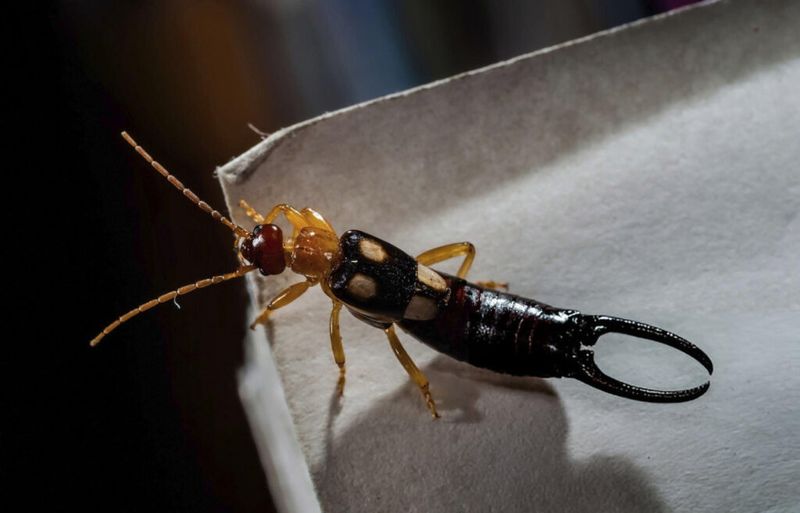
Now for a fun fact to share at your next dinner party. Some earwigs have wings folded neatly under short covers, yet they rarely fly. Most get around on foot. That explains why they pile up in nearby damp shelters and stay close to home.
Sprinkler schedules play a role too. Plenty of gardeners forget to cut back irrigation once rain returns. The soil stays extra wet, and earwigs feel right at home.
A flashlight check an hour or two after dark tells you much more. You can see where earwigs are active and what they are chewing. A few bugs under a pot in the morning only tell half the story.
Congratulations, you just earned the title of garden night owl. Hoot responsibly.
Mulch And Debris Offer Ideal Shelter
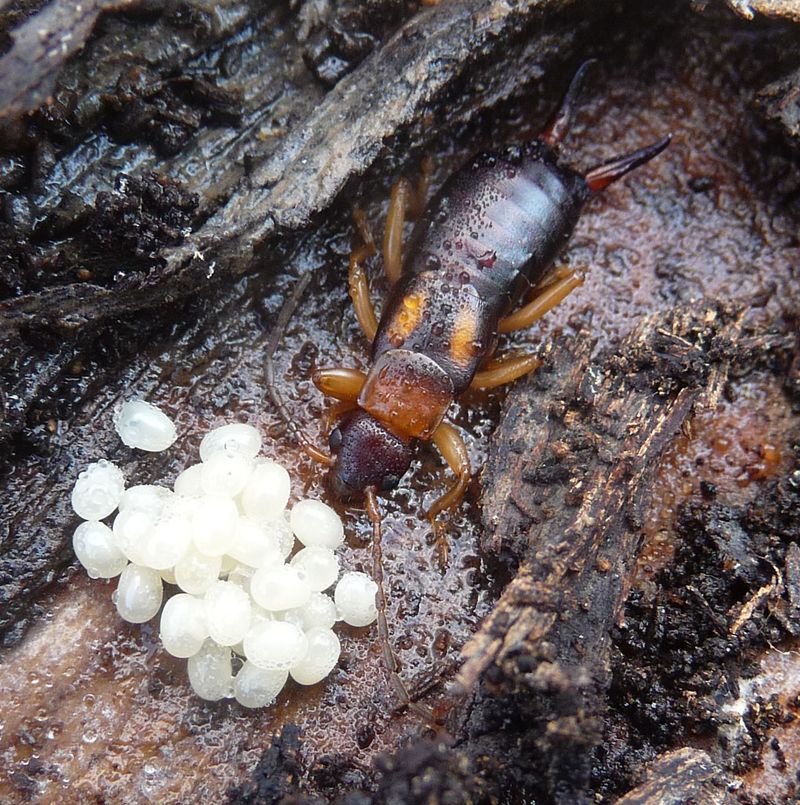
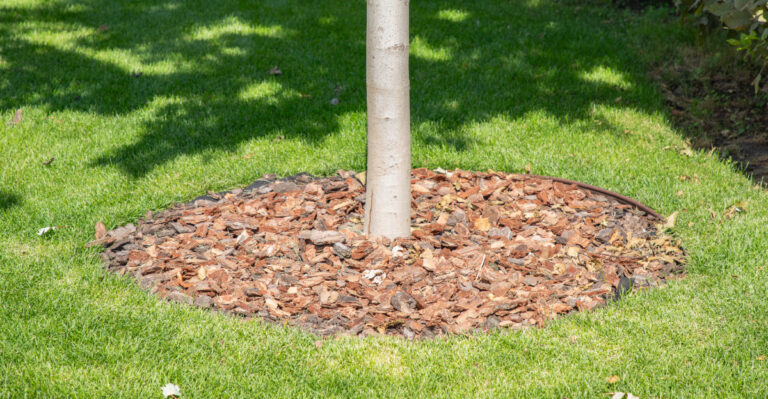
Pull back a handful of wet mulch in fall, and something may wiggle away. Mulch does wonderful things for soil. It also makes a very cozy earwig hotel.
Earwigs love tight, dark, damp spaces. They like to feel surfaces pressed against them on several sides. Thick wood chips, leaf piles, stacked pots, old boards, and weedy corners all fit the bill.
Rain turns those spots into five-star suites. Dry summer mulch can feel too warm and crumbly. Once it soaks up rain, the layer stays cool and humid.
Decaying plant material even offers room service, since earwigs snack on rotting organic matter.
Please do not rip out your mulch over this. It holds water, feeds soil life, and keeps weeds in check. The smarter move is careful placement.
Keep mulch a few inches away from the stems of young plants. Rake up heavy leaf piles near vegetable beds. Store empty pots upside down on a rack instead of in a stack on the ground.
Now take a peek along your fences and under your benches. Clutter adds up faster than most of us like to admit. Old stakes, spare boards, and forgotten containers all make handy hideouts.
A weekend cleanup cuts down on shelter without harm to the healthy parts of the garden. You keep all the perks of mulch, and the earwigs lose a few rooms. Sorry, guests, the hotel is under renovation.
They Actually Eat Aphids And Garden Leftovers
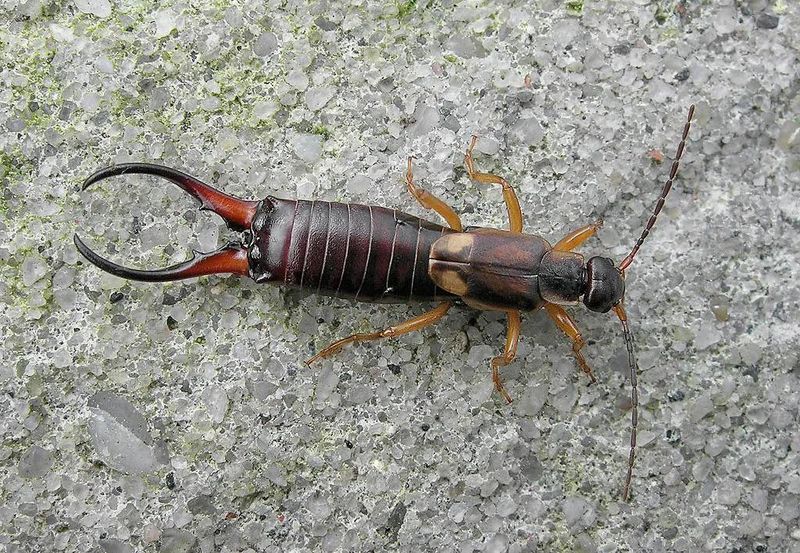
Plot twist time. That creepy bug with pincers might be on your side.
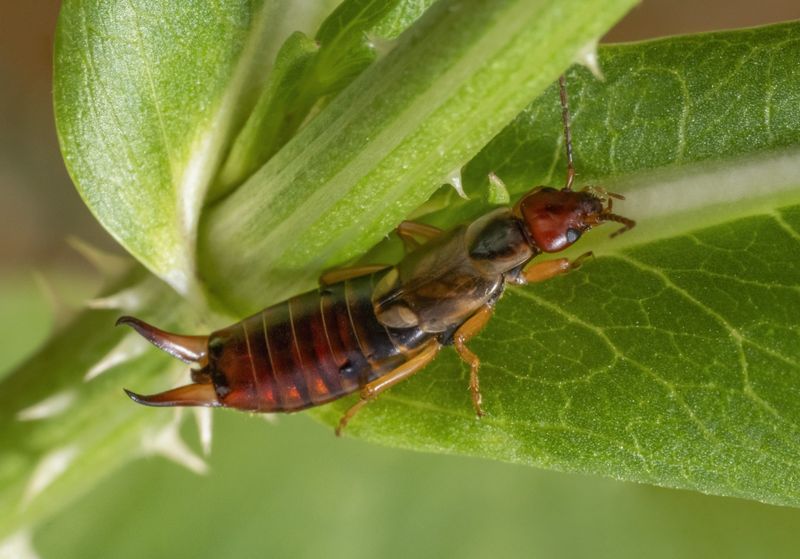
The European earwig is the most common species in California gardens. It eats a bit of everything. Aphids, insect eggs, and other small, soft-bodied insects all land on the menu. It also feeds on insect remains and decaying plant matter, which helps tidy up the garden.
Aphids show why this matters. These tiny sap-suckers crowd onto roses, citrus, and vegetables. They curl leaves and leave sticky honeydew behind. Earwigs on night patrol can help keep those crowds smaller.
In some orchards, earwigs act as useful predators, especially against aphids on certain fruit trees. Results depend on the crop and the season, so they are not a perfect fix. Still, they join a solid team with lady beetles, lacewings, and tiny wasps.
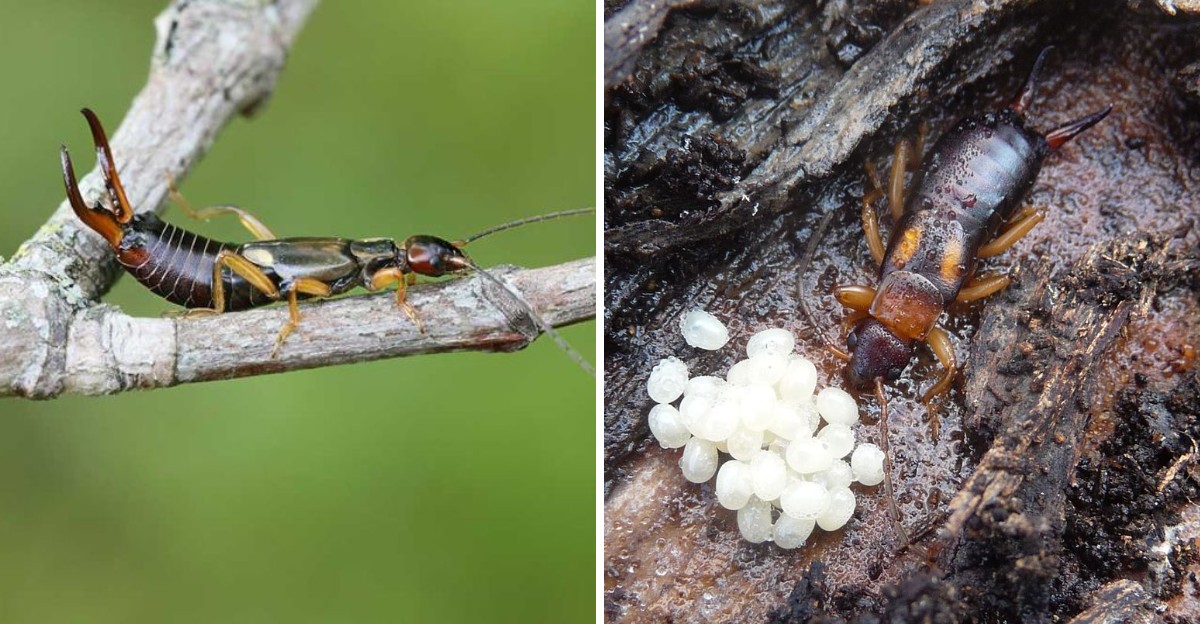
Brace yourself for a sweet surprise. Female earwigs are devoted moms. They guard their eggs in underground nests and clean them to keep mold away. That level of care is rare in the insect world.
So hold that spray bottle for a moment. Take a close look at what the earwigs are up to. Earwigs that stroll through aphid colonies or crawl over old leaves may be doing you a favor.
Broad insecticides can also harm the lady beetles and other helpers on the same shift. Sometimes the best pest control has six legs and questionable fashion sense.
Soft Seedlings Face The Real Risk
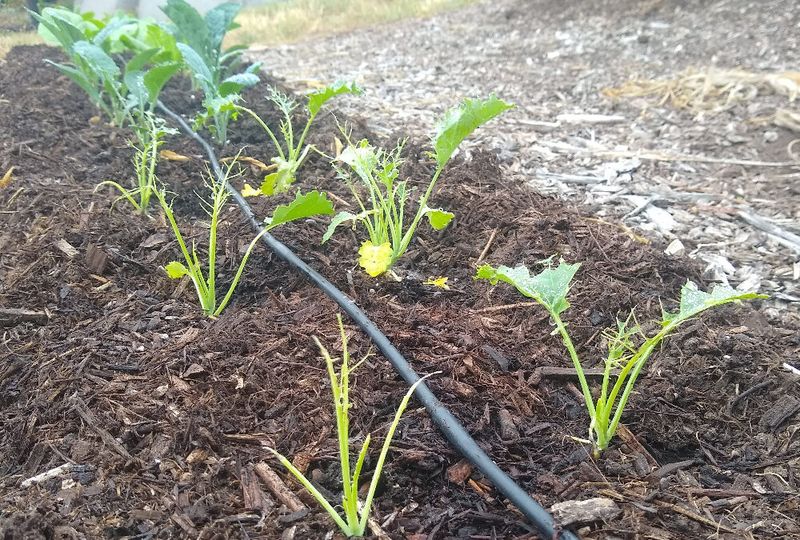
Saturday, you plant a neat row of bean sprouts. By Tuesday, half of them look like lace. There is not a caterpillar in sight. Earwigs may be the night-shift culprits.
Older, tougher plants usually shrug off a few bites. Young seedlings are a different story. Earwigs can chew ragged holes in tender leaves. Sometimes they eat small seedlings right down to the stem.
Beans, lettuce, basil, dahlias, and marigolds rank among their favorite targets.
Soft fruit sits on the menu too. Ripe strawberries, apricots, and similar fruits can end up with shallow, uneven holes. Earwigs often crawl into fruit that birds or other pests already damaged. So they are not always the ones who started it.
Corn can take a hit as well. Earwigs may munch on silks, which can lead to poorly filled ears after heavy damage.
Now it is time to play detective, because the obvious suspect is not always guilty. Snails, slugs, and caterpillars leave similar holes. Head out with a flashlight at night and look closely. Earwigs do most of their damage after dark.
Once earwigs prove guilty, protect plants through their most fragile stage. Start seedlings indoors or in pots. Move them out once they grow sturdier.
Tougher leaves usually mean less risk. Earwigs often go back to aphids and plant debris instead of your greens. Your salad bar is officially closed for their late-night snacks.
Reducing Damp Hiding Spots Helps Some
A few simple changes can steer earwigs away from your favorite plants. No harsh chemicals required.
Start with the water. Drip irrigation keeps the soil surface drier than overhead sprinklers. Morning irrigation lets the top layer dry out by evening. That leaves earwigs fewer comfy spots near your beds.
Next, clear out shelter close to young plants. Remove boards, leaf piles, and weeds around vegetable beds. Keep mulch pulled back from seedling stems.
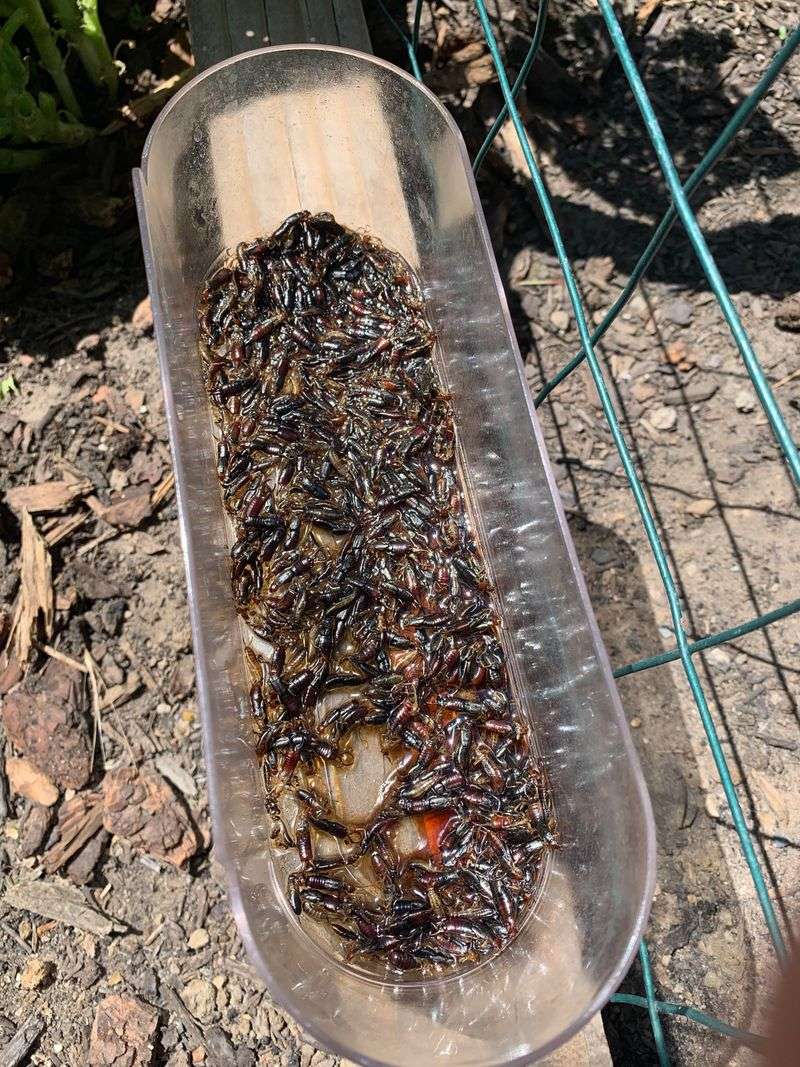
Now for the fun part, and yes, it involves a little mischief. Roll up damp newspaper or a piece of corrugated cardboard. Set it in the garden overnight. In the morning, shake the new tenants into a bucket of soapy water.
A low-sided can works too. A tuna can with a little vegetable oil does the job. Some gardeners add a drop of fish oil or bacon grease as bait. Bury the can so the rim sits level with the soil.
Fruit trees need a different defense. A sticky band around the trunk can block the climb to ripe fruit. Keep branches away from fences and nearby plants so the bugs cannot find a bridge.
Stay realistic, though. Those steps reduce earwigs near sensitive plants, but they will not clear out every last one. A few earwigs still help clean up aphids and debris.
Let them stay on as part-time staff. The pay is terrible, but the aphid buffet makes up for it.
Most Sightings Are Nothing To Worry About
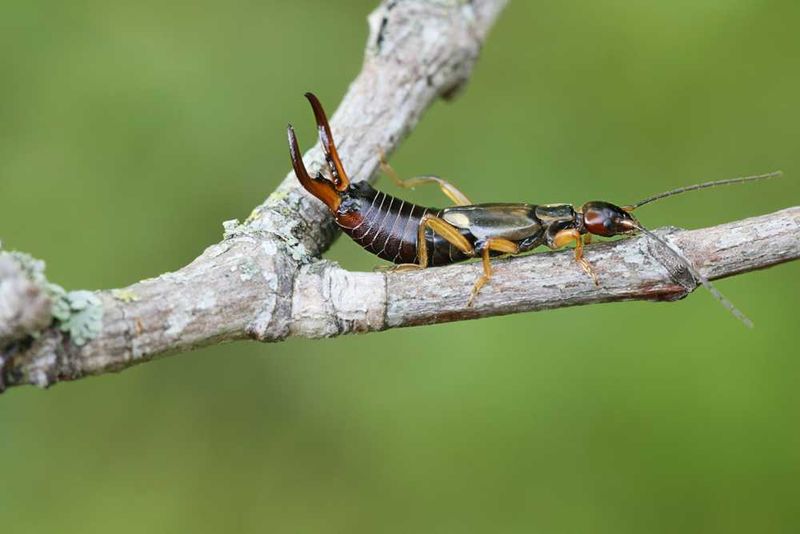
Take a deep breath next time a crowd of earwigs spills out from under a pot. In most California gardens, that moment signals a busy, healthy ecosystem. It is not a disaster.
Earwigs recycle fallen leaves and insect remains. They snack on aphids. They also feed birds, lizards, toads, and spiders. That makes them part of the food web that keeps a garden in balance.
A rainy-day crowd simply means the weather shifted. The earwigs moved into your favorite hideouts, which is honestly a compliment to your taste in real estate.
Time to bust one very old myth. Earwigs do not crawl into ears to lay eggs. That spooky story has floated around for centuries, but it holds no truth. Their pincers can give a light pinch when handled. Still, they pose no real danger to people or pets.
Mature plants usually handle a little leaf damage just fine. Action makes sense for tender seedlings, ripe soft fruit, or clear signs of heavy damage.
A calm plan tends to work best. Watch at night, protect young plants, and trim back extra moisture and clutter. Then let the rest go.
Warmer spring weather often makes the earwig crowds less dramatic again. The cycle repeats each year, right on schedule.
So the next pot you lift may still hold a small crowd. Give them a nod and move along. They were there first, after all, and they clearly have the lease.