Why California Gardeners Should Pay Attention To Soil Compaction Before Winter Planting
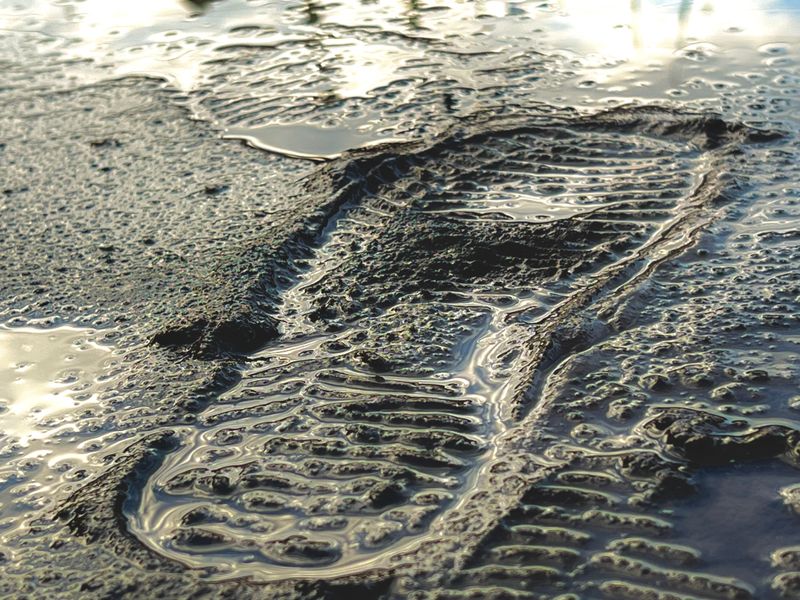
The very first pass of boots across soggy ground causes most of the squishing damage your soil will ever see. Later footsteps add a little more pressure, but that opening stroll does the heaviest work underground.
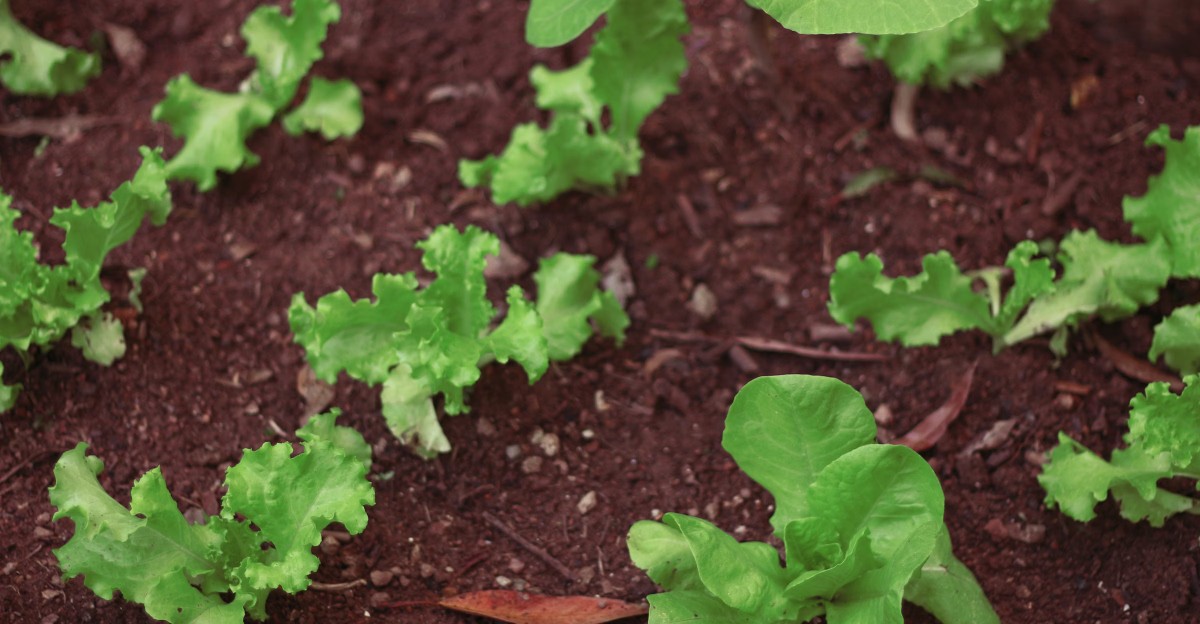
California packs most of its yearly rain into the months between November and March for many coastal and valley regions. That timing lines up with cool-season planting, when lettuce and garlic seedlings head into our garden beds.
I have to admit that I once stomped around my wet beds every weekend without a second thought. You might notice the same clues I missed, like puddles that linger and shovels that bounce right back.
Winter gardens across California can thrive, yet the ground beneath them needs a little extra attention first. So what is really happening under your feet, and how can you fix it before planting day?
1. Wet Footsteps Squash Garden Beds Into Hard Clay
Clay soil acts a lot like cookie dough when wet, and every step presses it into a tighter lump. I learned this the hard way after a rainy weekend turned my favorite bed into something resembling pottery.
Healthy soil holds plenty of tiny open spaces, which roots use to breathe and water uses to travel. Pressure from boots squeezes those spaces shut, and wet ground gives way far more easily than dry ground does.
Water acts like a lubricant between soil particles, letting them slide together and lock into place under your weight. Dry soil resists that sliding much better, which is why timing matters so much for anyone working outdoors.
Many California gardeners prep winter beds right after the first storms, when the ground finally feels soft enough to dig. Soft soil feels inviting, yet it is also at its most fragile stage for compression and lasting harm.
A quick squeeze test helps you decide whether stepping into the bed is a smart idea today. Grab a handful and squeeze, then poke the ball gently with one finger to see how it reacts.
Soil that crumbles is ready for work, while sticky, smeary lumps mean the bed needs more drying time. Personally, I keep a small stool by my beds as a reminder to wait a day or two.
Patience feels annoying when seedlings are waiting in their trays, but a short delay protects years of soil building. Your future carrots and beets will thank you with straighter roots and steadier growth all winter long.
2. Puddles Sitting On Garden Beds Signal Trouble Below
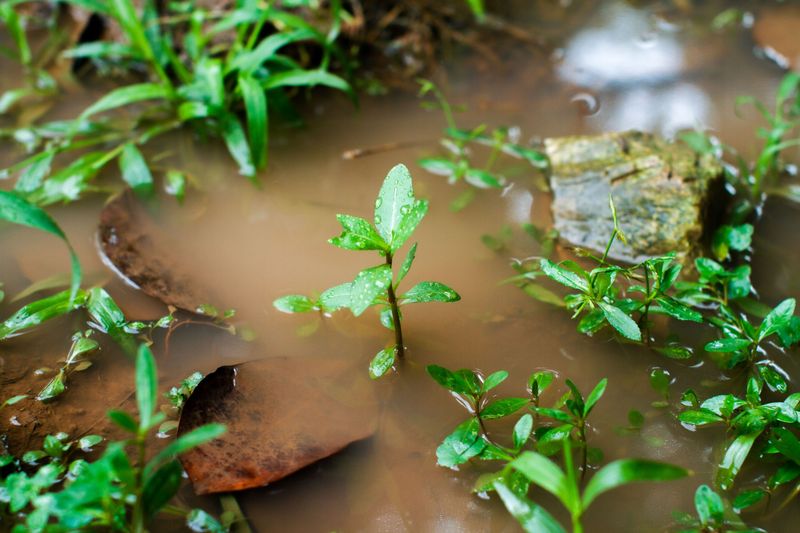
Nothing tells the truth about your soil quite like a puddle that is still hanging around the next afternoon. I call these lingering pools my garden’s tattletales, because they point straight at packed ground hiding underneath.
Loose soil soaks up rain like a sponge, letting water seep downward through countless connected pores and channels. Compacted soil blocks that path, so water sits on top or races off toward the sidewalk instead.
Standing water creates a bigger problem than a soggy pair of shoes for anyone tending the bed. Roots need oxygen, and waterlogged soil pushes air out of the root zone for hours or even days.
Extension experts often link slow drainage to compacted layers, especially in clay soils common across many valleys. Roots sitting in saturated ground may develop rot, and seedlings frequently wilt even though the soil looks wet.
You can run a simple drainage check before you plant anything new this season in that spot. Dig a hole about a foot deep, fill it with water, and time how long it takes to drain.
Water that lingers for many hours suggests trouble, though results vary with soil type and recent rainfall. Mark the slowest spots on a garden map so you remember where to focus your loosening efforts.
I find it oddly satisfying to watch a once stubborn puddle vanish after a season of soil care. Those little victories make the winter garden feel like a partnership rather than a constant struggle.
3. A Simple Screwdriver Test Reveals Hidden Hard Layers
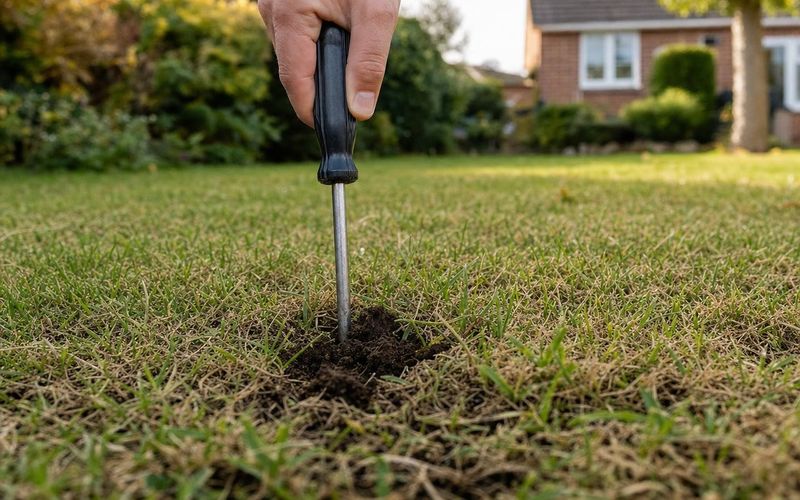
A long screwdriver from your junk drawer might be the most honest soil tester you will ever own. Push it into moist ground and pay attention to how the handle feels as it slides downward.
Loose soil lets the blade glide in smoothly, almost like pushing a spoon through firm pudding. Compacted soil fights back, and you may feel a sudden stop at the same depth across the bed.
That abrupt resistance often signals a hardpan, which is a dense layer that roots struggle to cross. Repeated tilling at one depth can create these layers over time, especially when the soil was wet.
Soil scientists use a similar trick called the wire flag test, using thin steel survey flags. If the wire bends or stops before reaching about twelve inches, a compacted layer is likely waiting below.
Testing works best when the soil is evenly moist, since bone dry ground feels hard almost everywhere. I like to probe a day or two after a good soaking rain for the most reliable reading.
Try several spots across each bed and compare them with an untouched corner of your yard. Spots near pathways often feel harder, since they collect extra foot traffic throughout the year.
Jot down the depth where resistance begins, and you will know exactly how deep to loosen things. Five minutes of poking saves you from guessing, and guessing rarely produces happy, productive winter vegetables.
4. Cramped Roots Leave Winter Lettuce Stunted And Yellow
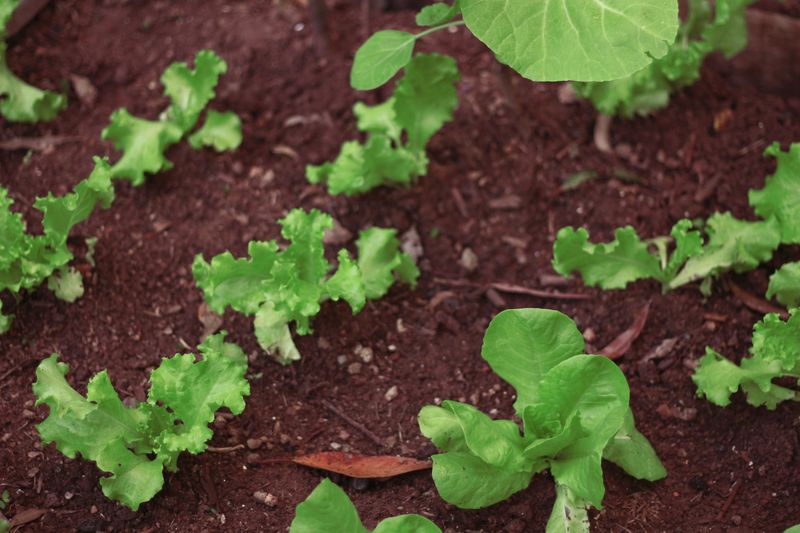
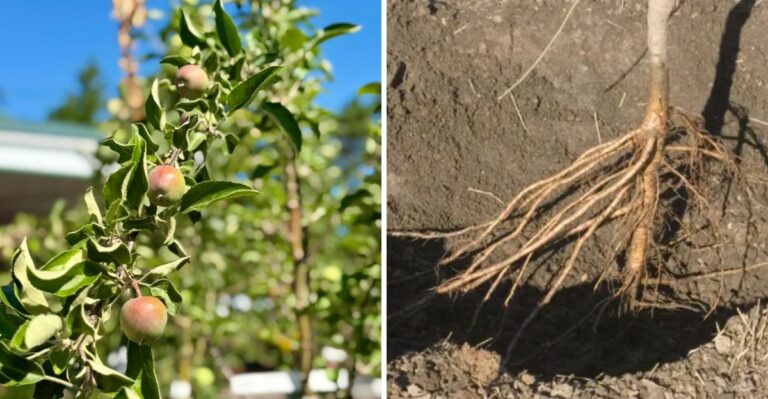
Pull up a struggling lettuce plant from packed soil and you may find roots that look oddly short and stubby. Instead of spreading outward, they often bend sideways or circle as if they hit an invisible wall.
Roots grow by pushing their tips through tiny gaps between soil particles and existing pore spaces. When those gaps shrink, roots thicken and slow down, spending energy on force instead of exploring for food.
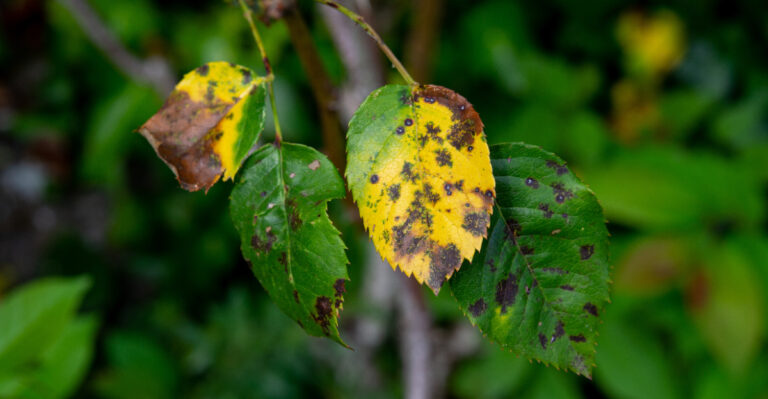
Above ground, you might notice stunted plants with pale or yellowing leaves that refuse to size up. Gardeners often blame fertilizer first, yet the real issue may be roots that cannot reach available nutrients.
Cool-season crops like broccoli and cabbage need steady root growth to build strong frames before spring warmth arrives. Carrots are especially picky, often forking or twisting when they hit a dense layer in the bed.
Personally, I treat yellow leaves as a prompt to check the soil before reaching for any fertilizer bag. A quick dig around the root zone usually tells me whether compaction or hunger is causing the trouble.
Fixing the soil before planting makes far more sense than rescuing struggling seedlings in the middle of winter. Loosened ground allows young roots to stretch deep, tapping moisture that lingers between rainy spells in the soil.
You will see the difference in leafy greens that grow lush and quick when roots move freely. Healthy roots are the quiet engine behind every good harvest, even though we rarely get to see them.
5. Earthworms Need Loose Soil To Tunnel And Thrive
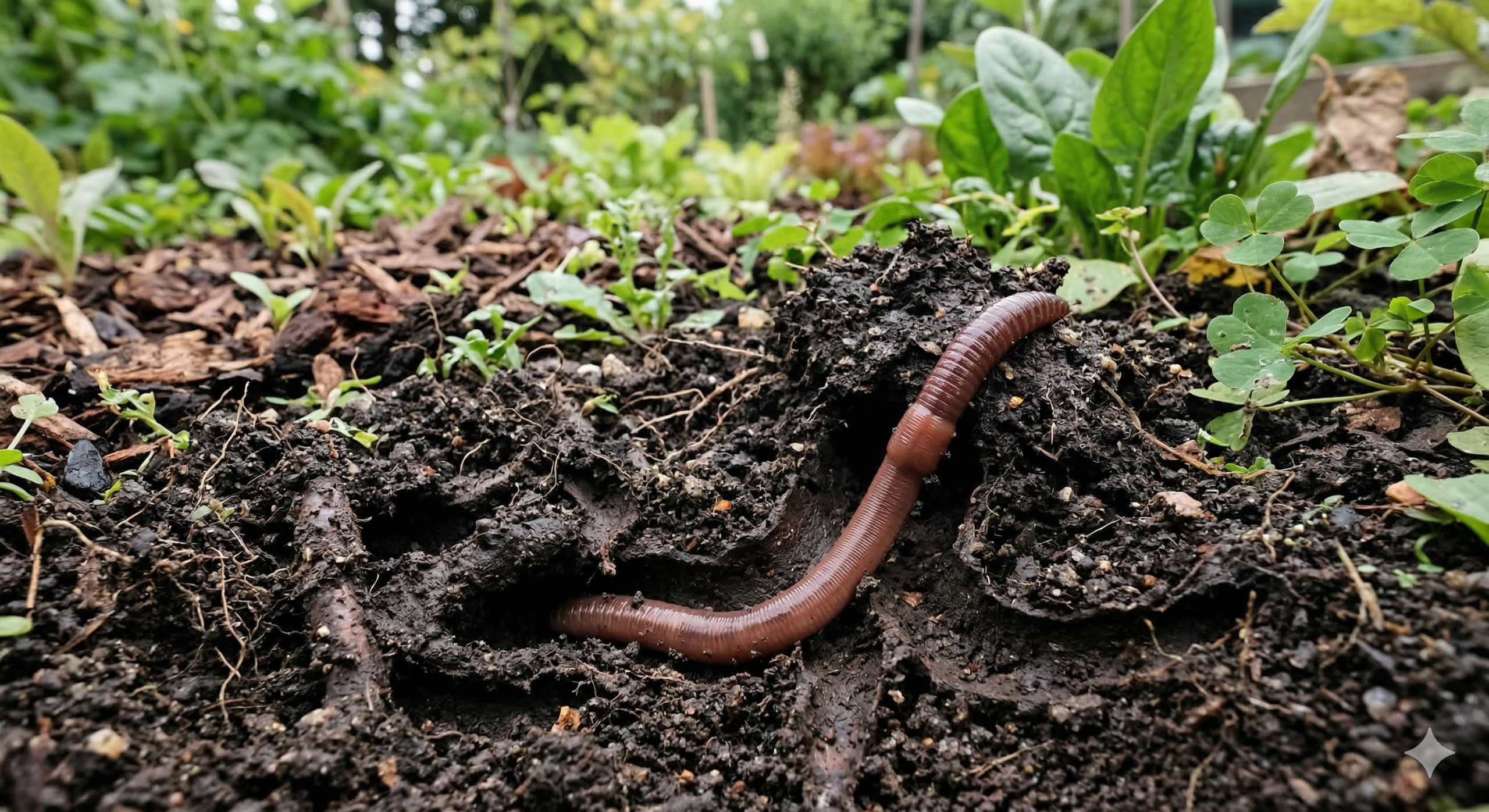
Earthworms are the tiny underground plumbers of your garden, digging tunnels that carry air and water downward. I love spotting a fat worm wriggling in a shovelful of soil, because it means the ground is working well.
Their burrows create channels that roots happily follow, and their castings help bind soil into crumbly clumps called aggregates. Those aggregates keep pore spaces open, giving the soil a texture that feels like chocolate cake crumbs.
Compacted soil makes life tough for worms, since tight ground holds less oxygen and resists their movement. Beneficial microbes also suffer when air runs short, slowing the breakdown of organic matter into plant food.
You can count worms as a quick health check by digging a shovel-sized hole when the ground is moist. Finding several worms is encouraging, while finding none may point toward compaction or a shortage of organic matter.
Feeding the soil feeds the worms, so spread compost or shredded leaves on top of your beds. Worms will pull that material downward over time, doing loosening work you would otherwise handle with a fork.
Avoid heavy tilling when possible, because it breaks apart worm tunnels and disrupts fungal networks that hold soil together. Gentle methods let these helpers rebuild structure season after season with very little effort on your part.
Cool, moist months are often when worms stay most active near the surface in many mild climates. Give them loose, fed soil now, and they will keep tunneling quietly while your winter crops grow.
6. Heavy Winter Rains Wash Away Packed Bare Soil
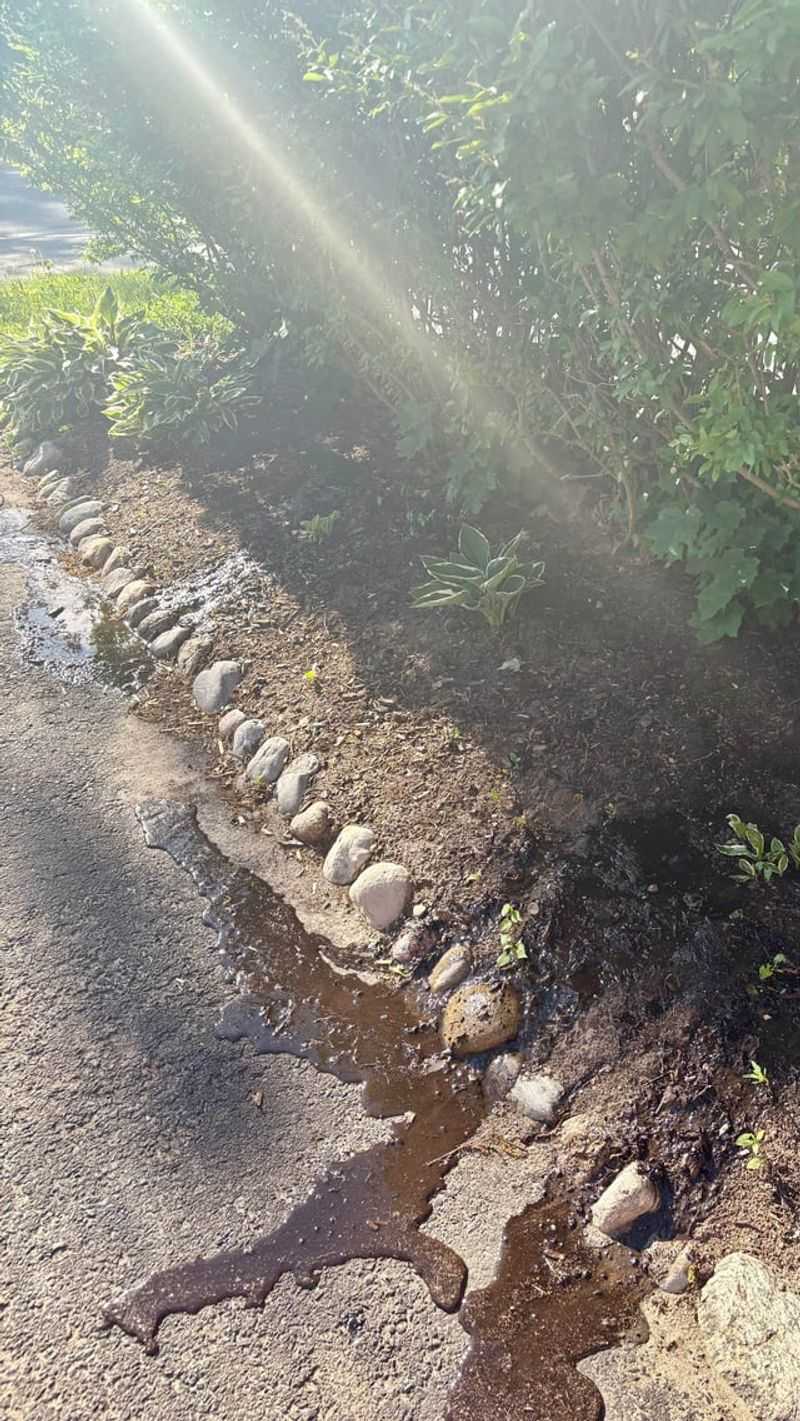
A single raindrop smacking bare soil can splash tiny particles into the air and break apart surface crumbs. Multiply that by a full winter storm, and unprotected ground starts sealing into a hard crust.
That crust is called surface sealing, and it makes the next rain run off instead of soaking in. Compacted soil already struggles to absorb water, so the combination sends sheets of runoff across your yard.
Runoff carries away topsoil, which holds most of the organic matter and nutrients your plants depend on. Losing even a thin layer each year adds up, leaving beds shallower and less productive over time.
California storms can arrive in powerful bursts, especially during atmospheric river events that drop lots of rain quickly. Sloped yards and hillside gardens face the biggest risk, since water speeds up as it flows downhill.
I believe bare soil in winter is an open invitation for trouble, no matter how tidy it looks. Keeping ground covered with plants or mulch softens raindrop impact and slows water down so it can sink.
Loosening compacted spots before the rainy season lets water enter the soil rather than racing across the surface. Small berms or swales can also guide water gently, giving it more time to soak where you want it.
Watch your beds during the next good storm, and notice where water collects or carves little channels. Those clues show exactly which areas need loosening, covering, or both before winter planting gets fully underway.
7. Rich Compost Opens Up Tight Garden Soil
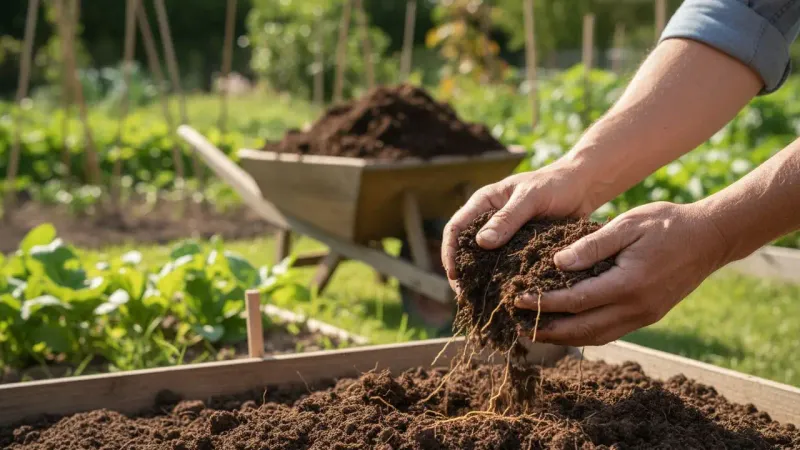
Compost might look like humble brown crumbs, yet it ranks among the best long-term fixes for tight soil. I get oddly excited every time a fresh pile finishes, because I know what it can do underground.
Organic matter acts like a sponge and a scaffold at once, holding water while creating space for air. Microbes digest it and release sticky substances that glue soil particles into stable and crumbly clusters over time.
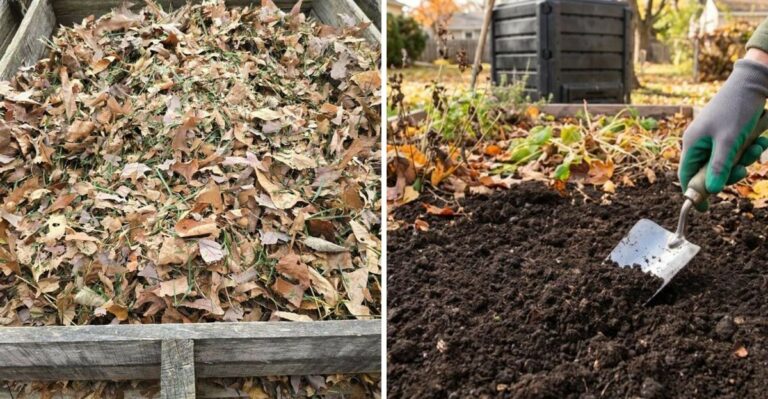
Spread two to three inches of finished compost over your beds before planting your cool-season crops. Mix it gently into the top few inches, or leave it on top and let worms do the mixing.
Aged manure and decomposed leaves work well too, as long as they are fully broken down before use. Fresh manure can burn tender seedlings and may carry pathogens, so give it plenty of time to age.
Clay soils, common in many parts of the state, respond especially well to steady compost additions each year. Sandy soils benefit as well, since organic matter helps them hold moisture during dry spells between storms.
One big application helps, but consistent yearly additions create the deepest and longest lasting improvements in soil structure. You can make your own compost from kitchen scraps and yard trimmings, saving money while recycling garden waste.
I have to admit the first season feels slow, since structure builds gradually beneath the surface. By the second or third winter, though, your shovel may slide into the soil with surprising ease.
8. Daikon Radish And Fava Bean Cover Crops Break Through Hardpan
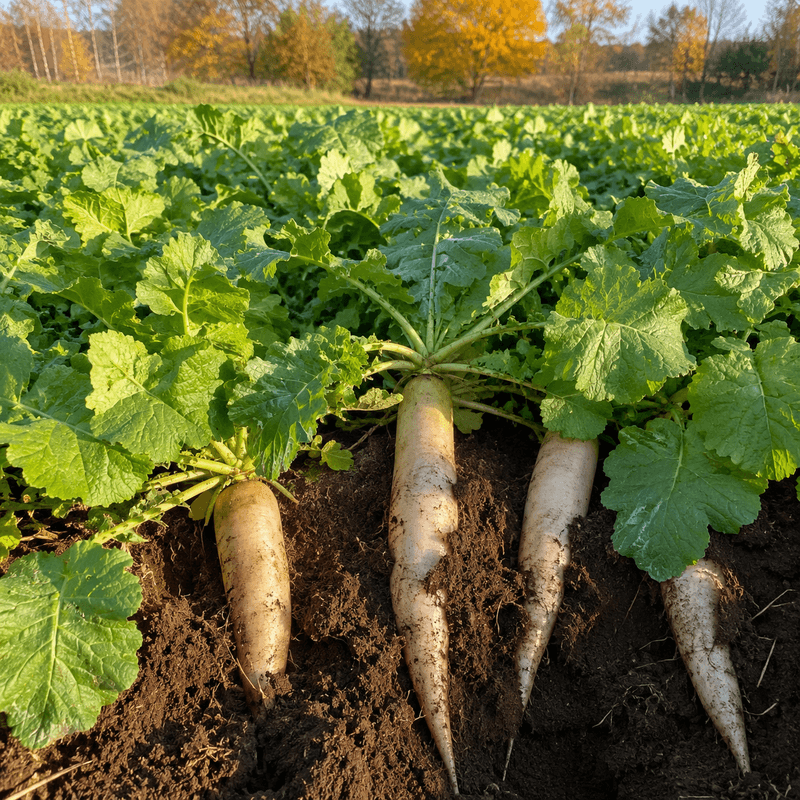
Some vegetables happily do your digging for you, punching thick roots straight down through stubborn layers of soil. Daikon radish is the star here, sending long white taproots deep into ground that resists a shovel.
When daikon roots decay after the season, they leave open channels that later crops can follow downward. Some growers call them tillage radishes, a fun nickname for a plant that works without any engine.
Fava beans make another excellent winter cover crop, thriving in cool weather across many mild regions of the state. Their roots partner with soil bacteria to capture nitrogen, which enriches the ground for next season’s plantings.
Cereal rye and vetch are also popular choices, offering dense root systems that hold soil during heavy rain. Sow cover crops in fall before the main rains, giving seedlings time to establish strong roots early.
University of California researchers widely recommend winter cover crops to improve soil structure and reduce erosion on farms. Backyard gardeners can borrow the same approach in empty beds that would otherwise sit bare until spring.
Cut or chop cover crops before they set seed, ideally a few weeks before your spring planting date. Leave the residue on top as mulch or turn it in lightly to feed the soil life below.
I can’t imagine a more relaxing way to fix compaction than letting plants do the heavy lifting. Plus, fava blossoms look lovely in winter, and the beans themselves make a tasty bonus harvest.