The Easiest Privacy Plants For Narrow Spaces In Texas
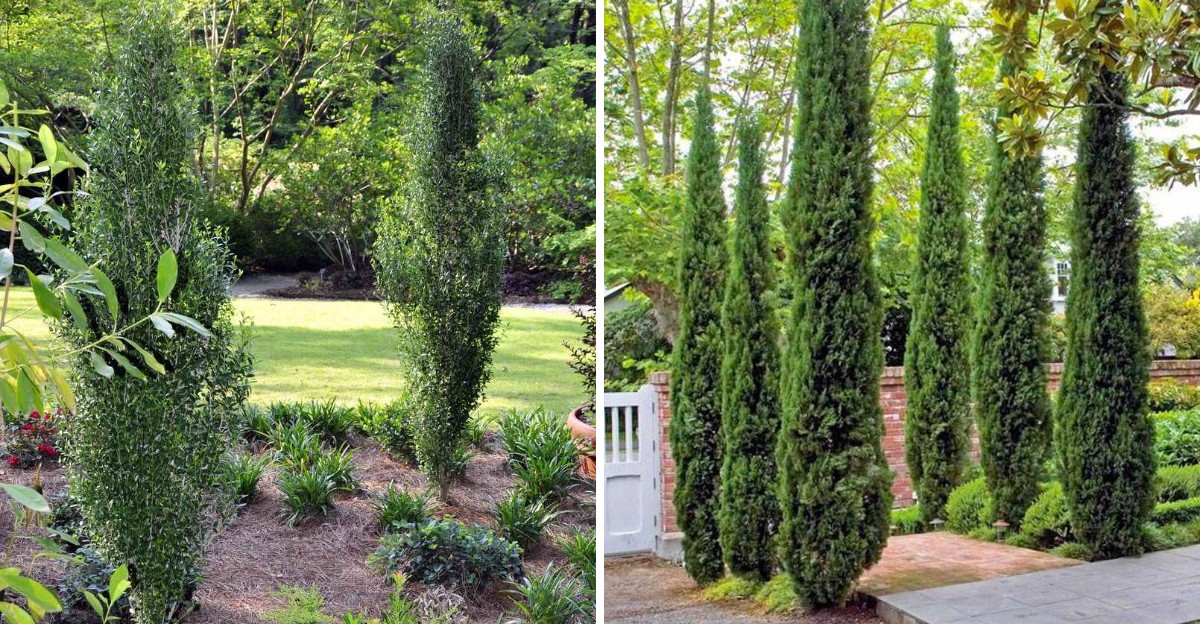
Some evergreen trees can climb thirty feet into the sky while staying barely as wide as a refrigerator. That skinny shape turns a cramped side yard into a private green hallway that neighbors cannot peek through.
Texas summers test plants with blazing heat that can bake roots for weeks without a single soaking rain. Several of my favorite narrow screens shrug off that stress once their roots settle deep into the ground.
I have to admit, I once planted a wide hedge along a fence and fought it every single spring. You deserve something tidier, a living wall that grows up instead of spilling across your walkway and driveway.
Believe it or not, a few of these picks are native plants that birds already know and love. Which slim evergreen will finally block that view from your neighbor’s upstairs window across the Texas fence line?
1. Spartan Juniper
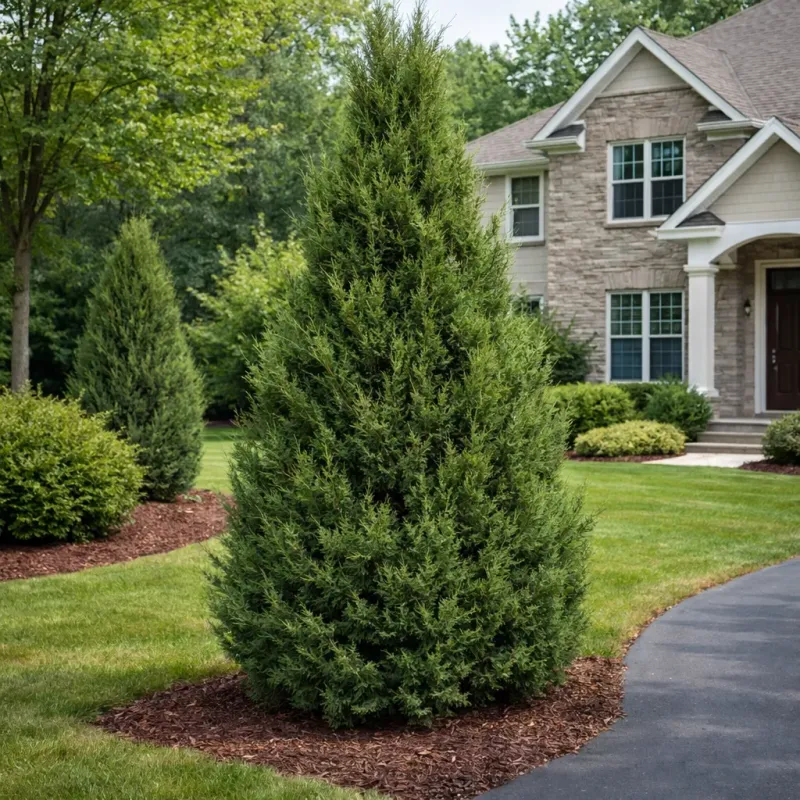
Spartan juniper grows like a tidy green flame, packing dense needles into a narrow cone that blocks prying eyes. I love how it looks sharp and formal even when you barely lift a finger to care for it.
Expect mature plants to reach fifteen to twenty feet tall while spreading only four to eight feet across. That slim footprint fits beautifully beside driveways, along fences, or in the skinny strip near your air conditioner.
Hardiness covers USDA Zones 4 through 9, so it handles winter cold snaps and summer heat across most regions.
Give it full sun, ideally six to eight hours daily, because shady spots leave the foliage thin and patchy.
Soil type rarely bothers this tough evergreen, and it even tolerates the alkaline ground found in many neighborhoods. Drainage matters most, though, since soggy roots invite rot that can quickly turn a healthy screen brown and weak.
Water deeply during the first year or two so the roots grow down and build serious drought resistance.
After that, occasional soakings during long dry stretches usually keep it looking fresh and green through summer.
Pruning is mostly optional because the plant holds its narrow shape naturally without much help from your shears. If a stray branch pokes out, trim it lightly in late winter or summer to keep things neat.
Female plants may produce small gray-blue berry-like cones that add a quiet touch of color among the needles.
Deer usually leave it alone too, which makes me smile every time I see browsed shrubs down the street.
2. Taylor Juniper
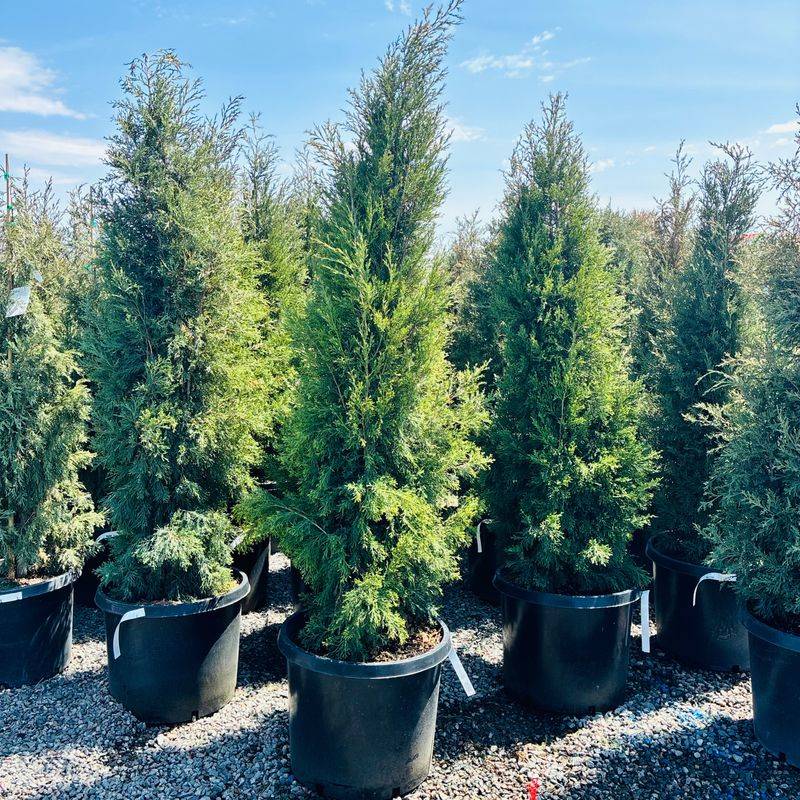
Few trees can match the pencil-thin profile of Taylor juniper, which often stays just three to four feet wide. Personally, I think it looks like an exclamation point planted right in the garden, and I mean that kindly.
This cultivar comes from eastern red cedar, a tree native to much of the eastern and central United States. Its soft emerald to blue-green foliage may pick up a bronze tint during colder winter months, which is normal.
Height usually reaches fifteen to thirty feet, giving you serious screening without swallowing your entire side yard. Plant several about three to four feet apart, and they knit together into a tall living wall over time.
Full sun keeps the growth dense, so avoid spots tucked under big shade trees or tall buildings. Heavy clay and alkaline dirt are both tolerated, as long as water drains away after a hard storm.
During the first growing seasons, give it consistent deep watering so roots spread wide and stay strong.
Once settled in, it becomes remarkably drought resistant and needs only light irrigation during the harshest summer stretches.
A quick, light trim in late winter helps preserve that tight column if any branches start to wander. Otherwise, you can mostly admire it from your porch with a glass of iced tea in hand.
Female trees produce small dark berry-like cones in fall, and birds happily snack on them during cooler months.
Deer tend to skip it, so your privacy screen stays full instead of getting nibbled down to bare stems.
3. Nellie R Stevens Holly
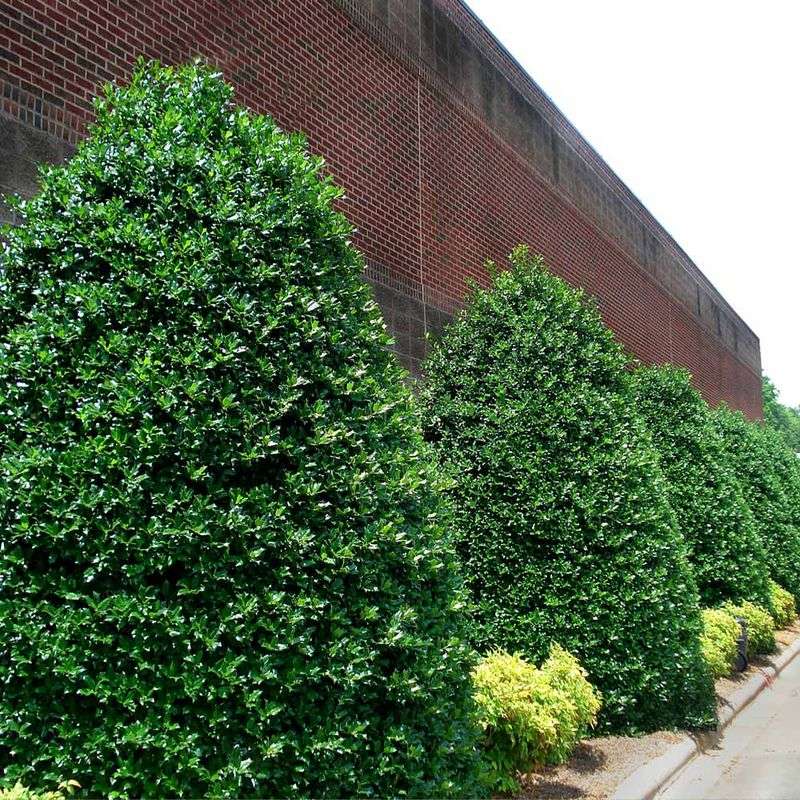
Red berries glowing against glossy dark leaves make Nellie R. Stevens holly feel festive long before December arrives. I can’t imagine a cheerier hedge to look at when winter turns the rest of the yard brown.
This hybrid holly naturally forms a pyramid shape with dense foliage that stops curious eyes cold. Spiny leaf edges add another benefit, since few people or critters want to push through that prickly wall.
Mature size can reach fifteen to thirty feet tall, and widths vary widely, so plan before you dig. In tighter spaces, regular shearing keeps it slim, and spacing plants five to ten feet apart builds a solid screen.
Hardiness runs through USDA Zones 6 to 9, which comfortably covers nearly every corner of Texas and beyond. Morning sun with some afternoon shade helps prevent leaf scorch during our hottest and brightest summer weeks.
Rich, slightly acidic soil suits it best, although heavy clay is tolerated surprisingly well in most yards. Very alkaline ground can turn leaves yellow, so adding compost and mulch around the roots really helps.
Water deeply during the first few months, then offer extra drinks whenever long dry spells drag on. Late winter is the ideal time for heavier pruning, since the plant bounces back quickly once spring arrives.
Bees visit the small spring flowers, and birds later enjoy the berries when other food runs short. Keep in mind the berries are mildly toxic to people if eaten in quantity, so watch curious toddlers.
4. Eagleston Holly
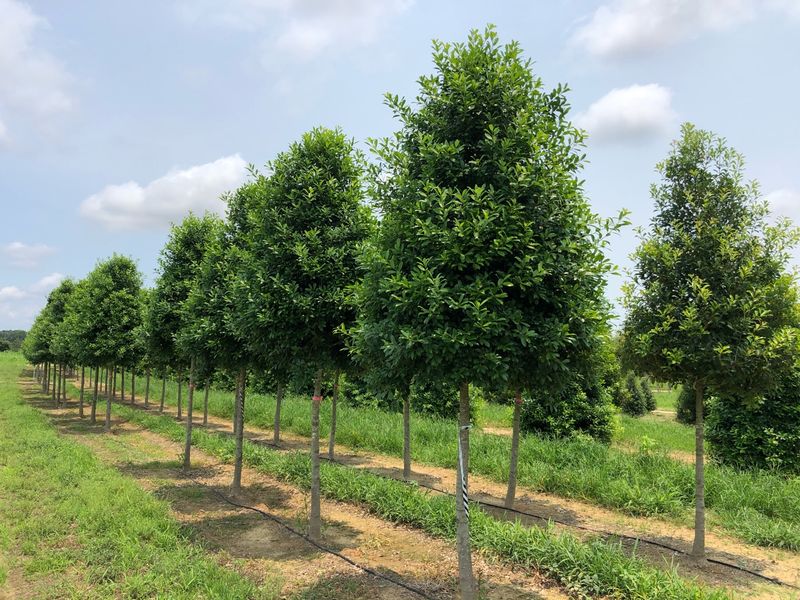
Smooth, spineless leaves set Eagleston holly apart, so you can brush past it without collecting scratches on your arms.
I like how its polished dark green foliage looks almost waxed, even after a long, dusty summer afternoon.
Its refined pyramid form stays dense from top to bottom, which makes it handy for screening tighter landscape spots. Expect a height of fifteen to thirty feet and a width of roughly eight to fifteen feet.
Growth runs at a moderate pace of twelve to twenty-four inches each year, so patience pays off nicely. That steady speed means less pruning than fast growers, and the shape stays tidy with little fuss.
Gardeners in Zones 6 through 9 can grow it, and it handles heat and clay soil with surprising grace. Full sun or partial shade both work, giving you flexibility along a bright fence or a shadier side yard.
Slightly acidic to neutral soil suits it best, but it adapts to alkaline ground found in many yards. Standing water is a different story, so pick a spot where rain drains away within a few hours.
Regular watering during that first year builds strong roots, and afterward the shrub handles dry stretches much better.
A light trim in late winter or early spring keeps the outline crisp without sacrificing next season’s growth.
Bright red berries usually appear in fall and winter, even without a male holly growing anywhere nearby. Birds love them, but the berries are poisonous to pets and people, so keep an eye on curious dogs.
5. Little Gem Magnolia
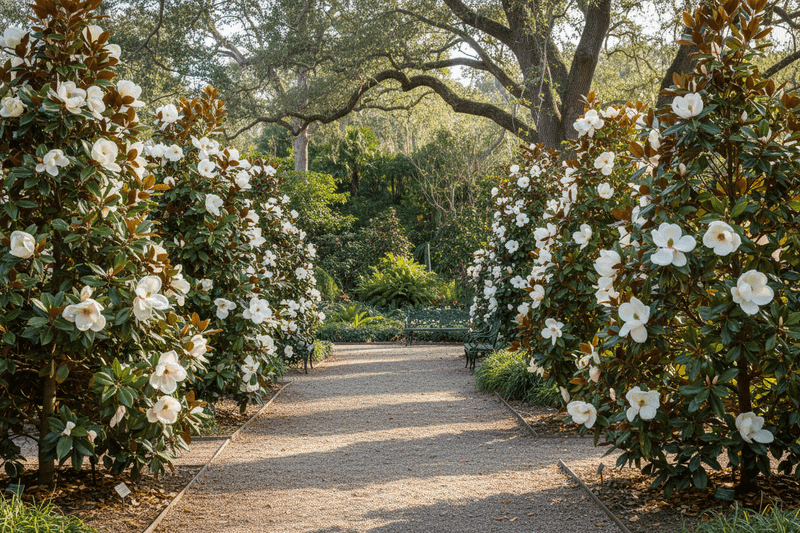
Fragrant white blossoms the size of a saucer open on Little Gem magnolia, perfuming the yard on warm evenings. To my surprise, this compact tree packs all the charm of a giant southern magnolia into a narrower package.
Glossy dark green leaves show off fuzzy bronze-brown undersides that flash beautifully whenever a breeze flips them over.
That two-tone look keeps the tree interesting all year, even after the flowers fade away in autumn.
Little Gem is a cultivar of southern magnolia, a tree native to the southeastern United States, including East Texas. Hardy in USDA Zones 7 through 10, it grows happily across much of the state with reasonable care.
Growth is slower than many screening plants, with mature trees eventually reaching about fifteen to thirty feet tall.
Widths usually stay between seven and fifteen feet, which fits better than the massive spread of its parent.
Full sun to light shade works, and a bit of filtered afternoon shade helps during scorching summer heat. Moist, rich, well-drained loam is ideal, though it adapts to sandy or clay soils once its roots settle.
Consistent moisture matters for the first two years, then switch to deep, infrequent watering during dry spells. Extremes in soil wetness or dryness stress this tree, so mulch around the base to keep conditions steady.
Prune lightly after the summer blooms finish so you avoid snipping off next year’s flower buds by accident.
Deer rarely bother it, and serious pest or disease problems are uncommon, which makes life easier for everyone.
6. Scarlets Peak Yaupon Holly
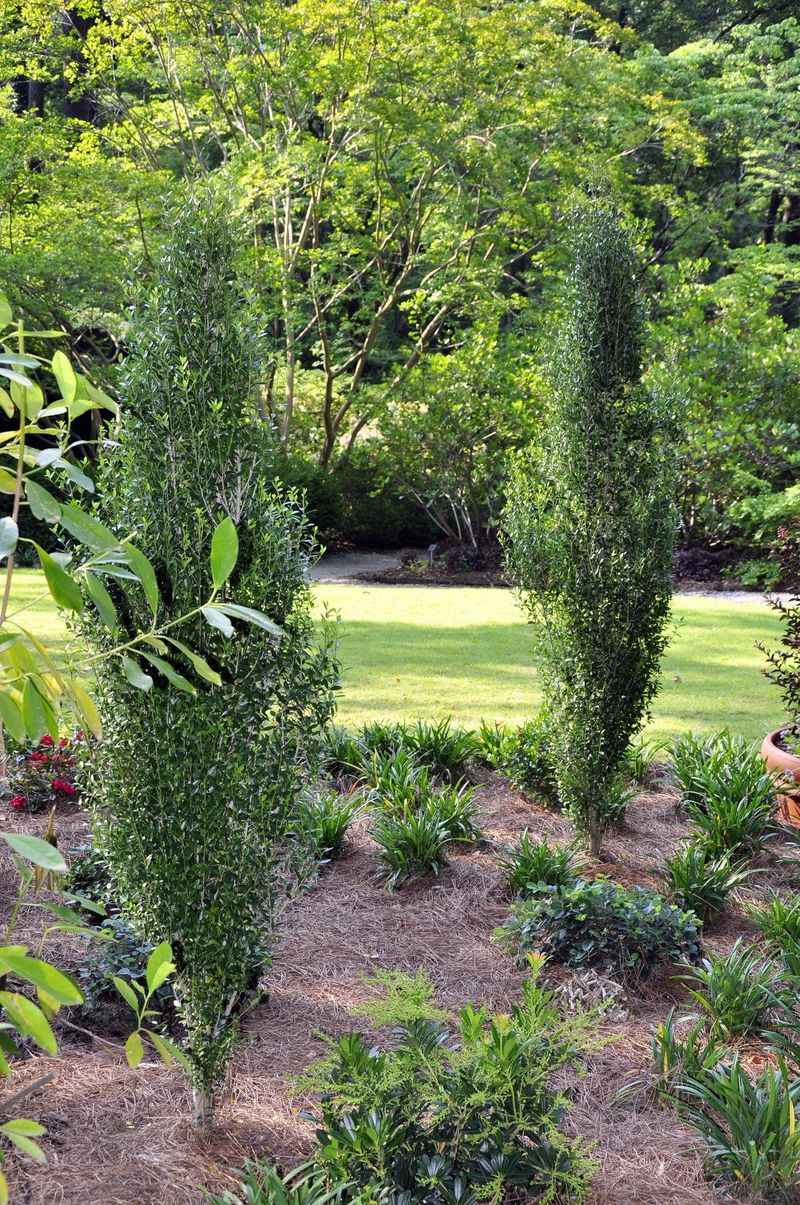
Birds treat Scarlet’s Peak yaupon like a winter buffet, picking at bright red berries that cling on for months.
You might notice cardinals and mockingbirds visiting more often once this skinny shrub starts fruiting in your yard.
Yaupon is a native evergreen holly, and this selection grows up to twenty feet tall but only three feet wide. That slender column makes it one of my favorite choices for squeezing privacy into a truly narrow strip.
Hardy in USDA Zones 7 through 9, it handles the wide swings in Texas weather with impressive toughness.
Full sun to partial shade works well, though some afternoon shade can keep the leaves greener in midsummer.
Acidic, well-drained soil is its preference, yet it adapts to heavy clay and tougher ground surprisingly well.
Once established, it can even tolerate occasional standing water after storms, which many narrow evergreens simply cannot handle.
Water deeply and consistently for the first two to three years while the roots spread and settle. After that, it turns impressively drought-tolerant and mostly needs extra water during long, dry stretches in summer.
Shape it into a formal hedge with a late winter trim, or let it grow naturally as a small tree. Either way, maintenance stays light, and the glossy dark green leaves look clean and crisp all year.
Fun fact: yaupon leaves contain caffeine, making it one of very few native North American plants that do. Still, the berries are toxic to pets and small children, so plant it where little hands rarely reach.
7. Wax Myrtle
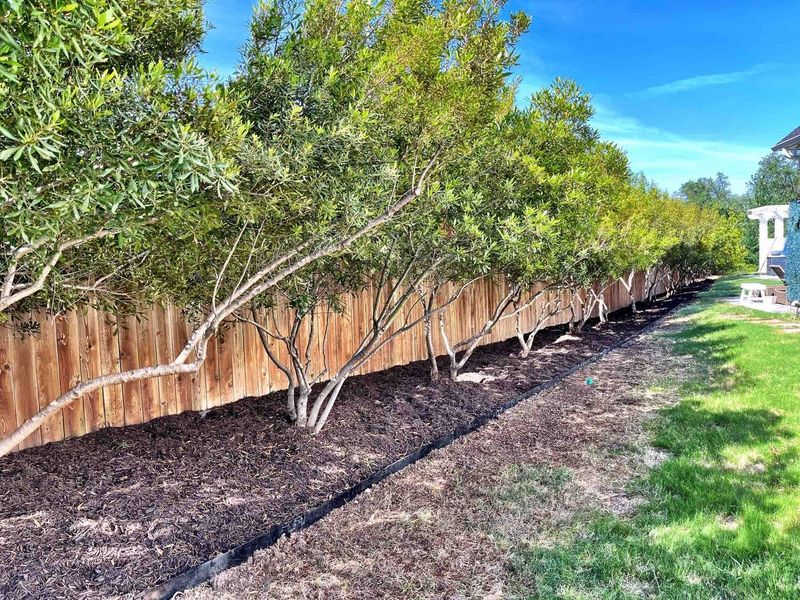
Brush past a wax myrtle on a warm day, and the leaves release a spicy, clean scent that lingers. I truly believe it’s one of the most underrated native shrubs for anyone who wants privacy in a hurry.
Also called southern bayberry, it grows fast and can reach six to twenty feet tall depending on conditions. Width can match that height, so choose a dwarf cultivar or prune regularly when space is tight.
Hardy in USDA Zones 7 through 10, it fits many regions, especially the humid eastern half of the state. Full sun produces the densest foliage, though partial shade still gives you a respectable screen along a fence.
Soil flexibility is where this shrub really shines, handling wet, swampy spots and dry, sandy ground alike. It even tolerates salt spray, which makes it a handy pick for coastal yards near Galveston or Corpus Christi.
Young plants need consistent moisture, but established shrubs become quite drought-tolerant and rarely ask for much attention. Pruning keeps the shape tidy, and you can shear it into a neat hedge or leave it loose.
Watch for suckers popping up near the base, since it spreads this way and may need occasional trimming.
Pulling those sprouts while they’re small takes only minutes and keeps your narrow strip from filling in sideways.
Small yellow-green flowers appear in spring, followed later by waxy gray-blue berries on the female plants each fall. Those berries feed birds like yellow-rumped warblers through winter, turning your privacy screen into a busy little diner.
8. Dwarf Carolina Cherry Laurel
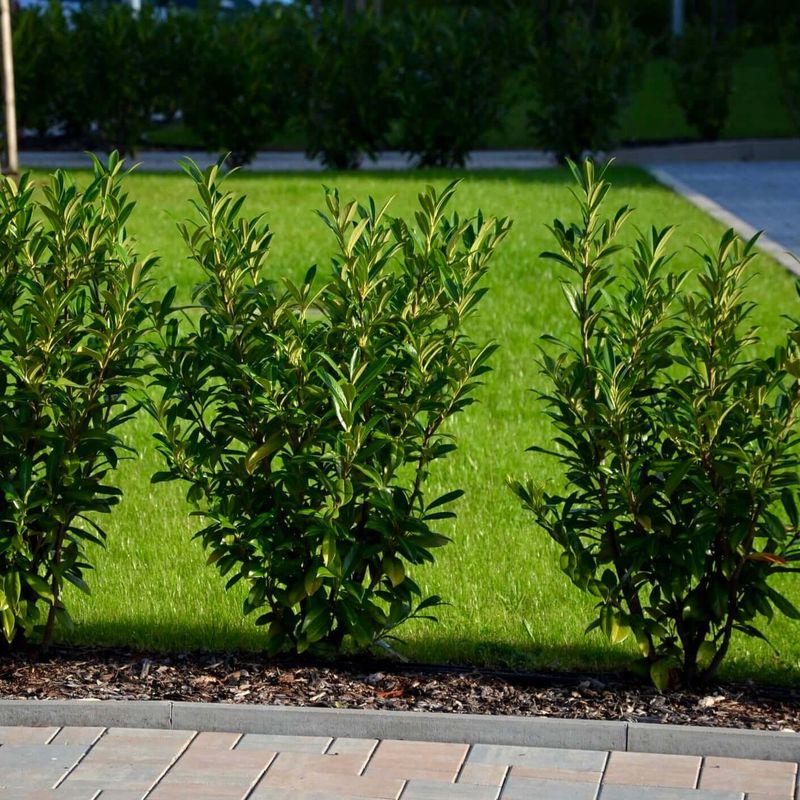
Sweet-scented white flowers open on dwarf Carolina cherry laurel in late winter, when most gardens still look sleepy. Bees seem thrilled to find an early snack, and honestly, I’m just as happy to smell those blooms.
This compact form of a native evergreen matures around ten to fifteen feet tall and four to eight feet wide.
Glossy dark green leaves stay neat and dense, creating a solid screen without crowding a skinny side yard.
Hardy in USDA Zones 7b through 10, it handles heat and dry weather well throughout much of Texas. Full sun to partial shade both work, although the foliage tends to grow noticeably thinner in deeper shade.
Loamy, well-drained soil with a pH between 6.0 and 7.5 is ideal, yet clay and alkaline ground are tolerated. Prolonged standing water causes root rot, so skip low spots where puddles linger after heavy spring rain.
Once established, water every one to two weeks during dry spells, soaking deeply rather than sprinkling lightly.
Light pruning in spring after flowering keeps the plant lush and compact, which helps it screen more effectively.
Small black cherries follow the flowers, and birds happily gobble them up whenever they find a ripe batch. Butterflies visit too, so this shrub quietly supports wildlife while doing its main job of blocking views.
One serious caution involves the leaves and seeds, which contain hydrocyanic acid and are toxic if eaten. Plant it away from spots where pets or small kids like to chew on things they find outdoors.
9. Italian Cypress
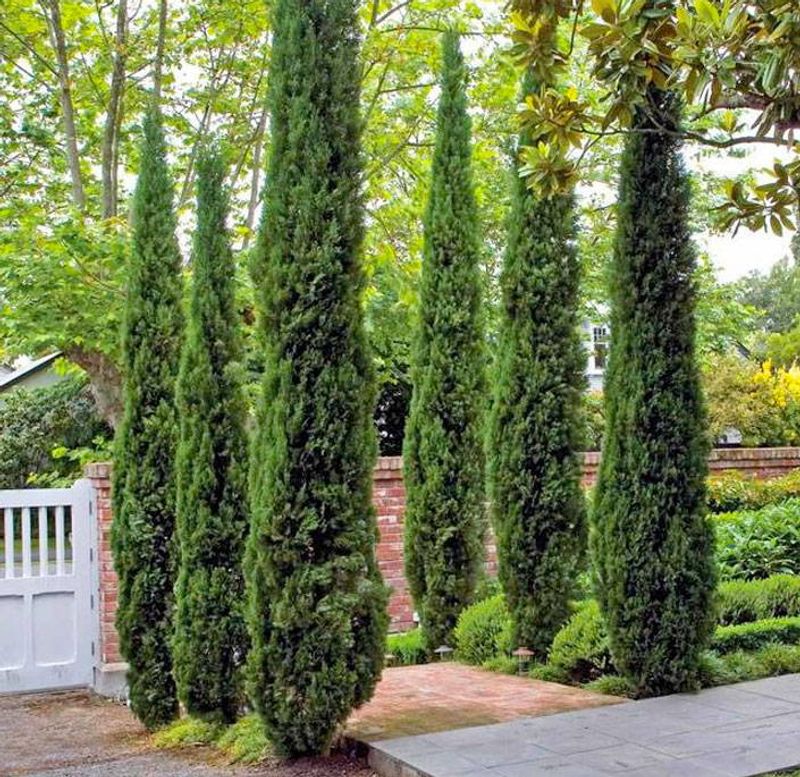
Italian cypress has lined Mediterranean roads and villas for centuries, standing tall like dark green candles against the sky. I have to admit, nothing says dramatic privacy quite like a row of these skinny giants along a fence.
Heights can reach thirty to seventy feet over time, yet most trees stay only three to six feet wide. Growth can run up to three feet per year, so your screen fills in faster than many evergreens.
Hardy in USDA Zones 7 through 11, it thrives in warmer regions, including many parts of Texas. Full sun is a must, so aim for six to eight hours of direct light each day.
Fast-draining soil is critical, because soggy roots are one of the most common reasons these trees fail. Avoid low spots and heavy clay that holds water, or build a raised mound before planting to improve drainage.
Water deeply during the first two to three years so roots grow strong and reach deeper moisture.
After that, the tree becomes highly drought-tolerant and needs very little attention beyond an occasional deep summer soaking.
Pruning is rarely needed, since the slim columnar shape develops naturally with very little help from you or shears. If a wayward branch flops outward, gently tie it back to the trunk with soft garden tape.
Spider mites can show up during hot, dry periods, so check foliage for fine webbing and dull color. A strong spray of water from the hose often knocks them back before they become a bigger headache.