Fall Leaves Aren’t Garbage, Use Them Around Your California Garden Instead
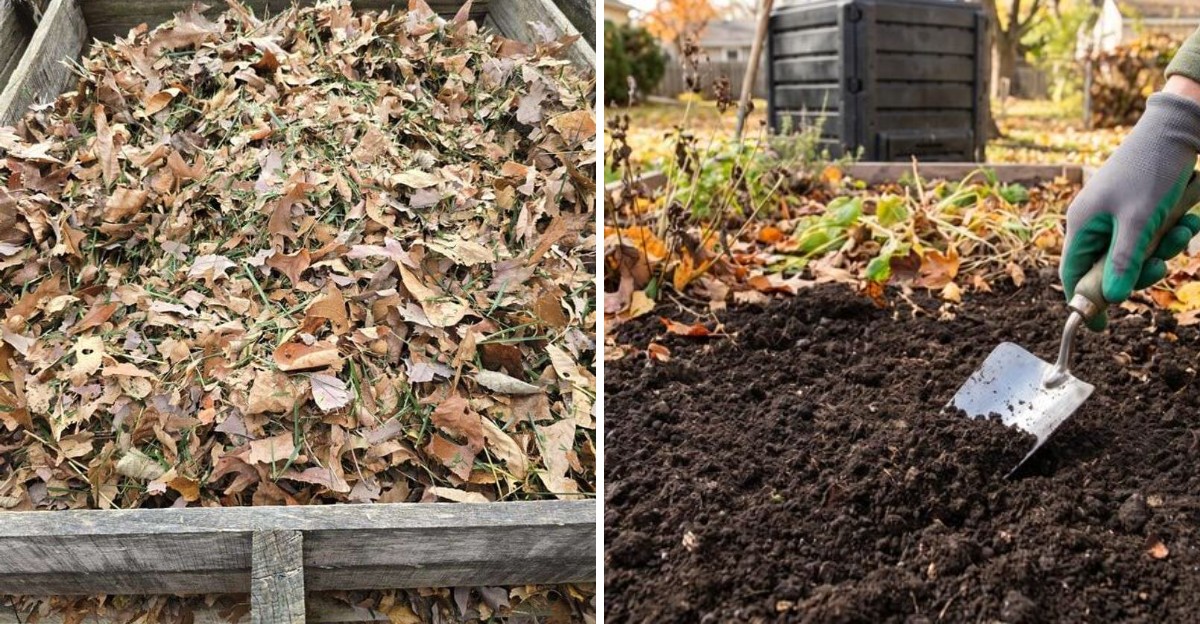
Fall cleanup across California tends to follow a familiar pattern. Rakes come out, piles grow, and bags stack up along the curb, ready to disappear on trash day.
Just a few feet away, garden beds often sit bare and thirsty, waiting for exactly what’s being hauled off.
Those crunchy piles hold far more value than most people realize. They can feed soil, protect roots, and even shelter tiny garden helpers through the cooler months.
California adds one important twist, since dry material in the wrong place can carry real fire risk.
With a little planning, that seasonal chore can turn into one of the smartest, most budget-friendly upgrades a garden gets all year.
Shredded Leaves Make Free Mulch
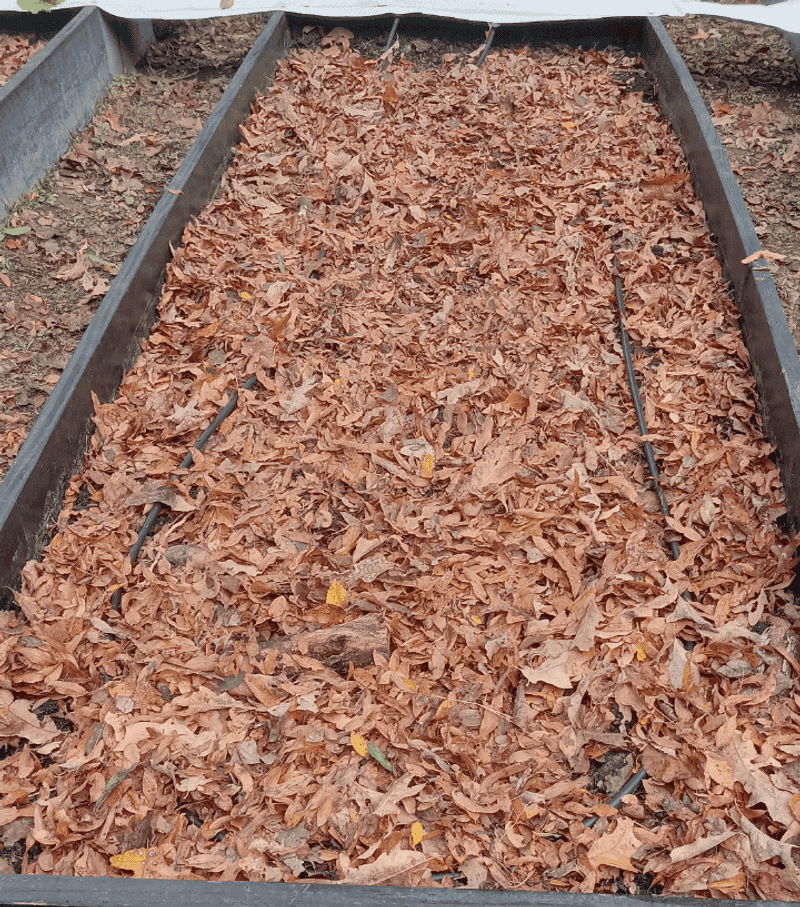
A lawn mower run over a pile of dry leaves works a little magic. Big, crunchy leaves turn into small flakes after just a few passes, and those flakes make some of the best free mulch around.
Shredding matters because small pieces stay loose. Air and water slip between them, and they break down faster than whole leaves.
A mower with a bagging attachment makes collection easy. The bag empties right onto beds or into a bin.
Gardeners without a mower have options, too. A leaf shredder or a string trimmer run inside a trash can handles the job well.
A modest layer, a couple of inches deep, works best around shrubs, perennials, and vegetable beds. Mulch pulled back a little from plant stems and tree trunks prevents trapped moisture and rot.
Leaf mulch helps soil in several ways. It shades the ground and slows water loss, a big advantage during dry California summers.
It also blocks light from reaching weed seeds, so fewer weeds sprout. Over time, worms and soil microbes pull the pieces underground and turn them into plant food.
Shredded leaves look tidy, too. They settle into a soft brown blanket that fits most garden styles.
Money stays in the wallet rather than going toward bagged mulch, and yard waste never leaves home. That combination makes a fall win worth raking in year after year.
Keep Leaf Mulch Away From The House
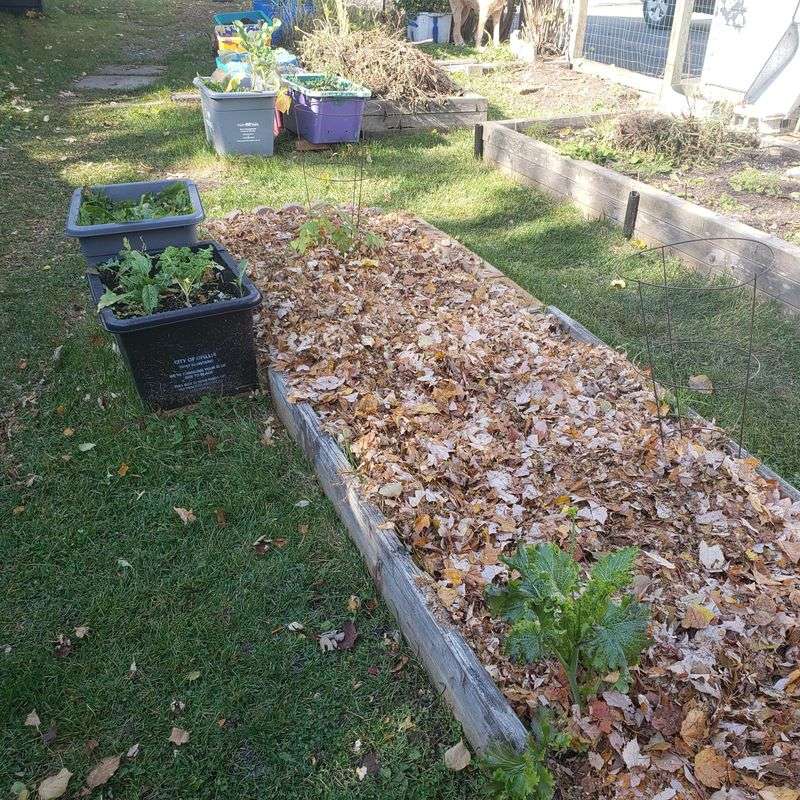
A windy October evening in the foothills can send embers from a distant wildfire drifting over rooftops. Those embers land in whatever is dry and fluffy, and a pile of crisp leaves against a wall makes an easy target.
That simple risk explains why leaf mulch needs a careful address. CAL FIRE defensible space guidance calls for removing dry leaves and pine needles from roofs, gutters, and the area right around a home.
The zone closest to the house works best kept lean and clean. Dry leaves there act like kindling near siding, decks, or vents, giving fire a path to the structure itself.
Leaves can still go to good use, just farther out. Beds and trees set well back from the house make ideal spots for leaf mulch.
Near the walls, gravel, pavers, or bare soil work better than anything that burns. The space under decks deserves a look, too, since leaves love to hide there.
Your California Garden Changes Every Week. Your Plan Should Too.
Gardening in California changes quickly throughout the season. Every Friday you’ll receive a simple weekly plan showing exactly what to plant, prune, fertilize, harvest, and protect so you never miss the right timing.
Gutters need their own trip up the ladder. Clogged gutters full of dry leaves sit right at the roofline, a poor place for fuel.
Clearing them in fall and again after big wind events keeps that risk low. A quick check after each storm helps, too.
Moving leaves back doesn’t mean giving up on them.
It simply means thinking like a firefighter while gardening like a pro, so beds still benefit while the home gains a safer buffer through long fire seasons.
Leaf Mold Builds Soil Over Time
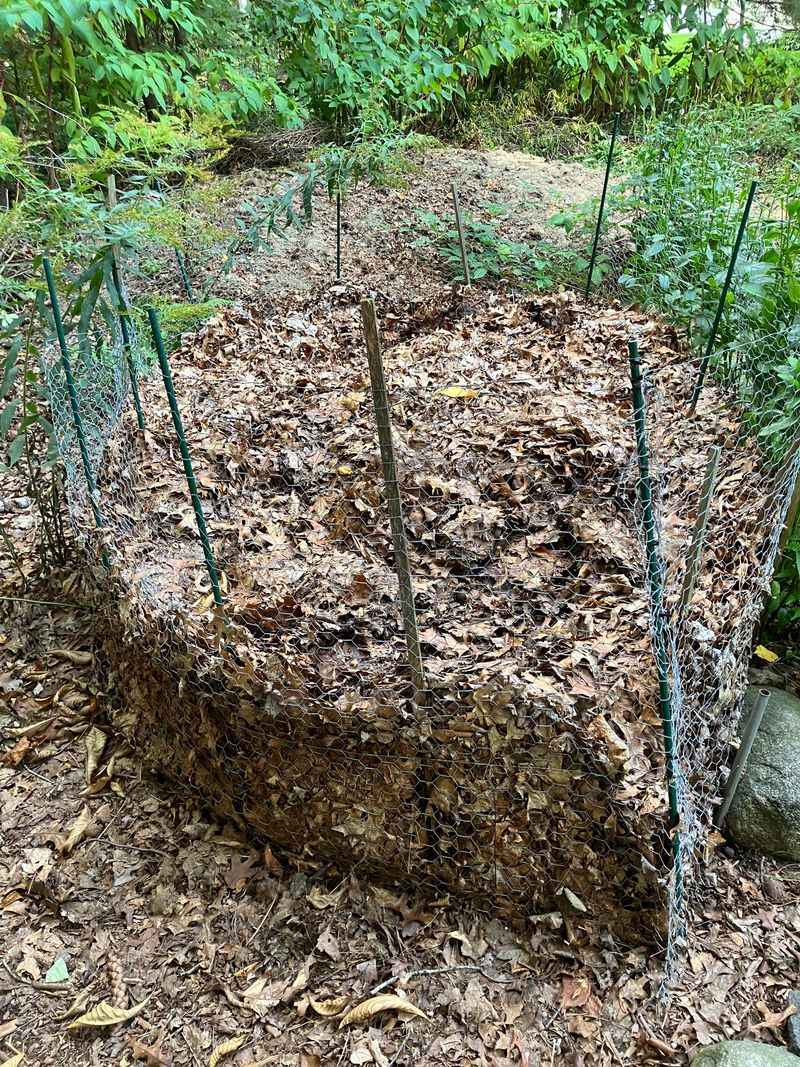
Patience serves as the secret ingredient here. Leaves piled up, kept damp, and left alone for a year or two turn into dark, crumbly material that smells like a forest floor.
Gardeners call it leaf mold, and soil loves it. It forms mostly through the slow work of fungi rather than the hot bacteria that power a compost pile.
That slower process explains the longer wait. The payoff is a soft, spongy material that holds water well and improves how soil feels in the hand.
Making it takes little effort. A ring of chicken wire or hardware cloth filled with shredded leaves makes a simple bin.
Watering the pile until it feels like a damp sponge gets things started. Moist leaves stuffed into a large bag with a few holes poked in it, tucked into a shady corner, work nicely, too.
Occasional checks help, especially during dry months. California air can pull moisture out fast, and dry leaves barely break down.
A quick soak from the hose keeps things moving. Piles belong well away from the house and fences for fire safety.
Finished leaf mold mixes nicely into planting holes, spreads easily over beds, and blends well into potting mixes. Clay soil drains a bit better, while sandy soil holds more moisture.
It isn’t a strong fertilizer, yet it builds soil structure in ways few products can match. Leaf mold works like a slow savings account that pays the garden back for years.
Compost Needs Leaves As Its Brown Material
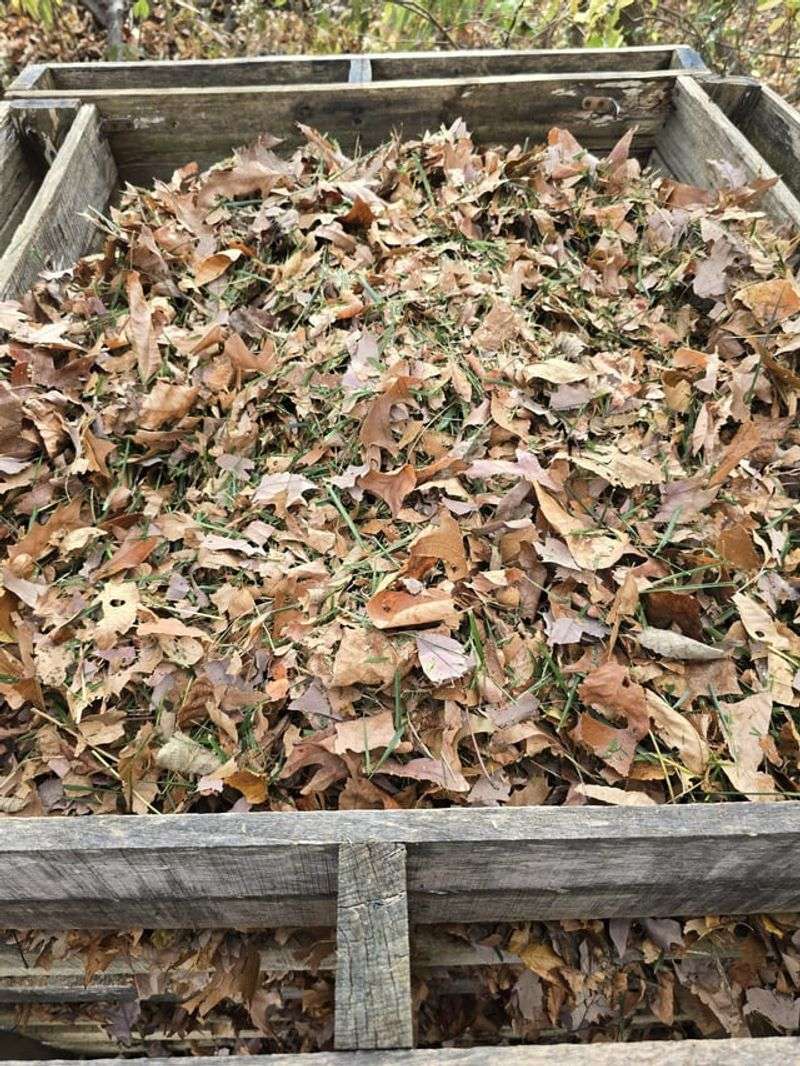
A compost bin that releases an awful smell usually holds too many greens and not enough browns. Fall leaves fix that problem fast.
Composters sort materials into two groups. Greens, like grass clippings and vegetable scraps, are rich in nitrogen, while browns, like dry leaves, are rich in carbon.
A healthy pile needs both. UC ANR composting guidance suggests mixing them so neither one takes over.
Browns add structure and let air flow through the heap. That airflow keeps the pile from turning slimy and sour.
Many gardeners run short on browns by spring and summer. Leaves stashed away in fall solve that shortage.
Shredded leaves stored in bags or a covered bin, kept back from buildings, make an easy reserve. A few scoops added with each batch of kitchen scraps keeps the balance right.
Shredded pieces blend better and break down faster than whole leaves. Leaf selection matters, too.
Only healthy leaves belong in a home compost pile. Leaves showing heavy spots or fungus fit better in the green waste cart, since home piles often don’t get hot enough to eliminate every problem.
Black walnut leaves are best kept away from compost meant for sensitive plants, since they carry juglone, a natural chemical that can harm tomatoes and some other crops.
A pile kept as damp as a wrung-out sponge and turned now and then transforms trash day leftovers into rich, earthy compost.
A Thin Layer Protects Soil From Winter Rain
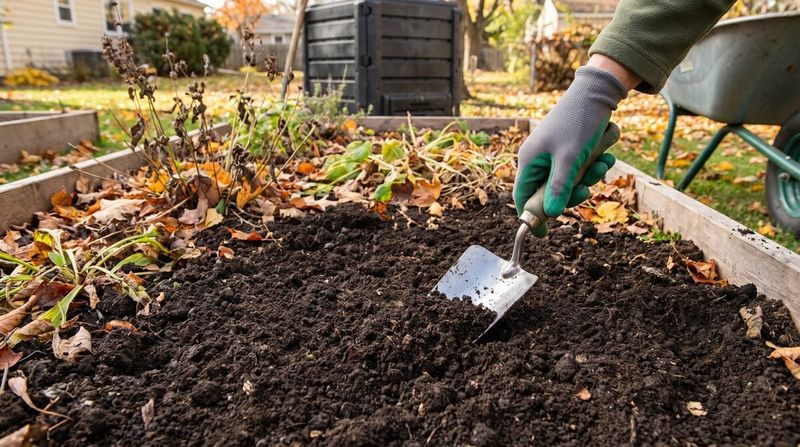
California rain often arrives all at once. After months of dry weather, a winter storm can dump water hard and fast, and bare soil takes a real beating.
Raindrops hit uncovered ground like tiny hammers. They knock soil particles loose and seal the surface into a hard crust.
Water then runs off instead of soaking in, carrying topsoil along with it. On slopes, little gullies may appear in beds by spring.
A modest layer of shredded leaves works like an umbrella with holes in it. Drops land on the leaves first, lose their punch, and trickle down gently.
More water sinks into the ground where roots can use it. Less soil washes into the street or storm drain.
A light, loose layer works best. A thin blanket lets rain pass through, while a thick, wet mat can block water and air.
Shredded pieces outperform whole leaves for this job. Space around plant stems keeps crowns dry.
Hillside gardens gain extra help from leaf cover. Plants with strong roots, paired with that layer, improve erosion control even further.
Spots where water runs during storms deserve a little extra leaf mulch. By spring, much of that layer will have softened and blended into the soil.
Beds end up in far better shape than if they spent winter bare to the weather. That steady improvement adds up season after season.
Leaves Shelter Beneficial Insects
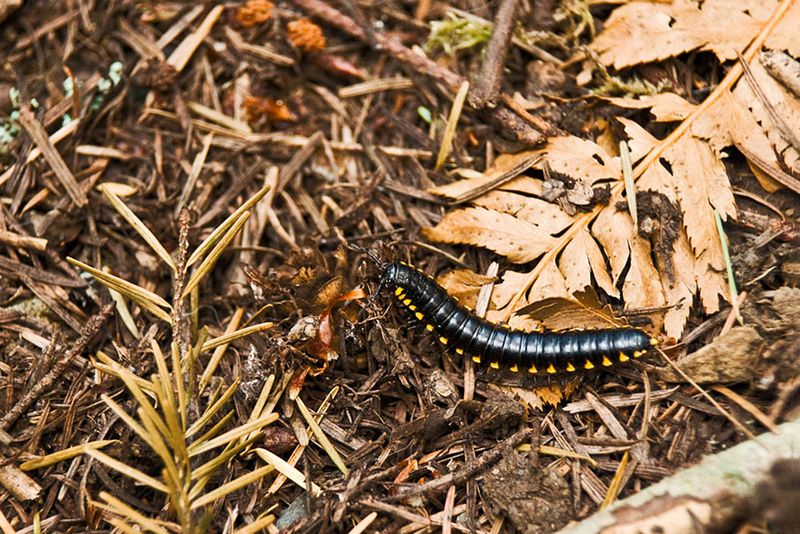
A handful of old leaves lifted from under a shrub often reveals a hidden world. A ground beetle may scurry away, a spider may sit tucked in a fold, or a tiny cluster of ladybugs may cling together.
That messy layer works like a hotel for garden helpers. The Xerces Society, a group that protects insects, points out that leaf litter shelters many creatures.
Some butterflies and moths spend part of their lives in fallen leaves. Beetles, spiders, and other predators hide there, too.
Many of these critters eat pests like aphids and slugs. They work for the garden free of charge.
Raking away every last leaf removes that habitat. Bagging and hauling leaves off can also carry away insects hiding inside.
A more relaxed approach helps the good guys stick around. A leafy zone in a back corner, under trees, or beneath shrubs far from the house makes a great start.
Native plant beds make an especially smart choice, since they already support local insects. The whole yard doesn’t need to become a jungle, and a few leafy pockets make a real difference.
Fire safety still applies while playing host. Leaf litter belongs well away from the area beside the home and away from decks and fences in fire-prone spots.
Habitat and safety can share the same yard with a little planning. That approach means fewer chores and more room for the bugs that keep a garden balanced.
Whole Leaves Can Mat Over Small Plants
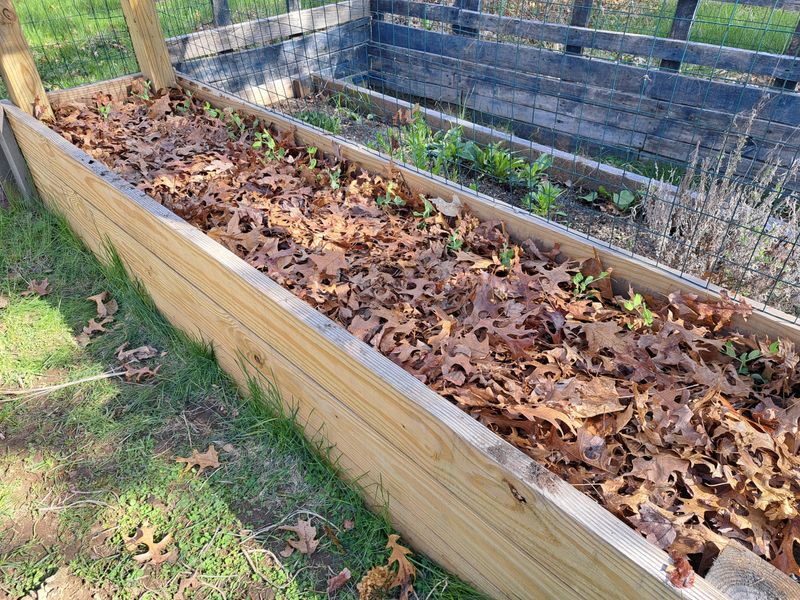
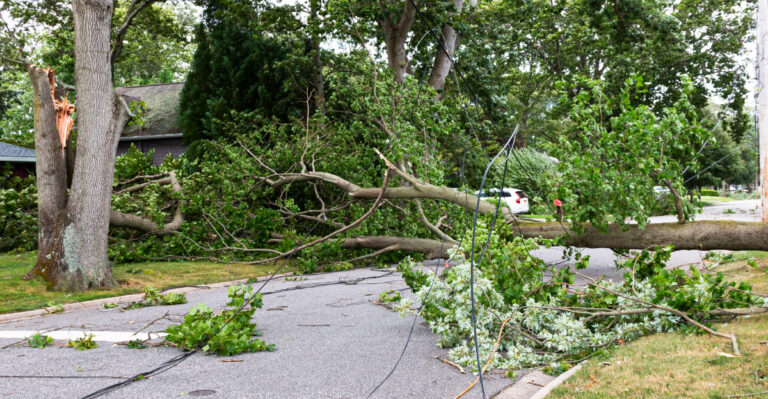
A common mistake starts with good intentions. A big pile of whole leaves dumped over a flower bed seems like extra help, yet a few rainy weeks later the plants underneath look pale and sad.
Whole leaves, especially big, flat ones like sycamore or maple, tend to stack like wet paper. Rain glues them together into a tight mat.
That mat blocks air and sunlight from reaching the soil. Small plants, seedlings, and low groundcovers can struggle for air and light underneath.
Matted leaves cause other trouble, too. Water may run off the top instead of soaking through.
Trapped moisture against stems can lead to rot. Slugs and snails also love hiding under a damp, leafy lid, right next to tender greens.
Shredding solves most of these problems. Chopped pieces stay loose and let water and air move freely.
A mower, a shredder, or a string trimmer run inside a bin breaks leaves down before spreading. A modest layer then works far better than a heaping pile.
A matted bed already in place can recover with a little effort. Fluffing the layer with a rake, or pulling leaves off delicate plants and moving them to the compost pile, restores airflow.
Checks after heavy storms catch new mats early, with low-growing plants and seedlings needing the most attention.
Leaves make a wonderful gift, though even gifts need unwrapping, and a quick chop turns a heavy, airtight blanket into a breathable one.
Check Local Fire Rules Before Piling Leaves
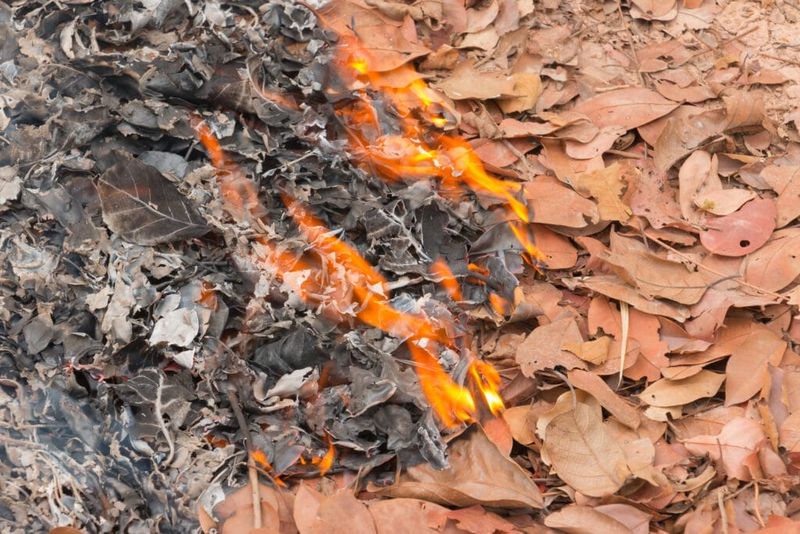
A quick call or website visit before building a giant leaf pile can save plenty of trouble. Fire rules in California can change from town to town.
A few minutes of checking helps avoid headaches, fines, or worse. State law requires defensible space around homes in many fire-prone areas.
CAL FIRE guidance focuses on keeping dry leaves, needles, and other fuel away from structures. Some cities, counties, and local fire districts add rules of their own.
Those rules may limit where yard waste can be stored or how close piles can sit to buildings and fences. Local details matter.
The CAL FIRE website and its Ready for Wildfire resources make a great first stop. Local fire departments and districts can fill in the rest.
Some areas offer free home inspections, with a firefighter walking the property and pointing out risks. That kind of personalized advice is worth its weight in gold.
Once the rules are clear, a leaf setup can match them. Compost bins and leaf mold rings belong in spots that meet local guidance.
Covered or wire bins work better than loose heaps. Extra bagged leaves stay safest stored away from the garage rather than stacked against it.
Rules can change as fire seasons grow longer, so a yearly check makes sense, and neighbors often appreciate the shared knowledge.
Done right, leaves feed the soil, shelter helpful bugs, and stay safely out of a fire’s path, a fall routine well worth keeping.