Why California Gardeners Should Wait To Prune Roses Until The Nights Turn Cold
Fall brings a familiar itch to many California rose growers. Canes grow long and leggy, blooms start to fade, and the urge to cut everything back feels hard to resist.
Timing, though, matters far more than most people expect.
A heavy cut made too soon can stir a plant awake at exactly the wrong moment, setting it up for trouble once the weather turns.
California’s wide range of climates adds another twist, since a coastal yard and a foothill garden rarely share the same calendar.
A few gentle chores still fit the season nicely. The bigger work waits for a clear signal from nature, one that arrives quietly after dark.
1. Fall Pruning Triggers Tender New Growth
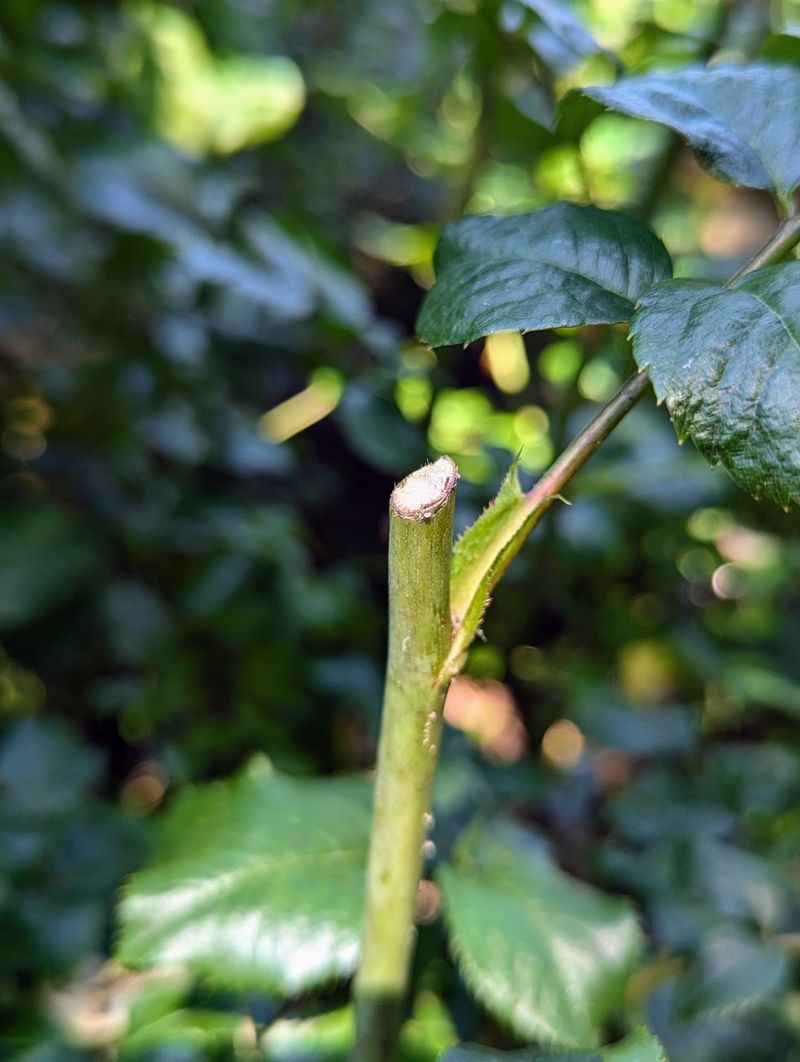
A rose with a cane snipped in October reads the cut as a wake-up call. Buds just below the cut start swelling within days, and glossy, reddish shoots soon reach for the sun.
Those shoots look lovely, yet they’re soft and full of water. Their cell walls haven’t had time to toughen.
A sudden cold snap can blacken the tips, leaving the cane scarred and weak. In inland valleys and foothill areas, frost can arrive with little warning, and young growth takes the hit first.
The damage goes beyond a few brown tips. A rose pushing out new shoots in fall burns through reserves it would normally store in its roots and canes.
That plant may start slower in spring than one left alone. Injured stems can also give fungal problems an easy entry point.
The situation resembles waking someone at midnight and asking them to run a race. The body is ready for rest rather than a sprint, and a rose feels the same way about a heavy fall haircut.
Gangly canes still have a simple solution. A long stem whipping in the wind or blocking a path can be trimmed back modestly on its own.
The real shaping works best later. That small bit of restraint protects the whole plant.
A little patience now means fewer frostbitten shoots. It also delivers a sturdier plant when the true pruning season finally rolls around.
2. Roses Need A Dormancy Cue
Even a hardworking rose needs a nap. Across most of the country, freezing winters force that rest, though California makes things trickier.
Many gardens here stay mild enough that roses keep blooming well past Thanksgiving. That extended show comes with a hidden cost.
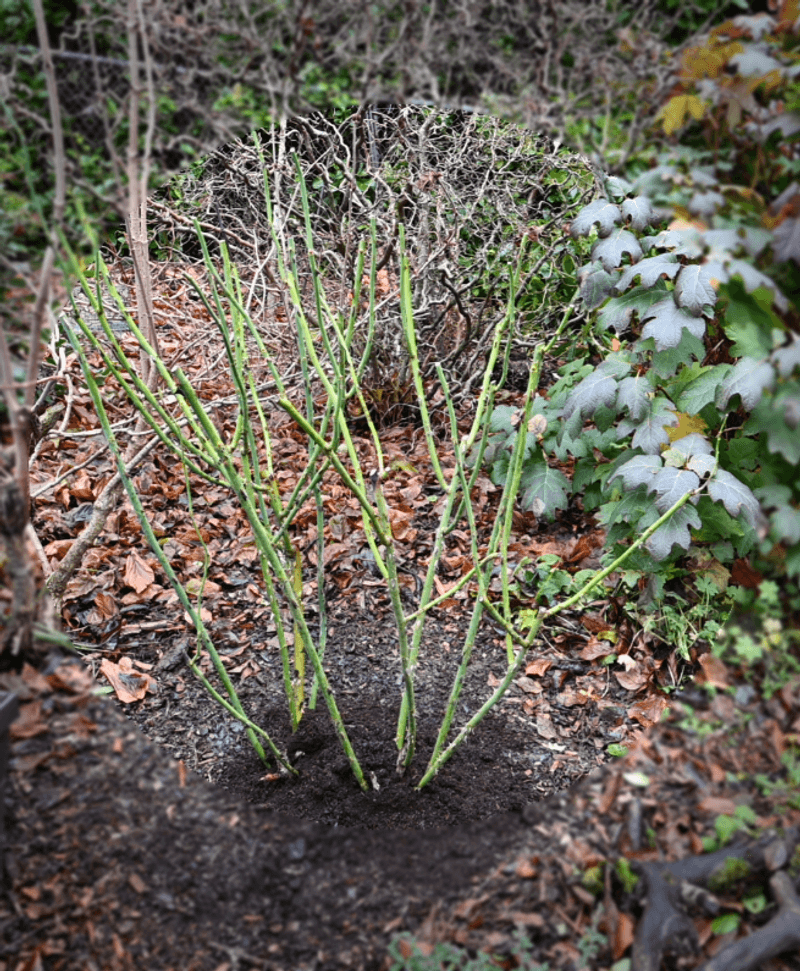
Dormancy works as a slowdown phase. Sap movement eases, leaves stop pushing out, and the plant shifts energy into its roots and woody canes.
UC ANR guidance ties the main pruning to this resting period. Plants handle cuts better when they aren’t actively growing.
Without a clear cue, roses can drift along in a half-awake state. They keep producing weak blooms and thin stems all winter.
Pruning while the plant rests, rather than in full growth, helps it reset and return with stronger canes. Several signs reveal when that rest is settling in.
Your California Garden Changes Every Week. Your Plan Should Too.
Gardening in California changes quickly throughout the season. Every Friday you’ll receive a simple weekly plan showing exactly what to plant, prune, fertilize, harvest, and protect so you never miss the right timing.
New growth slows to a crawl. Some leaves turn yellow and drop on their own, and buds stop forming as quickly.
Those clues show the rose easing off the gas pedal. A few simple adjustments help the process along.
Fertilizer is best stopped in late summer or early fall, since fresh nitrogen encourages leafy growth. Extra water can taper off as weather cools, while roots still deserve a drink during dry spells.
A rose that gets the hint to rest rewards its grower with tidier, more vigorous growth after winter pruning.
3. Cold Nights Slow Growth Naturally
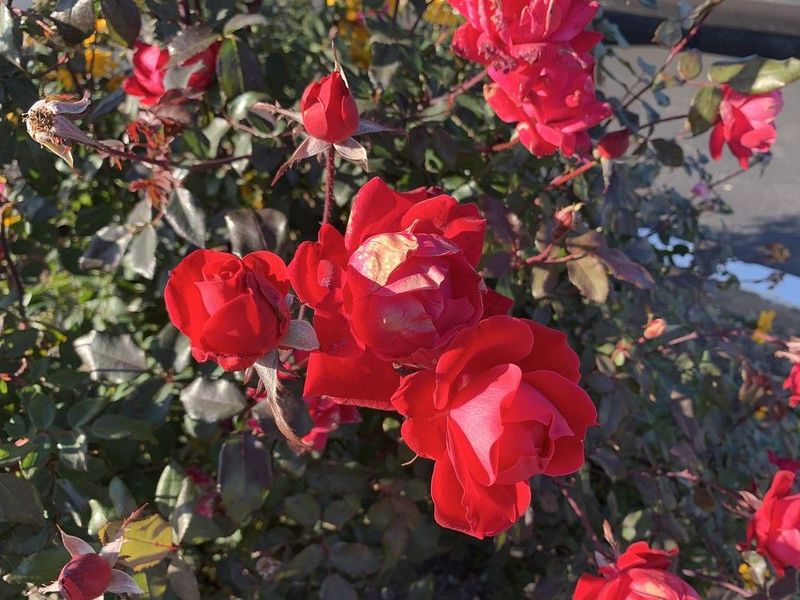
A November evening outside often calls for a jacket. That chill does quiet work in the rose bed, signaling that the busy season is winding down.
Daytime sun in California can still feel warm in fall. Night temperatures, though, drop steadily as days shorten and the season shifts.
Roses respond to that mix of shorter days and cooler nights by slowing their growth. Fewer new shoots appear, and those that form grow more slowly.
Gardeners love a simple signal, and chilly nights make a handy one. They work as a rough guide that dormancy is on the way rather than a precise trigger.
One cold night doesn’t mean it’s time to grab the loppers. A string of cool weeks, combined with slowing growth, paints a clearer picture.
A casual weather log helps anyone who enjoys numbers. A few overnight lows jotted down each week from October through December reveal when the yard usually cools.
That record helps with planning in future years. An inexpensive outdoor thermometer near the garden handles the job nicely.
Microclimates matter, too. A rose against a sunny south wall may stay active longer than one in an open, breezy corner.
Low spots where cold air settles often cool first. Paying attention to each plant, rather than treating the whole yard the same, lets nature chill things out before any major cuts begin.
4. Winter Is The Main Pruning Window
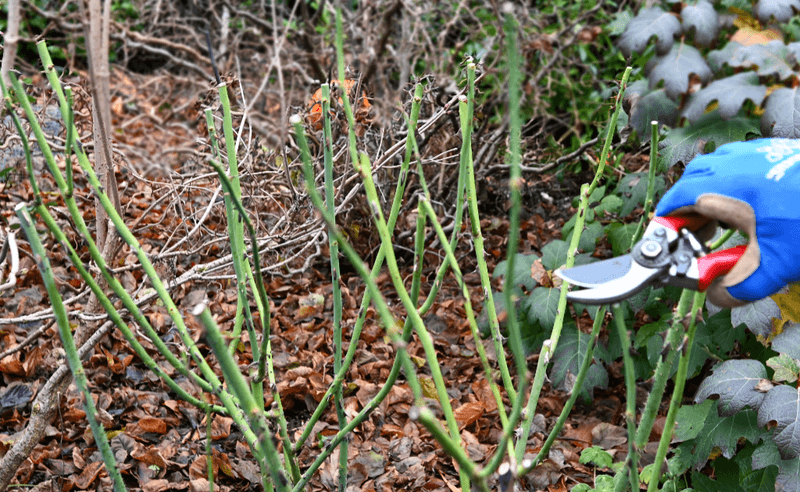
January in a California rose bed looks a little bare, and that’s perfect. With leaves thinning and growth on pause, the structure of each plant finally comes into view.
Old canes, crossing stems, and weak twigs become easy to spot. UC ANR rose guidance places the main pruning during winter dormancy.
Cuts made now don’t spark a flush of tender shoots that cold can damage. Instead, the plant sits quietly until warmer weather arrives, then pushes out strong new growth all at once.
Brittle, damaged, or diseased wood comes out first. Thin canes smaller than a pencil and stems that rub against each other follow.
An open center allows air and light to move through the plant. Each cut works best about a quarter inch above an outward-facing bud, angled slightly away from it.
Clean, sharp pruners make a real difference. Ragged cuts heal slowly and invite trouble.
A quick wipe of the blades with a household disinfectant between plants helps, especially when any show signs of disease. That habit keeps problems from traveling through the bed.
After pruning, any leaves still clinging to the canes deserve removal. Raking debris from around the base and adding a fresh layer of mulch, kept a few inches from the stems, finishes the job.
That cleanup gives each rose a fresh start. Winter pruning serves as the main event, with everything done in fall acting as the warm-up.
5. Mild Regions Prune Earlier Than Cold Ones
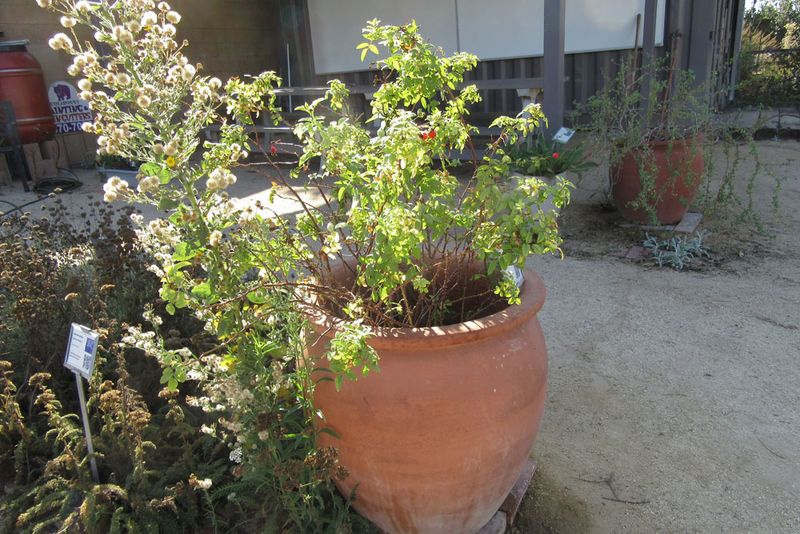
A rose grower in Santa Barbara and another in Grass Valley can both be right while pruning weeks apart. California packs many climates into one state.
Coastal fog belts, hot inland valleys, high deserts, and snowy foothills all run on different schedules. Each region sets its own pace.
UC ANR guidance notes that gardeners in milder areas usually prune earlier in winter, while colder regions wait longer. In mild parts of Southern California, roses may be ready around December into January.
Colder inland and foothill gardens often hold off until late winter, when the worst frost risk fades. That delay protects new buds.
The reason comes down to cold. In chilly areas, pruning too early can still push buds that a hard freeze may damage.
In warm coastal zones, roses may barely stop growing at all. Gardeners there prune once growth slows enough to give the plant a short rest.
One-size-fits-all calendars rarely work well. Local nurseries and rose societies often know regional frost patterns closely.
Many rose societies post timing tips each winter and even host pruning demonstrations. Those events offer hands-on help.
Neighbors make a great resource, too, especially the one down the street with gorgeous roses.
Matching the schedule to the local region beats copying advice written for Ohio or New England, since a zip code rather than a national blog should set the pace.
6. Light Fall Tidying Is Still Fine
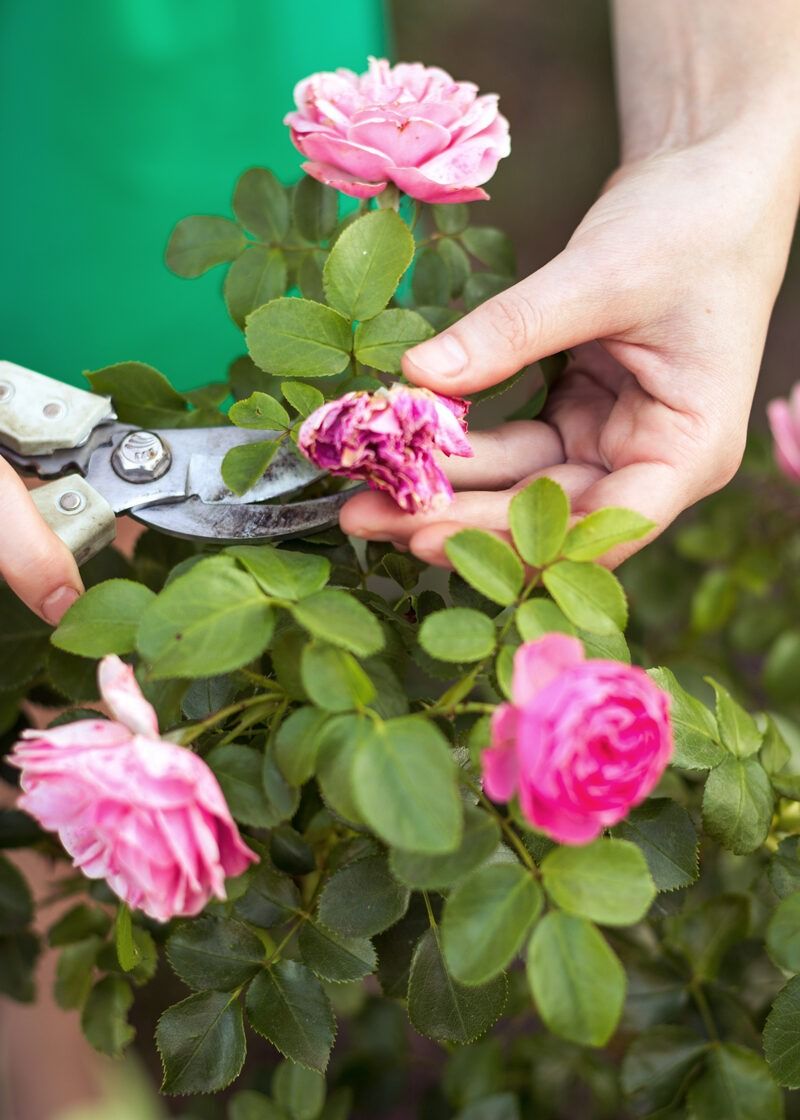
Nobody needs to ignore roses until winter. A little fall grooming keeps beds looking neat and causes no harm, as long as tidying stays separate from real pruning.
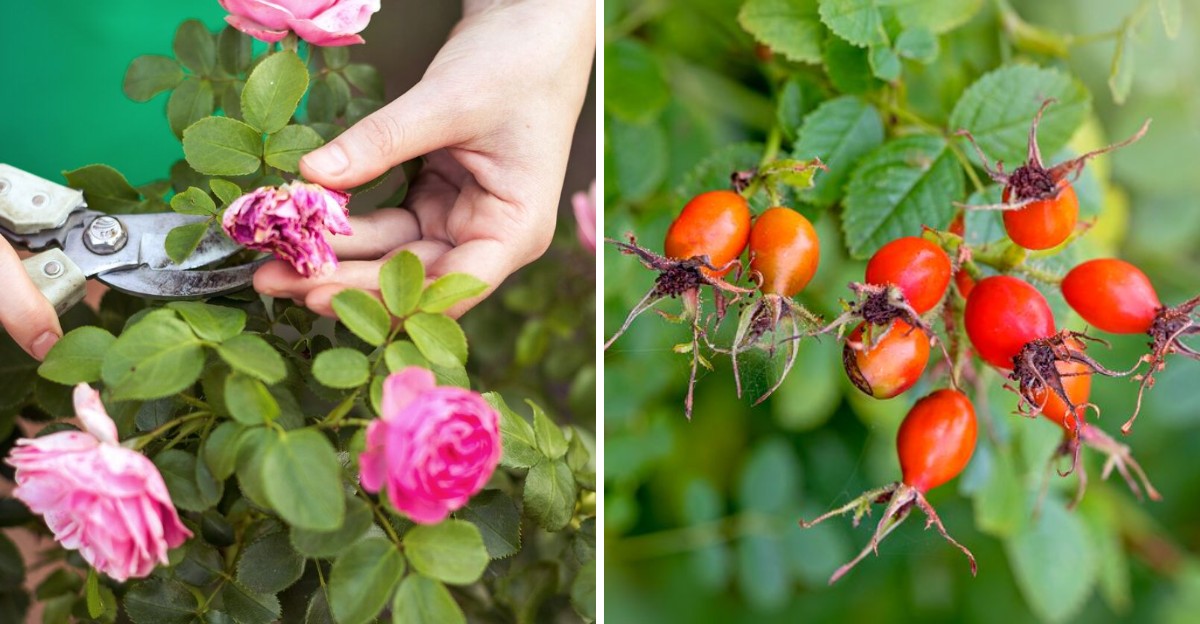
Trimming makes the easiest task. Faded flowers snipped just above the first set of leaves below the bloom keep plants looking fresh.
Small, shallow cuts work best here. The goal involves removing old petals rather than reshaping the plant.
Canes that are clearly broken or damaged can come off, too. A stem cracked by wind or snapped by a passing dog deserves removal.
Long canes poking into walkways can be shortened slightly for safety. Beyond those small fixes, the pruners can rest.
A quick guideline helps. Any cut removing more than a few inches of healthy cane has crossed into pruning territory.
Those bigger cuts belong to winter dormancy, when the plant can handle them without pushing soft growth. Patience keeps everything on track.
Fall also makes a smart time to pull weeds around the base and refresh mulch. Weeds compete for water and can shelter pests, while a light layer of compost or wood chips holds moisture and protects roots as nights cool.
Later in the season, trimming can stop altogether, which ties into the final tip ahead. For now, a gentle trim here and there keeps things tidy, more of a touch-up than a makeover.
7. Clear Diseased Leaves Before They Spread
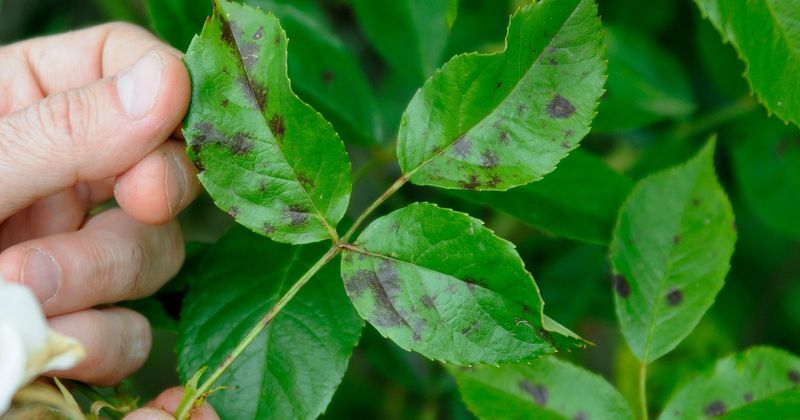
Black dots on yellowing leaves, orange powdery bumps underneath, and white fuzz coating new growth all spell trouble. Those spots point to common rose diseases like black spot, rust, and powdery mildew.
Fungal spores love to linger on old foliage. Infected leaves that fall and sit on the ground can carry those spores into the next season.
When spring rains splash water around, spores land on fresh leaves and the cycle starts again. Breaking that chain takes simple work.
Obviously diseased leaves picked from the plant during fall reduce the spore load. Regular raking under and around roses removes fallen leaves, too.
Bagged leaves belong in the green waste bin rather than a home compost pile. Many home piles don’t heat up enough to eliminate spores.
Gloves and a bag kept nearby prevent dragging infected leaves across the yard. Cleaning tools afterward with a household disinfectant keeps disease from moving between plants.
Good airflow helps prevent future problems. Roses do best without crowding from other plants, and watering at the base rather than spraying leaves keeps foliage drier.
Morning watering lets any wet leaves dry quickly in the sun. That simple timing shift makes a noticeable difference.
Sanitation like this counts as smart fall work rather than pruning, since it removes leaves instead of cutting canes. A clean bed going into winter gives roses a healthier head start when spring arrives.
8. Hips Left On Signal Rest
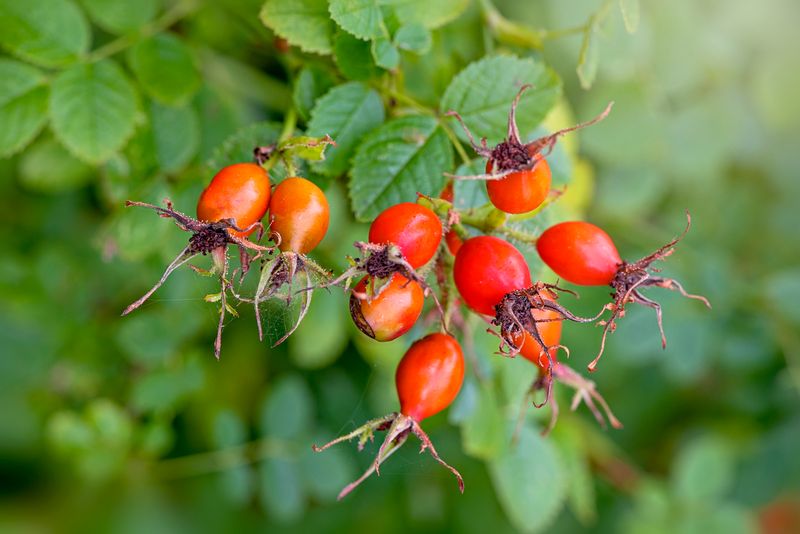
Plump orange and red globes dangling from a rose bush in December can look just as pretty as summer blooms. Those little fruits are called rose hips, and they form when spent flowers stay on the plant to ripen.
Letting hips develop sends a gentle message to the plant. A rose busy making seeds tends to slow down on new flowers and leafy growth.
That shift helps nudge it toward winter rest. It fits nicely with the plan to wait on pruning.
A simple approach works well. Trimming through late summer and early fall keeps blooms coming.
As the season winds down, faded flowers can stay in place. Petals drop naturally, and the hips swell over the following weeks.
Rose hips carry plenty of vitamin C and have been used for teas and jams for centuries. Some varieties, like rugosa roses, produce especially large, showy hips.
Birds may stop by for a snack, adding a bit of winter wildlife to the yard. That bonus makes the bed lively even in the quiet season.
Not every rose sets heavy hips, which is perfectly fine. Many modern hybrids produce only a few, though skipping late trimming still helps signal the end of the growing season.
When winter pruning finally arrives, the hips come off along with the rest of the cuts. Until then, they can hang around, leaving roses well rested and ready to bloom their hearts out.