The Hose-Down Routine Virginia Houseplants Need Before Coming Inside
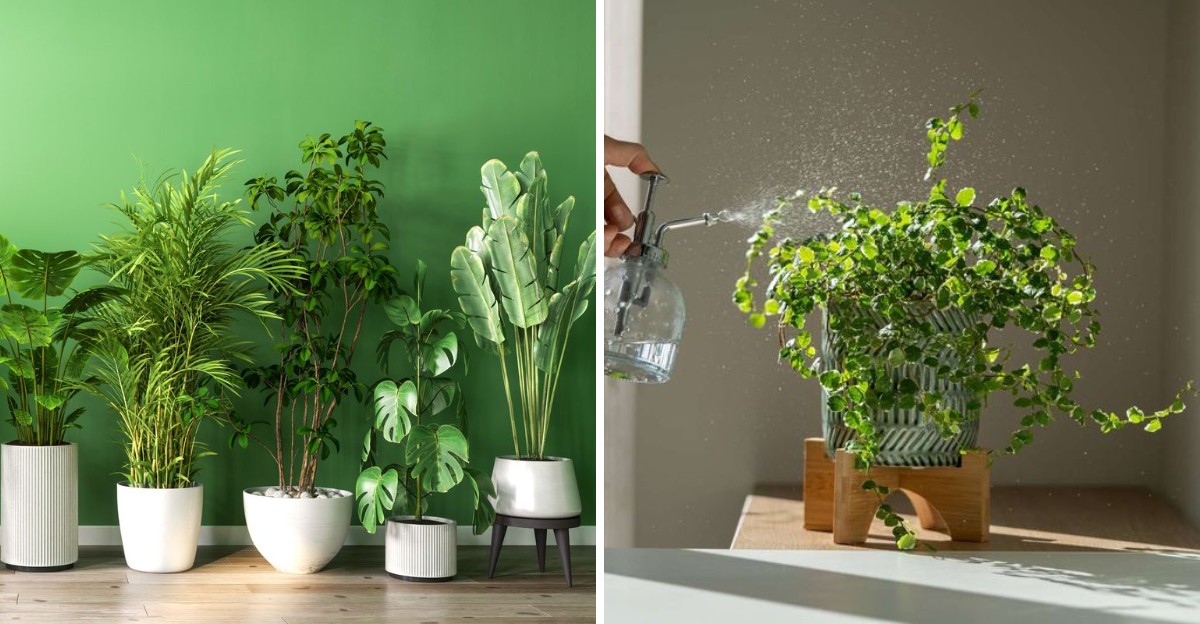
Your houseplants spent all summer on the porch, and now they might be bringing guests home. Tiny bugs, sticky dust, and the odd hitchhiking spider love a free ride indoors.
Before fall turns chilly across Virginia, a quick hose-down can save you weeks of headaches. A good rinse is simple, cheap, and surprisingly satisfying.
Still, there is a right way and a wrong way to do it. Too much pressure can tear leaves, and the wrong timing can stress your plants.
Some plants even prefer to skip the shower altogether. Fuzzy-leaved types like African violets don’t enjoy a soaking.
The steps below walk you through each part of the routine in plain terms. By the end, your leafy friends will be clean, pest-free, and ready to settle in for winter.
1. Pick A Mild Day Before Nights Drop Below 50
Timing is the secret ingredient most people forget about. Your plants care deeply about the thermometer, even if they cannot read it.
Most houseplants come from warm, tropical places like rainforests. Cold nights can shock them faster than you might expect.
A smart rule is to bring plants inside when nights hover around 50 degrees. Temperatures in the mid-40s can start to damage many common houseplants.
In Virginia, that switch often happens from late September through mid-October. Mountain areas cool down sooner, while coastal towns tend to stay warm longer.
Pick a calm, mild afternoon for the hose-down itself. Warm air helps leaves dry faster and keeps plants from getting chilled.
Check your weather app for a stretch of pleasant days in a row. A sunny afternoon around 65 to 75 degrees is close to ideal.
Moving plants abruptly from chilly air to a toasty room can stress them. Try bringing them in for a few hours each day before the final move.
Gradual changes give leaves time to adjust to lower indoor light. Your plants will thank you with fewer yellow leaves and less drooping.
Keep a simple note on your calendar each fall as a reminder. Planning ahead beats rushing outside in a sweater at midnight.
Fun fact, many tropical plants start showing chill injury above freezing. Spots and wilting can appear even when frost is nowhere near.
2. Use A Gentle Spray, Not A Blast
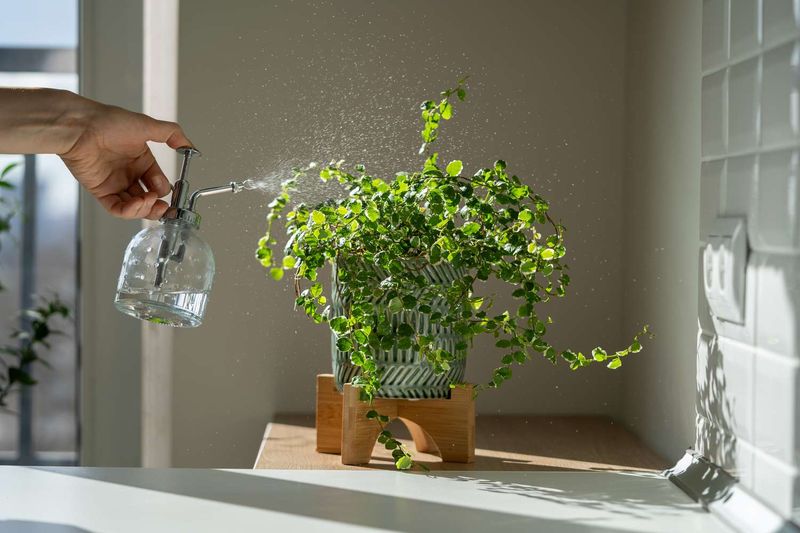
Picture a pressure washer hitting a delicate fern. Leaves would shred like confetti, and nobody wants that.
Water pressure matters more than most beginners realize. Your goal is to clean the plant, not to beat it into submission.
Most hose nozzles have several settings worth exploring. The shower or mist setting usually works best for typical houseplants.
Tougher plants can handle a bit more force than tender ones. Snake plants and rubber plants shrug off a firm spray with little fuss.
Thin-leaved plants need a softer touch from the start. Ferns, peace lilies, and calatheas bruise or tear quite easily.
Here is a handy test to try first. Spray the back of your hand, and if it stings, it is too strong.
Your Virginia Garden Changes Every Week. Your Plan Should Too.
Gardening in Virginia changes quickly throughout the season. Every Friday you’ll receive a simple weekly plan showing exactly what to plant, prune, fertilize, harvest, and protect so you never miss the right timing.
Hold the nozzle about one to two feet away from the plant. Distance softens the stream and spreads the water more evenly.
Some experts suggest a stronger shower for stubborn spider mites. Even so, match the pressure to what your plant can comfortably handle.
Check the water temperature before you begin spraying. Hoses sitting in the sun can hold surprisingly hot water inside.
Let the hose run for a few seconds until it feels cool or lukewarm. Scalding water can hurt leaves just as badly as cold shocks do.
Patience pays off with a gentle approach every single time. Several light passes clean better than one harsh blast.
3. Rinse The Undersides Of Every Leaf
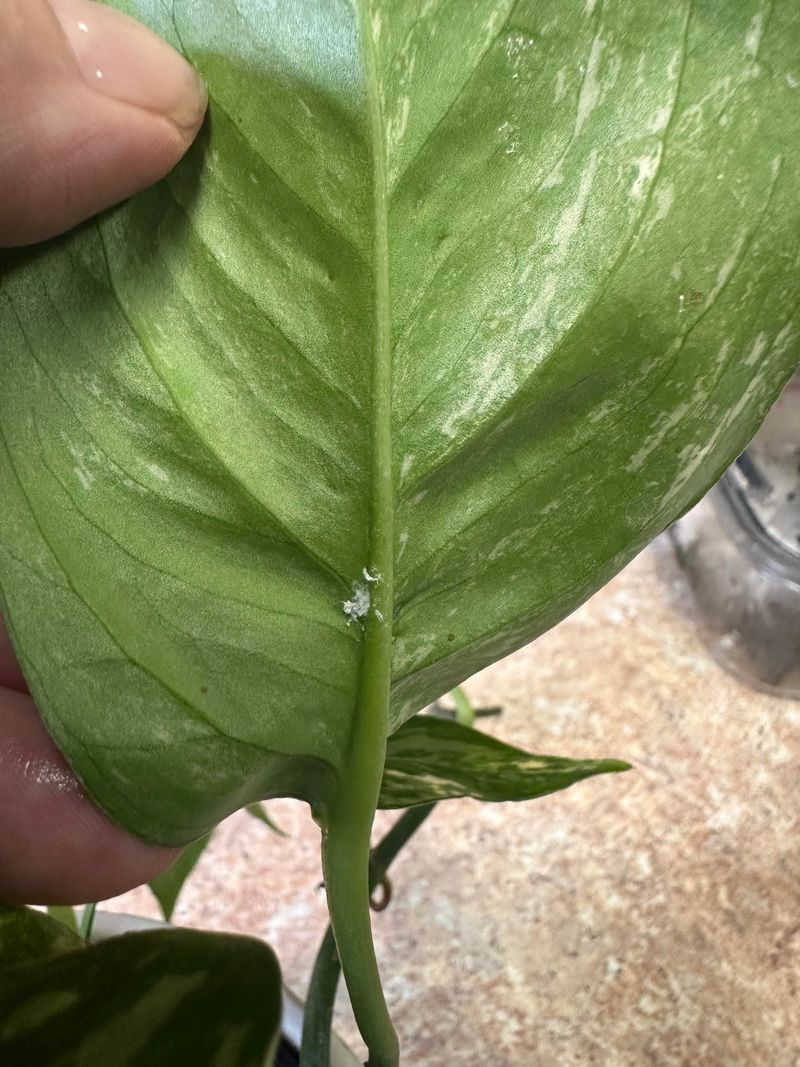
Flip over a leaf and you might find a whole hidden neighborhood. Bugs love the shady side where you rarely look.
Spider mites, aphids, mealybugs, and scale often camp on leaf undersides. Those spots stay protected from sun, rain, and hungry predators.
Spraying only the tops leaves most pests untouched. You end up with shiny leaves and a secret colony underneath.
Start by tilting the pot gently onto its side. Many people lay smaller plants down on the grass for easier access.
Aim the spray upward so water hits the backs of leaves. Work slowly from the bottom of the plant toward the top.
Use your free hand to lift larger leaves one at a time. Support them softly so they do not crease or snap.
Look for tiny specks, webbing, or white fluff while you work. Spotting trouble now is far easier than fighting it in January.
Eggs often sit on undersides too, clustered along leaf veins. A steady rinse helps wash many of them away before they hatch.
Regular rinsing also helps prevent future pest problems and some diseases. Clean leaves give bugs fewer cozy places to settle down.
Bigger plants may take ten minutes or more to finish properly. Put on some music and treat it like a relaxing chore.
Here is a quirky detail to share at dinner. A single spider mite can lay around a hundred eggs in its short life.
4. Knock Spider Mites And Aphids Loose
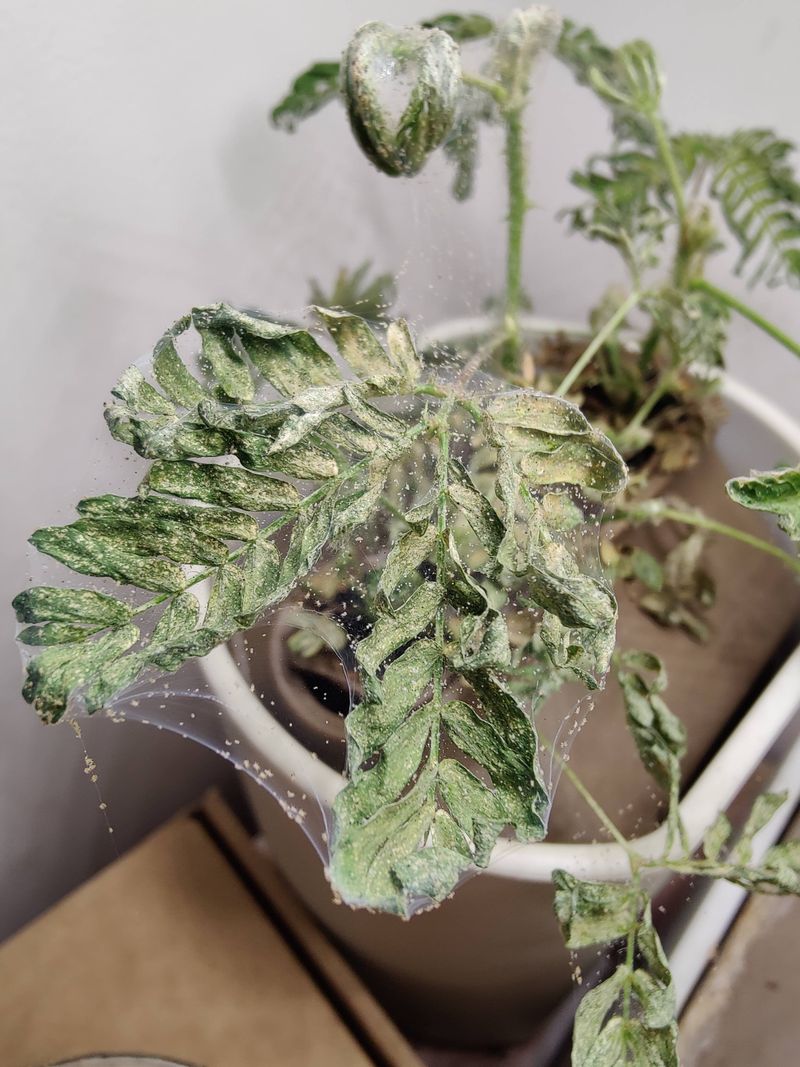
Aphids are slow, clumsy, and surprisingly bad at finding their way back. A good splash can send them tumbling for good.
Studies show aphids knocked off by water rarely return to feed. Once they hit the ground, most simply wander off or get eaten.
Spider mites are trickier because they are so tiny. Many look like moving dust specks unless you use a magnifying glass.
Fine webbing between leaves is a big warning sign of mites. Speckled, faded leaves often point to the same sneaky culprits.
Repeated sprays can shrink a mite population in a big way. Plan on rinsing every few days for about two weeks if you spot them.
Mites thrive in hot, dry conditions like late Virginia summers. Cool water disrupts their comfy setup and slows them down.
Aphids gather on soft new growth and flower buds. Spray those tender tips carefully, since they bend and break easily.
Shake the plant lightly after spraying to loosen any stragglers. Then give it one more quick rinse to finish the job.
Water is safe, cheap, and friendly to pets and kids. No strange smells or harsh chemicals end up in your living room.
Check again a few days later under bright light. A second round catches any newly hatched bugs that slipped past the first wash.
5. Wash Off Dust So Leaves Absorb More Light
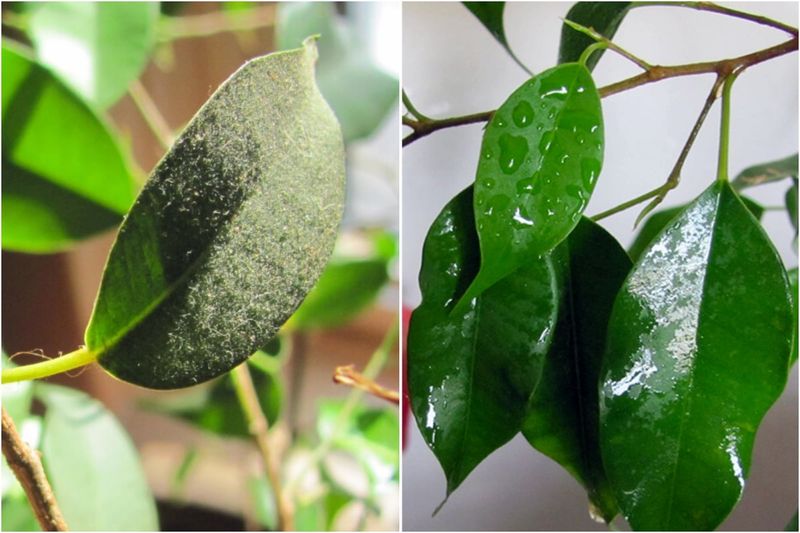
Run a finger across a summer porch plant and you may get a gray smudge. Pollen, road dust, and grime build up fast outdoors.
Dust acts like a dirty window over each leaf. Less sunlight reaches the leaf, so the plant makes less food.
Leaves also have tiny pores called stomata for breathing. A thick dust layer can clog them and slow down gas exchange.
Winter light indoors is already weak and short. Clean leaves help your plants make the most of every sunny hour.
Virginia springs and summers bring heavy pollen, especially from pine trees. Yellow coatings on porch plants are a very common sight.
A gentle rinse washes most of that film away in seconds. Broad leaves like monstera and fiddle leaf fig benefit the most.
Stubborn grime may need a soft, damp cloth after spraying. Support each leaf from below while you wipe it gently.
Skip leaf shine sprays and oily products for now. Many of them can actually block pores and attract more dust later.
Fresh, clean leaves look brighter and healthier right away. Your living room will feel greener without buying a single new plant.
Think of it as a spa day for your greenery. A little effort now gives your plants a stronger start for the darker months.
6. Spray Stems And Leaf Joints Where Pests Hide
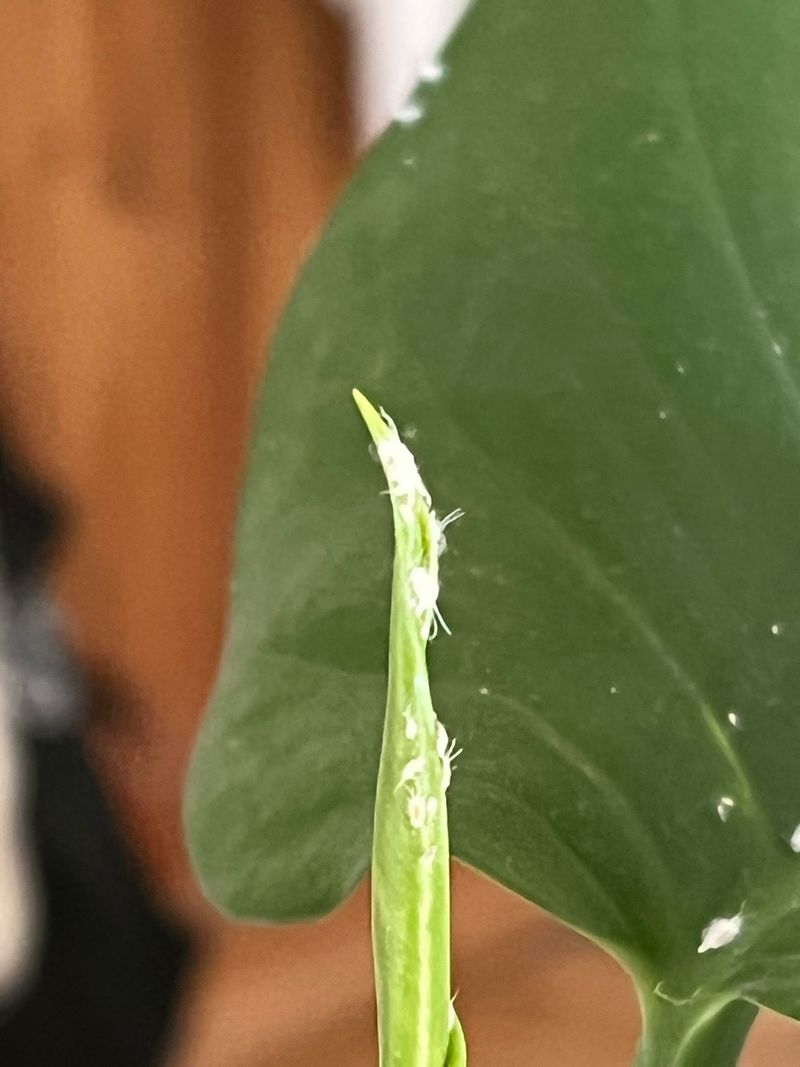
Bugs are like tiny burglars looking for the best hiding places. Leaf joints and stems give them shelter and easy meals.
Mealybugs often bunch up in leaf axils, where leaves meet stems. They look like small bits of white cotton fluff.
Scale insects prefer stems and joints too. They appear as little brown or tan bumps that seem stuck in place.
Aphids crawl along stems toward fresh, tender growth. Soft new shoots are like candy to these hungry sap suckers.
Aim your spray directly into each crevice and fork. Move around the plant slowly so you hit every angle.
Thick, bushy plants need extra attention here. Gently part the foliage with your hand to reach the inner stems.
Scale often clings tightly even after a strong rinse. A soft toothbrush or cotton swab can help scrape them off.
Check the base of the stems near the soil line too. Some pests hang out down low where few people bother to look.
Climbing plants like pothos have many joints along each vine. Lift and rinse each strand rather than spraying the whole tangle at once.
Taking a few extra minutes here makes a real difference. Missing one hidden cluster can lead to a full outbreak by midwinter.
7. Follow Up With Insecticidal Soap If Needed
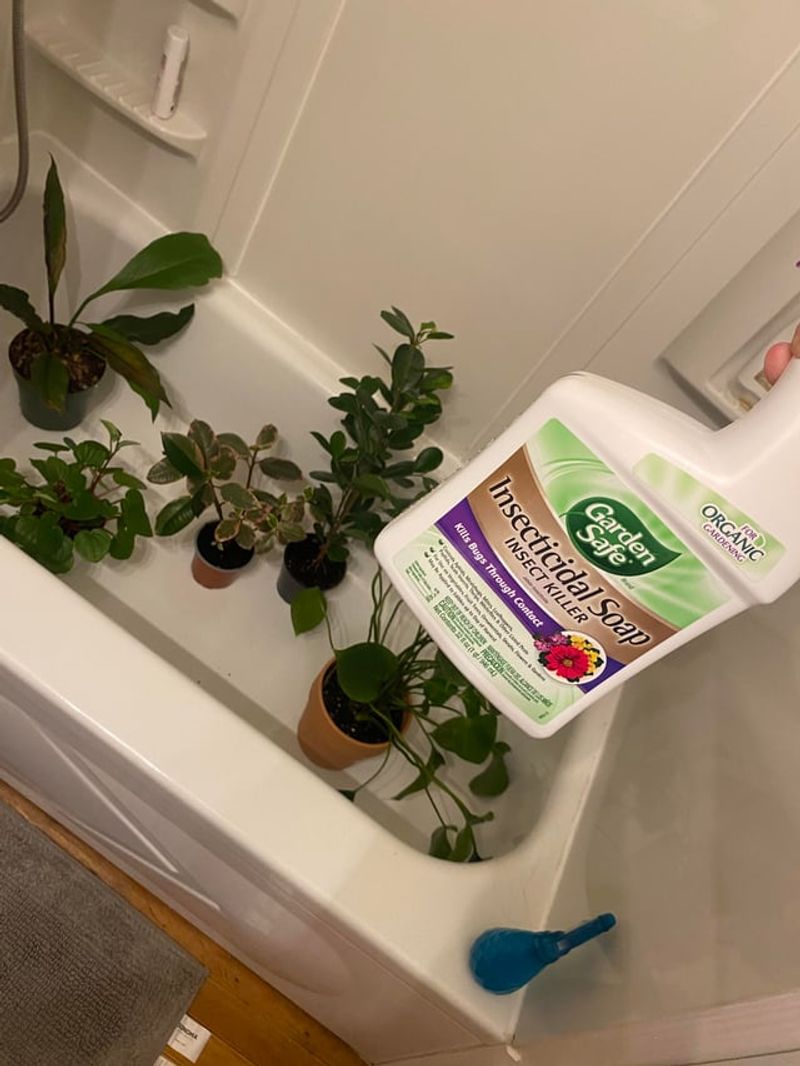
Sometimes water alone just cannot finish the fight. Insecticidal soap is the trusty backup many gardeners keep on the shelf.
Made from special fatty acids, it targets soft-bodied pests. Aphids, mealybugs, whiteflies, and spider mites are all common targets.
The soap works by smothering bugs on direct contact. Once it dries, it stops working, so careful coverage matters a lot.
Spray tops, undersides, stems, and joints thoroughly. Missed spots let pests bounce back within days.
Timing makes a big difference with soap sprays. Early morning or late afternoon works best, away from direct sunlight.
Skip spraying when temperatures climb above 90 degrees. Hot conditions can scorch leaves and leave ugly brown patches.
Test a small area first on any sensitive plant. Wait a day and check for spots or curling before treating the rest.
Some gardeners rinse plants a few hours after treatment. Washing off leftover soap can reduce the chance of leaf damage.
Store-bought soaps are usually safer than homemade dish soap mixes. Many kitchen soaps contain degreasers that can harm leaves.
Repeat treatments every five to seven days if pests remain. Most infestations need two or three rounds to clear up fully.
Read the label closely before each use. Following directions keeps both you and your plants safe and happy.
8. Let Plants Drip Dry In The Shade
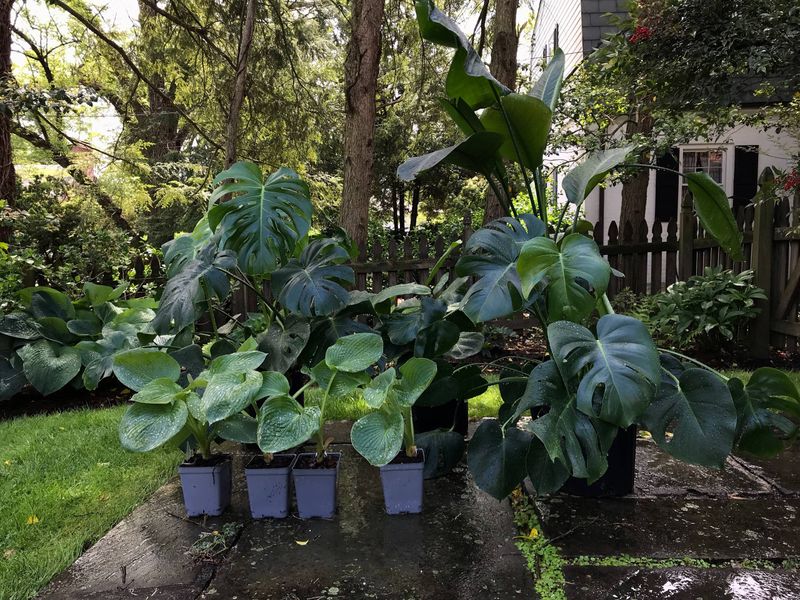
Water droplets look pretty sparkling in the sun. Contrary to popular belief, they rarely burn smooth leaves, though fuzzy leaves can spot.
Shade is still the gentler place for freshly washed plants to dry. It eases the switch toward dimmer indoor light and keeps leaves from drying unevenly.
Move freshly washed plants to a shady spot right away. Under a tree, a covered porch, or the north side of a house works nicely.
Give them at least an hour or two to drip and dry. Larger plants with dense leaves may need a bit longer.
Tip pots slightly so extra water drains from the soil. Soggy roots heading indoors can invite rot and fungus gnats.
A gentle breeze helps speed things along naturally. Avoid windy days that might topple tall plants or snap stems.
Wet plants indoors can drip on floors and furniture. Drying them outside saves your rugs and wood floors from water marks.
Many Virginia homes have shady porches perfect for this step. Take advantage of that space before the weather turns cold.
Use the waiting time for a final inspection. Fresh, clean leaves make it easier to spot any pests you missed.
Once leaves feel dry to the touch, your plants are ready. Carry them inside and enjoy the clean, fresh look.
9. Check The Pot Rim And Saucer
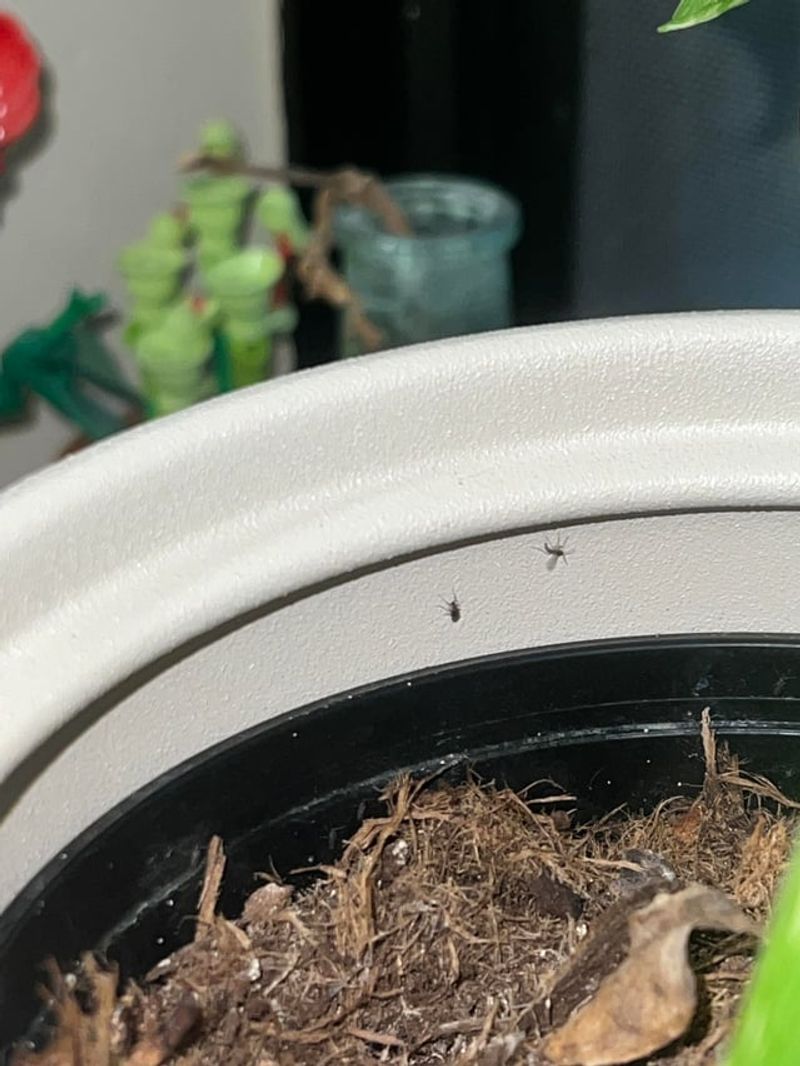
Plants are not the only places pests like to hide. Pots and saucers can shelter sneaky stowaways too.
Mealybugs sometimes tuck themselves just under a pot rim. Slugs, earwigs, and pill bugs often lurk beneath saucers.
Lift each pot and peek underneath before going inside. You might be surprised by what has been living there all summer.
Drainage holes are another popular hiding spot. Ants sometimes build nests inside pots that sat on the ground.
Rinse the outside of each pot with your hose. Pay close attention to edges, cracks, and textured surfaces.
White, crusty buildup on the rim is usually mineral salt. It often comes from fertilizer or hard water over time.
Heavy salt crust may hint at overfeeding or poor drainage. Scrub it off with a stiff brush and some plain water.
Wash saucers thoroughly with warm, soapy water too. Standing water in saucers can breed mosquitoes and odd smells.
Here is a helpful trick for suspected soil pests. Soak the pot in a tub of water for fifteen minutes to flush them out.
Clean containers make a cleaner home for the winter months. Your windowsills will stay tidy and free of creepy crawlers.
10. Skip Fuzzy-Leaved Plants Like African Violets
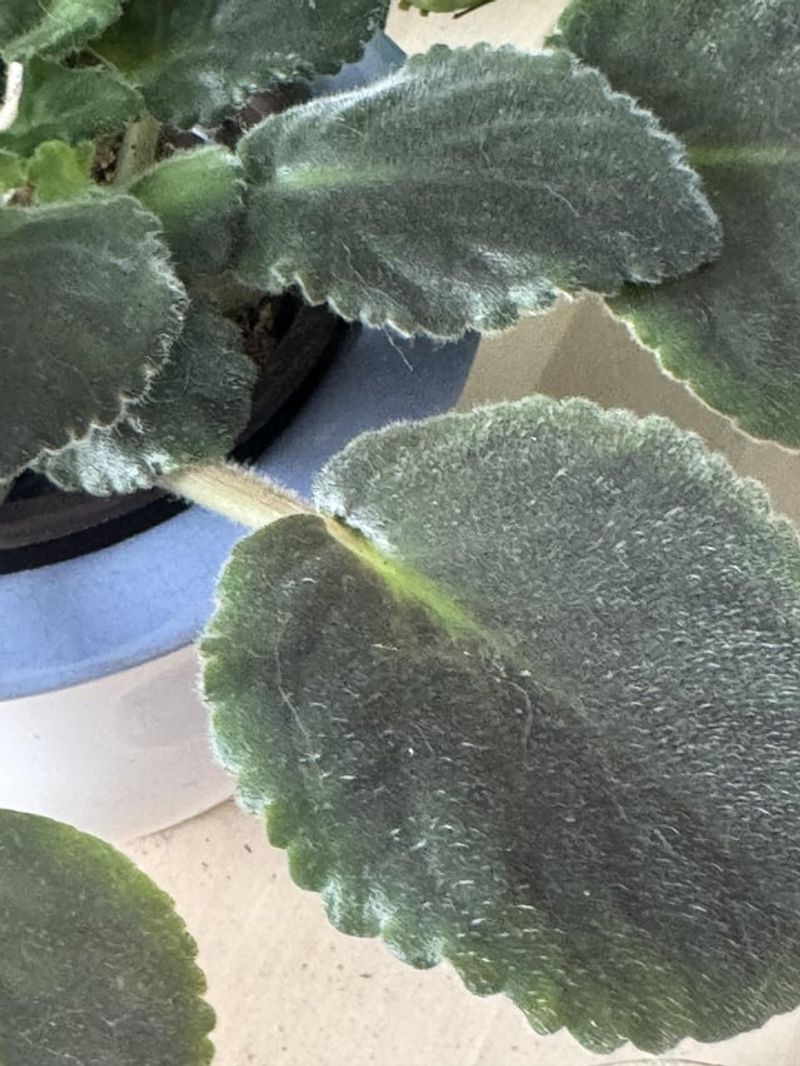
Not every plant enjoys a shower. African violets would much rather have a gentle brushing instead.
Fuzzy leaves trap water between their tiny hairs. Droplets linger and can cause spots, blotches, or rot.
Water reaching the crown is especially risky for these plants. The center can turn mushy and collapse faster than you might think.
Other fuzzy friends include gloxinias, piggyback plants, and purple passion plants. Treat all of them with the same extra care.
A soft makeup brush works wonders for cleaning these leaves. Sweep gently from the center outward to lift away dust.
For extra grime, mist the brush lightly rather than the leaves. Damp bristles grab dirt without soaking the plant.
Inspect undersides with a flashlight for pests. Cyclamen mites and mealybugs sometimes target African violets.
Small infestations can be dabbed with cotton swabs and rubbing alcohol. Spot treatment keeps water away from those sensitive leaves.
Fun fact, African violets come from mountain forests in Tanzania and Kenya. Their fuzzy coats help them handle humid, shady habitats.
Whether you garden in Richmond or Roanoke, these plants deserve special care. Gentle cleaning keeps them blooming happily through the long Virginia winter.