Why California Gophers Push Up More Mounds After The First Rain
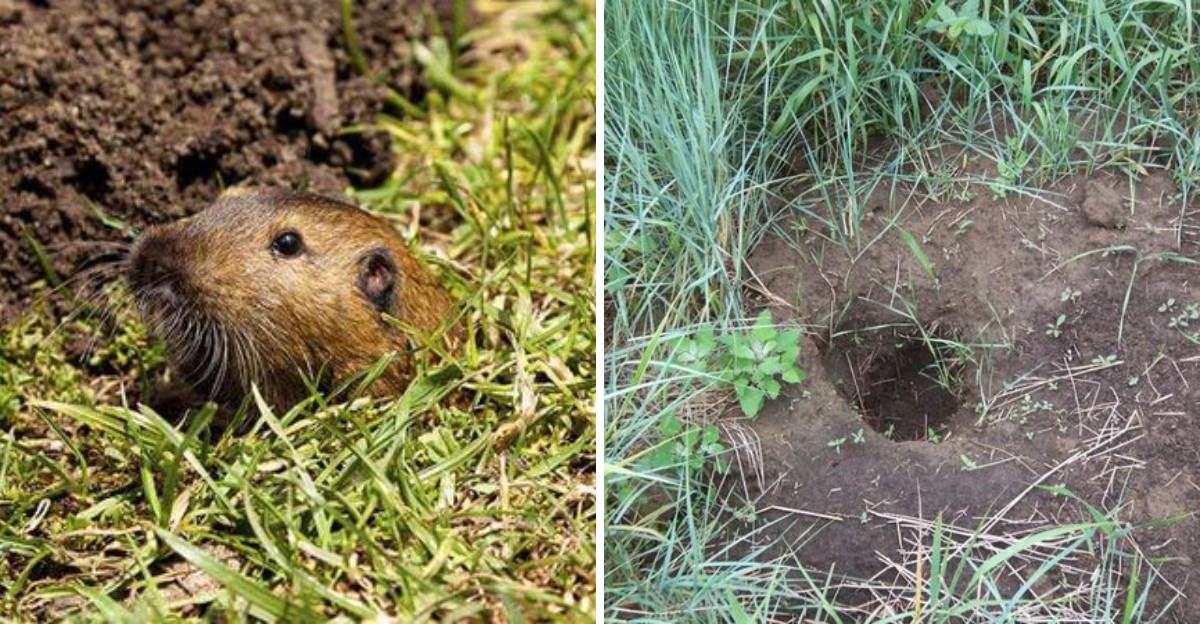
Last week the lawn looked perfectly smooth. This morning, after the season’s first real rain, it’s dotted with fresh piles of brown dirt.
It can feel like a whole crew of gophers moved in overnight.
In most cases, the same gophers were there all along. The rain simply made their digging easier and a lot more visible.
That shift follows a predictable pattern in California’s wet and dry seasons, and it offers useful clues about what’s happening underground.
Knowing why mounds multiply after rain helps homeowners stay calm and read the signs correctly. It also points to the best moment to protect lawns and gardens.
Softened Soil Makes Digging Much Easier
Digging through dry summer soil and digging through rain-soaked soil are two very different jobs. For a pocket gopher, it’s roughly the difference between chipping at a brick and scooping brownie batter.
In much of California, the ground bakes hard during the long dry season. Clay soils in particular can turn almost rock solid by late summer, with deep cracks across the surface.
These animals dig with strong front claws and large front teeth. They can even close their lips behind those teeth to keep from swallowing dirt.
Hard clay still takes a lot of energy to move, though. The UC Statewide IPM Program reports that gophers tend to be more active and push up more mounds when soil moisture favors digging. That’s why fall and spring are busy seasons.
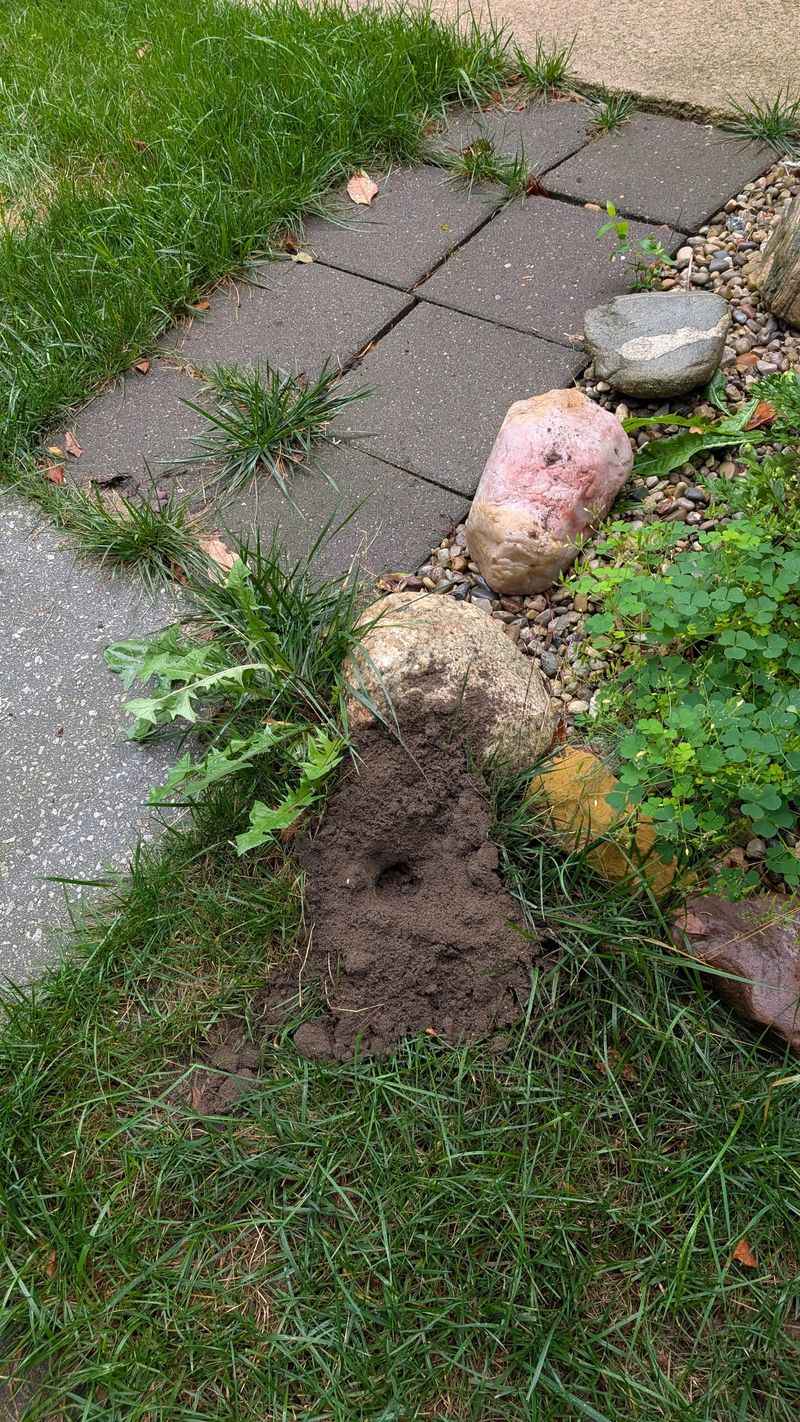
Once rain loosens the ground, tunnels can expand much faster. All that extra loose soil has to go somewhere. It gets shoved up through a short side tunnel and left on the surface as a fan or crescent-shaped mound.
A walk around the yard the day after a soaking rain reveals a lot. Mounds with fresh, dark, damp soil point to current digging and active tunnels nearby.
Older mounds look dry, crusted, or flattened by the rain itself. Telling the two apart saves time and keeps efforts focused where the digging is actually happening right now.
Flooded Tunnels Force Them To Relocate
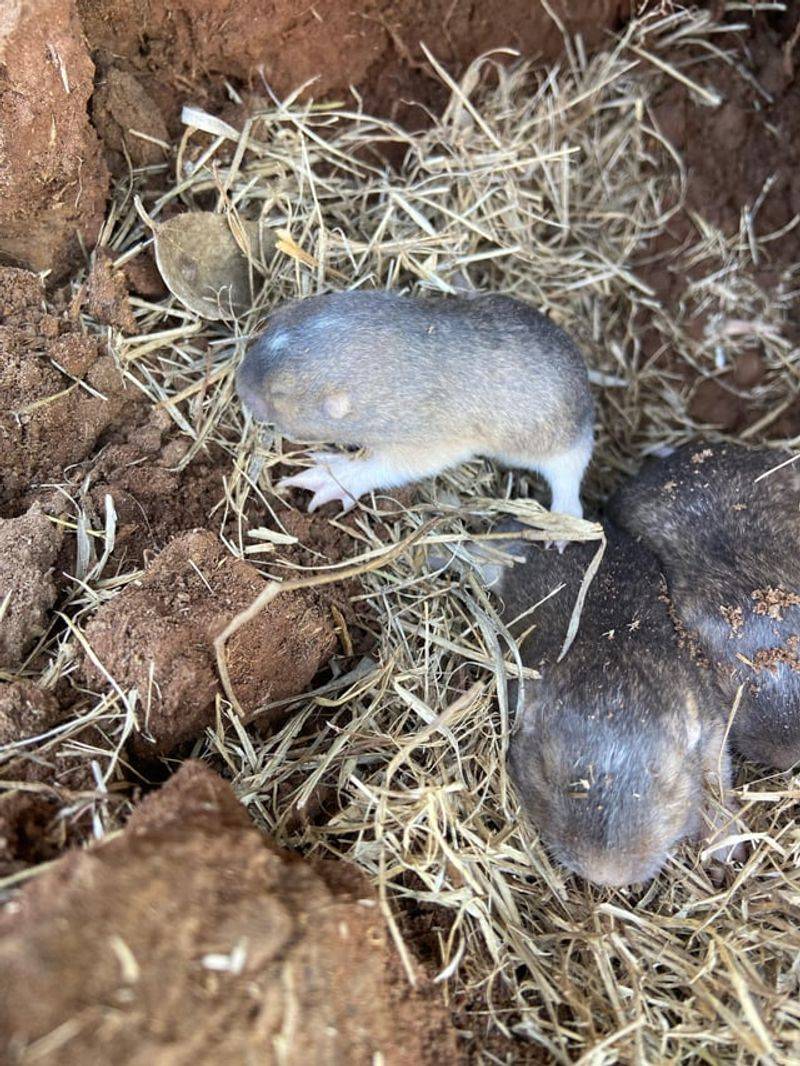
Nobody enjoys waking up to a wet basement, and gophers feel much the same way. A single burrow system can stretch a long way underground, with feeding tunnels near the surface and deeper chambers for nesting and food storage.
When heavy rain soaks in, the lowest parts of that system can fill with water. Mud-filled hallways make for poor living conditions.
A flooded or collapsed section often gets plugged off. The gopher then digs a fresh route through drier or better-drained soil nearby, much like a detour around a closed road.
Every new route produces loose dirt, and that dirt ends up on the surface as new mounds. Some appear in spots that have never shown activity before.
UC IPM notes that gophers can survive in flooded areas for some time, and that heavy watering or flooding can push them to move.
How often rain actually floods burrows varies with soil type, slope, and rainfall. That makes it a likely factor rather than a guarantee in every yard.
Your California Garden Changes Every Week. Your Plan Should Too.
Gardening in California changes quickly throughout the season. Every Friday you’ll receive a simple weekly plan showing exactly what to plant, prune, fertilize, harvest, and protect so you never miss the right timing.
Slightly higher ground near low, soggy spots deserves extra attention after a storm. Raised beds, berms, and lawn edges next to patios or walkways often show new activity.
A line of fresh mounds leading uphill can signal a gopher rebuilding on drier footing. Small garden flags placed beside those spots make tracking them over the next few days much easier.
Fresh Growth Draws Them Toward The Surface
A hungry gopher is basically a vegetarian with a tunnel-shaped dinner table. After the first rains, California hillsides and yards turn green almost overnight as grasses, weeds, and clover sprout fast.
Fleshy roots start growing again too, and that’s exactly what these animals are after. Their diet centers on roots, bulbs, and other plant parts they can reach from below.
They also pop up briefly near a tunnel opening to grab nearby leaves and stems, then pull back and plug the hole. UC IPM explains that gophers feed on a wide range of plants, including lawns, vegetables, young trees, and flowers.
When fresh food appears near the surface, feeding tunnels tend to follow it. Shallow tunnels mean shorter trips to drop off dirt, so mounds often show up right beside the tastiest new growth.
Small round holes with a soil plug and a ring of nibbled plants are another clue. These are feeding holes rather than true mounds, and they signal a gopher close by.
Wire baskets made from hardware cloth offer solid protection for new plantings, bulbs, and young trees. Installing them at planting time, especially in fall, works far better than adding them later.
Vegetable beds and freshly seeded lawn areas deserve a close look after storms. Regular weeding around beds also cuts down on the easy snacks that lure gophers toward favorite plants.
Mound Activity Often Peaks After Rain
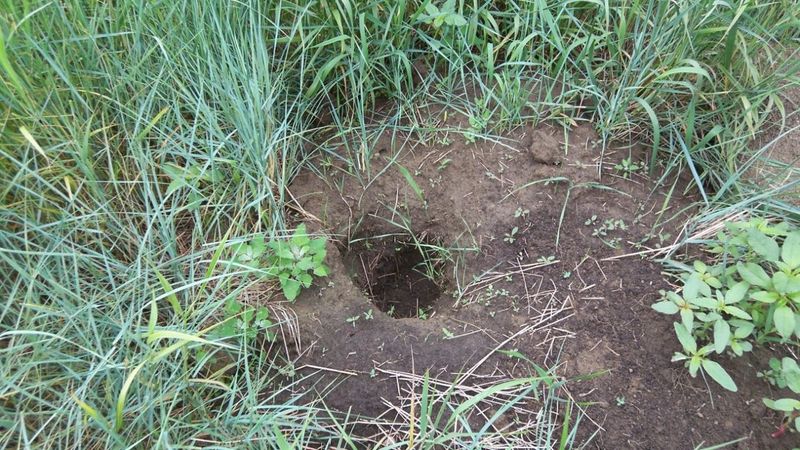
Longtime California gardeners often tell the same story. Summer stays quiet, then the rains arrive, and suddenly the yard looks like a tiny mountain range.
That pattern is real, and it lines up with how seasons work in a Mediterranean climate. These animals stay active all year and don’t hibernate.
UC IPM points out that mound building is often heaviest in spring and fall, when soil moisture makes digging easier. In irrigated lawns and gardens, activity can continue through summer, while dry, unwatered areas slow down considerably.
The first good rain of autumn often flips a switch. Mounds that were rare for months suddenly become hard to miss, sometimes within a single morning.
Much of a gopher’s digging happens out of sight, and only part of it ends up as mounds on top. During dry months, loosened soil may get packed into old tunnels instead of pushed to the surface.
Once the ground softens, more of that dirt comes up. The increase homeowners notice may simply be more visible activity, not a dramatic change underground.
A single gopher can also create many mounds in a short stretch when conditions are right. That explains how one animal can make a yard look badly infested.
A simple notebook or phone log of when mounds appear each year helps predict a yard’s busy season and plan ahead.
New Mounds Don’t Mean New Gophers
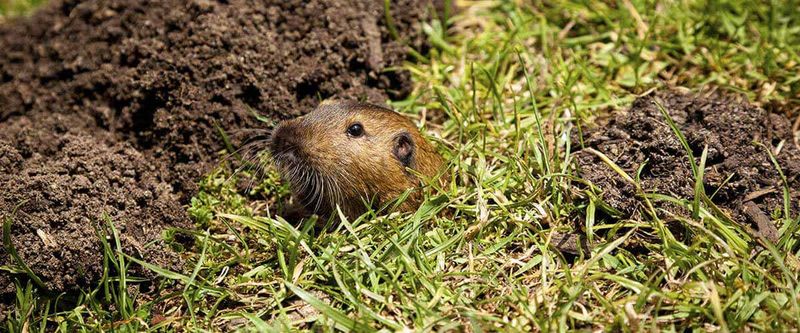
Twenty new mounds on a lawn rarely mean twenty new gophers. Most of the time, they mean one or a few residents that were already there got busy once the soil softened.
These animals are loners by nature. UC IPM explains that each one usually keeps its own burrow system and defends it from others. The exceptions are breeding season and the time when mothers are raising young.
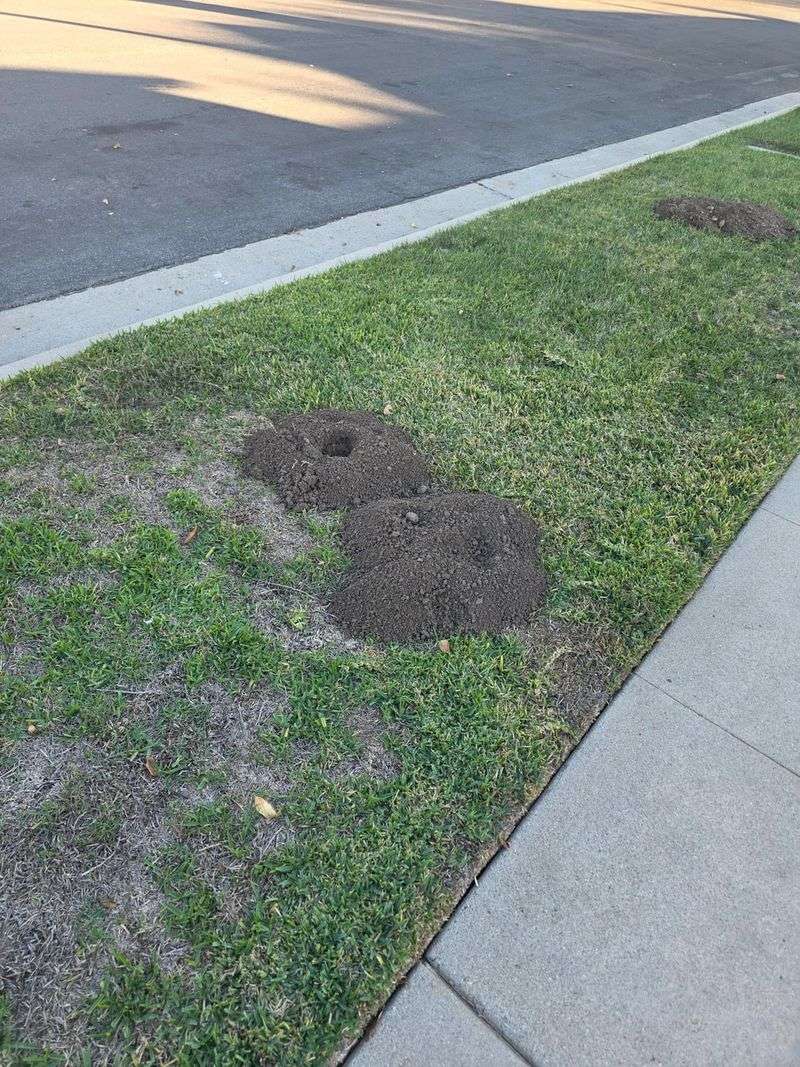
One burrow system can cover a fairly large area. A single animal can push up a whole cluster of mounds on its own.
A sudden spike after rain mostly reflects digging and relocating, not a population boom. That alone can take some of the stress out of the morning surprise.
Numbers do change over time, of course. Breeding often happens in late winter and spring in many parts of California, and young gophers eventually leave to find territory of their own.
Some may also wander in from nearby fields or empty lots. Still, the jump that appears right after the first storm comes far too quickly to be explained by new births.
Grouping offers the best clue. A cluster or line of mounds often belongs to one burrow system, while several separate clusters far apart may point to more than one gopher.
Counting clusters instead of individual piles gives a much more realistic picture. It also prevents wasted money on extra traps or treatments that aren’t needed.
Trapping Works Best Right After Rain
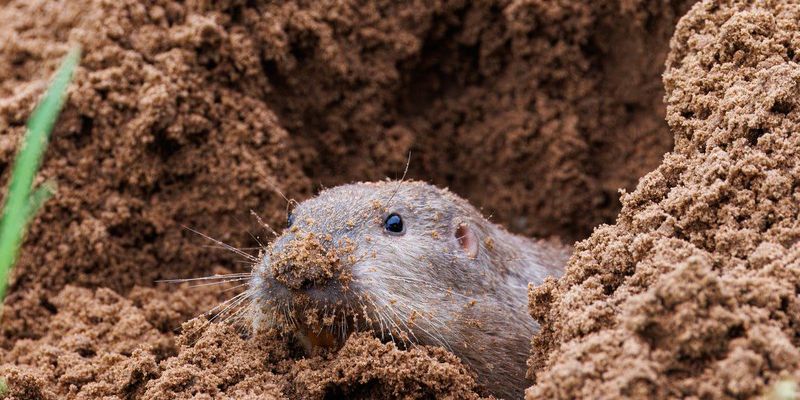
All those fresh dirt piles come with a silver lining. Busy gophers are easier to catch, since an animal actively moving through its tunnels is much more likely to run into a trap.
UC IPM considers trapping one of the most effective and safe options for managing gophers in home yards. Fresh mounds after rain show exactly which tunnels are in use.
A gopher probe, which is a simple metal rod, helps locate the main tunnel. It goes into the ground a few inches from the plugged side of a new mound. When it suddenly drops a couple of inches, it has hit the open tunnel.
Moist soil makes the job easier on the gardener too. Digging down is less of a struggle, and traps can be set cleanly without crumbling the tunnel walls.
Many people place two traps facing opposite directions in the main tunnel, covering both approaches. Gloves, careful attention to the trap’s instructions, and a cover over the opening to block light all improve results.
Traps need checking at least once a day, ideally in the morning. When nothing happens after a day or two, moving them to a fresher spot usually helps.
Keeping traps away from children and pets matters, and local rules for handling wildlife should be followed. With a little practice, this rainy window turns a frustrating problem into a manageable weekend task.
Timing Your Response Improves The Odds
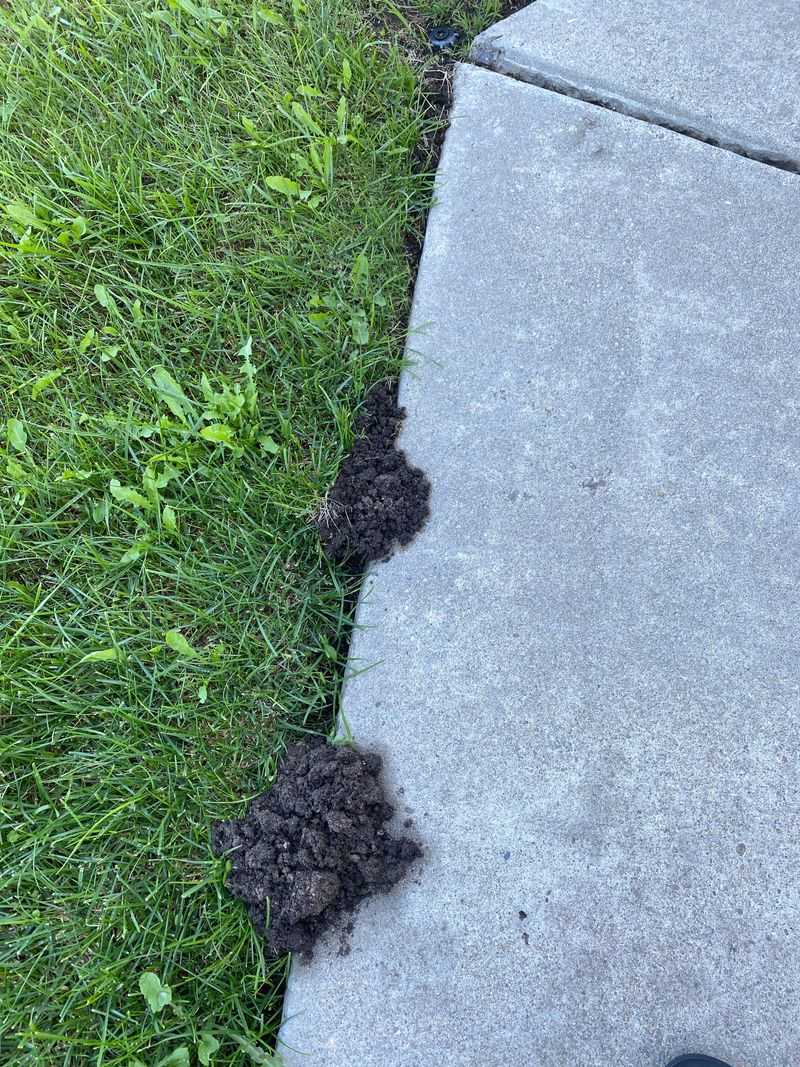
The first rain works more like an alarm clock than a disaster. It wakes up gopher activity, and it’s a good cue to wake up a plan as well.
Acting quickly during this busy stretch offers a real advantage. Waiting tends to cost more in the long run, both in repairs and in plants.
Gophers left unchecked through fall and winter can damage lawns, drip lines, roots, and young trees. Breeding picks up in late winter and spring in many areas, so dealing with current residents now helps prevent bigger problems later.
UC IPM stresses that steady, early control is more effective than waiting until damage spreads. A simple routine makes that easier to manage.
The morning after rain is the best time to flag fresh mounds with small markers. Probing for tunnels and setting traps in the most active spots comes next.
Raking old mounds flat helps any new ones stand out clearly. Wire baskets for future plantings and buried hardware cloth around valuable beds add long-term protection.
Monitoring matters even after the problem seems solved. A neighboring gopher may move into an empty burrow system, especially in yards next to fields or open land.
A quick check after each big storm keeps homeowners one step ahead. With good timing and a calm approach, those morning mounds become a helpful signal rather than an unwelcome surprise.