What Traverse City’s Coming First Frost Means For Tender Crops
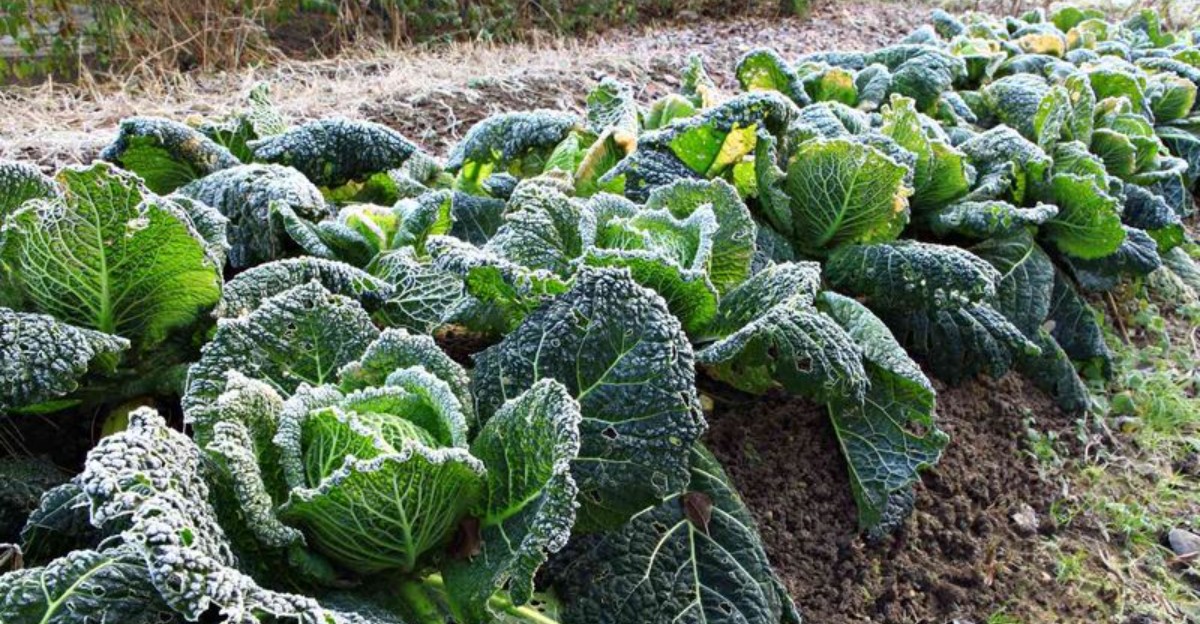
A chilly October night is packing its bags above Traverse City and heading for your backyard. You can almost smell it, that crisp scent of fallen leaves mixed with cold lake air.
Northern Michigan gardeners know the feeling, because one clear sky can change a cheerful plot overnight. The stars look lovely, but they also mean the warmth of the day is slipping away.
Every fall, Michigan weather plays a guessing game that keeps gardeners peeking out their kitchen windows. One week feels like sweater season, and the next brings frosty windshields that crunch under scrapers.
Plants with soft leaves and juicy stems feel a cold snap faster than sturdy shrubs do. A little planning now can protect a good part of the harvest that might otherwise turn limp and mushy.
One frosty night, a gardener wrapped every plant in every bedsheet in the house. By morning the plants were fine, but the guest bed was bare and the yard looked like a laundry line.
A Short Countdown For Warm-Season Plants
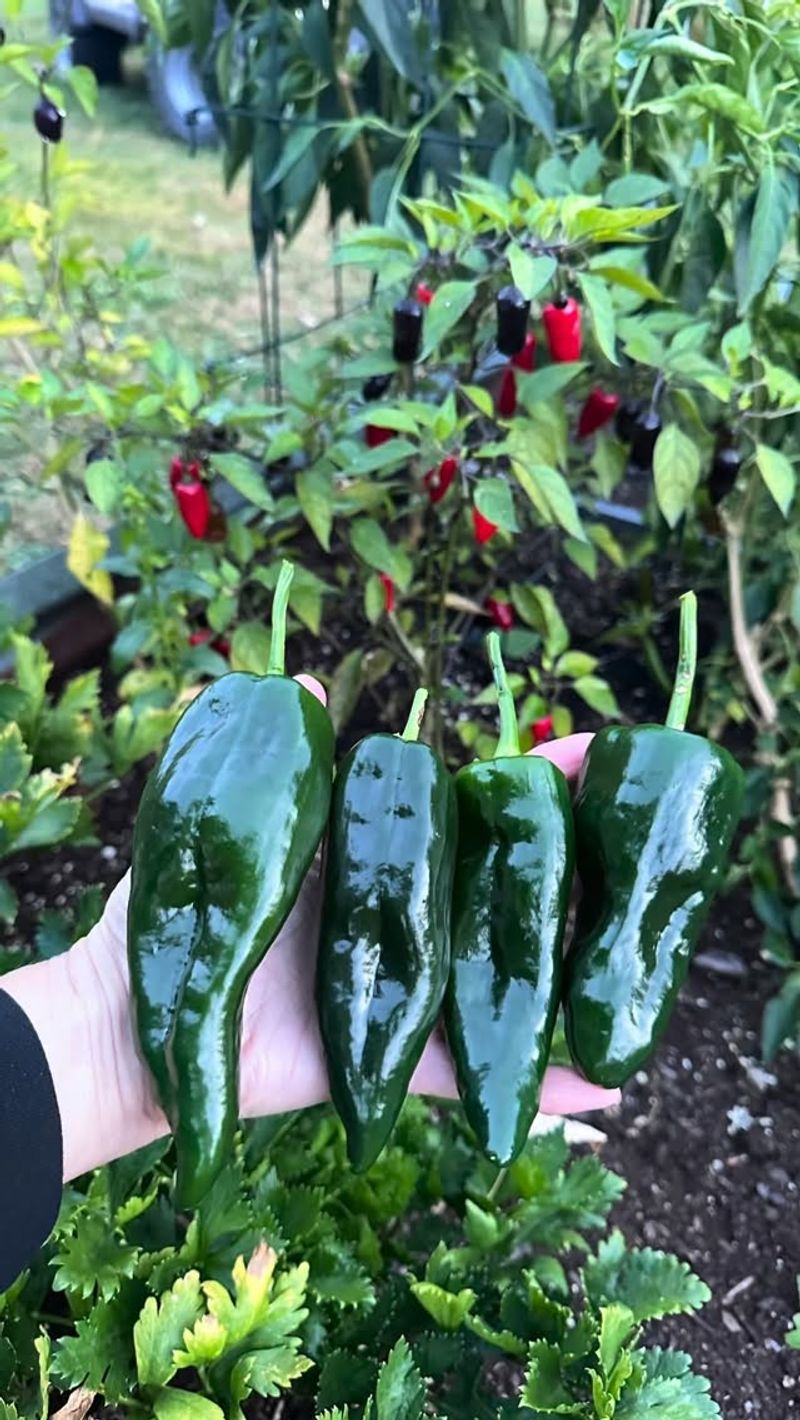
Picture a basil plant shivering at sunrise, its leaves turning black before you even finish your morning cocoa. Traverse City’s first frost usually arrives in early October, so tender crops have a short window left.
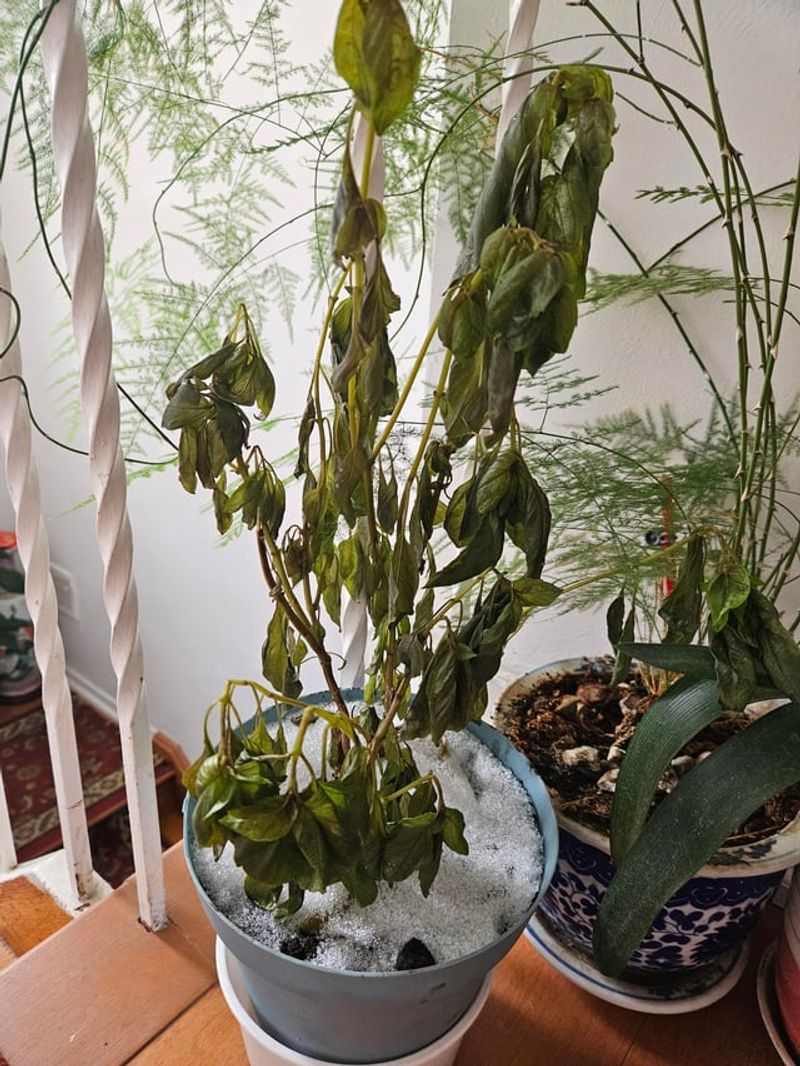
Tender crops are plants that come from warm places, like tomatoes, peppers, basil, squash, beans, and cucumbers. Their tissues hold lots of water, and ice crystals can form once temperatures drop to around 32 degrees or slightly below.
When those crystals grow, they damage the cell structure and let moisture leak out. The next afternoon, leaves look dark, wilted, and slimy, and they rarely bounce back after that damage.
A light frost between 29 and 32 degrees often harms only the top leaves of a plant. A hard freeze at 28 degrees or lower is much tougher, reaching stems, fruit, and even shallow roots.
So the coming frost means one clear thing for your garden: the growing season is wrapping up fast. Some plants can be protected for a few more weeks, while others are ready for a final harvest.
Hardy crops like kale, carrots, spinach, and Brussels sprouts actually taste sweeter after a chilly night or two. The cold pushes them to turn stored starch into sugar, which works like a natural antifreeze inside leaves.
Knowing which group each plant belongs to helps you decide where to spend your energy this week. Warm-season crops need rescue or harvest, while cool-season crops can mostly stay put and enjoy the chill.
Lake Michigan’s Role In Frost Timing

Grand Traverse Bay softens the chill for gardens that sit near its shoreline. Water holds summer warmth much longer than land, so the bay slowly releases heat into the autumn air.
That gentle warmth is one reason the Traverse City area grows so many cherries, apples, and grapes. Orchards on the Old Mission Peninsula often see frost later than farms just a few miles inland.
If your garden sits in a low spot away from the water, expect frost to visit you sooner. Cold air is heavy, and it slides downhill like syrup, pooling in valleys and hollows on calm nights.
Your Michigan Garden Changes Every Week. Your Plan Should Too.
Gardening in Michigan changes quickly throughout the season. Every Friday you’ll receive a simple weekly plan showing exactly what to plant, prune, fertilize, harvest, and protect so you never miss the right timing.
Gardeners call these chilly pockets frost pockets, and they can run several degrees colder than nearby hills. A garden on a gentle slope often stays safer, since the cold air keeps flowing past it.
Clear skies matter too, because clouds act like a blanket that traps warmth close to the ground. On a cloudless, windless October night, heat escapes upward quickly, and frost can form on exposed leaves.
Interestingly, the thermometer on your porch might read 36 degrees while plants near the soil sit at freezing. Air near the ground cools fastest, so low-growing crops like squash and cucumbers often feel frost first.
Take a short walk around your yard and notice which corners feel coldest on crisp fall mornings. Those clues will tell you which tender plants need protection first when the weather service issues a warning.
Early October Nights To Watch Closely
Think of the weather app as your new best friend, at least until the garden goes to sleep. In the Traverse City area, the first frost typically lands between late September and mid October.
Averages are only a guess, though, and plenty of years bring an early surprise or a late reprieve. Instead of trusting the calendar, watch the nightly low temperatures in your local forecast every single evening.
A predicted low of 36 degrees or below is your signal to start paying very close attention. Frost can form at that reading because the ground level often runs a few degrees colder than forecasts.
The National Weather Service issues a frost advisory when lows are expected to fall between 33 and 36 degrees under clear, calm skies. A freeze warning is more serious and means temperatures may fall to 32 degrees or lower overnight.
Here’s a handy trick: check the sky right after the sun sets. If the stars are bright, the wind is still, and the air feels dry, frost chances jump.
Plan your garden chores for late afternoon, giving yourself daylight to gather covers and pick ripe produce. Fumbling with sheets and clothespins in the dark is a lot less fun than it sounds, trust me.
Keep a small notebook by the door and jot down the date of each frost you notice. After a few seasons, you will have a clear picture of your own yard’s frost timing.
The Plastic Tarp Mistake
Grabbing a plastic tarp feels smart on a cold night, but it can backfire in a surprising way. Plastic touching leaves passes the bitter cold right through, so the leaves under it can freeze anyway.
Many first-time gardeners in northern Michigan learn this lesson the hard way, usually with a row of peppers. They wake up to find shiny, blackened spots exactly where the plastic pressed against the plant overnight.
The second problem shows up the next morning, when the sun warms plastic covers far too quickly. Trapped heat and moisture can scorch tender leaves, even on a day that feels cool to you.
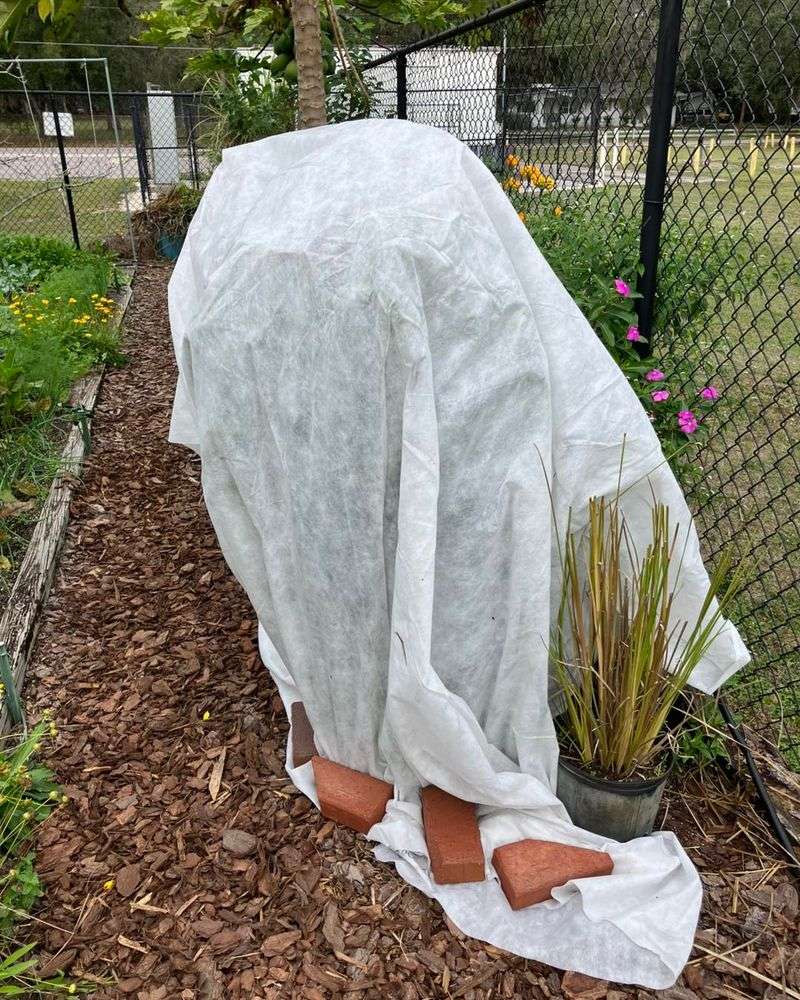
A much better choice is breathable fabric, like old bedsheets, light blankets, burlap, or store-bought frost cloth. Fabric lets moisture escape and holds a pocket of warm air rising from the soil beneath.
If plastic is all you have, drape it over stakes or tomato cages so it floats above leaves. Even a few inches of space between the cover and the plant makes a real difference overnight.
Another common slip is covering plants only halfway, leaving the edges flapping loose in the evening breeze. Let your cover reach the ground on all sides, then hold it down with rocks or bricks.
Warmth comes up from the soil at night, so sealing the edges keeps that heat where plants need it. Remember to pull covers off by midmorning, giving leaves fresh air and sunshine after their chilly night.
Quick Covers For A Cold Night
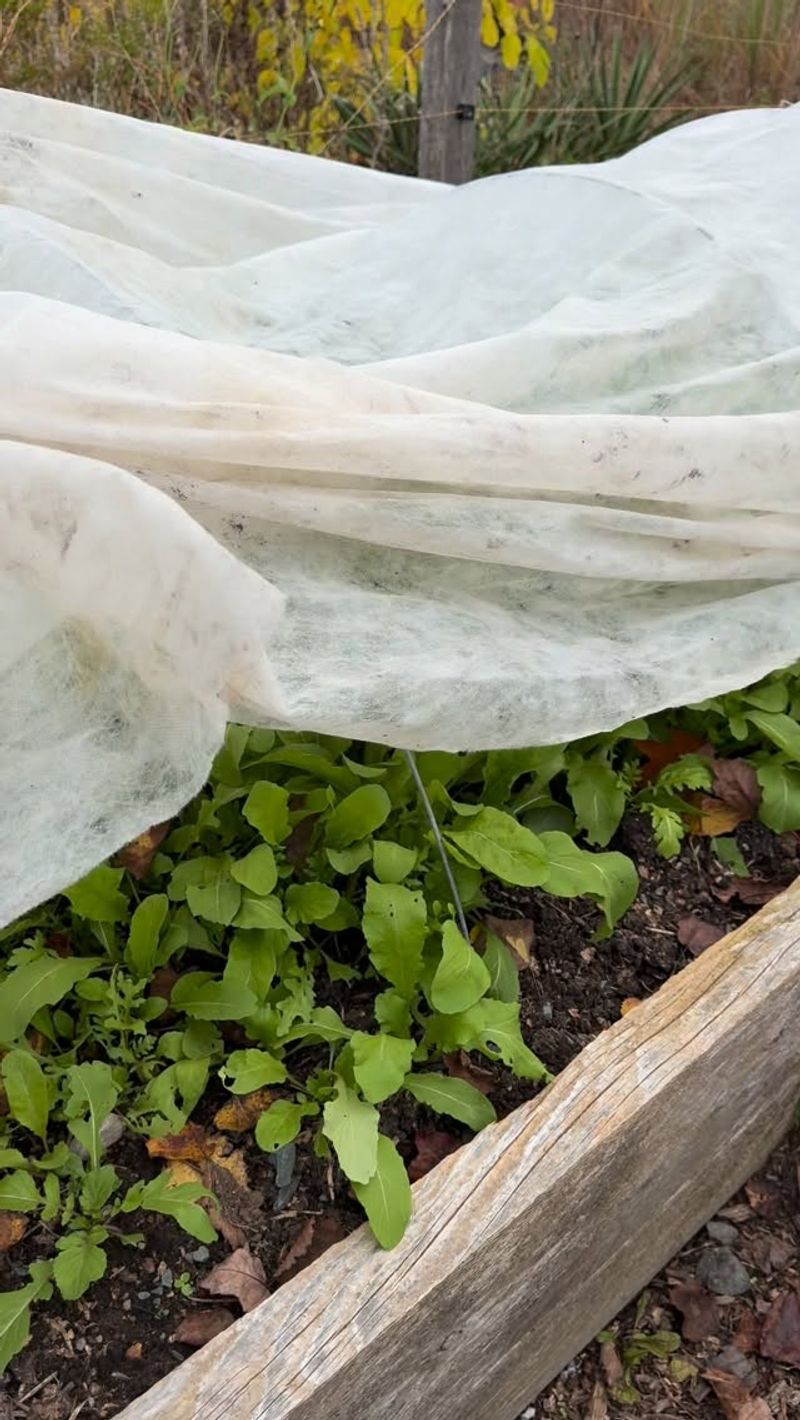
Many Michigan gardeners keep a stack of old sheets in the garage just for frosty October nights. They call them garden quilts, and they buy tomatoes extra time to ripen.
Start your rescue by watering the garden during the afternoon before a predicted frost rolls into town. Moist soil holds and releases more heat than dry soil, giving roots and lower leaves a cozier night.
Next, cover your plants before sunset, because the ground starts losing its stored warmth as daylight fades. Sheets, towels, cardboard boxes, and upside-down buckets all work well for small plants in a pinch.
Floating row cover, a lightweight white fabric sold at garden centers, can add several degrees of protection. Doubling it up on extra cold nights gives even more insulation without crushing the plants underneath.
Potted herbs and peppers have the easiest escape, since you can roll them into a garage or porch. Bring them back outside the next morning so they can soak up sunshine during the milder daytime hours.
Some gardeners place jugs of warm water beneath their covers, which slowly give off heat through the night. Old string lights with small bulbs can also help, though newer LED lights stay too cool to matter.
If a hard freeze of 28 degrees or lower is coming, covers may not be enough to save fragile crops. Pick everything worth eating that afternoon, including green tomatoes, small squash, and the last handfuls of basil.
Next Year’s Frost-Ready Garden Plan
A frosty October morning can teach you plenty about your own garden. Once the tender crops finish, take notes on what thrived, what struggled, and which spots chilled first.
Frosted plants should come out of the garden soon, since soggy leaves can invite mold and pests. Healthy stems can go into the compost pile, while any plants with spotted or diseased leaves belong in the trash.
Green tomatoes picked before frost can ripen indoors, wrapped loosely in newspaper and kept in a cool box. Check them every few days, and you might enjoy homegrown slices for several more weeks.
Next spring, look for tender crop varieties that mature quickly, often labeled with sixty to seventy days to harvest. Faster varieties give northern Michigan gardeners a better shot at full harvests before the October chill arrives.
Planting tender crops on the warmest, highest part of your yard can buy them some extra time. South-facing walls and fences soak up sunshine during the day and share that warmth with nearby beds.
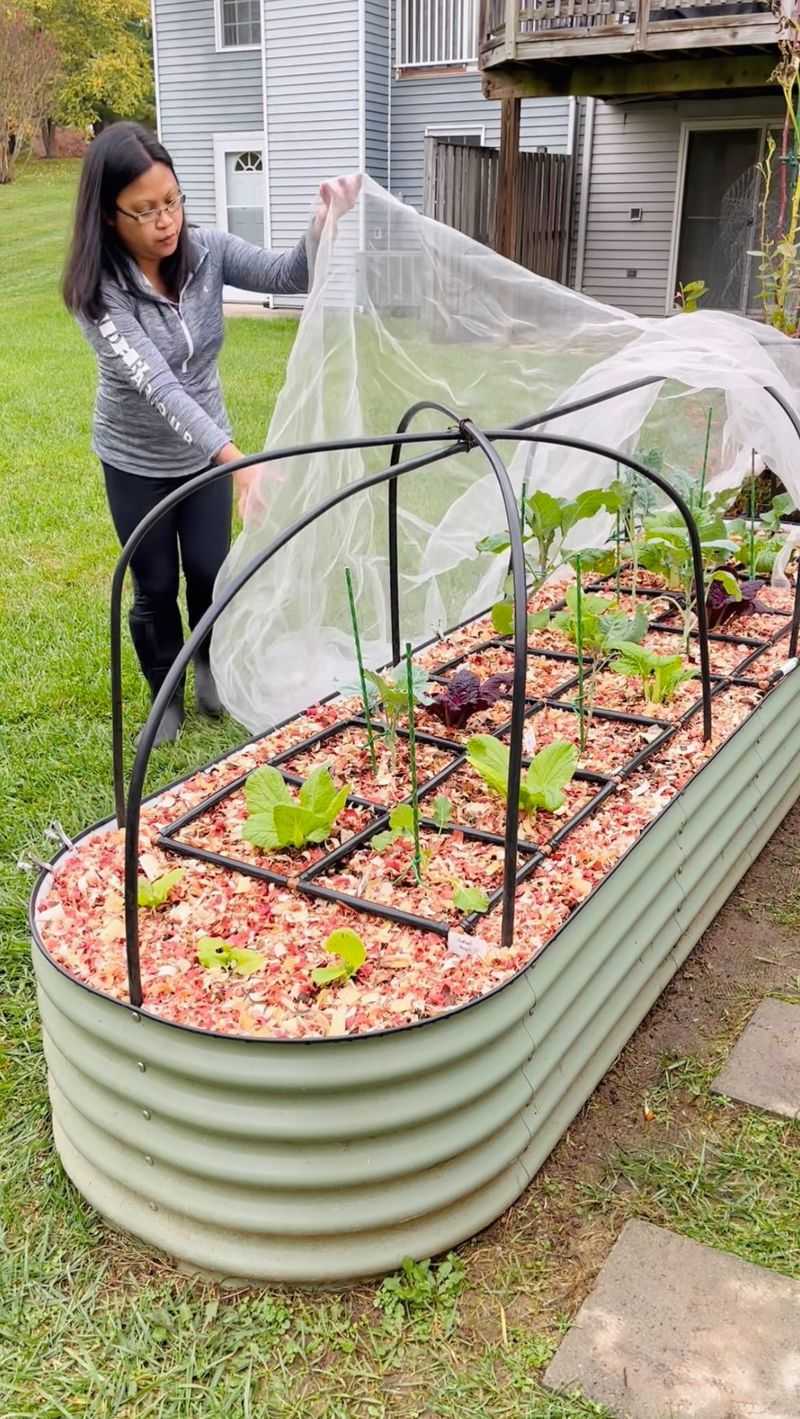
Consider building a simple hoop tunnel with bent PVC pipe and frost cloth before next fall arrives. Covers stay ready on the frame, so protecting plants on a chilly evening takes only a few minutes.
Fill empty beds this month with garlic cloves or a cover crop like winter rye to protect the soil. Your garden will rest under snow, and you will greet next season with smarter plans and healthier ground.