Why California Homeowners Keep Replacing These Popular Foundation Plants
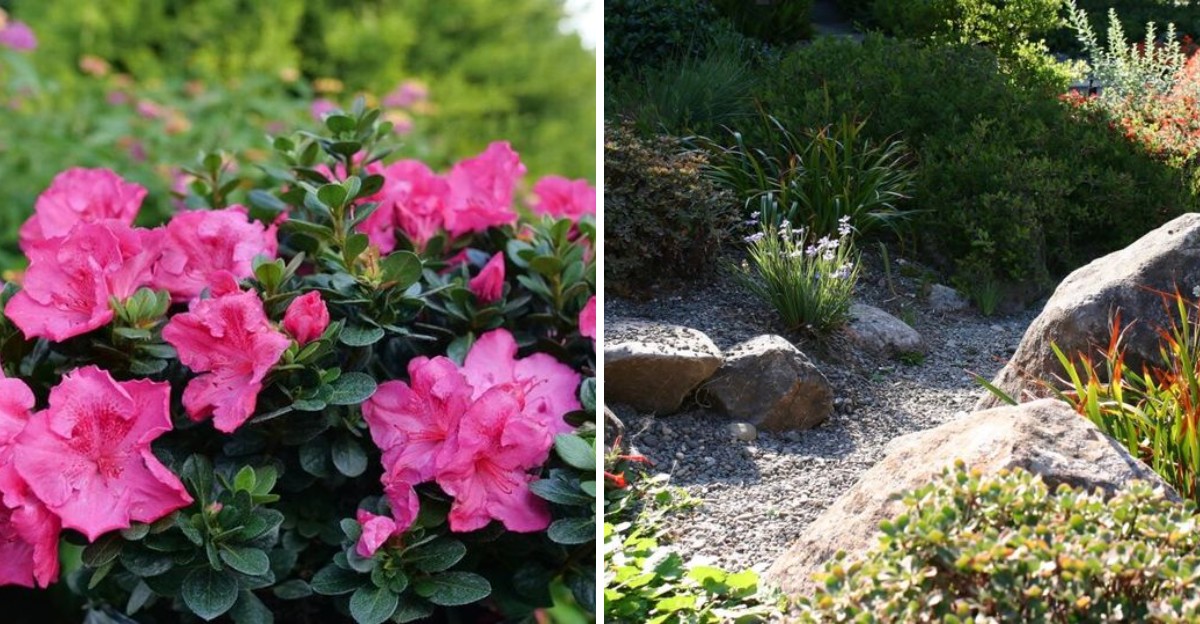
Some of the most familiar plants in California neighborhoods hug the walls of many homes. For decades, they offered a tidy, finished look with little effort.
More of them now head to the green waste bin. Saws come out, wheelbarrows fill up, and long-standing hedges disappear one weekend at a time.
Looks play a part, though the real reasons run deeper. Safety concerns, hidden moisture, uninvited critters, and rising water bills all add pressure.
The narrow strip beside a house matters more than most people realized.
Fortunately, the space left behind offers a fresh start. Smart replacements can look as polished while asking less in return.
Sometimes a garden grows better by letting go of what no longer fits.
Zone 0 Rules Target Woody Foundation Shrubs

A tape measure stretched about five feet out from a wall marks a small but important strip. Called Zone 0, or the ember-resistant zone, that band matters more than ever in fire country.
On August 19, 2026, the California Board of Forestry and Fire Protection approved final draft Zone 0 regulations. A final state review was still required before they take effect.
The approved approach divides the strip in two. A plant-free safety zone sits right against the house, with a width that matches the eave, so one-foot eaves mean a one-foot safety zone.
Farther out, limited, well-maintained vegetation may stay. Drafts described lawns and groundcovers kept under about three inches, plus small plants up to 18 inches grouped in patches about a foot square and spaced apart.
Existing trees can remain with proper upkeep. Woody shrubs, though, fall outside what the zone allows.
The rules apply in State Responsibility Areas and very high fire hazard severity zones. New construction must comply once the rules take effect, while existing homes phase in over roughly three to five years.
The narrow focus makes sense, since wind-blown embers cause many home losses by landing in dry plants and mulch beside walls.
Junipers, boxwood, privet, and dense evergreens sit right in that danger zone.
Mapping what grows near the walls makes a smart first step, followed by a gradual plan to swap woody plants. CAL FIRE and local fire agencies can confirm details for a specific property.
Junipers And Cypress Burn Hot And Fast
A tidy row of junipers hugging a stucco wall once seemed like the perfect low-care choice. They stay green, need little attention, and went into California neighborhoods by the thousands.
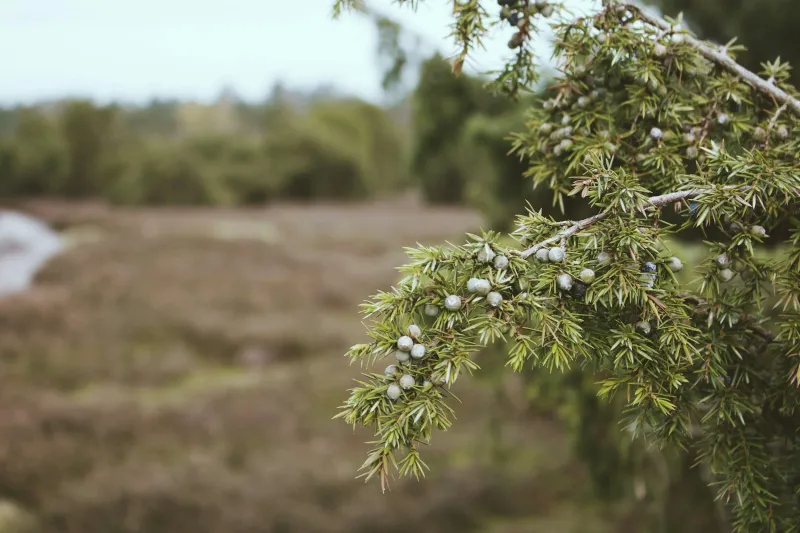
Unfortunately, they also rank among the worst plants to keep near a wall during fire season. CAL FIRE and UC fire guidance point out that junipers and cypress burn hot and fast.
Their needle-like leaves hold oils and resins that ignite easily. On top of that, older shrubs fill up inside with dry, brown twigs and fallen needles.
That hidden material acts like kindling packed inside a green shell. A single ember can light it, and flames can reach eaves, windows, and siding in moments.
Many people try trimming instead of removal. Pruning helps a little, but it rarely clears all the dry material deep inside.
Your California Garden Changes Every Week. Your Plan Should Too.
Gardening in California changes quickly throughout the season. Every Friday you’ll receive a simple weekly plan showing exactly what to plant, prune, fertilize, harvest, and protect so you never miss the right timing.
Junipers also regrow poorly from bare wood. Heavy cutting tends to leave unsightly brown patches.
Removing junipers and cypress from the first five feet offers the safer path. Cutting them at the base, then digging out or grinding the stump, clears the space.
Old needles and twigs underneath deserve raking, too, since that litter burns as well. A clean surface removes a hidden fuel source.
The evergreen look works better farther from the house, with plants spaced apart and given plenty of breathing room. Fall’s cooler weather makes removal work far more comfortable than summer heat.
Overgrown Hedges Block Windows And Vents
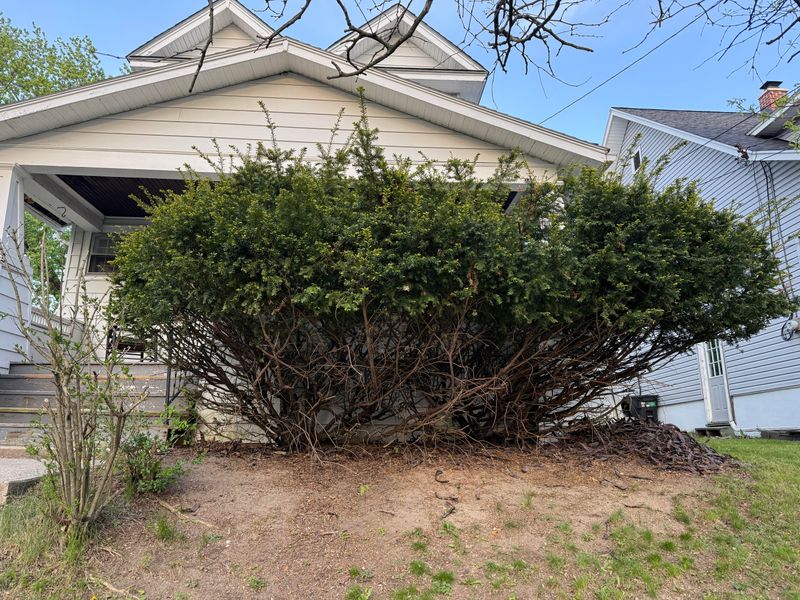
Ten years ago, that little shrub sat politely beneath the window. Now it peeks into the bedroom, scratches the glass, and hides the crawl space vent completely.
Plants rarely follow the size printed on a nursery tag.
Many foundation shrubs grow far larger than expected. Pittosporum, privet, photinia, and some hollies can reach 10 feet or more.
Homeowners end up trimming every few months just to keep the house visible. That constant chore wears thin quickly.
Blocked windows bring more than an eyesore. They cut daylight, hide break-ins from neighbors, and can slow an escape during an emergency.
Firefighters also need clear access to windows and walls. Overgrown shrubs make that access harder.
Vents suffer, too. Crawl space and attic vents need airflow to keep moisture down.
A thick shrub covering a foundation vent traps damp air that can lead to mold and wood rot.
Shrubs crowding dryer and furnace vents can also create a fire risk. Lint and heat combine poorly with dense foliage.
Walls take a beating as well. Branches rubbing siding wear paint, constant shade keeps stucco damp, roots can crowd pipes, and plants touching the house give pests a handy bridge.
Checking full grown size before planting anything new prevents repeat problems. Plants kept well below window sills and at least a foot clear of vents mean less shearing and more free weekends.
Dense Beds Trap Moisture And Pests
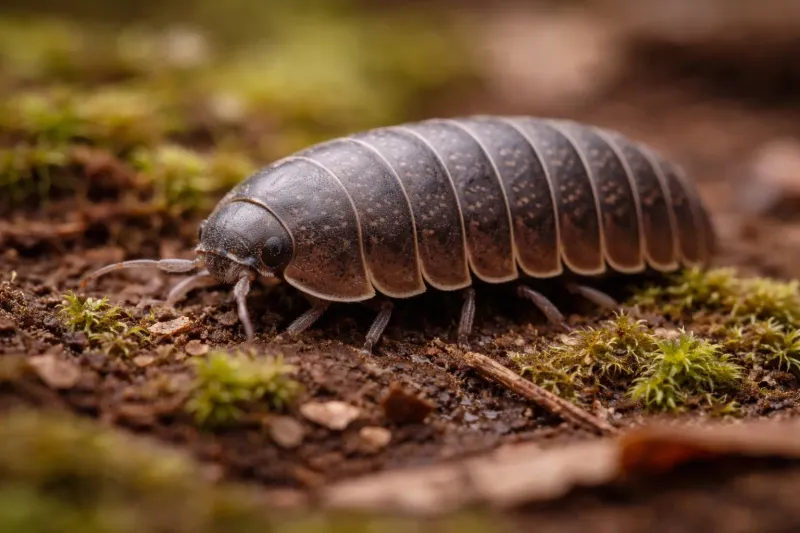
A thick shrub pulled back on a cool morning often reveals damp soil, soggy mulch, and a busy parade of ants. A packed planting bed beside a wall works like a cozy hotel for critters.
The UC Statewide IPM Program warns that plants and mulch touching a house can help pests get inside. Ants march along branches that brush the siding.
Cockroaches, earwigs, pill bugs, spiders, and rodents hide in the shade and leaf litter below. Each one finds shelter close to the walls.
Moisture plays a big part in the problem. Dense leaves block sun and air, so soil and walls stay wet longer after watering.
Wet wood near the ground attracts termites. Subterranean termites especially favor damp soil touching a foundation.
UC IPM suggests keeping plants trimmed away from walls and leaving a gap between greenery and the house. Mulch also does best kept back from the foundation, since it holds water and gives insects cover.
Sprinklers spraying directly onto siding or stucco add to the trouble. Redirecting them protects walls.
Rodents raise another worry. Roof rats and mice use thick shrubs as hidden highways, sometimes climbing straight to the roofline.
Thinning or removing those plants takes away shelter and travel routes.
A quick test helps. A wall base that can’t be seen signals a bed that’s too thick.
Opening it up so sunlight dries the soil usually means fewer pests.
Thirsty Plants Clash With Water Limits
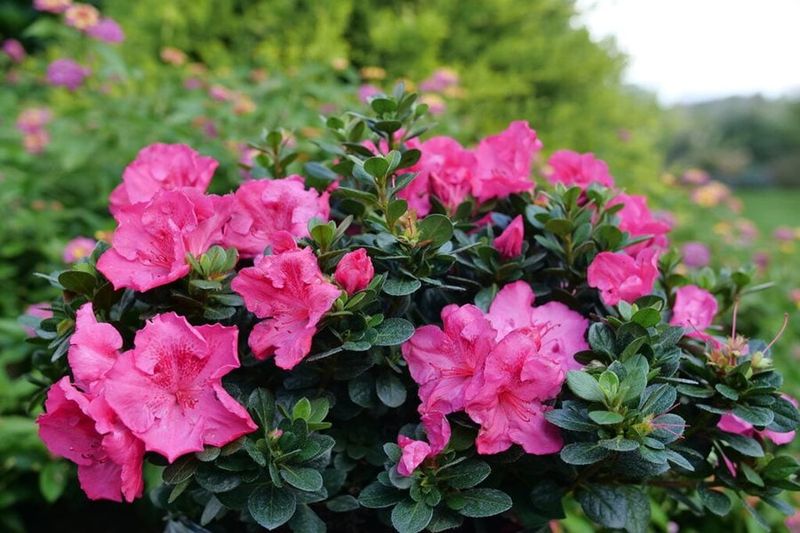
Azaleas, hydrangeas, and camellias look lovely in a magazine. In a hot inland California yard, though, they can gulp water at a startling pace.
Many classic foundation plants came from wetter climates. They expect steady rain, rich soil, and cool roots.
California summers run long and dry, so these plants need frequent watering just to stay green. Drought years make that especially tough.
Local water agencies often limit watering to certain days or times. Bills rise when supplies tighten, and a bed of thirsty shrubs can turn crispy and brown fast once watering gets cut back.
Overwatering near the house brings its own trouble. Extra water soaks the soil by the foundation, which may cause settling, damp walls, and pest issues.
Water running off onto sidewalks also wastes a precious resource. Many local rules prohibit that runoff.
UC ANR landscape experts recommend choosing plants matched to the local climate and grouping them by water needs.
The WUCOLS plant list rates how much water common landscape plants use in different California regions, making it a handy tool before buying anything.
Drip irrigation helps, too. Drip lines put water at the roots instead of spraying walls and windows.
Paired with low, water-wise plants, drip saves money and keeps gardens within watering limits. Both the water bill and the foundation benefit from the change.
Fall makes an ideal season to plant water-wise replacements.
Disease And Pests Wear Plants Down
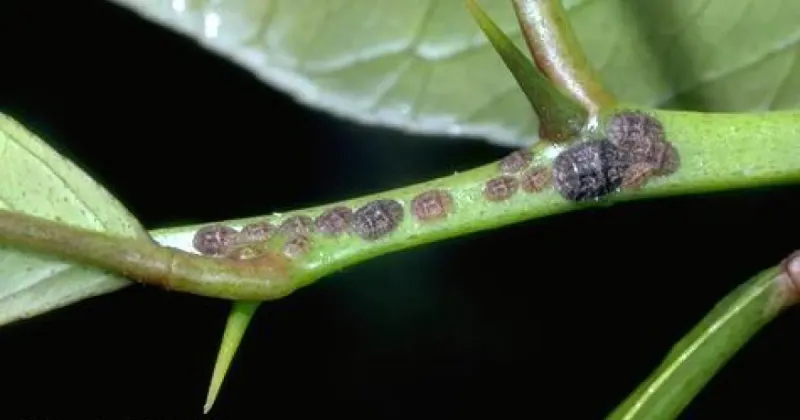
Spraying, pruning, and spraying again, only to watch yellow spots return, wears out plenty of homeowners. Fighting a sick shrub can start to feel like a part-time job with no pay.
Foundation plants live in a tough spot. Walls reflect heat, eaves block rain, and sprinklers keep leaves wet, so stressed plants become easier targets for insects and disease.
UC IPM describes many common problems in these settings. Root rot fungi, such as Phytophthora, attack plants in soggy soil.
Scale insects, aphids, and whiteflies suck sap and leave sticky honeydew, which grows black sooty mold. Spider mites thrive along dusty, hot walls.
Some shrubs carry special troubles. Indian hawthorn and photinia often develop leaf spot diseases, junipers can suffer twig blight, and boxwood may struggle with leafminers and root problems.
After years of decline, saving a plant may not justify the effort. Heavy chemical sprays near doors, windows, children, and pets raise concerns, too.
UC IPM encourages choosing resistant plants and fixing conditions like poor drainage first. Prevention beats constant treatment.
A simple plan works well. Plants that keep struggling come out, and soil drainage gets checked before anything new goes in.
Healthy, well-suited plants spaced for good air movement make the best replacements. Watering at the soil rather than on leaves, early in the day, keeps them thriving.
Plants in the right place need far less rescue work later.
Low Nonwoody Plants Replace Them
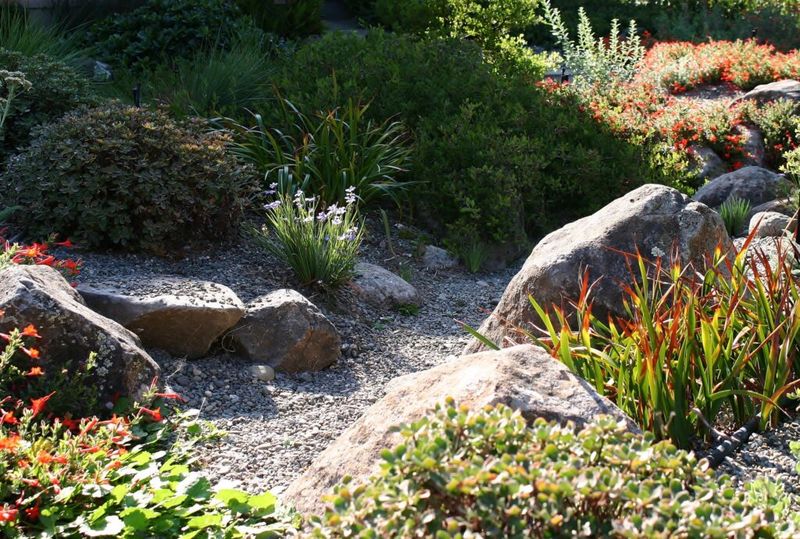
Once the hedges come out, the front of a house can suddenly look bare. Low, soft plants can fill that space with color while working within fire rules.
Nonwoody plants carry soft green stems rather than hard bark or twigs. Perennials, low groundcovers, and many small herbs fit that description.
Under the approved Zone 0 approach, the safety zone right against the wall stays free of plants. Farther out, drafts described groundcovers kept under about three inches and small plants up to 18 inches tall.
Those small plants work best grouped in patches about a foot square, with gaps between groups. Spacing of roughly one and a half times plant height helps keep flames from jumping between groups.
Moisture matters, too. Green, well-watered, low plants burn less readily than dry, woody shrubs.
Spent leaves and stems deserve regular removal, since dry plant debris can still catch embers. A tidy bed stays safer.
Many California gardeners choose low yarrow, small native perennials, and certain sedges or succulents kept short.
The UC ANR-supported WUCOLS list and local fire agencies can help identify plants suited to each area, and local nurseries can point out true low growers.
Drip irrigation keeps these plants healthy without soaking the wall. Bare soil visible between plant groups signals proper spacing.
Some perennials stretch taller than their labels promise. Cutting them back before they pass 18 inches keeps the bed low, lovely, and far less troublesome.