What It Means When California Orange Leaves Turn Sticky And Black In Early Fall
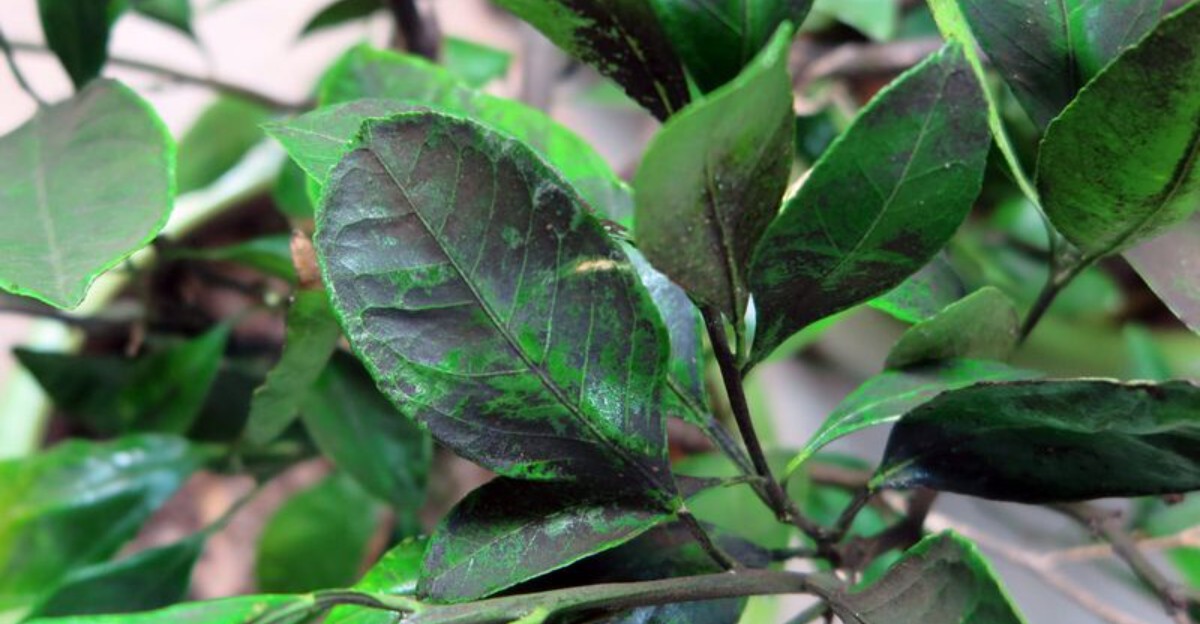
Picture reaching for a shiny leaf in your California backyard and finding it tacky, like a spilled soda. Your fingers come away gray, and you wonder if someone snuck in overnight with a charcoal grill.
The tree looks like it rolled through a chimney, yet the sky has been clear for weeks. No spilled paint explains it, and the neighbor swears their leaf blower has stayed in the garage.
Something small and sneaky is running a sugar business right on your branches, and business is booming. Tiny workers march up and down the trunk like commuters who forgot the weekend was invented.
This sticky mystery leaves clear clues, and most trees recover well. A little detective work in early October can turn your worry into a solid plan.
Until then, keep your favorite white shirt far from the trunk. The tree will win that argument, and the shirt will show it for a long time.
A Fungus Feeding On Insect Sugar
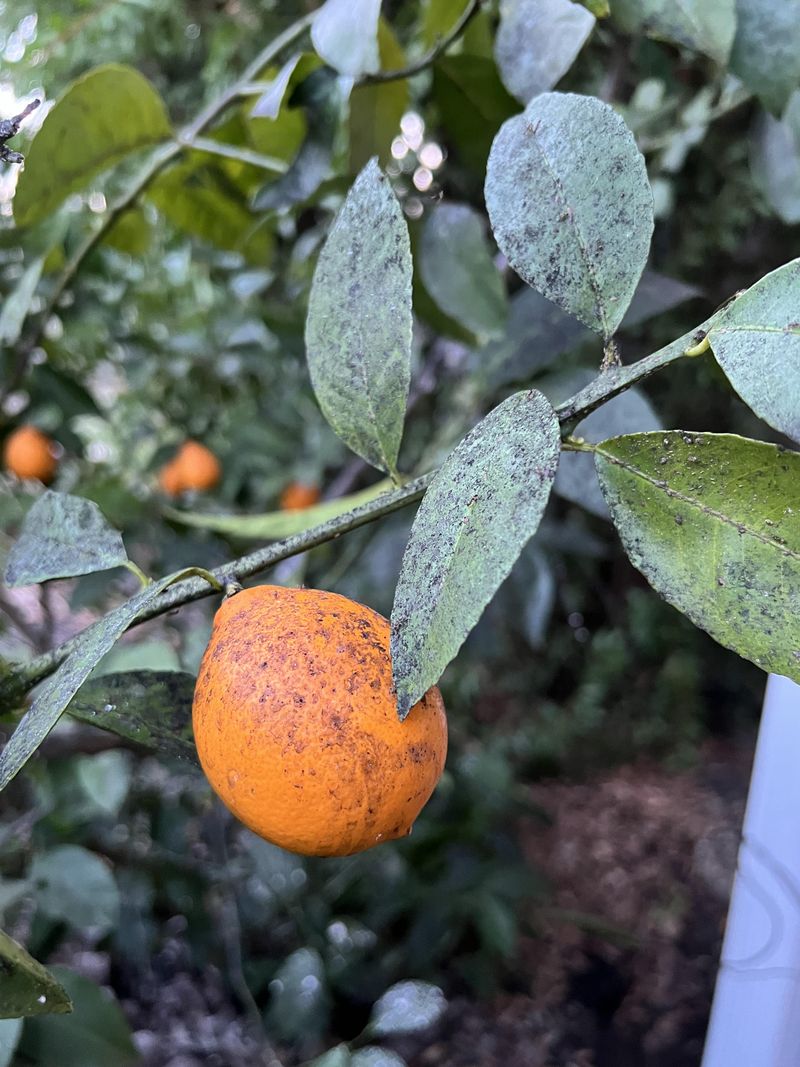
Black smudges on orange leaves usually come from a fungus called sooty mold, which grows on sugar. The sugar arrives as honeydew, a sticky liquid that certain sap-sucking insects drip from their back ends.
Soft scale, aphids, whiteflies, and mealybugs are the usual suspects on California citrus trees each year. They poke into leaves and stems, drink more sap than they need, and release the extra sugar.
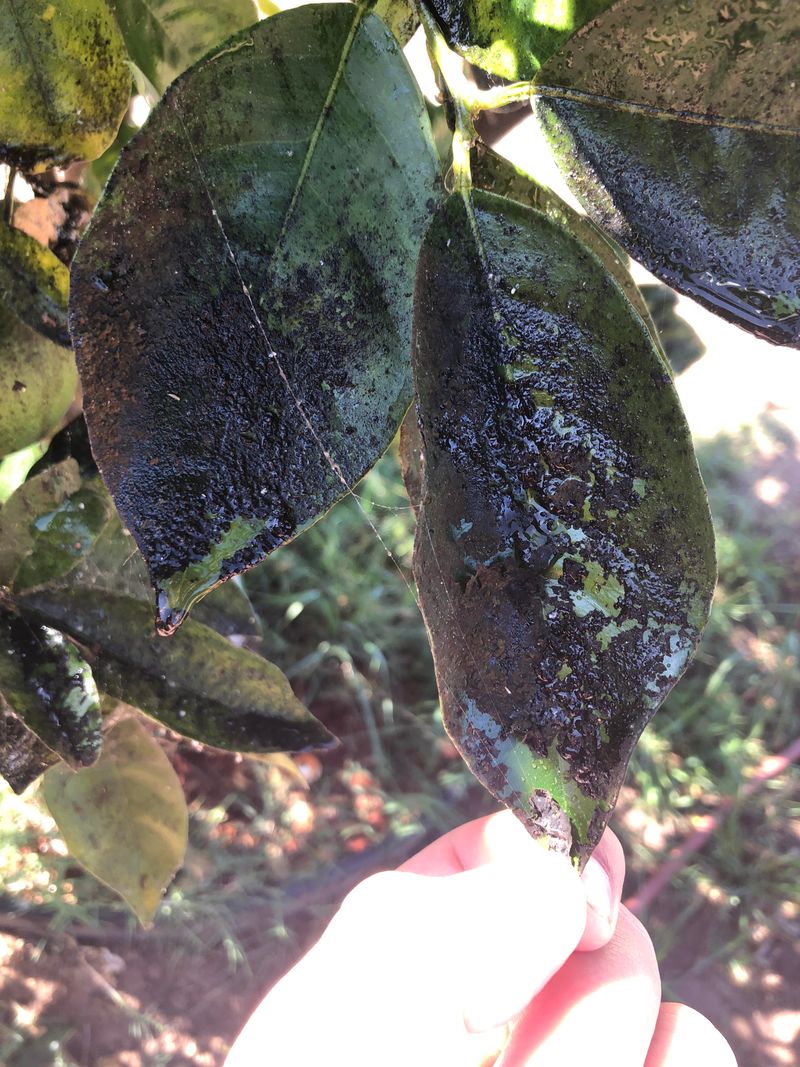
That honeydew rains down onto lower leaves, fruit, and even patio furniture sitting under the tree. Within days, dark mold spores land on the sweet film and start spreading like a fuzzy blanket.
Here is a fun fact that surprises many gardeners who spot the black coating for the first time. Sooty mold does not infect the leaf itself, since it simply sits on top like dust on a shelf.
Even so, the coating blocks sunlight, which means the leaf makes less food for the growing tree. A heavy layer can slow new growth and leave the whole canopy looking tired and dull by autumn.
To confirm the cause, flip a few leaves over and look closely along the veins and twigs. Scale looks like tiny brown bumps, aphids cluster on tender shoots, and whiteflies gather on the undersides of leaves.
Once you find the insects, you have found the real problem hiding behind all that black grime. The mold is just the messy sign, like crumbs on a counter pointing toward a hungry snacker.
Early Fall Timing In California Yards
Late September into early October often feels calm in California, but citrus trees can tell another story. Warm days linger, nights stay mild, and sap-feeding insects keep feasting long after the summer crowds leave.
Many pests build their numbers slowly through the hot months, so the honeydew piles up by fall. Soft brown scale and citricola scale have usually left plenty of honeydew behind by this point in inland valleys and coastal towns.
In Southern California, dry Santa Ana winds can also stress trees, and stressed trees often attract more hungry insects than healthy ones. Dusty leaves near roads or driveways give pests extra cover, since dust slows the helpful bugs that hunt them.
Your California Garden Changes Every Week. Your Plan Should Too.
Gardening in California changes quickly throughout the season. Every Friday you’ll receive a simple weekly plan showing exactly what to plant, prune, fertilize, harvest, and protect so you never miss the right timing.
Another reason for the fall timing is simple, because rain has been missing from the forecast for months. Without winter storms to rinse the canopy, sticky honeydew and black mold keep stacking up on the leaves.
Gardeners in Riverside, Fresno, and San Diego often notice the problem right as the fruit starts coloring. Navel oranges ripening for winter harvest can look grimy, which is frustrating when you hoped for glossy fruit.
The upside of early fall is that cooler temperatures make this a great window for careful treatment. Sprays are less likely to burn leaves once afternoon highs drop below the mid-eighties in your area.
Think of October as the tree’s checkup month, a chance to spot trouble before winter rains arrive. A quick look now can save you from a whole season of sticky car windshields and gray fingertips.
The Ant Problem Many Gardeners Overlook
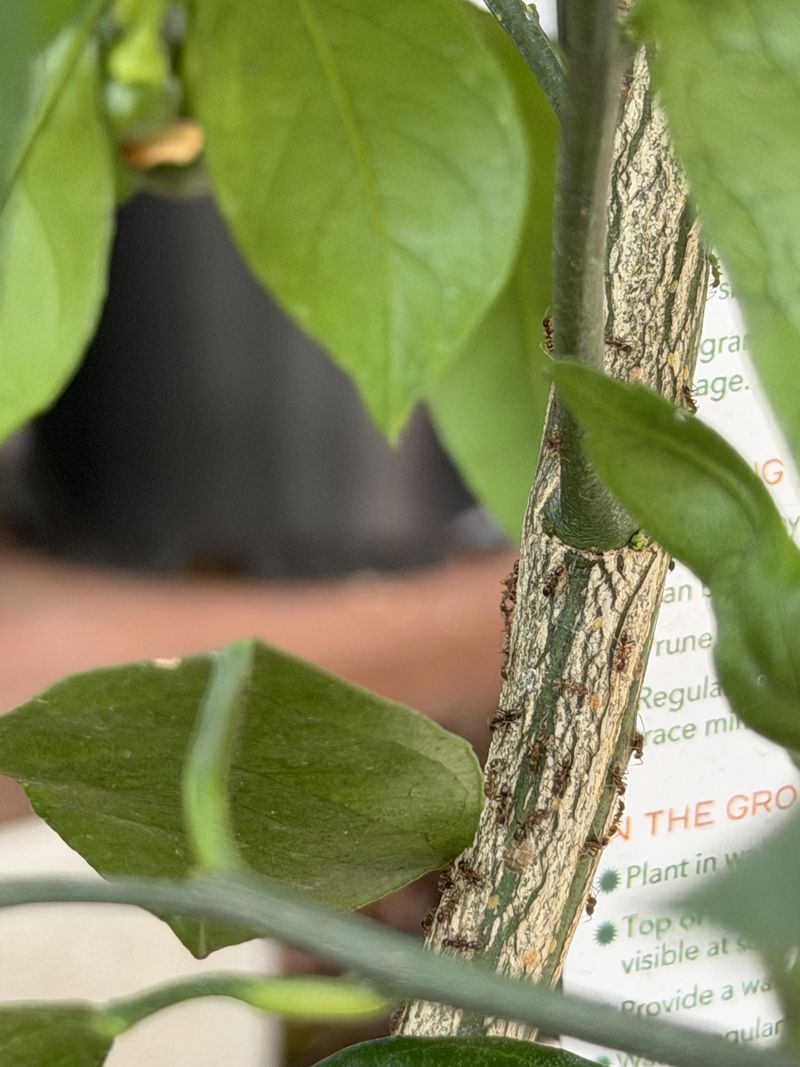
Ants are the sneaky farmers of the citrus world, and they treat honeydew insects like a herd of dairy cows. They guard the pests, move them to fresh leaves, and sip the sugary drops as a sweet reward.
Many gardeners scrub the black leaves or spray for scale while ignoring the ant trails running up the trunk. That common mistake lets the problem return fast, because the ants keep protecting whatever insects survive the treatment.
Argentine ants are the main troublemakers in California, and they form huge colonies that stretch across whole neighborhoods. These tiny brown ants chase away ladybugs and parasitic wasps that would otherwise eat or attack the scale.
Try this quick test on a sunny morning while your coffee cools on the porch rail beside you. Watch the trunk for a minute, and count how many ants march up in a steady little line.
If you see a busy highway, the ants need attention before any leaf cleaning will make a real difference. Wrap a band of tape around the trunk and coat it with a sticky ant barrier product.
Trim any branches touching fences, walls, or the ground, since ants use them as secret bridges into the canopy. Slow-acting ant baits placed near the trunk can also reduce colonies without spraying harsh chemicals on your fruit.
Once the ants lose access, natural predators can return and start snacking on scale and aphids again. It feels a bit like sending the bodyguards home, and pest numbers often drop over the following weeks.
Oil Sprays With A Gentle Rinse
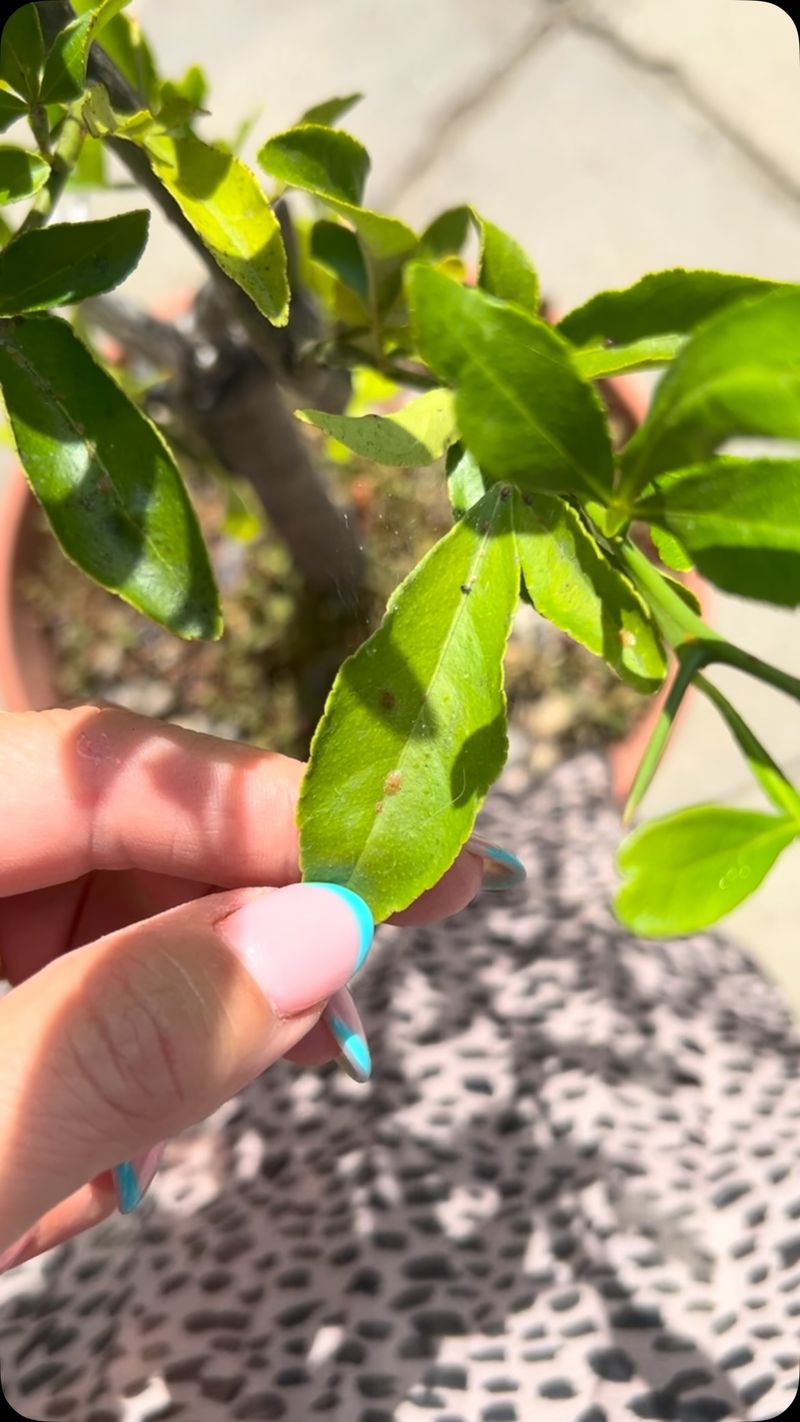
Horticultural oil is the gentle hero for many sticky citrus trees, and it works by smothering soft-bodied pests. Narrow-range oils made for fruit trees coat scale, aphids, and whiteflies, blocking the tiny holes they breathe through.
Early October is a smart time to spray, especially once afternoons cool down to the seventies or low eighties. Spray in the calm morning hours, and cover both sides of every leaf until the surfaces look evenly wet.
Water the tree deeply a day before treatment, because thirsty leaves are more likely to burn from oil. Read the label carefully, and skip spraying if the forecast shows a heat spike or strong, dry winds.
Insecticidal soap is another mild choice, though it mostly works on insects it touches directly during the spray. Follow-up treatments two or three weeks later often catch young scale crawlers that hatched after the first round.
After the pests are under control, the black mold still needs a little help sliding off the leaves for good. A strong spray from the garden hose loosens the grime, and a mild soap solution can help on stubborn spots.
Once the honeydew stops, the dried mold tends to flake away as the leaves weather and new growth comes in. Wind and the first winter rains will finish the job, rinsing off most leftover flakes over the next months.
Patience matters here, because leaves heavily coated in black may take a while before they look glossy again. Stick with the plan, and your tree should show brighter leaves in the months ahead.
Fruit Quality After The Black Coating Fades
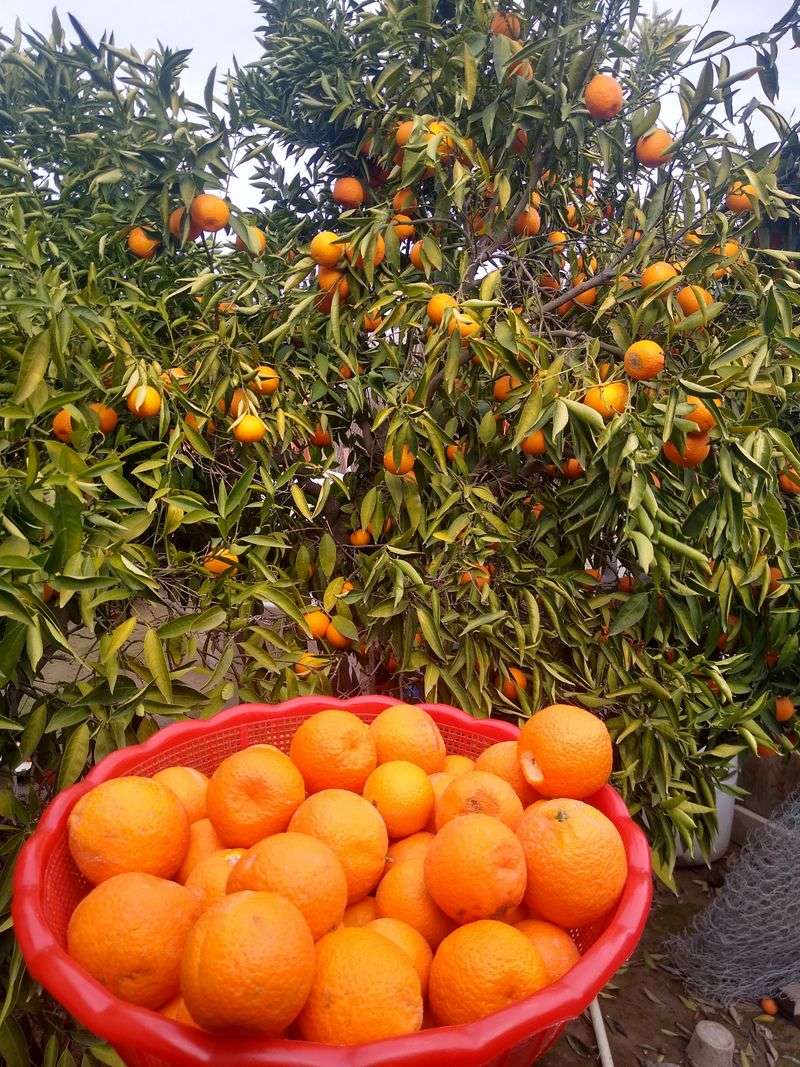
Most oranges come through sooty mold with only cosmetic damage, even when the coating looks alarming. The fruit inside is usually still juicy and sweet, even when the peel looks dark and grimy.
Washing the oranges in warm, soapy water usually removes the coating within a minute with a soft kitchen sponge. Rinse them well, dry them with a towel, and they are ready for lunch boxes or fresh juice.
Heavy infestations are a different story, since weeks of blocked sunlight can reduce fruit size. Trees that struggle for a long time may drop leaves early or produce smaller crops the following year.
Young trees feel the stress more than older ones, because they have fewer leaves to spare for making food. Keep a closer eye on any orange tree planted within the last three years, especially in hot inland areas.
Recovery begins as soon as the insects are managed, since new leaves grow in clean and bright green. Old coated leaves slowly shed their grime or fall naturally, making room for healthier growth next spring.
Steady deep watering through the dry autumn weeks supports that comeback far better than heavy doses of fertilizer. Too much nitrogen pushes soft new shoots, and those tender tips are exactly what aphids love to eat.
Many backyard growers find their trees looking fresh again by midwinter, with shiny leaves and bright orange fruit. The black phase feels dramatic, but it is usually more of a bad hair day than a disaster.
Year-Round Habits For Cleaner Citrus Leaves
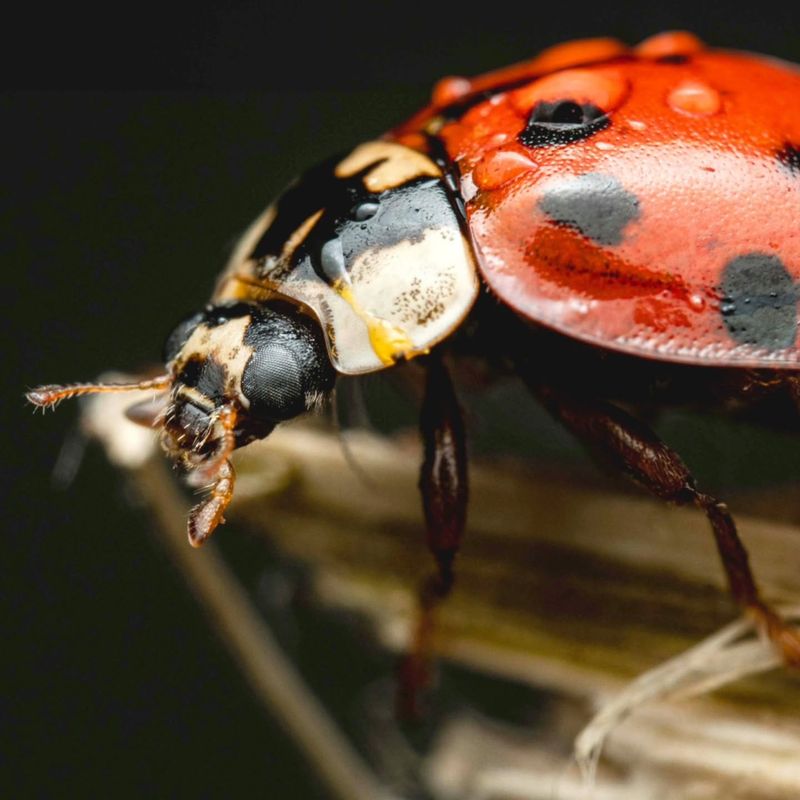
Prevention starts with a simple habit that takes about five minutes a week, plus a curious pair of eyes. Walk around your orange tree, flip a handful of leaves, and check the undersides for bumps or clusters.
A small magnifying glass makes the job more fun, and kids often love hunting for tiny scale insects. Catching a few pests early is far easier than dealing with a sticky canopy covered in black mold later.
Keep ant barriers fresh on the trunk year-round, because Argentine ants return quickly whenever the sticky band dries out. Check the band every few weeks, and scrape off dust or leaves that let ants sneak across it.
Beneficial insects are your free pest control crew, so skip broad sprays that harm ladybugs, lacewings, and tiny wasps. Planting sweet alyssum or yarrow nearby gives these helpers nectar to sip between their busy hunting trips.
Rinse dusty leaves with the hose once a month during dry weather, especially if your tree sits near a road. Clean leaves let predators move freely, and they also help the tree soak up more autumn sunshine.
Water deeply and on a steady schedule, because stressed, thirsty trees tend to attract more sap-feeding pests than well-watered ones. A few inches of mulch, kept back from the trunk, keeps roots cool and holds moisture through the warm fall afternoons.
Light pruning after harvest opens the canopy, letting air and sunlight reach the inner branches where pests hide. With these small routines in place, your orange tree can stay glossy, green, and pleasantly unsticky to touch.