Why California Hummingbirds Suddenly Stop Visiting Feeders In Fall
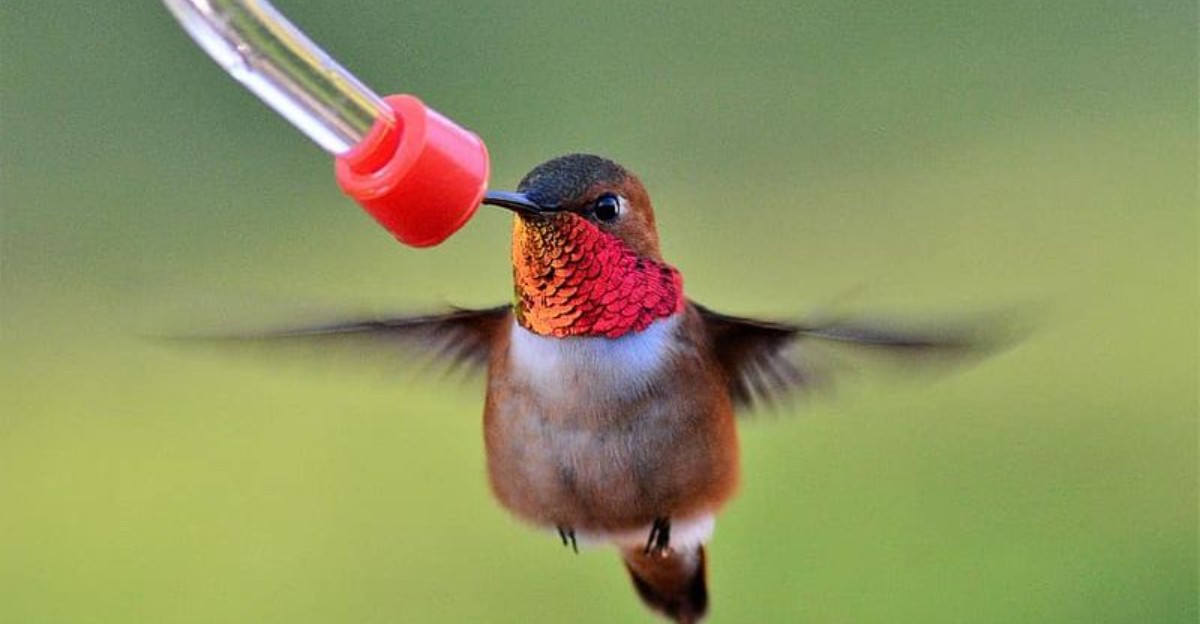
One day your California hummingbird feeder is buzzing with activity, and the next it seems completely forgotten.
That sudden drop in visitors can be confusing, especially if you have been keeping the feeder clean and the nectar fresh. But a quiet feeder does not necessarily mean you have done anything wrong.
Hummingbird activity can shift as the seasons change, and birds may have new priorities competing for their attention.
Natural food sources, territorial behavior, migration patterns, weather, and changes in your yard can all influence how often they stop by. Some hummingbirds may also move through your area without relying on feeders as much as they did earlier in the year.
Before you take the feeder down or start changing your setup, it helps to understand what could be happening behind the scenes.
A temporary lull may be perfectly normal, or it could reveal something worth checking around your garden.
1. Natural Flowers May Be Offering More Food
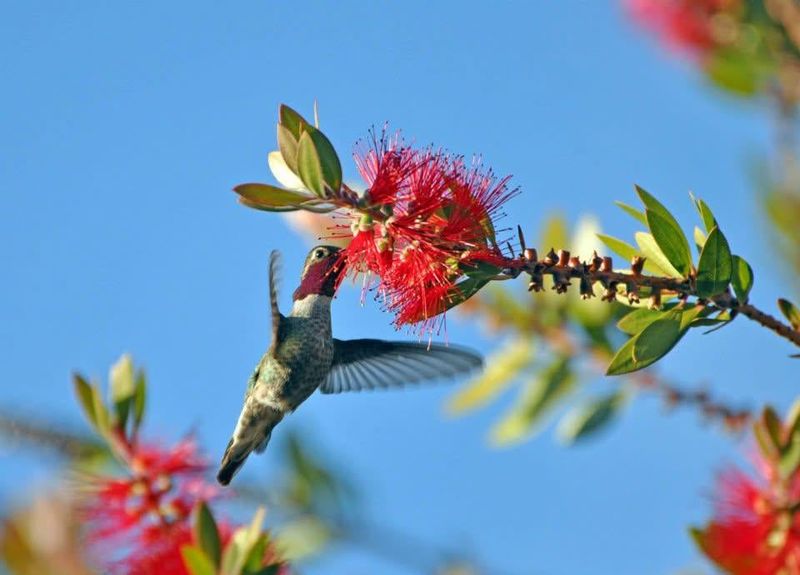
Fall in California brings a surprising burst of blooms in many areas. Late-season flowers like sages, fuchsias, and native shrubs open up and offer fresh nectar.
Hummingbirds naturally prefer real flowers when they can find them. Blossoms give them not just sugar but tiny insects and pollen too. That extra protein helps keep them strong.
When gardens and wild spaces are full of blooms, your feeder simply becomes less exciting. The birds have plenty of natural choices nearby. It does not mean they left for good.
You can turn this into a win by planting hummingbird-friendly flowers yourself. Add plants like California fuchsia, salvia, or penstemon around your yard. These blooms attract birds and make your feeder part of a bigger buffet.
Keep your feeder clean and full anyway, since flowers do not last forever. Once blooms fade later in the season, birds often return to feeders for a steady meal.
Try placing your feeder near flowering plants. Hummingbirds visiting the blooms may spot it and take a sip. The two food sources work together nicely.
Rather than feeling ignored, think of it as your yard doing its job. A healthy landscape means the birds are well fed. That is something to celebrate, and they will remember your yard.
2. Some Hummingbirds Move Through During Migration
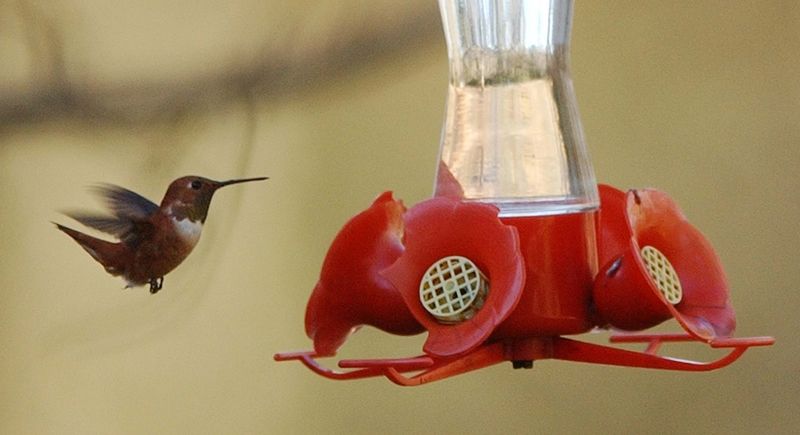
Not every hummingbird sticks around all year. Certain species, like the Rufous hummingbird, pass through California on long migration trips each fall.
These travelers stop briefly to refuel, then continue heading south. So the birds you saw all summer might simply be moving on to warmer spots.
Anna’s hummingbirds, on the other hand, often stay in California year-round. That means your feeder may still get visitors even after the migrants leave.
The change you notice could be a shift in which species are around. Summer crowds thin out as travelers depart and local birds settle into quieter routines.
Keep your feeder up during migration season. Passing hummingbirds count on reliable food sources to power their journey. Your yard could be a lifesaver stop.
Your California Garden Changes Every Week. Your Plan Should Too.
Gardening in California changes quickly throughout the season. Every Friday you’ll receive a simple weekly plan showing exactly what to plant, prune, fertilize, harvest, and protect so you never miss the right timing.
Some people worry that leaving feeders out keeps birds from migrating. That is a myth. Hummingbirds follow the daylight and their instincts, not your feeder.
Fresh nectar during fall gives migrating birds the energy they need. A well-stocked feeder helps them travel safely and quickly.
Watch closely and you might spot new faces you did not see in summer. Migration can bring exciting visitors just passing by.
Enjoy the mix of guests, knowing your feeder plays a small but real role in their big adventure across the map.
3. Cooler Weather Can Change Their Feeding Patterns
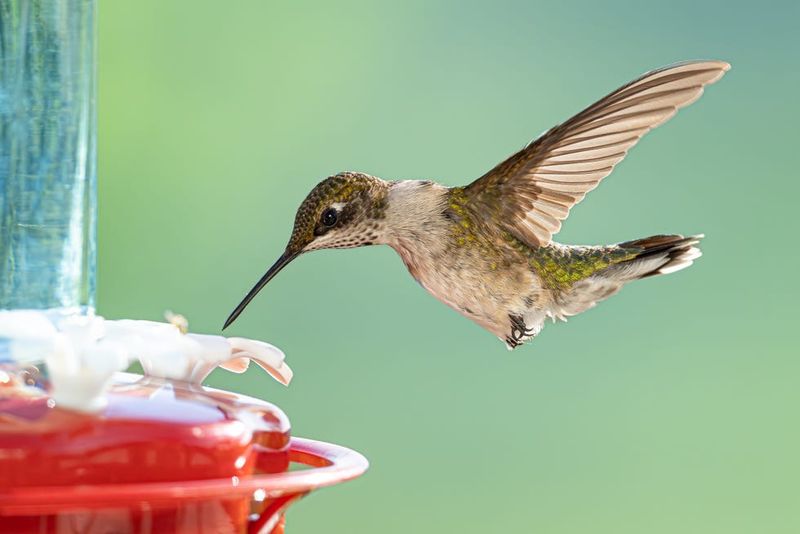
As temperatures drop in fall, hummingbird behavior shifts in interesting ways. Cooler mornings mean birds may feed at different times than they did in summer.
On chilly days, hummingbirds often wait until the air warms up before flying around. You might see them later in the morning instead of at sunrise.
Cold nights push these tiny birds into a special resting state called torpor. They slow their heartbeat and save energy to stay warm.
Because of this, their feeding schedule can look uneven. They may visit heavily at certain hours and skip others completely.
Try checking your feeder around midday when it is warmer. That is often when hungry birds come out to eat and rebuild their energy.
Cold weather can also thicken your nectar or even freeze it in some areas. Frozen or slushy nectar keeps birds from drinking properly.
In colder spots, bring the feeder inside overnight or use a small warmer designed for feeders. Fresh, liquid nectar stays inviting.
Do not panic if visits seem rare on frosty days. The birds are simply adjusting to survive the cool stretch.
Once afternoons warm up, watch for busy activity. Hummingbirds pack in extra feeding to prepare for another cold night ahead, so patience really pays off here.
4. A Dirty Feeder Can Make Birds Stay Away
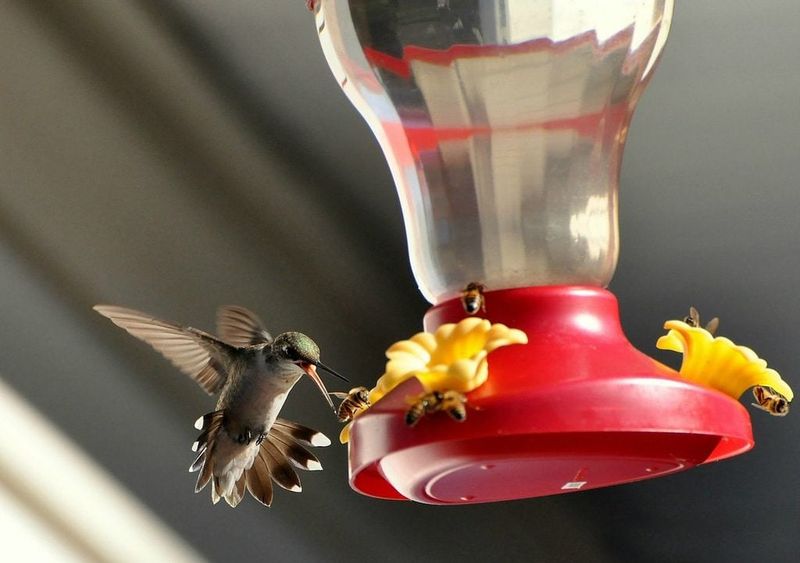
Hummingbirds are surprisingly picky about cleanliness. A grimy feeder with black mold or sticky buildup will send them looking elsewhere fast.
Warm summer months and leftover residue create the perfect place for mold to grow. Even a little bit can make birds avoid the feeder.
Cloudy nectar, dark spots, or a sour smell are all warning signs. If you notice these, it is time for a good scrub.
Clean your feeder every few days in warm weather and at least weekly when it cools down. Use hot water and a bottle brush.
Skip the soap if you can, since residue may linger. A mix of water and a little white vinegar works well and rinses clean.
Pay extra attention to the tiny feeding ports. Mold loves to hide there, and birds put their beaks right into those spots.
Let the feeder dry fully before refilling. A clean, fresh setup is far more welcoming to picky little visitors.
If ants or bees have taken over, clean thoroughly and consider a moat or bee guard. Pests can chase hummingbirds off too.
Making cleaning a regular habit keeps your yard safe and busy. Healthy birds return to feeders they can trust, and clean nectar keeps them coming back.
5. Old Nectar Can Become A Problem Quickly
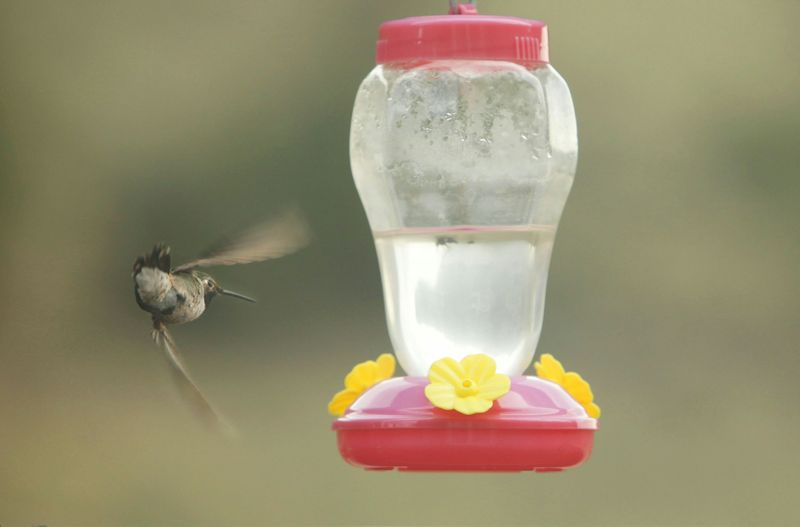
Nectar does not stay fresh very long, especially in California’s warm fall days. Sugar water can spoil in just a couple of days when it is hot.
Spoiled nectar turns cloudy and starts to ferment. Hummingbirds can taste the difference and will refuse to drink it.
Fermented sugar water is not safe for birds. It can upset their tiny bodies, so they wisely stay away from it.
Change your nectar every two to three days in warm weather. When it cools off, you can stretch it a bit longer.
Make your own nectar with one part white sugar to four parts water. Skip red dye, honey, and artificial sweeteners completely.
Boiling the water first helps the sugar dissolve and slows spoiling. Let it cool before filling the feeder.
Only fill the feeder with what the birds will drink in a few days. Less waste means fresher food every time.
Store extra nectar in the fridge for up to a week. Fresh batches keep your feeder tasting great.
If you smell something sour or see bubbles, dump it right away and rinse well. Never top off old nectar with new.
Fresh, clean sugar water is one of the easiest ways to keep hummingbirds happy and visiting your yard all season long.
6. Nearby Predators Can Make A Feeder Less Appealing
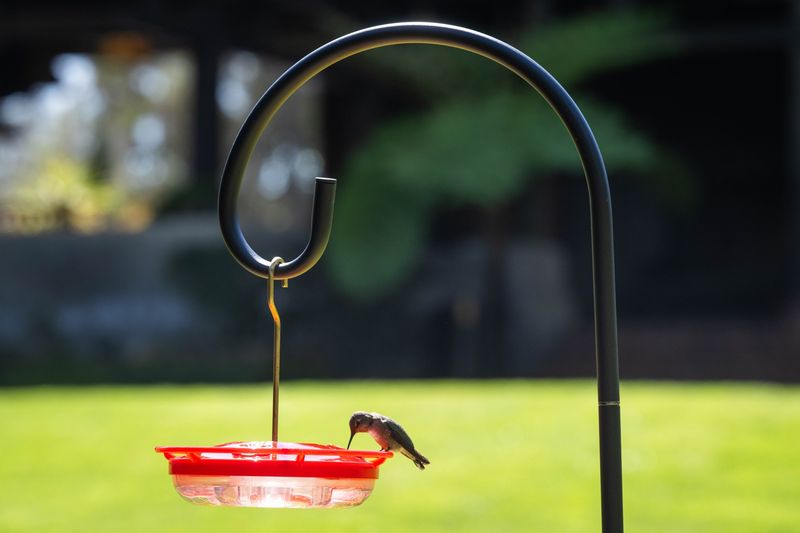
Tiny hummingbirds have to watch out for danger everywhere. If a predator hangs around your feeder, the birds will simply stop coming.
Outdoor cats are one of the biggest worries. Even a cat lounging nearby can scare hummingbirds off for good.
Larger birds like hawks and jays can also frighten them. Praying mantises and spiders sometimes lurk right on feeders too.
Look around your feeder for hiding spots where trouble could wait. Thick bushes right below can hide a sneaky cat.
Move your feeder to a more open area where birds can see clearly. Hummingbirds feel safer with a good view of their surroundings.
Place it high enough that cats cannot leap up to it. A spot near a window works well and gives you a view too.
Keep pets indoors during peak feeding times if you can. Fewer threats mean more relaxed, frequent visits.
Check the feeder itself for spiders or mantises and gently remove them. These hunters wait for tiny meals to arrive.
Adding a nearby perch or thin branch lets birds rest and scan for danger. Feeling safe encourages them to linger.
Once the birds sense the area is secure again, they usually return within days. Safety brings back the buzz you missed.
7. Territorial Birds May Chase Others Away
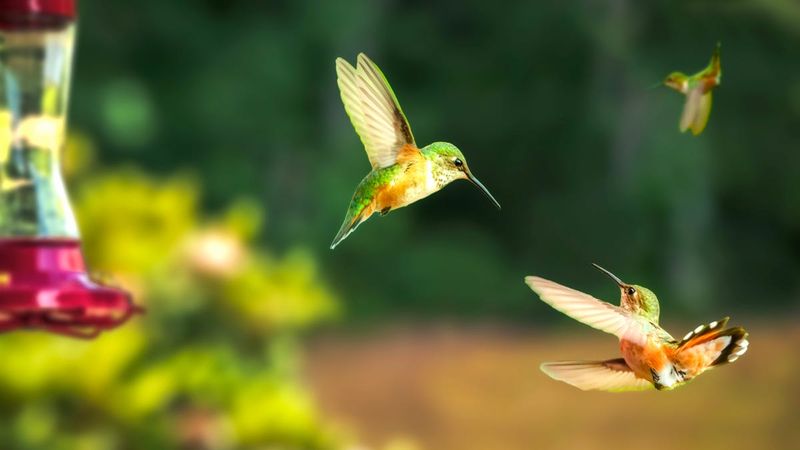
Hummingbirds might be small, but they can be real bullies. One bossy bird often claims a feeder as its own private treasure.
These territorial birds guard their spot fiercely. They chase away any others who dare to come close for a drink.
If a single hummingbird takes over, you may see fewer visitors overall. The guard scares off the rest of the crowd.
Anna’s hummingbirds are especially known for defending feeders. One determined bird can rule an entire yard.
The fix is pretty simple. Set up more than one feeder in different spots around your yard.
Place the feeders out of sight from each other, maybe around corners or on opposite sides. One bird cannot guard them all.
Spreading out food means more birds get a fair chance to eat. Suddenly your yard fills up with activity again.
Watch the fun as different birds claim different feeders. The chasing calms down when everyone has a place.
You might even enjoy the aerial shows as they zip around. Their bold personalities make backyard watching exciting.
More feeders also help during migration when crowds grow larger. Extra stations keep the peace among hungry travelers.
A little planning turns a one-bird feeder into a busy hangout for many happy hummingbirds all season.
8. Construction Or Yard Changes Can Disrupt Their Routine
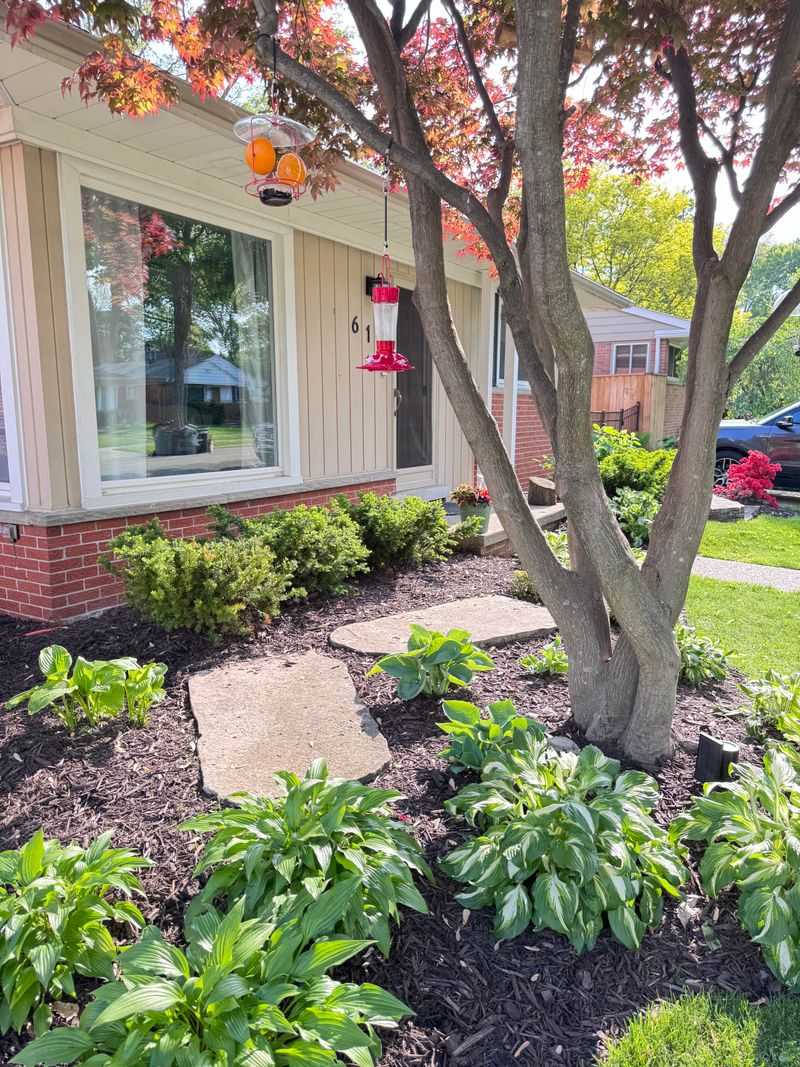
Hummingbirds are creatures of habit. When their surroundings change, they can get confused and stop visiting.
Noisy construction nearby often unsettles them. Loud machines and busy workers make the area feel unsafe.
Even small yard changes matter to these sensitive birds. Trimming trees or moving plants can throw off their routine.
If you moved your feeder to a new spot, the birds might need time to find it again. They remember old locations well.
Try keeping your feeder in the same place as long as you can. Consistency helps hummingbirds feel comfortable.
When you must move it, do so in small steps. Shift it a little at a time so the birds can follow.
Removing a favorite perch or shady branch can also matter. Hummingbirds like resting spots near their food.
Add back some cover with a potted plant or hanging basket. Familiar greenery makes the space inviting once more.
If construction is temporary, be patient. Birds often return once the noise and activity settle down.
Keep the feeder clean and full during the quiet period. A ready meal welcomes them back the moment they feel safe.
Little bits of stability go a long way. Once things calm down, your loyal hummingbirds usually find their way home again.