The One California Pesticide Habit That Makes Garden Pest Problems Worse Every Season
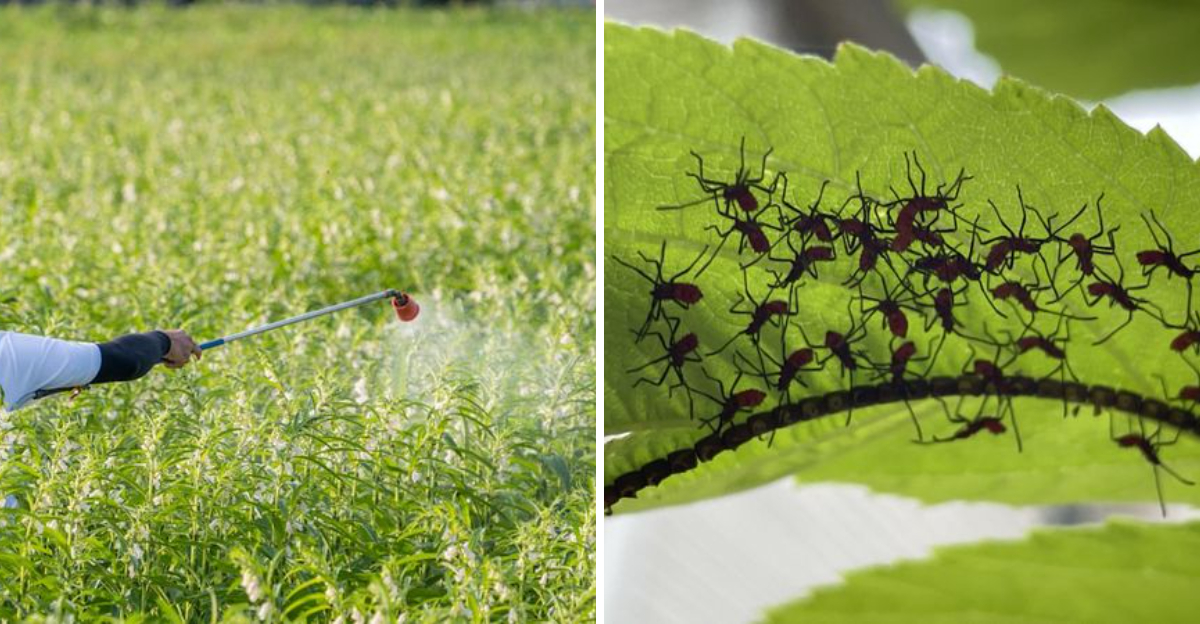
The sprayer comes out, the plants get treated, and the garden looks cared for.
The problem is not the effort. It is the timing, and one habit in particular quietly turns a manageable pest situation into a recurring problem that gets harder to solve every season.
Researchers at UC IPM and UC ANR have studied this pattern closely, and what they found is counterintuitive enough to stop most gardeners mid-spray.
When plants get treated on a fixed schedule regardless of what is actually out there, the insects that were doing the real pest control work disappear first.
Parasitic wasps, lacewings, and lady beetles vanish. The pests they were managing bounce back faster than before, now with less competition and fewer natural checks on their population.
Resistant populations build. Pollinators start avoiding treated flowers. The cycle repeats itself every season and gradually gets worse.
The fix is simpler than many people expect, and it starts with watching the garden before reaching for anything.
Spraying By Calendar Starts The Cycle

Almost every spring, the same routine kicks in across California yards.
The weather warms up, the sprayer comes out, and plants get treated right on schedule whether or not a single pest has shown up yet.
This is calendar spraying, and it is one of the most consistently documented mistakes in home pest management.
Calendar spraying means treating plants on fixed dates based on habit or last season’s problems, not on what is actually observable in the garden right now.
It feels productive. It feels preventive. But it skips the most important step in any solid pest management approach: confirming whether a pest problem actually exists before taking action.
UC IPM guidance is direct on this point. Effective pest control starts with monitoring and accurate identification.
Spraying without that foundation is treating a problem that may not be present while creating conditions for a real one to develop.
In California, pest pressure varies significantly depending on region, microclimate, and the specific plants in a given garden.
A spray schedule built around last year’s situation may have nothing to do with what is happening this season.
Timing compounds the damage.
Applying a broad-spectrum pesticide in early spring, when beneficial insect populations are just beginning to build, can set off a chain reaction that disrupts garden balance for the entire growing season.
The cycle does not begin with pests. It begins the moment a sprayer comes out before anyone has looked closely enough to know whether it should.
Beneficial Insects Disappear First
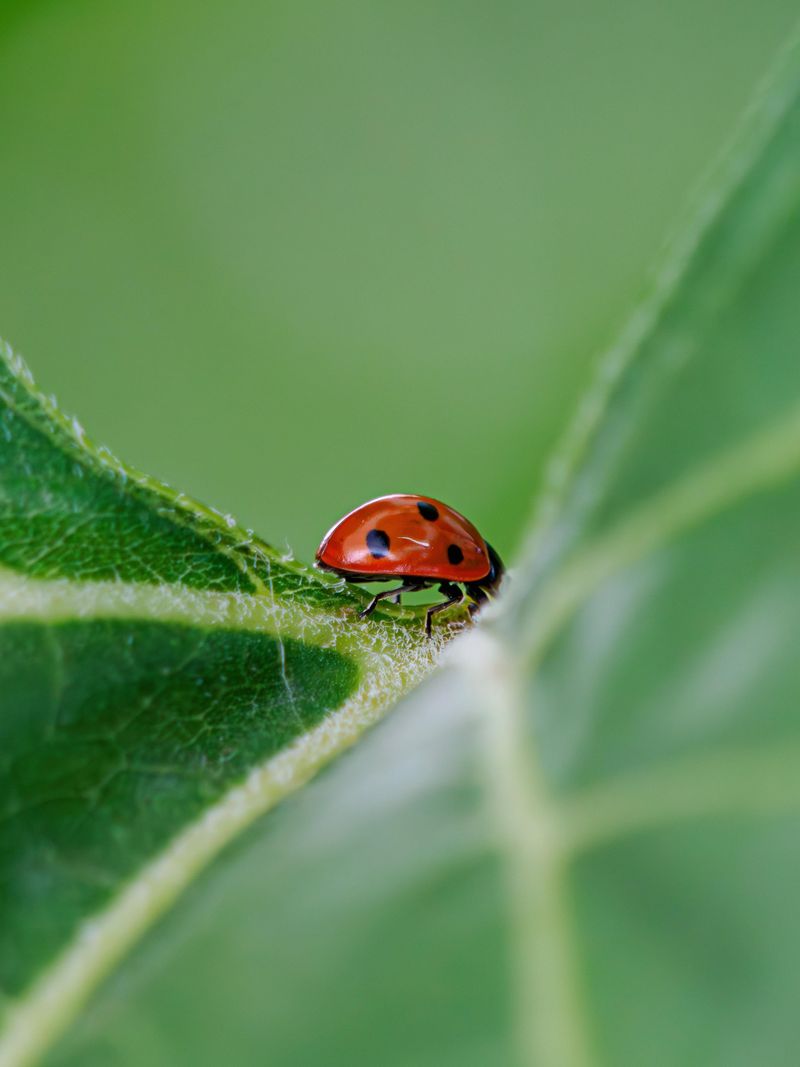
Here is the part of the calendar spraying story that most gardeners never see coming: The insects that get removed first are not the pests. They are the ones keeping the pests in check.
Parasitic wasps, lacewings, predatory beetles, and lady beetles are among the most effective natural pest managers in a California garden.
They are also among the most sensitive to broad-spectrum pesticides. These beneficial insects tend to have smaller populations, slower reproduction rates, and more exposure to treated surfaces than the pest species they prey on.
Your California Garden Changes Every Week. Your Plan Should Too.
Gardening in California changes quickly throughout the season. Every Friday you’ll receive a simple weekly plan showing exactly what to plant, prune, fertilize, harvest, and protect so you never miss the right timing.
When a broad-spectrum spray goes out across a garden, natural enemies take a disproportionate hit.
UC IPM research documents this pattern clearly. After a broad-spectrum treatment, pest species often recover faster than their natural enemies because they reproduce more quickly and sometimes develop resistance at higher rates.
The garden that looked balanced before the spray becomes unbalanced after it in ways that take weeks or months to correct.
The practical result is a garden where the natural pest management system has been partially dismantled. Beneficial insects that spent seasons establishing themselves in a yard can be reduced significantly in a single application.
Rebuilding those populations takes time, and the pests do not wait. Understanding that beneficial insects are the first casualty of calendar spraying changes how the whole routine looks from a cost-benefit perspective.
The Real Pest Often Goes Unchecked
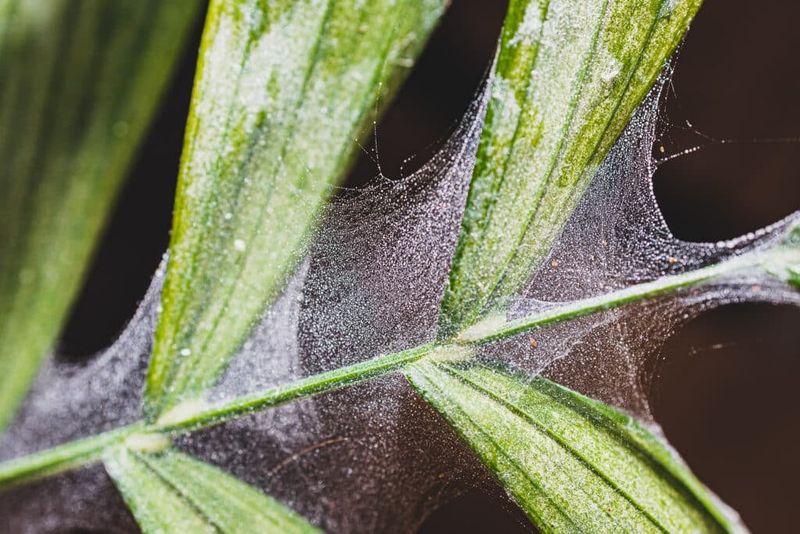
Calendar spraying does not just remove beneficial insects. It frequently addresses the wrong problem entirely while the actual pest causing damage goes untreated. That combination is particularly costly in terms of time, money, and garden health.
Misidentification is more common than most gardeners realize.
Damage on leaves, distorted growth, and spotting can come from fungi, nutrient deficiencies, environmental stress, or any number of insects, and the symptoms often look similar enough to confuse even experienced gardeners.
Reaching for a pesticide based on a general suspicion skips the diagnostic step that would reveal what is actually happening.
UC ANR integrated pest management guidance emphasizes accurate identification as a foundational requirement before any treatment decision.
A product that addresses aphids does nothing to a spider mite infestation, and treating for the wrong pest wastes resources while the real population continues building.
In some cases, the pesticide applied for one assumed pest can remove the natural enemies of the actual pest, accelerating the damage.
Slowing down to examine the plant closely, check both sides of leaves, look for patterns in where damage appears, and identify the actual organism present takes a few extra minutes.
Those minutes consistently produce better outcomes than a spray applied on a schedule that never confirmed what it was treating in the first place.
Resistant Pests Can Build Over Time
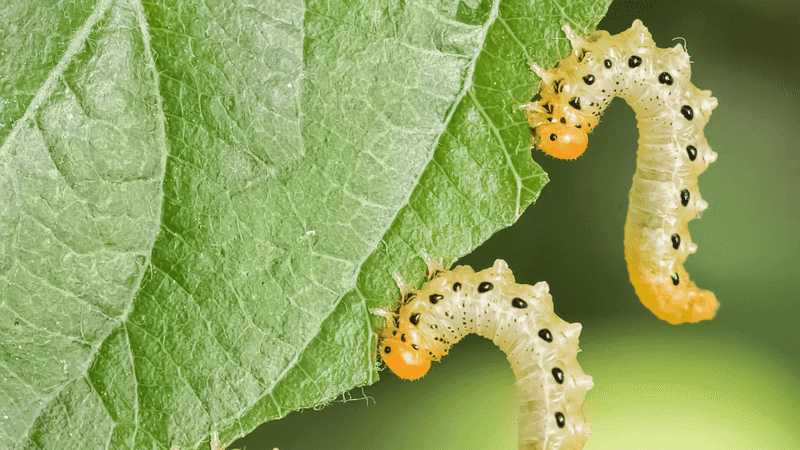
Pesticide resistance is not a hypothetical risk for California gardeners.
It is a documented outcome of repeated broad-spectrum applications, and calendar spraying creates the conditions for it more reliably than almost any other habit.
When the same pesticide chemistry gets applied repeatedly to a pest population, the individuals that survive a treatment are disproportionately likely to carry traits that reduce their sensitivity to that product.
Those individuals reproduce, and the next generation is harder to manage than the last.
Over several seasons of calendar spraying with the same product, the pest population shifts toward resistance while the gardener often increases dosage or frequency in response.
UC IPM resistance management guidance recommends rotating pesticide classes, using the least disruptive product appropriate for the specific pest, and relying on chemical treatment only when monitoring confirms it is actually necessary.
Each of those recommendations runs directly counter to what calendar spraying produces.
The resistance cycle is slow enough that most gardeners do not connect their spring spraying habit to the fact that the same product stopped working as well a few seasons later.
The populations adapted quietly while the routine stayed the same. Recognizing resistance as a predictable outcome of calendar spraying, rather than bad luck or a stronger pest species, changes the calculus around when and whether to spray.
Rebound Outbreaks Hit Tender Growth

One of the most frustrating outcomes of calendar spraying is the rebound outbreak, a surge in pest numbers that follows a treatment and often exceeds what was present before the spray went on.
It happens quickly and tends to hit the most vulnerable parts of the plant first.
When a broad-spectrum pesticide removes natural enemies alongside pests, the pest population recovers faster because it reproduces more rapidly and faces less predation than before.
Fresh, tender new growth that pushes out in the weeks after a treatment becomes the first target of a population that now has fewer checks on its numbers. The damage can look worse than anything that prompted the original spray.
UC IPM documentation on secondary pest outbreaks describes this pattern as a predictable consequence of disrupting the natural enemy complex.
Mites are a classic example in California gardens.
A spray aimed at aphids can remove the predatory mites and insects that were keeping spider mites in check, resulting in a outbreak that the gardener then treats with another product, potentially triggering another cycle.
Breaking this pattern requires recognizing that a rebound outbreak is not a sign that the original spray was insufficient.
It is a sign that the approach removed more than the target pest. Targeted treatments that preserve natural enemies avoid the rebound dynamic entirely.
Pollinators Avoid Treated Flowers
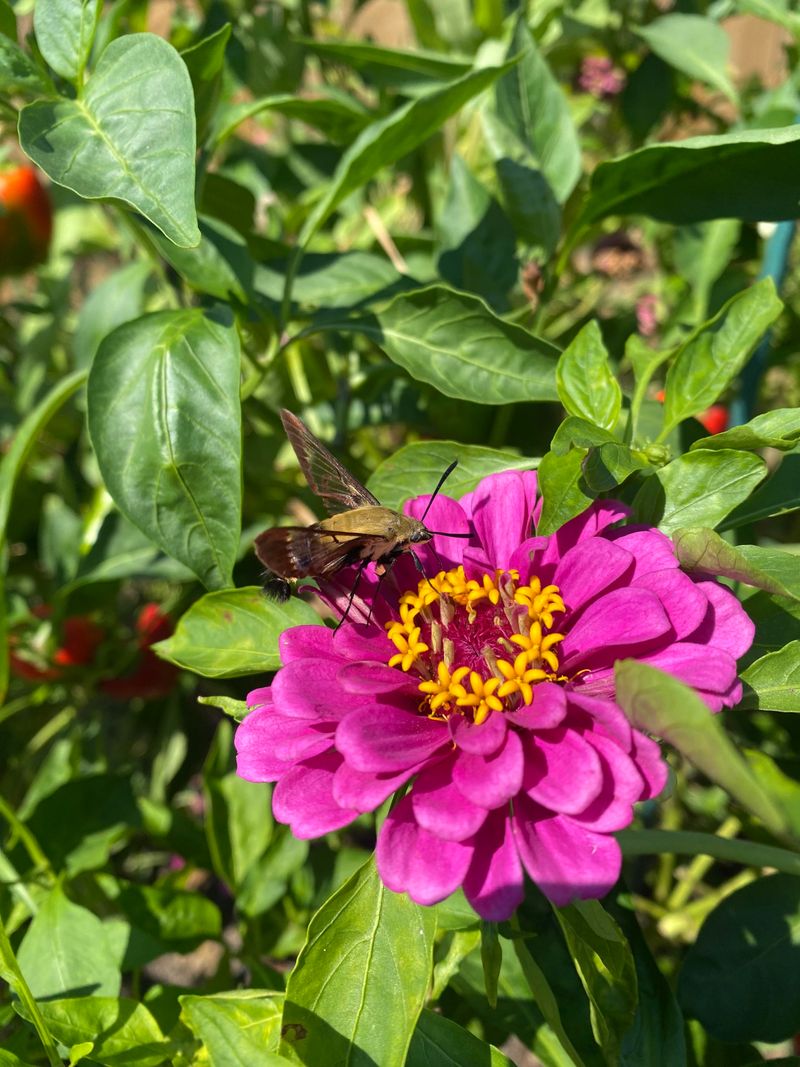
Pollinator activity in a California garden is not guaranteed, and calendar spraying is one of the habits most likely to discourage it.
Bees, butterflies, and other pollinating insects are sensitive to many common pesticides, and their behavior changes noticeably in response to treated plants even when the product has partially broken down.
Bloom-time spraying is particularly damaging.
Flowers that carry pesticide residue are visited less frequently by pollinators, which reduces fruit set, seed production, and the overall ecological activity that makes a garden feel genuinely alive.
Some products remain active on flower surfaces long enough to affect pollinators several days after application, well past the point when most gardeners assume the risk has passed.
UC ANR pollinator protection guidelines specifically recommend avoiding pesticide applications to plants in bloom and scheduling any necessary treatments for early morning or evening when pollinators are less active.
Calendar spraying by definition does not adapt to these timing considerations. It applies treatment when the schedule says to, regardless of what is flowering and who is visiting.
A garden that supports consistent pollinator activity requires pesticide restraint, particularly during the periods when flowers are open and insects are foraging.
The pollinator presence that builds over several spray-free seasons represents both ecological health and practical garden productivity that calendar spraying erodes over time.
Monitoring Beats Routine Spraying
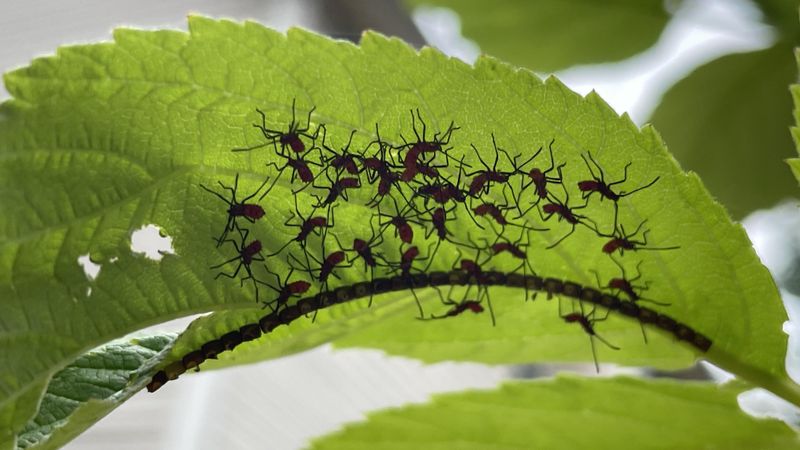
The most effective pest management tool available to a California gardener costs nothing and requires no product at all.
Regular monitoring, meaning actually walking through the garden and looking closely at plants on a consistent basis, provides information that makes every other decision more accurate and more effective.
Monitoring means checking both sides of leaves, watching for patterns in where damage appears, identifying insects present rather than assuming, and tracking whether populations are increasing or decreasing over time.
UC IPM scouting guidelines recommend checking plants at least weekly during the growing season and recording what is observed. That record reveals trends that a single observation misses.
The information monitoring produces changes the treatment decision entirely. A small aphid population with lady beetles already present may need no intervention.
A spider mite infestation building on a stressed plant during a dry stretch may need targeted attention before it spreads. Neither situation benefits from a calendar spray applied without that context.
Monitoring also builds familiarity with what is normal in a specific garden. A gardener who scouts regularly develops an accurate baseline and notices genuine problems faster than one who only looks closely when something already looks wrong.
That early detection consistently produces better outcomes than any reactive spraying schedule ever can.