Why California Persimmons Drop Fruit Before It Fully Colors
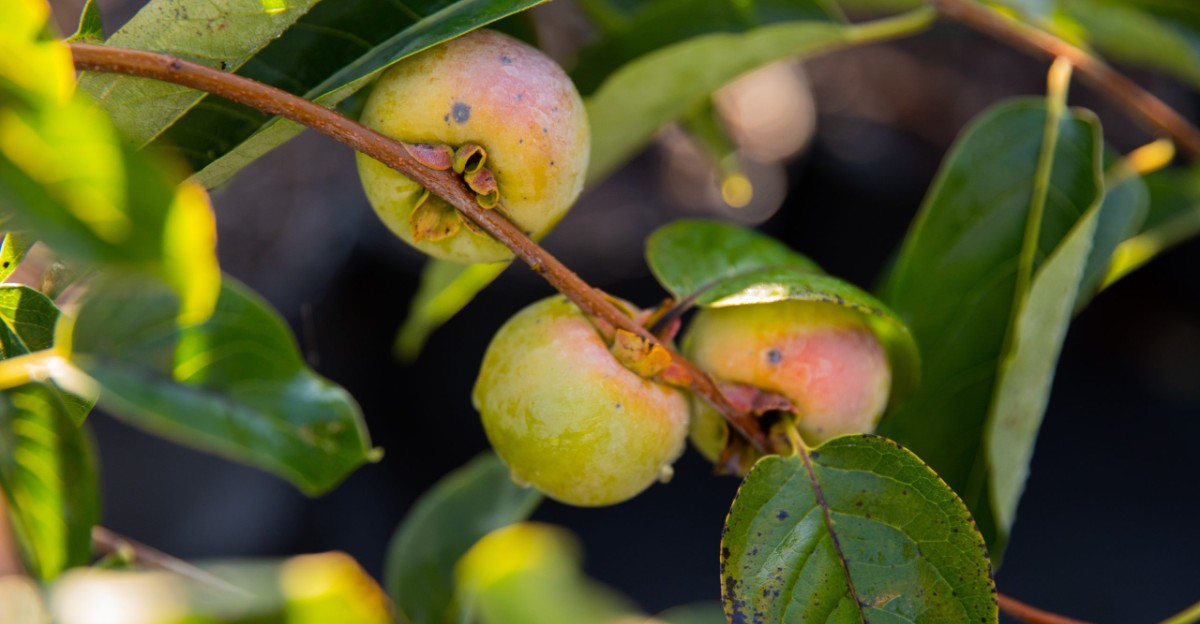
Finding green persimmons scattered beneath your tree can be frustrating, especially when you were waiting for those fruits to develop their bright fall color.
Early fruit drop is a common concern for California gardeners, and it can leave you wondering if something is wrong with your tree or your care routine.
A persimmon tree may shed fruit before ripening for several reasons, including stress, watering issues, pollination problems, or natural thinning.
The good news is that a few fallen fruits do not always mean your harvest is in trouble. By paying attention to the timing of the drop, the condition of the tree, and the weather patterns in your area, you can get a better idea of what is happening.
Understanding the cause can help you adjust your care and give your persimmons a better chance to reach their full color and flavor.
1. Water Stress Can Cause Early Fruit Drop
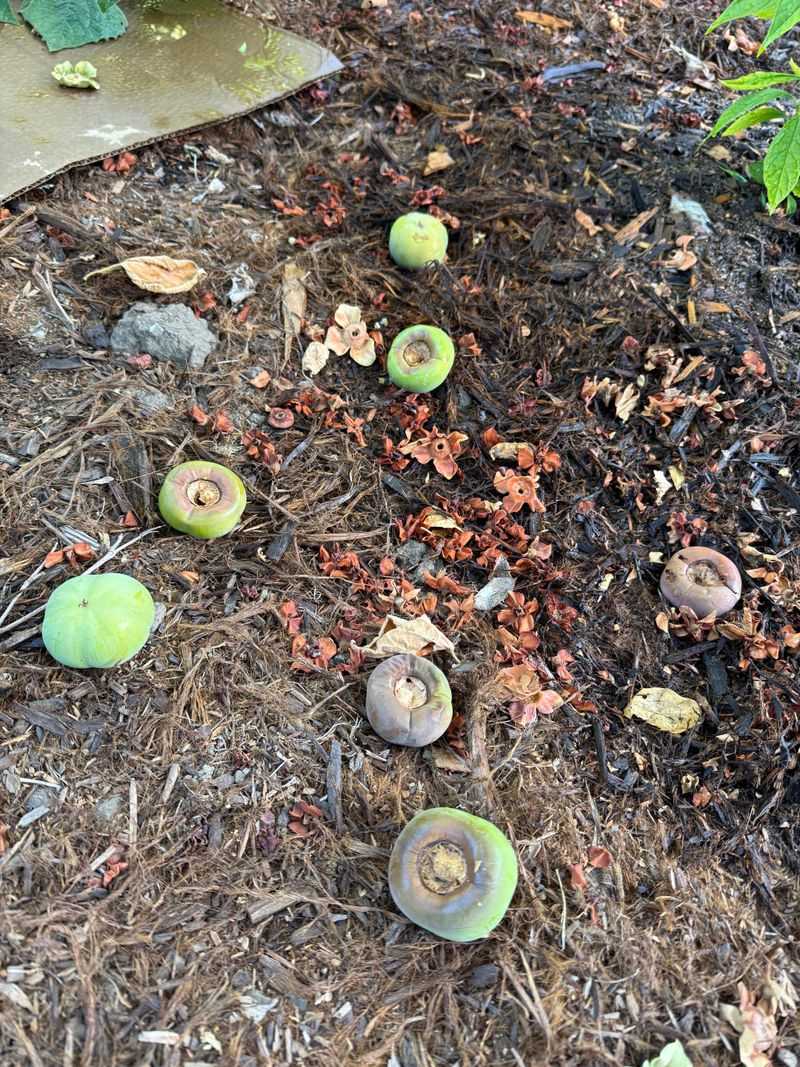
One of the most common reasons for early fruit drop is simply not enough water. When the soil dries out too much, the tree gets stressed and starts letting go of fruit to save itself.
Persimmons have shallow roots, so they feel dry soil quickly. During hot California summers, the ground can dry faster than you expect. If you skip watering for too long, the tree reacts by dropping unripe fruit.
You might notice the leaves looking a little droopy or dull before the fruit falls. That is your first warning sign that the tree needs a drink. Checking the soil a few inches down is a smart habit.
Deep, steady watering works better than quick, shallow splashes. A slow soak lets water reach the roots where it counts. Try watering deeply once or twice a week during dry spells.
Adding a layer of mulch around the base helps a lot too. Mulch keeps moisture in the soil and cools the roots on hot days. Just keep it a few inches away from the trunk.
Once you keep the water steady, the tree feels calmer. A relaxed, well-watered persimmon is far more likely to hold onto its fruit until it colors up nicely.
2. Sudden Irrigation Changes Put Trees Under Pressure
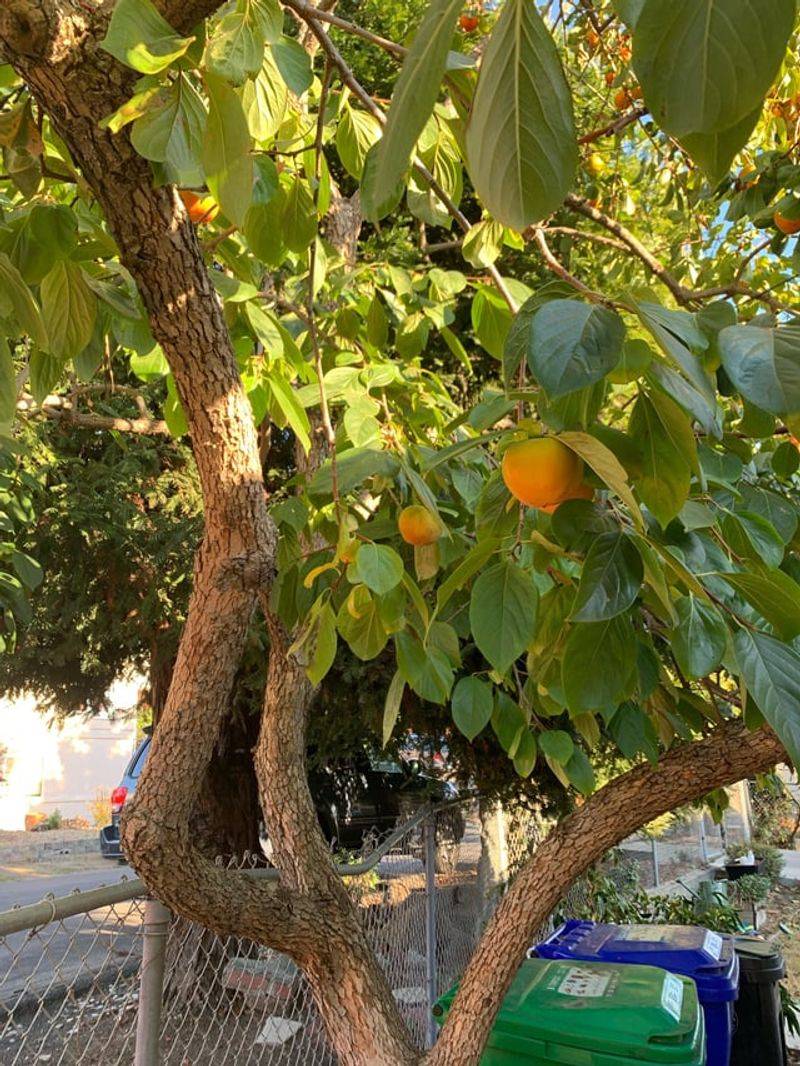
Believe it or not, going from too dry to suddenly too wet can be just as harmful as drought. Big swings in watering confuse the tree and often trigger fruit to fall.
Picture a tree that has been thirsty for weeks. Then it gets a huge flood of water all at once. That quick change shocks the roots and shakes fruit loose.
The same thing happens the other way around. If a tree is used to regular water and then suddenly gets cut off, it panics and sheds fruit to protect itself.
California weather makes this tricky because rain and heat come and go. A surprise heat wave or a sudden storm can throw your watering schedule off balance fast.
The best fix is keeping things steady and predictable. Try to water on a regular routine instead of soaking the tree only when you remember.
Your California Garden Changes Every Week. Your Plan Should Too.
Gardening in California changes quickly throughout the season. Every Friday you’ll receive a simple weekly plan showing exactly what to plant, prune, fertilize, harvest, and protect so you never miss the right timing.
A drip system with a timer can really help here. It gives slow, even moisture day after day, so the roots never feel shocked.
When you do need to change your schedule, do it gradually over a week or two. Small, gentle adjustments keep the tree comfortable. A steady rhythm helps your persimmon hang on to more of its crop.
3. Young Fruit Is More Likely To Fall
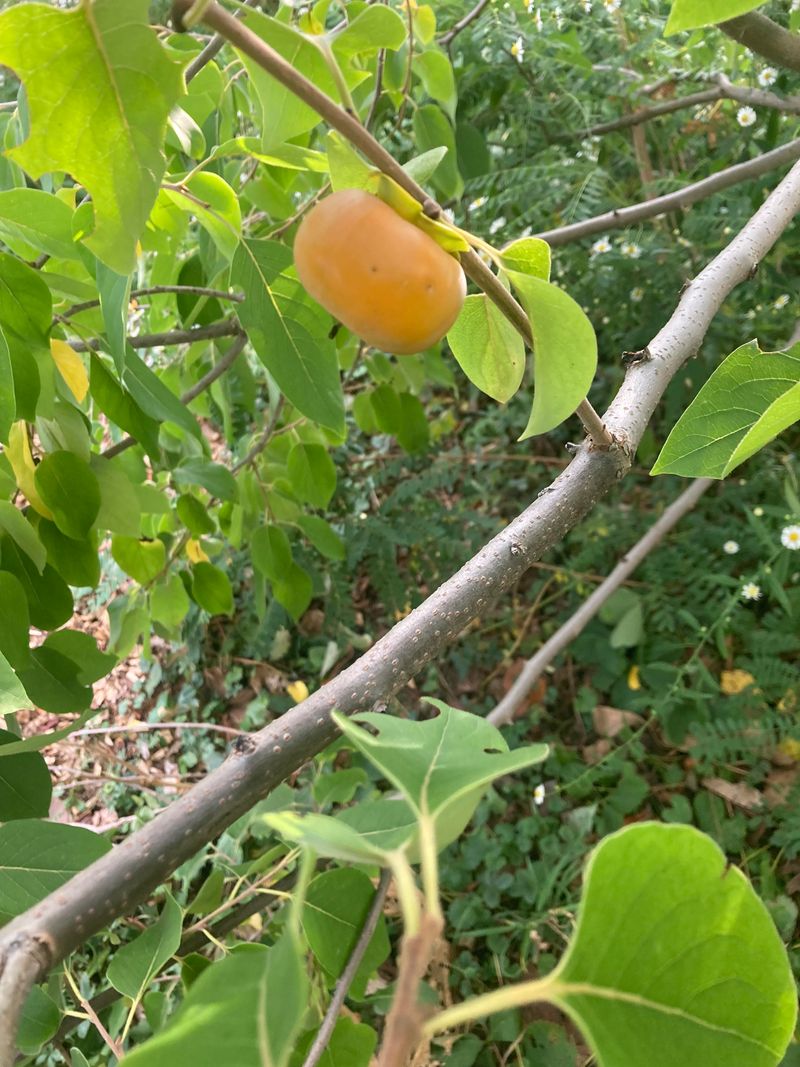
Early in the season, tiny persimmons drop all the time, and that is completely normal. Young fruit has a loose grip on the branch, so a little stress sends it tumbling.
Right after the flowers fade, the tree sets far more fruit than it can actually ripen. It cannot feed every single one, so it naturally lets some go.
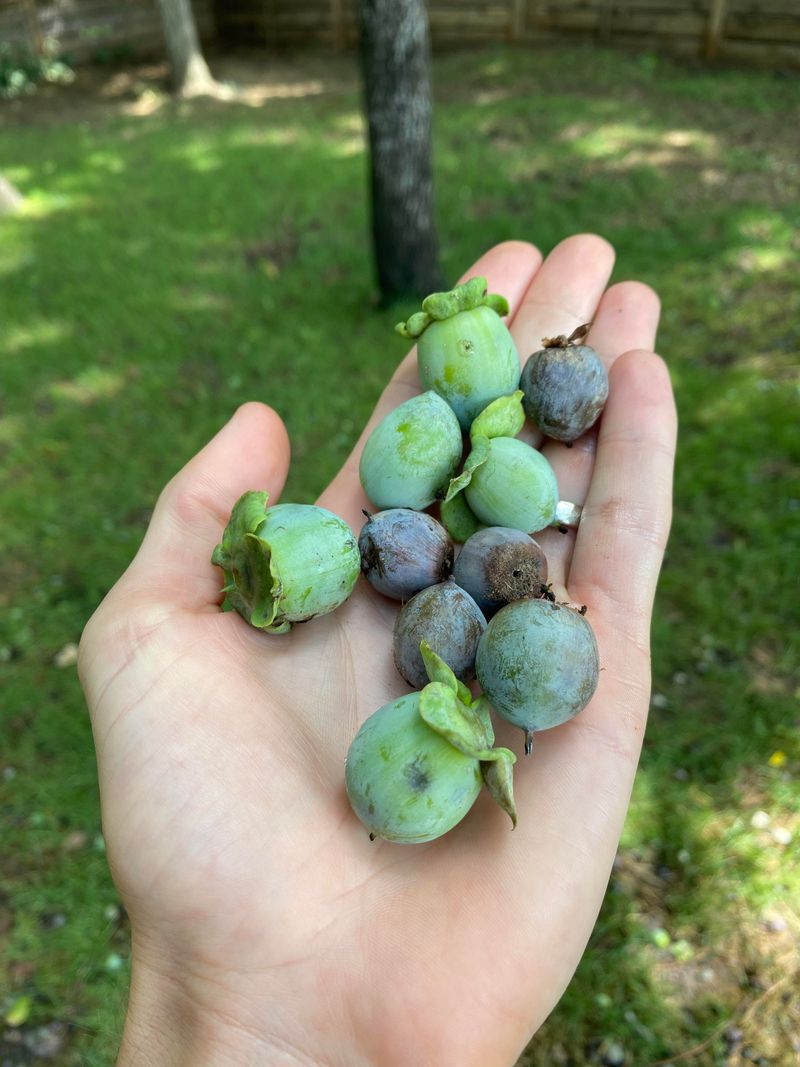
This early tumble is often called the June drop, though in California it can happen a bit earlier or later. Small fruits fall while bigger, stronger ones stay put.
New gardeners sometimes worry when they see the ground covered in tiny green fruit. In most cases, there is nothing wrong at all. The tree is just thinning itself.
You can help by keeping conditions calm during this time. Steady water, no heavy feeding, and gentle care make a big difference for young fruit.
Avoid shaking or bumping the branches while the fruit is small. A rough gust or a curious kid tugging a limb can knock loose fruit down.
Once the remaining persimmons grow larger, they hold on much more firmly. Give them time, and the survivors will usually cling tight and color up beautifully later in the fall.
4. Too Much Nitrogen Can Shift Tree Growth
Feeding your tree sounds helpful, but too much nitrogen can backfire. Extra nitrogen pushes the tree to grow leaves and shoots instead of holding fruit.
When a persimmon gets a big dose of high-nitrogen fertilizer, it goes into fast leafy mode. All that energy rushes into green growth, and the fruit gets pushed aside.
The result is a bushy, healthy-looking tree that keeps dropping its crop. It looks great from a distance, but the harvest disappoints.
Signs of overfeeding include very dark leaves, lots of new shoots, and thin bark. If your tree looks super leafy but bare of fruit, nitrogen may be the culprit.
Persimmons actually need very little fertilizer to do well. Many trees grow just fine with almost no feeding at all, especially in decent soil.
If you do feed, go light and choose a balanced mix instead of a nitrogen-heavy one. A small amount in early spring is usually plenty.
Keep grass and lawn fertilizer away from the root zone too. Lawn feed is loaded with nitrogen and can drift into the tree by accident.
By easing up on the food, you let the tree focus its energy on ripening fruit. Less can truly be more with persimmons.
5. Heavy Crops Can Thin Themselves Naturally
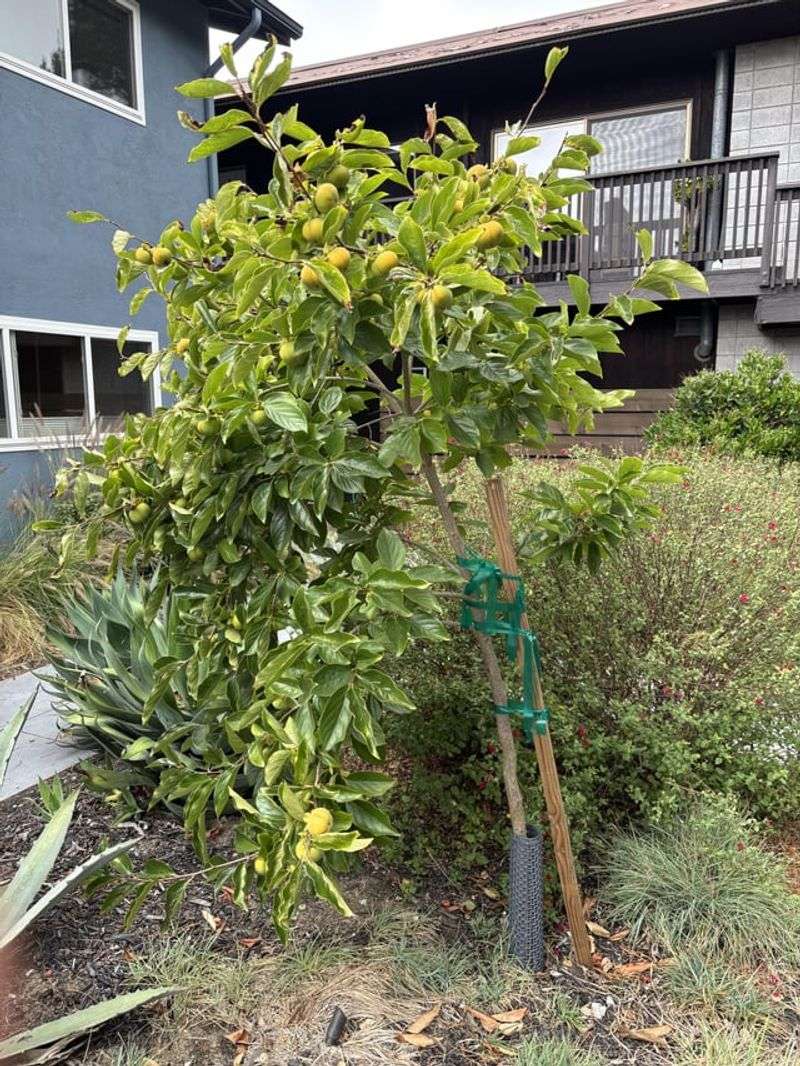
Sometimes a tree simply sets too much fruit to handle. When branches get overloaded, the tree drops some fruit to lighten the load.
Every persimmon can only support so many ripening fruits at once. If it sets a giant crop, it must choose which ones to keep.
Think of it like carrying too many grocery bags. At some point, you have to set a few down. The tree does the same thing with its fruit.
This natural thinning protects the branches from snapping under all that weight. Heavy limbs can crack, so dropping fruit is a smart move for the tree.
You can lend a hand by thinning some fruit yourself early on. Gently pull off a few small ones so the rest have room and food.
Spacing fruit a few inches apart usually gives the best results. The remaining persimmons grow bigger and taste sweeter with less competition.
Propping up heavy branches with stakes can also prevent damage. A little support keeps limbs from bending too far during a big harvest year.
If some fruit still falls, do not stress about it. A tree that thins itself is just balancing its load so the survivors can ripen well.
6. Heat Stress Can Affect Late-Season Fruit
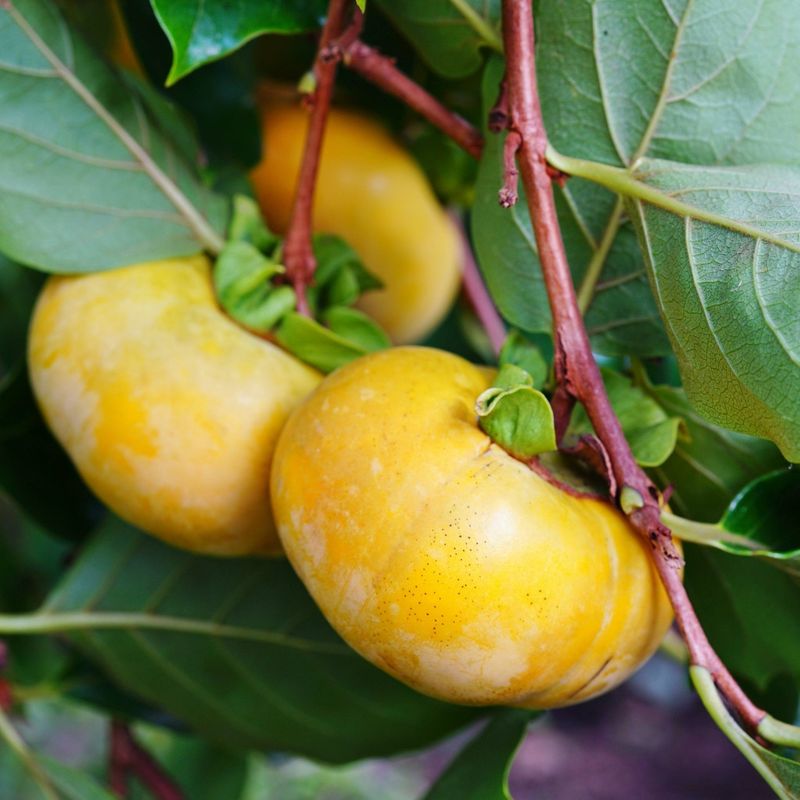
California heat waves can hit hard, and persimmons feel the burn. A stretch of very hot days can push fruit off the tree before it fully colors.
When temperatures climb into the high 90s or above, the tree struggles to keep up. It loses water fast through its leaves and gets stressed.
To protect itself, the tree may sacrifice some fruit. Dropping that extra weight helps it survive the scorching stretch until things cool down.
Sunburned spots on the fruit are a common sign of heat trouble. You might see pale, leathery patches on the side facing the sun.
Keeping the soil moist during a heat wave really helps. Water early in the morning so the roots stay cool and hydrated all day.
Mulch once again earns its keep by shielding roots from the heat. A thick layer holds moisture and keeps soil temperatures steady.
Some gardeners drape shade cloth over young trees during extreme heat. Even a little afternoon shade can ease the pressure on fruit.
Once the heat wave passes, the tree usually settles back down. Give it steady water and time, and the fruit that stays should ripen just fine as fall arrives.
7. Pests Can Cause Fruit To Drop Early
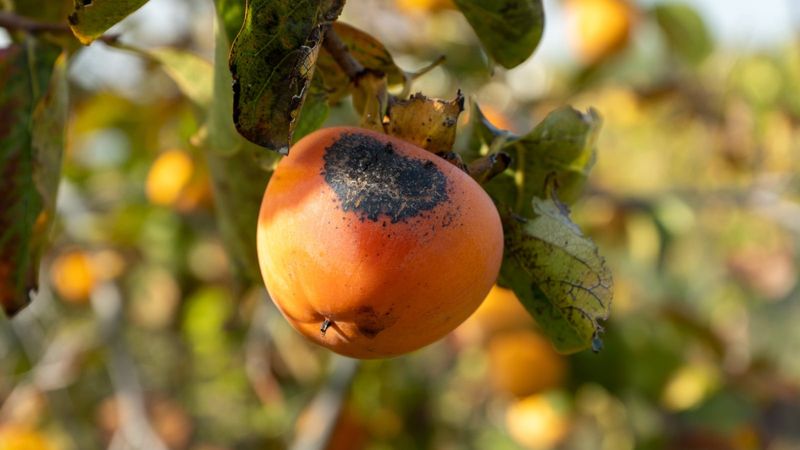
Tiny troublemakers can be the reason your fruit keeps falling. Certain bugs attack persimmons and cause the fruit to drop before it ripens.
The persimmon fruit fly and some moth caterpillars are common offenders. They tunnel into fruit or lay eggs, and the damaged fruit lets go.
Scale insects and mealybugs can also stress a tree. When they suck sap from the branches, the tree weakens and may shed fruit.
Check fallen fruit closely for clues. Small holes, dark spots, or squishy areas often point to a pest problem rather than weather.
Keeping the area under the tree clean makes a big difference. Rake up dropped fruit quickly so pests cannot breed and spread.
Sticky traps hung in the branches can catch fruit flies early. They also help you spot a problem before it gets out of hand.
For soft-bodied bugs, a spray of insecticidal soap or horticultural oil works well. Aim for the undersides of leaves where pests like to hide.
Inviting helpful bugs like ladybugs into your yard is another smart move. They eat many pests naturally and keep the balance in check.
With regular checks and quick action, you can stop pests from stealing your harvest and keep more fruit on the tree.
8. Check The Tree Before Blaming The Weather
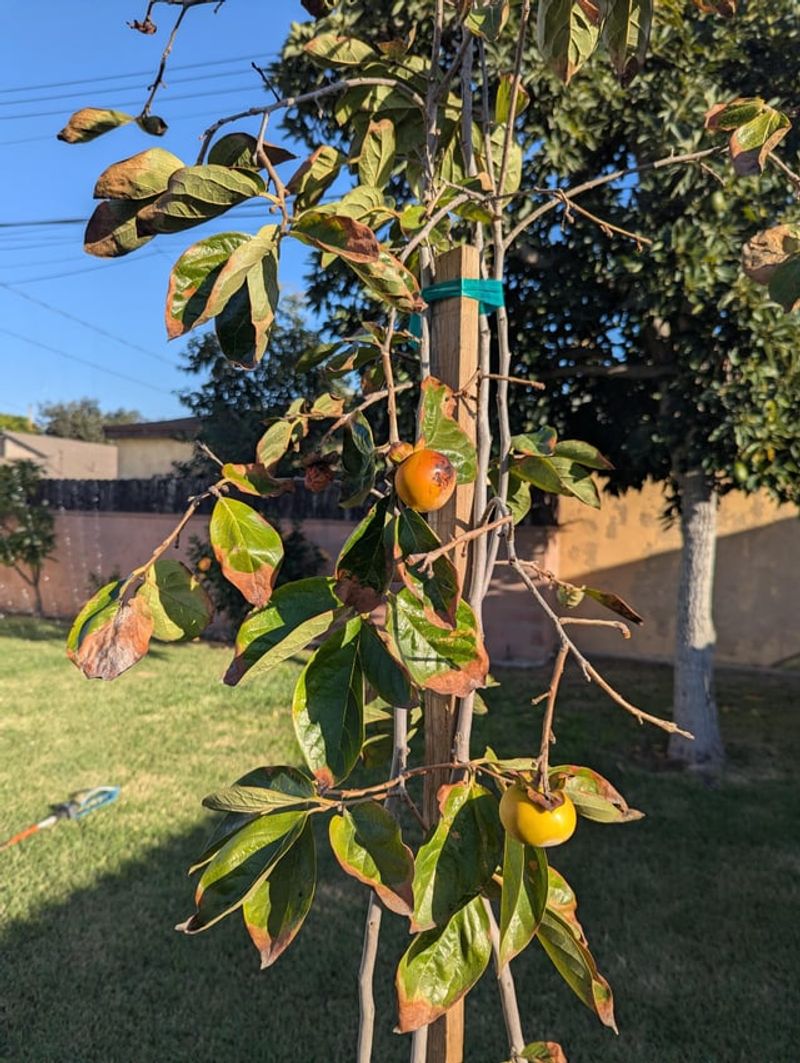
It is easy to blame a California heat wave or a cold snap when fruit falls, but the tree itself often holds the real answer. A close look can save you a lot of guessing.
Start at the base and work your way up. Feel the soil, check the leaves, and study the fruit that has fallen on the ground.
Dry, cracked soil points to water stress, while super leafy growth hints at too much nitrogen. Each clue tells part of the story.
Look for tiny holes or spots on fallen fruit that suggest pests. Also notice if only small, young fruit is dropping, which is usually normal.
Keeping a simple garden journal helps a ton. Jot down when fruit falls, the weather, and what you did that week.
Over time, patterns show up. You might spot that drops always follow a skipped watering or a big feeding.
Comparing your tree to healthy ones nearby can be useful too. If neighbors have full trees, the issue is likely in your care routine.
Weather does play a role, but it is rarely the whole picture. By checking the tree first, you can fix the real cause and enjoy a fuller, sweeter harvest next season.