Missouri Trees Planted In September Root Differently Than Spring Ones

Kick through the first fallen leaves in a Missouri yard and the air smells like woodsmoke, damp earth, and something faintly sweet. Everything above ground looks like it is winding down and packing up for the year.
Under your boots, though, a different schedule is running. The dirt has not read the calendar and is still holding onto summer warmth.
Most folks assume the serious planting season wrapped up back in May with the tomato starts. Nurseries know better, which is partly why their price tags start looking suspiciously friendly around Labor Day.
A tree set in the ground now builds itself in a different order than one planted in April. Same species, same yard, same shovel, yet the underground blueprint shifts, and none of it bothers to ask your permission.
Warm Soil Beneath Cool Air
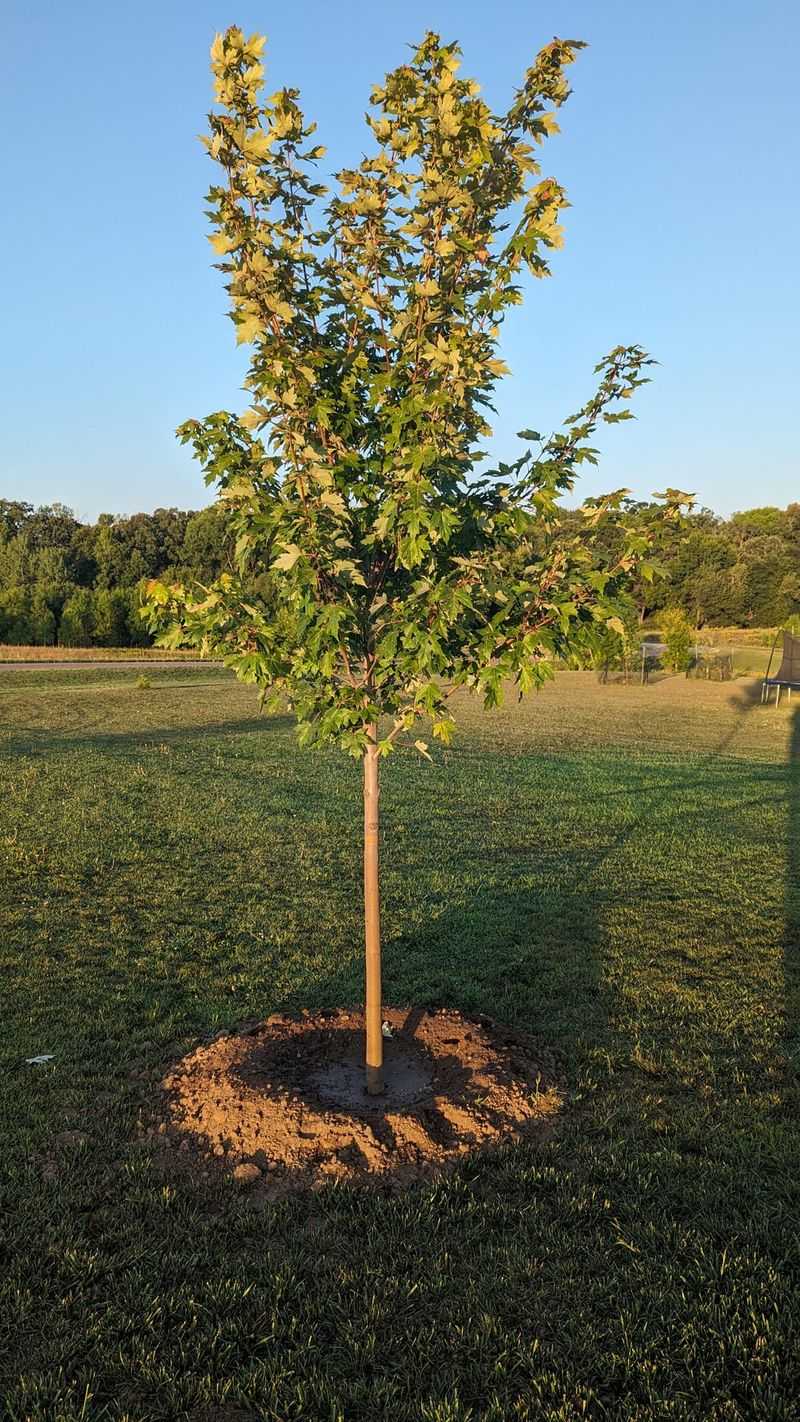
Stick a hand into Missouri ground during the third week of September and the calendar starts to feel like a liar. The air has turned sweater cool, yet the soil underneath is still hoarding August warmth, often sitting between 60 and 70 degrees.
That gap between chilly air and toasty dirt is the entire reason autumn planting behaves differently. Roots keep stretching whenever soil stays above roughly 40 degrees, and they pay no attention to falling leaves.
A spring-planted tree wakes into rising heat and immediately has to build leaves, shoots, and roots at the same time. Every drop of water it pulls gets split between growing tips and thirsty foliage. A September tree faces no such competition for resources.
Missouri soil temperatures usually stay friendly to root growth well into late November, sometimes past Thanksgiving down in the Bootheel. That gives a young tree roughly eight to ten weeks of quiet underground work before hard frost settles in.
Homeowners often assume nothing is happening because the top of the tree looks perfectly still. Dig carefully a few inches out from the root ball in late October and you may find pale new root tips, thin as thread, fanning into the surrounding soil.
Practical takeaway, do not judge a fall planting by its branches. Judge it by how moist and workable the soil around those roots stays, because that is where the season’s real progress is stored.
Root Growth Without Leaf Duty
Trees run on a budget, and sugar is the currency. In April, that budget gets stretched thin across new leaves, stem growth, flowers, and root expansion all at once.
September changes the math. Leaves that spent all summer making food are finishing their shift, and the tree begins shipping stored carbohydrates downward instead of upward.
Roots become the main customer. A tree planted in fall spends its energy widening its underground reach rather than pushing tender new shoots that would need protection.
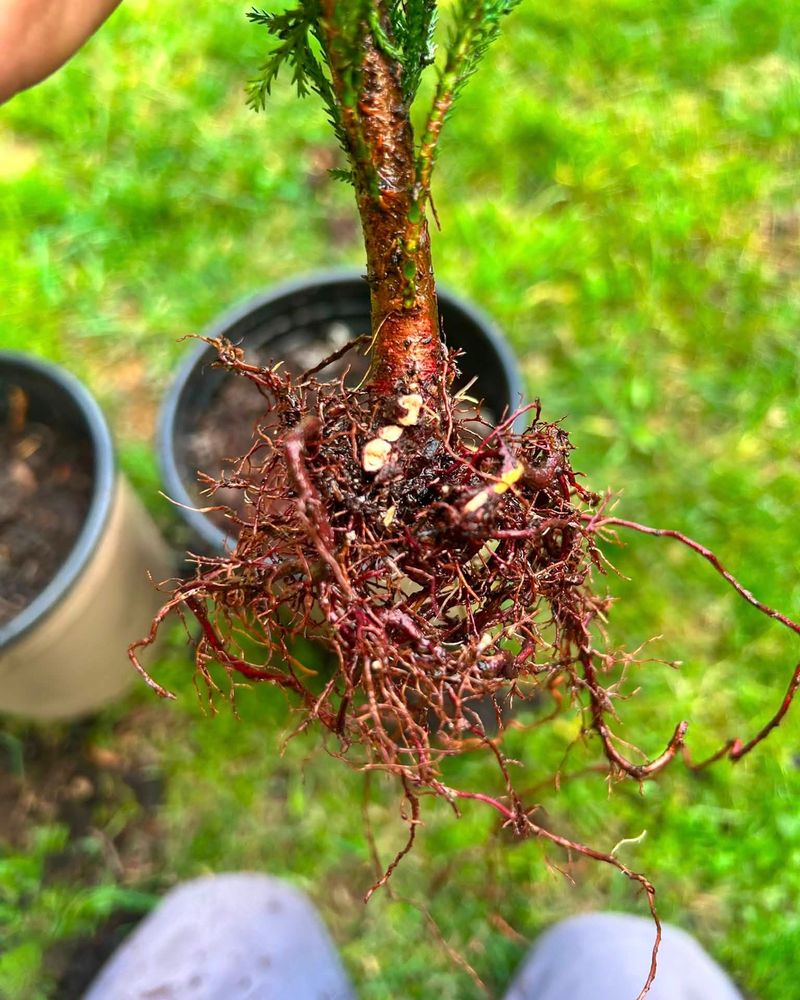
That difference shows up in the shape of the root system itself. Fall-planted trees often develop more fine feeder roots close to the trunk before the first hard freeze, while spring plantings tend to send out fewer, longer roots chasing water during summer heat.
Your Missouri Garden Changes Every Week. Your Plan Should Too.
Gardening in Missouri changes quickly throughout the season. Every Friday you’ll receive a simple weekly plan showing exactly what to plant, prune, fertilize, harvest, and protect so you never miss the right timing.
Fine roots matter more than most folks realize. They handle nearly all of the water and nutrient uptake, while the thick anchoring roots mostly provide plumbing and support.
There is a catch worth remembering. Because a September tree is not making many new leaves, it also is not showing obvious signs of stress, so a struggling one can look perfectly fine for weeks.
Check the soil rather than the canopy. Scratch a twig lightly in December, and if the layer underneath is green and slightly damp, the underground crew has been busy. Bark that feels papery and dry tells a different story, and that is your cue to check moisture around the root ball immediately.
Missouri Clay And The September Moisture Swing
Anyone who has swung a shovel in central Missouri knows the drill. Summer bakes the clay into something close to pottery, and the first serious autumn rain turns that same ground into sticky gumbo.
September usually sits right between those two extremes, which is both the opportunity and the trap. Clay holds water beautifully, sometimes too beautifully, and a hole dug in soggy conditions can smear into a slick-walled bowl.
Roots reaching that glazed wall tend to circle instead of pushing through. Rough up the sides with a garden fork before backfilling, and the difference in root spread by spring is noticeable.
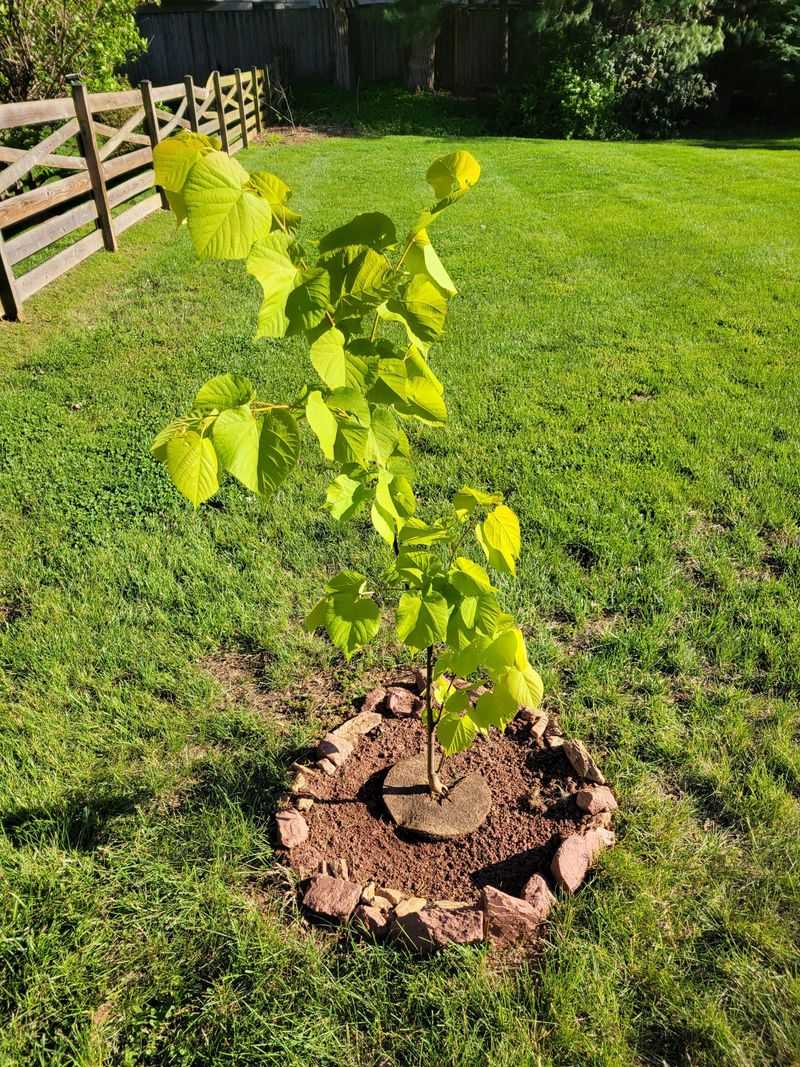
Width beats depth every single time. A hole two to three times wider than the root ball, but no deeper than its height, gives roots loose ground to spread sideways where oxygen actually exists.
Skip the fancy amendments in the backfill. Rich potting mix in a clay hole creates a comfortable pocket the roots refuse to leave, while crumbled native soil encourages them to venture outward.
Missouri autumn rainfall averages a few inches a month, which sounds generous until a dry October rolls in. Check moisture six inches down with a screwdriver or your finger before adding more water.
Clay that stays saturated for days can stunt new roots just as easily as drought can shrivel them. The sweet spot feels like a wrung-out sponge, damp but not dripping. Aim for that and the clay turns into an ally.
Species That Prefer A Spring Start
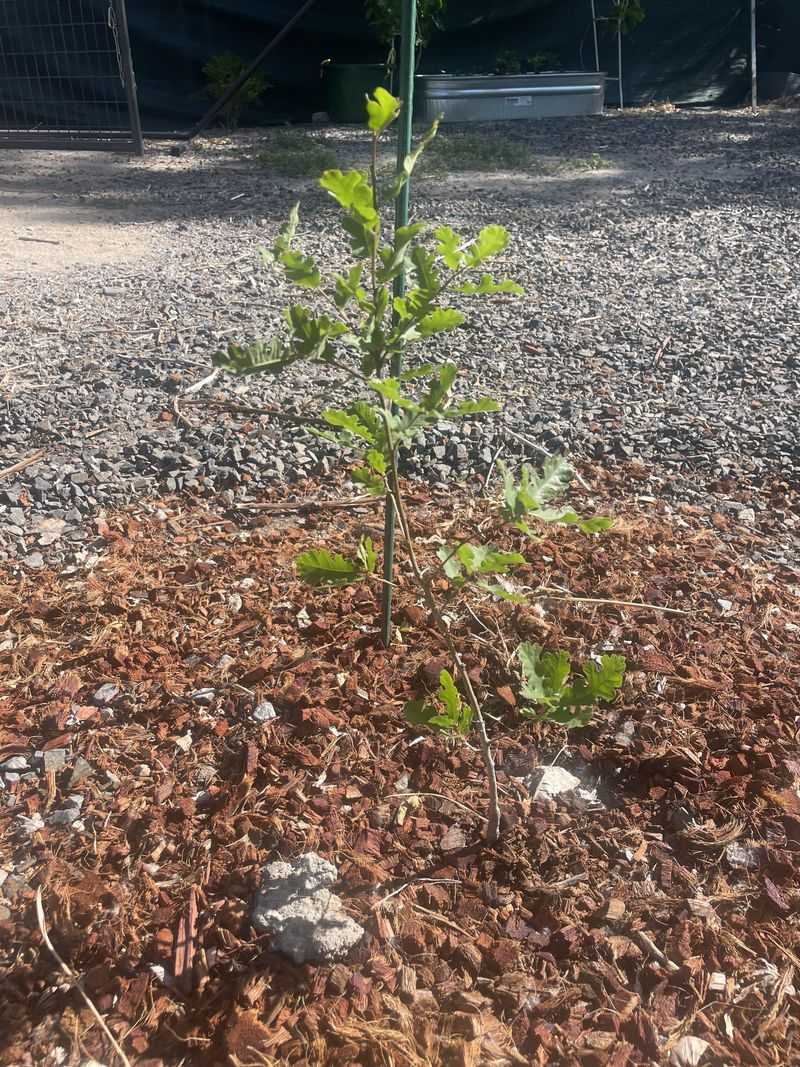
Not every tree signs up for the autumn program. Certain species, mostly the ones with coarse, fleshy roots, regenerate slowly in cool soil and would rather begin their Missouri life in April.
Oaks lead that list, along with hickories, magnolias, river birch, sweetgum, tulip poplar, and baldcypress. Dogwood and redbud, both Missouri favorites, also settle in more reliably with a spring start, especially as bare-root or field-dug stock.
Container-grown plants change the rules a bit. Since their roots stay intact during transplanting, even the fussier species handle a September move better in a pot than balled-and-burlapped.
Reliable fall performers include maple, hackberry, linden, honeylocust, elm, catalpa, and Kentucky coffeetree. Most spruce and pine also transplant well in early September, though waiting until late October pushes their luck.
Evergreens keep losing moisture through their needles all winter, so they need enough time to establish before the ground firms up. Two solid months of root contact is a fair minimum.
Here is a fun bit of nursery lore. The old rule said anything with a taproot went in the ground in spring only, but modern root pruning and container production have softened that rule considerably.
Ask the grower one question before buying in September. Find out if the tree was dug that spring and held in a holding yard, because freshly dug fall stock has fewer working roots than a plant that spent the whole season in a container.
Common Missteps With Autumn Planting
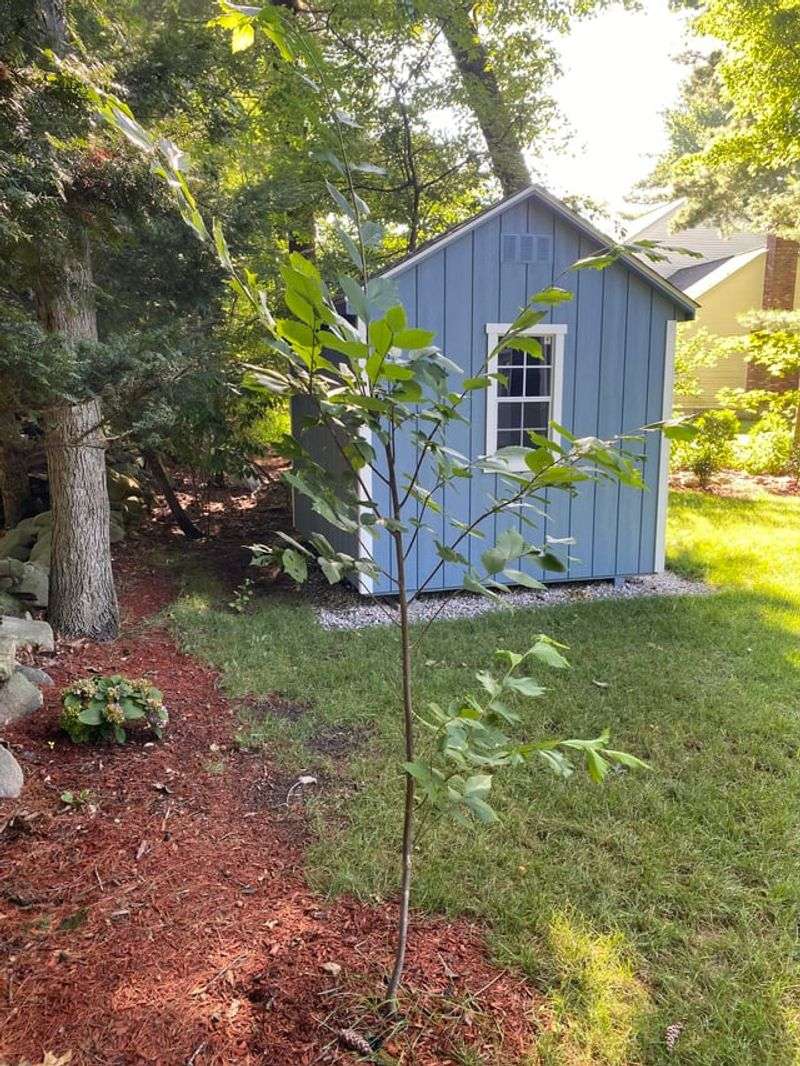
The most common misstep has little to do with the tree and everything to do with a hose that gets coiled up and put away too early. Cool weather tricks people into believing watering season ended with the last hot spell.
Planting depth causes the second wave of trouble. The root flare, that widened area where the trunk spreads into roots, belongs at or slightly above the soil line, not buried three inches under.
Nursery pots and burlapped balls often hide the flare beneath excess soil, so scrape the top of the root ball until you find it. Measuring your hole to the wrong reference point sinks more young trees than any pest.
Late-season fertilizer is another well-meant error. A shot of high-nitrogen feed in October can encourage soft new growth that has no time to harden before frost arrives.
Mulch piled against the trunk in a tidy cone traps moisture against bark and invites rot and hungry rodents. Spread it flat, about three inches deep, leaving a few bare inches around the trunk itself.
Leaving the wire basket and synthetic twine fully intact ranks high on the regret list too. Cut the top third of the basket away, remove all twine around the trunk, and peel back the burlap once the tree sits in the hole.
Timing rounds out the list. Planting after early November leaves too little warm soil for roots to grab hold. Finish by Halloween.
Watering And Mulching Through The First Freeze
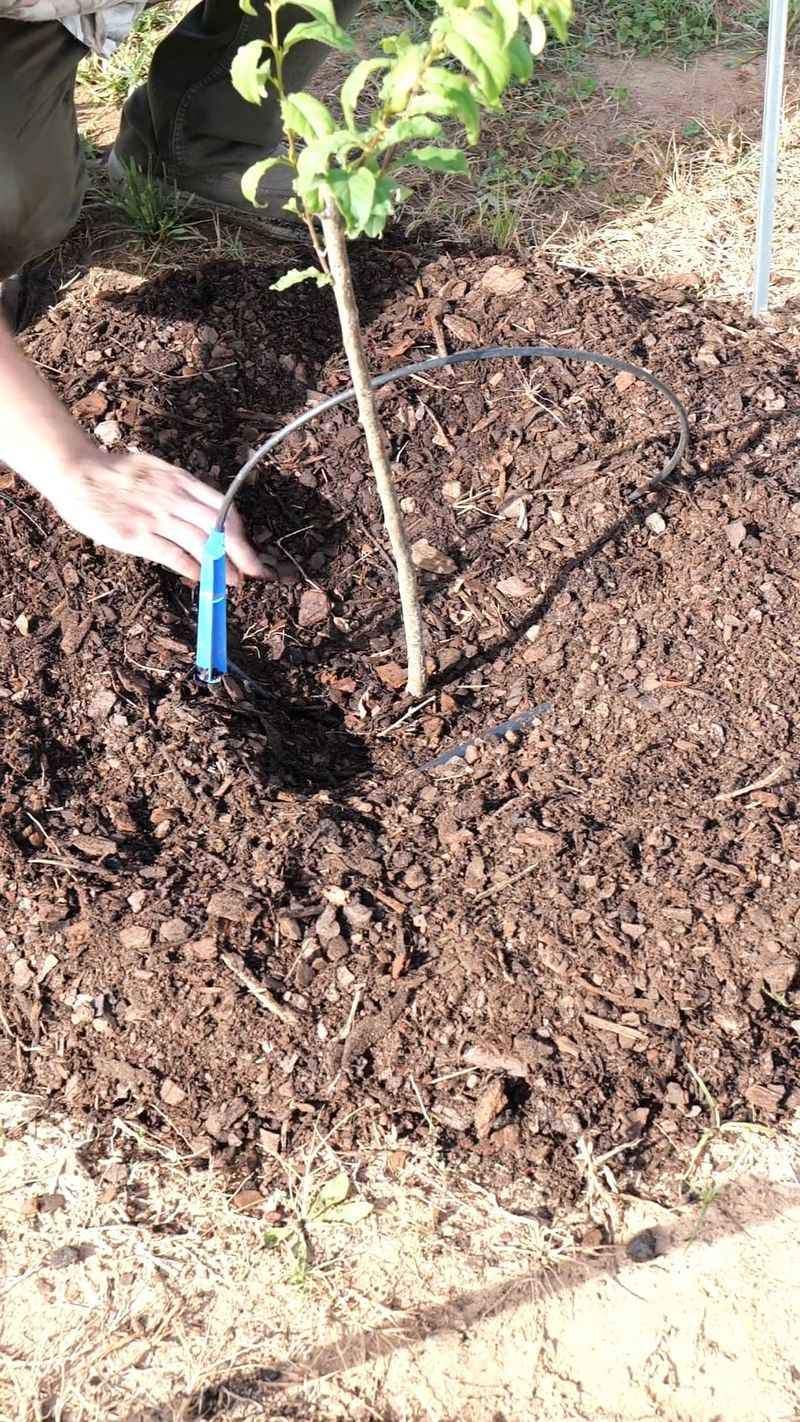
Water is the one chore that carries a September tree all the way to spring. A newly planted tree needs roughly one to two gallons per inch of trunk diameter, delivered slowly, two or three times a week at first.
Slow delivery matters more than sheer volume. A five-gallon bucket with a nail hole in the bottom, set beside the root ball, soaks stubborn clay far better than a blasting hose that runs off sideways.
Taper the frequency as October cools, but do not quit. Keep watering until the top few inches of ground freeze solid, which usually happens sometime in December across most of the state.
Winter throws Missouri gardeners a curveball with its thaws. During a mild stretch in January or February when soil is unfrozen, one deep soak helps evergreens and thin-barked trees ride out dry, windy weeks.
Mulch does the quiet work in between waterings. A three-inch blanket of shredded hardwood or wood chips holds soil temperature steadier, which stretches the root-growing season by two or three extra weeks.
Ring that mulch out to the drip line if you have enough material, or at least three feet across. Grass competing right up to the trunk steals water and slows establishment noticeably.
One more trick borrowed from nursery crews. Build a low soil berm around the edge of the planting hole, and every watering pools where it belongs instead of running toward the driveway.