How To Use Fragrant Flowers To Stop Rat Problems In California Gardens
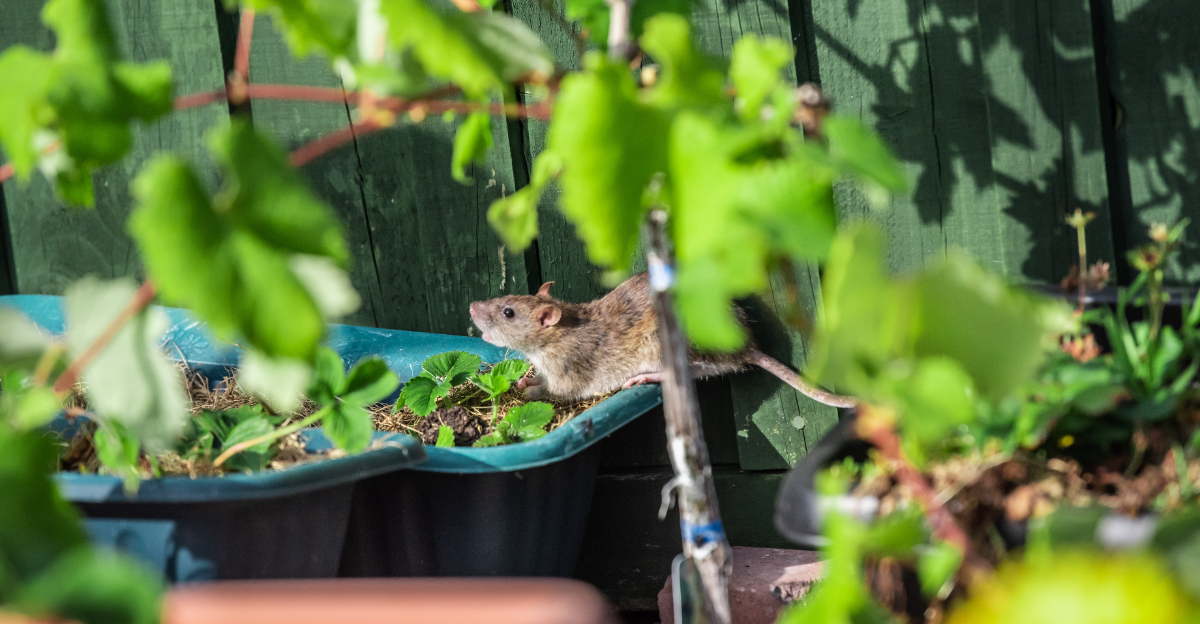
A sweet-smelling garden may be pleasant for people, but certain strong floral scents can make some corners less appealing to curious rats. That does not mean a few blooms will solve an infestation overnight.
California gardens offer plenty of food, water, shade, and hiding places, so fragrance works best as one small part of a larger prevention plan.
Strategic planting near patios, sheds, compost areas, and vegetable beds may help disrupt the sheltered routes rodents prefer while adding color and pollinator value.
The bigger question is which flowers produce useful aromas, where they should be planted, and what garden habits could cancel out any benefit.
Fallen fruit, accessible pet food, dripping faucets, and dense ground cover can easily outweigh a scented border.
Before filling the yard with fragrant plants, homeowners should understand how to use them realistically and which other changes make the garden far less welcoming to rats.
1. Planting Lavender Where Rats Like To Sneak In
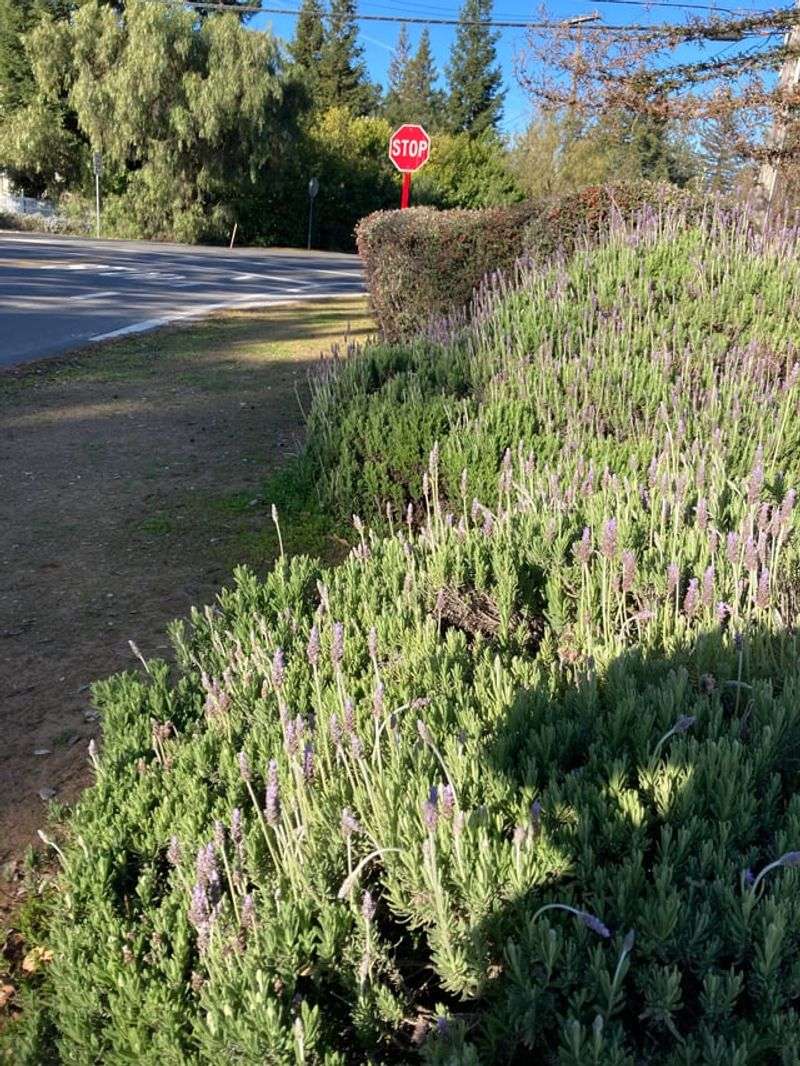
Rats are creatures of habit. They follow the same paths night after night, slipping through gaps in fences, under gates, and along walls where they feel hidden and safe.
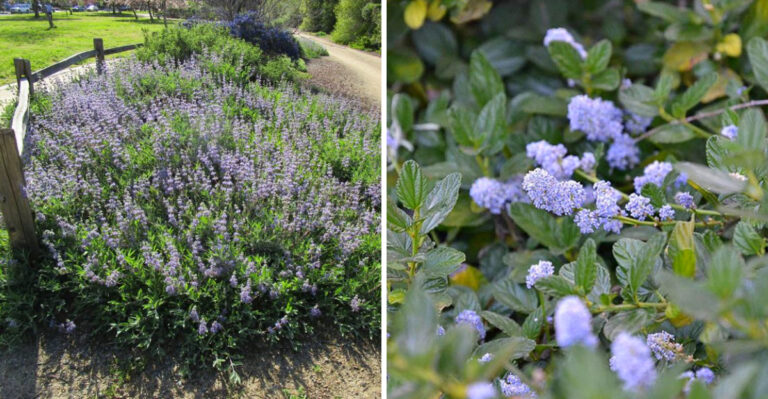
Planting lavender right along those entry points can seriously disrupt their routine.
Lavender produces a strong, pleasant scent that humans love but rats find overwhelming. The oil in its leaves and flowers is especially potent.
When a rat gets close to a dense lavender hedge, the smell hits them hard and sends them looking for another route.
Lavender in California thrives with very little water once it gets established. It grows into full, bushy mounds that also block small gaps where rats might squeeze through.
That double benefit makes it one of the best plants to use along fence lines and gate edges.
Choose varieties like English lavender or Spanish lavender for the strongest scent. Plant them close together so there are no bare spots rats can slip past.
Water them regularly during the first season, then cut back once the roots are deep.
Trim your lavender after it blooms to keep it full and fragrant. Old, woody plants lose some of their scent strength.
Fresh growth means stronger oils, and stronger oils mean a more powerful barrier against unwanted garden visitors.
2. Using Minty Scents Around Sheds And Fences
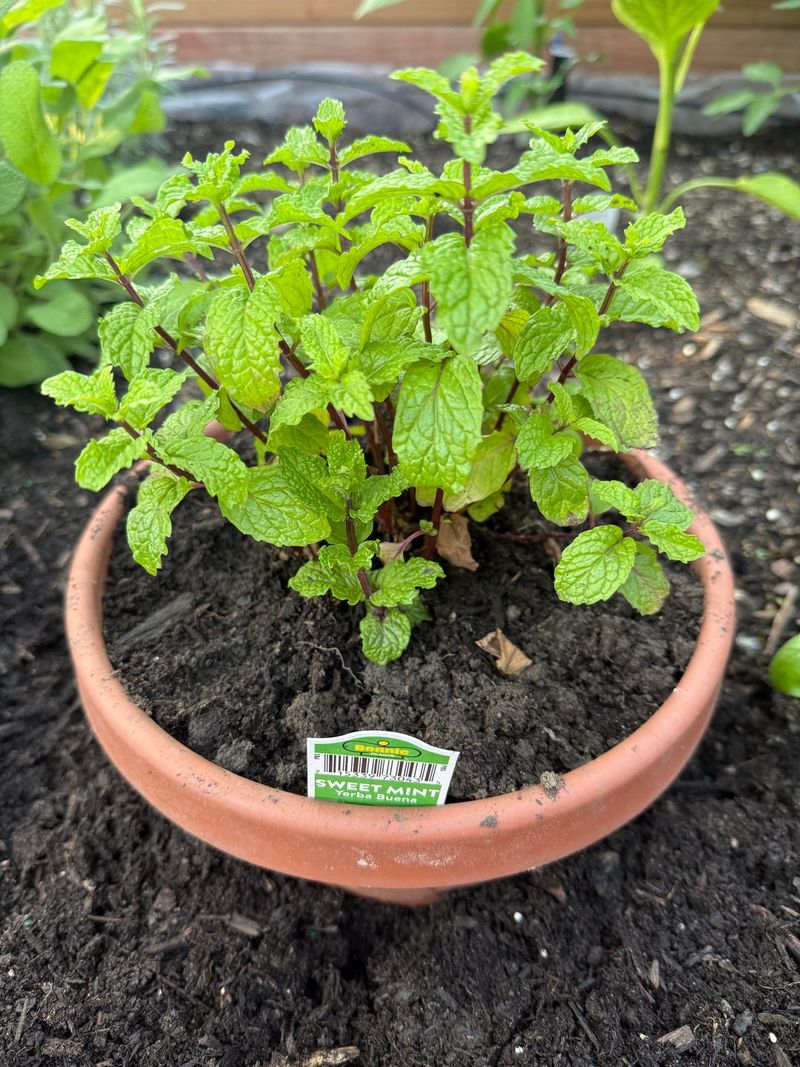
There is something almost comical about how much rats hate the smell of mint. A scent that feels refreshing and clean to us is basically unbearable to them.
Their sensitive noses pick up mint’s sharp compounds at a much stronger level than we do.
Sheds and fences are prime rat territory. They offer shelter, shadow, and easy access to the rest of the yard.
Planting mint around these structures creates a scented wall that makes rats very uncomfortable about hanging around.
Peppermint is the strongest option, but spearmint works well too. Both grow quickly and spread easily, which is great for coverage but means you will want to plant them in containers or bordered beds to keep them from taking over your whole garden.
Your California Garden Changes Every Week. Your Plan Should Too.
Gardening in California changes quickly throughout the season. Every Friday you’ll receive a simple weekly plan showing exactly what to plant, prune, fertilize, harvest, and protect so you never miss the right timing.
In the coastal areas of California, mint grows almost year-round with minimal effort. In hotter inland spots, it may need a bit of afternoon shade and more frequent watering.
Either way, it is one of the easiest plants to maintain.
Crush a few leaves every week or two to release fresh oils into the air. This keeps the scent strong and active.
You can also place small bundles of cut mint near shed doors or fence gaps for extra protection between planting seasons. Refresh those bundles every few days for best results.
3. Letting Marigolds Guard The Veggie Beds
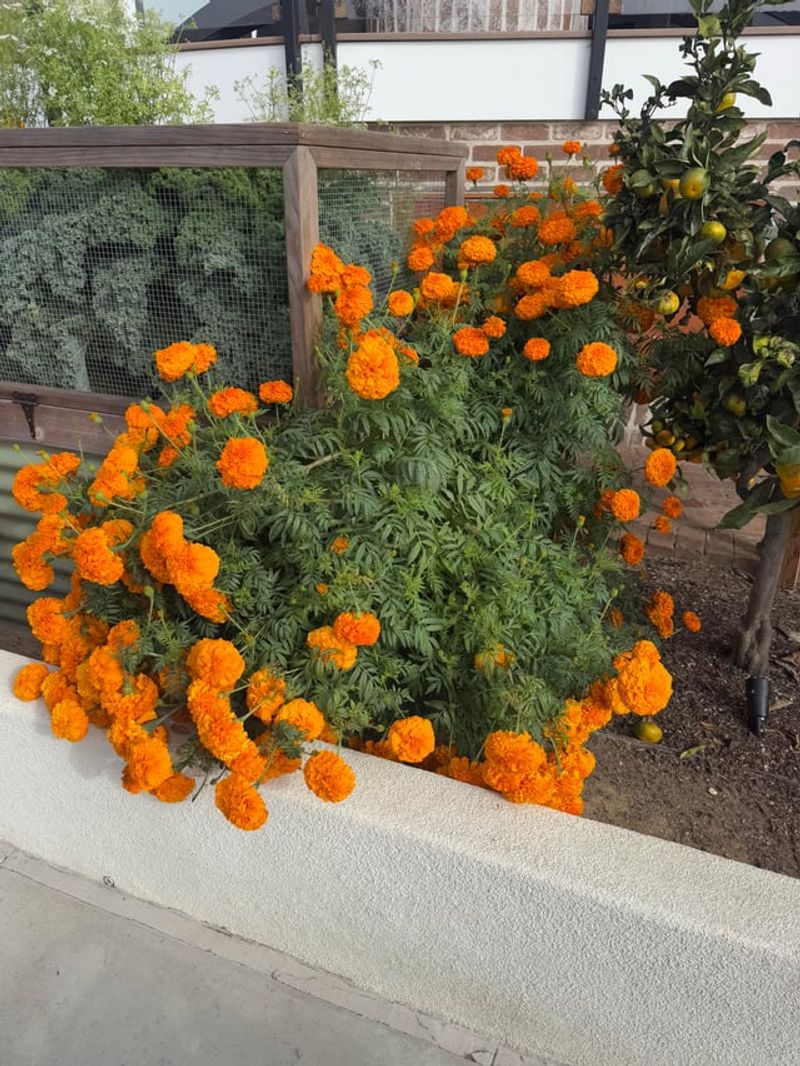
Veggie beds are basically an open invitation for rats. Fresh tomatoes, squash, beans, and leafy greens are exactly the kind of food rats are always looking for.
Without some kind of barrier, your hard work in the garden can quickly become someone else’s dinner.
Marigolds have been used by gardeners for generations as a natural pest deterrent. Their scent, which comes from a compound called thiophene, is sharp and unpleasant to many rodents and insects.
Planting them as a border around your vegetable beds creates a fragrant fence that rats do not enjoy crossing.
French marigolds tend to have the strongest smell and are a popular choice across California. They are compact, easy to grow from seed, and bloom from spring all the way through fall in most regions.
That long blooming season means you get months of protection without replanting constantly.
Space your marigolds close together so the border is solid. Gaps in the line give rats a way through without having to deal with the scent.
A double row is even better if your veggie bed is large or in a high-traffic rat zone.
Deadhead the spent blooms regularly to encourage new flowers. Fresh blooms carry stronger scent than old ones.
A well-maintained marigold border is both beautiful and functional, making it one of the smartest additions to any productive garden space.
4. Growing Rosemary Near Favorite Rat Hideouts
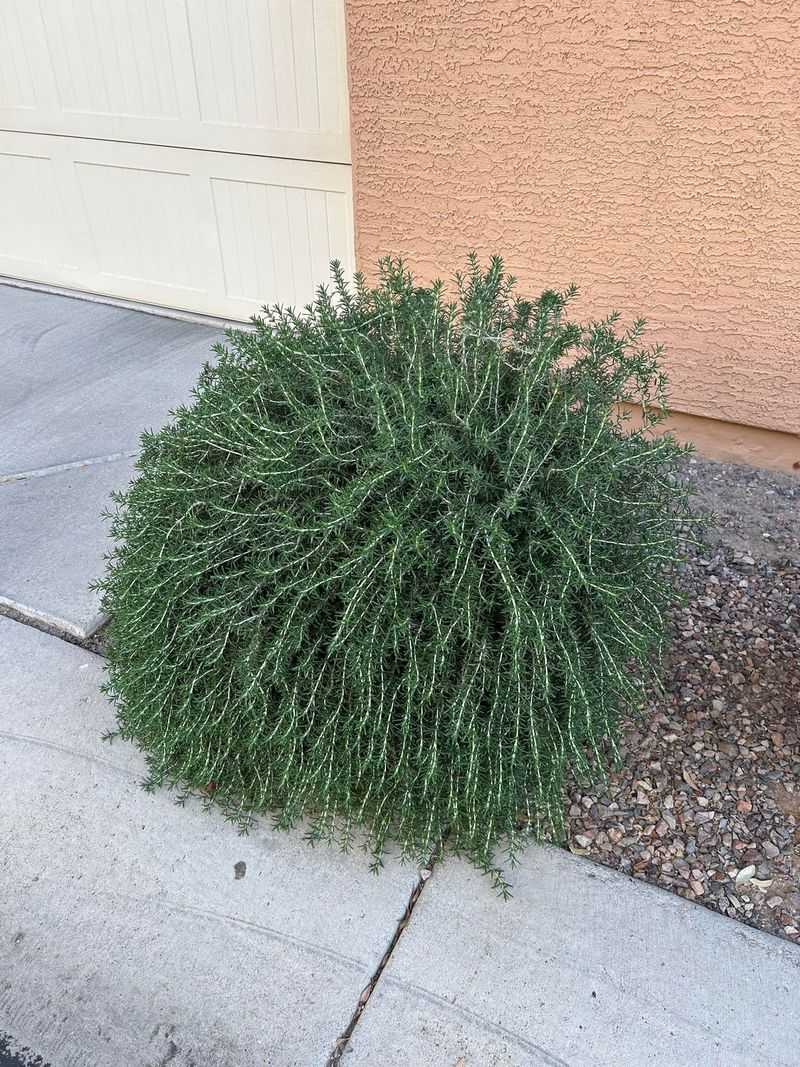
Few plants are as tough and fragrant as rosemary. It handles drought, thrives in rocky soil, and grows into thick woody shrubs that can reach several feet tall.
That combination of strength and scent makes it perfect for planting near spots where rats love to set up camp.
Compost bins, wood piles, and dense ground cover are top rat hideouts. Placing rosemary near these areas introduces a strong herbal aroma that rats find off-putting.
The sharp, piney scent of rosemary comes from compounds like camphor and cineole, which are intense to a rat’s sensitive nose.
In the drier southern regions, rosemary is practically indestructible once established. It needs very little water and almost no fertilizer.
In northern and coastal areas, it still does well but may need slightly better drainage to avoid root rot.
Plant rosemary in upright varieties for taller coverage near fences and walls. Creeping varieties work well as ground cover in areas where you want lower, spreading protection.
Either way, the scent stays strong year-round, even in winter when other plants go dormant.
Brush against the branches occasionally to release the oils and refresh the scent in the air. Pruning rosemary once a year keeps it from becoming too woody at the base and helps it stay dense and full.
A full, healthy plant is a far better deterrent than a sparse, neglected one.
5. Adding Scented Geraniums Around Patio Corners
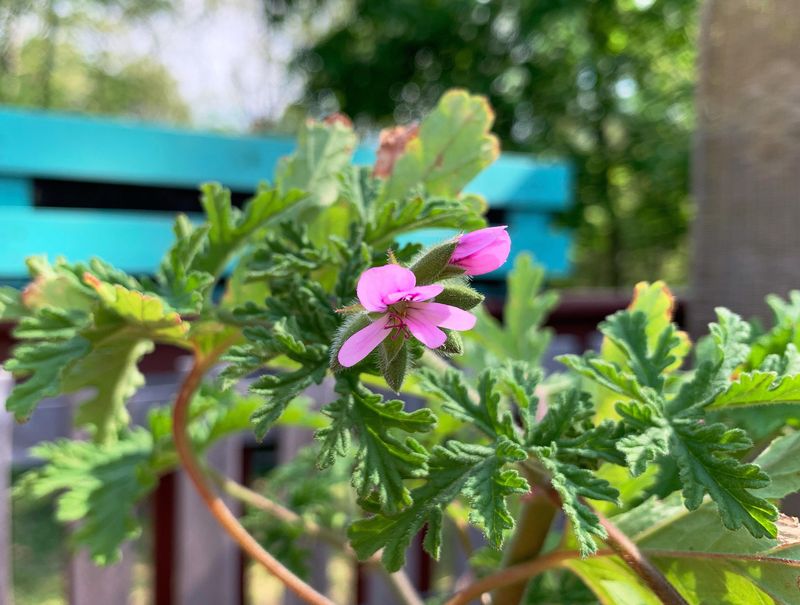
Patio corners are quiet, sheltered spots that rats love to explore after dark. They offer cover, warmth, and easy access to anything left out on the patio.
Adding scented geraniums to these corners is a simple way to make those spots far less appealing.
Scented geraniums are different from regular decorative geraniums. They come in a wide range of aromas, including rose, lemon, mint, and even nutmeg.
The lemon-scented varieties are especially effective at discouraging rats, as citrus-like smells tend to bother them quite a bit.
These plants do well in containers, which makes them incredibly flexible. You can move pots around to wherever rat activity seems to be picking up.
That kind of adjustable placement is a real advantage compared to plants that are fixed in the ground.
In California’s mild climate zones, scented geraniums can survive outdoors year-round. In areas with occasional frost, bring the pots inside during cold snaps and return them once temperatures rise.
They bounce back quickly and keep producing fragrant leaves throughout the growing season.
Rub the leaves gently every few days to release fresh scent. The oils in the leaves are what do the real work, so keeping the foliage healthy and active is key.
Trim off any withered or yellowing leaves to encourage new, oil-rich growth that keeps your patio corners smelling strong and rat-unfriendly.
6. Placing Strong-Smelling Herbs Along Rat Runways
Rats do not wander randomly. They run along fixed routes called runways, usually hugging walls, fences, or the edges of garden beds.
Once you spot those greasy marks or worn-down paths, you have found their highway. And that is exactly where to plant your strongest-smelling herbs.
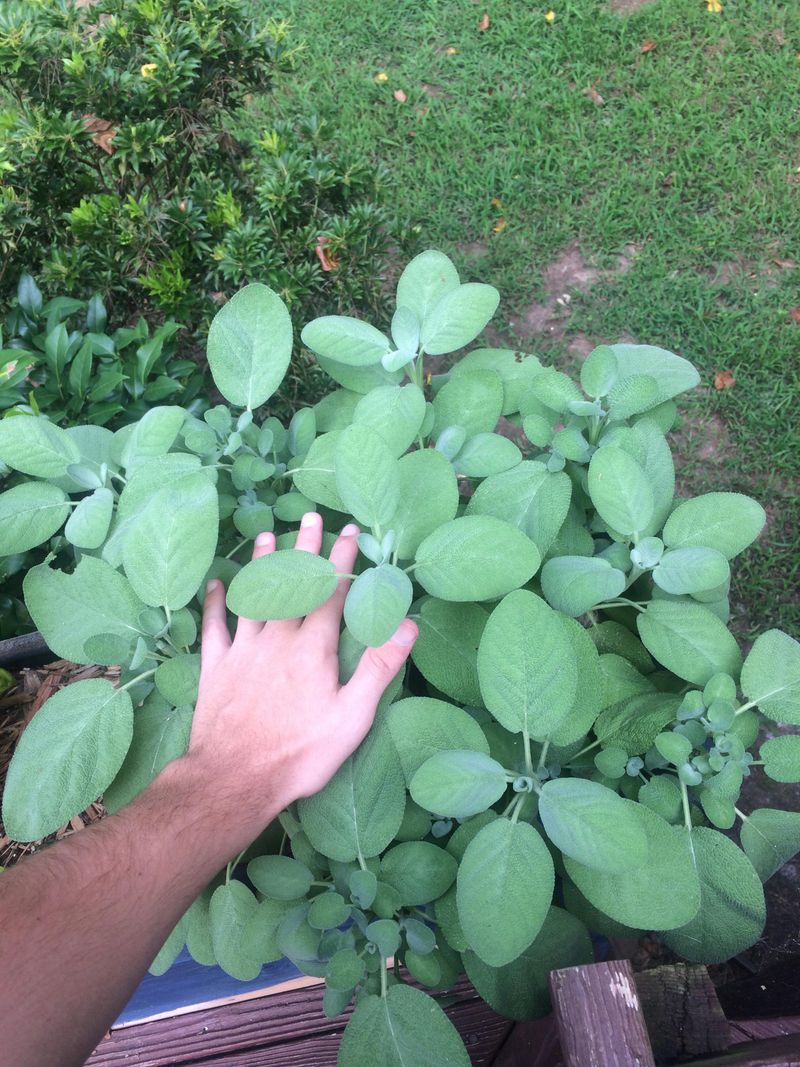
Sage, thyme, and basil are all excellent choices for planting along rat runways. Each one produces a bold, distinctive aroma that disrupts the scent trails rats rely on to navigate.
When their familiar path suddenly smells completely different, rats get confused and often abandon the route entirely.
Sage is especially powerful. Its camphor-like scent is strong even when the plant is not being touched.
Thyme spreads low and wide, making it great for filling in gaps along a fence edge. Basil is more seasonal but incredibly pungent during its peak growing months.
Plant these herbs in a continuous line along the known runway. Do not leave gaps.
Even a small break in the scented border gives rats a way through without running into the smell. A solid, unbroken line of strong herbs is far more effective than scattered plants.
Water and fertilize regularly to keep growth vigorous. Healthy, fast-growing herbs release more aromatic oils than stressed plants.
Harvesting frequently also encourages bushier, more fragrant growth, so feel free to use these herbs in your cooking while they are working hard in the garden.
7. Mixing Fragrant Flowers With Less Cozy Ground Cover
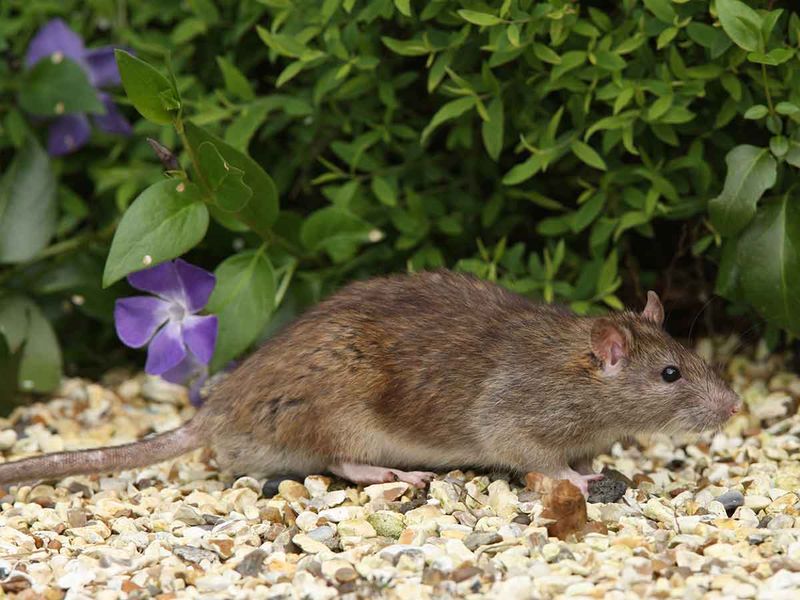
Rats love thick, soft ground cover. Dense ivy, deep mulch, and tangled low-growing plants give them perfect hiding spots close to the ground.
One of the smartest moves you can make is pairing your fragrant flowers with ground cover that is less inviting to nest in.
Gravel, decomposed granite, and river rock are great alternatives to thick organic mulch in rat-prone areas. They do not hold warmth or moisture the way bark mulch does, making them far less attractive for nesting.
When you pair open, rocky ground cover with fragrant plants above, you create a space that looks beautiful but offers rats almost nothing they want.
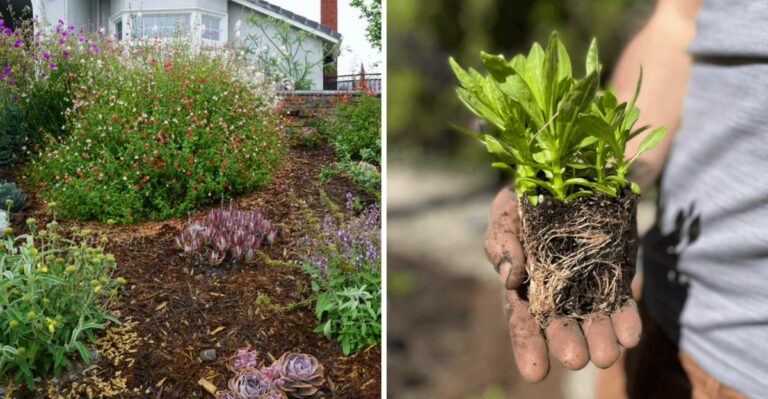
In the warmer, drier parts of California, this combination works especially well because drought-tolerant fragrant plants like lavender and rosemary already prefer well-drained, rocky soil. You are essentially creating conditions that suit your plants and frustrate the rats at the same time.
Plant fragrant flowers at regular intervals throughout the rocky ground cover so the scent is distributed evenly across the area. Clustering them only in one corner leaves the rest of the bed unprotected.
Spread them out so every section of the garden carries some aromatic deterrent.
Keep the ground cover layer thin and open. Avoid piling up organic material that rats could burrow into.
A clean, open surface with fragrant plants rising above it is one of the most effective combinations you can use to make your garden a place rats want to avoid.
8. Keeping Fallen Blooms And Seeds From Becoming Snacks
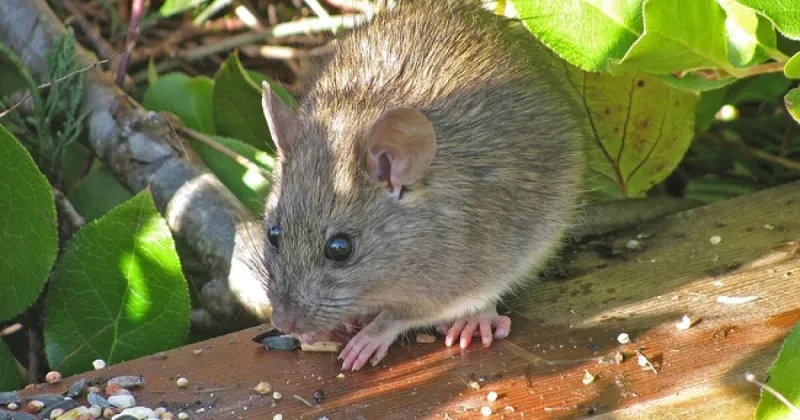
Here is a detail that a lot of gardeners overlook: fallen flowers and seeds are a food source. Even the most fragrant garden can attract rats if it is also offering them a free meal on the ground.
Keeping your garden floor clean is just as important as choosing the right plants.
Many flowering plants drop seeds, petals, and berries throughout the season. Marigolds produce seeds.
Lavender drops spent blooms. Rosemary occasionally drops small leaves and stems.
All of that organic material can pile up quickly and give rats something to snack on or carry back to their nests.
Make a habit of sweeping or raking your garden beds every few days. A quick pass through the beds removes fallen material before it builds up.
This is especially important in late summer and fall when many plants are finishing their bloom cycle and dropping the most material.
Collect and dispose of fallen plant debris in a sealed bin or compost container with a tight lid. Open compost piles are a major rat attraction, so keep yours covered.
If you collect spent blooms for seeds, store them in a sealed container inside your garage or shed.
A clean garden floor paired with fragrant plants sends a clear message: there is nothing here worth stopping for.
Rats are opportunistic, so removing food sources while keeping strong scents in place is a one-two punch that makes your yard a much less attractive destination for them.
9. Pairing Scented Plants With Cleaner Hiding Spots
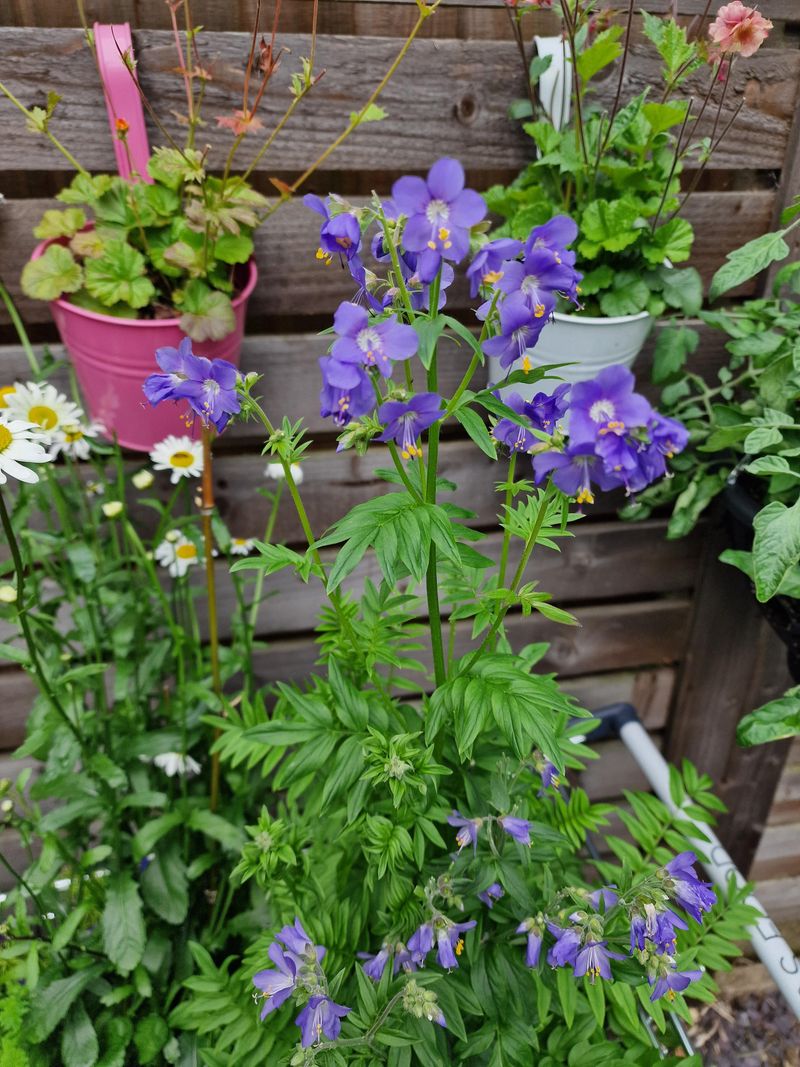
Scented plants are powerful, but they work best when rats do not have a bunch of cozy hiding spots to retreat to nearby.
If your garden is full of clutter, wood piles, and overgrown shrubs, even the strongest fragrant border will struggle to keep rats away completely.
Think of scented plants as part of a bigger strategy. They push rats away from entry points and runways, but you also need to reduce the appeal of the rest of the yard.
Tidy up any areas where rats might nest, including stacked materials, old pots, and dense overgrown corners.
Store firewood off the ground on a rack and away from the house. Keep it at least 18 inches above the soil so rats cannot nest underneath.
Place rosemary or sage nearby to add an aromatic layer of discouragement around the wood storage area.
Trim back overgrown shrubs and hedges so there is less cover close to the ground. Rats need to feel hidden to feel safe.
Open, well-maintained garden spaces with fragrant plants at the edges give them very little to work with.
Many California gardens have become rat-friendly without their owners realizing it. A few simple changes, like clearing clutter and adding strategic fragrant plantings, can shift the balance.
When your garden smells unwelcoming and offers no shelter, rats will move on and look for easier territory somewhere else.