California Street Trees That Are Quietly Destroying Foundations And Pipes
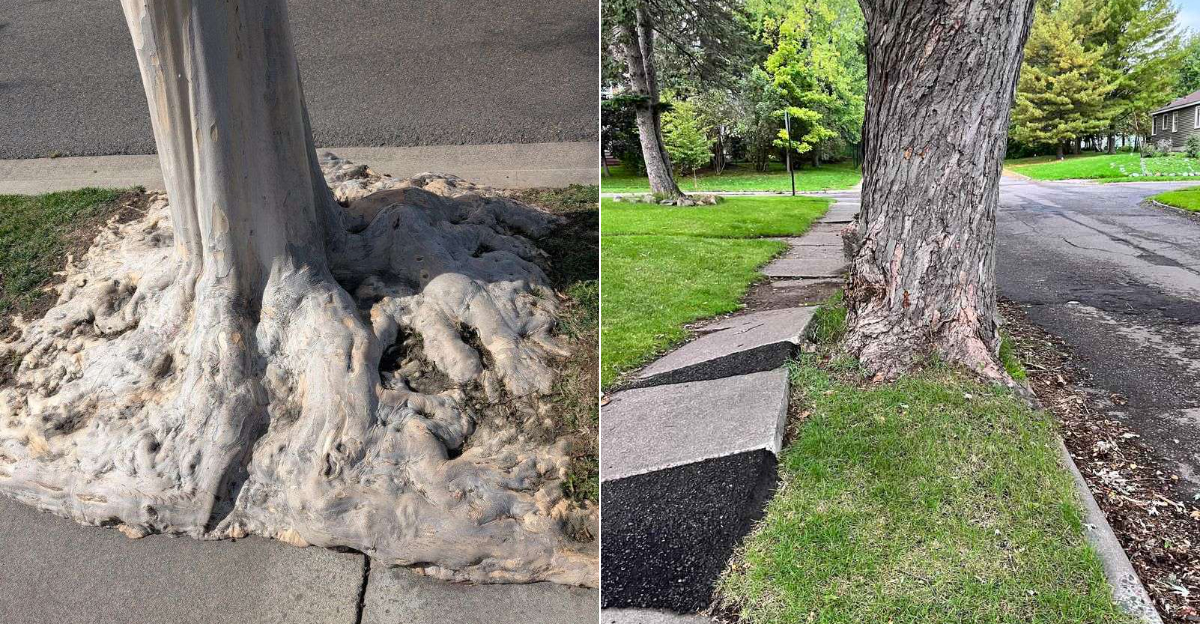
A street tree can make a California block look cooler, greener, and more welcoming. But the wrong tree in the wrong strip can cause trouble below the surface.
Roots naturally search for water and space, and some trees are far more aggressive than homeowners expect.
Over time, that growth can press against sidewalks, slip into weak pipe joints, or add stress near foundations.
The damage may not show up right away, which makes these trees easy to overlook when they are young. A small lift in the pavement or a slow drain can be an early clue.
Before planting near curbs, driveways, or older plumbing, it helps to know which trees need extra caution. The prettiest shade tree is not always the safest long-term choice.
1. Willows Can Send Water-Seeking Roots Toward Pipes
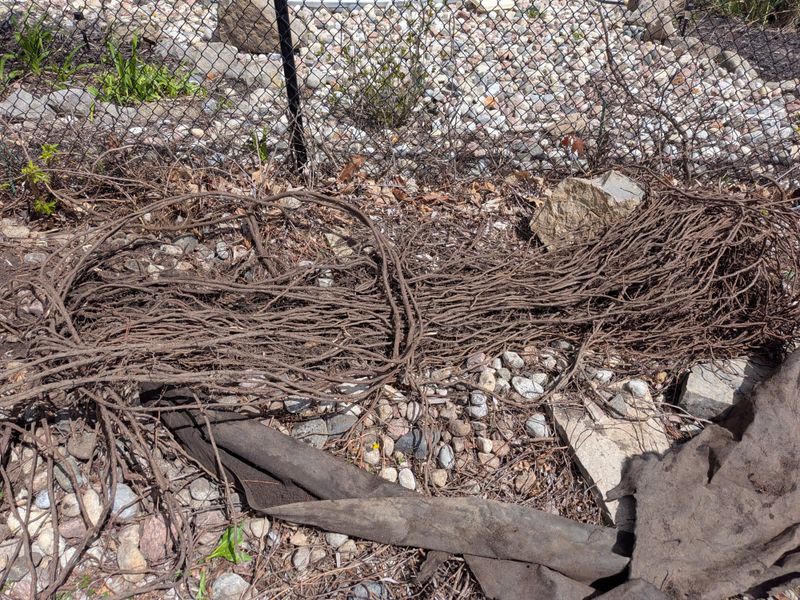
Few trees are as thirsty as a willow. These trees are practically programmed to find water, and they will send their roots in any direction to get it.
That makes them one of the most dangerous trees to have near underground plumbing.
Willow roots can travel surprisingly far from the base of the tree. They are thin and flexible, which lets them squeeze into the tiniest cracks in pipes.
Once inside, they grow and expand until the pipe breaks. Older clay pipes are especially at risk because they have small gaps at the joints where roots can sneak in.
Homeowners near willow trees often notice slow drains or gurgling sounds before they realize there is a root problem. By the time those signs appear, the roots may have already done serious damage.
A plumber with a camera can check your pipes without digging anything up.
If you have a willow on your street, keep an eye on your drains every year. Ask your city about root barriers or pipe lining to protect your plumbing.
Replacing clay pipes with modern plastic ones also helps since plastic has fewer gaps for roots to enter. Willows are beautiful trees, but they need to be planted far from any water source, including your home’s pipes.
2. Poplars Grow Fast With Roots That Need Room
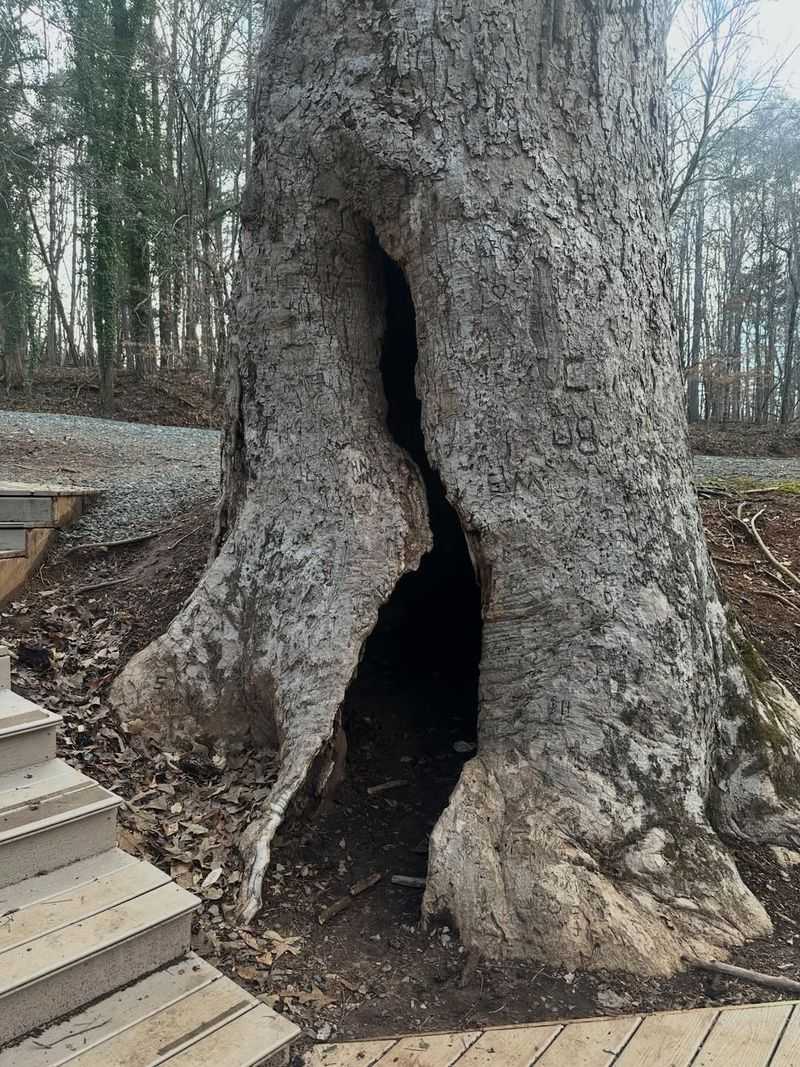
Poplars are the sprinters of the tree world. They shoot up fast, which is exactly why cities loved planting them for quick shade.
But fast growth above ground usually means fast-spreading roots below ground.
Poplar roots spread wide and shallow. They hug the surface of the soil instead of going deep, which puts them right where sidewalks, driveways, and shallow utility lines sit.
A poplar planted in a small strip of dirt between the street and the sidewalk is basically a ticking clock for pavement damage.
The roots also tend to be very aggressive. They will push through asphalt, concrete, and even old pipes if water is nearby.
Neighborhoods in the San Joaquin Valley and parts of the Central Coast have seen significant poplar-related sidewalk damage over the years.
One of the smartest things you can do if you have a poplar nearby is to get a professional to assess its root zone.
Your California Garden Changes Every Week. Your Plan Should Too.
Gardening in California changes quickly throughout the season. Every Friday you’ll receive a simple weekly plan showing exactly what to plant, prune, fertilize, harvest, and protect so you never miss the right timing.
Root barriers made of thick plastic sheeting can redirect roots away from structures when installed correctly.
Many cities are now replacing poplars with smaller, less aggressive species in tight urban spaces. If a poplar is on city property, contact your local public works department to ask about a tree review.
Acting before the roots reach your pipes is always cheaper than repairing the damage afterward.
3. Silver Maples Can Lift Pavement And Crowd Utilities
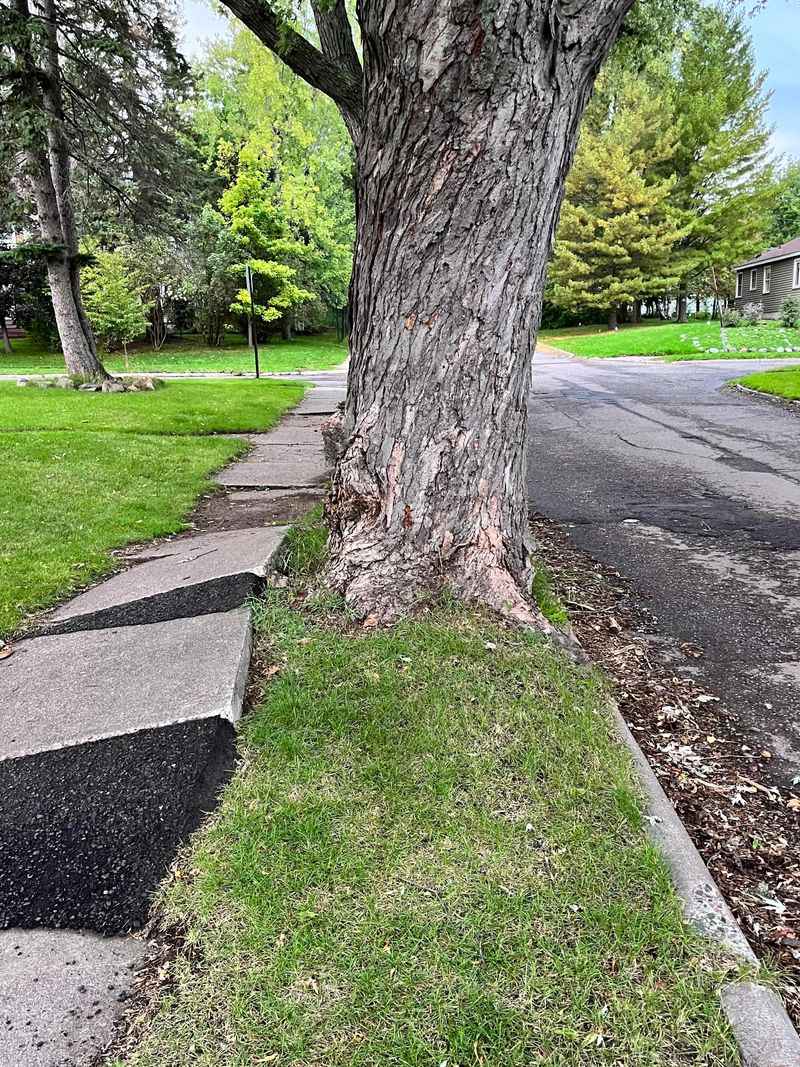
Silver maples have a reputation that homeowners and city planners know well. They grow quickly, they look lovely in the fall, and they have root systems that seem to have a grudge against concrete.
Sidewalks near silver maples often end up cracked and uneven within just a few years of planting.
The roots grow close to the surface and spread out wide. When they hit a sidewalk or driveway, they push up from below.
This creates trip hazards and can also damage underground utility lines. Water, gas, and sewer pipes are all at risk when a silver maple is nearby.
Older neighborhoods in California that were planted up with silver maples in the 1970s and 1980s are now seeing the full effects. Some blocks have had to replace entire sections of sidewalk multiple times.
The city usually handles sidewalk repairs on public property, but homeowners often get stuck paying for damage on their own driveways.
If you spot roots near your driveway or foundation, call an arborist for an assessment. Root barriers can be installed to redirect growth away from structures.
Grinding down raised pavement sections can help in the short term, but addressing the root cause, literally, is the only lasting solution.
Ask your city about switching to a less invasive species if the silver maple is on public land.
4. London Plane Trees Need More Space Than Small Lots Provide
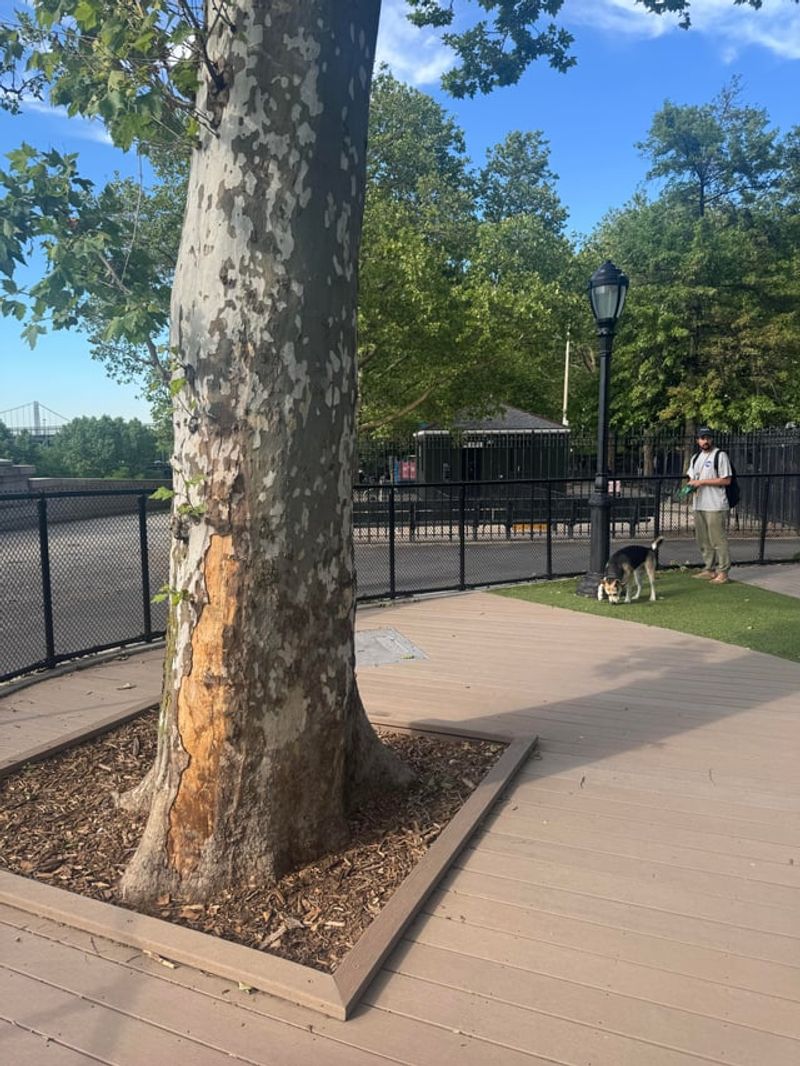
London plane trees are a popular choice for city streets because they handle pollution well and provide generous shade.
But there is a big mismatch between how large these trees get and how much space they are usually given to grow in.
A mature London plane can reach 70 to 100 feet tall with a canopy that spreads just as wide. Their root systems match that size.
When planted in a narrow strip between the curb and the sidewalk, the roots have nowhere to go but into the pavement, foundations, and pipes nearby.
Many older cities planted London planes along main streets decades ago. Those trees are now fully mature and their roots are causing serious problems.
Cracked sidewalks, broken curbs, and damaged sewer lines are all common complaints from property owners near these trees.
The fix is not always simple. Removing a mature street tree requires city permits and can be expensive.
But leaving it in place without any root management means the damage will keep getting worse.
Some cities are experimenting with structural soil systems that give roots more room to grow without damaging pavement above.
If you live near a large London plane and notice cracks forming, report it to your city’s urban forestry department. Early action can prevent much larger repair bills down the road.
5. Elms Can Become A Problem Near Older Sewer Lines
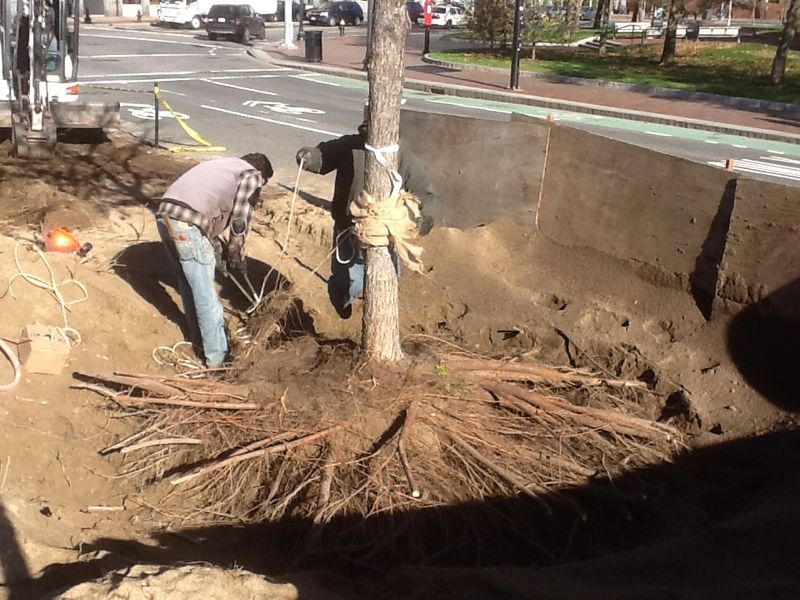
Elms have a long history in American cities. They were planted everywhere for their graceful arching canopies and reliable shade.
But beneath that beauty is a root system that can cause real headaches, especially near older sewer lines.
Old clay sewer pipes, which are still common in neighborhoods built before the 1970s, have small gaps between each section. Elm roots are very good at finding those gaps.
Once a root enters a pipe, it uses the moisture inside to grow bigger and faster. Over time, the root mass inside the pipe can completely block flow.
Homeowners often notice the problem only when their drains start backing up. By then, the roots may have caused serious damage inside the pipe.
A sewer camera inspection is the best way to check without digging. Many plumbers offer this service and it can save you from a very costly surprise.
If your home sits near an elm on a city street, it is worth asking a plumber to inspect your sewer line every few years.
Pipe lining is a modern solution that seals old pipes from the inside, making it much harder for roots to enter.
Keeping up with regular plumbing maintenance is the best defense. Elms are worth saving, but not at the cost of your sewer system.
6. Coast Redwoods Can Overwhelm Small Urban Planting Strips
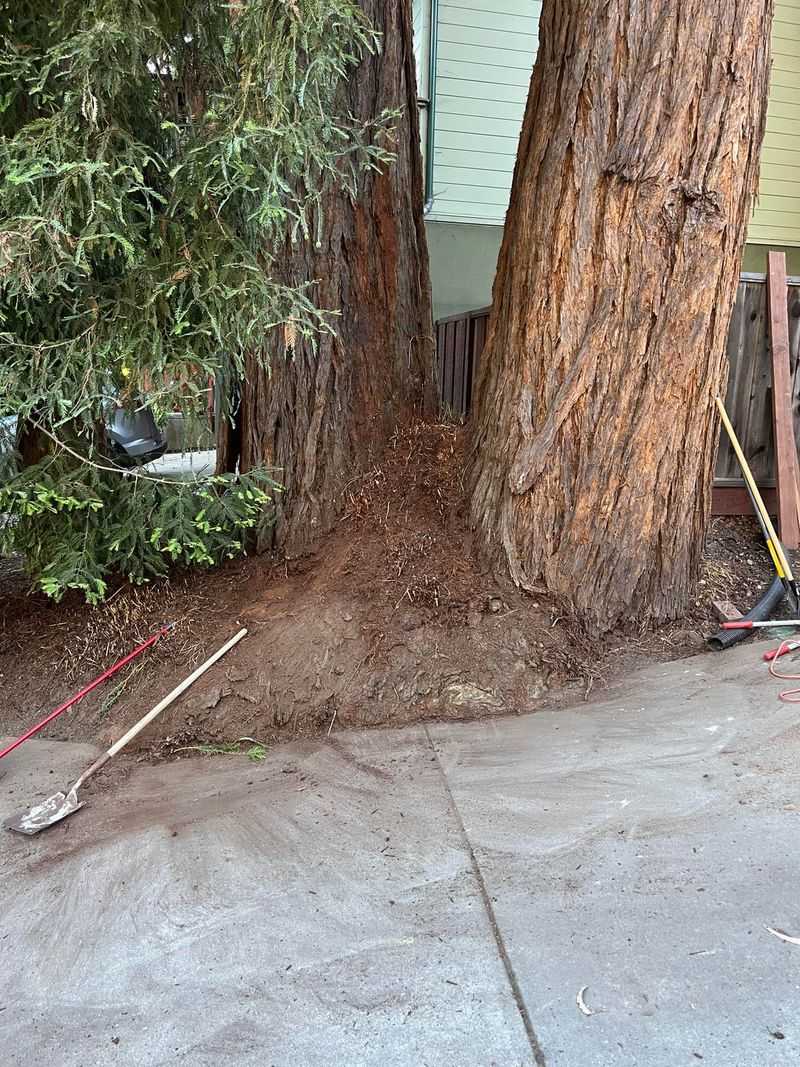
Coast redwoods are one of the most iconic trees in California. They are magnificent in forests where they have acres of space to grow.
But planting them in small urban strips is a recipe for serious infrastructure damage.
In their natural habitat, coast redwoods develop wide, shallow root systems that spread far beyond the canopy. In a city setting, those roots hit pavement, curbs, foundations, and pipes almost immediately.
The roots are also very strong. They can push through concrete with surprising force as the tree grows larger.
Some coastal neighborhoods planted coast redwoods as street trees in the mid-20th century.
Many of those trees are now enormous, and the surrounding sidewalks and utilities are suffering for it.
Repair costs in some areas have run into the tens of thousands of dollars per block.
Redwoods also consume a lot of water, which draws their roots toward irrigation systems and water mains.
If you live near a large redwood in an urban area, watch for cracks in your driveway, foundation, or sidewalk.
Contact your city’s parks or public works department if you see damage forming. Root barriers can help in some situations, but they need to be installed early to be effective.
For trees this large, professional arborist advice is always the smart first step.
7. Ficus Trees Are Risky Near Sidewalks And Foundations
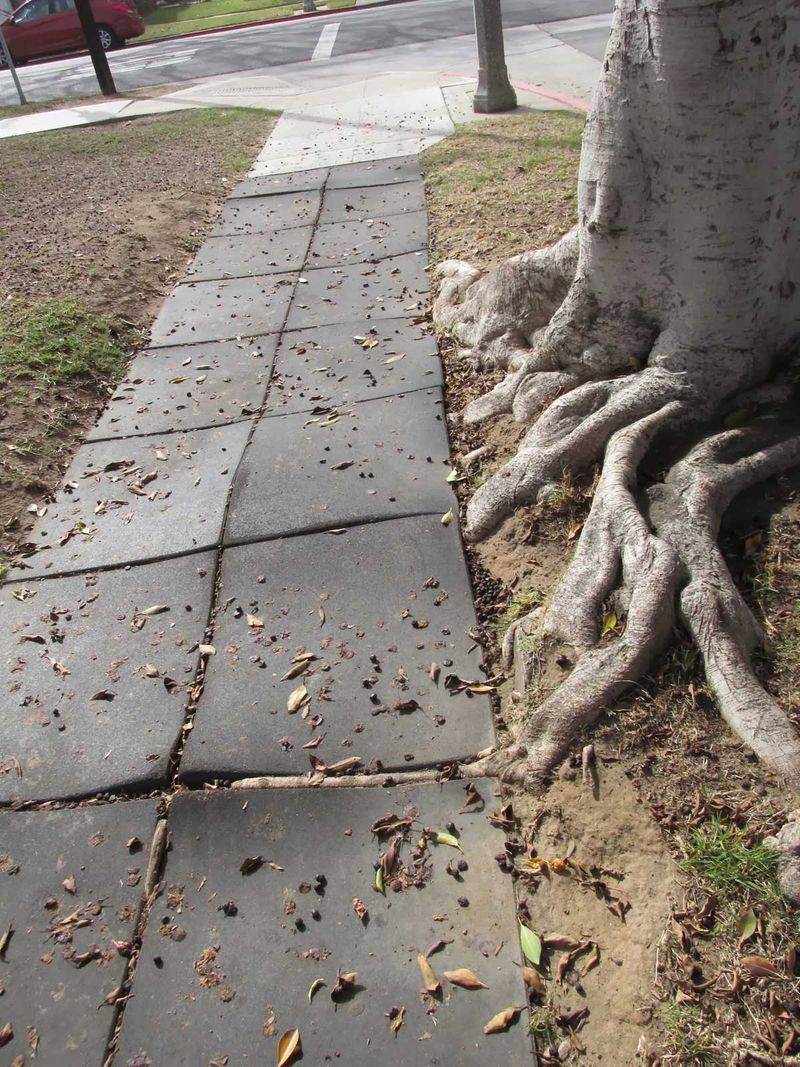
Anyone who has walked along certain streets in Southern California has probably stumbled over a raised sidewalk section caused by ficus roots.
These trees are notorious for their aggressive, surface-hugging root systems that seem to attack everything nearby.
Ficus trees were planted widely in warmer parts of California because they grow fast and stay green all year. But their roots spread far and wide just below the surface.
Sidewalks, driveways, and building foundations are all vulnerable. In some cities, ficus trees have caused millions of dollars in sidewalk repairs over the years.
The roots are also known to enter pipes. Because ficus roots spread so aggressively, they can reach plumbing lines that seem far from the tree’s base.
Older neighborhoods with clay sewer pipes are especially at risk. Even newer plastic pipes can be pushed out of alignment by the force of growing roots.
Many cities have begun removing ficus street trees and replacing them with less invasive species. If you have a ficus on your street, check your sidewalk and driveway for cracks or raised sections regularly.
Report any pavement damage to your city right away. For your home’s foundation and pipes, an annual plumbing inspection is a smart investment.
Getting ahead of ficus root damage early is much easier than dealing with the results of years of unchecked growth.
8. Eucalyptus Trees Can Outgrow Tight Street-Side Spaces
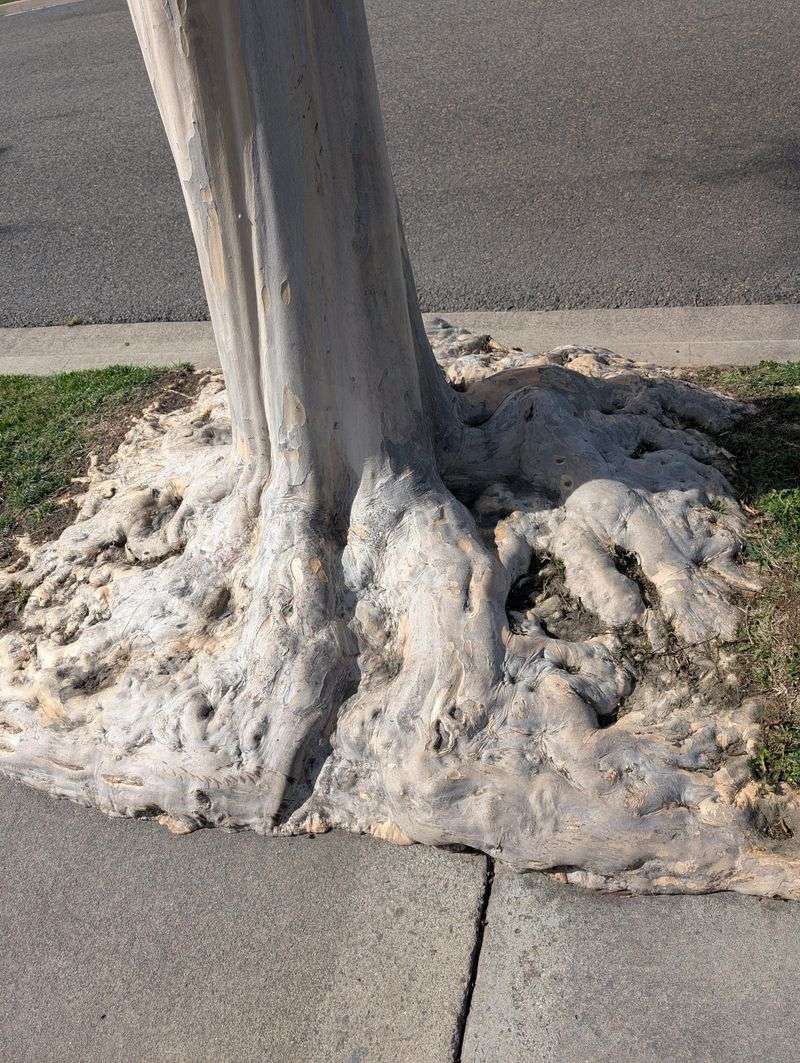
Eucalyptus trees were brought to California in the 1800s with big hopes. People thought they would be great for timber and windbreaks.
Instead, they grew faster and larger than expected, and their roots became a major issue in urban settings.
These trees can grow extremely tall and their root systems spread wide to anchor them. In tight street-side spaces, those roots have no room to spread safely.
They end up pushing under sidewalks, invading planting beds, and working their way toward water lines.
The roots are also very efficient at pulling moisture from the soil, which can cause the ground to shift and settle unevenly.
Soil shrinkage from eucalyptus water uptake is a real concern near foundations. When soil dries out and contracts, it can pull away from a home’s foundation walls.
Over time, that movement can cause cracks and structural problems. This is especially concerning during dry summers, which are common across much of California.
If a eucalyptus tree is growing near your home, have a foundation specialist or arborist take a look.
Keeping the soil around your foundation evenly moist during dry months can reduce the shrinkage effect.
Ask your city if the tree is on a removal or replacement list. Many municipalities are phasing out eucalyptus in urban areas because of these exact concerns.
9. Sycamores Need Distance From Pipes And Hardscape
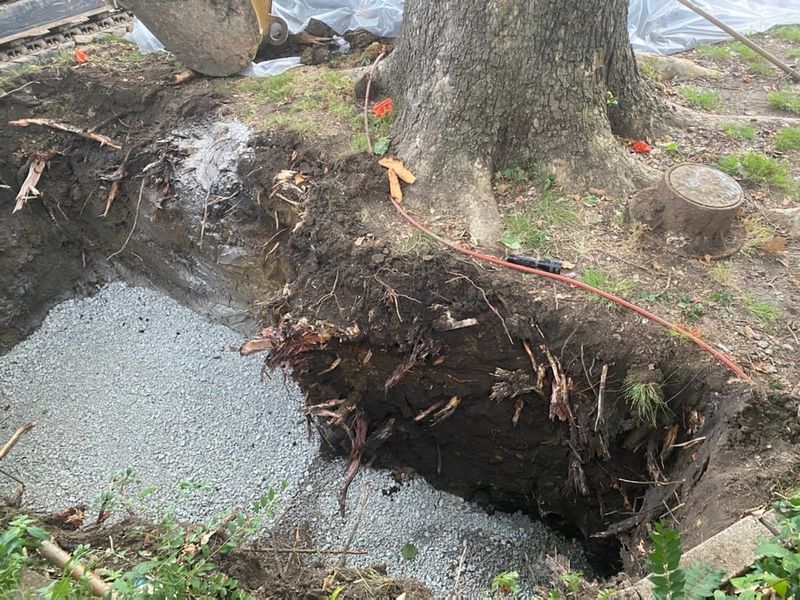
Sycamores are stunning trees. Their peeling bark and wide canopies make them stand out on any street.
But those beautiful trees come with a root system that does not play well with pipes, sidewalks, or driveways placed too close.
Sycamore roots are strong and wide-spreading. They tend to grow just below the surface, which puts them right in the path of pavement and shallow utilities.
In parks and open spaces, this is not a problem. But on a city street with a narrow planting strip, the roots quickly run out of room and start causing damage.
Water is a major driver of sycamore root behavior. Like willows, sycamores are drawn to moisture.
If there is a leaky pipe or a poorly sealed sewer joint nearby, sycamore roots will find it. Once inside, the roots can grow into a dense mass that blocks flow and eventually breaks the pipe.
If you have a sycamore near your home, keep your plumbing in good repair. A small leak is an open invitation for roots.
Ask a licensed plumber to inspect your sewer line if you notice any drainage slowdowns. Root barriers can be installed around foundations to redirect growth.
Sycamores are worth keeping when they have enough space, but they need to be managed carefully in tight urban environments to protect nearby structures.
10. Liquidambar Roots Can Buckle Sidewalks And Driveways
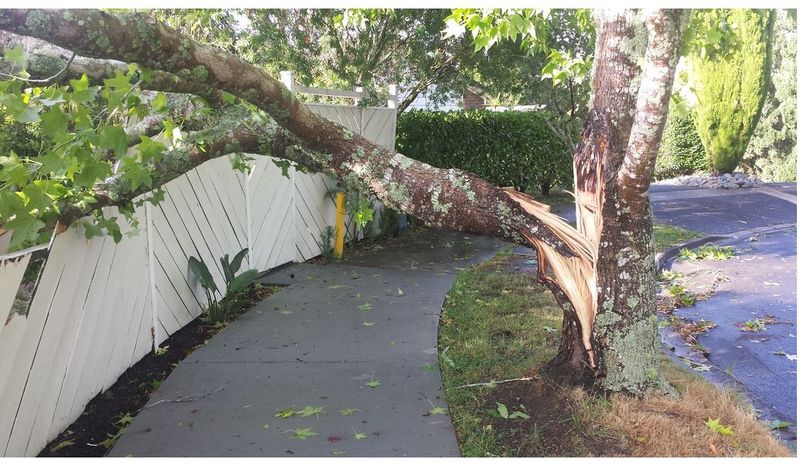
Liquidambar trees, also called sweet gums, are famous for two things: their stunning fall color and their spiky seed balls that cover the ground every autumn.
But there is a third thing they are known for among homeowners, and it is far less charming.
The roots of a liquidambar spread wide and stay close to the surface. This makes them very effective at buckling sidewalks and driveways.
A tree planted near the edge of a driveway can start pushing up the concrete within just a few years of being established. The damage gets worse as the tree matures.
In many neighborhoods across California, liquidambar street trees have caused so much pavement damage that cities have had to launch major sidewalk repair programs.
Some areas have replaced liquidambar trees entirely with species that have less aggressive root habits.
The problem is that these trees were planted so widely that the damage is now widespread.
If a liquidambar is near your driveway or walkway, watch for small cracks forming at the edges first. Those small cracks grow fast once the roots get under the slab.
Root barriers installed along the edge of a driveway can redirect roots downward instead of sideways. For existing damage, a concrete contractor can help repair or replace affected sections.
Pairing that repair with a root barrier gives you the best chance of keeping the damage from coming back.