Why Citrus Leaves Turn Yellow In July In Arizona And How To Fix It
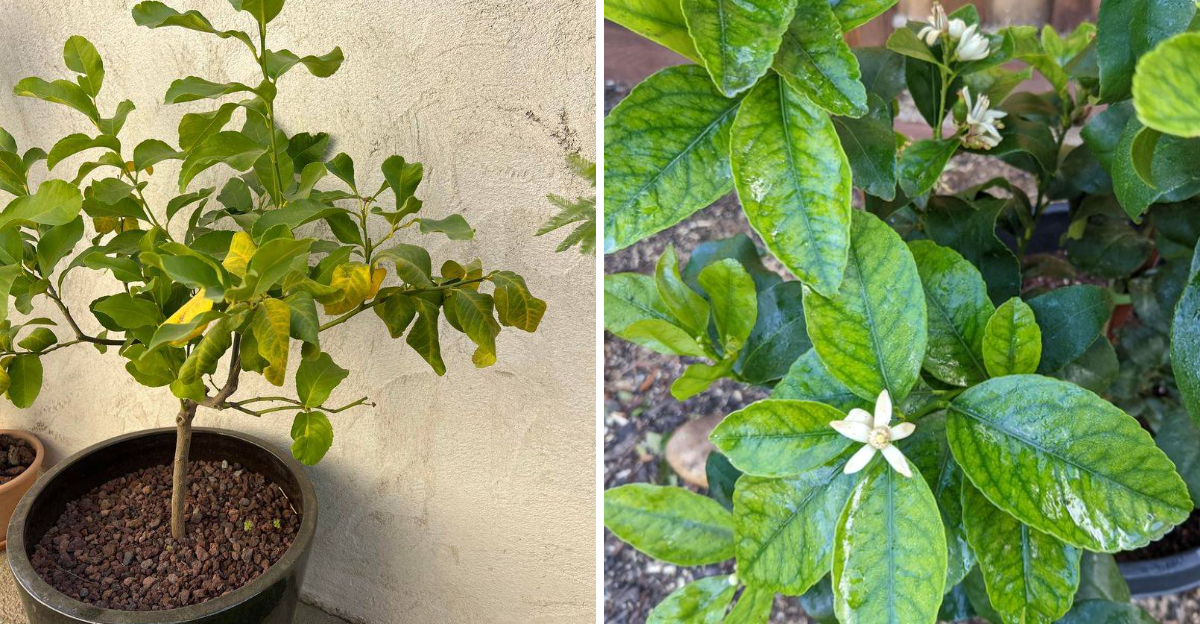
Healthy citrus trees should not turn yellow overnight, so those fading leaves can be frustrating to find. Before you blame the heat alone, take a closer look.
Your tree is trying to tell you something, and guessing usually makes the problem worse. Don’t reach for extra fertilizer or another long watering session until you know what’s really happening.
Arizona’s July weather can reveal hidden nutrient problems and watering mistakes at the same time. Once you spot the real cause, the solution becomes much simpler.
Make one smart change instead of several. Your citrus has a better chance to recover when every step has a clear purpose.
You’ll protect the leaves, support healthy growth, and head into the rest of summer with far more confidence and fewer unnecessary setbacks along the.
1. Iron Deficiency Is A Common July Problem
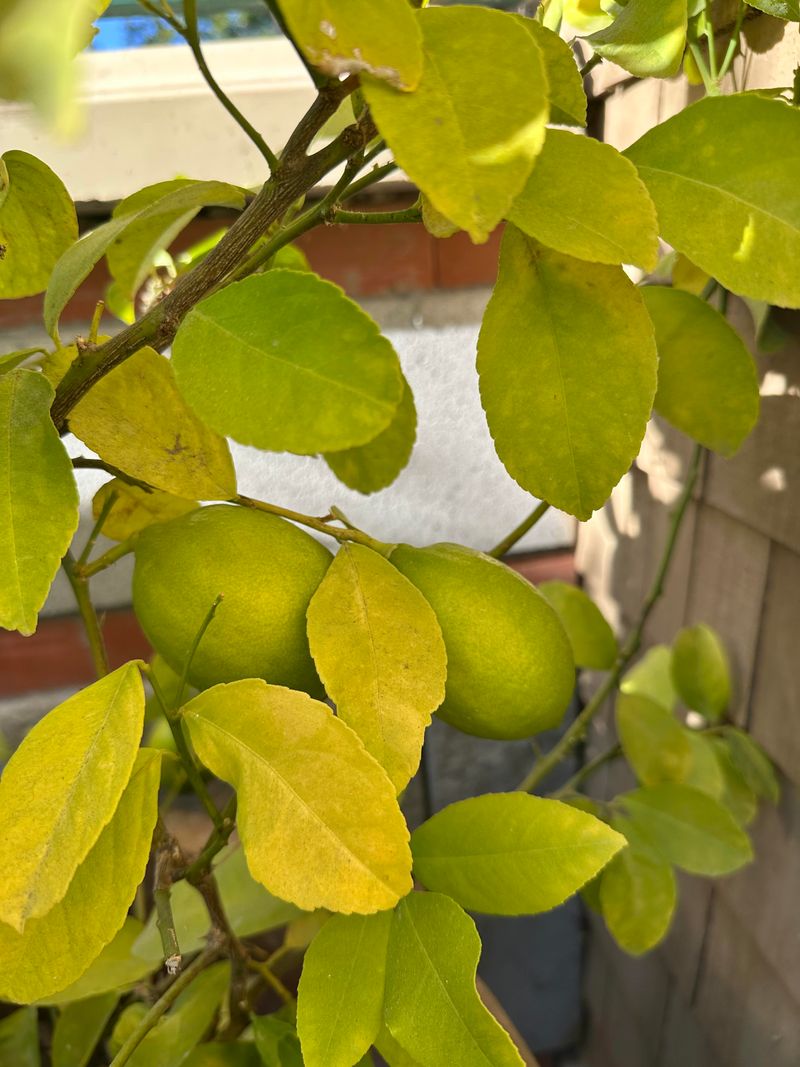
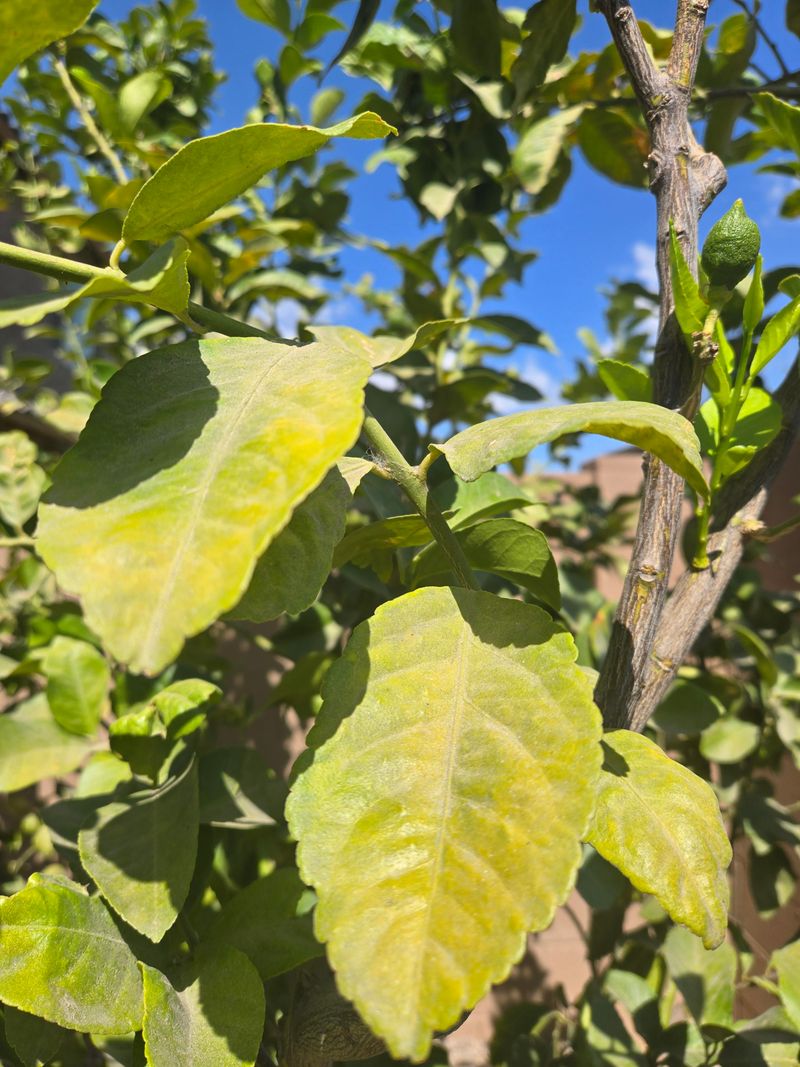
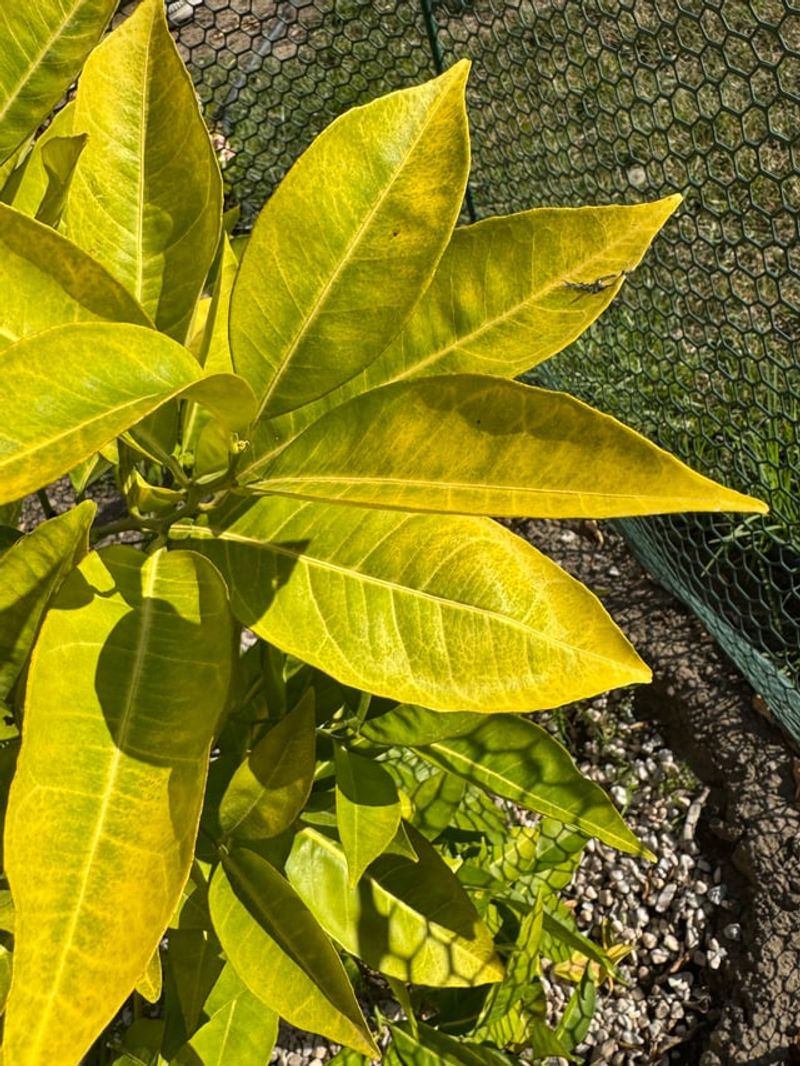
Yellow leaves with green veins are a clear sign. When citrus trees show that pattern, iron deficiency is almost always the reason.
It is one of the most common issues citrus growers in the Southwest deal with, especially during the heat of July.
Iron is essential for chlorophyll production. Without enough of it, leaves lose their green color but the veins stay green.
That contrast is called interveinal chlorosis, and it is easy to spot once you know what to look for.
Citrus trees need a steady supply of iron to grow healthy, dark green leaves. During July, high temperatures and soil stress can make it even harder for trees to pull iron from the ground.
The problem often gets worse as summer drags on.
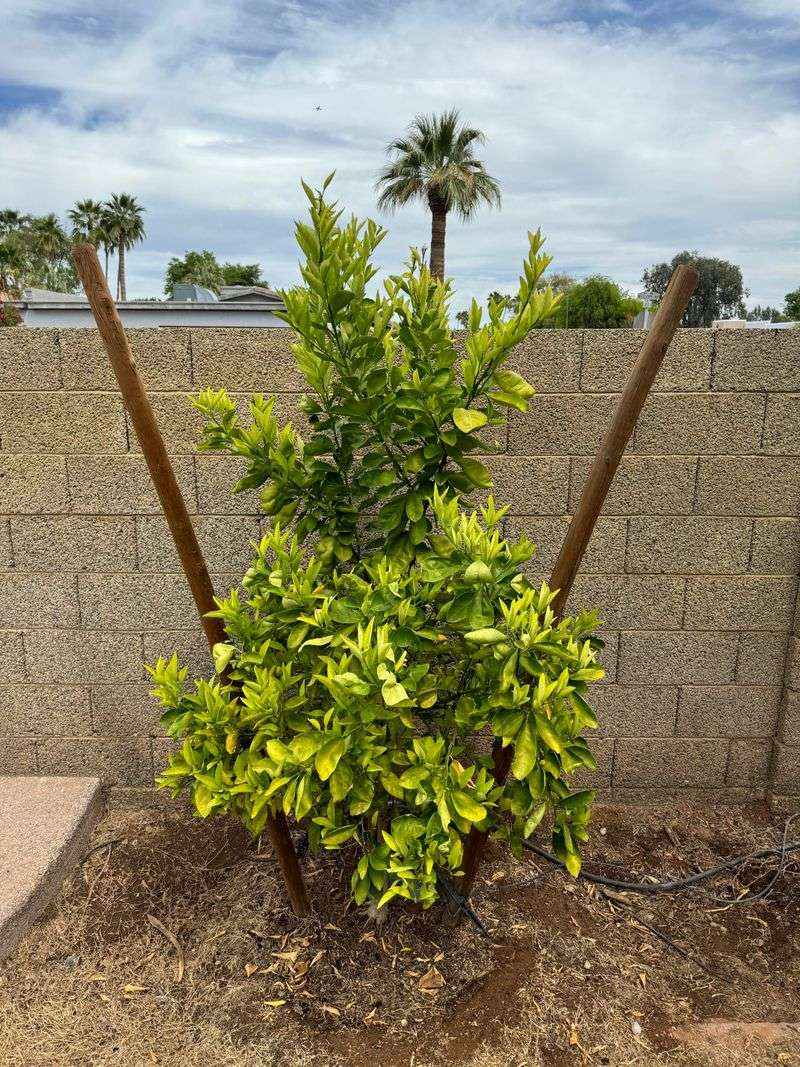
New growth tends to show the deficiency first. Young leaves at the tips of branches usually turn yellow before older leaves do.
Checking the newest growth is a quick way to confirm iron is the issue.
Fixing it starts with understanding why the deficiency is happening in the first place. Sometimes the soil simply lacks iron.
More often, the iron is present but the tree cannot access it. Soil pH is usually the reason behind that.
2. High Soil Alkalinity Blocks Iron Uptake
Alkaline soil is one of the sneakiest problems citrus growers face in the desert Southwest. The soil here naturally runs high in pH, often between 7.5 and 8.5 or even higher.
At those levels, iron becomes chemically locked in the soil and roots simply cannot absorb it.
Even if you add iron fertilizer, high pH can block uptake before the tree gets any benefit. That is why some trees stay yellow no matter how much fertilizer gets applied.
Lowering the soil pH is a critical step that often gets skipped.
Sulfur is a practical and widely available soil amendment that can help bring pH down over time. It works slowly, so patience matters.
Applying it a few inches away from the trunk and watering it in gives the best results.
Acidifying fertilizers can also help shift the pH in the right direction. Products that contain ammonium sulfate are commonly used around citrus for this reason.
Your Arizona Garden Changes Every Week. Your Plan Should Too.
Gardening in Arizona changes quickly throughout the season. Every Friday you’ll receive a simple weekly plan showing exactly what to plant, prune, fertilize, harvest, and protect so you never miss the right timing.
Over several weeks, a gradual shift in pH can make a noticeable difference in leaf color.
Testing your soil before making changes is a smart move. A basic soil pH test kit costs very little and gives you real data to work with.
Without knowing your starting pH, it is hard to know how much amendment your soil actually needs.
3. Reflected Heat Can Make Yellowing Worse
Radiant heat in Arizona summers is no joke. Walls, concrete, and gravel can reflect intense heat directly onto citrus leaves, pushing leaf temperatures well beyond what the tree can handle comfortably.
That extra heat load compounds any existing nutrient stress.
When leaves overheat, they lose water faster than the roots can replace it. That rapid moisture loss puts the tree under stress, and stressed trees absorb nutrients less efficiently.
So even a tree with adequate iron in the soil may struggle to use it when heat is extreme.
South-facing and west-facing exposures tend to be the worst spots. Walls painted white or light colors reflect even more heat.
If your citrus sits near one of those surfaces, the reflected light and heat may be contributing to the yellowing you are seeing.
Shade cloth can offer some relief during peak afternoon hours. Even a 30 to 40 percent shade cloth draped over the canopy during the hottest weeks can reduce leaf temperature noticeably.
It is a temporary fix, but it gives the tree a chance to stabilize.
Mulching around the base of the tree also helps. A thick layer of wood chip mulch keeps the soil cooler and reduces moisture evaporation from the ground.
Cooler roots tend to function better, and better root function usually leads to improved nutrient uptake over time.
4. Watering Too Often Can Stress The Roots
Overwatering is a trap that catches a lot of well-meaning citrus growers every summer. When July temperatures climb past 110 degrees, the instinct is to water more.
But watering too frequently can actually cause more harm than not watering enough.
Roots need air as much as they need water. When soil stays wet for too long, oxygen gets pushed out and roots begin to suffocate.
Oxygen-starved roots lose the ability to absorb nutrients effectively, and iron deficiency symptoms can appear even when iron is present in the soil.
Citrus roots also become more vulnerable to root rot fungi in constantly wet conditions. Root rot does not show up overnight, but it quietly reduces the tree’s ability to feed itself.
Yellow leaves are often one of the first visible signs that something is wrong underground.
Sandy desert soils drain quickly, but clay-heavy soils hold moisture much longer. Knowing your soil type helps you judge how often to water.
Sticking a finger or a wooden dowel several inches into the soil before watering is a simple and reliable way to check moisture levels.
Deep, infrequent watering is far better for citrus than shallow, frequent watering. It encourages roots to grow deeper, where soil stays cooler and more stable.
Deeper roots are more resilient during heat waves and less likely to sit in standing water after irrigation.
5. Apply Chelated Iron To Correct Deficiency
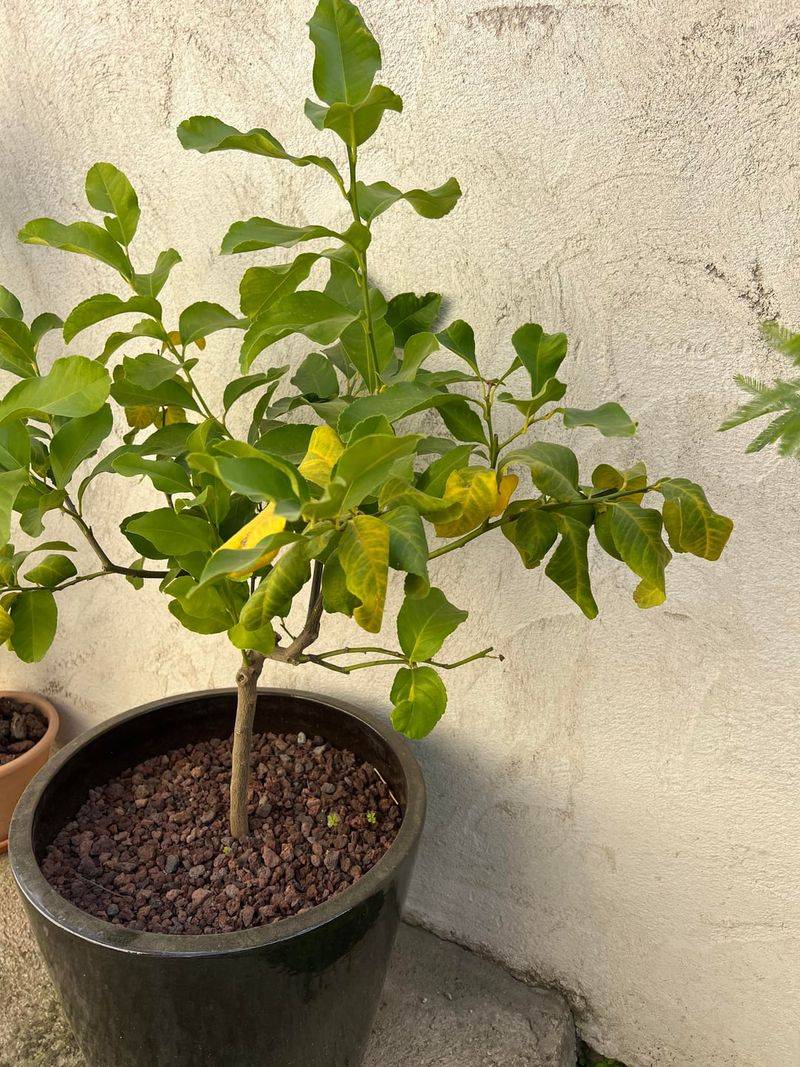
Chelated iron is the most reliable way to correct iron deficiency in citrus, especially in high-pH soils. Unlike standard iron sulfate, chelated iron stays available to roots even in alkaline conditions.
That makes it a much better choice for desert soils that resist regular iron supplements.
Chelated iron comes in granular and liquid forms. Liquid chelated iron can be applied as a soil drench or as a foliar spray directly on the leaves.
Foliar application tends to work faster because the leaves absorb it directly, bypassing the soil chemistry problem altogether.
For foliar sprays, apply early in the morning when temperatures are cooler. Spraying during peak heat can cause the solution to evaporate before it absorbs properly, and it may even scorch leaves.
Morning application gives the product time to soak in before the day heats up.
Soil drenching with chelated iron works more gradually but tends to have longer-lasting effects. Water the tree first, then apply the chelated iron solution around the drip line where feeder roots are most active.
Avoid applying directly against the trunk.
Results are not instant. Give the treatment two to four weeks before expecting significant color change in the leaves.
New growth showing darker green is a positive sign the iron is getting through. Older yellow leaves may not fully recover, but healthy new growth confirms the treatment is working.
6. Water Only When The Soil Begins To Dry
Timing your watering correctly is one of the most practical things you can do for a struggling citrus tree. Waiting until the top few inches of soil begin to dry out before watering again gives roots the breathing room they need.
That simple habit can prevent a lot of problems before they start.
Established citrus trees in desert climates are more drought-tolerant than most people expect. During July, a mature tree may only need watering every five to seven days depending on soil type and tree size.
Younger trees need more frequent watering, but still not daily.
A wooden dowel pushed about six inches into the soil tells you a lot. Pull it out and check whether it feels damp or dry.
If it comes out with moist soil clinging to it, the tree does not need water yet. If it comes out clean and dry, it is time to water deeply.
When you do water, go slow and deep. A slow trickle from a hose or drip system for an extended period is far more effective than a quick spray.
Deep watering encourages roots to reach down rather than spread near the surface where heat and drought stress are greatest.
Adjusting your watering schedule based on what the soil actually tells you, rather than a fixed calendar, leads to healthier roots and better nutrient absorption.
7. Healthy New Growth Shows The Tree Is Recovering
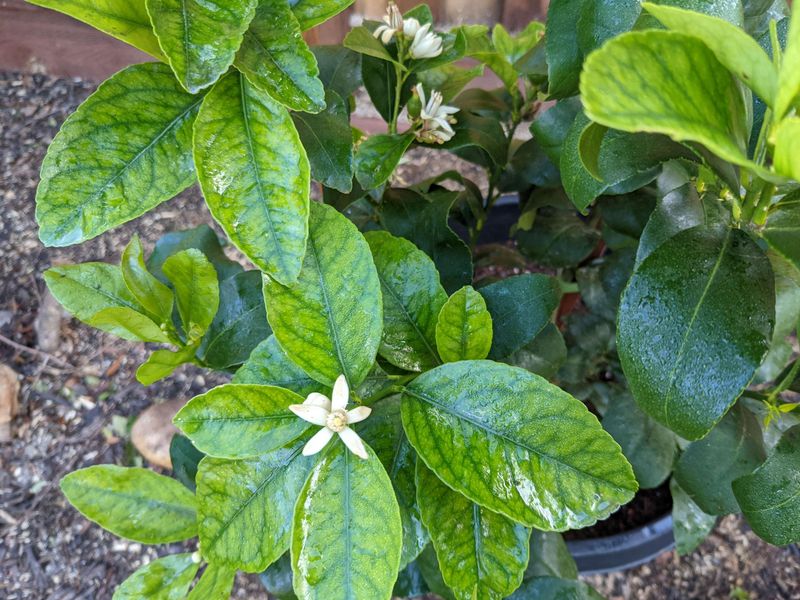
Seeing fresh green leaves push out from the tips of your citrus branches is genuinely encouraging. New growth with good color is one of the clearest signs that your tree is responding positively to whatever changes you have made.
It means nutrients are moving again and roots are doing their job.
Do not expect yellow leaves already on the tree to turn green again. Once a leaf yellows from iron deficiency, it rarely recovers its original color.
What matters is whether the newest growth coming in looks healthy and vibrant. That is where to focus your attention.
Recovery usually happens gradually over several weeks. Consistency with your treatment plan matters more than any single application.
Keep monitoring the soil moisture, maintain your chelated iron schedule, and avoid overwatering during the recovery period.
If new growth is coming in pale or yellowish rather than deep green, the underlying issue may not be fully resolved yet.
Revisit your soil pH, check your watering habits, and consider whether the tree is getting too much reflected heat from nearby structures.
Citrus trees in the desert Southwest are resilient when given the right conditions. Most trees that show summer yellowing can recover well with targeted care.
Patience is a big part of the process.