This Is Where Thrips Damage Michigan Gladiolus And Dahlias First Before Blooms Look Scarred
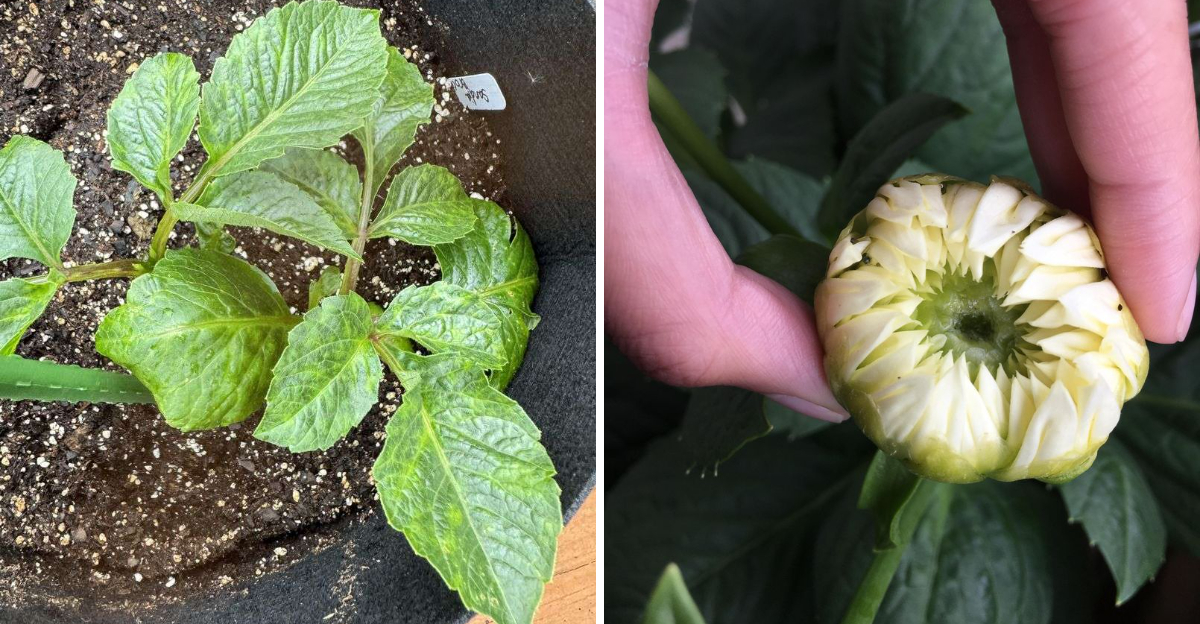
Thrips are tiny, sneaky pests that often go unnoticed until the damage is already visible on your flowers. In Michigan gardens, these insects tend to target the tightly closed buds of gladiolus and dahlias first, feeding before petals even open.
This early feeding causes streaks, silvery patches, or scarring that only becomes obvious once blooms unfurl. By the time you notice discolored petals, thrips have usually been active for a week or more.
Checking inside unopened buds with a magnifying glass can reveal these pests before visible damage spreads. Warm, dry weather speeds up thrips reproduction, making late summer a peak time for infestations.
Removing and disposing of affected buds helps slow their spread to healthy blooms. Catching thrips early protects the rest of the season’s flower display from lasting cosmetic harm.
1. Inspect Gladiolus Leaf Sheaths First
Most gardeners walk right past the leaf sheaths without a second glance, and that is exactly what thrips are counting on.
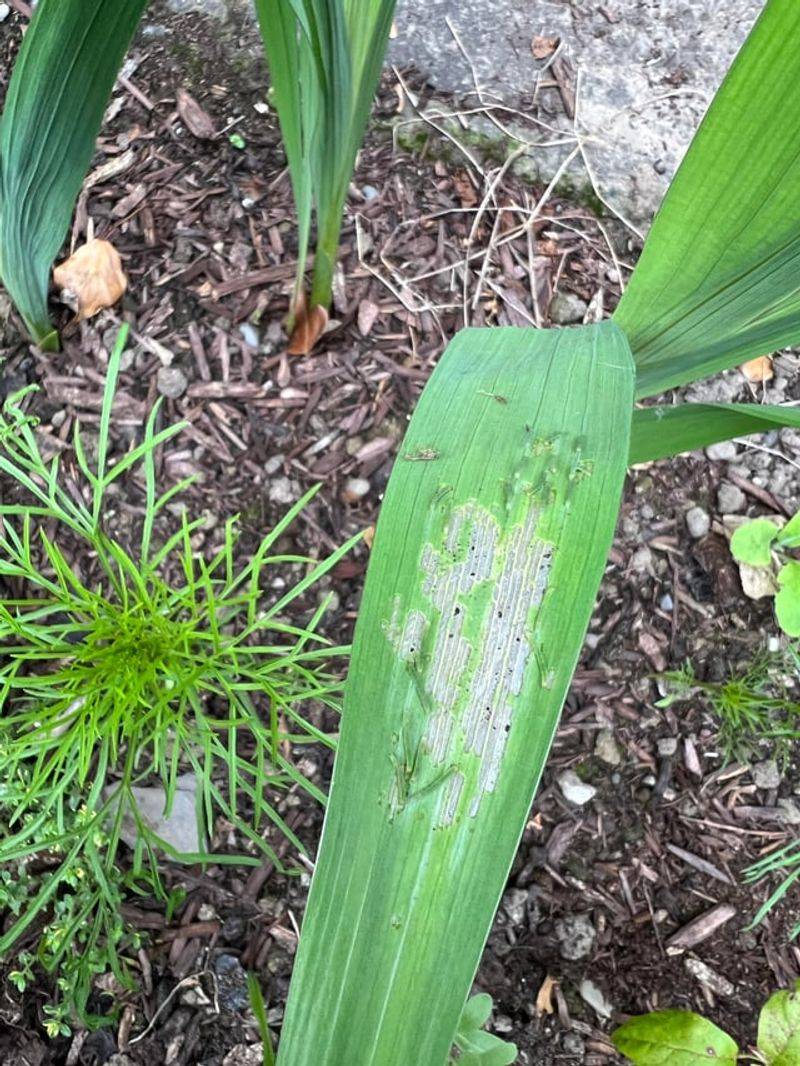
The overlapping sections where gladiolus leaves wrap tightly together create a sheltered, humid microenvironment that thrips find very attractive.
These narrow gaps protect them from wind, rain, and direct sunlight, making the sheaths one of the first places they settle after arriving in your garden.
Feeding inside those tight spaces often begins well before any flower spike pushes upward. You might notice pale silvery streaks running along the leaf tissue, slightly roughened patches that look almost sandpapered, or tiny dark specks scattered along the surface.
Those dark specks are actually thrips waste, and spotting them early is a huge advantage for any gardener trying to stay ahead of the problem.
Grab a hand lens before heading out to scout, because thrips are extremely small and easy to miss with the naked eye. Gently separate the leaf sheaths and hold them open while you examine the inner surface closely.
Another reliable trick is tapping the suspicious foliage sharply over a sheet of white paper and watching carefully for anything that moves. Thrips are slender, pale to yellowish-brown, and tend to scramble quickly once disturbed.
Checking this spot regularly during warm, dry Michigan summers gives you the best chance of catching an infestation before it spreads upward toward developing flower spikes.
Early action always produces far better results than waiting until petals open with visible scarring, so make the leaf sheaths your very first stop during every scouting session.
2. Check The Newest Gladiolus Leaves Before They Unfold
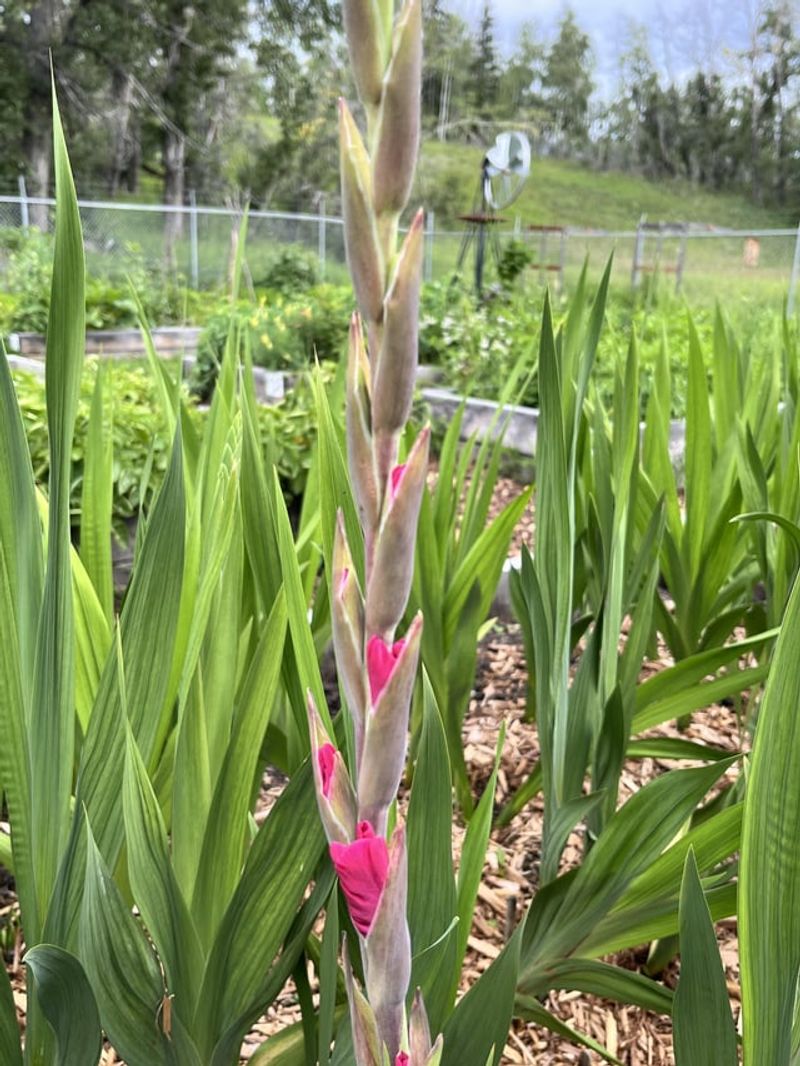
Young gladiolus leaves that have not fully opened yet are basically a thrips paradise. The soft, tender tissue inside a still-folded leaf is easy to feed on, and the tight curl keeps insects hidden from predators and casual observation.
By the time those leaves unfurl and spread out in the sun, the feeding damage is already done and permanently written into the plant tissue.
Twisted or slightly crinkled growth emerging from the center of the plant is one of the earliest signals worth paying attention to.
Narrow pale streaks running lengthwise along the leaf, silvery patches that catch the light differently from surrounding tissue, and scattered tiny dark specks all suggest that feeding activity started before the leaf even had a chance to open.
Your Michigan Garden Changes Every Week. Your Plan Should Too.
Gardening in Michigan changes quickly throughout the season. Every Friday you’ll receive a simple weekly plan showing exactly what to plant, prune, fertilize, harvest, and protect so you never miss the right timing.
These clues are easy to overlook unless you are actively comparing new growth against older, healthy foliage nearby.
Michigan summers tend to bring stretches of warm, dry weather that thrips absolutely love. During those periods, populations can build up surprisingly fast, and the newest growth takes the hardest hit because it is the most accessible and nutritious.
Checking emerging leaves every few days during peak season keeps you informed about what is happening before the damage compounds.
Hold a newly emerging leaf up to natural light to spot faint discoloration or surface distortion more easily. Tapping the folded leaf over white paper can also reveal insects that would otherwise stay hidden inside.
Consistent scouting of new growth is one of the most practical habits a Michigan gardener can build, and it pays off significantly when blooms finally open looking clean and undamaged.
3. Examine Gladiolus Flower Spikes While They Remain Enclosed
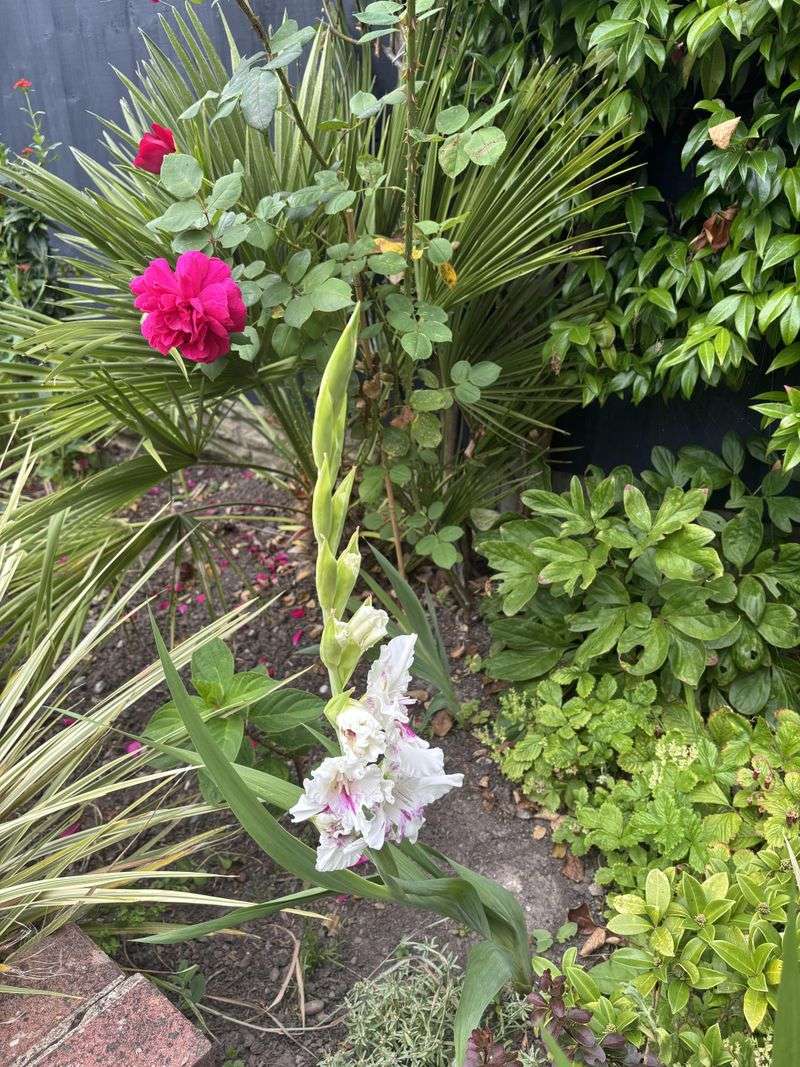
A gladiolus flower spike can look perfectly clean on the outside while thrips are already feeding on developing petals hidden inside.
The protective bracts that wrap around the forming spike create a warm, enclosed space that thrips find easy to enter and very difficult to leave once they settle in.
Waiting until the spike begins to open means the feeding has already been happening for days, sometimes longer.
Carefully squeeze the sides of a suspect spike very gently and watch for any tiny insects that scramble toward the edges or drop toward the ground.
Another approach that works well is clipping a single suspicious bud and tapping it firmly over a sheet of white paper indoors where you can see movement more clearly.
If you spot slender, fast-moving insects, pale yellowish in color, you have confirmed the presence of thrips before any petal has even had a chance to open.
The outside of the spike may show almost no visible damage at this stage, which is what makes this scouting step so easy to skip. Some gardeners only inspect the outer surface, see nothing alarming, and move on.
But the real story is happening inside, where petals are developing and absorbing feeding marks that will later appear as streaks, pale patches, distortion, or roughened areas across the bloom surface.
Building a habit of inspecting enclosed spikes at least twice a week during the height of Michigan summer gives you a meaningful head start.
Catching thrips before flowers open keeps your garden looking its absolute best and saves you from the frustration of watching beautiful blooms open already scarred and discolored from invisible feeding that started weeks earlier.
4. Look Closely At Dahlia Growing Tips
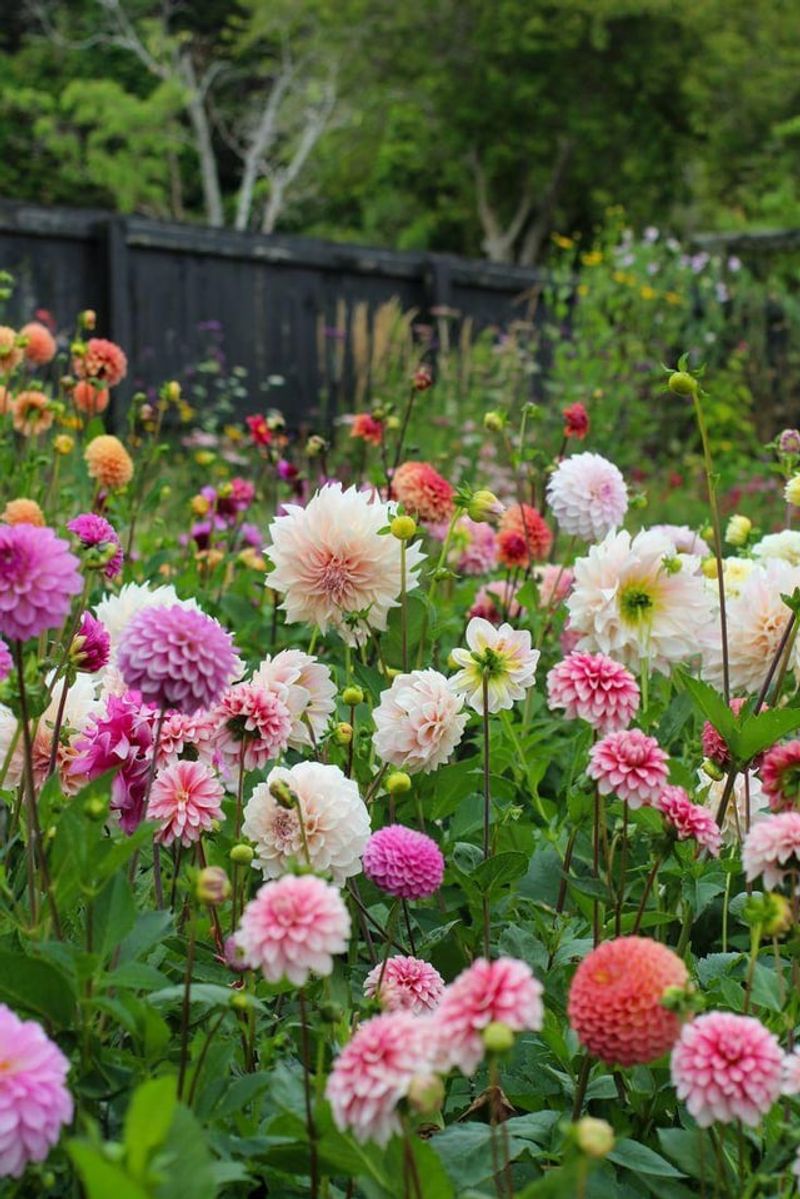
Dahlia growing tips are where all the action happens, and unfortunately, thrips know that too.
The newest tissue at the very top of each dahlia stem is soft, loaded with nutrients, and completely exposed, which makes it a prime feeding location for thrips that arrive early in the season.
Damage here is not always dramatic at first, but the signs are worth learning to recognize quickly.
Young leaves emerging from the growing tip may look slightly curled at the edges, narrower than normal, or unevenly shaped compared to healthy foliage lower on the same plant.
A faint bronzed or silvery sheen on the upper leaf surface, combined with tiny dark specks scattered nearby, is a reliable indicator that feeding has already begun.
Older leaves further down the stem often still look completely normal at this stage, which is exactly why focusing on the newest growth gives you a much more accurate picture of what is actually happening.
Thrips populations tend to spike during warm, dry stretches, and Michigan summers deliver plenty of those. When temperatures rise and humidity drops, thrips move fast and feed aggressively on the most vulnerable plant tissue available.
Checking growing tips every few days during these periods is a smart and practical routine that costs very little time but provides a lot of useful information.
Bring a hand lens along when you scout, because thrips are genuinely difficult to spot without magnification. Look along the base of each tiny leaf and around any area where leaves overlap.
Catching the problem at the growing tip means you have found it at the very beginning, well before any dahlia bloom has a reason to look scarred or discolored.
5. Inspect The Undersides Of Young Dahlia Leaves
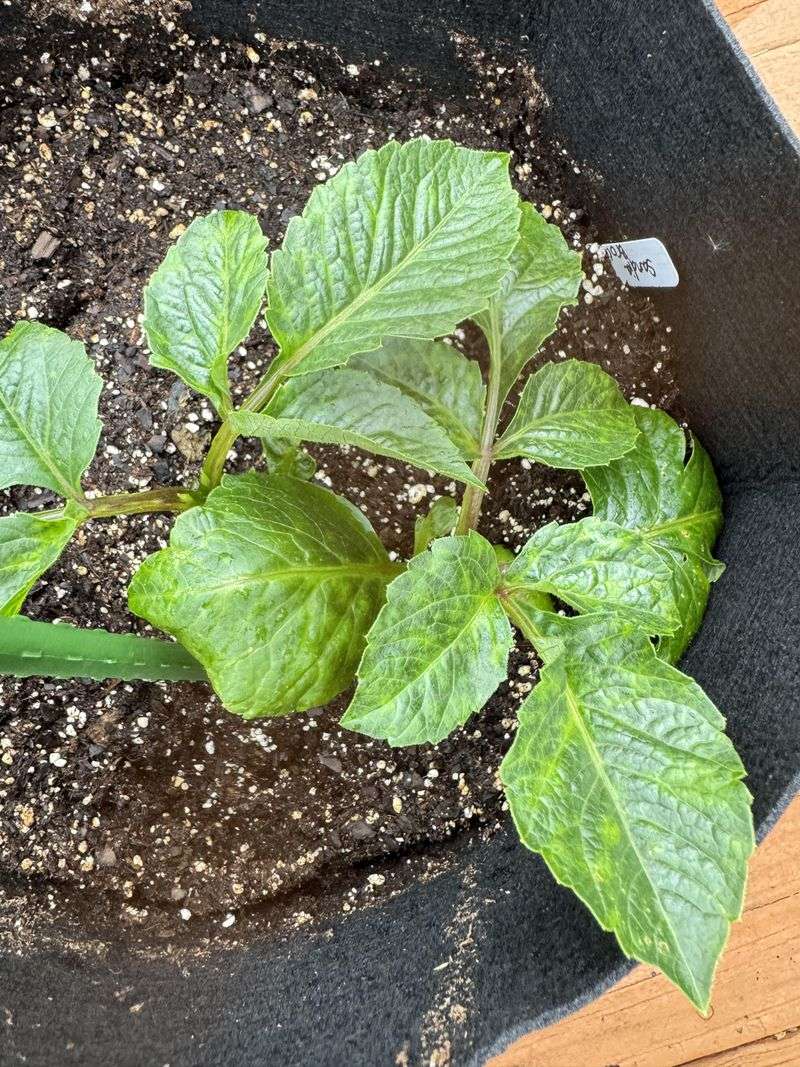
Flipping a leaf over might seem like a small thing, but for thrips scouting it makes an enormous difference.
The undersides of young dahlia leaves offer exactly what thrips prefer: shade from direct sun, shelter from rain, and proximity to soft, feeding-ready tissue along the veins and near the base of each leaf.
Most gardeners only look at the top surface, which means thrips tucked underneath go unnoticed for much longer than necessary.
Along the veins is where thrips tend to cluster most densely, often pressing themselves flat against the surface in a way that makes them blend in surprisingly well.
Near slightly curled leaf edges is another favorite hiding spot, since the curl provides extra protection and keeps them from being dislodged by air movement or light rainfall.
Feeding in these locations creates pale stippling or a silvery sheen that becomes visible from the upper surface of the leaf once you know what to look for.
A hand lens is genuinely useful here because thrips are very small, typically less than two millimeters long, and they move quickly the moment they sense vibration or light.
Tapping a young leaf firmly over a sheet of white paper and then examining what falls off is another technique that works extremely well for confirming their presence without needing perfect eyesight or ideal lighting conditions.
Making underside inspection part of your regular dahlia scouting routine is one of the most practical habits you can develop as a Michigan gardener.
Catching thrips on young leaves before they migrate toward developing buds gives you more options and more time to respond before your blooms open with the kind of damage that cannot be undone once it appears on the petals.
6. Separate Dahlia Bud Bracts Carefully
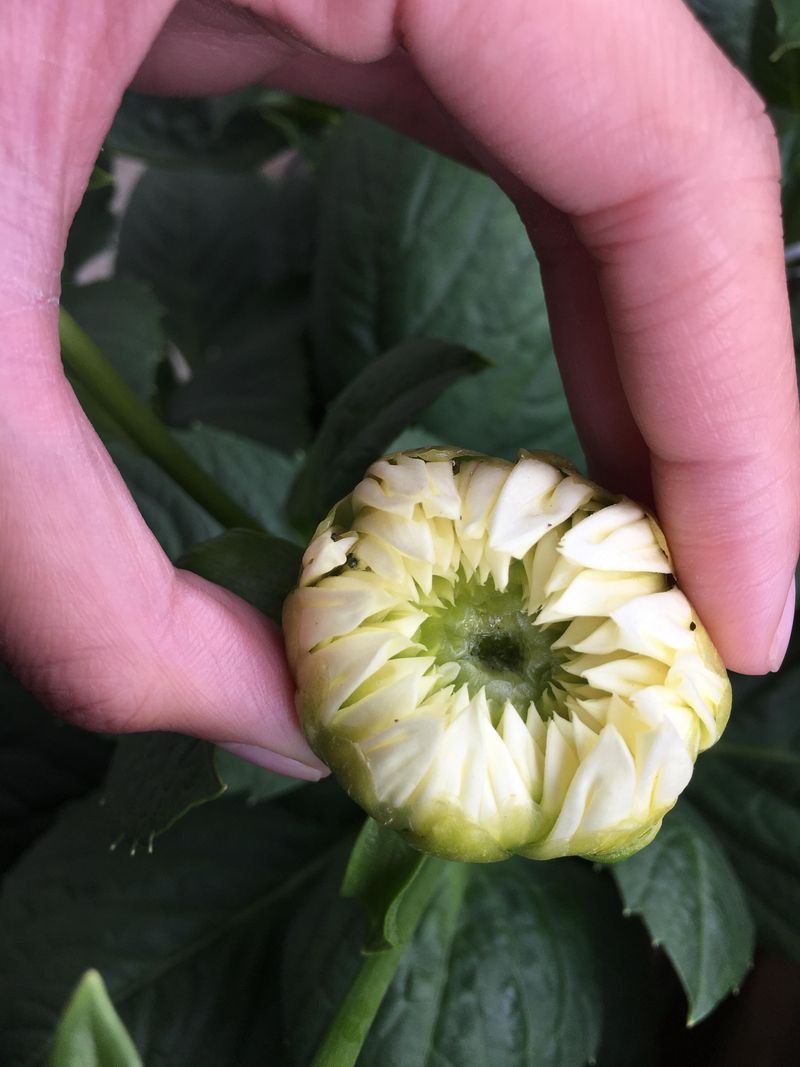
Dahlia buds carry a lot of promise, and protecting them before they open is well worth a few extra minutes of careful attention. The layered bracts that wrap around each developing bud form a compact, sheltered space that thrips find very appealing.
Once inside, they feed on the soft petals that are still forming, and the damage they cause stays locked into those petals permanently, waiting to reveal itself the moment the flower opens.
Gently use your fingertips to ease the outermost bracts apart without forcing them or tearing the tissue. Look carefully between each layer for pale, slender insects that may be resting flat against the surface or tucked near the base of a developing petal.
Tiny dark specks, pale feeding marks on the inner bract surface, or petals that already appear faintly discolored near the tips are all clues that feeding has been happening inside the bud for some time already.
Patience matters here more than speed. Rushing the inspection or pulling bracts too aggressively can disturb the bud structure and cause its own type of cosmetic damage, which defeats the entire purpose of scouting carefully.
Work gently and methodically, and replace the bracts as naturally as possible after checking each one.
What you find inside a bud before it opens tells you far more about the current thrips situation in your garden than looking at open flowers ever could.
Streaked, distorted, or roughened petals on an open dahlia bloom are the result of feeding that happened days or even weeks earlier.
Inspecting bud bracts regularly during the Michigan growing season means you stay informed at the stage when your response can still make a real difference for the blooms that follow.
7. Check The First Petals As The Bud Begins Opening
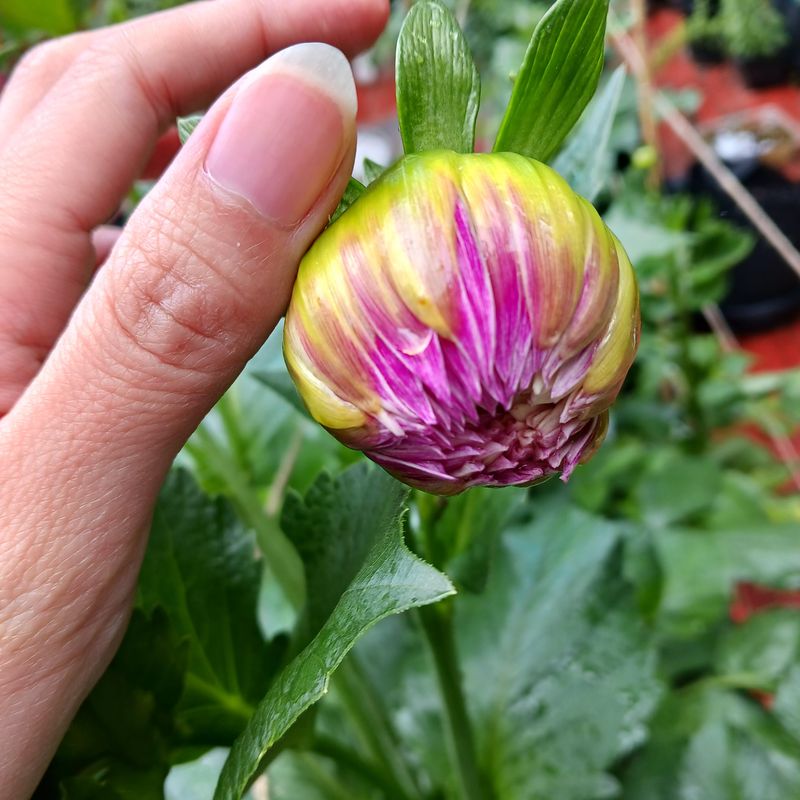
Right at the moment a bud begins to crack open, you get one last clear opportunity to spot thrips before the entire bloom unfolds.
The very first petals to separate are still partially protected by surrounding tissue, and thrips often remain tucked between those inner petals where conditions are still sheltered and comfortable.
Catching them at this stage confirms where feeding is actively happening and how serious the situation has become.
Pale streaks running across petal surfaces, irregular light patches that look washed out or faded, and browned or papery edges on the outermost petals are all signs worth taking seriously at this stage.
Tiny dark specks scattered across the petal surface are another giveaway, and if you look closely enough with a hand lens, you may actually see the insects themselves moving between the innermost petals as the bloom continues to loosen and open.
Morning is the best time for this inspection because thrips tend to be more active and visible during cooler parts of the day before temperatures climb. Hold a sheet of white paper directly beneath a newly opening bloom and give it a firm but gentle tap.
Anything that falls onto the paper will be easy to examine, and thrips will typically begin moving within seconds of landing, making them straightforward to identify even without magnification.
Sticky yellow cards placed near canopy height around your dahlia and gladiolus beds can also give you a useful general picture of adult flying activity in the area.
Still, nothing replaces direct plant inspection for confirming exactly where feeding is occurring.
Combining both methods gives Michigan gardeners the most complete and accurate information for protecting their blooms throughout the entire growing season.