Oregon Perennials For Pots And Containers That Keep Coming Back Year After Year
Finding a perennial that actually comes back in a container every spring feels like winning a small but very satisfying gardening lottery.
Pots are tough environments. They freeze faster than garden beds in winter, dry out faster in summer, and give roots nowhere to escape when conditions get rough.
Oregon’s climate throws an extra layer of complexity into the mix, with coastal dampness, valley frosts, and high country cold all doing their own thing depending on where you live.
But here is the genuinely exciting part: plenty of perennials handle container life in Oregon remarkably well.
Get the right plants into your pots once and they will come back season after season, looking better each year as they settle in.
Less replanting, more enjoying. That is the kind of gardening math everyone can get behind.
1. Heuchera Keeps Pots Colorful Year After Year
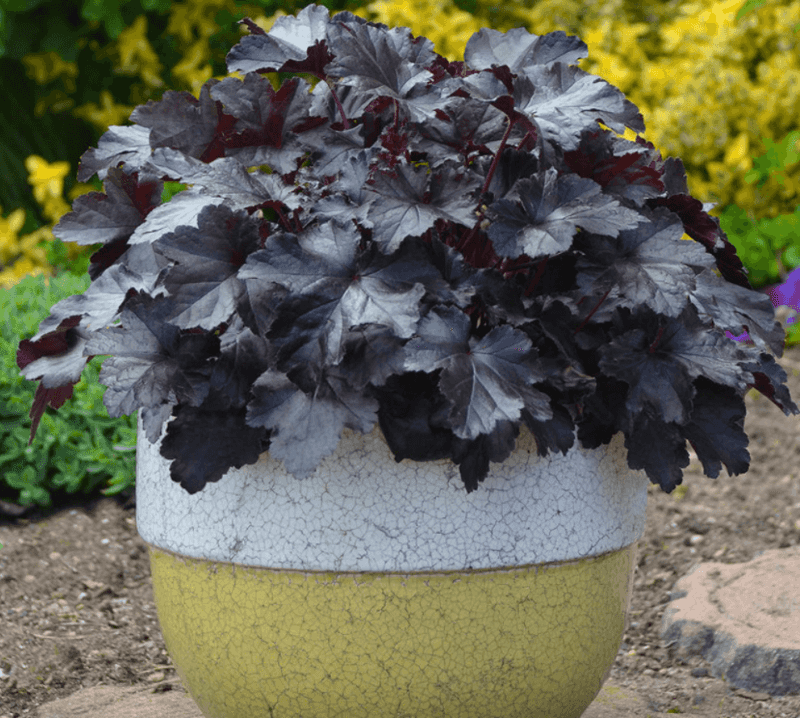
Few plants earn their keep in a container the way heuchera does, staying colorful through rain, cold snaps, and gray Oregon winters without losing much of its charm.
The foliage comes in an impressive range, from deep burgundy and bronze to lime green and silvery purple, which means you can mix varieties in a single pot and have something eye-catching no matter the season.
Heuchera is semi-evergreen to evergreen in much of Oregon, so even during the quieter winter months, the leaves hold their shape and color remarkably well.
In containers, heuchera works best in a pot with reliable drainage and a quality potting mix that does not stay soggy.
Oregon’s wet winters can be hard on roots sitting in waterlogged soil, so placing pots somewhere with some overhead protection during the heaviest rains can help a lot.
A medium to large container gives the roots enough room to spread without drying out too quickly in summer.
Heuchera grows well in partial shade to full shade, making it a strong choice for covered porches or north-facing patios where other colorful plants may struggle.
In brighter spots, some afternoon shade helps prevent leaf scorch during warmer summer months.
With a little extra care in winter, heuchera returns with fresh new growth each spring and keeps a container looking full and lively across multiple seasons.
2. Hosta Returns Reliably In Shady Containers
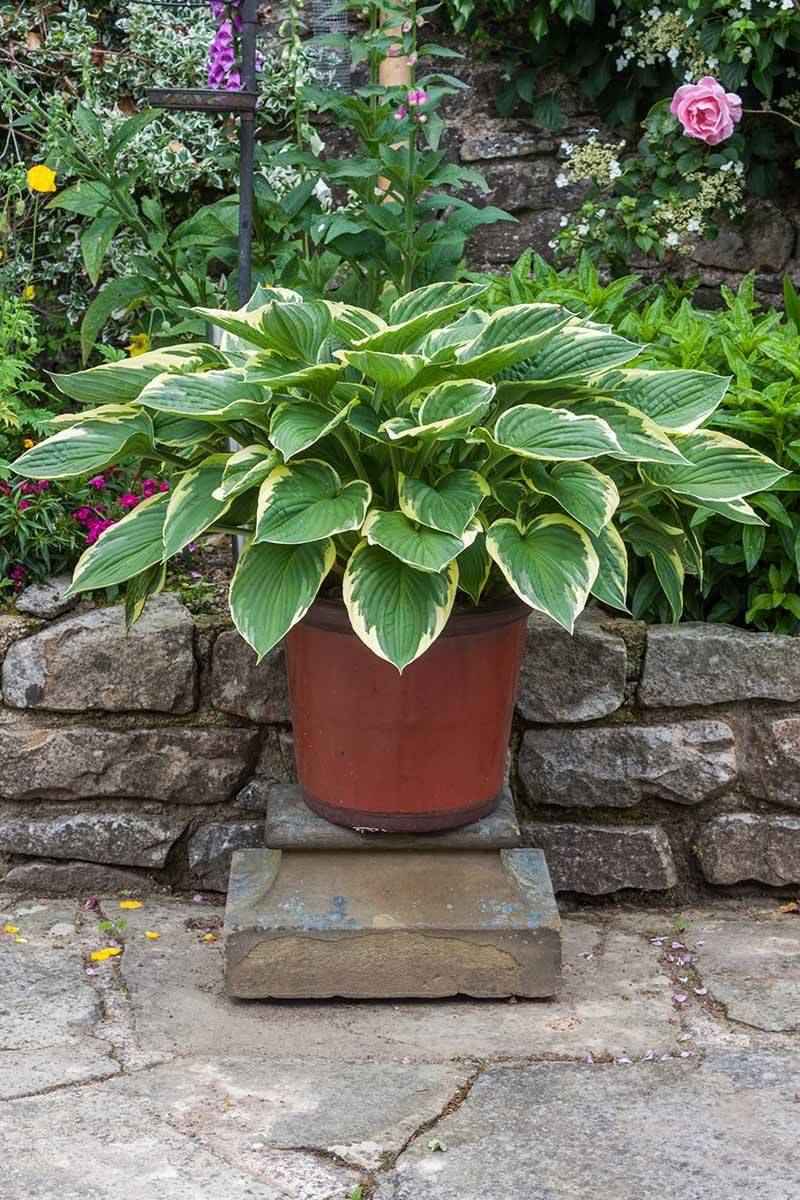
Watching a hosta push up its tightly rolled leaves in spring after a long Oregon winter is one of those quiet gardening satisfactions that never gets old.
Hostas are among the most reliable perennials you can grow in a container, and they come back year after year with very little fuss once they are settled in a good pot.
The bold, textured foliage makes a strong visual statement on shaded porches, decks, and balconies where flowering plants often struggle to perform.
Hostas go fully dormant in winter, which actually works in their favor in containers. The roots rest, the pot can be moved to a sheltered spot like a garage or covered porch, and the plant emerges again once temperatures warm.
In Oregon, the mild winters in the Willamette Valley and coastal areas mean many hostas can stay outdoors in pots with minimal protection, though colder inland or high-elevation areas may need a bit more care.
Your Oregon Garden Changes Every Week. Your Plan Should Too.
Gardening in Oregon changes quickly throughout the season. Every Friday you’ll receive a simple weekly plan showing exactly what to plant, prune, fertilize, harvest, and protect so you never miss the right timing.
Choose a wide, deep container with good drainage holes, since hostas have substantial root systems that need room to grow over multiple seasons.
A rich, moisture-retentive potting mix suits them well, and regular watering during dry summers keeps the leaves looking their best.
Slugs can be a real problem in Oregon’s damp climate, so checking pots regularly and using appropriate controls helps protect the foliage before damage becomes noticeable.
3. Carex Adds Easy Texture That Lasts
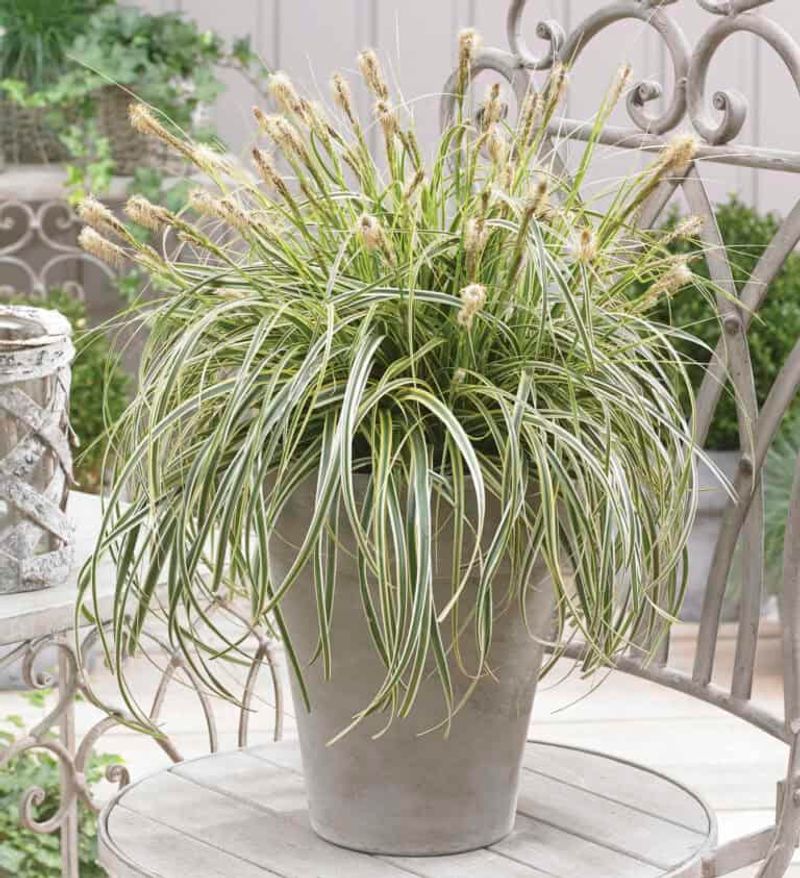
Some plants just make a container look finished, and carex is one of them.
This ornamental sedge brings arching, grass-like texture to pots and containers in a way that feels natural and effortless, bridging the gap between structure and softness in any arrangement.
Many carex varieties are evergreen or nearly so, which means they contribute something worthwhile to a pot even in the middle of a gray Oregon winter when most other plants have gone quiet.
Carex is native to or well-adapted to the Pacific Northwest, and several varieties thrive in Oregon’s combination of wet winters and moderately dry summers.
In containers, they do well with consistent moisture during the growing season but appreciate good drainage to avoid root problems during prolonged wet spells.
A pot placed in partial shade to full sun, depending on the variety, will keep the foliage looking tidy and healthy through multiple seasons.
One of the most appealing things about growing carex in a container is how little maintenance it asks for. Trimming back any tattered or brown edges in late winter refreshes the plant just before new growth emerges.
Carex pairs well with heuchera, hellebore, and other shade-tolerant perennials in mixed pots, adding a fine-textured contrast to broader leaves.
For patios and porches where a low-effort, high-reward plant is needed, carex earns its spot in the container lineup season after season.
4. Hardy Fuchsia Comes Back In Oregon Containers
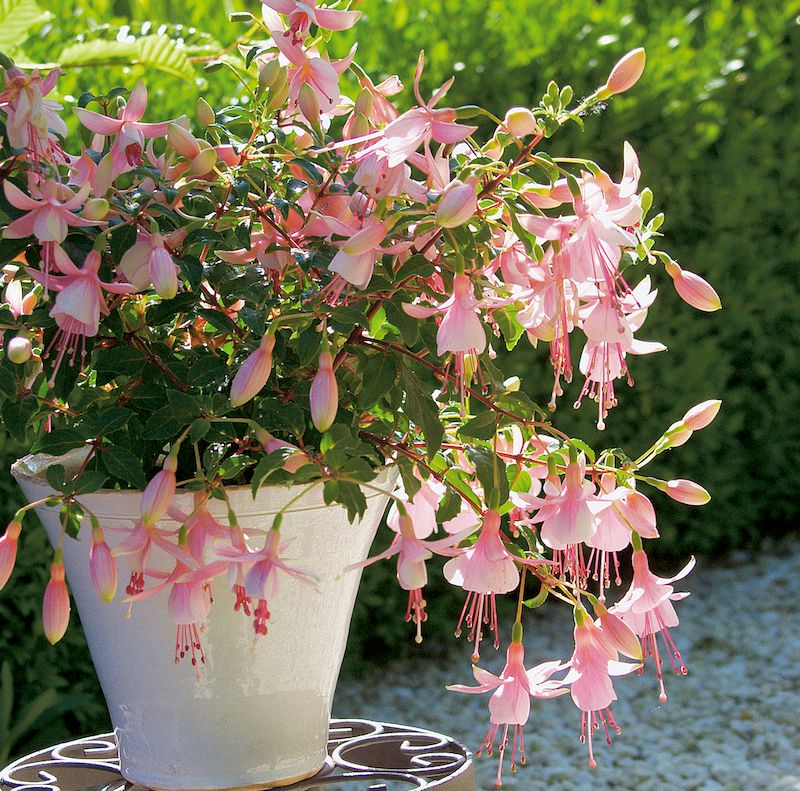
Oregon’s mild, moist climate suits hardy fuchsia better than most places in the country, and gardeners who grow it in containers are often pleasantly surprised by how reliably it returns each spring.
Unlike the tender fuchsias sold as annuals in hanging baskets, hardy fuchsia varieties can survive winters in a pot when given some basic protection.
The pendulous flowers in shades of pink, red, and purple are a highlight of summer containers, attracting hummingbirds and adding a lush, almost tropical feel to covered porches and patios.
In containers, hardy fuchsia does best with consistent moisture and some protection from the hottest afternoon sun during Oregon’s summer dry season.
A large pot gives the roots room to establish over multiple years, which makes a real difference in how well the plant returns.
Good drainage is essential, since sitting in wet soil through Oregon’s rainy season can weaken the roots before winter even arrives.
Hardy fuchsia typically goes dormant in winter, and the stems may look bare or even slightly damaged after a cold spell.
Cutting back the damaged or frost-nipped growth in early spring and moving the pot to a sheltered location during the coldest weeks can help the plant recover and resprout with energy.
Over time, an established hardy fuchsia in a container builds a stronger root system and returns with more vigor each season, making it a rewarding long-term choice for container gardeners.
5. Candytuft Keeps Pots Full And Evergreen
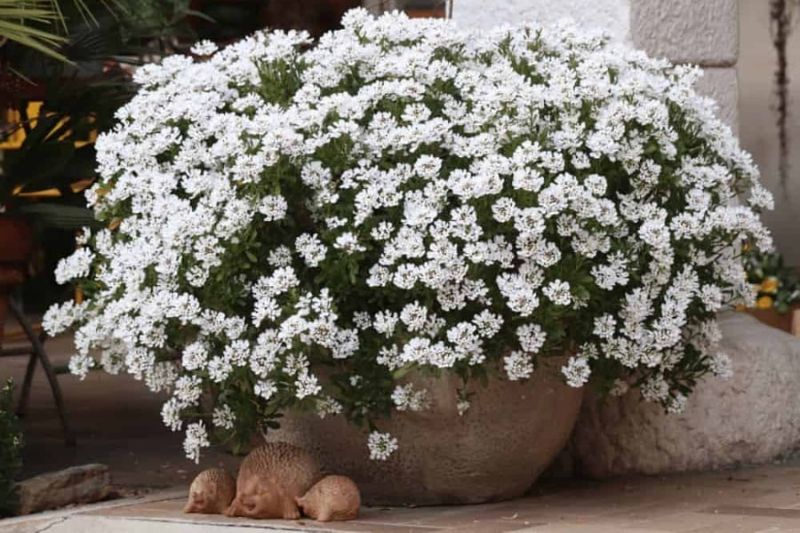
There is something deeply satisfying about a pot that stays green and full through an Oregon winter, and candytuft delivers exactly that.
Iberis sempervirens is a low-growing, spreading evergreen perennial that holds its dark green foliage year-round, giving containers structure and presence even when little else is blooming.
In spring, the plant produces a generous flush of bright white flowers that can cover the foliage almost completely, turning a simple pot into a real showpiece on a sunny porch or front step.
Candytuft thrives in full sun and well-drained soil, which makes it well-suited to containers where you can control both conditions directly.
In Oregon, the key is making sure the pot drains freely, since candytuft does not appreciate sitting in water for extended periods during the wet season.
A gritty or sandy potting mix blended with standard container mix can improve drainage and keep the roots healthy through multiple winters.
After the main spring bloom, a light trim helps keep candytuft compact and encourages a tidier appearance through summer and fall. Without occasional shaping, it can spread loosely and lose some of its neat, mounded form.
Paired with spring bulbs or early-blooming perennials in a mixed container, candytuft acts as a reliable evergreen base that makes the whole pot look intentional and polished.
For gardeners who want low-maintenance evergreen interest in a pot, candytuft is a solid and dependable option.
6. Dianthus Returns With Color And Fragrance
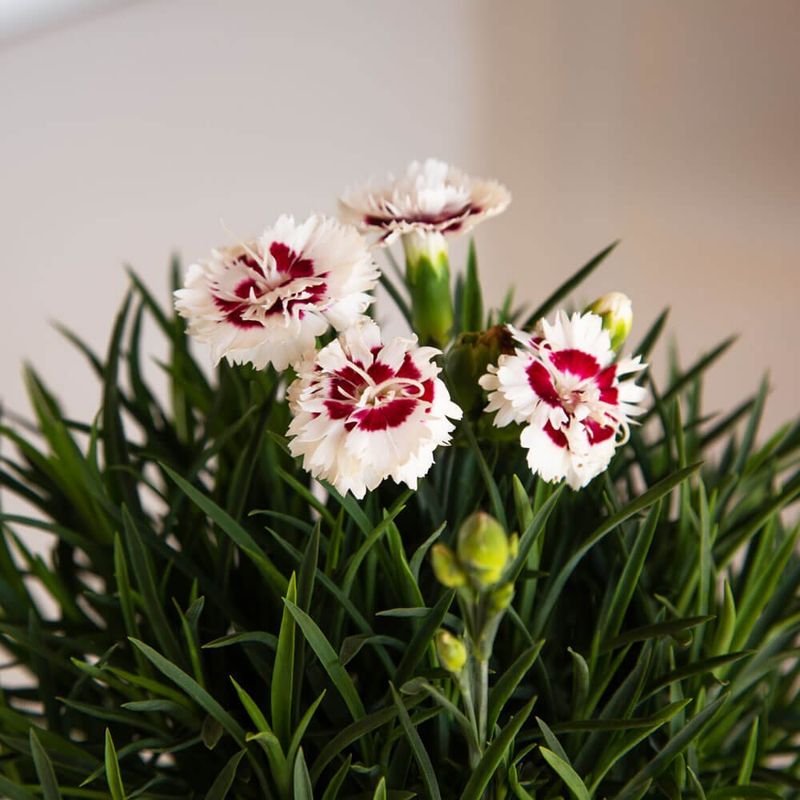
Few container perennials offer the combination of color and fragrance that dianthus brings to a sunny porch or patio.
The flowers, often in shades of pink, red, white, and bicolor, have a spicy-sweet scent that makes them a pleasure to have near a doorway or seating area.
Many dianthus varieties are reliably perennial in Oregon’s climate, and the low, grassy blue-green foliage stays attractive even when the plant is not in full bloom.
Dianthus performs best in full sun with very good drainage, and containers give you direct control over both.
Using a well-draining potting mix and making sure the pot has adequate drainage holes goes a long way toward keeping dianthus happy through Oregon’s wet winters.
The plants are more likely to return year after year when their roots are not sitting in soggy conditions for months at a time, so pot placement matters as much as soil choice.
Deadheading spent flowers through the blooming season encourages more buds and keeps the container looking tidy. Some varieties bloom in spring, others extend into summer, and a few rebloom if cut back after the first flush.
Over time, dianthus may need dividing or refreshing in the pot as the center of the plant can become woody and less productive.
Starting with a larger, vigorous plant and giving it room in a good-sized container sets it up for a longer and more rewarding container life in Oregon gardens.
7. Sedum Thrives In Containers With Little Fuss
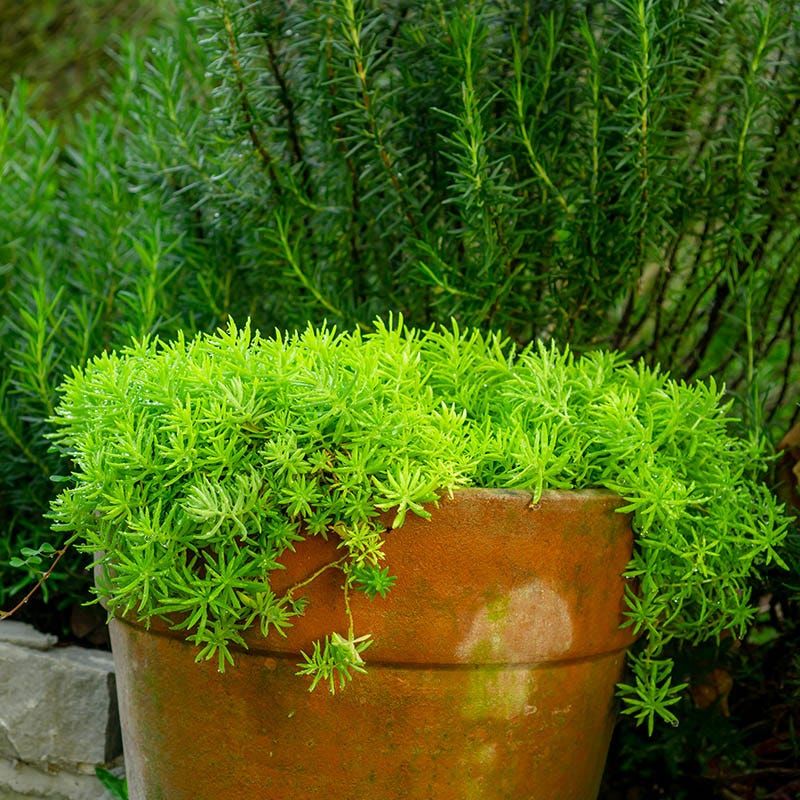
Sedum has a reputation for being nearly indestructible in containers, and in Oregon’s variable climate, that kind of resilience is genuinely useful.
The thick, succulent leaves store water efficiently, which means sedum handles the dry stretches of Oregon summers far better than most perennials.
Taller varieties like Sedum spectabile and its hybrids produce showy flower clusters in late summer and fall, adding color to containers at a time when many other plants are starting to fade.
In pots, sedum needs excellent drainage above all else. Oregon’s wet winters can be tough on succulent plants if water collects around the roots for too long, so using a gritty potting mix and a container with large drainage holes makes a real difference.
Shallow to medium-depth pots work well for low-growing sedum varieties, while taller upright types benefit from a deeper container that provides stability as the plant grows.
One of sedum’s best qualities as a container perennial is its four-season interest.
The foliage is attractive through spring and summer, the flowers bring late-season color, and the dried seed heads hold their structure well into winter, giving the pot visual interest even after frost.
Cutting the stems back in early spring before new growth emerges keeps the plant tidy and encourages fresh, compact regrowth. For gardeners looking for a tough, low-demand perennial that earns its spot in a container, sedum is a genuinely smart choice.
8. Hellebore Brings Long-Lasting Beauty To Pots
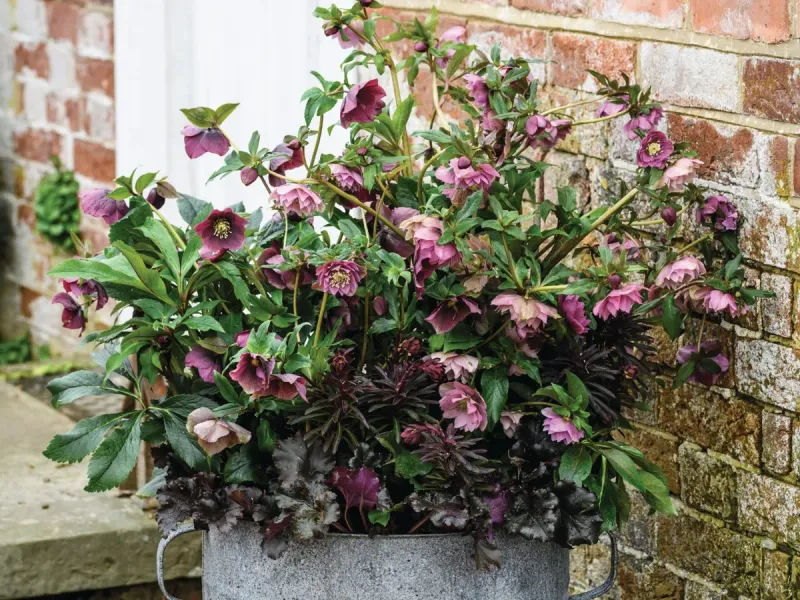
Blooming in the depths of late winter when almost nothing else is flowering, hellebore earns a special place in container gardens.
The nodding flowers in shades of dusty rose, deep plum, creamy white, and near-black appear from late January through March in much of Oregon, bringing quiet beauty to a shaded porch or patio at the most unexpected time of year.
The leathery, deeply divided foliage is evergreen and stays attractive through all four seasons, making hellebore one of the most structurally useful perennials you can grow in a container.
Hellebore prefers shade to dappled light and consistent moisture, and it does well in a large container with a rich, well-draining potting mix.
In Oregon’s mild, rainy winters, pots placed under an overhang or covered area stay in better condition, since the flowers can look waterlogged if exposed to heavy rain for extended periods.
The plants establish slowly and resent being moved or disturbed frequently, so choosing a permanent spot for the container from the start is a good approach.
Once settled, hellebore can remain in the same pot for several years with occasional top-dressing of compost and light fertilizing in early spring.
Removing the oldest leaves in late winter just before flowers emerge keeps the plant looking clean and lets the blooms show clearly.
For gardeners who value foliage structure, winter flowers, and long-term container performance, hellebore is a genuinely rewarding perennial to grow in a pot.