Why Collard Greens Should Be Seeded In July For A Long North Carolina Fall Harvest
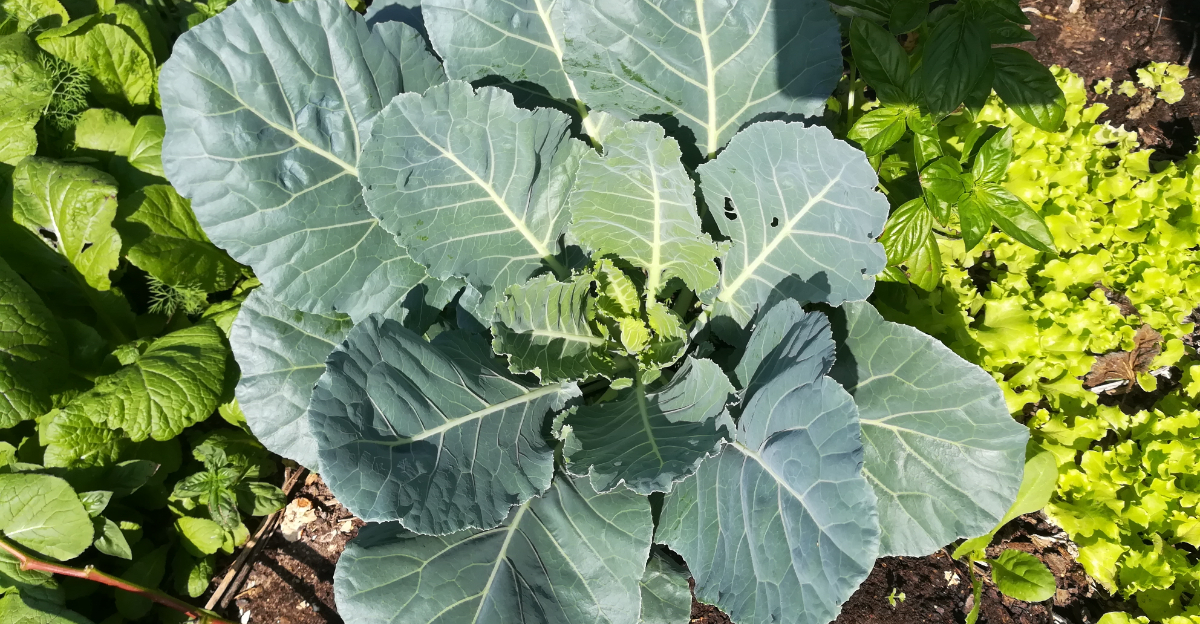
Collard greens reward patient gardeners, and a July seeding date sets them up for a long, productive fall season in North Carolina. These hardy greens actually taste better after a light frost, which sweetens their flavor and softens their texture.
Starting in July gives plants enough time to grow strong before autumn’s cooler days settle in. Waiting until September often results in smaller plants that struggle to produce a full harvest before winter arrives.
Collards also handle summer heat surprisingly well once established, making early planting less risky than it sounds. Keep soil consistently moist during those first few weeks to help seedlings push through the heat.
As temperatures drop, growth slows down but leaf quality improves. Gardeners who plant early often enjoy collards well into December, long after other crops have finished for the season.
1. July Seeding Provides Enough Time For Strong Plants
Collard greens are tougher than they look, but even tough plants need time to get settled before the real growing season kicks in.
Planting your seeds in July gives your collards a full head start, allowing roots to spread wide and leaves to multiply before cooler fall weather arrives.
Without that early establishment period, plants often struggle to hit their stride before growing conditions change.
North Carolina summers are hot and long, which might seem like the wrong backdrop for a cool-season crop. However, that warmth actually speeds up germination and early root development in a big way.
Seeds sown in July can sprout within a week or so, and young plants begin building their framework quickly in warm soil.
Collards are classified as a cool-season vegetable, meaning they truly shine once temperatures drop. But they still need several weeks of active growth before those cooler days arrive.
July seeding gives them exactly that window, so by the time fall rolls in, your plants are already sturdy, leafy, and ready to perform.
Many experienced North Carolina gardeners treat July as their starting gun for fall greens. Getting those seeds going early means you are not racing the calendar in September, hoping plants catch up before conditions shift.
A relaxed, well-timed start in July sets the whole season up for success, giving you confidence that your garden will deliver a rich harvest when the weather is at its finest for collards.
2. July Seedlings Can Be Ready For Late Summer Planting
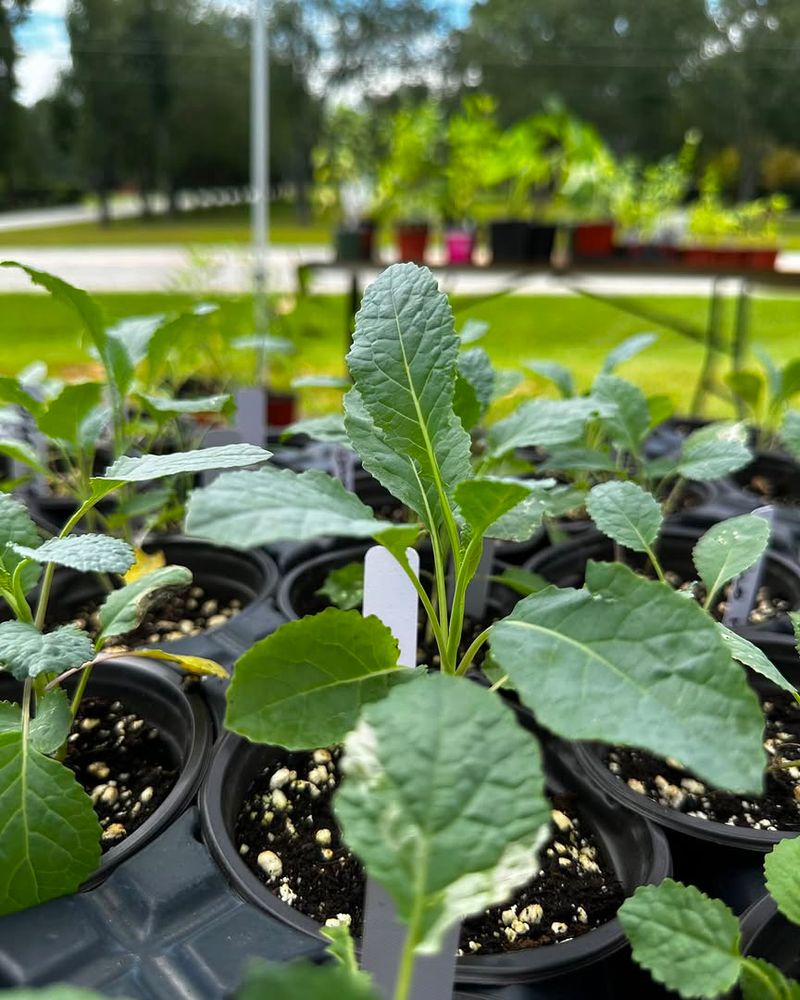
Starting collard seeds in July does not always mean dropping them straight into the garden bed. Many North Carolina gardeners prefer to sow seeds in cell trays, small containers, or a sheltered nursery area first.
This approach lets you control moisture, protect fragile seedlings, and time the transplant perfectly for late summer conditions.
Collard seedlings typically take about three to four weeks to reach a size that is comfortable for transplanting.
During that window, keeping them in bright light with steady moisture and good airflow helps them grow strong stems and healthy root systems.
Thin, leggy seedlings that do not get enough light tend to struggle after transplanting, so placing trays in a sunny spot is a smart move.
Your North Carolina Garden Changes Every Week. Your Plan Should Too.
Gardening in North Carolina changes quickly throughout the season. Every Friday you’ll receive a simple weekly plan showing exactly what to plant, prune, fertilize, harvest, and protect so you never miss the right timing.
North Carolina summers can be intense, and young plants need a little help adjusting to outdoor heat. Gardeners often harden off their seedlings by gradually increasing outdoor exposure over several days.
Afternoon shade during the hottest part of the day can protect tender leaves while the plants adjust to full garden conditions.
Once transplanted into prepared garden beds in late summer, these July-started seedlings have a clear advantage over seeds sown directly at that time. Their root systems are already developed, and their stems are sturdy.
They settle into the garden quickly and resume active growth rather than spending precious time just getting established.
That head start is exactly what makes a July seed-starting schedule so effective for North Carolina fall collard production.
3. Earlier Establishment Supports A Longer Picking Season
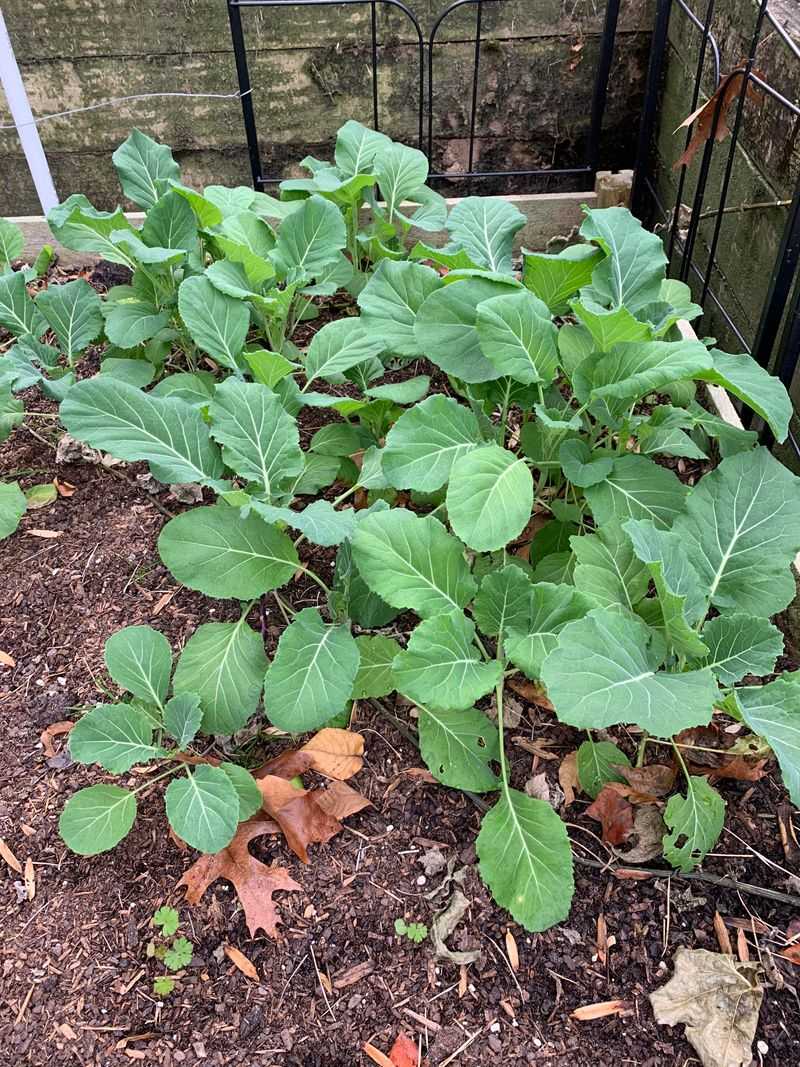
One of the best things about collard greens is that you do not have to harvest the whole plant at once.
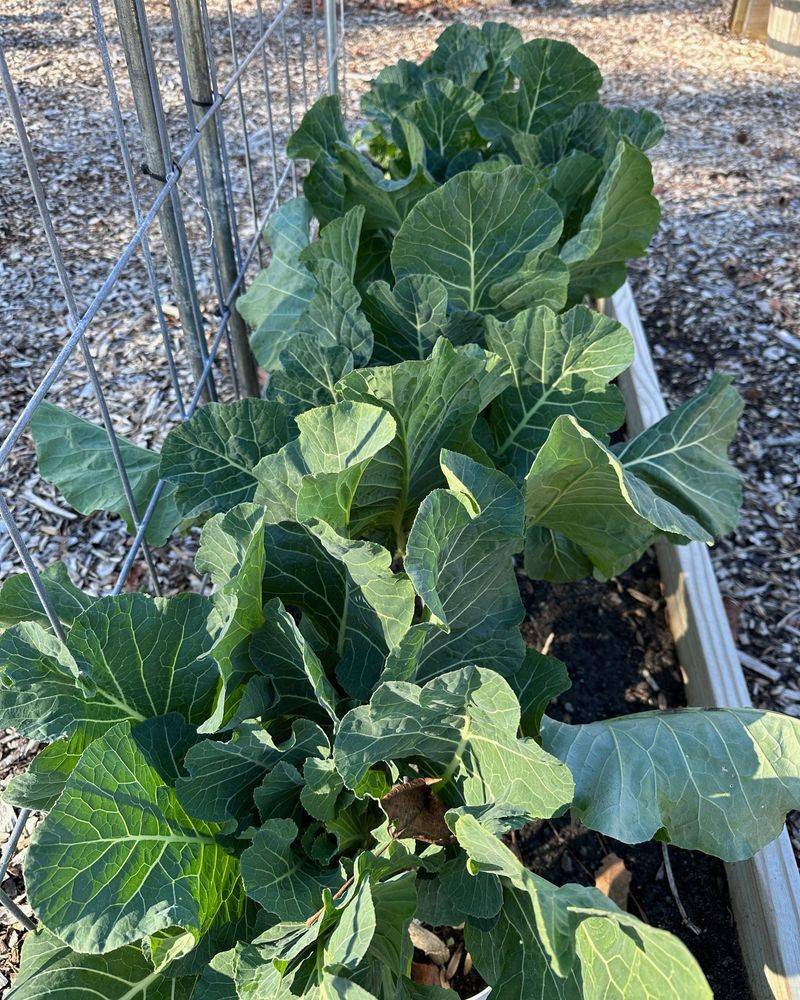
Gardeners can pick the large outer leaves as they reach a good size, leaving the central growing point untouched so the plant keeps producing fresh foliage.
This cut-and-come-again approach stretches the harvest over many weeks, sometimes even months.
For this method to work well, plants need to be big enough before picking begins. A collard plant with only a few small leaves cannot afford to lose any of them without slowing down significantly.
Plants that were seeded in July and given time to grow through late summer arrive at fall with plenty of foliage to share, making repeated harvests practical and productive.
When seeds go into the ground too late, say in early to mid-September in most parts of North Carolina, plants may still be quite small when cool weather slows their growth. At that point, the window for multiple harvests shrinks considerably.
You might get one good picking, but the plant rarely has enough energy left to push out a second or third round of leaves before winter growth slows things down.
Starting in July sidesteps that problem entirely. Plants reach a useful harvesting size while conditions are still favorable for growth, and they continue producing as temperatures cool.
Each week of extra establishment time in summer translates directly into more leaves on your table through fall. That extended picking season is one of the strongest arguments for getting collard seeds going in July.
4. Strong Roots Help Plants Handle Changing Fall Conditions
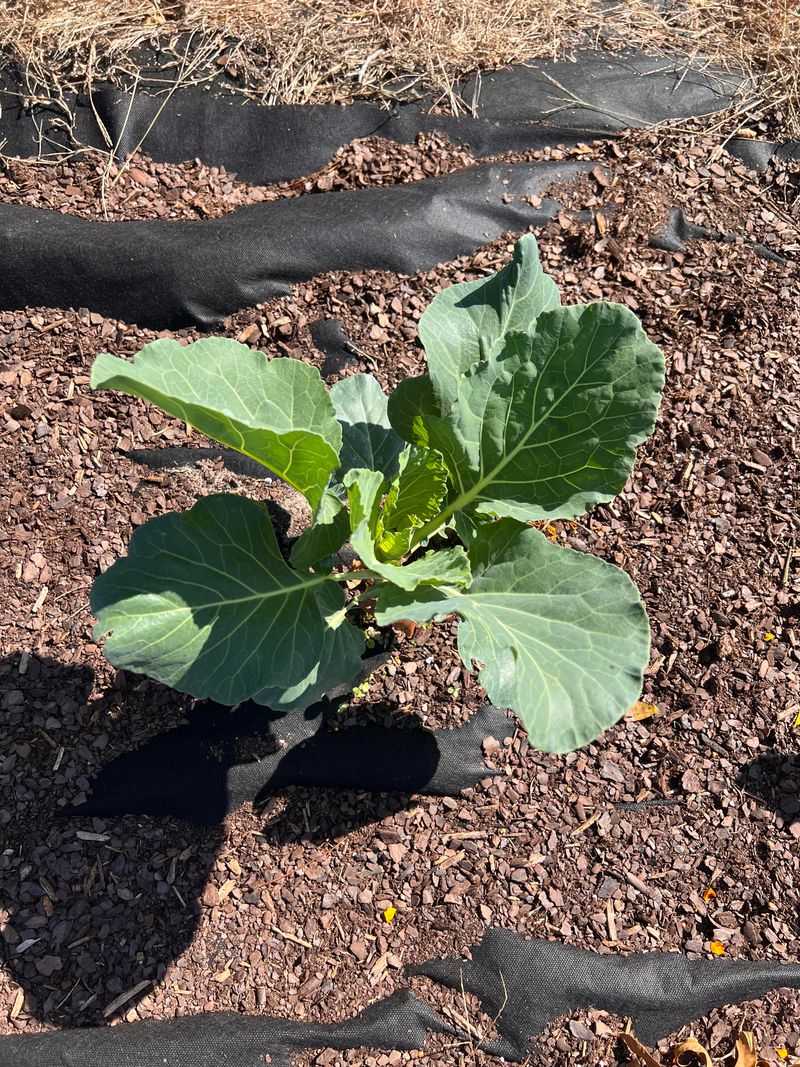
Below the soil, a lot of important work happens long before you ever pick a single leaf.
A collard plant with a well-developed root system can pull moisture and nutrients from a wider area of soil, making it far more self-sufficient when conditions change.
July planting gives roots a full two to three months to spread and deepen before North Carolina weather shifts into fall mode.
Fall in North Carolina can be unpredictable. Some years bring a gradual cool-down, while others throw an early cold snap right into an otherwise warm stretch of weather.
Plants with established roots handle these swings much better than recently transplanted ones, because they already have the infrastructure in place to keep functioning even when conditions get a little chaotic.
Preparing your garden soil before planting makes a big difference in how well roots develop. Working in compost or aged organic matter improves drainage in clay-heavy soils and helps sandy soils hold moisture longer.
Deep watering after planting encourages roots to follow moisture downward rather than staying close to the surface where they are more vulnerable to temperature swings.
Mulching around your collard plants is another practical step that pays off through fall.
A two to three inch layer of straw, shredded leaves, or wood chips moderates soil temperature, slows moisture loss, and keeps the root zone more stable as outdoor temperatures fluctuate.
Roots that stay comfortable underground translate into plants that keep growing and producing leaves right through the heart of the North Carolina fall season.
5. Established Collards Continue Growing In Cool Weather
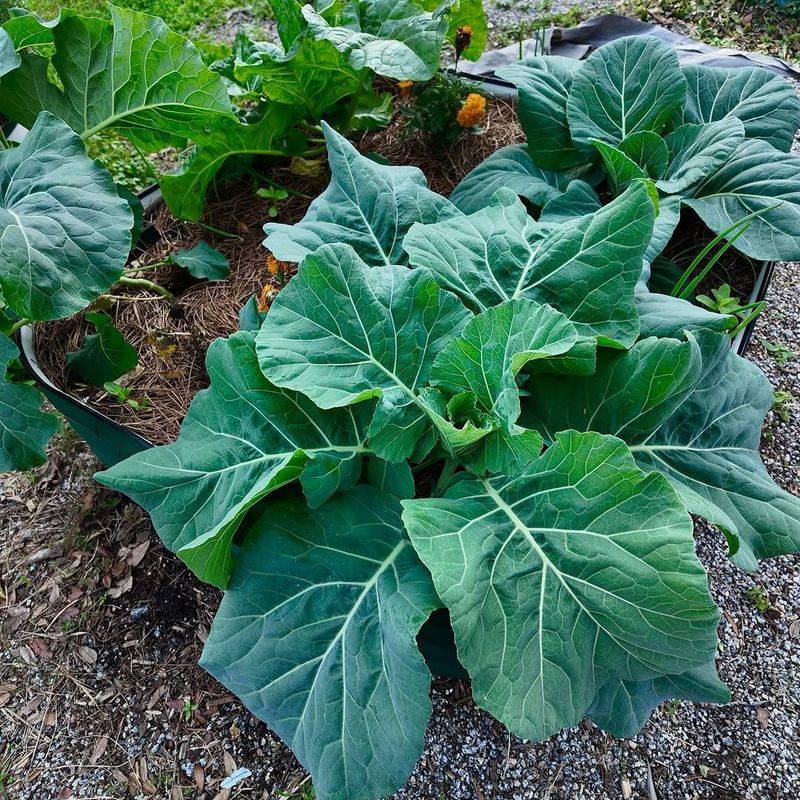
Here is something that surprises a lot of first-time collard growers: a mature collard plant can handle frost without flinching.
Once a plant has been in the ground for several weeks and has built up some size, it becomes noticeably more cold-tolerant than a tender young seedling that just sprouted.
That difference in cold hardiness is one of the biggest reasons why getting plants established before fall matters so much.
A collard plant seeded in July and transplanted in late summer arrives at October and November with real maturity behind it.
Its cell walls are stronger, its root system is deep, and it has the reserves to keep pushing out new leaves even as nights get chilly.
Compare that to a plant seeded in September, which is still in its most vulnerable stage when those same cold nights roll in.
Cold tolerance is not identical across all collard varieties or all growing situations. The speed of a temperature drop matters, local microclimates in your yard play a role, and variety selection can influence how well a plant handles cold.
Keeping an eye on the forecast is always a smart habit through fall and early winter.
When an unusually sharp cold snap is in the forecast, covering your collards with frost cloth overnight gives them solid protection. Even a single layer of lightweight row cover can raise the temperature around your plants by several degrees.
July-started plants that have already built their strength going into fall will bounce back quickly after a cold night, continuing to produce long after more tender crops have finished for the season.
6. Cooler Conditions Can Improve Leaf Quality And Flavor
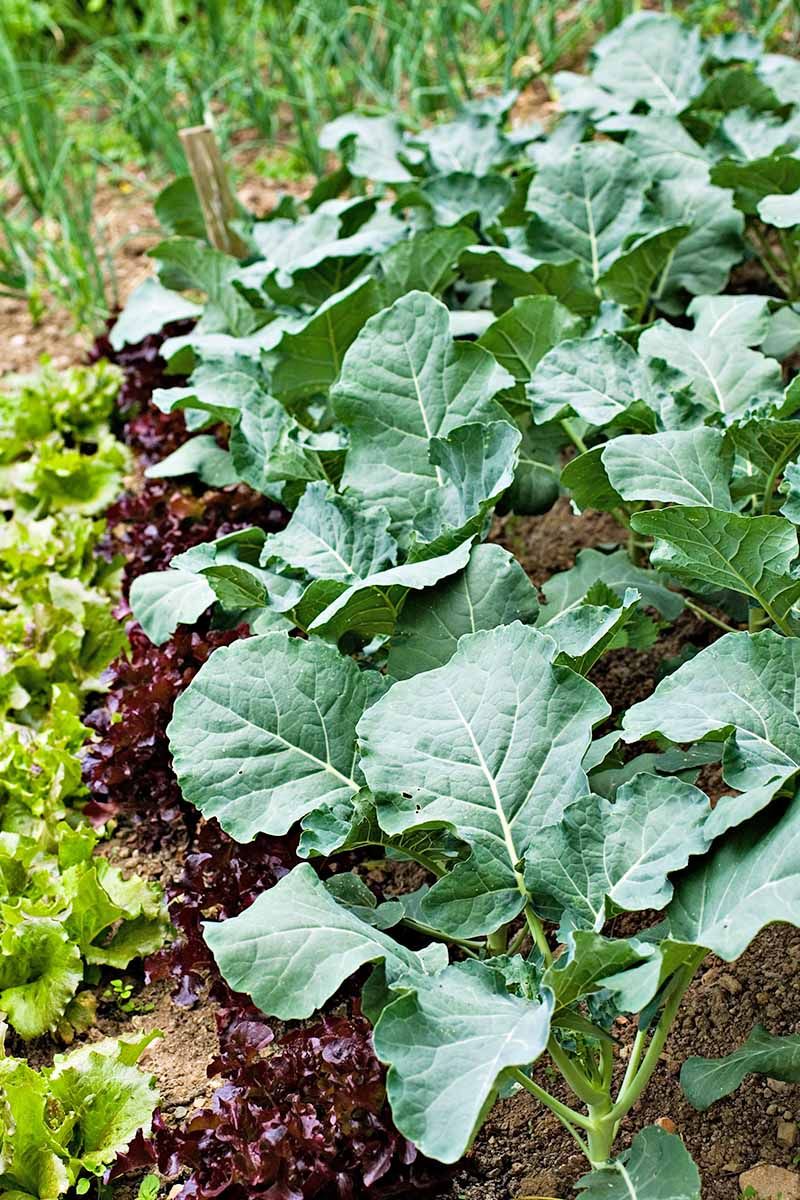
Ask any seasoned collard grower in North Carolina when the greens taste best, and most will tell you the same thing: after the weather cools down.
Cool temperatures slow the plant’s metabolism slightly, and one effect of that shift is that leaves often become more tender and flavorful.
Many gardeners also notice a welcome sweetness developing in the leaves following exposure to the first light frosts of the season.
This flavor improvement is one of the most satisfying rewards of growing collards through fall.
The same plant that produced somewhat tougher leaves during warm weather can surprise you with noticeably softer, sweeter foliage once nights dip into the lower forties and upper thirties.
That transformation makes the timing of your planting even more important, because you want your plants at full productive size when those favorable conditions arrive.
Seeding in July positions your collards to hit that sweet spot right on schedule. Plants that are still small and underdeveloped when cool weather arrives simply cannot take full advantage of those improved growing conditions.
A well-established plant, on the other hand, has all the leaf area and root support it needs to really shine during the best weeks of the North Carolina fall season.
Soil moisture, fertility levels, plant age, and your harvest timing all play a role in leaf quality, so results will vary from garden to garden.
Not every variety responds to cool weather in exactly the same way, and some cultivars naturally produce more tender leaves than others.
Experimenting with a couple of different varieties alongside your July seeding schedule is a great way to find your personal favorite combination of flavor and productivity.
7. July Timing Helps Compensate For Shorter Fall Days
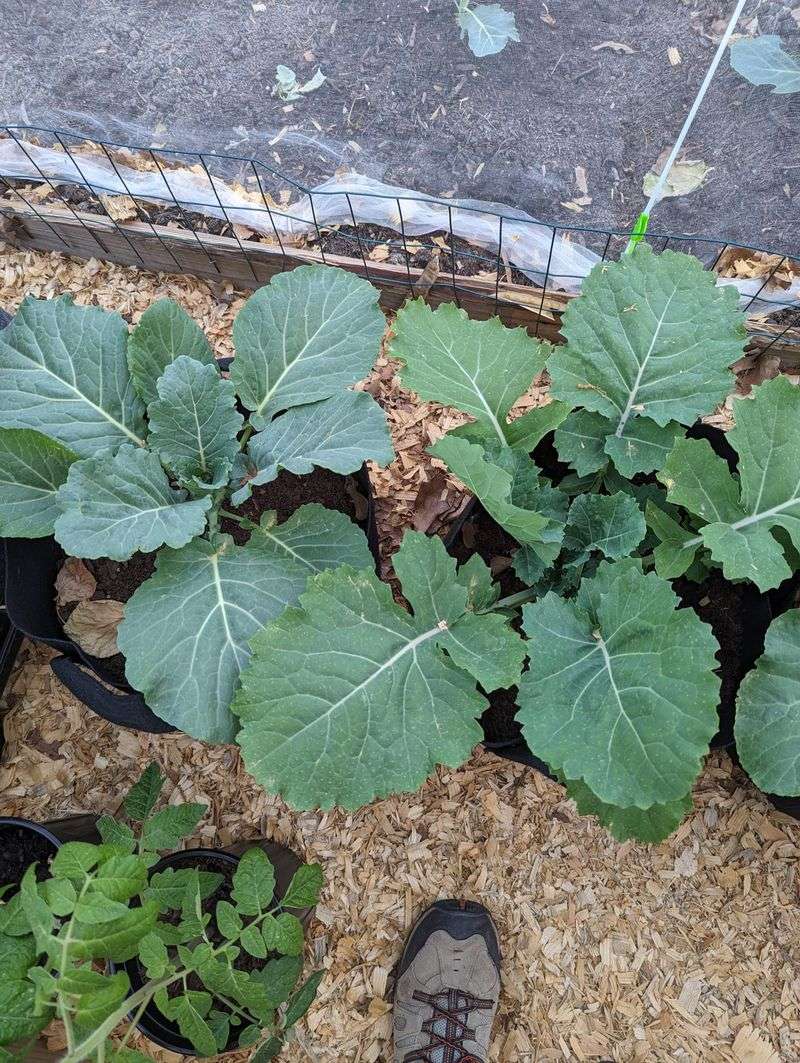
Daylight is one of the most powerful forces shaping how plants grow, and as summer fades into fall, the days get noticeably shorter week by week.
Plants rely on sunlight to fuel photosynthesis, and when that daily light supply shrinks, growth naturally slows down.
For a crop that needs significant size before it becomes useful for harvesting, this seasonal shift matters a great deal.
Collards seeded very late in summer or early fall find themselves racing against both shorter days and cooling temperatures at the same time.
The combination of less light and lower soil temperatures can slow growth dramatically, leaving plants stuck at a small size just when you were hoping they would be hitting their stride.
That is a frustrating situation that July seeding helps you avoid entirely. When seeds go in during July, most of the early root and leaf development happens while days are still long and the sun is generous.
Plants build their size and strength during the most productive light period of the year, giving them a real foundation before fall conditions begin to limit growth.
By the time days shorten noticeably in September and October, July-started plants are already substantial and well-prepared.
Think of it this way: every extra week of long-day growth your collards receive in summer is like money in the bank for the fall harvest season.
You are essentially front-loading the growing work during the easiest conditions, so your plants can coast into fall at a productive size rather than scrambling to catch up.
That smart use of the summer calendar is what makes July such an effective starting point for North Carolina collard growers.
8. Regional Planning Extends The North Carolina Harvest
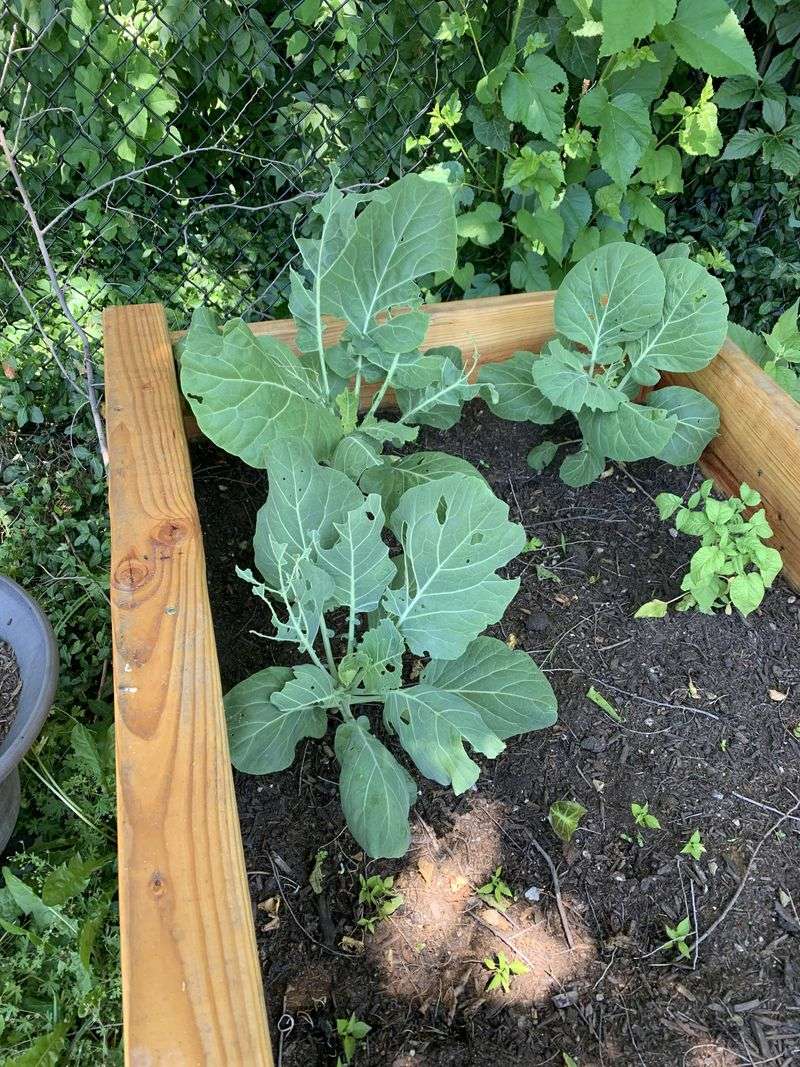
North Carolina is a big, diverse state, and the same planting date does not fit every corner of it equally well. Gardeners in the western mountain counties face earlier frosts and shorter growing seasons than those in the Piedmont or Coastal Plain regions.
That geographical variation means July planting advice needs to be adjusted based on where exactly your garden sits within the state.
In the mountains, cool weather can arrive in September or even late August some years. Gardeners there often benefit from starting collard seeds in early to mid-July to make sure plants are well-established before temperatures drop.
Waiting until late July in a mountain county could leave plants underprepared when the first cold nights arrive ahead of schedule.
Piedmont gardeners, including those in the Raleigh and Charlotte areas, generally have a bit more flexibility. A mid-to-late July seeding often works well, with transplanting possible through August.
Coastal Plain gardeners in the eastern part of the state enjoy the longest warm season of all, giving them the most room to work with, though they still benefit from getting seeds started in July rather than pushing into August.
Before you finalize your planting date, check your local NC Cooperative Extension office’s planting calendar for your specific county.
Look at the maturity period listed on your chosen collard variety’s seed packet, and compare that to your area’s average first frost date.
Putting those three pieces of information together gives you a clear, personalized planting window that takes the guesswork out of timing and sets your North Carolina fall collard harvest up for its best possible outcome.