The One Thing North Carolina Gardeners Must Do When August Rain Causes Tomatoes To Split
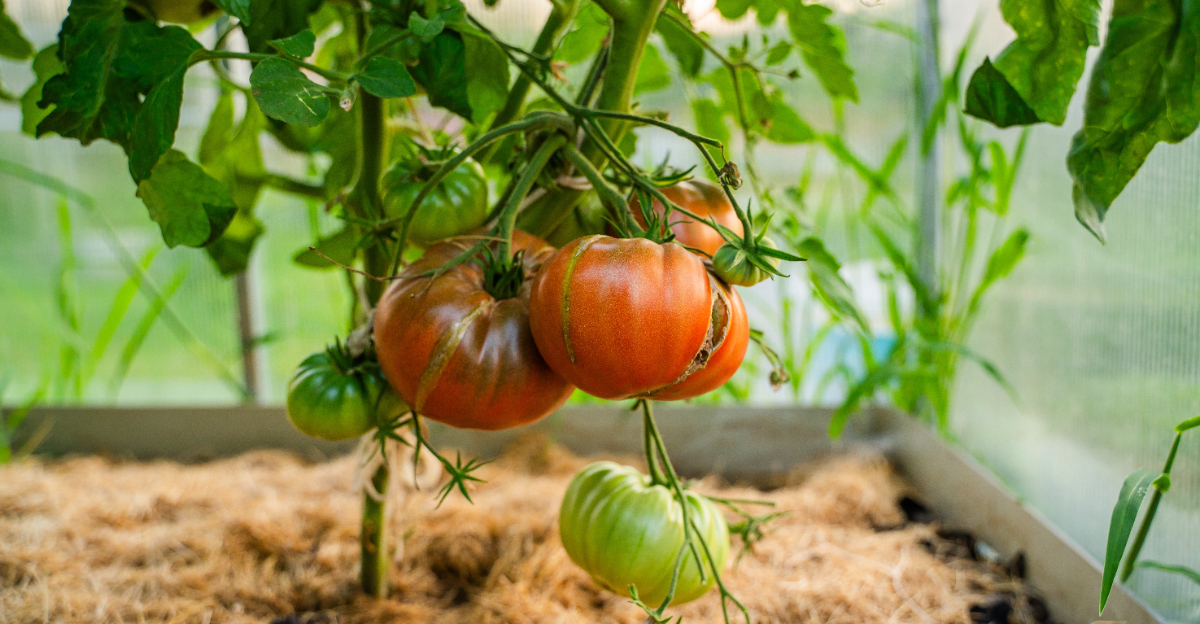
Harvesting tomatoes early is the one thing North Carolina gardeners cannot skip once heavy August rain starts causing fruit to split.
Sudden rainfall after a dry stretch causes tomatoes to absorb water faster than their skins can expand, leading to cracks and splits.
Picking fruit slightly before full ripeness reduces this risk, since firmer tomatoes handle the swelling better than fully ripe ones.
Consistent watering earlier in the season also helps prevent the dramatic moisture swings that trigger splitting during sudden downpours.
Mulching around plants helps regulate soil moisture, reducing the shock that heavy rain causes after dry conditions. Checking the garden right after storms allows gardeners to catch and harvest vulnerable fruit before splits worsen further.
Removing severely split tomatoes quickly also helps prevent pests or rot from spreading to healthy fruit nearby. Staying ahead of the rain now protects the rest of the season’s harvest.
1. Pick Every Split Tomato Immediately
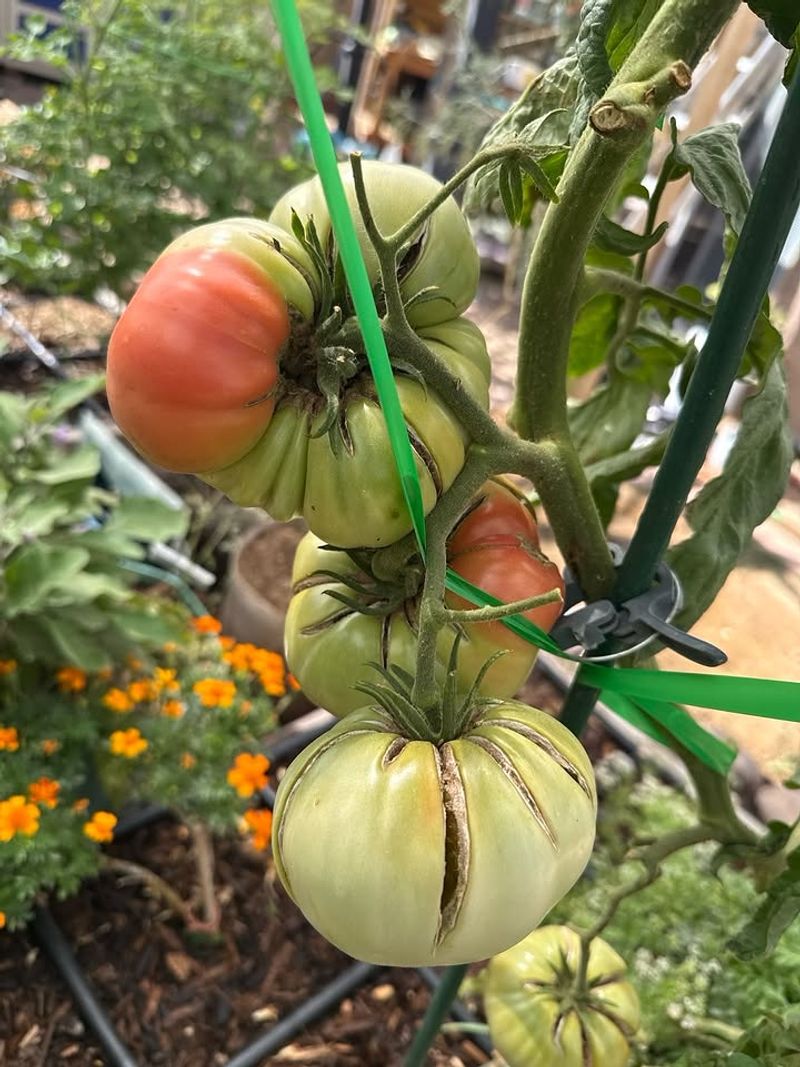
Right after a heavy August rain, your first move should be walking straight to the tomato patch. Every split tomato you see needs to come off the vine without waiting another hour.
A crack in the skin is not just cosmetic damage. It opens a direct path for insects, moisture, and organisms that cause rot to reach the soft interior tissue, and things can go wrong faster than most gardeners expect.
Inspect the entire plant from the bottom clusters to the top. It is easy to miss fruit tucked behind leaves, especially after a storm bends stems around.
Handle each cracked tomato gently as you remove it. Pulling or twisting too hard can widen the opening and make the damage worse before it even reaches your kitchen.
Leaving split tomatoes on the plant does not give them a chance to heal. Tomato skin cannot seal itself back together once a crack forms.
What staying on the vine actually does is put healthy nearby fruit at risk, since decaying fruit can attract pests and create problems that spread. Prompt harvesting is not about giving up on those tomatoes.
It is about protecting as much of your crop as you possibly can while conditions are still in your favor. Think of that post-rain walk through the garden as one of the most productive fifteen minutes of your entire growing season.
2. Harvest Tomatoes That Have Started Changing Color
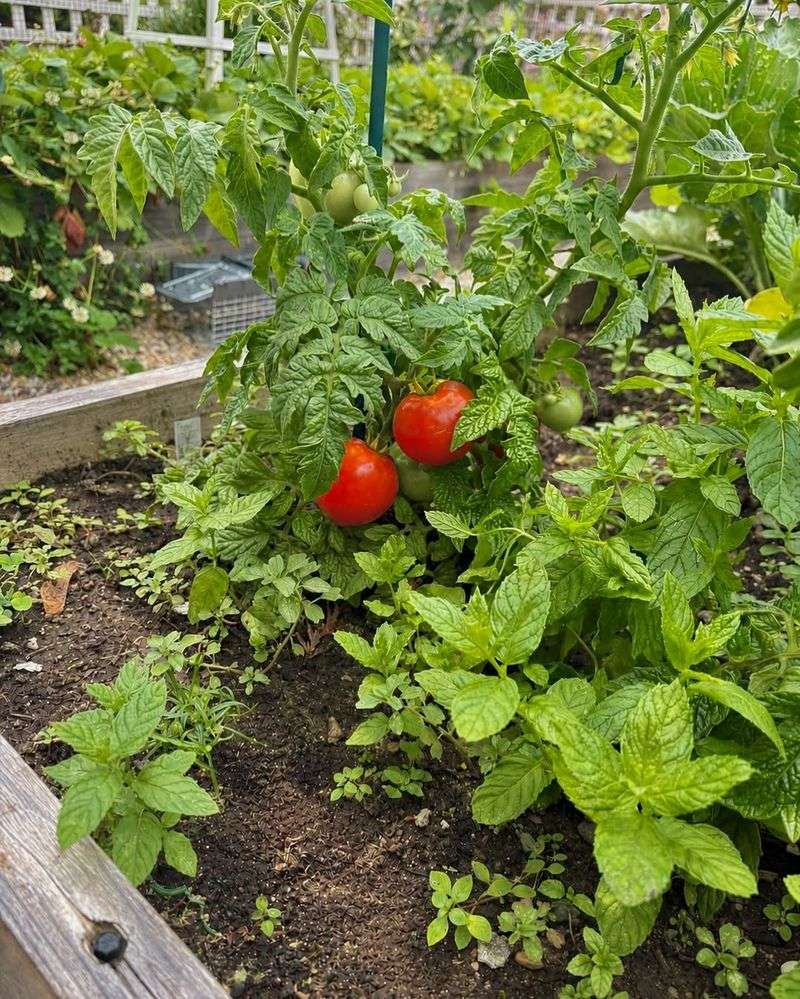
Not every tomato you pull after a rain event has to be cracked. Sound fruit that has already begun shifting from mature green toward its ripening color is absolutely worth bringing indoors before the next storm rolls through.
Once a tomato reaches full size and starts showing that first blush of color, the plant has already done most of the work. Ripening can continue perfectly well on a kitchen counter.
Selecting these color-changing tomatoes protects them from a second water surge, which is often what pushes already-stressed fruit past its limit and causes additional splitting. You are not rushing the process by picking early.
You are simply moving it to a safer environment where moisture swings cannot reach it. Set the harvested tomatoes in a shaded spot with decent airflow so they can breathe while they finish ripening.
Your North Carolina Garden Changes Every Week. Your Plan Should Too.
Gardening in North Carolina changes quickly throughout the season. Every Friday you’ll receive a simple weekly plan showing exactly what to plant, prune, fertilize, harvest, and protect so you never miss the right timing.
Refrigeration is worth skipping here. Cold temperatures interrupt the enzymes responsible for flavor development and can leave tomatoes with a mealy texture that is disappointing after all that garden effort.
A shaded countertop or a cool pantry shelf works much better. Fully green, small, or immature fruit generally does not ripen well indoors, so focus on tomatoes that already show a clear color change.
Pulling those specific fruit after heavy August rain is one of the smartest moves you can make to stretch your harvest deeper into the season without losing quality.
3. Separate Radial Splits From Concentric Cracks
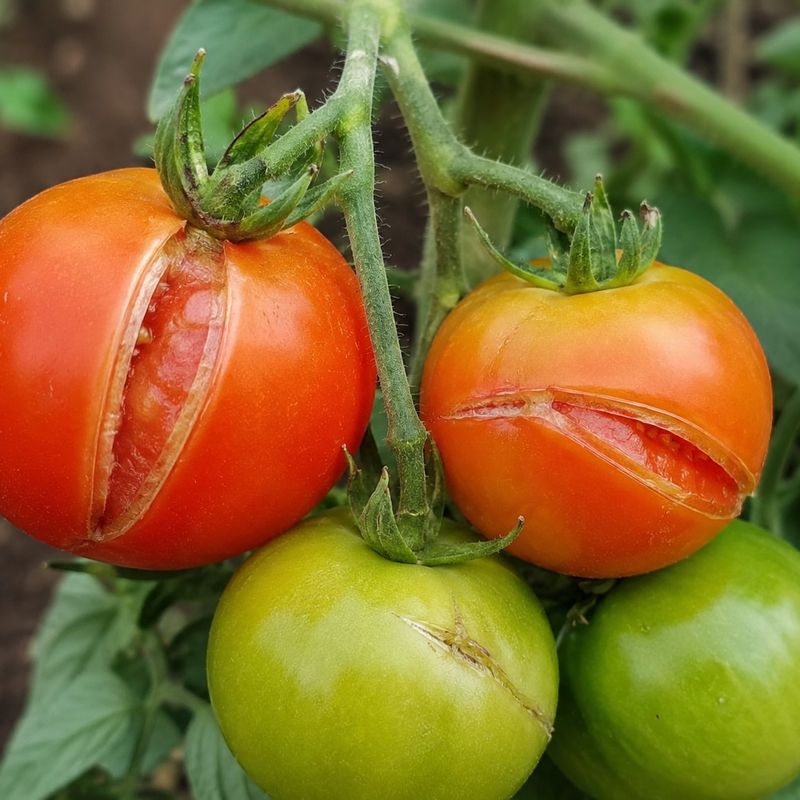
Not every crack tells the same story. Tomatoes split in two distinct patterns, and learning to tell them apart helps you make smarter decisions about what to do with each piece of fruit.
Radial cracks run downward from the stem along the sides of the tomato. These splits tend to go deeper into the flesh and can expose a larger area of interior tissue, which makes them a bit more urgent to deal with.
Concentric cracks form circular rings around the stem area and usually stay shallower. They can look almost neat compared to a jagged radial split, but shallow does not always mean harmless.
The real evaluation goes beyond the shape of the crack. Press gently around the surrounding tissue and check whether it feels firm.
Take a quick sniff. A fresh crack on a healthy tomato smells like a tomato. An older opening or one that has started attracting insects will often tell you something is already off.
Look at the color of the exposed tissue too. Discoloration, mushiness, or any sign of liquid seeping from the crack means that tomato needs more careful handling.
A fresh, shallow crack on firm, normal-smelling fruit is a very different situation from a deep, weeping split that has been sitting open through a warm night.
Train yourself to do this quick check on every cracked tomato you pick rather than making a blanket decision based on crack shape alone.
A few extra seconds of inspection can save you from tossing perfectly usable fruit or, just as importantly, from using fruit that has already started to turn.
4. Use Sound Split Fruit Without Delaying
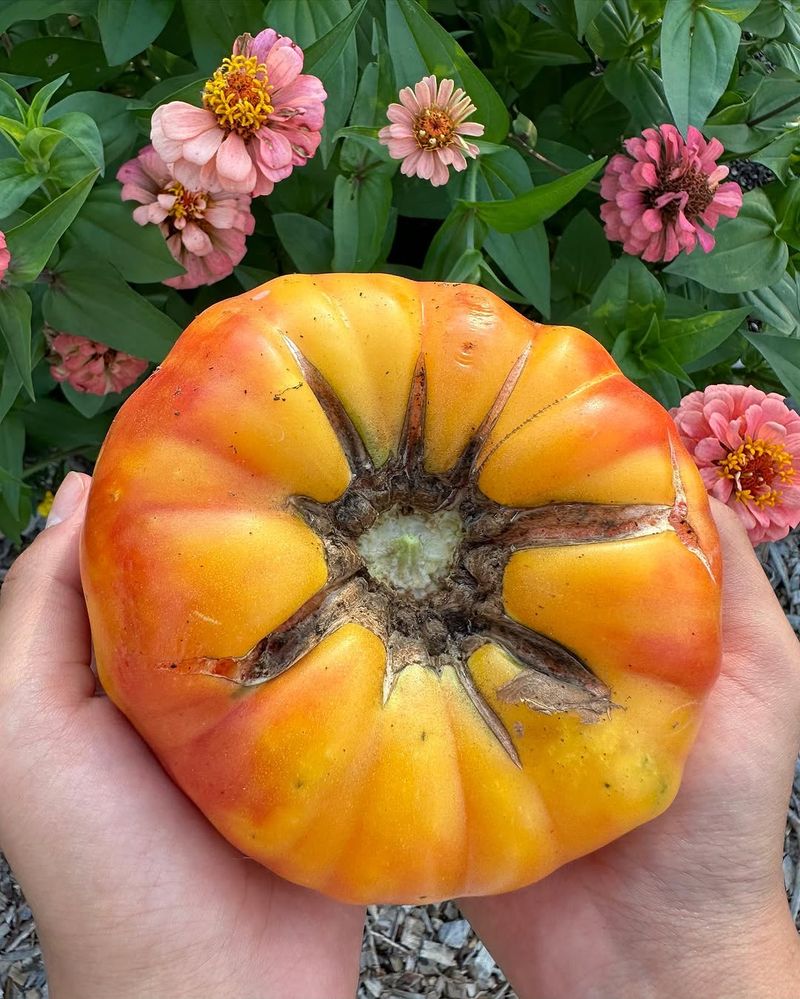
A split tomato is not automatically a wasted tomato. Plenty of cracked fruit is still perfectly good for cooking or eating, and the key is acting on it the same day you pick it rather than setting it aside and hoping for the best.
Start by washing your hands thoroughly, then rinse the tomato under clean running water before you do anything else. That simple step reduces surface contamination before you cut into it.
Slice the tomato open and take a good look at the tissue around the crack. Firm flesh with its normal color and a fresh tomato scent is a solid sign the fruit is still in good shape.
Trim away the cracked area with a generous margin and use the rest for sauce, salsa, sandwiches, or roasting.
Cooking cracked tomatoes quickly is often even better than eating them raw, since heat concentrates the flavor and the texture of the damaged area matters less once everything is cooked down.
There are clear signs that a cracked tomato should not be used at all. Visible mold, a sour or fermented smell, mushy tissue extending away from the crack, or any evidence of insects inside the fruit are all reasons to pass.
Do not try to salvage a tomato that shows more than one of those warning signs, no matter how large or beautiful it looked on the vine.
The condition of the tissue, the age of the crack, and any signs of contamination all factor into whether that particular fruit belongs on your cutting board or in the compost bin. Fresh and firm means go. Soft and strange means no.
5. Do Not Confuse Heavy Rain With Floodwater
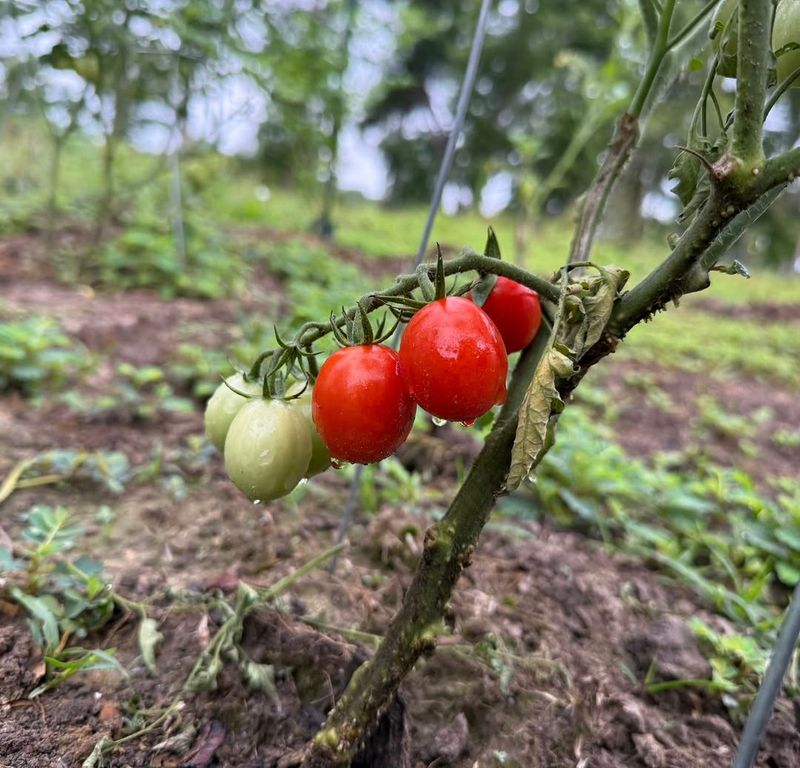
Rain cracking and floodwater contamination are two completely different problems, and mixing them up can lead to a serious food safety mistake.
When clean summer rain falls on your tomato plants and the fruit cracks from the sudden moisture surge, that is a garden management issue.
You handle it by harvesting quickly, inspecting carefully, and using sound fruit promptly. Floodwater is an entirely different matter that requires a different response.
Floodwater can carry material from creeks, rivers, road runoff, sewage overflows, agricultural fields, and other sources that introduce contaminants you cannot see, smell, or remove by rinsing.
A tomato that a flood has touched is not the same as a tomato that got rained on.
The crack in the skin makes the problem worse because contaminated water can reach the interior tissue directly, and no amount of washing, peeling, or cooking reliably corrects that kind of exposure.
North Carolina Cooperative Extension publishes food safety guidance specifically for gardeners dealing with flooding, and that is the resource to check when your garden has been reached by water from an outside source rather than rainfall alone.
The guidance is straightforward and updated regularly to reflect current recommendations.
Do not try to judge contaminated produce by appearance. Floodwater contamination leaves no visible mark on the fruit.
When there is any real question about whether floodwater reached your garden, the safest path is to follow official guidance rather than rely on personal assessment. Your health and your family’s health are worth more than any single tomato harvest.
6. Stop Adding Water Until The Soil Needs It
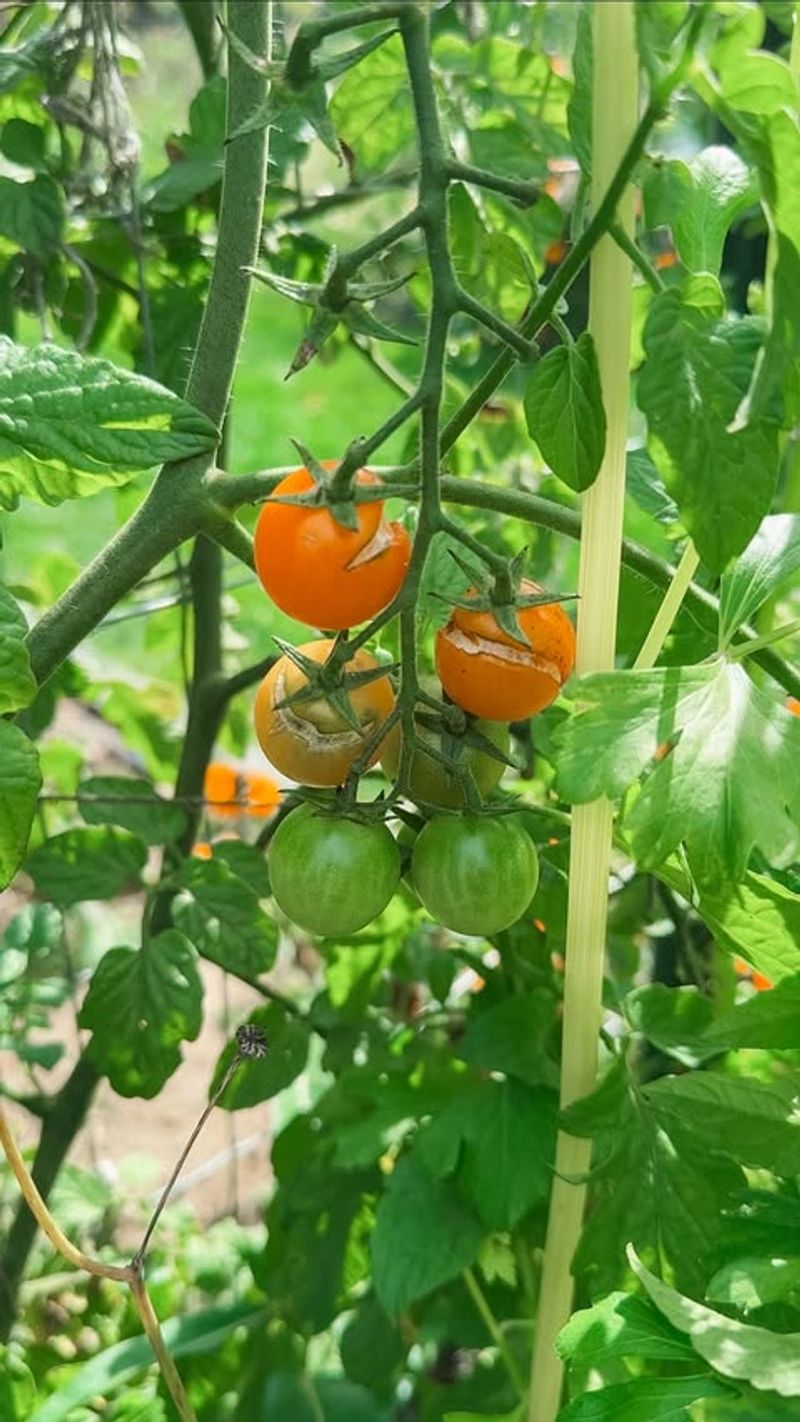
After a soaking August rain, the instinct to stick to your watering schedule can actually work against you.
The soil around your tomato plants may already hold more moisture than the roots can use comfortably, and adding irrigation on top of that extends the very conditions that caused splitting in the first place.
Before you turn on the hose or drip system, push your finger or a simple moisture meter several inches down into the soil and see what is actually there.
Waterlogged soil does more than encourage cracking. In ground that drains poorly, excess moisture can reduce the oxygen available around the roots, which stresses the plant in ways that show up later in the season.
The goal is not to keep the soil soaking wet. It is to maintain a reasonably even level of moisture that the plant can draw from steadily without experiencing dramatic swings in either direction.
Letting the soil swing from soaking wet to bone dry and back again is exactly the cycle that puts the most pressure on developing fruit.
A tomato that experiences that kind of back-and-forth moisture pattern is far more likely to split when the next rain arrives.
Check the soil every day or two after a heavy rain rather than watering on a fixed calendar. Soil texture, plant size, temperature, and shade coverage all affect how quickly moisture moves through the root zone.
Paying attention to what the soil is actually doing gives you far better information than any set schedule can provide, and your tomatoes will reflect that care.
7. Maintain Mulch To Moderate Moisture Swings
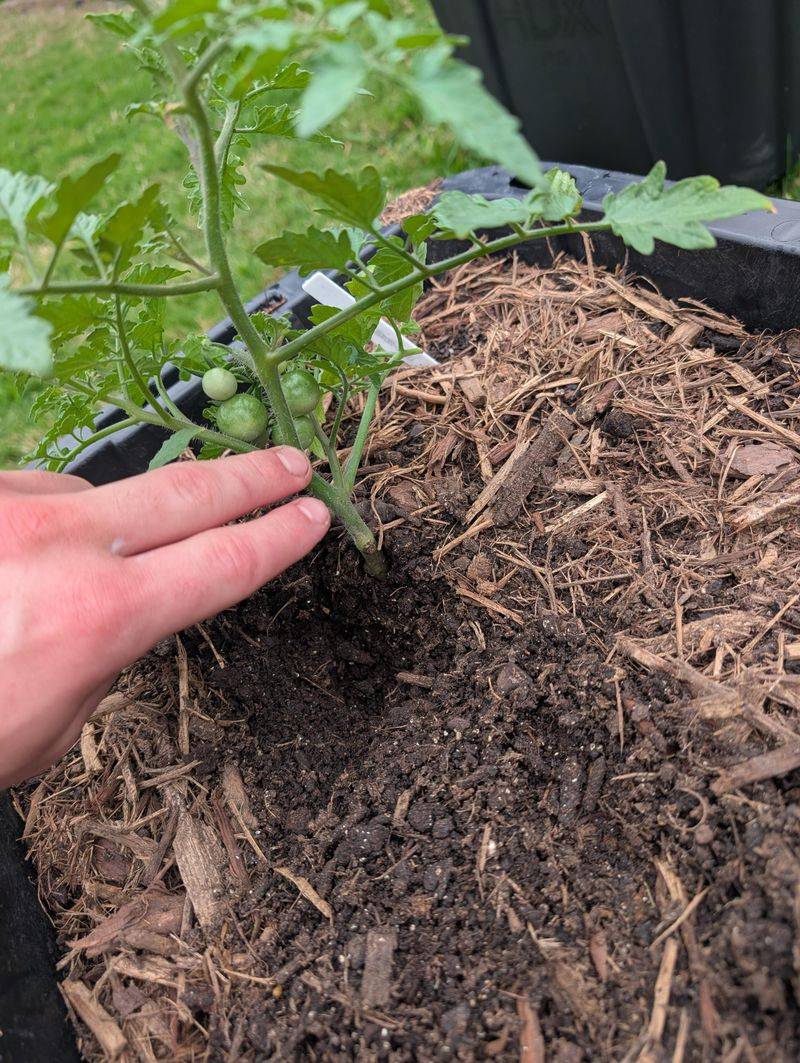
Mulch might be the quietest hero of the tomato garden.
A solid layer of clean straw, shredded leaves, or another organic material spread over the root zone works around the clock to buffer the soil from the kind of rapid moisture changes that lead to splitting.
During hot, dry stretches, mulch slows evaporation and keeps the soil from drying out too fast between waterings.
When a heavy rain arrives, that same layer slows the rate at which water penetrates the soil surface and reduces the sudden surge reaching the roots.
Keep the mulch a few inches away from the base of each stem to allow air circulation and reduce the chance of moisture sitting right against the plant.
A layer of about two to three inches is generally enough to make a real difference without smothering the soil.
Refresh it as the season progresses, since organic mulch breaks down over time and a thin layer loses much of its effectiveness during the intense heat of a North Carolina August. Mulch works best as part of a broader approach.
Improving drainage in your garden bed, directing roof runoff and downspout water away from the vegetable area, and applying irrigation slowly at soil level through drip lines or soaker hoses all contribute to a more stable root environment.
No single strategy eliminates splitting entirely when prolonged or extremely heavy rain hits.
However, combining good mulching habits with smart watering and drainage practices gives your plants the most stable growing conditions possible and noticeably reduces how often you have to deal with cracked fruit after summer storms.
8. Choose Less Susceptible Tomatoes Next Season
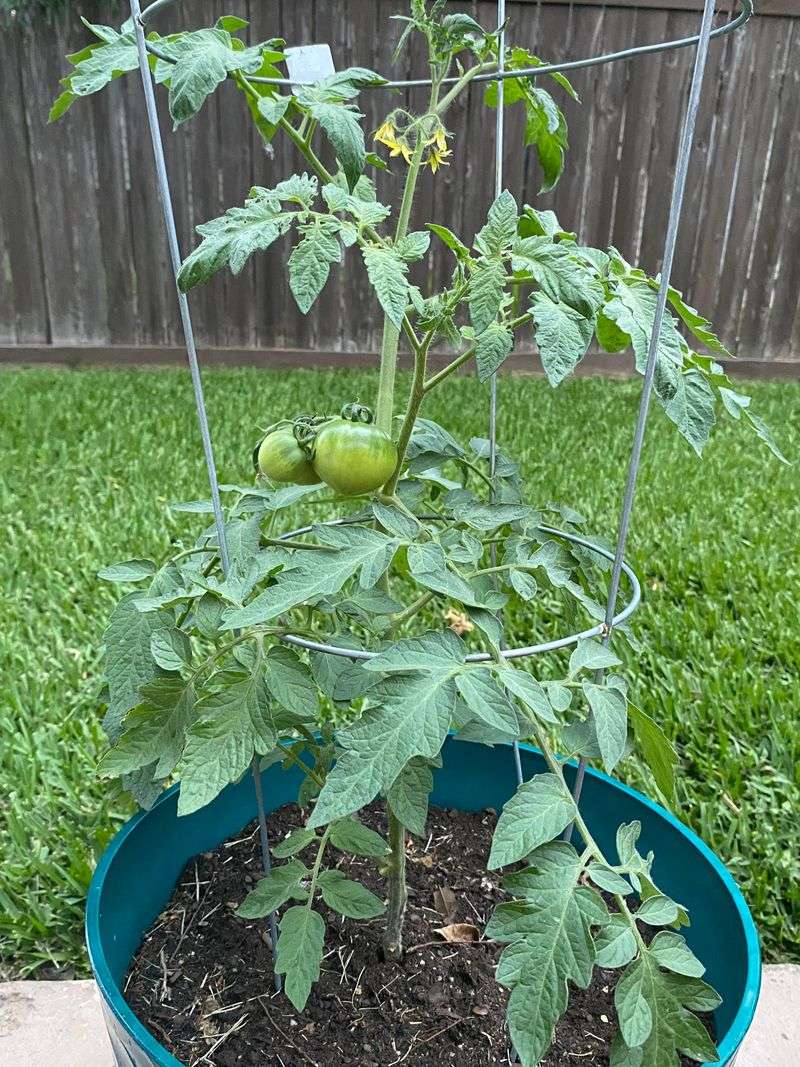
Every cracked tomato is a little reminder that variety choice matters.
Tomatoes differ significantly in how their skin responds to sudden moisture changes, and some are simply better built for the unpredictable rain patterns that North Carolina summers deliver.
Smaller fruiting types like cherry and grape tomatoes tend to handle moisture swings more gracefully than large slicing varieties, partly because their smaller size means less interior pressure builds up when water absorption spikes.
That does not mean small tomatoes are completely immune. Any variety can crack during an extreme rain event, especially if the soil was very dry beforehand.
The difference is in how often it happens and how severe the damage tends to be. When you shop for seeds or transplants next spring, look specifically for descriptions that mention crack resistance.
Several well-regarded varieties bred for that trait perform reliably in southeastern conditions and are worth trying if splitting has been a recurring frustration in your garden.
Growing more than one variety is a smart hedge. If one type struggles during a particularly wet August, another might handle the same conditions with far less damage.
Combine variety selection with everything else covered here: steady and soil-responsive watering, consistent mulching, good drainage, timely harvesting after storms, and regular inspection of your plants.
Once a tomato has already split, nothing you do on the vine can fix it. Prompt harvest is always the right response in that moment.
But building better habits and choosing better varieties means you will spend far less time in crisis mode and far more time actually enjoying your harvest.