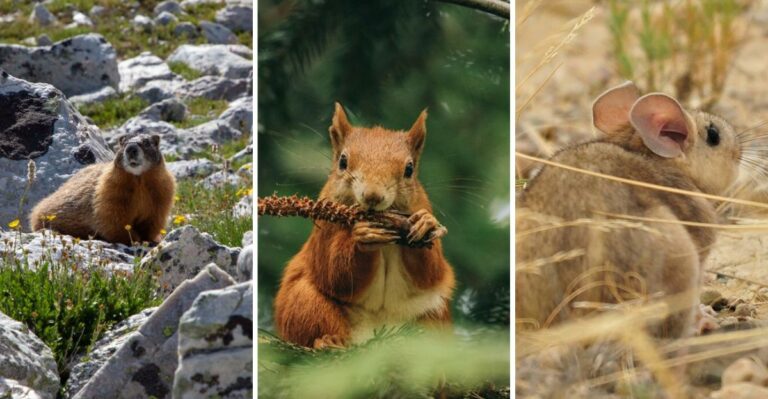
Why Colorado’s High Country Marmots Are Retreating Into Their Burrows
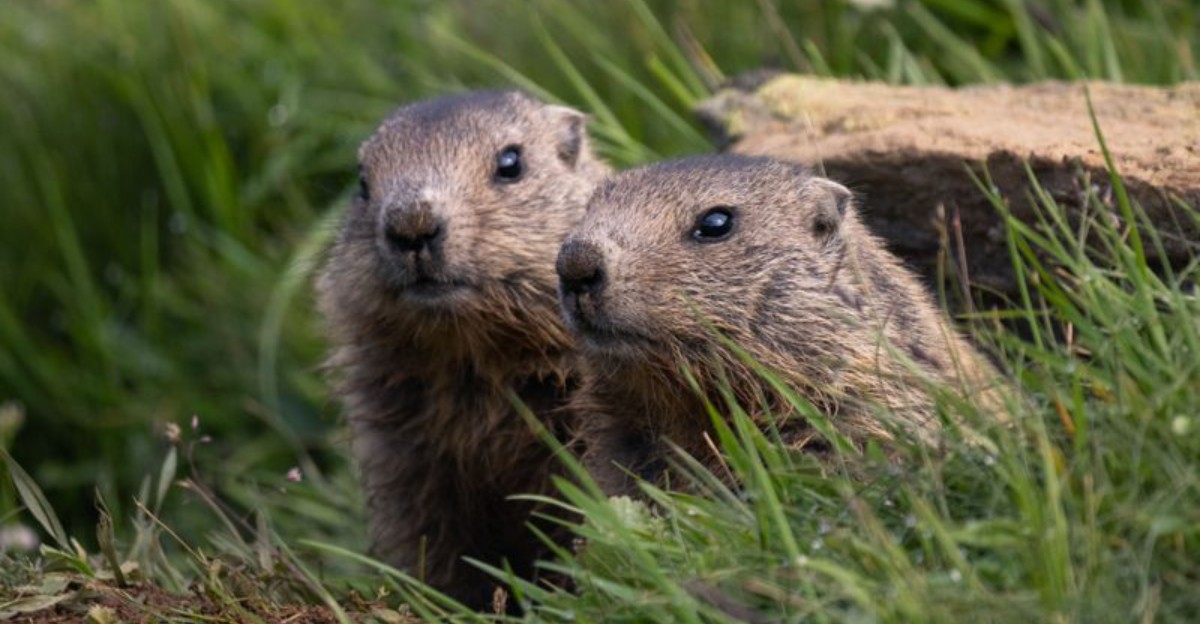
You climb above treeline in Colorado and the silence stops you cold today. That sharp whistle from the switchbacks has quietly disappeared without warning.
Marmots ruled those sunny boulders just weeks ago, sprawled and impossibly fat. Now the rocks sit bare under a sky turning much colder. Wildflowers fade fast once September tightens its grip on Colorado.
Wind carries a sharp bite that sends a clear signal underground. Underground, tunnels are filling with bodies preparing to retreat for months. Fat reserves built through summer now decide who endures winter.
Family groups synchronize their retreat with uncanny precision. Timing here depends on snowpack, temperature, and food scarcity. Weather patterns this high can shift a schedule overnight.
Daylight loss triggers hormonal changes long before frost arrives. Curiosity about this hidden clock quietly changes how you see mountains. Once you know the signals, you will need to see exactly what happens underground next.
1. The Alpine Clock Starts Ticking In Late Summer
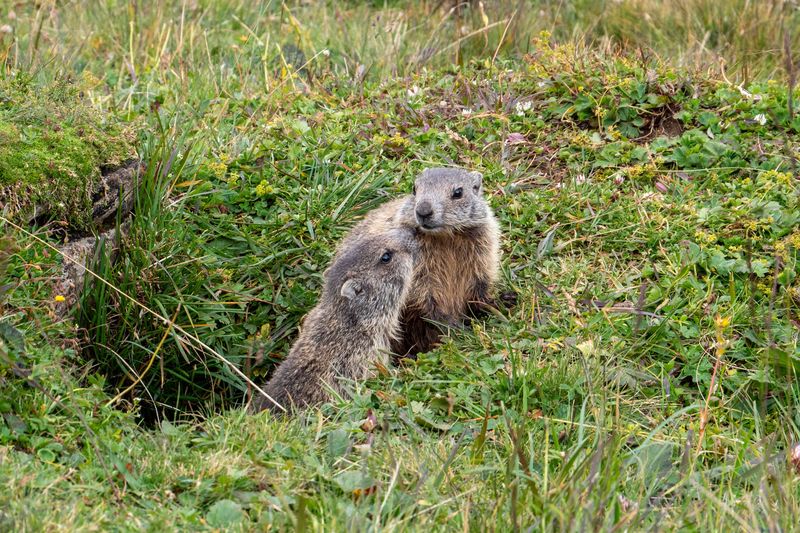
Ask any longtime Colorado hiker when the whistling stops, and they will point to the first weeks of September. That is when the high country flips a switch that no calendar app can predict.
Marmots live by daylight. As days grow shorter above 10,000 feet, their bodies release different hormone levels that tell them to slow down and prepare for a long rest.
Temperature plays a part too. Nights near Independence Pass or Loveland Pass can drop below freezing in August, and those cold hours signal that the growing season is winding down.
Food is the third clue. Alpine plants finish flowering and start drying out, so the salad bar that fed marmots all summer loses its nutrition fast.
Put those three signals together and you get an animal that seems to vanish overnight. In reality, the process takes weeks of gradual change.
Older marmots usually head underground first, sometimes by mid-August at the highest elevations. Younger ones stay out longer because they need extra feeding time to catch up.
Elevation shifts the schedule as well. A marmot near Grand Lake at 8,500 feet may stay active into October, while one on a 12,000-foot ridge is already tucked away.
For hikers, the takeaway is simple. Plan marmot-watching trips for July and early August if you want the classic sunbathing photos.
For context: researchers at the Rocky Mountain Biological Laboratory near Crested Butte have been tracking marmot emergence and retreat dates since long-term studies began there in the 1960s.
2. Packing On Pounds Is A Full-Time Job
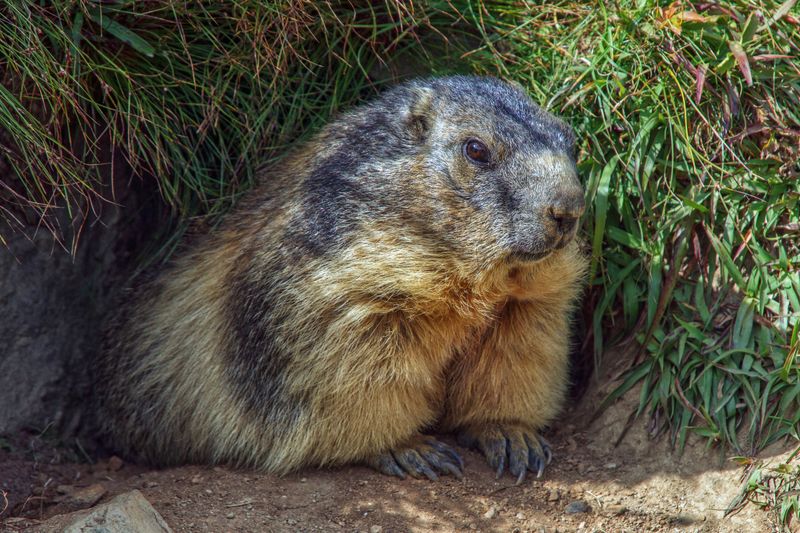
Imagine eating enough in four months to nearly double your body weight. That is the marmot summer strategy.
A marmot that emerged in May weighing around four pounds may tip the scales at eight or nine pounds by late August, though exact gains vary by population and elevation.
They graze for hours on grasses, forbs, clover, dandelions, and flower heads. Some populations even nibble on lichens and seeds when greenery gets scarce.
The fat they build is not just padding. It slowly burns through the winter months, keeping their organs running while they rest underground.
Your Colorado Garden Changes Every Week. Your Plan Should Too.
Gardening in Colorado changes quickly throughout the season. Every Friday you’ll receive a simple weekly plan showing exactly what to plant, prune, fertilize, harvest, and protect so you never miss the right timing.
Scientists sometimes call this a fat budget. If the budget falls short, the marmot may struggle to make it to spring in good condition.
Weather during the growing season shapes that budget. A dry summer with early-browning plants means fewer calories, and a snowy spring that delays green-up shortens the feeding window.
That is one reason you see marmots eating so frantically in August. They know, in their own instinctive way, that the buffet is closing.
Hikers often notice marmots looking noticeably rounder by Labor Day weekend. Those rolls of fat are a good sign, not a health problem.
Human food does not build the right kind of fat reserves, and it teaches marmots to beg near parking lots. A well-fed marmot enters winter with a stronger chance of making it to spring.
3. Burrows Are Built To Outlast Blizzards
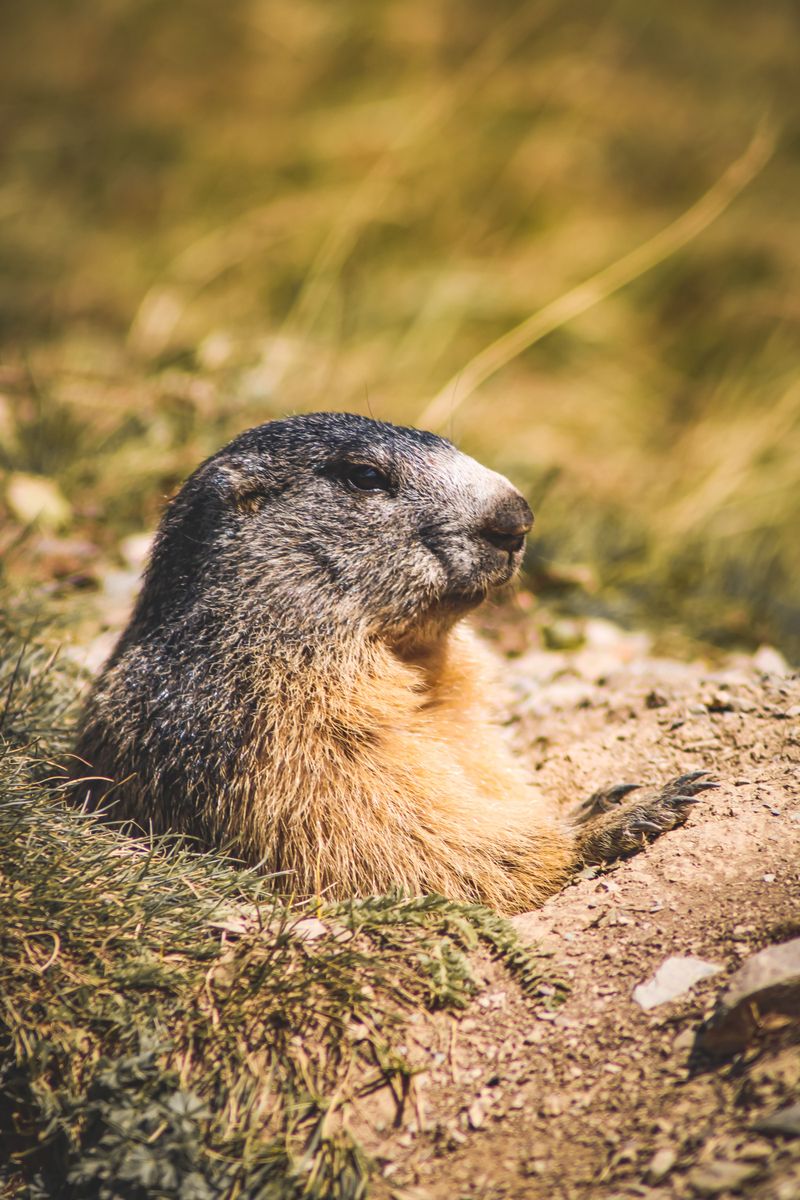
Under those jumbled granite boulders sits some serious real estate. Marmot burrow systems can stretch fifteen feet or more, with multiple entrances and side rooms.
Depth is the whole point. Two or three feet down, soil temperature stays remarkably steady even when a January storm slams the ridge above.
Snow helps rather than hurts. A thick blanket of powder acts like insulation, holding underground temperatures near freezing instead of the harsh air temperatures outside.
Inside, marmots build a nest chamber lined with dried grass and shredded plant material. It looks a bit like a hay bed and holds body warmth beautifully.
Many burrows get reused for generations. Some tunnel systems in Colorado talus fields have likely sheltered marmot families for decades.
Rocks add another layer of protection. Predators cannot dig through boulder fields, which is why you rarely find marmot colonies in soft open meadows.
Before settling in, marmots often plug the main entrance with soil, rocks, and vegetation. That seal keeps out cold drafts and curious visitors.
Drainage matters too. Marmots pick slopes where meltwater runs off rather than pooling, since a flooded chamber would compromise the burrow.
If you spot a fresh dirt mound with a dark hole beside a boulder this fall, you have found a front door. Give it space and take your photo from the trail. Stepping on burrow entrances can collapse tunnels that took years of digging to build.
4. Hibernation Slows Their Bodies To A Crawl
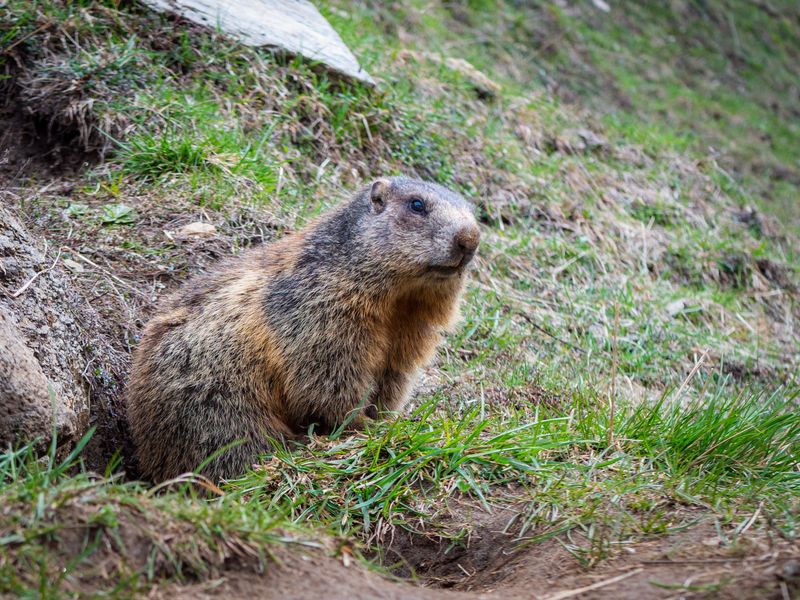
True hibernation is far stranger than a long nap. A marmot in deep torpor becomes almost unrecognizable as an active animal.
Heart rate drops from roughly 180 beats per minute down to fewer than a dozen. Breathing slows to a handful of breaths each minute.
Body temperature falls dramatically, sometimes hovering just a few degrees above the surrounding soil. The animal feels cool to the touch.
All of that saves energy. A hibernating marmot burns fat at a tiny fraction of its summer rate, stretching those reserves across eight months.
They do not stay under the whole time without stirring. Marmots wake periodically for short arousal periods lasting hours or a day, then settle back down.
Researchers think those brief wake-ups help the immune system and let the brain do a little housekeeping. The arousals also burn a surprising share of the stored fat.
Colorado marmots hold one of the longer hibernation records among North American mammals. In the highest basins, they can stay underground roughly seven to eight months.
Compare that to a black bear, whose body temperature drops far less during winter dormancy. Marmots reach a much deeper physiological state.
When spring arrives, they emerge thin and hungry, sometimes digging up through several feet of remaining snowpack. Male marmots typically pop out first to claim territory.
Next time you ski past a boulder field in February, remember there is a small furry neighbor sleeping quietly beneath your tracks.
5. Youngsters Face A Tight Seasonal Window
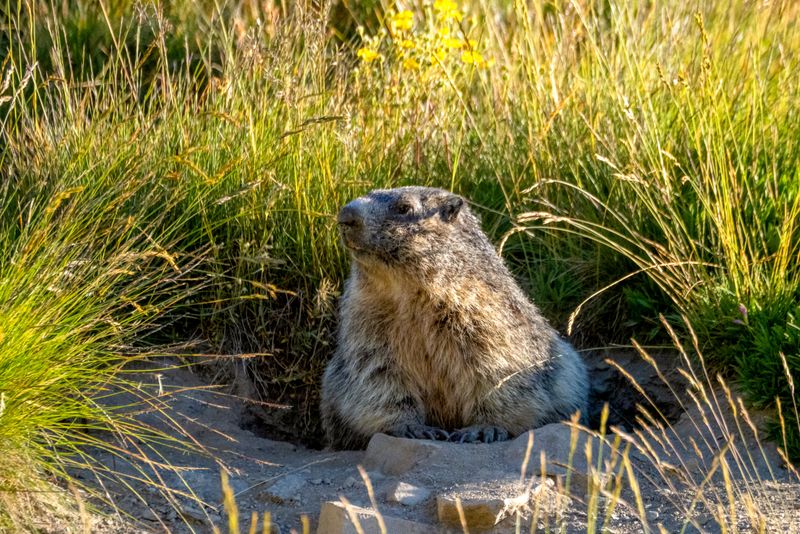
Marmot pups have possibly one of the more demanding summers among alpine mammals. Born in June, they get roughly ten weeks to prepare for their first hibernation.
Litters usually contain three to five pups. They stay underground nursing for about a month before their first peek at daylight.
Once above ground, the timeline is demanding. They must grow, learn to forage, dodge hawks and coyotes, and build fat reserves all at the same time.
Pups that emerge late in the season have the hardest road. A snowy spring that delays breeding can push their whole timeline dangerously tight.
Adults often let the young ones share the family burrow through winter. Huddling together conserves heat, which stretches everyone’s fat supply.
Body size ends up mattering a great deal. Research on alpine marmot populations generally links heavier pups to better odds of surviving their first winter.
Watching a family group in August is one of the highlights of alpine hiking. The pups wrestle, chase, and tumble off rocks like clumsy puppies.
That play is not wasted time. It builds muscle coordination and teaches them how to react when a shadow crosses the slope.
By early September, the games mostly stop. The young marmots eat with the same focused intensity as their parents.
If you are lucky enough to see a late-season family, keep your distance and let them work. Every interrupted feeding minute counts for a first-year marmot facing a long winter.
6. Snowpack Timing Shapes The Whole Season
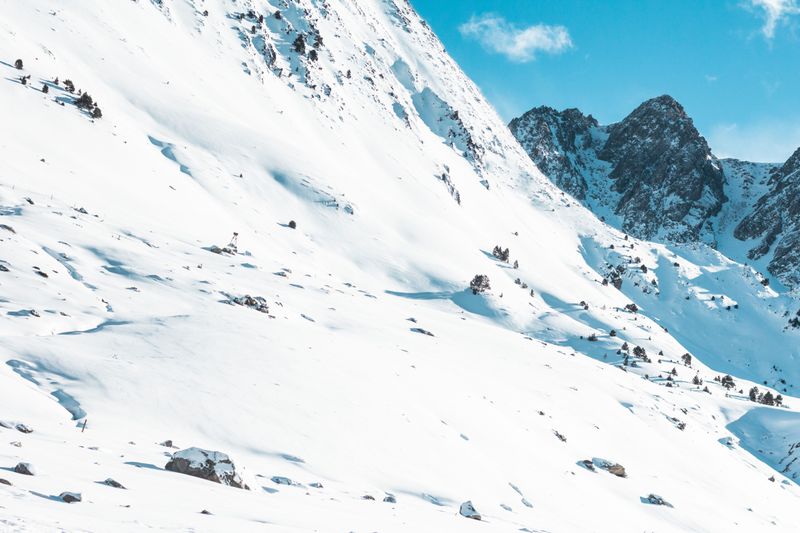
Snow decides almost everything for a marmot, and not in the way most people assume. Both too much and too little create problems.
Heavy late snowpack delays green-up. If plants cannot grow until July, marmots lose weeks of prime feeding time and enter fall lighter than usual.
Thin snowpack causes a different headache. Without that insulating layer, burrow temperatures swing lower and hibernating marmots burn extra fat staying warm.
Some regional studies suggest earlier spring emergence in recent decades as snow melts sooner in certain basins. Warmer springs can mean longer growing seasons and heavier marmots.
The catch is that early emergence carries risk. A marmot that surfaces during a warm February stretch may find bare rock and no food, followed by a March storm.
Summer drought adds another wrinkle. Dry alpine soils produce tougher, less nutritious plants, so marmots have to eat more to gain the same weight.
All of these factors explain why marmot numbers bounce around from valley to valley. One basin might have a banner year while a neighboring drainage struggles.
Long-term monitoring near Gothic and along the Front Range keeps track of these swings. The data helps biologists understand how alpine wildlife responds to shifting mountain weather.
For visitors, the practical note is that marmot activity varies year to year. A slope packed with whistling marmots one August may look quiet the next. Snow patterns, not disappearing populations, usually explain the difference.
7. That Famous Whistle Fades With The Wildflowers
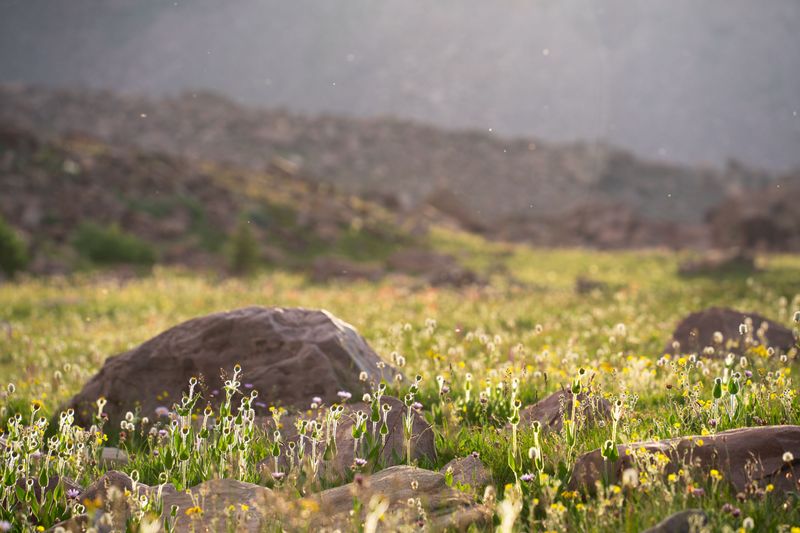
Nicknamed the whistle pig for good reason, marmots produce a piercing chirp that carries across an entire basin. Hikers often mistake it for a bird.
The call works as an alarm. One marmot spots a golden eagle or coyote and everyone within earshot bolts for cover.
Different calls carry different meanings. Short single chirps often signal a distant threat, while rapid strings suggest something close and urgent.
Colony size affects the chatter. Large groups on popular passes tend to be noisier because more sentries are watching from more rocks.
As September rolls in, the soundtrack thins out. Fewer marmots above ground means fewer lookouts, and the ones remaining spend their energy eating rather than socializing.
Wind also masks the sound. Autumn gusts across exposed tundra swallow a whistle that would have carried a quarter mile in still July air.
Some hikers assume the quiet means predators cleared out the colony. Usually the marmots are simply below your boots, sealed in for the season.
Marmots communicate through more than sound. Scent marking on rocks and physical greetings between colony members help maintain their social bonds.
Trying to imitate the whistle is tempting but not a great idea. Repeated false alarms send marmots diving into burrows and cut into their feeding time.
Instead, sit still on a rock for ten minutes and let them relax. You will hear far more natural behavior than any amount of whistling back could produce.
8. How Hikers Can Help Before The Snow Flies
Here is something few visitors realize. Marmots have developed a taste for the salt and antifreeze residue on parked cars, which is why chicken wire shows up at trailheads.
At places like Mount Blue Sky and popular Fourteener parking areas, marmots have chewed radiator hoses and wiring. Wrapping the lower vehicle with a tarp or wire is one effective deterrent.
Backpacks left unattended are another target. Sweaty shoulder straps carry salt, and a curious marmot will happily gnaw right through the webbing.
Keep food sealed and packed out. A marmot that learns to raid lunches stops foraging properly and may enter fall without the right nutrition.
Stay on established trails through boulder fields and meadows. Off-trail wandering compresses soil, tramples food plants, and can crush shallow tunnel sections.
Leash your dog above treeline. Chasing burns marmot calories they cannot spare in September and disrupts the entire colony for hours.
Photograph from a distance using zoom rather than approach. A good rule is if the animal stops eating and looks at you, you are too close.
Report unusual observations to Colorado Parks and Wildlife. Citizen sightings help fill gaps in the long-term monitoring record.
Support alpine restoration projects when you can. Groups working on tundra recovery in Rocky Mountain National Park and the Indian Peaks protect the plants marmots depend on.
Small choices on the trail add up to healthier colonies whistling at hikers for many summers ahead.