Why Connecticut Homeowners Are Tucking These Small Tubes Around Their Yards This Fall

Your neighbors keep crouching by their fences for reasons they won’t explain. Something small is being pressed into the ground across Connecticut this fall.
You probably haven’t noticed the shift happening beneath your own lawn. Nobody warned homeowners about this unusual outdoor habit. Wildlife specialists are quietly reshaping how people prepare for winter.
Small creatures face brutal odds once the cold arrives. Meadow habitats offer little protection from predators or frost. Shelter, not decoration, drives this backyard trend.
Connecticut yards are becoming unlikely refuges for animals you rarely see. The materials involved are almost embarrassingly simple. Experts say the smallest structures make the biggest difference.
Backyard biologists now treat this practice as essential prep. Curiosity alone won’t explain what’s really going on here.
A Small Yard Habit Connecticut Homeowners Are Suddenly Adopting
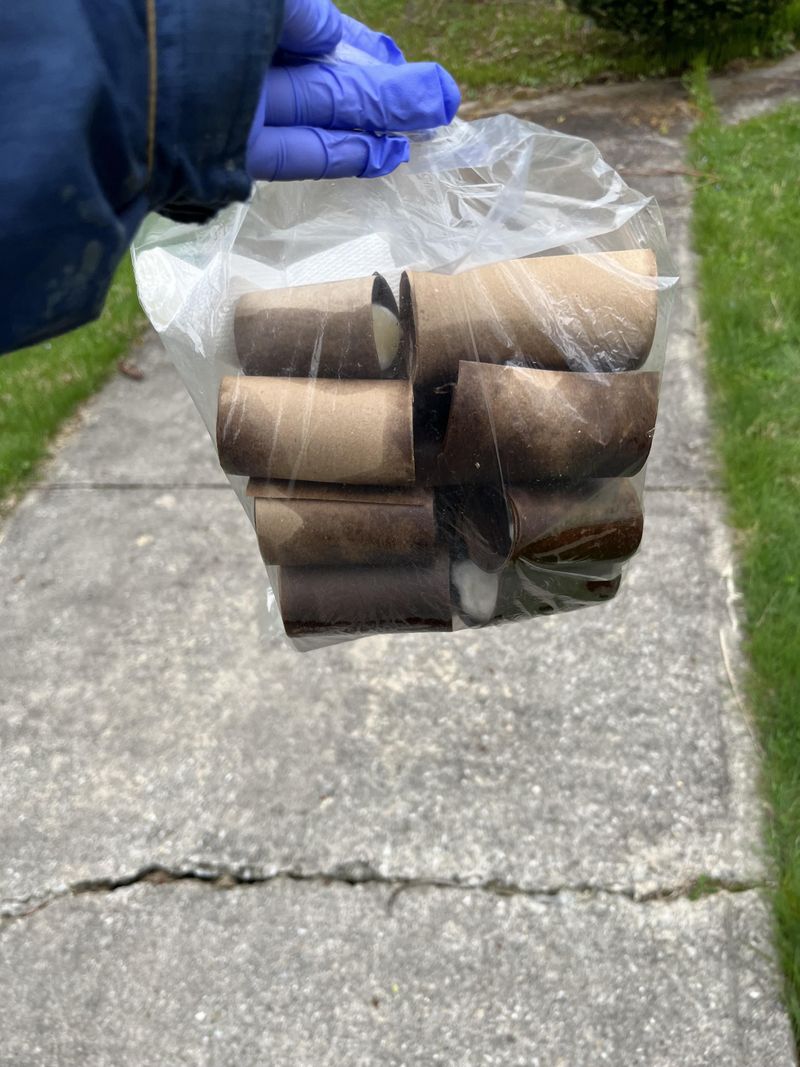
Tucking small tubes around your Connecticut yard sounds odd at first. Yet thousands of homeowners have quietly started doing it this fall.
These tubes are cardboard cylinders filled with treated cotton. Mice pull the cotton out and carry it straight into their nests.
The cotton is treated with a compound that targets ticks without harming the mice. Larval and nymph ticks feeding on those mice never survive to their next stage.
Interrupting the tick lifecycle this early makes a measurable difference by next season. Fewer ticks emerge in spring when mice never carry live ones through winter.
The method was developed through research into how deer ticks actually spread. Mice, not deer, turn out to be the key host during the earliest tick stages.
Setting up tubes takes only a few minutes near known mouse activity. Stone walls, wood piles, and brush piles are usually the busiest spots.
The tubes look plain and blend into leaf litter almost immediately. Most people walking through a treated yard would never notice them.
What makes this method effective is timing paired with mouse behavior. Nesting season pulls mice toward the cotton exactly when it matters most.
Small yard habits like this one carry consequences far beyond the yard itself. This one directly affects how many ticks survive into next year.
What These Tubes Actually Do Once Placed Outside
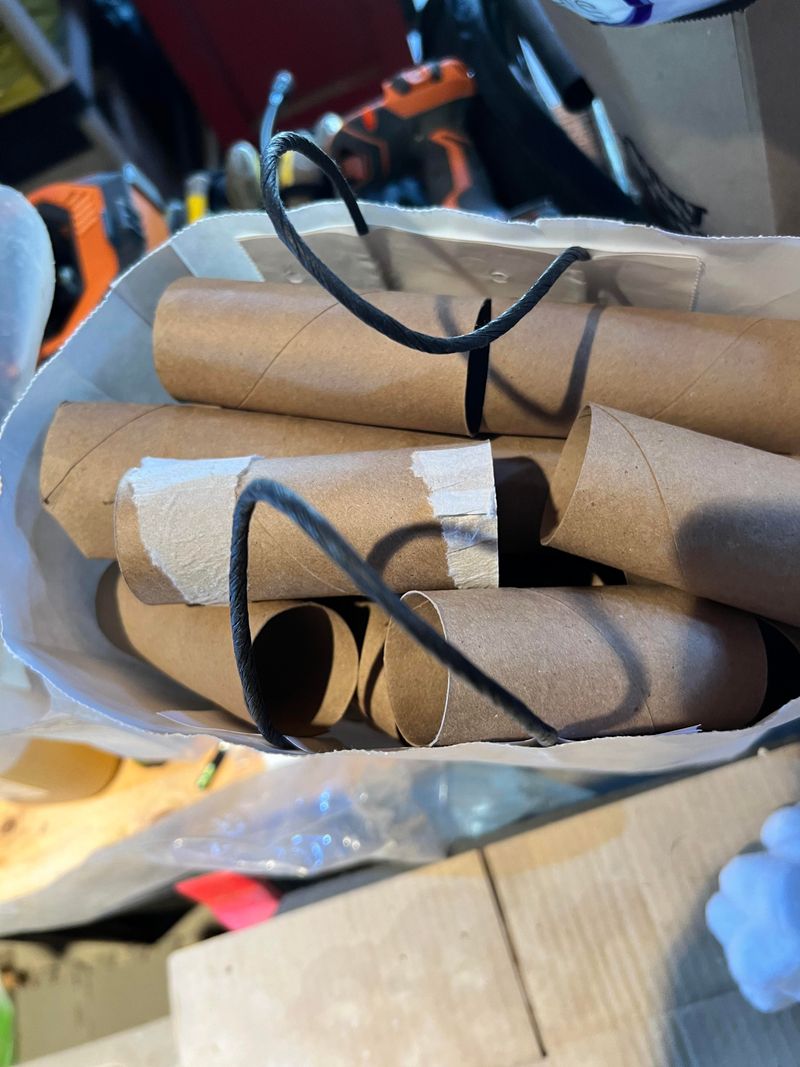
Once placed outside, mice discover these tubes surprisingly fast. Cotton nesting material is hard for them to resist.
Mice carry the treated cotton back to their burrows and nests. There, they line their sleeping spaces with the material.
Any ticks already attached to those mice come into direct contact with the treatment. Permethrin on the cotton eliminates ticks without affecting the mice carrying it.
This matters because juvenile ticks depend almost entirely on small mammals during their first blood meal. Mice are their primary host before ticks move on to larger animals.
Stopping ticks at this early stage prevents them from reaching adulthood. Adult ticks are the ones most likely to bite humans and pets.
The treatment stays active on the cotton for an extended period once placed. That gives mice plenty of time to find and use it naturally.
Your Connecticut Garden Changes Every Week. Your Plan Should Too.
Gardening in Connecticut changes quickly throughout the season. Every Friday you’ll receive a simple weekly plan showing exactly what to plant, prune, fertilize, harvest, and protect so you never miss the right timing.
Unlike sprays or yard treatments, this method targets ticks at their most vulnerable point. Nothing needs to touch your lawn directly for it to work.
Over several weeks, treated cotton spreads through multiple nests across a property. Each new nest becomes another site where ticks fail to survive.
By the time cold weather sets in fully, a meaningful share of the local tick population near those nests has already been disrupted. That head start carries directly into spring.
The Best Spots Around Your Property To Set Them Up

Placement matters more than most people expect with these tubes. Setting them anywhere convenient rarely produces strong results.
The most effective spots sit along the edges where lawn meets wooded areas. Mice travel these transition zones constantly while foraging and nesting.
Connecticut properties often border wooded lots or stone-walled fields. Those natural borders are exactly where mouse activity concentrates.
Stone walls and rock piles are prime real estate for mouse activity. Tubes tucked into the gaps get discovered almost immediately.
Brush piles and fallen log edges work just as well. These structures naturally shelter mice from predators and weather alike.
Avoid placing tubes in the middle of open, mowed lawn. Mice rarely cross exposed ground where hawks and cats can spot them easily.
Leaf litter near tree bases holds both moisture and mouse traffic. Tubes placed there tend to empty of cotton within days.
Garden shed foundations and deck undersides are often overlooked but highly effective. Mice frequently nest in these dry, sheltered gaps.
Spacing tubes roughly ten to fifteen feet apart along these routes covers more ground. Each tube then reaches a slightly different group of mice.
Mapping your property with mouse behavior in mind changes everything. The right spots become obvious once you think like the animals using them.
When This Fall Is The Right Time To Start
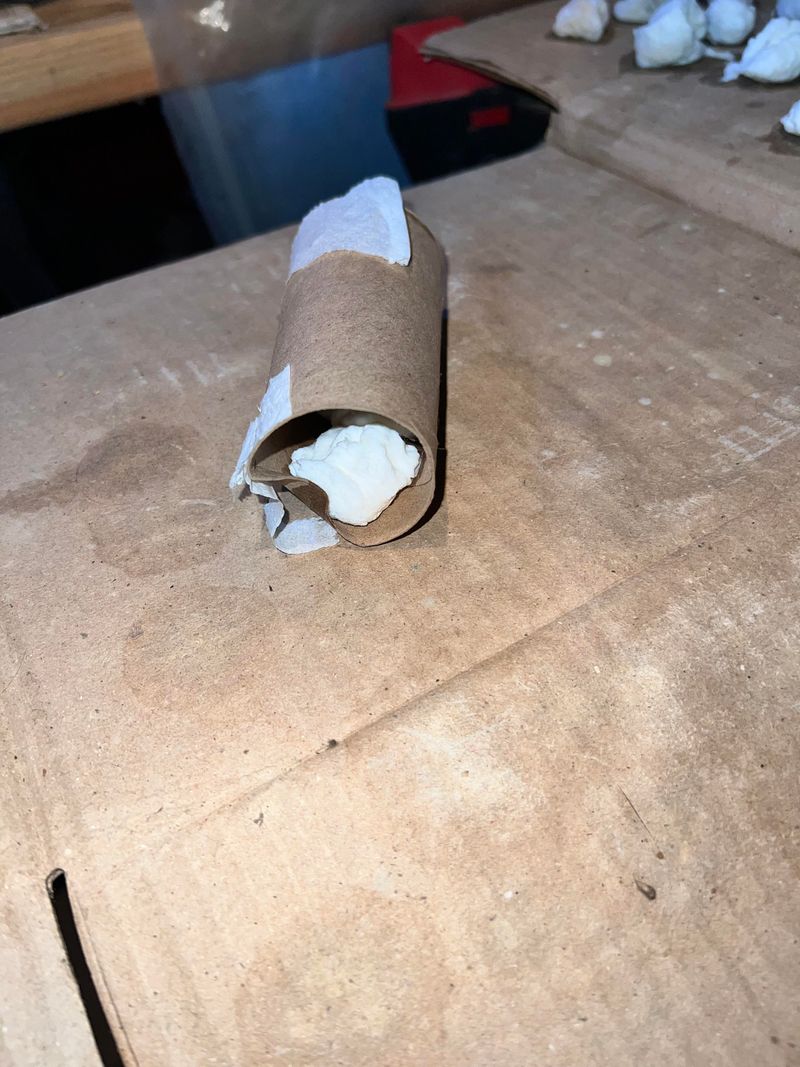
Timing your tube placement correctly can double its effectiveness. Most experts recommend two windows each year, and fall is one of them.
In most parts of the state, that window falls in early to mid-fall. Mice are actively building winter nests and gathering material during this stretch.
Starting too early in late summer often misses peak nesting activity. Mice may not yet be collecting bedding material in large amounts.
Waiting until deep winter usually means missing the window entirely. Once nests are built and sealed, mice stop actively seeking new material.
Cooler nighttime temperatures are a reliable signal that nesting behavior has started. That shift usually lines up with the first real drop in fall temperatures.
Connecticut’s fall typically brings this temperature shift by mid-October across most regions. That timing gives homeowners a fairly consistent window to work with each year.
Watching for increased mouse activity near wood piles or foundations helps confirm timing. Fresh droppings or disturbed leaf litter are common signs.
Leaf drop itself is another useful cue for placement timing. Once most trees are bare, mice shift heavily into nest-building mode.
Choosing a dry day for setup makes handling easier and keeps the cotton intact. Wet cotton is harder for mice to pull free.
This fall window matters because it protects mice through the exact period ticks are most active on them. Acting now shapes what next spring looks like.
Mistakes That Make This Method Less Effective
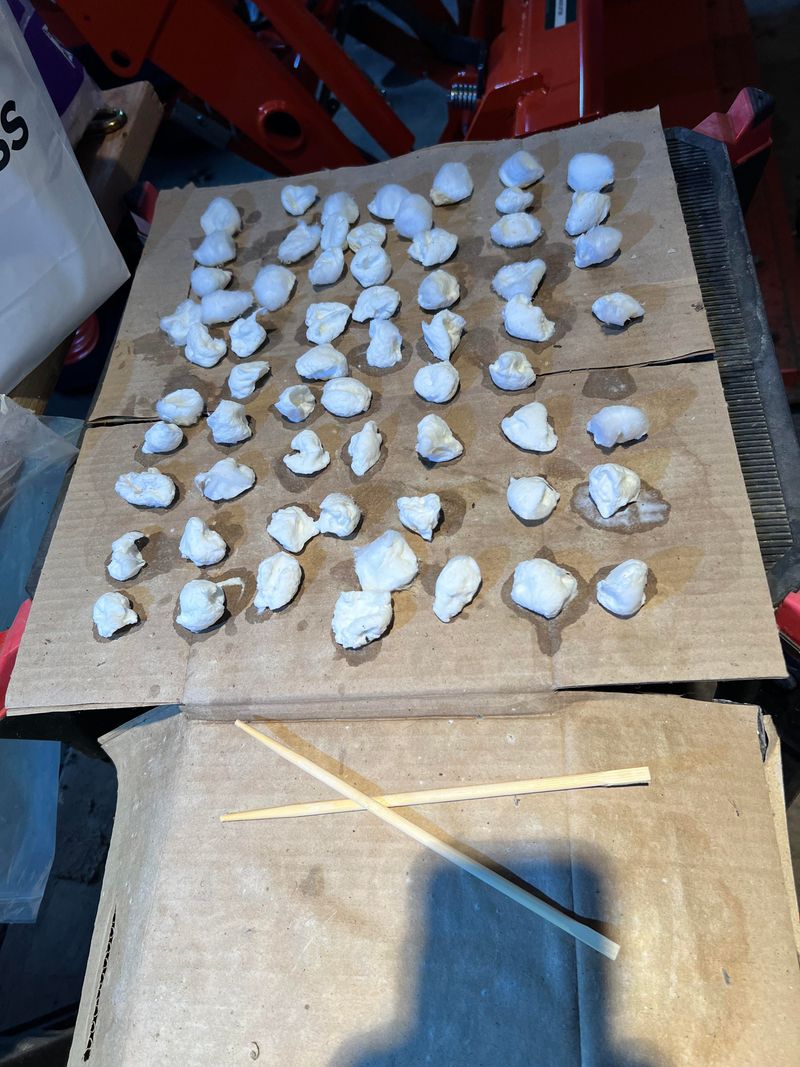
Even a solid method can underperform when small details go wrong. A few common mistakes significantly limit how well tick tubes work.
Concentrating tubes in one small area of the property is a frequent error. Mice from untreated zones nearby continue carrying live ticks unaffected.
Using too few tubes across a large yard also weakens results. Coverage across all major mouse pathways matters more than concentrated placement.
Setting tubes in wide open, sunny spots rarely works well. Mice avoid exposed areas regardless of how close the cotton is.
Skipping the fall application and relying only on spring placement leaves a gap. Ticks active earlier in the season slip through untreated.
Choosing tubes with low-quality or expired treated cotton reduces effectiveness. Potency matters just as much as placement.
Disturbing tubes too often after placement can discourage mice from approaching. Once set, they generally need little to no adjustment.
Ignoring known mouse activity in favor of convenient spots undermines the entire method. Effectiveness depends on matching placement to actual mouse behavior, not guesswork.
Assuming one season of treatment solves the issue long-term is another common misconception. Ticks migrate from neighboring properties regardless of your own yard’s treatment.
Avoiding these pitfalls significantly improves outcomes. Small corrections often make the difference between a noticeable drop in ticks and no change at all.
What To Expect In The Weeks After Placing Them

The first few days after placement are usually quiet. That stillness does not mean the tubes are failing.
Mice typically discover new cotton sources within one to two weeks. Activity picks up noticeably once they locate the material.
You may notice tubes emptied of cotton entirely within a short span. That is a strong sign mice are actively using it for nesting.
Some tubes may sit untouched longer if mouse traffic in that spot is lower. Repositioning slightly can sometimes speed up discovery.
Weather has little effect on how mice respond to the tubes themselves. Cold, dry fall conditions rarely slow this process down.
Connecticut’s fall pattern of cooling nights and steady leaf drop suits this timeline well. Mice stay active enough to find tubes before hard frost sets in.
By late fall, most tubes placed along active mouse routes should show clear signs of use. Empty or partially emptied tubes indicate the method is working.
The real impact of this method shows up later, not immediately. Fewer ticks surviving through winter translates into fewer encounters the following spring.
Come next tick season, properties using this method often see noticeably fewer ticks. That delayed payoff is the entire point of fall placement.
Setting out tick tubes this fall is a small, targeted action with long-term impact. The results arrive quietly, right when tick season would otherwise begin.