The Spider In Roughly Seven Of Ten Missouri Homes
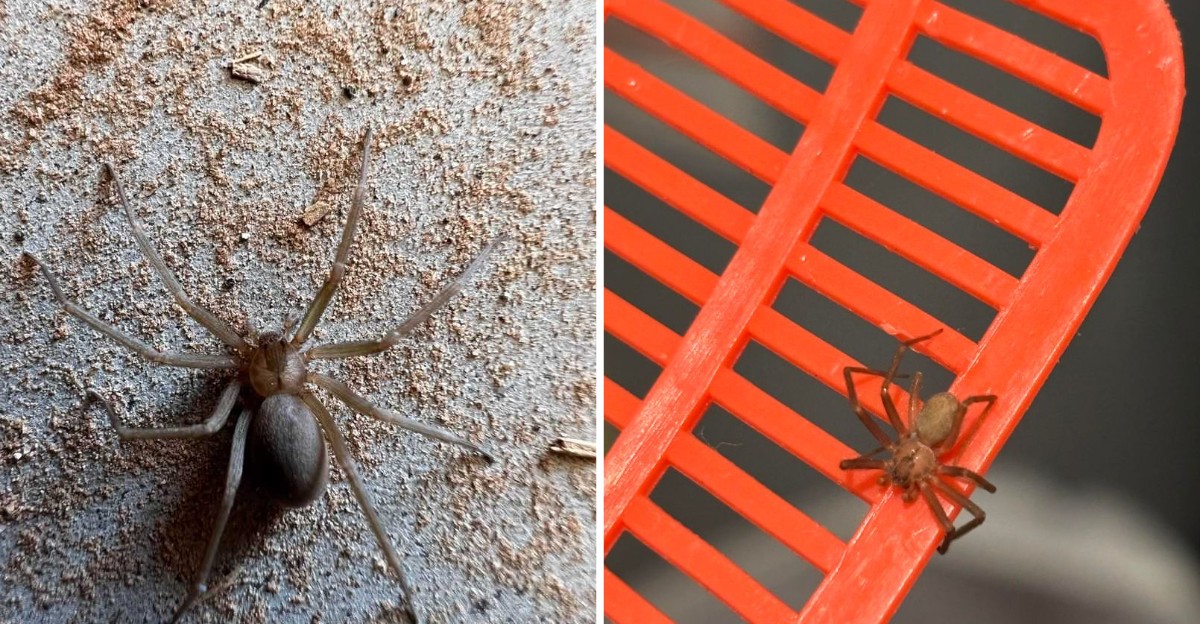
Flip on the basement light and give it a second. That faint scratch of movement behind the paint cans is not your imagination, and it has been there a while.
Missouri houses hold plenty of quiet tenants. They pay no rent, ask for no closet space, and slip behind the water heater the moment you reach for a broom.
Researchers actually went looking, sampling homes across the state to see how common the sightings really were. What they counted in seven out of ten homes says more about geography than housekeeping.
Meanwhile, your storage boxes keep collecting dust in the corner, patient as ever. Somewhere upstairs the furnace clicks on, and the house settles back into its usual creaks.
The Brown Recluse Behind Most Missouri Home Sightings
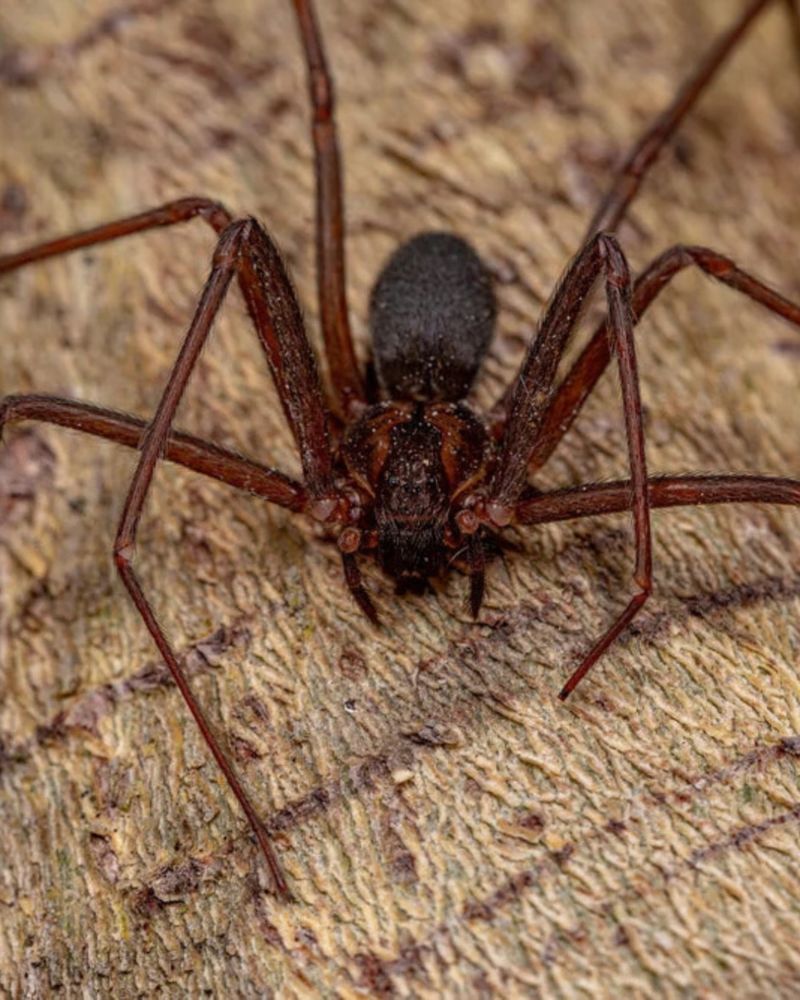
Researchers who crawled through Missouri basements found the same tan, long-legged tenant again and again. Surveys of homes across the state turned up brown recluse spiders in roughly seven of every ten houses checked.
That statistic surprises people, because most residents rarely spot one. Recluses earn their name honestly, hiding in cardboard seams and wall voids while families walk past them for years.
One well-known study of a similarly infested home in neighboring Kansas counted more than two thousand of these spiders, with no confirmed bites reported despite years of daily contact.
Missouri sits in the heart of the species’ natural range, which stretches from Kansas and Oklahoma east toward Tennessee. Warm summers, older housing stock, and plenty of limestone basements suit them nicely.
Pest control technicians in St. Louis and Springfield hear the same question every spring. Callers want to know if their house is unusual, and the honest answer is that it rarely is.
Their presence has less to do with housekeeping than with geography. Spotless suburban homes host them as readily as cluttered farmhouses, since the spiders care about crevices and insect prey rather than dust.
Understanding that takes some sting out of the number. Sharing a house with a few shy spiders is normal here, and most encounters end with the spider retreating under a shelf.
Knowing the tenant makes the rest of this rundown practical rather than scary. The goal is calm awareness, plus a handful of habits that lower the odds of surprise meetings.
Field Marks That Separate Recluses From Look-Alikes
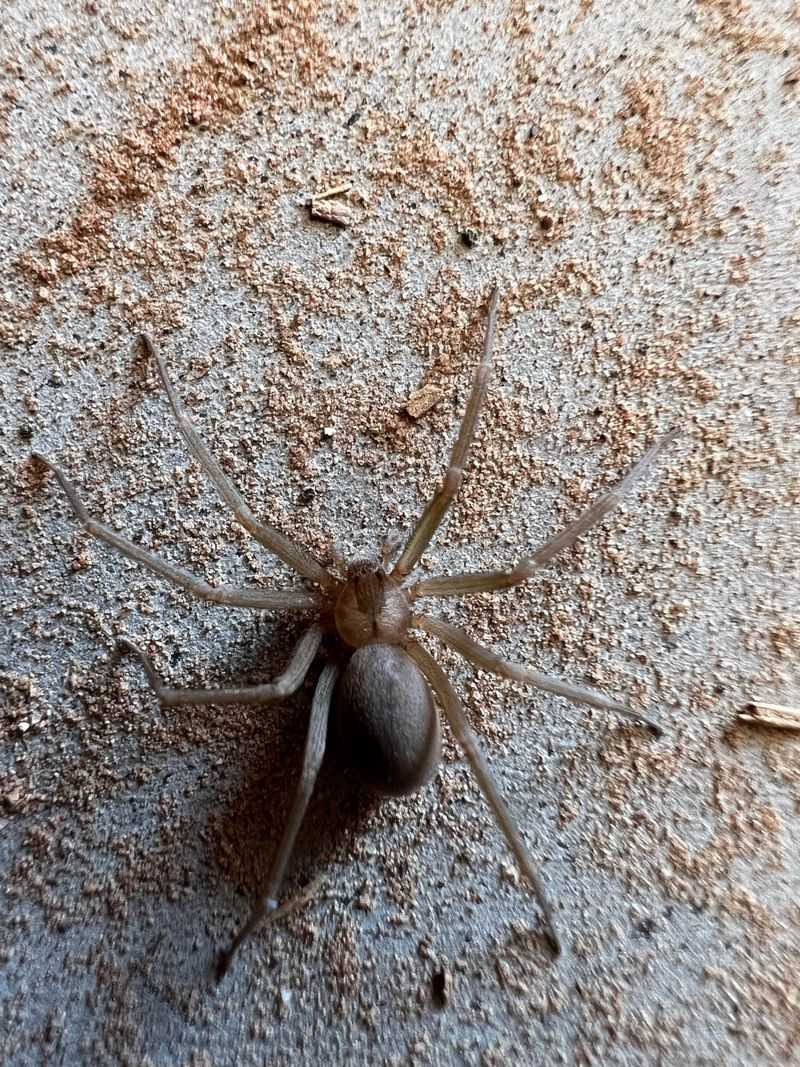
Squint at a suspect spider and look for a smooth, uniformly tan body with no bold stripes or bands on the legs. A violin-shaped mark sits on the front section, with the neck of the fiddle pointing backward.
The fiddle gets more credit than it deserves, since cellar spiders and others carry vague dark smudges too. A stronger clue is eye arrangement, six eyes in three tidy pairs instead of the usual eight.
Grab a hand lens or a phone camera with a macro setting for that check. Adults measure about a quarter inch across the body, with legs spanning roughly the width of a quarter.
Legs are thin, evenly colored, and covered in fine hairs rather than thick spines. Webbing looks loose and messy, more like a scrap of cotton candy than a neat wheel.
Your Missouri Garden Changes Every Week. Your Plan Should Too.
Gardening in Missouri changes quickly throughout the season. Every Friday you’ll receive a simple weekly plan showing exactly what to plant, prune, fertilize, harvest, and protect so you never miss the right timing.
Lighting helps beginners more than magnification does. Hold a flashlight at an angle and the violin outline pops against the pale carapace, while patterned imposters reveal their markings.
Common Missouri stand-ins include wolf spiders, funnel weavers, and the leggy cellar spiders that dangle in garages. Those species usually show stripes, chevrons, or spotting somewhere on the body.
Photograph anything questionable before moving it, since a clear picture lets an expert confirm identity. University of Missouri Extension answers those emails and settles household arguments fast.
Misidentification runs high, which is worth remembering before panic sets in. Studies of spiders mailed to labs found most suspected recluses turned out to be harmless neighbors.
Warm Attics And Cool Basements As Prime Real Estate
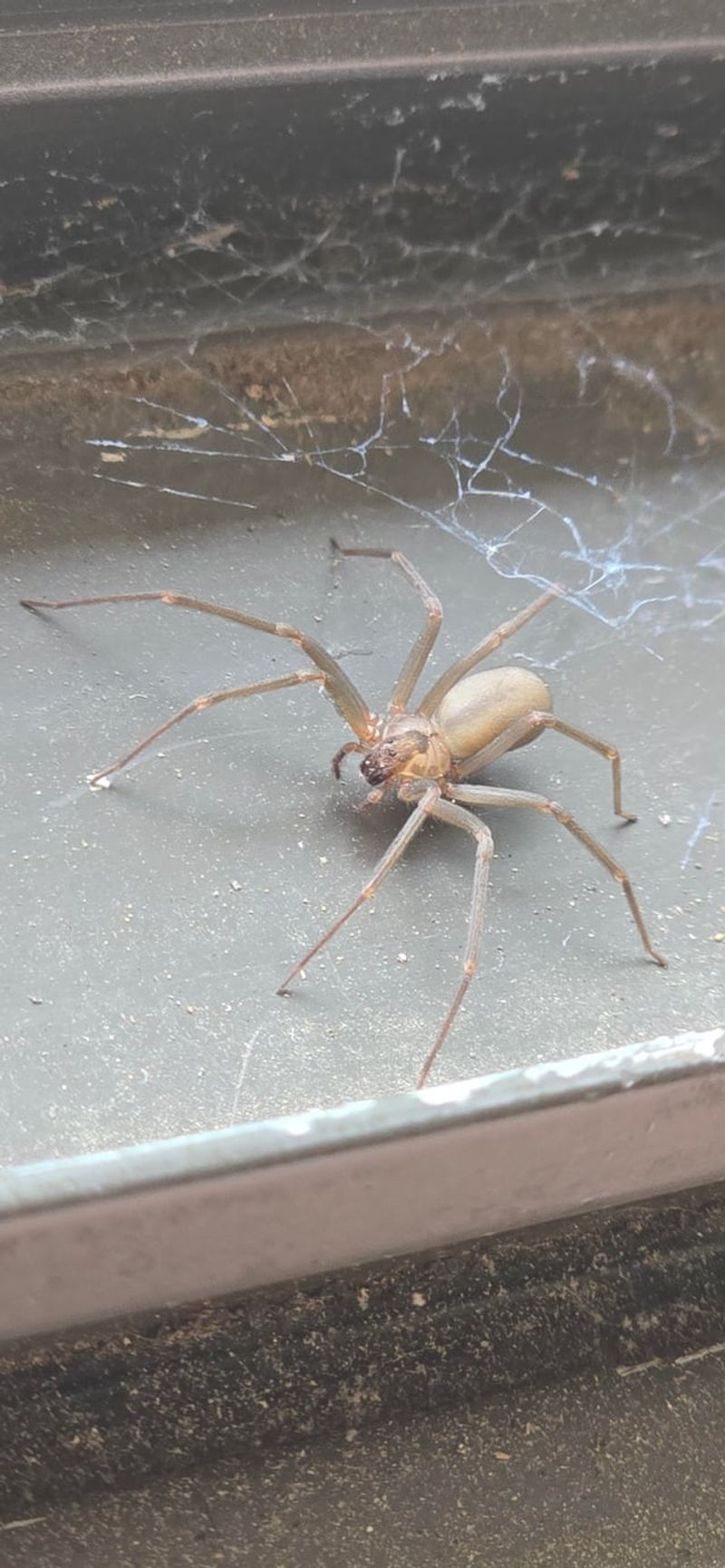
Cardboard is the luxury condo of the recluse world. Corrugated flaps offer tight, dark channels that feel much like the rock crevices these spiders use outdoors.
Basements top the list in Missouri, especially older ones with stone walls, floor drains, and shelves of holiday decorations. Attics run a close second, since insulation and stored boxes create endless hiding pockets.
Garages, crawl spaces, and utility closets round out the favorites. Anywhere a spider can wedge itself flat and stay undisturbed for weeks counts as good habitat.
They also drift into living areas, tucking behind picture frames, under dressers, and inside shoes left by the door. Folded laundry on a closet floor makes an unfortunately cozy hammock.
Food drives the choice as much as shelter does. Crickets, silverfish, and small roaches gather near foundations, and the spiders set up shop where dinner walks by.
Moisture matters less than you might guess, since recluses handle dry heat well. Sun-baked attics that reach triple digits in July still hold healthy populations.
Outdoors, the same spiders shelter under woodpiles, loose bark, and stacked landscape stone. A pile of firewood against the siding acts like a bridge, giving them a short walk to a foundation gap.
Vacation homes and rental properties often show heavier numbers because nobody disturbs them. Regular movement of boxes and furniture makes a space far less appealing.
Walk your own house with a flashlight and note the untouched zones. Those forgotten corners, not the busy kitchen, tell you where attention pays off.
Seasonal Timing Behind Indoor Encounters
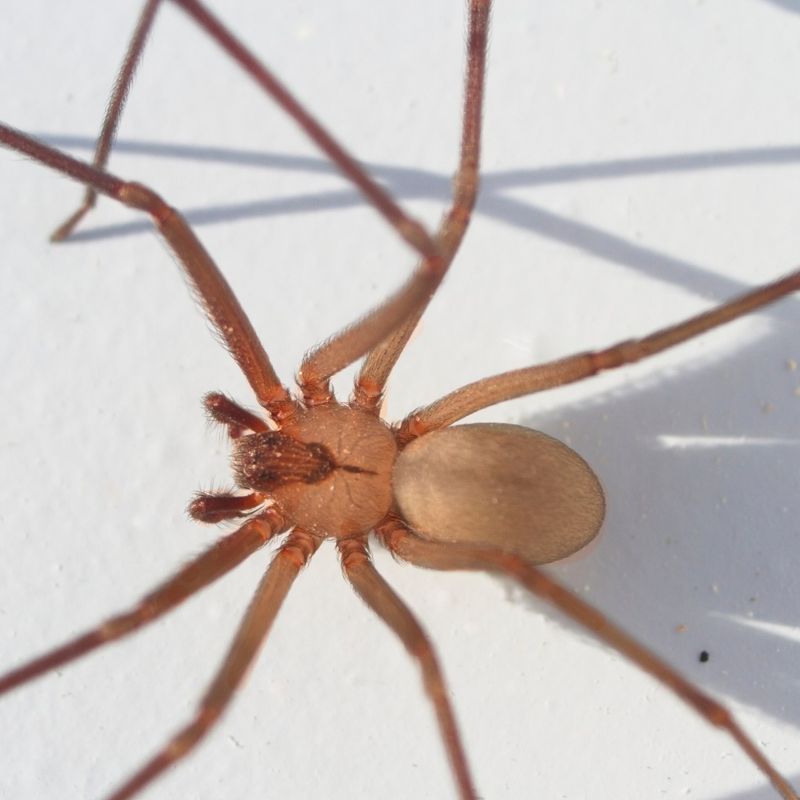
Sightings follow a rhythm, and spring is when the phone calls start. As temperatures climb past sixty degrees, spiders that spent winter tucked in wall voids begin roaming again.
Male recluses do most of the wandering from late spring through early fall. Searching for mates, they cross floors after dark and end up in bathtubs, sinks, and shoes.
Peak encounters in Missouri cluster between April and October. July and August bring the most reports, matching the stretch when the spiders are largest and busiest.
Nighttime is prime hunting time, roughly from dusk until a couple of hours before dawn. Flip on a light at midnight and your odds of spotting one crossing the floor jump.
Autumn brings a second wave as cool nights push outdoor spiders toward warm foundations. Firewood carried inside during that stretch sometimes brings passengers along.
Winter quiets things down without stopping them, since heated homes keep the spiders semi-active. Basements near a furnace stay warm enough for slow movement and occasional feeding.
Females stay closer to home, guarding pale egg sacs about the size of a dime. Each sac holds dozens of eggs, and hatchlings appear through the warm months.
Mark your calendar for a garage cleanout in March. Doing that chore in daylight, with gloves on, beats meeting a wandering male in a dark corner in July.
Timing gives you a real planning edge. Late winter suits sealing gaps and clearing clutter, well before the spring shuffle begins.
The Common Mistake That Keeps Them Comfortable
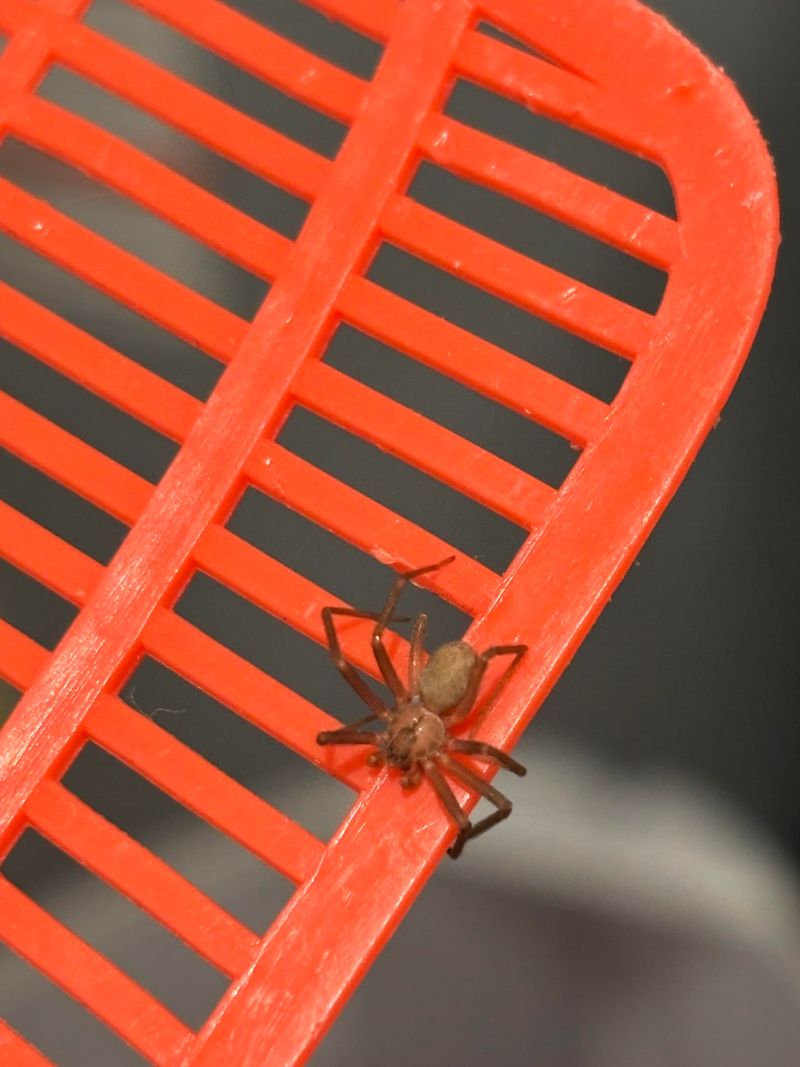
Here is where good intentions go sideways. Homeowners reach for a fogger, set it off in the basement, and assume the problem is handled.
Foggers rarely reach wall voids, insulation gaps, or the underside of shelving where these spiders rest. The mist settles on open surfaces, leaving the actual hideouts untouched.
Baseboard spraying has a similar weakness. Recluses tend to walk on tiptoe, keeping their bodies above treated film, so contact sprays underperform against them.
Another slip is storing everything in cardboard. Those boxes double as apartment buildings, and stacking them along a basement wall builds a whole neighborhood.
People also underestimate outdoor clutter. Woodpiles, stacked pots, and old tires beside the foundation feed a steady supply of spiders toward the house.
Leaving shoes, gloves, and laundry on the floor belongs on the list too. Slipping a foot into an unshaken boot accounts for a good share of reported bites.
Skipping identification causes trouble as well, since worry often leads to spraying harmless spiders. Cellar spiders and funnel weavers actually trim indoor insect numbers for you.
Counting on a single technician visit can disappoint. Populations rebound unless storage habits change, so follow-up and prevention carry the real weight.
Sticky traps also get tossed out early by impatient homeowners. Leaving them in place for several weeks gives a much clearer picture of activity.
The fix starts with honesty about the parts of the house you avoid. Attention aimed at those spots beats another aerosol can every time.
Sealing, Sweeping, And Smart Storage That Work
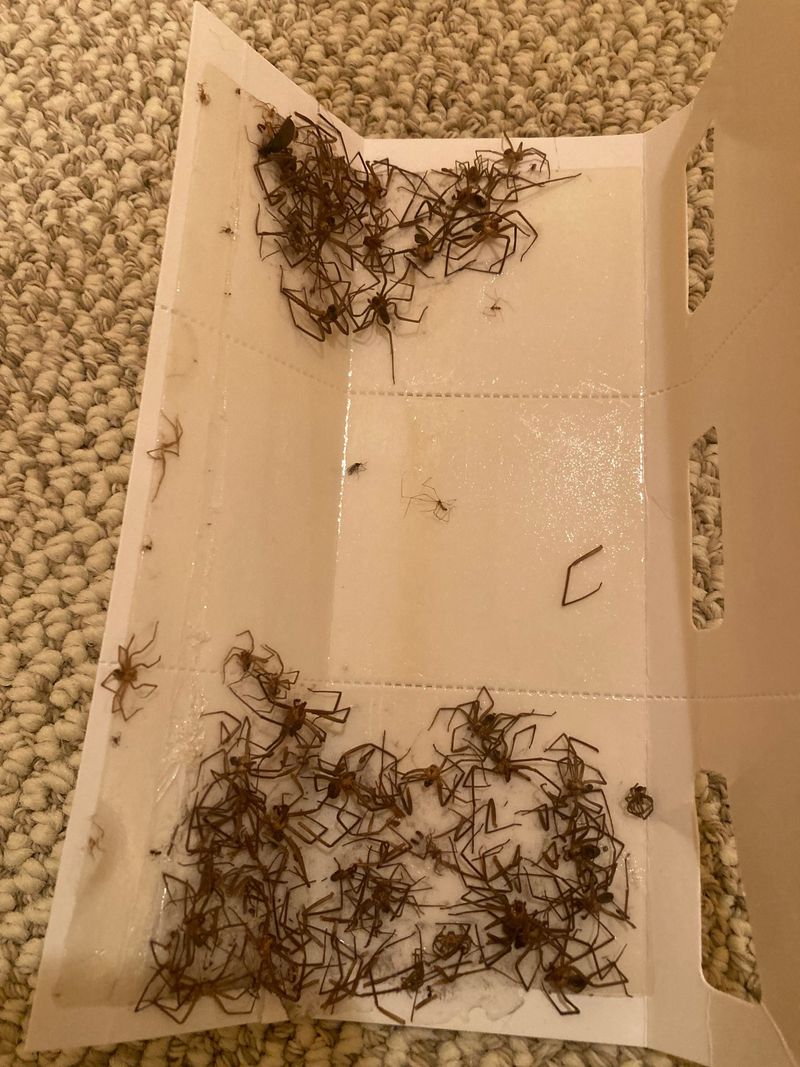
Glue boards are the unsung heroes of recluse management. Flat traps set along baseboards, behind furniture, and under beds catch wandering spiders and reveal where activity runs highest.
Place eight to twelve of them per floor and check monthly. Corners and wall-floor junctions outperform open middles, since these spiders travel along edges.
Swap cardboard for plastic bins with tight lids. Sealed totes remove the crevices recluses prefer and protect your keepsakes from moisture at the same time.
Pull storage six inches off the walls and up off the floor when you can. Metal shelving beats wooden pallets, and open space makes inspection quick.
Seal entry points with silicone caulk and steel wool where pipes pass through. Door sweeps, tight window screens, and fresh weatherstripping cut off easy routes inside.
Vacuum along baseboards, closet corners, and under heavy furniture every few weeks. A crevice tool lifts egg sacs, webbing, and the insect prey that draws spiders in.
Trim shrubs back from the siding and move firewood to a rack away from the house. Yellow outdoor bulbs pull fewer insects toward your doorways.
Shake out shoes, gloves, and clothes stored in basements or garages. Hanging garments and lidded shoe boxes make that habit unnecessary most of the time.
Professional help makes sense for heavy activity, especially treatments injected into voids and cracks. Ask about dust formulations, which linger in the hidden spots aerosols miss.
Keep a written log of trap counts by room. Numbers that drop over a few months prove your changes are working.