The Nebraska Fall Cleanup Habit That Creates Problems Next Spring
Something about your fall routine may be undoing all the work you did over spring.
Nebraska gardeners take pride in a clean, orderly plot before winter sets in, yet that very pride might be the problem. Underneath your tidy beds, something essential is quietly disappearing before the cold even arrives.
Your yard might look disciplined, but it could be losing exactly what it needs to survive the season ahead. Most people never question this habit because it feels responsible, even virtuous. Nebraska winters punish gardens that lose this protection, and the damage doesn’t show up until months later.
One decision made in October quietly determines how your garden performs in April. Gardeners who catch this mistake early tend to see stronger, faster growth once spring finally returns.
One habit almost every Nebraska gardener repeats each fall is quietly setting their garden up to fail, and you’re about to find out what it is.
Cutting And Clearing Every Stem Removes The Habitat Pollinators Overwinter In
Your garden stems are a five-star hotel for bees. Native bees, including mason bees and leafcutter bees, tuck themselves inside hollow or pithy stems to survive winter.
When you cut every stem to the ground each fall, those eggs and larvae go straight into the yard waste bag. You risk losing a good portion of next year’s pollinator population before spring even shows up.
Bumble bee queens also burrow just beneath the soil surface, often near the base of old plant clumps. Clearing and tilling that ground in October disturbs their shelter at the worst possible moment.
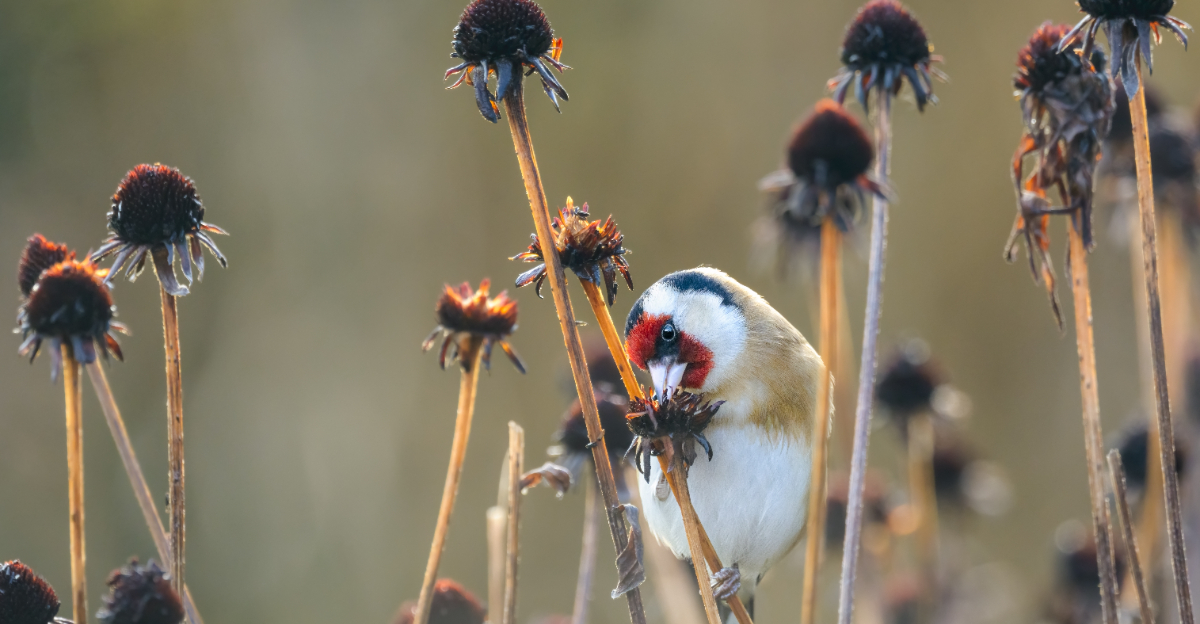
Goldfinches and sparrows also depend on standing seed heads for food during cold snaps. A cleared garden offers them far less to work with, pushing them toward yards that still have something to eat.
Ladybugs and lacewings also shelter in leaf litter and hollow stems through winter. Clear that cover and you lose the predators that keep aphids and mites under control by summer.
This habit often begins with the best intentions. A tidy yard feels responsible, but many overwintering creatures read it as a loss of shelter.
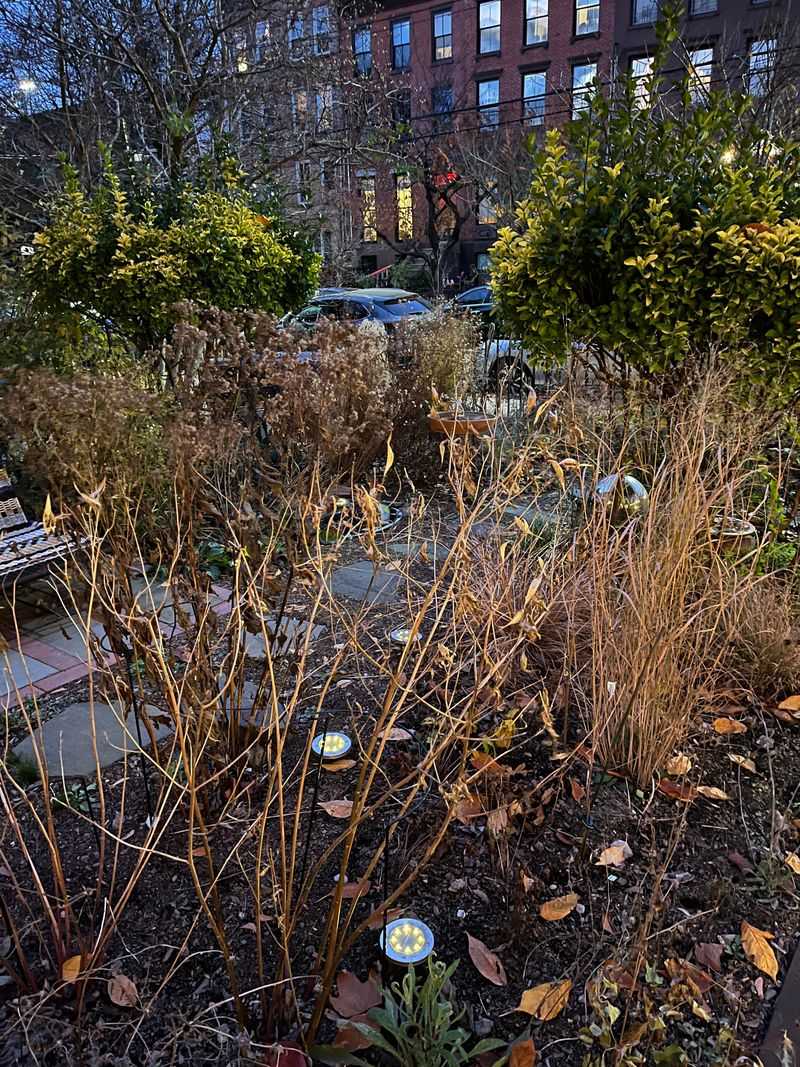
Leaving stems standing just 8 to 12 inches tall costs you almost nothing in effort. The payoff is a livelier, more active garden when warmer weather finally returns.
Which Perennials To Leave Standing Through Nebraska Winters
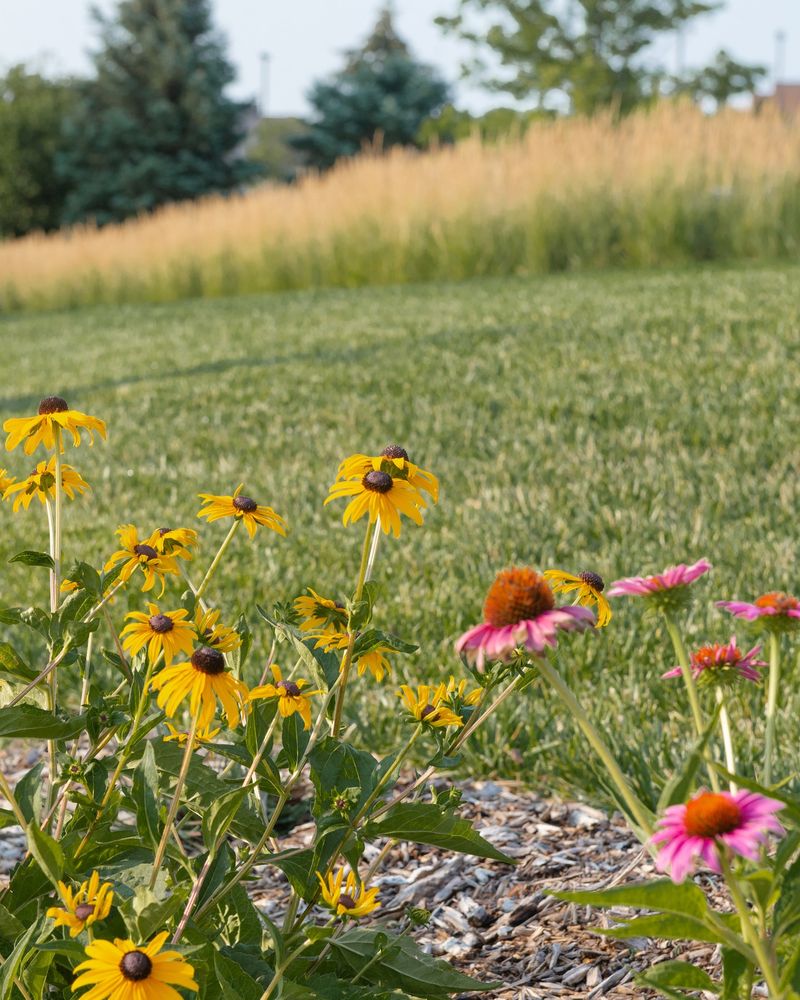
Not every plant needs to come down before the first hard freeze. Some perennials are practically built for the job of standing tall through bitter winters.
Coneflowers, also called Echinacea, are a top candidate for leaving in place. Their spiky seed heads feed birds for months and look genuinely striking against a backdrop of snow.
Black-eyed Susans follow the same logic. Their stiff stems hold upright even through ice storms, and the seeds attract finches well into February.
Ornamental grasses are another strong choice for standing through the season. Varieties like switchgrass and little bluestem turn amber and copper in autumn, adding warm color when everything else fades to gray.
Russian sage, catmint, and salvia also benefit from being left alone until late winter. Their woody bases actually insulate the crown of the plant against freeze-thaw damage.
Your Nebraska Garden Changes Every Week. Your Plan Should Too.
Gardening in Nebraska changes quickly throughout the season. Every Friday you’ll receive a simple weekly plan showing exactly what to plant, prune, fertilize, harvest, and protect so you never miss the right timing.
Sedum, especially the taller Autumn Joy variety, holds its dried flower clusters like little copper buttons all winter long. Cutting it back in fall exposes the crown to harsh temperature swings.
Joe Pye weed is another solid pick for staying upright through the cold. Its thick, hollow stems often shelter overwintering insects, and the dried flower clusters add height and texture to an otherwise flat winter bed.
As a general guideline, plants with stiff or hollow stems tend to do best left standing. Many gardeners see healthier plants and a livelier yard once the ground thaws.
The Debris That Genuinely Should Be Removed
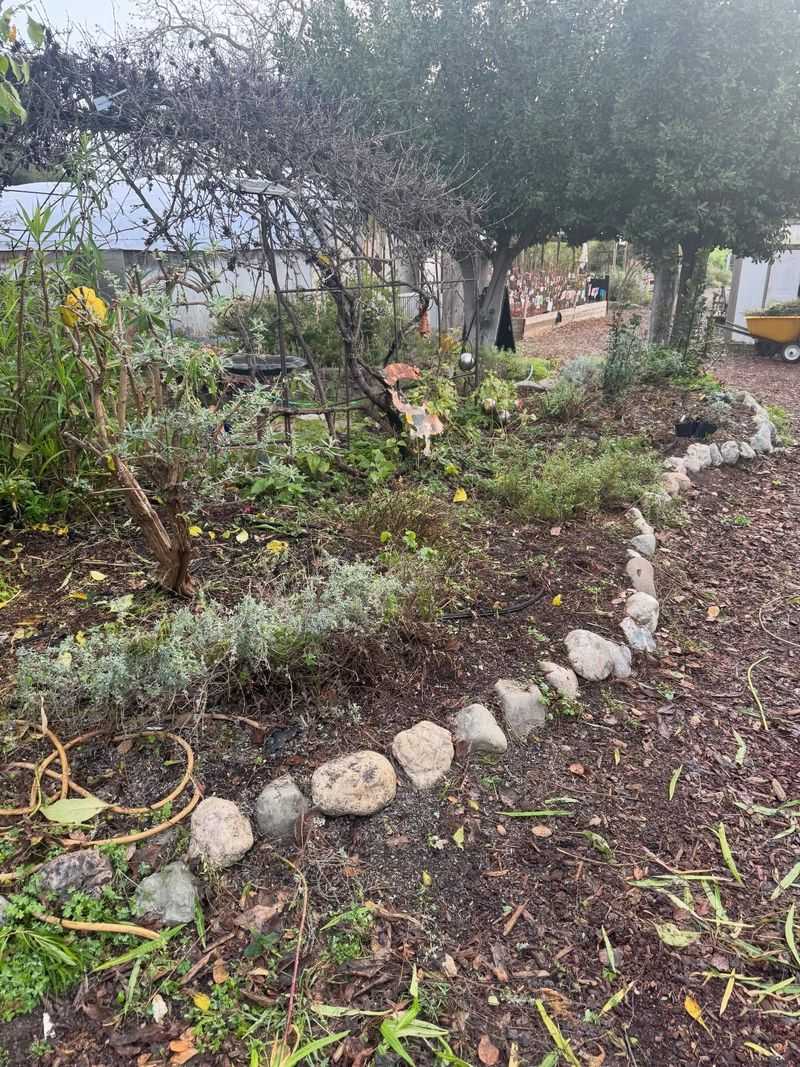
Leaving stems standing is smart, but some yard debris still needs to go before winter sets in. Knowing the difference protects your garden from a rough spring surprise.
Diseased foliage is the first thing to bag and remove. Leaves showing black spots, powdery mildew, or rust carry fungal spores that survive cold temperatures and reinfect plants the following season.
Fallen fruit beneath apple, pear, or crabapple trees should also be cleared away promptly. Rotting fruit attracts pests and can encourage apple scab fungus, which overwinters in plant debris on the ground.
Squash and cucumber vines that showed signs of powdery mildew during the growing season should come out completely. Leaving them creates a spore bank that will hit your new transplants hard next June.
Slugs and certain harmful caterpillar species also hide under thick piles of wet, matted leaves pressed against plant crowns. That kind of dense, soggy debris is worth removing from the base of susceptible plants.
The key distinction is between structured, dry plant material and wet, diseased, or decomposing matter. One supports life through winter, and the other spreads problems into the next growing season.
Think of fall cleanup as targeted, not total. Removing only the genuinely problematic material takes less time and leaves the good stuff exactly where it belongs.
Why Leaf Litter Belongs In Beds Rather Than Bags
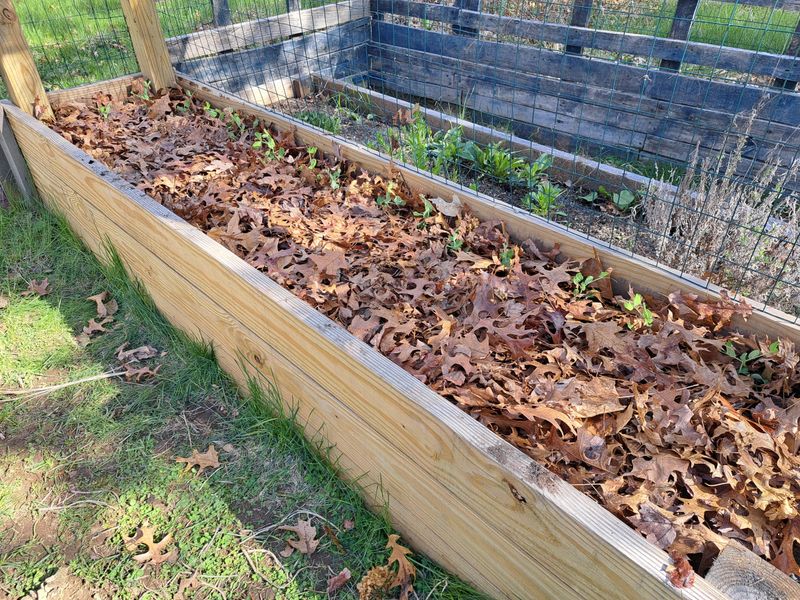
Bagging leaves is practically a fall tradition in the Midwest, but the garden pays a real price for it. Leaf litter is a genuinely valuable resource a yard produces all year.
A two-to-three inch layer of leaves over garden beds acts as natural insulation. It keeps soil temperatures from swinging wildly during freeze-thaw cycles that are common across Nebraska from November through March.
Luna moths and dozens of other moth species pupate inside folded or layered leaves on the ground. When those leaves get raked away and bagged, the pupae go with them.
Leaf litter also feeds the soil food web. Earthworms, beetles, and soil microbes break leaves down over winter, releasing nutrients directly into the root zone before you plant anything in spring.
Whole leaves can mat together and block water if applied too thickly around crowns. Running the lawn mower over a pile of leaves first shreds them into smaller pieces that settle without smothering.
Oak leaves are especially high in carbon and break down more slowly than maple or elm leaves. Mixing oak leaves with softer leaf types creates a more balanced mulch layer that feeds soil without locking up nitrogen.
Skipping the bag this fall means skipping a fertilizer purchase next spring. The leaves your trees drop are already well suited to your local soil chemistry.
How Standing Stems Help With Snow Catch And Winter Interest
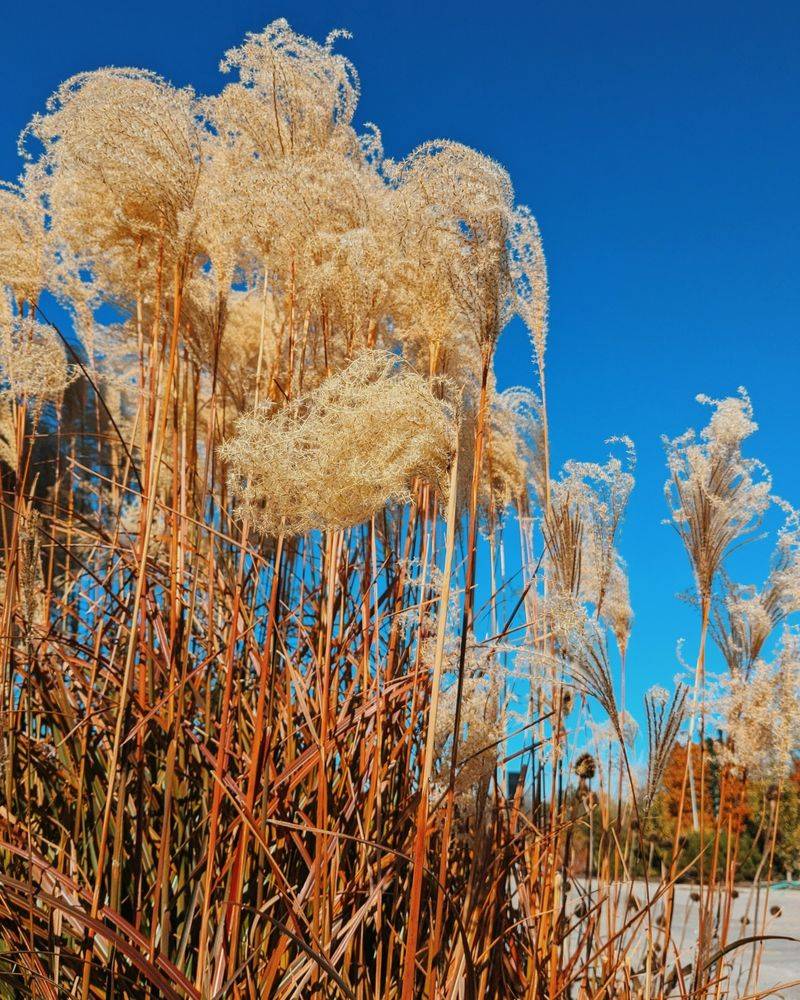
A garden left partially standing through winter does something most people never expect: it improves your yard’s microclimate. Standing stems and seed heads catch blowing snow and hold it in place.
That trapped snow acts as insulation for the soil below, protecting plant roots from the deep freezes that hit the Great Plains in January and February. Snow cover is a genuinely underrated form of winter plant protection.
Gardens with no vertical structure lose that snow to wind almost immediately. The ground beneath stays exposed and vulnerable to hard freezes that can heave shallow-rooted plants right out of the soil.
Beyond the practical side, standing stems give your yard genuine visual appeal during the bleakest months. Frosted grasses and ice-covered seed heads catch morning light in ways a bare, flat garden rarely can.
Landscape designers actually plan for winter structure by choosing plants with interesting silhouettes. You can get that same effect for free just by putting down the pruners in October.
Birds perch on tall stems to survey the yard for food and predators. Watching a chickadee balance on a frozen coneflower stem on a gray January morning is one of winter’s small, genuine pleasures.
A yard with texture and height holds more life, more beauty, and more warmth than a clipped-down patch of bare soil waiting out the cold.
The Spring Timing That Determines When Cleanup Is Safe
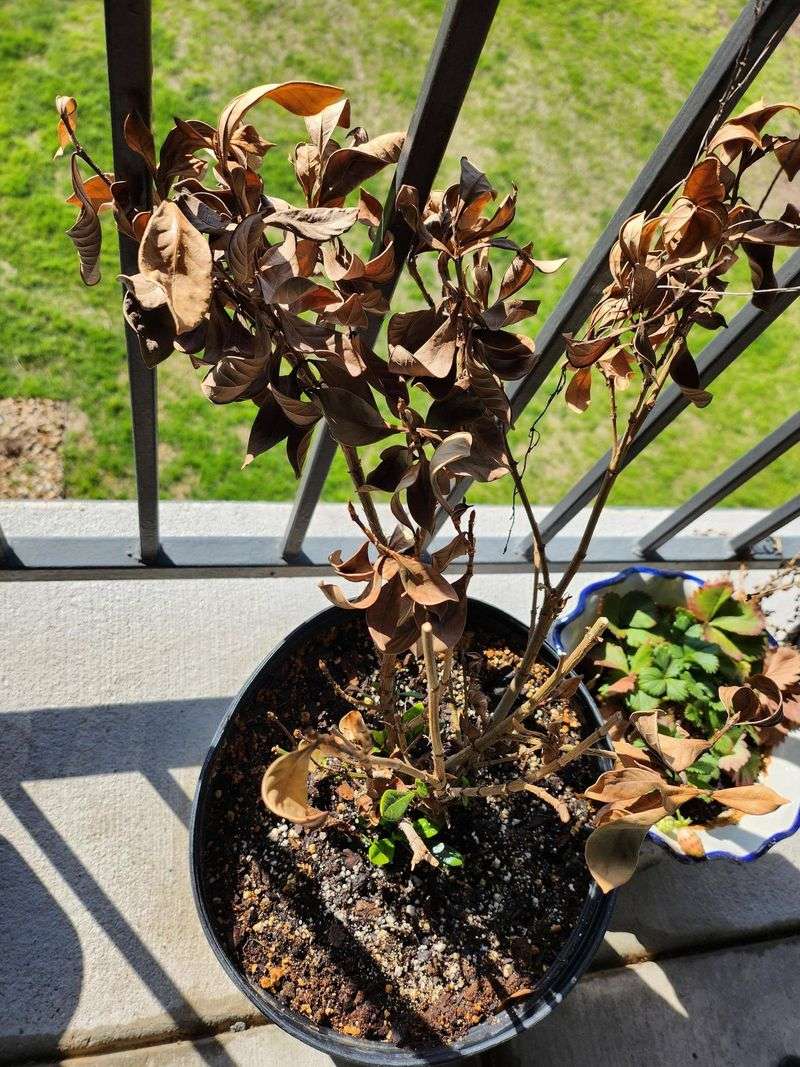
Spring cleanup timing is where most gardeners make their second big mistake after a fall overhaul. Rushing out with pruners the first warm weekend in March causes real damage.
Overwintering insects inside hollow stems do not emerge until air temperatures consistently reach 50 degrees Fahrenheit. Cutting stems before that threshold means cutting off their exit before they can fly free.
Watching local lilac buds is a reliable natural signal. When lilac buds begin to swell and show color, temperatures are stabilizing enough that most stem-dwelling insects have already emerged or will soon.
Leaving an inch or two of stem above the soil surface when you finally do cut back is also wise. Bees that nested near the base may still be finishing their emergence cycle.
Waiting until forsythia blooms fully in your specific neighborhood is another practical marker used by experienced gardeners across the Midwest. Forsythia is consistent and hard to miss.
Soil temperature matters just as much as air temperature for ground-nesting species. A soil thermometer is a ten-dollar tool that makes the decision much easier to gauge.
This habit is really a two-season issue. What you skip in fall and what you rush in spring both shape the health of your garden for the entire growing year ahead.