Why Crabgrass Takes Over Your Lawn At The End Of Summer
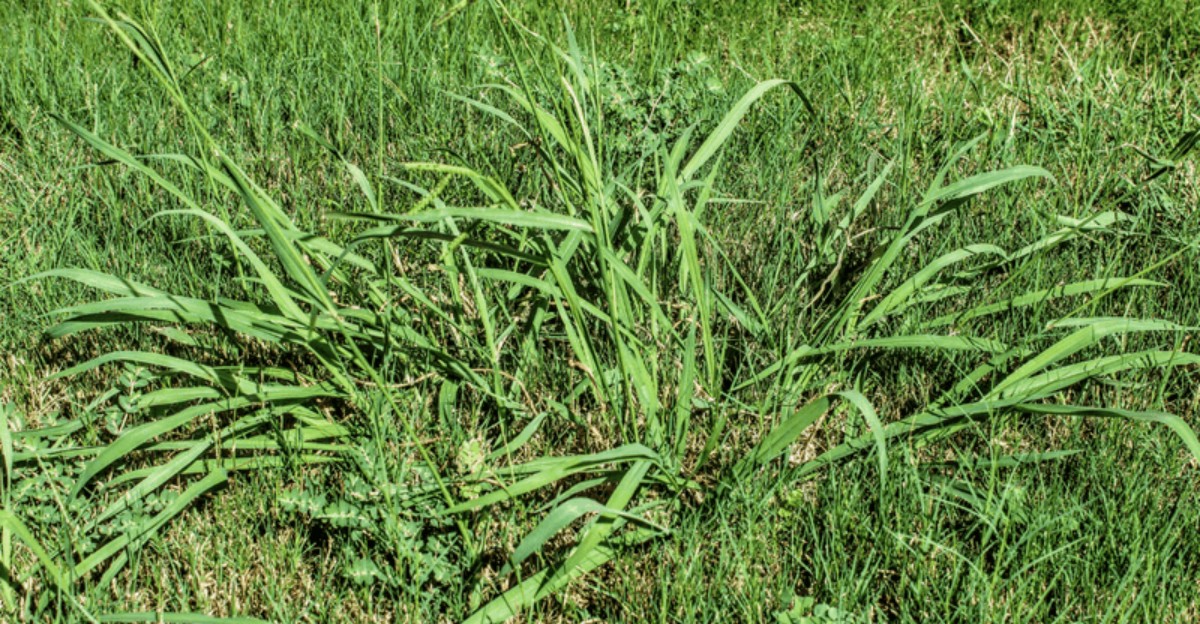
August ends, the cooler mornings arrive, and your lawn suddenly looks like it hosted a rowdy party. Those wide, pale clumps sprawling across the grass were not invited, yet here they are anyway.
You kept mowing and watering right on schedule, yet the green carpet still turned patchy and coarse by September. Something took advantage of every hot week, every thin spot, and every short haircut you gave it.
Late summer rewards the tough and punishes the tired, and your turf has been running on fumes. Meanwhile the freeloader soaked up sunshine, spread sideways, and quietly dropped thousands of seeds for next spring.
There’s a real payoff in seeing why it wins now. It sets up a better shot at flipping the score next year. Your neighbor’s suspiciously perfect yard is not magic, though he probably wants you to believe otherwise.
1. Summer Heat Gives It The Home Field Advantage
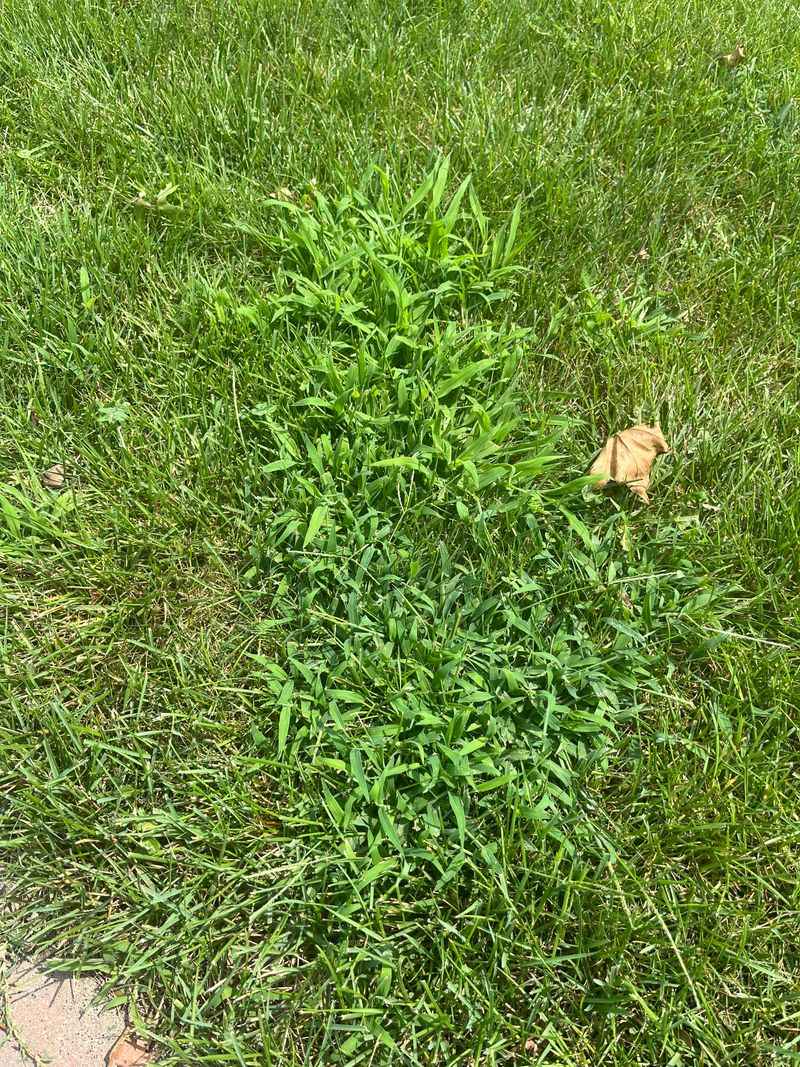
Picture a plant that treats a 95 degree afternoon like a spa day. That is exactly how crabgrass feels when July and August roll in.
Crabgrass is a warm-season annual that starts germinating once soil hits the mid-50s and really takes off as temperatures climb into the 70s and 80s. Kentucky bluegrass and fescue prefer mild weather closer to 60 degrees.
So while your good grass slows down and conserves energy, crabgrass shifts into overdrive. It uses a different photosynthesis pathway that handles heat and bright light efficiently.
That advantage stacks up fast during a long, dry stretch in August. Every week of heat widens the gap between your turf and the weed.
By September, those clumps look enormous because they grew all summer while everything else stalled. Cooler nights finally slow them, but the damage is already visible.
Knowing the temperature trigger helps you plan smarter for next season. Soil thermometers cost about ten dollars and tell you more than a calendar ever will.
Shade also matters, since this weed struggles without direct sunlight most of the day. Thick turf that shades the soil surface removes one of its favorite conditions.
Sidewalk edges and driveway strips heat up the fastest in late summer. Those blazing borders are usually where the first clumps appear each year.
You can’t out-argue the heat, but you can control how prepared your lawn is. Strong roots and dense growth do the real work here.
Pay attention to those hot spots and you can catch trouble early. A little extra water and seed there goes a long way.
2. Mower Blade Sits Way Too Low
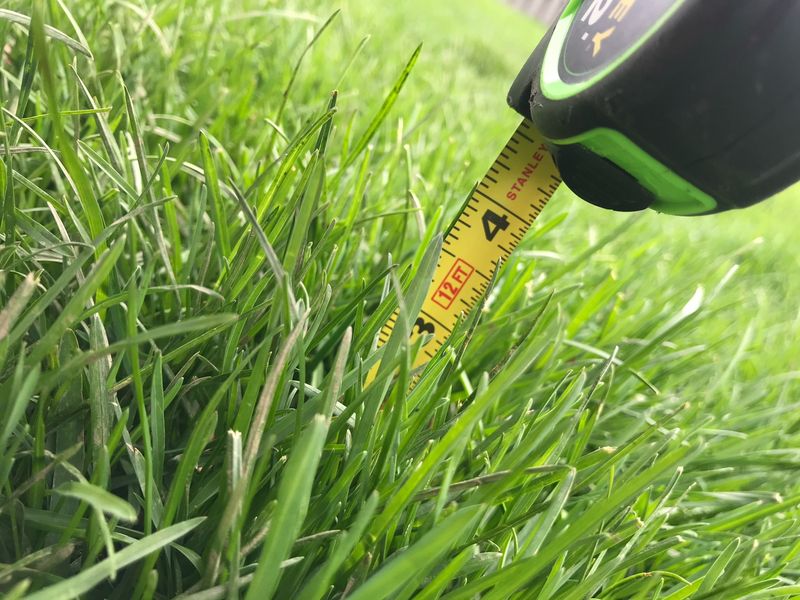
Scalping your lawn in August is like rolling out a red carpet for crabgrass. Short grass means sunlight reaches bare soil, and that is the starting gun.
Crabgrass seeds need light and warm soil to sprout in big numbers. Tall grass blocks both, acting like a living blanket over the ground.
Most cool season lawns do best cut at three to four inches tall. That extra height also shades roots and keeps soil cooler during heat waves.
Cutting shorter does not mean mowing less often, which surprises plenty of homeowners. Short lawns actually regrow stressed and thin instead of thick and lush.
Follow the one third rule and remove no more than a third of the blade. Grass recovers quickly when you respect that limit.
Dull blades cause trouble too, tearing tips instead of slicing them cleanly. Torn, ragged tips invite disease and slow recovery during stressful weather.
Sharpen your blade at least twice each mowing season for a clean cut. A quick file job takes fifteen minutes and pays off immediately.
Raise the deck one notch in late summer and watch what happens. Fewer new sprouts appear because the seedbed stays dark and cooler.
Leaving clippings on the lawn returns nitrogen and helps shade the surface. Free fertilizer beats bagging every single week.
September is a perfect time to reset your mowing habits. Your lawn will thank you with thicker growth by October.
3. Thin Bare Patches Roll Out The Welcome Mat
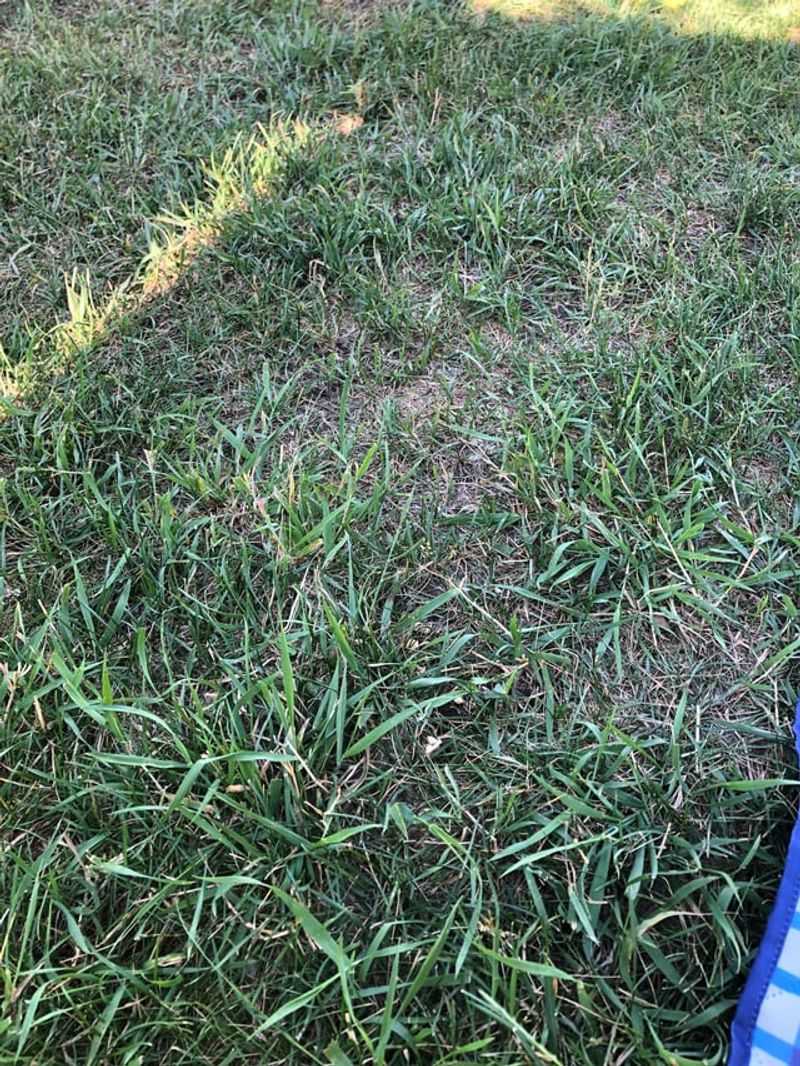
Nature hates an empty space, and your lawn is no exception. Any gap wider than a quarter becomes prime real estate for weeds.
Crabgrass seeds sit in the top inch of soil waiting for an opening. Sunlight hitting bare dirt is the signal they have been waiting on.
Dog spots, foot traffic paths, and grub damage all create those openings. Each bare inch is an invitation nobody in your yard sent.
Late summer makes things worse because stressed turf thins out naturally. What was a small gap in June becomes a bald spot by September.
Overseeding in early fall is one of the most effective fixes for this problem. Soil stays warm, nights cool off, and new seedlings root quickly.
Rake the area lightly, spread quality seed, and keep it damp for two weeks. A thin layer of compost helps hold moisture during dry spells.
Choose a grass type that matches your sun, soil, and region. Tall fescue handles heat well while bluegrass spreads and fills gaps on its own.
Avoid using pre-emergent herbicide right before you seed, since it stops all sprouting. New grass cannot tell the difference and simply will not come up.
Dense turf is one of the cheapest, lowest-effort forms of weed control. Thick lawns crowd out weeds without a single drop of chemical.
Think of seeding as filling every seat in a stadium. Latecomers have nowhere to sit down.
4. Shallow Watering Trains Grass To Quit
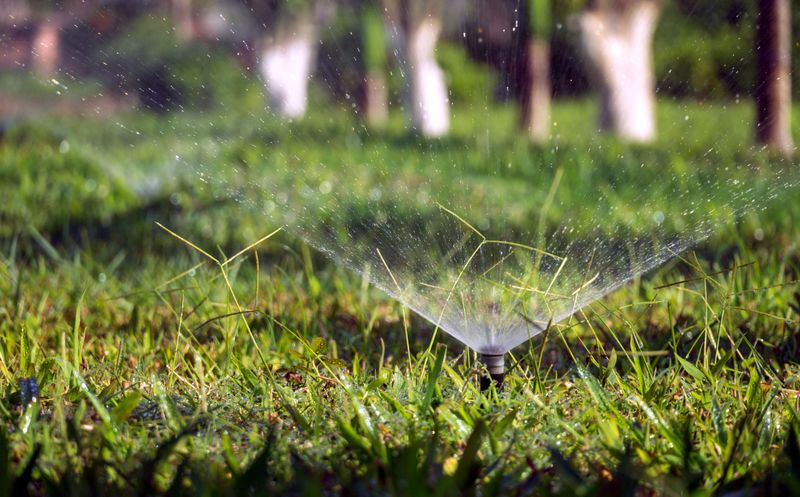
Ten minutes of sprinkler time every evening feels responsible, but it backfires badly. Light sprinkles only wet the top half inch of soil.
Roots follow water, so shallow sips keep them parked near the surface. Crabgrass seeds live right there and love that constant dampness.
Deep soaking twice a week pushes moisture six inches down instead. Your turf chases it and builds a root system that handles August.
Aim for about one inch of water per week including rainfall. A tuna can set on the lawn measures it perfectly.
Morning watering beats evening watering by a wide margin. Blades dry before dark, which cuts down on fungus problems.
Frequent light watering also favors shallow rooted annual weeds over deep rooted turf. You end up feeding the wrong team all summer long.
Check your sprinkler pattern for dry corners and soggy overlaps. Uneven coverage creates weak strips where crabgrass settles in first.
During drought restrictions, letting cool season grass go dormant is fine. Brown does not mean gone, and it greens up with fall rain.
Dormant lawns still need a half inch of water monthly to stay safe. Skipping that entirely opens gaps you will be reseeding later.
Come September, easing back into deep watering helps recovery. Your lawn wakes up hungry after a rough summer.
Smart irrigation is less work than you think. Fewer sessions, longer runs, stronger grass.
5. Compacted Soil Plays Favorites With The Wrong Plant
Squeeze a handful of your soil and see if it forms a brick. Hard packed ground is one of this weed’s favorite places to settle.
Desirable turf roots struggle to push through tight, airless soil. This stubborn weed sprouts happily in compacted strips along walkways and driveways.
Years of foot traffic, mowers, and heavy rain squeeze air pockets out. Roots need oxygen just like you do, and they struggle in tight ground.
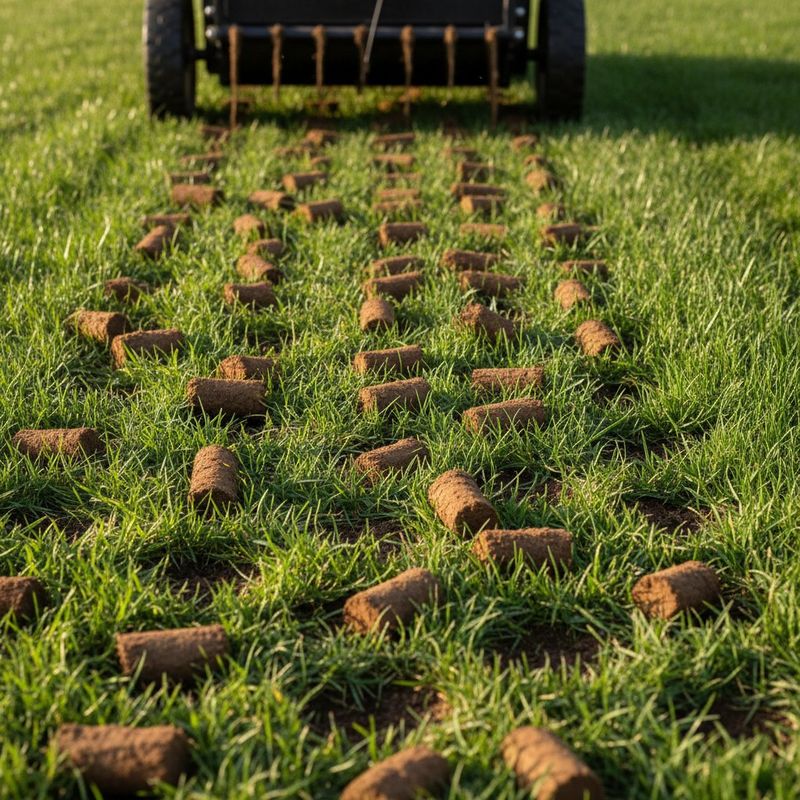
Core aeration pulls plugs of soil and opens up breathing room. Early fall is the ideal window in most northern regions.
Rent a machine with a neighbor and split the cost for a Saturday. Leave the plugs on the surface to break down naturally.
Aerating right before overseeding gives seeds perfect little pockets to fall into. Seed to soil contact jumps dramatically with that combination.
Clay soils benefit most, though sandy lawns compact under heavy traffic too. Adding compost after aeration improves structure over several seasons.
Watch where people cut corners across your yard and where kids park bikes. Those trails usually show the worst weed pressure each August.
Stepping stones or a gravel path can redirect traffic permanently. Sometimes the fix is design rather than chemistry.
Loose, living soil grows grass that defends itself. Compacted soil grows problems you get to mow around.
Test it with a screwdriver pushed into damp ground. If it stops after two inches, aeration is overdue.
6. A Single Plant Drops Thousands Of Seeds
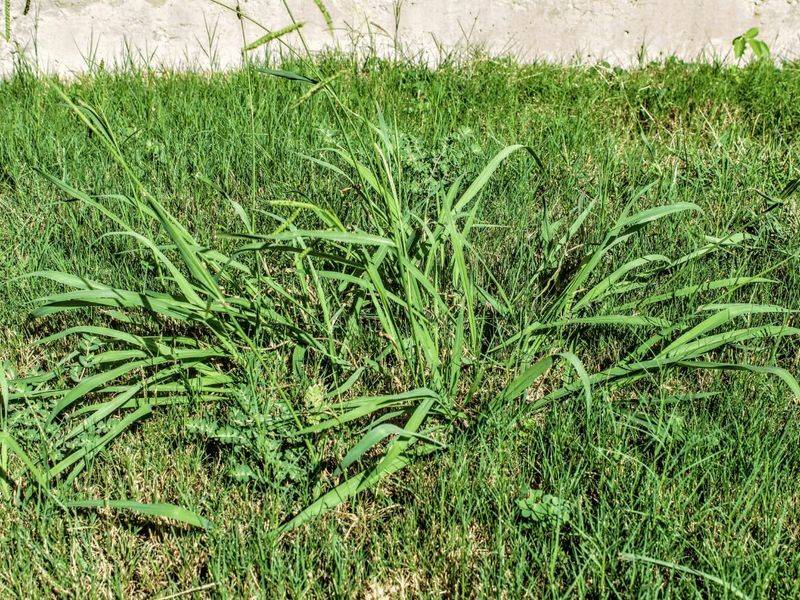
Here is a number that stings: one mature plant can produce 150,000 seeds. That is a single clump in one season.
Those seeds drop into your soil during late summer and early fall. Many stay viable for three years or longer waiting for warmth.
Seed heads look like tiny bird feet spreading from the center of each clump. Once you spot them, the next generation is already loaded.
Pulling plants in September still helps, even though the plant is finishing anyway. Every clump removed before seed drop means fewer sprouts next May.
Bag your clippings when seed heads are present instead of mulching them. Otherwise your mower becomes a very efficient seed spreader.
Hand weeding works best after rain when soil releases roots easily. Grab low at the base and rock the clump loose.
Fill the resulting hole with seed and a pinch of soil immediately. Empty holes just fill in with replacements within weeks.
Because the seed bank runs deep, one good year does not settle the matter. Consistency across three seasons is what finally shrinks the population.
Frost ends the parent plants, but their offspring are already tucked in. Think of it as an unwanted time capsule.
Reducing seed production now is the highest value chore in September. Future you will notice the difference.
Grab a bucket and spend twenty minutes walking the yard. Small effort, big payoff next spring.
7. Spring Pre-Emergent Ran Out Of Steam
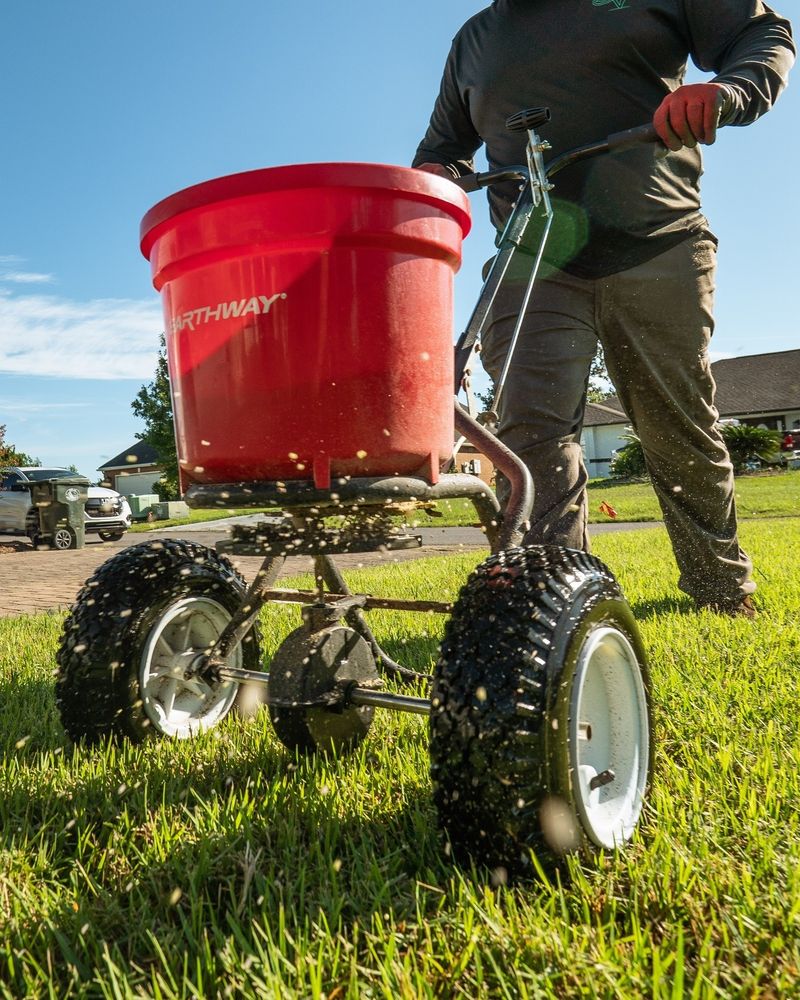
Pre-emergent herbicide is not a force field that lasts all year. Most products hold a barrier for roughly eight to twelve weeks.
Apply in early April and protection fades sometime in June or July. Late germinating seeds sprout right through that gap.
Split applications solve the problem for many lawns across the country. A second lighter treatment in late spring extends coverage into midsummer.
Timing matters more than product brand for the first round. Soil temperatures near 55 degrees for several days mark the starting point.
Forsythia blooming is the old fashioned signal gardeners have used for generations. It lines up surprisingly well with soil temperature data.
Heavy rain, power washing, and aeration can all break the chemical barrier. Poking holes after application is like cutting a hole in a screen.
Reading the label saves money and frustration more than any tip. Rates, watering instructions, and reseeding intervals are printed right there.
Skipping the watering-in step leaves the product sitting uselessly on top. Most formulas need a quarter inch of water to activate.
Fall is not the time for pre-emergent if you plan to overseed. Pick one goal for September and commit to it.
Mark your calendar now for next spring while the frustration is fresh. Memory fades faster than any herbicide barrier does.
Organic options like corn gluten meal exist, though results vary widely. They work best in lawns already fairly healthy.
8. Cool Season Grass Takes A Midsummer Nap
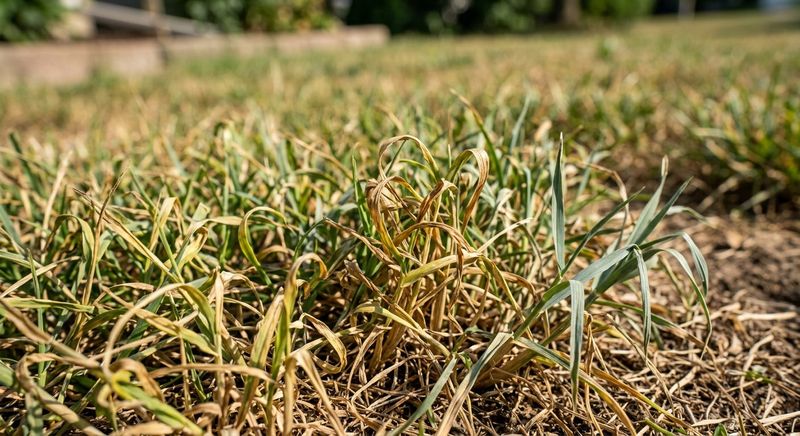
Fescue and bluegrass have two busy seasons: spring and fall. Summer is their coffee break, no permission slip required.
Growth slows dramatically once air temperatures stay above 85 degrees for days. Energy goes toward survival instead of spreading sideways.
During that slowdown, any empty space stays empty far longer than usual. Fast growing weeds simply move in and claim it.
Fertilizing heavily in July does not wake grass up, it stresses it. Push growth during heat and you invite disease instead.
Save your strongest feeding for early September when recovery begins naturally. Cool nights plus warm soil equal excellent root growth.
A fall feeding schedule builds density that carries into next summer. Thick turf in May means fewer clumps in August.
Warm season lawns like zoysia and bermuda follow the opposite calendar. Their weakest moment comes in spring rather than midsummer.
Knowing which grass you have changes every decision you make. Ask a local extension office if you are unsure.
Patience during July and August is genuinely a strategy. Let the lawn coast and prepare for the autumn comeback.
Come September, give it food, seed, and deep water. Your turf wakes up ready to work again.
That autumn window is short in northern states. Use it before the leaves take over your weekends.
Mark the first cool week as your signal to start. Lawns respond fast when conditions finally cooperate.