Why Dividing Perennials Can Change Your Michigan Garden Overnight
Michigan perennials are patient. They come back every spring, fill the borders with color, and ask for very little in return.
Many gardeners reward that loyalty by doing absolutely nothing to them for years. And then one day, the garden just looks tired.
The blooms get smaller. The clumps get bigger. The plants that once anchored the whole yard start looking like they are just going through the motions. Sound familiar?
Here is what most gardening advice skips over entirely. That tired look is not a sign that something went wrong. It is actually a signal that something very simple needs to happen, and it takes less than an afternoon.
One task. No new plants needed. No expensive products. Just a shovel, a little confidence, and the willingness to do something that feels slightly destructive before it becomes obviously brilliant.
Michigan gardeners who do this regularly end up with fuller borders, stronger blooms, and more plants than they started with. Still not sure what we are talking about? Keep reading.
1. Sun-Drenched Clumps Blossom More After Careful Division
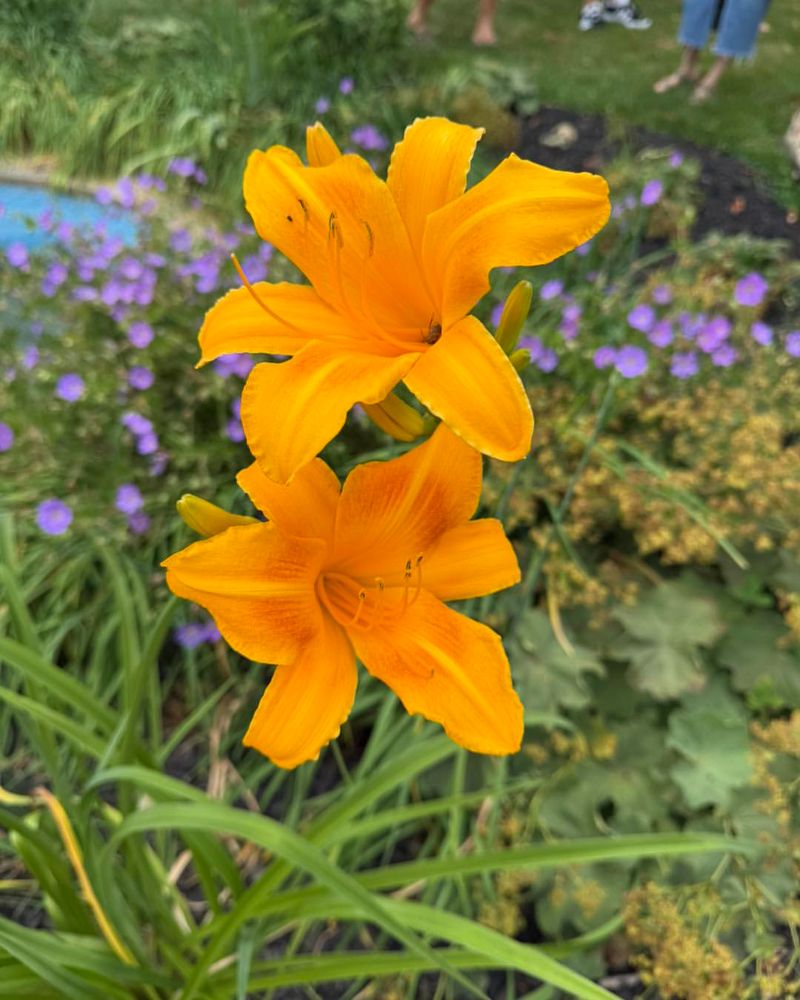
A clump of daylilies that was once the star of your garden can slowly turn into a tangled mess of leaves with barely a bloom in sight. That is not neglect. That is a classic sign that the plant needs dividing.
When a perennial gets too crowded at its center, energy gets trapped. The older woody growth takes up space without contributing much. Flowers suffer because the plant is spending most of its resources just managing the crowd.
Splitting the clump changes everything. That stored energy suddenly has somewhere productive to go, and it rushes back toward new growth fast.
Many perennials bloom best when divided every three to five years. Spring bloomers are often better divided after blooming or in fall. You give them just enough time to settle in before their big show begins.
To get started, use a sharp spade or garden fork to lift the entire clump from the soil. Shake off excess dirt so you can see the root structure clearly.
Split the clump into sections, each with healthy roots and at least two to three shoots attached. Replant the divisions at the same depth they were growing before and water them in well.
The outer sections carry the most growing potential and produce the strongest blooms. Removing that exhausted center and keeping the vigorous edges is the move that changes the flower display noticeably.
A little effort in spring pays off with a spectacular summer. Honestly, the plants have been waiting for you to do this for years.
2. Dividing Rebalances Nutrients And Spurs Fresh Growth Around Beds
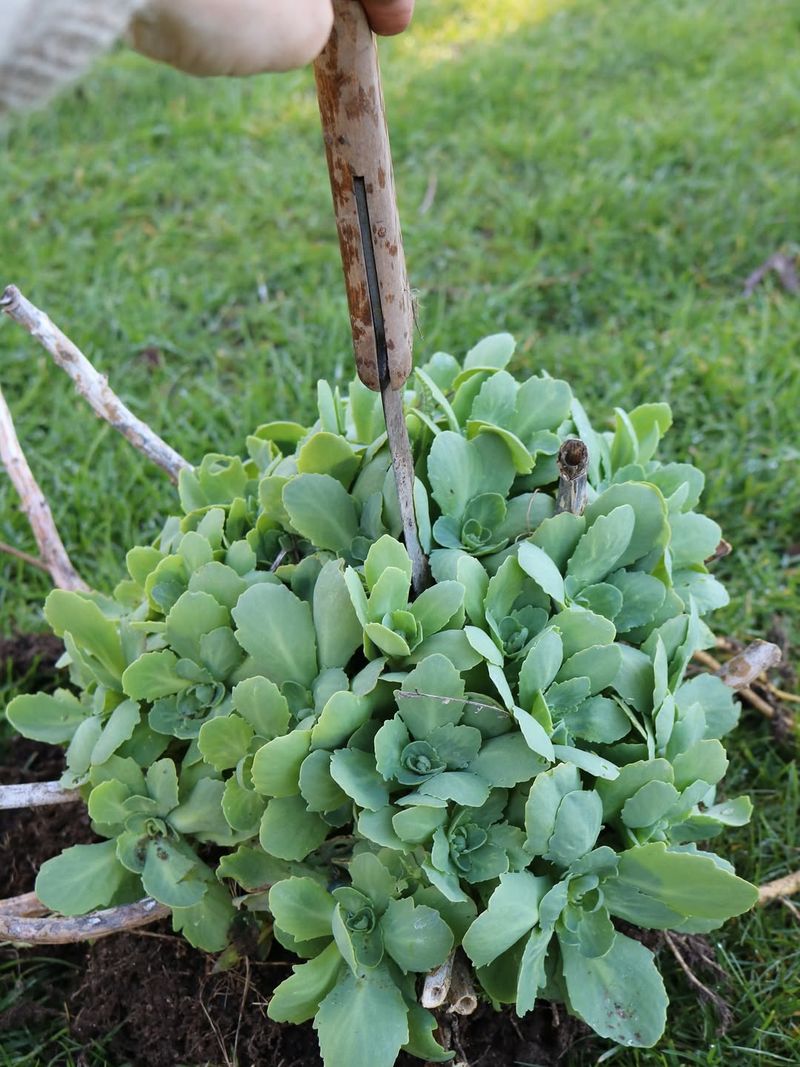
Roots are hungry, and when too many of them crowd into the same patch of soil, they all compete for the same limited supply.
Over time, the soil beneath a dense perennial clump gets depleted. Leaves look pale, stems grow weak, and new shoots struggle to push through.
Dividing the clump redistributes that root demand across more soil. Each section now taps into untouched ground packed with fresh nutrients. The difference shows up quickly in leaf color and new shoot production.
Your Michigan Garden Changes Every Week. Your Plan Should Too.
Gardening in Michigan changes quickly throughout the season. Every Friday you’ll receive a simple weekly plan showing exactly what to plant, prune, fertilize, harvest, and protect so you never miss the right timing.
Michigan soils vary widely from sandy in the west to clay-heavy in the southeast. Neither type handles dense root masses well over time. Nutrients simply do not move freely through packed, exhausted root systems regardless of soil type.
Amending your planting holes with compost when replanting divided sections helps significantly. A two to three inch layer of compost mixed into the backfill gives each new division an immediate boost.
That head start makes a noticeable difference in how quickly the plant establishes and begins producing new growth.
Organic matter improves both nutrient availability and soil structure at the same time. When divided perennials land in compost-enriched soil, roots spread faster and nutrient uptake improves across the board.
New growth may appear within a few weeks under good conditions. Fresh soil, fresh roots, fresh start. Your plants were basically asking for a room upgrade. Division is how you give it to them.
3. Younger Growth Pushes Wider Color Swaths Across Garden Borders
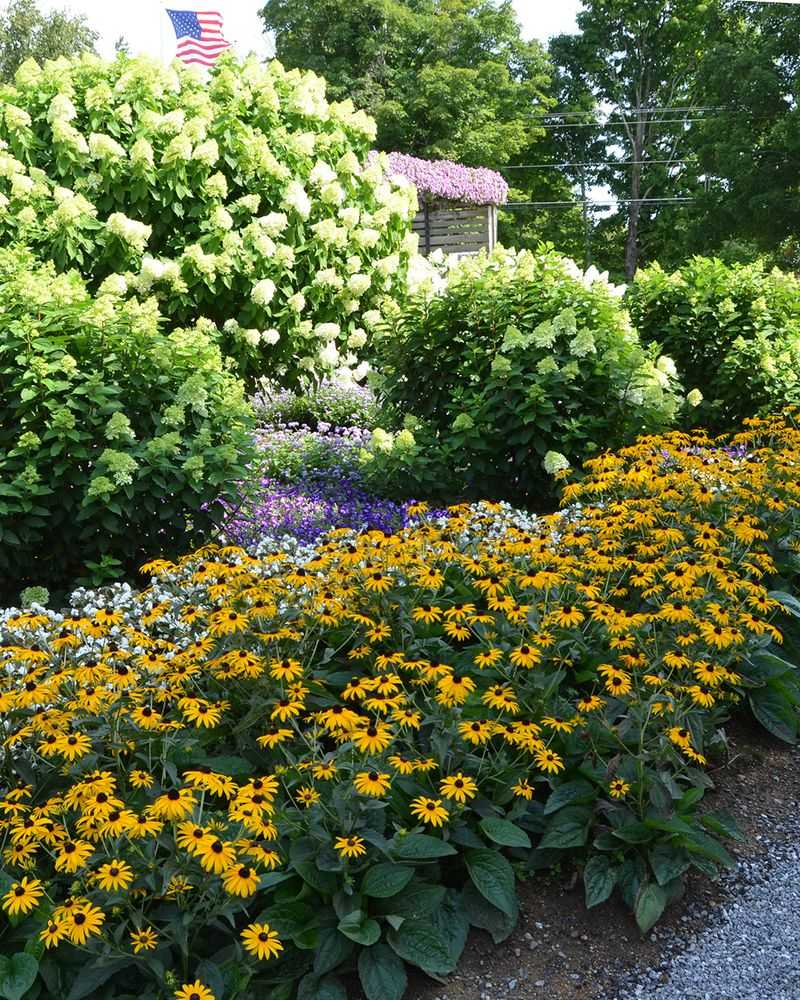
One of the most satisfying things about dividing perennials is watching borders go from sparse and patchy to bold and colorful almost overnight.
Take one established clump and split it into four or five healthy divisions, and you suddenly have enough plants to fill a much longer stretch of border. That visual payoff is real and it happens faster than most gardeners expect.
The outer sections of a divided clump tend to be the most vigorous. Those pieces have not yet worn out their welcome in the soil.
They push roots quickly, produce strong stems, and bloom with noticeably more energy than older center sections.
Spreading these younger divisions across a border creates a cohesive, layered look that feels intentional rather than accidental.
Planting divisions in groups of three or five gives the most natural appearance. Odd numbers create a flowing, organic rhythm that mirrors how plants grow outside of garden beds.
Spacing divisions about twelve to eighteen inches apart, depending on the species, gives each one room to fill in without immediately crowding its neighbors again.
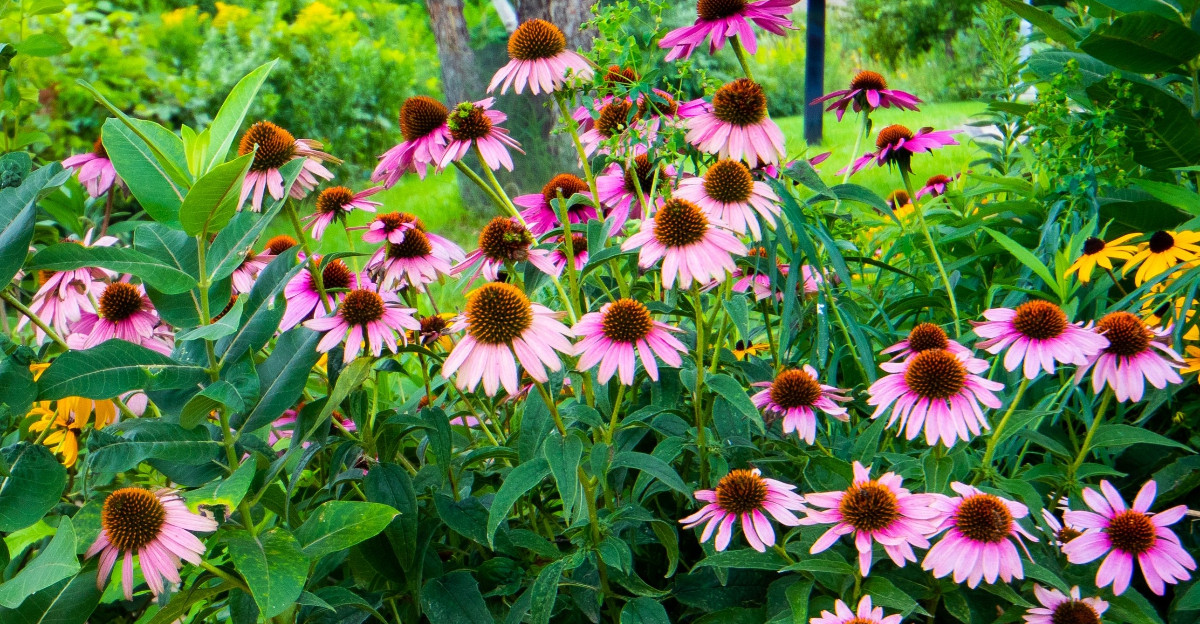
Mass plantings of a single perennial species create strong visual impact and are easier to maintain than scattered individual plants. Coneflowers, black-eyed Susans, and hostas all respond beautifully to this approach in Michigan gardens.
Within one full growing season, those wider color swaths can become the true focal point of the yard. All from plants you already had. Free color. Michigan gardeners love a good deal, and this one is unbeatable.
4. Division Clears Crowded Roots And Invites Better Airflow
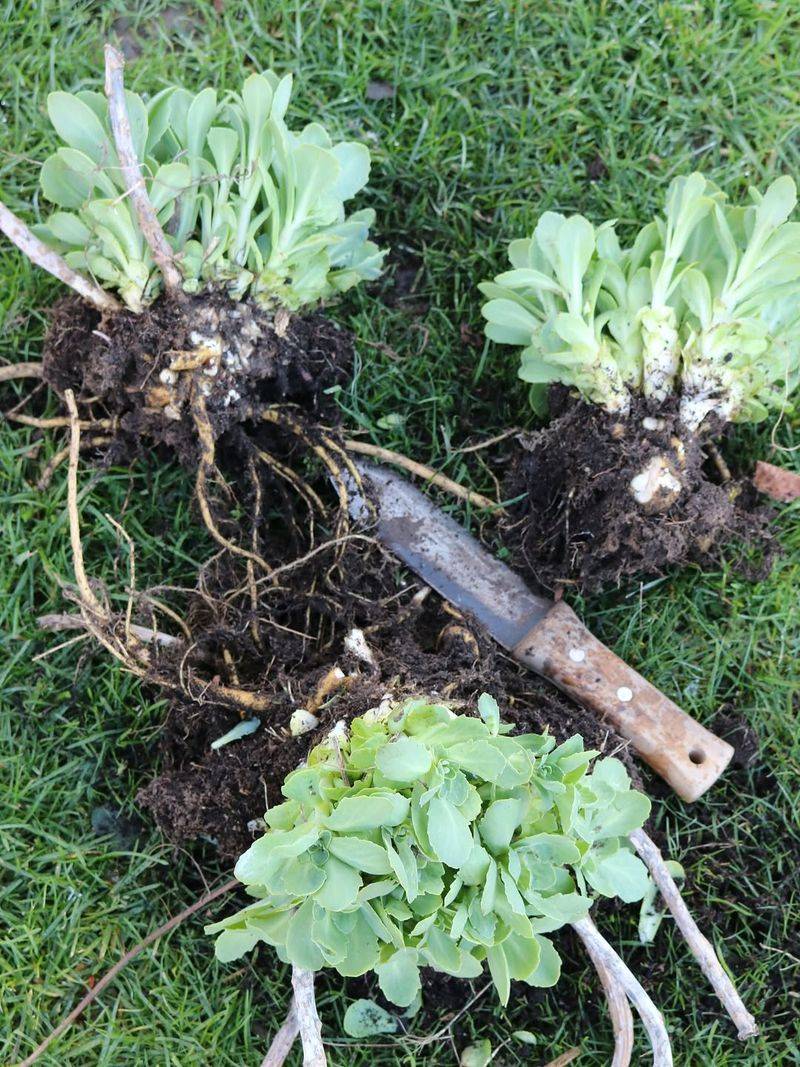
Crowded plants are stressed plants, and stressed plants attract problems. When perennial clumps grow too dense, leaves press tightly together and moisture gets trapped in the canopy.
Powdery mildew, botrytis, and other common fungal issues show up regularly in Michigan gardens during humid summers. Overcrowded clumps are usually the reason.
Dividing the clump opens everything up. Air can move through the foliage again. Leaves dry faster after rain. Stems have room to stand upright without leaning on each other for support.
That improved airflow is one of the most underrated benefits of regular division. It directly reduces the likelihood of disease taking hold in your beds without any sprays or treatments required.
Bee balm, phlox, and asters benefit from more frequent division because these species are especially prone to powdery mildew when overcrowded. Dividing every two to three years keeps the clumps open and the foliage clean.
Removing the woody center also eliminates the oldest tissue, which tends to hold onto problems longer than the younger outer growth does.
Proper plant spacing is consistently one of the most effective approaches to managing fungal disease in perennial beds. No product works as reliably as simply giving plants room to breathe.
Your perennials will stand taller, look cleaner, and resist disease far more effectively after division. No chemistry degree required. Just a shovel and a slightly ruthless afternoon.
5. Split Clumps Fit Into New Spots And Spread Visual Interest
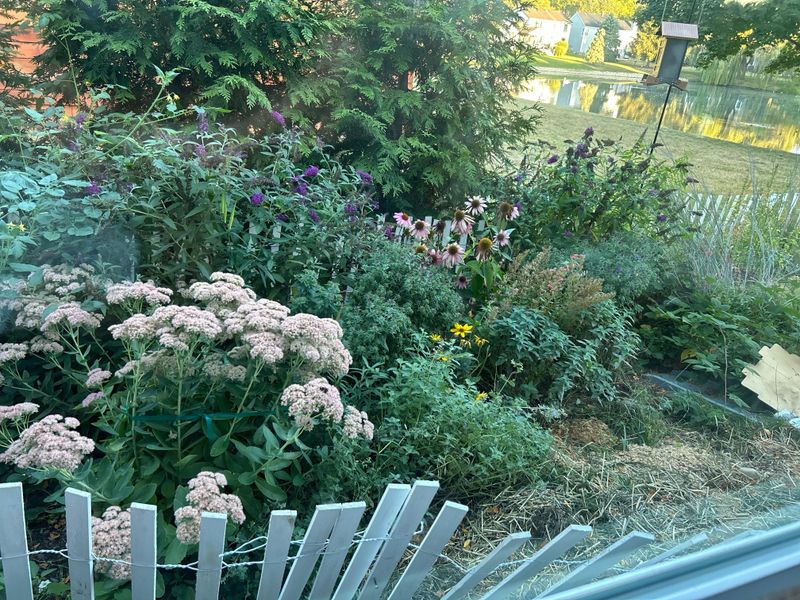
Free plants are one of the best things about dividing perennials, and many Michigan gardeners have been taking advantage of this for generations.
Once you split a clump, you have extra divisions ready to go into spots that felt too expensive or complicated to fill before.
That bare corner near the fence is a perfect candidate. The empty stretch along the walkway could hold a few hostas or coneflower divisions beautifully.
Strategic placement of divided sections creates visual flow throughout the garden. Repeating the same plant ties the design together and makes the space feel cohesive rather than collected. Designers rely on this technique constantly. Division lets you do it for free.
Bloom time is worth considering when placing divisions. Putting early, mid, and late-season bloomers in the same border keeps the space interesting from May through October.
Dividing and relocating plants gives you the flexibility to rearrange the sequence of color without spending anything.
Divisions placed near pathways or entryways create a welcoming effect and draw the eye naturally through the garden.
Smaller divisions work especially well in containers, window boxes, or tight spots where a full-sized plant would overwhelm the space.
With a little planning, those split clumps become design tools that reshape the entire feel of your outdoor space.
One plant becomes five. Five become a design. A design becomes a garden people actually stop to look at. Not bad for an afternoon of digging.
6. Renewed Bud Energy Brings More Flowers Throughout Summer
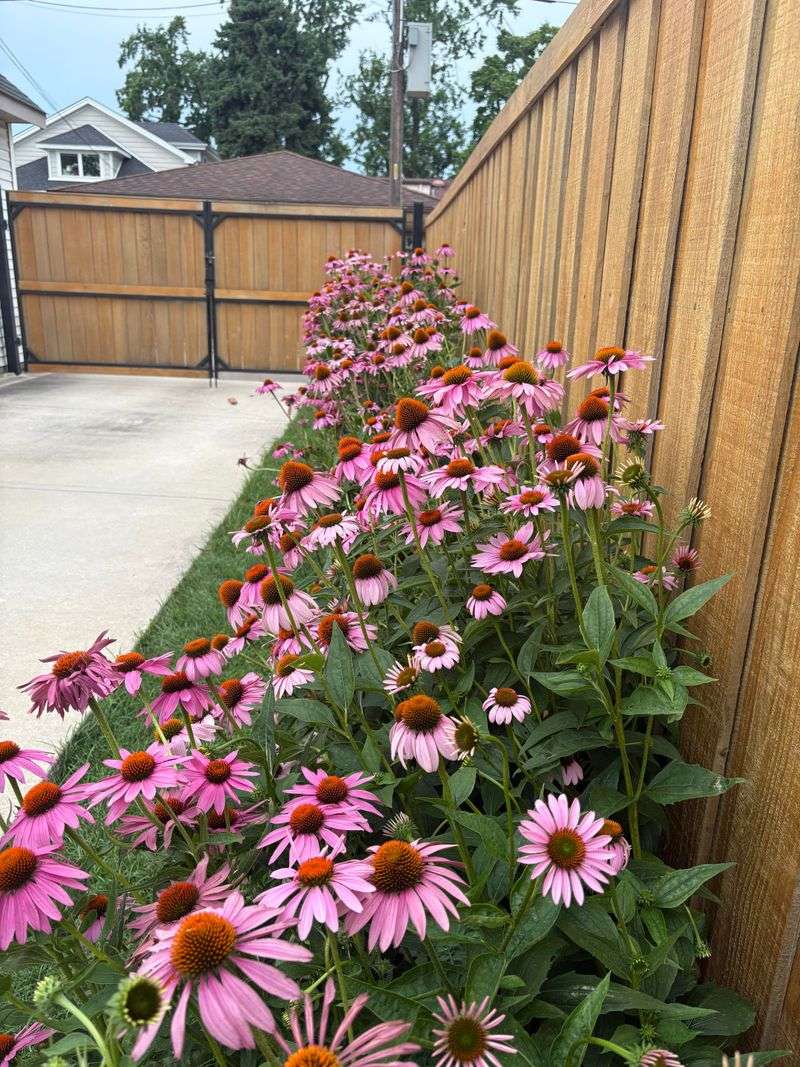
There is a noticeable moment when a divided perennial suddenly finds its energy again. The blooms come back fuller, the stems push up stronger, and the whole plant looks like a earlier, better version of itself.
That is not coincidence. That is what happens when you remove the crowded center and replant the younger outer sections.
Those outer pieces direct almost all their energy into producing flowers rather than just maintaining themselves.
The bloom period stretches noticeably, often well into late summer for Michigan perennials that previously faded by July.
Bud production is directly tied to the health and age of the growing tissue. Older woody centers produce fewer buds over time because the cells simply wear out.
Younger outer growth still carries plenty of budding potential. Replanting those sections gives them a clean slate and a burst of renewed flowering energy.
Daylilies, coneflowers, and Shasta daisies show some of the most dramatic bloom improvement after division. Daylilies in particular can shift from a handful of blooms to dozens of flower stalks once divided and given fresh soil.
Perennials divided regularly also tend to produce more flowers per stem and maintain bloom quality longer into the season.
For Michigan gardeners trying to keep color going from June through September, that is a meaningful advantage.
A little early-season work with a shovel translates into months of better blooms. It is arguably the best return on investment in the entire garden. Has your shovel earned its keep lately?
7. Rejuvenated Plants Take Advantage Of Michigan’s Longer Season
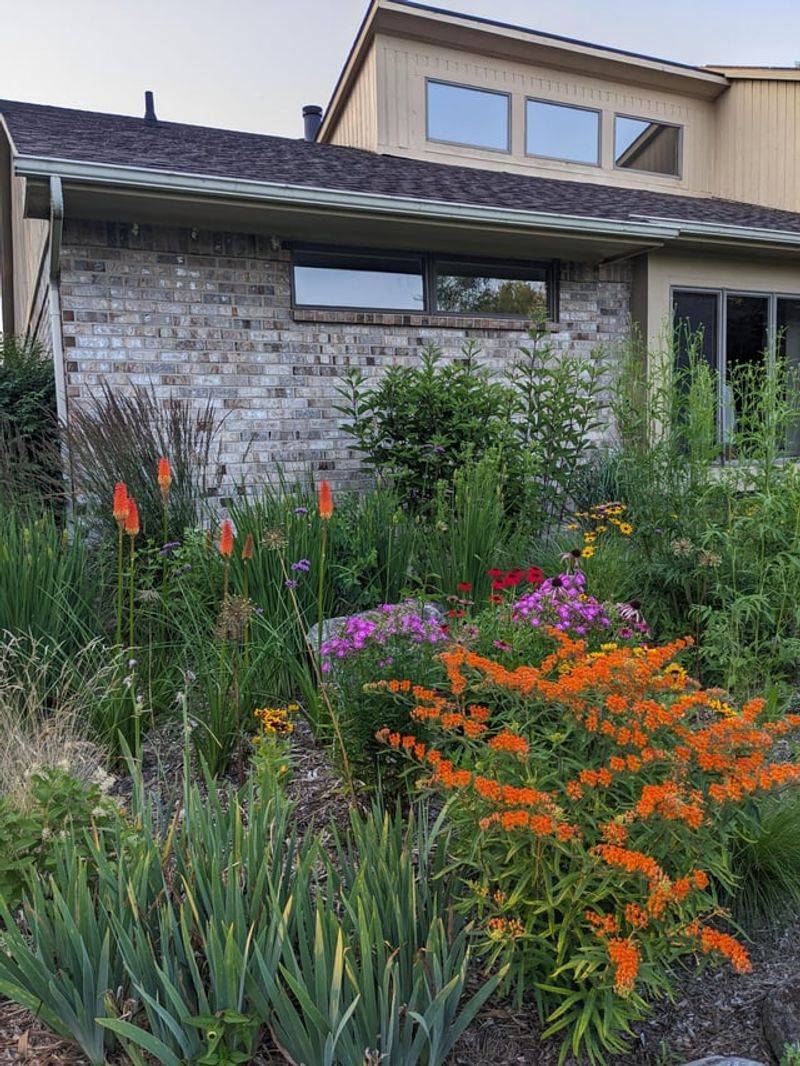
Michigan’s growing season runs from late April through October, and that window is more generous than many gardeners give it credit for.
Perennials divided in early spring have several full months to establish, spread, and bloom before the first frost arrives.
That timeline is long enough for divided plants to not just recover but genuinely perform at their best within the same season.
Dividing in early spring, right as the first shoots emerge from the soil, gives each new section the maximum amount of growing time available.
Roots settle quickly in cool, moist spring soil. By the time summer heat builds, the divisions are established and ready to push growth with full force.
Michigan’s spring rains handle a significant portion of the watering work during this critical establishment period. Timing the division to align with that natural moisture is one of the quieter advantages of early-season work.
Dividing most perennials between late March and mid-May works well for most of the state. Northern Michigan gardeners may need to wait a few weeks longer than those in the southern Lower Peninsula.
Spring-divided perennials tend to outperform fall-divided ones in terms of first-year bloom production, which makes the early season timing worth prioritizing.
Starting the season with freshly divided, well-spaced plants puts the entire garden on a better trajectory.
Grab your spade, pick a mild spring morning, and let Michigan’s long season finish what you started. The plants will do most of the work from there.