Why Do Rats Move Into Oregon Yards The Moment Fall Arrives?
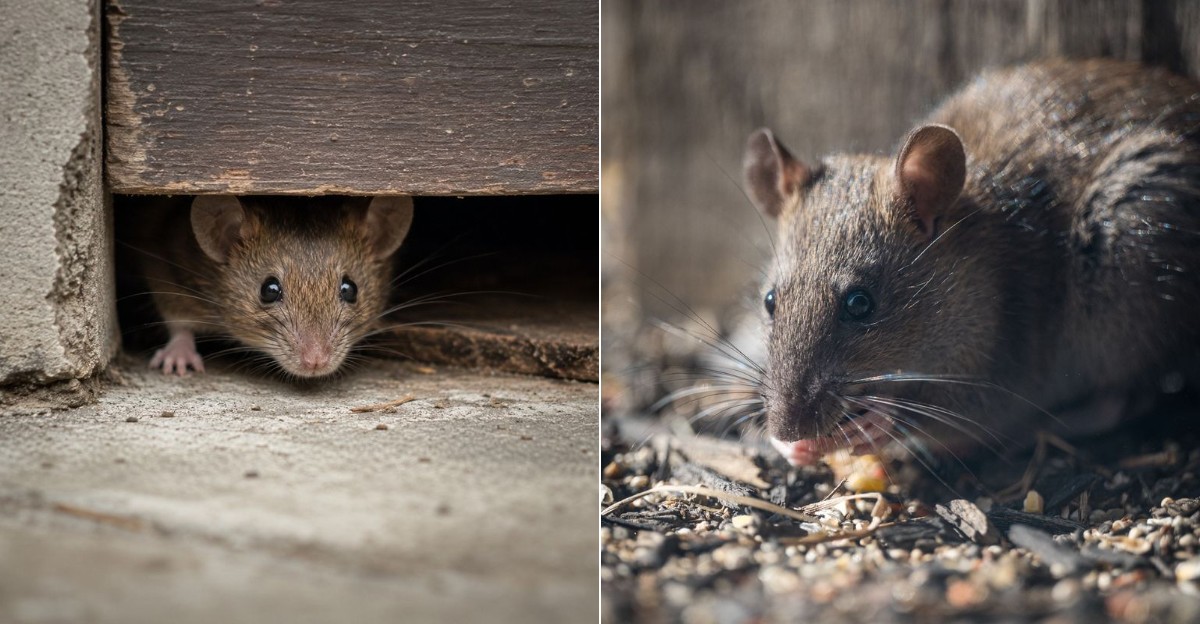
The first signs of fall can change your yard in ways you may not notice right away. Cooler nights arrive, outdoor spaces get used differently, and small animals start making decisions about where they want to spend more time.
For rats, a comfortable yard is less about appearance and more about opportunity. Shelter, food sources, and quiet hiding places can suddenly become much more appealing as conditions shift outside.
Your garden may look exactly the same to you while becoming far more interesting to a small nighttime visitor.
That is what makes the timing feel so surprising. One week everything seems normal, and then you start noticing signs that something has been exploring the corners, edges, and tucked-away areas of your property.
The change is not always caused by one obvious thing. Several small details around your yard can combine to create a space that feels safer and easier to use.
If rats begin showing up as the seasons turn, your landscape may be sending signals you never intended to send.
1. Dropping Temperatures Send Rats Searching For Warmth
Rats have a hard time staying warm once Oregon nights turn chilly. Unlike bears, they don’t hibernate, so they stay active all winter and need a cozy hiding place to survive.
Your yard suddenly looks like a five-star hotel to a cold rat. Woodpiles, sheds, garages, and gaps under decks trap heat and block the wind.
A rat can slip through a hole the size of a quarter, so even a small crack in your foundation is an open invitation.
When the temperature drops, rats also seek out warm engine compartments and insulation inside walls. Those spots stay toasty and hide them from owls, hawks, and cats.
The warmth of your home radiates outward, and rats can sense it from surprising distances.
To make your yard less appealing, seal up cracks with steel wool or metal mesh, since rats can chew through softer materials. Keep firewood stacked at least a foot off the ground and away from your house.
Trim back bushes that touch your walls, because dense plants give rats a warm, hidden path indoors. A little effort now saves you a lot of trouble once the freezing weather really sets in during December and January.
2. Fallen Fruit And Garden Leftovers Become A Buffet
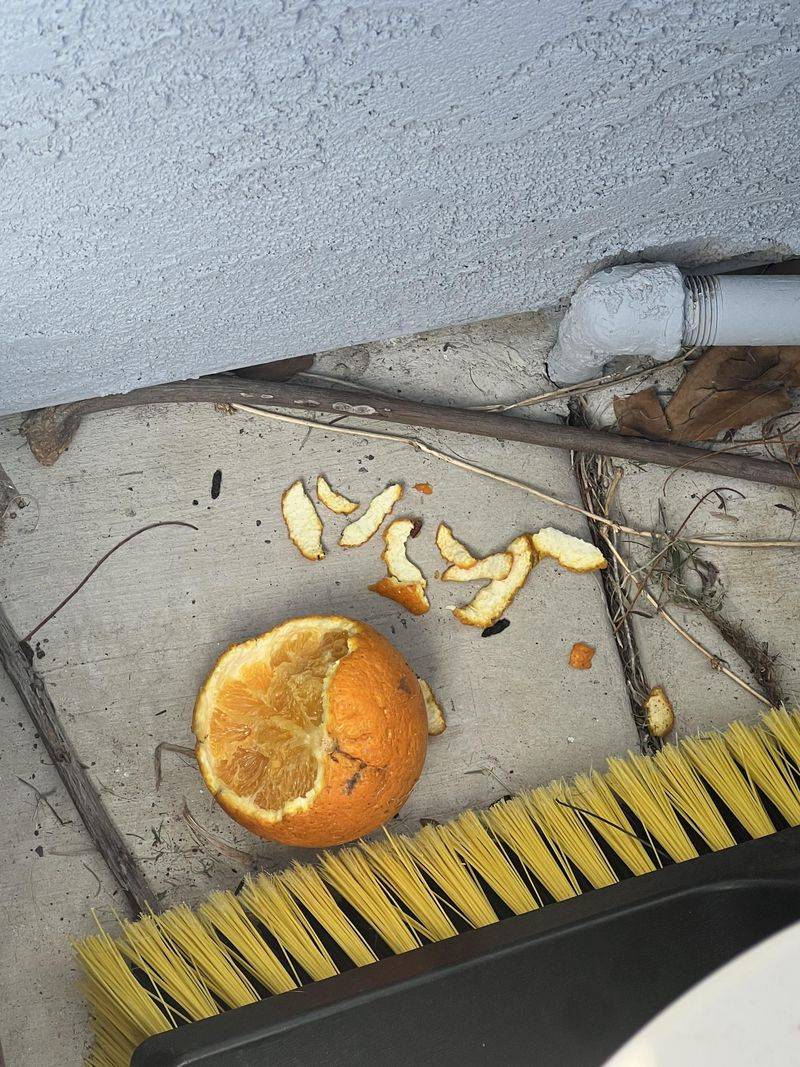
Oregon is famous for its apple, pear, and plum trees, and fall is harvest time. All that ripe fruit dropping to the ground turns your yard into an all-you-can-eat rat diner.
Rats have amazing noses and can smell rotting fruit from far away. Once they find a reliable food source, they stick around and tell their rat relatives about it too.
A single pair can produce dozens of offspring in just a few months when food is plentiful.
Vegetable gardens make the problem worse. Leftover squash, tomatoes, and pumpkins left on the vine after harvest give rats even more to munch on.
Compost piles that include food scraps are basically rat magnets.
The good news is this is one of the easiest problems to fix. Pick up fallen fruit every couple of days and toss it in a sealed bin, not an open pile.
Your Oregon Garden Changes Every Week. Your Plan Should Too.
Gardening in Oregon changes quickly throughout the season. Every Friday you’ll receive a simple weekly plan showing exactly what to plant, prune, fertilize, harvest, and protect so you never miss the right timing.
Harvest your veggies promptly and clean up any that rot on the ground.
Keep your compost in a closed, rodent-proof container instead of an open heap. If you feed birds, use trays that catch spilled seed, since scattered seed feeds rats just as well as it feeds robins.
3. Pet Food And Bird Feeders Offer Easy Meals
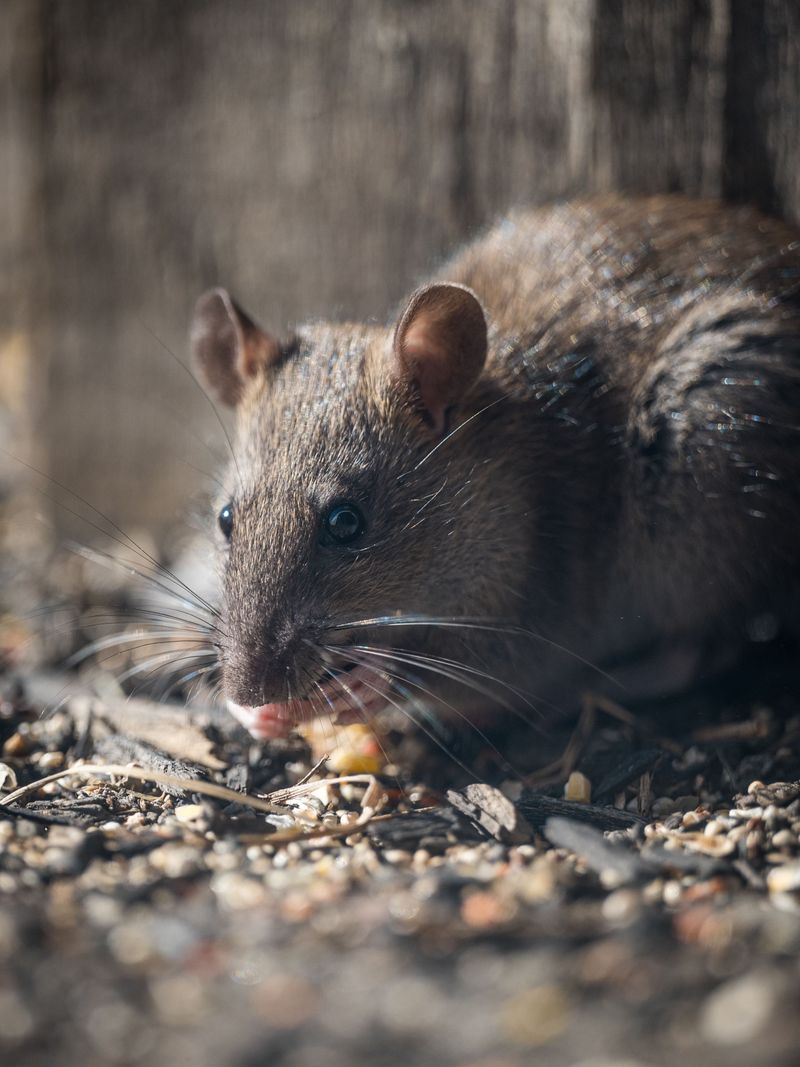
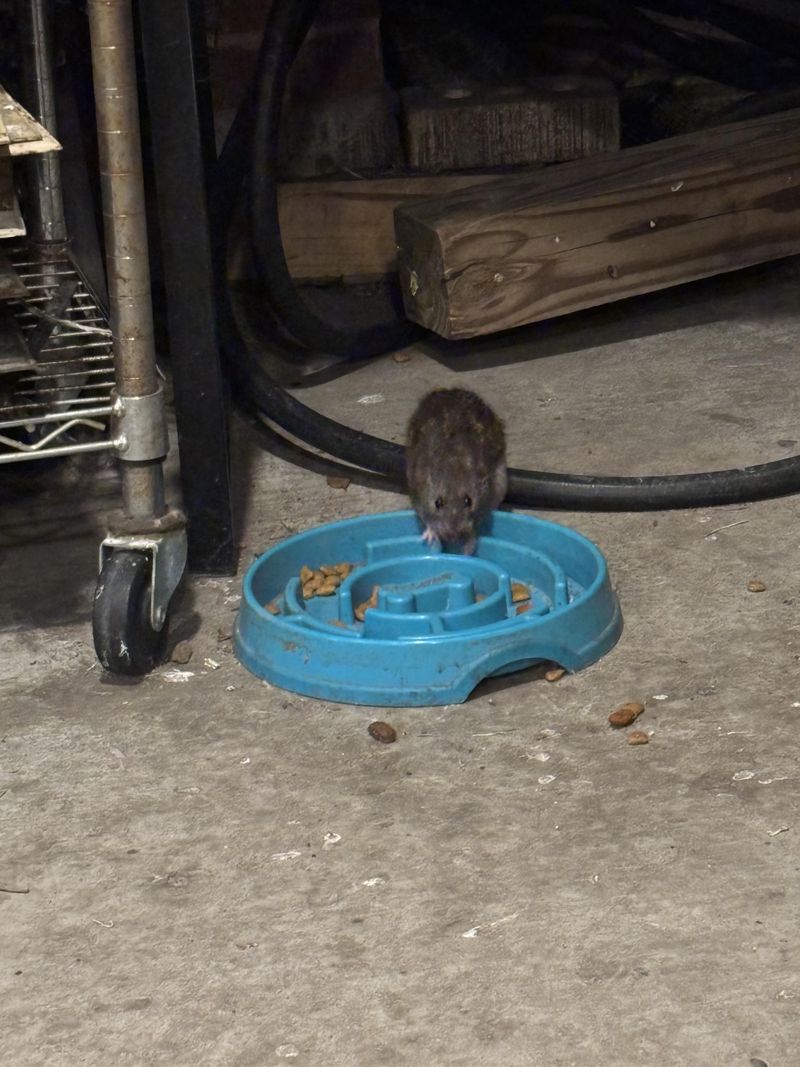
Leaving a bowl of dog or cat food outside might seem harmless, but to a rat it’s a jackpot. Those tasty kibbles are packed with the calories rats need to survive the cold months ahead.
Bird feeders create the same problem. Seeds spill onto the ground below, and rats happily clean up whatever the birds miss.
Some bold rats even climb right up to the feeder for a snack.
Fall is when rats really start stockpiling energy, so any reliable food source becomes a big draw. Once they learn your patio has food every evening, they’ll return again and again, often bringing company.
Bring pet dishes indoors after your animals finish eating, especially overnight when rats are most active. Store bags of pet food and birdseed in metal or thick plastic containers with tight lids.
Consider taking bird feeders down during peak rat season, or switch to seeds that create less mess, like hulled sunflower hearts. Sweep up spilled seed under feeders every few days.
Even chicken coops attract rats, so store poultry feed securely and collect eggs promptly. Removing these easy meals sends rats looking somewhere else for their winter groceries.
4. Piles Of Leaves And Yard Debris Create Perfect Hideouts
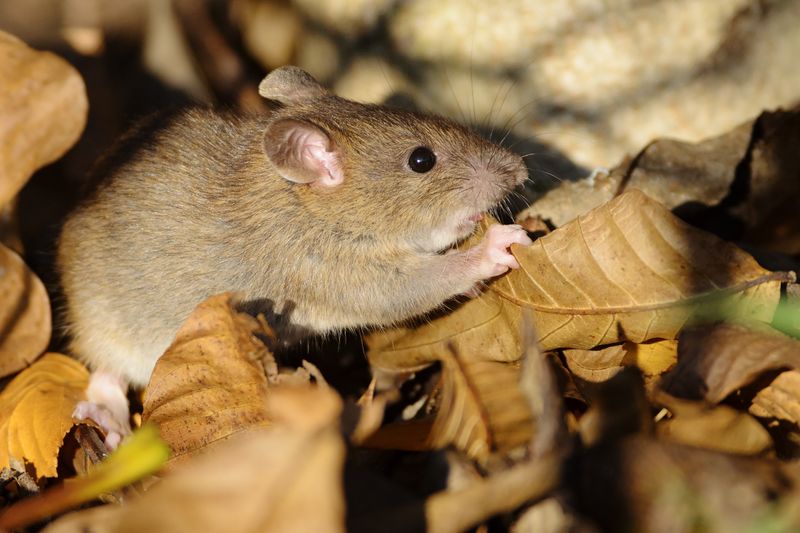
Every fall, Oregon yards fill up with heaps of leaves, branches, and grass clippings. To you it’s just cleanup work, but to a rat it’s a ready-made fort.
Leaf piles trap warmth and give rats a dark, cozy place to build nests. They can burrow underneath, stay hidden from predators, and dash out for food whenever they get hungry.
Brush piles and stacks of old lumber work the same way.
Tall grass and overgrown weeds along fences give rats safe travel routes across your property. They prefer to stay hidden while they move, so thick cover makes your yard feel extra safe to them.
Keeping your yard tidy is one of the strongest defenses you have. Rake leaves regularly and bag them or add them to a sealed compost bin instead of leaving big open piles.
Clear away brush, old boards, and unused clutter that rats could hide beneath. Mow the lawn and trim weeds along fences and buildings before winter arrives.
If you store items outside, keep them on raised shelves rather than directly on the ground. A neat, open yard gives rats nowhere to hide and makes them feel exposed, which usually sends them scurrying to a messier neighbor’s yard instead.
5. Rain And Flooding Push Rats Above Ground
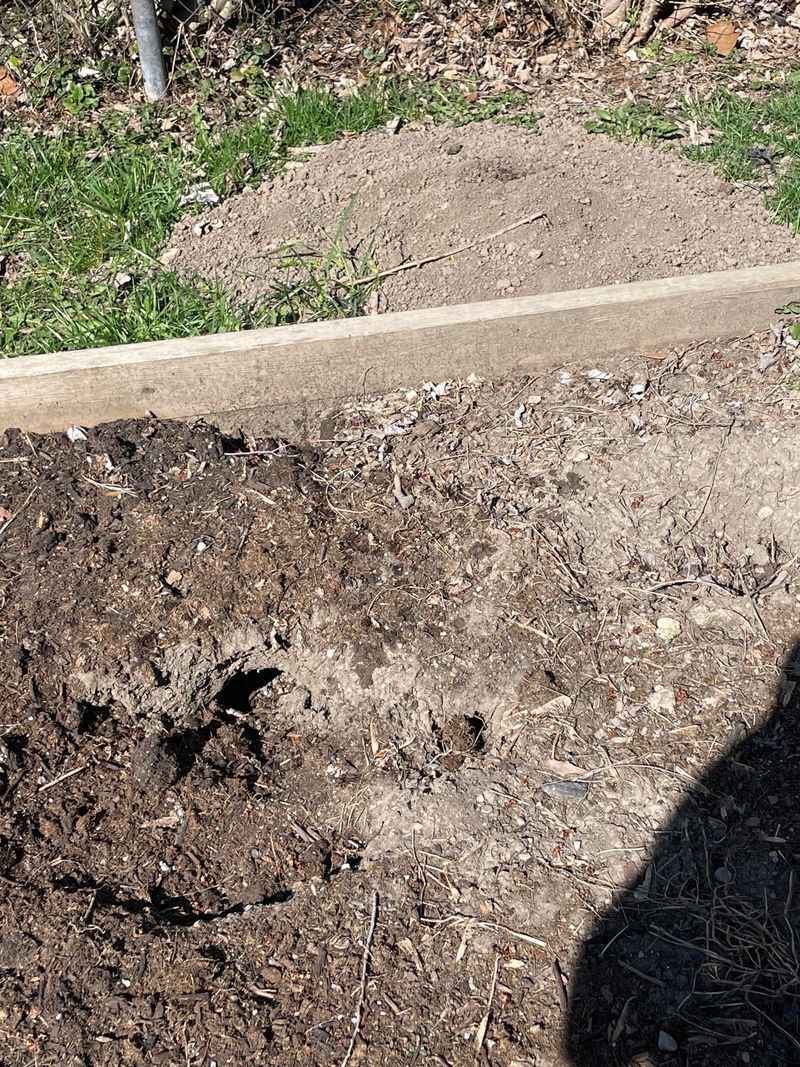
Anyone who lives in Oregon knows fall means rain, and lots of it. All that water does something surprising: it floods the underground burrows and sewers where rats normally live.
When their tunnels fill with water, rats have no choice but to move to higher, drier ground. Your yard, garage, or crawl space suddenly becomes prime real estate for a soggy, homeless rat.
Heavy rain also washes food scraps into new places and softens soil, making it easier for rats to dig fresh burrows near your home. Storm drains overflow, pushing rats up and out into neighborhoods.
This flooding effect is one reason rat sightings spike right when the wet season begins. The rats aren’t multiplying overnight; they’re just being forced out of hiding into places where you can see them.
To stay ahead of it, make sure your yard drains well so water doesn’t pool near your foundation. Clear gutters and downspouts so rain flows away from the house instead of soaking the ground beside it.
Seal crawl space vents with sturdy metal screens, since a wet rat will squeeze through any opening to escape the rain. Check that basement and garage doors close tightly against the ground.
6. Nesting Season Means Rats Want Safe Places To Breed
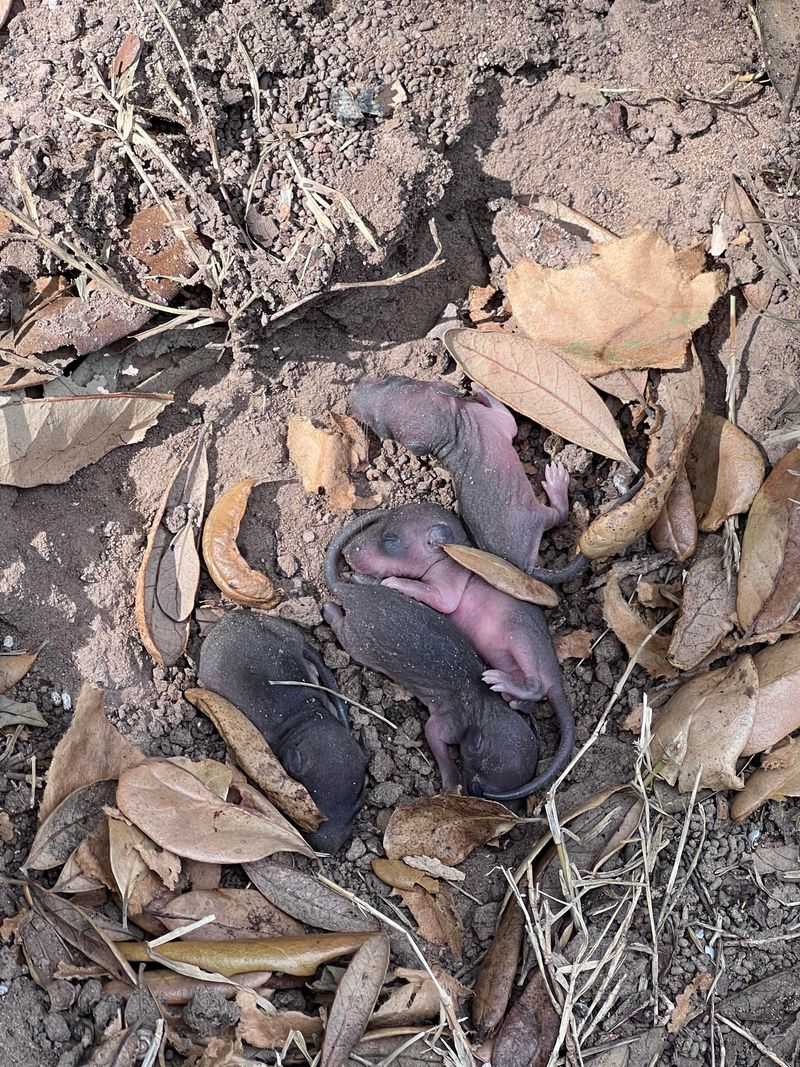
Rats don’t just want warmth and food in fall; they’re also thinking about family. Cooler weather is a busy breeding time, and mother rats hunt for quiet, protected spots to raise their pups.
A female rat can have a new litter every few weeks, with six to a dozen babies each time. That means one rat sneaking into your attic in October can turn into a whole colony by winter.
They look for soft materials to build nests, like insulation, shredded paper, and fabric. Attics, wall cavities, and cluttered garages give them exactly what they need.
Once a nest is established, it’s much harder to get rid of.
Catching the problem early makes a huge difference. Inspect your attic, garage, and crawl space for droppings, chew marks, or shredded material that signals nesting activity.
Store cardboard boxes, blankets, and clothing in sealed plastic bins instead of loose piles rats can shred. Keep garages organized so there are fewer dark corners for a nest.
If you spot signs of rats, act quickly with traps or call a pest professional before the population explodes. Stopping one nesting female now can save you from dealing with dozens of rats when spring arrives.
7. Gaps And Cracks In Homes Widen As Buildings Cool
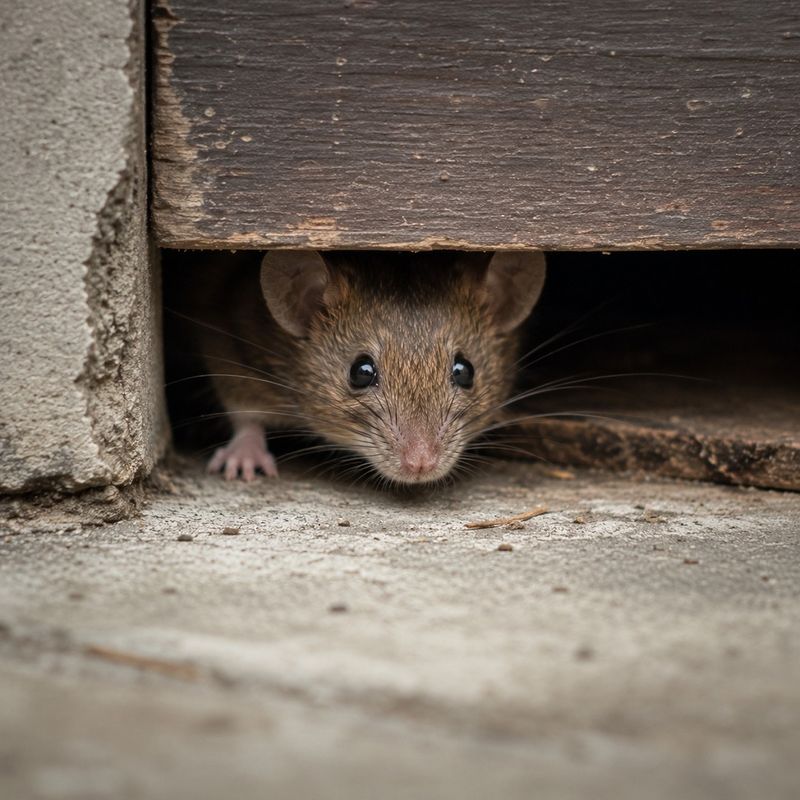
Here’s something most people never think about: houses actually shift a little as the seasons change. When materials cool down in fall, tiny gaps around pipes, vents, and foundations can open up just enough for a rat to slip through.
Rats are incredible contortionists. Their bodies can flatten and squeeze through a hole barely the width of a thumb.
If their skull fits, the rest of them follows.
Summer heat can also dry out wood and caulk, creating cracks that rats discover once they start searching for winter shelter. Utility lines entering your home are common weak spots they exploit.
Fall is the perfect time to walk around your house and look for entry points. Check where pipes and cables enter walls, around dryer vents, and along the base of your foundation.
Fill small gaps with steel wool packed tightly, then cover it with caulk, since rats can’t chew through the metal. Use metal flashing or hardware cloth for bigger openings.
Don’t forget the roof, where rats climb using tree branches to reach loose vents or damaged shingles. Trim branches back at least a few feet from your home.
Sealing these entry points now is the single best way to keep fall rats outside where they belong.