The Palm Pruning Mistake Florida Homeowners Make Right Before September Storms
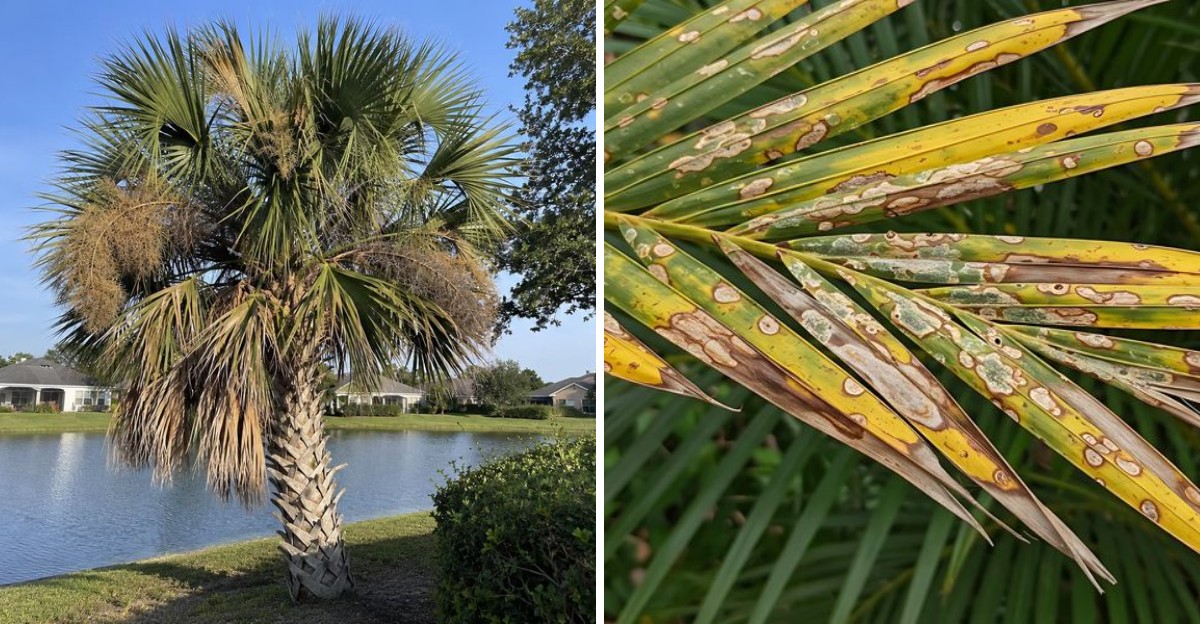
A storm warning can turn an ordinary Florida yard into a race against the clock. Suddenly, those palms look overdue for cleanup, and the easiest thought is to remove anything that could become a problem in high winds.
It seems sensible. It also happens to be when many homeowners make a pruning decision they later wish they had skipped.
Palms have their own rules, and storm preparation does not mean treating every loose, brown, or awkward-looking frond the same way. The timing of a cut matters, too.
With September storms capable of arriving with little notice, the pressure to tidy everything before the weather turns can lead to a surprisingly common mistake. Your palm may need attention, or it may be better left exactly as it is.
The difference is not obvious from the ground. And that is where this seemingly harmless pre-storm chore gets interesting.
1. The Hurricane Cut Is Not Your Palm’s Friend
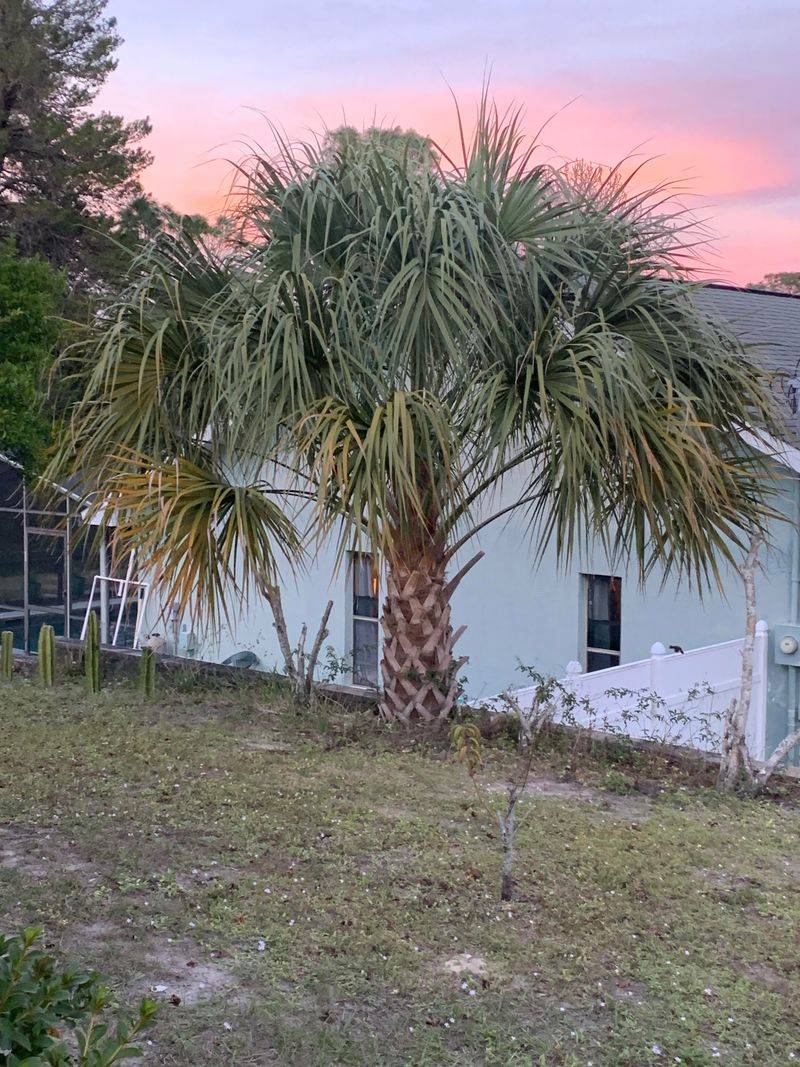
Picture a palm tree that looks like a feather duster stuck on a pole. That is the hurricane cut, and it shows up all over Florida yards right before September storms roll in.
This style means someone removed almost every healthy green frond, leaving only a tiny bunch of leaves pointing straight up. Some folks also call it lion-tailing or a rooster tail because of that skinny, tufted look.
The idea behind it sounds reasonable at first. People believe fewer fronds mean less for the wind to grab, so the tree should handle a storm better.
They also worry loose fronds might fly off and hit windows or cars.
Sadly, the logic falls apart when you look at what really happens. Palms are built to sway and bend in tropical winds, and their full canopy helps them do that job.
Stripping the tree down does the opposite of what everyone hopes. Instead of a tough, storm-ready palm, you end up with a stressed plant that struggles to survive.
Before you reach for the pruning saw this year, remember that the trendy hurricane cut is a mistake, not a safety trick. Understanding why can save your trees and your money.
2. Green Fronds Are The Palm’s Food Factory
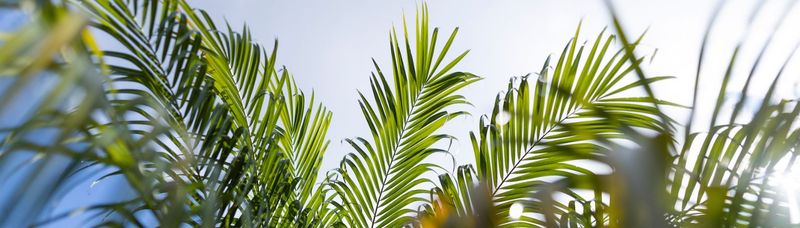
Those long green fronds are more than just decoration. They act like tiny kitchens that make food for the whole tree.
Through a process called photosynthesis, the green leaves soak up sunlight and turn it into energy. That energy helps the palm grow tall, stay strong, and fight off trouble.
When you chop off most of the healthy fronds, you basically shut down the tree’s kitchen. The palm then has to dig into its stored energy reserves just to survive, kind of like living off your savings when you lose a job.
Over time this drain leaves the tree hungry and weak. A starving palm grows slower, looks dull, and has a much harder time bouncing back after any damage.
Here is a helpful tip about yellowing fronds. Even leaves that are turning yellow can still be feeding nutrients back into the trunk, so it is smart to leave them alone.
Your Florida Garden Changes Every Week. Your Plan Should Too.
Gardening in Florida changes quickly throughout the season. Every Friday you’ll receive a simple weekly plan showing exactly what to plant, prune, fertilize, harvest, and protect so you never miss the right timing.
Only the completely brown, withered, or snapped fronds should come off. Everything green is working hard for the tree’s health.
Think of each frond as a solar panel powering your palm. The more panels you keep, the more energy your tree has to survive whatever September throws its way.
3. Over-Pruned Palms Actually Lose To Storms
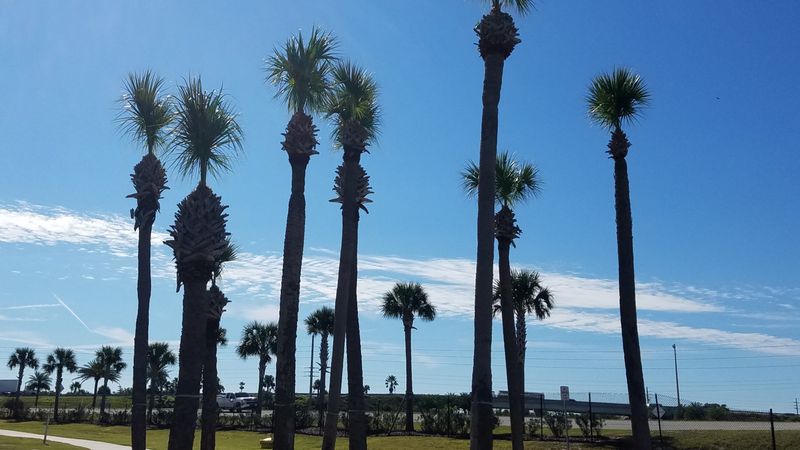
Here is the surprising part that trips up so many Florida homeowners. Palms that get the hurricane cut often do worse in storms, not better.
After big hurricanes, tree experts walk through neighborhoods and notice a clear pattern. The over-pruned palms are the ones losing their crowns or getting badly torn up.
After major hurricanes, over-pruned palms have been observed to suffer more crown damage than palms with fuller canopies. The older leaves and leaf bases help protect and support the growing point.
When only a small tuft is left, all that wind energy slams into a fragile top. The growing point becomes an easy target for snapping.
Palms spent millions of years learning to survive tropical weather. Their natural design lets them bow low in gusts and spring back once the wind calms down.
By cutting away most of the fronds, you remove the very feature that keeps them steady. Removing those older fronds also removes some of the protection and support surrounding the palm’s growing point.
So the next time a neighbor swears the hurricane cut protects their palm, you will know the real story. A tree wearing its full green crown stands a much better chance of riding out the storm in one piece.
4. The Terminal Bud Is A Single Point Of Life
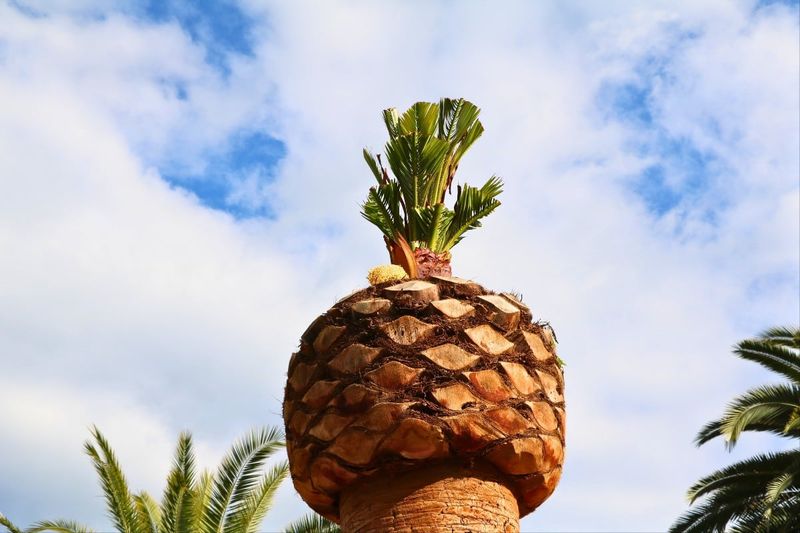
Palms hide a secret weakness right at the very top of their trunk. It is called the terminal bud, and it is the only growing point the whole tree has.
Unlike an oak that can sprout new branches all over, a palm has just this one bud. Everything the tree will ever grow comes from that single spot.
When someone prunes too hard, they can accidentally expose or wound this precious bud. If that growing point is severely damaged or destroyed, the palm cannot produce new leaves and the affected trunk will eventually decease.
Losing the terminal bud means losing the entire tree. No amount of watering or fertilizer will bring it back after that point.
That is why aggressive cutting near the crown is so risky. You might think you are just tidying things up, but you could be cutting into the tree’s heart.
Damage near the crown can also injure the growing point, making recovery much more difficult. The trunk starts to thin near the top and the weakened bud slowly gives out.
Treat the top of your palm like the most fragile part of the plant, because it truly is. Keeping a protective ring of healthy fronds around that bud is one of the kindest things you can do for your tree’s future.
5. Weakened Palms Attract Pests And Disease
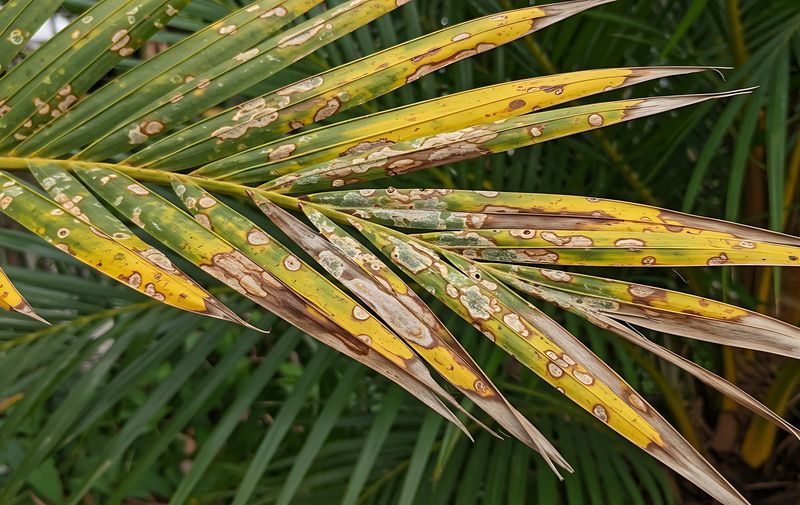
A stressed palm can become more vulnerable to certain pests and diseases, especially when other problems are already affecting its health. Stress makes the tree an easy target.
When over-pruning drains a palm’s energy, its defenses drop way down. Insects that would normally get chased off can move right in and settle.
Diseases become a bigger danger too. Serious ones like Fusarium wilt, Thielaviopsis trunk rot, and lethal bronzing can spread and destroy a palm quickly.
One sneaky way these sicknesses travel is through dirty pruning tools. If a saw touches a sick tree and then a healthy one, it can carry the disease along for the ride.
That is why smart pruners clean and disinfect their tools between every single palm. This simple habit stops a lot of heartbreak.
Another rule to remember is to skip the climbing spikes. Those spikes poke holes in the trunk, and each hole is an open door for infection.
A repeatedly hurricane-cut palm can end up with nutrient shortages, slower growth, and a thinner trunk over the years. All of this adds up to a tree in slow decline.
Keeping your Florida palm strong and unstressed is the best pest control there is. A healthy tree defends itself far better than any spray ever could.
6. The 9-To-3 Rule Keeps Pruning Safe
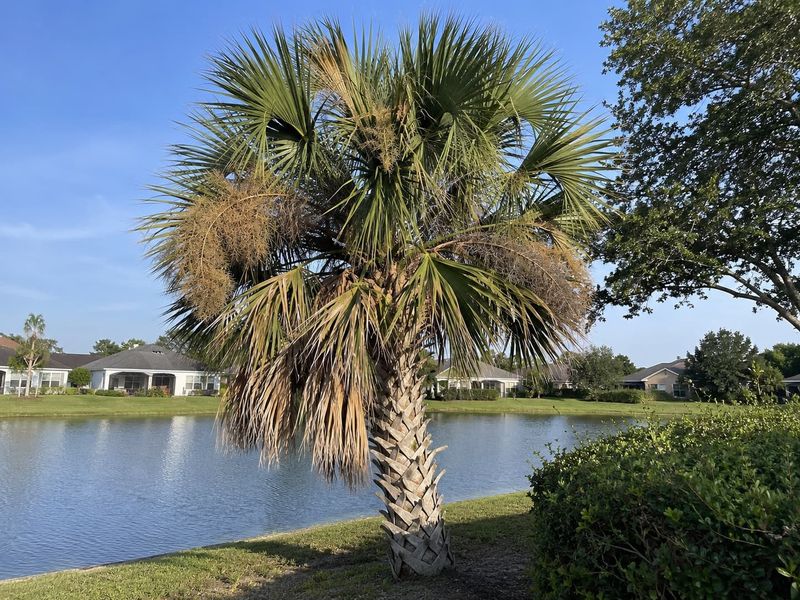
Want an easy trick to prune your Florida palm the right way? Imagine the canopy as a big clock face.
Picture the top of the tree as twelve o’clock and the sides stretching out toward nine and three. The rule is simple: never cut any fronds that grow above the nine and three o’clock line.
Anything sitting higher than that horizontal line should stay put. Those upper fronds are the healthiest and most important ones for the tree.
You can safely trim fronds that droop below the nine-to-three level if they are withered or broken. This keeps the palm looking neat without stripping away its power.
Following this guideline stops people from going overboard. It is a clear line in your mind that says stop before you cause harm.
The 9-to-3 guideline can help prevent excessive pruning, but it should not be treated as a target for shaping the canopy. The better approach is to preserve the palm’s natural crown and remove only withered, damaged, or hazardous fronds.
Green fronds should generally stay on the tree.
Grab a photo of your palm and picture that clock next time you plan a trim. When your hand drifts toward the top, remember the rule and pull back.
Sticking to nine-to-three means your palm keeps enough green to feed itself and flex in the wind. It is a small idea that makes a huge difference.
7. Smart Storm Prep Means Trimming Fruit, Not Fronds
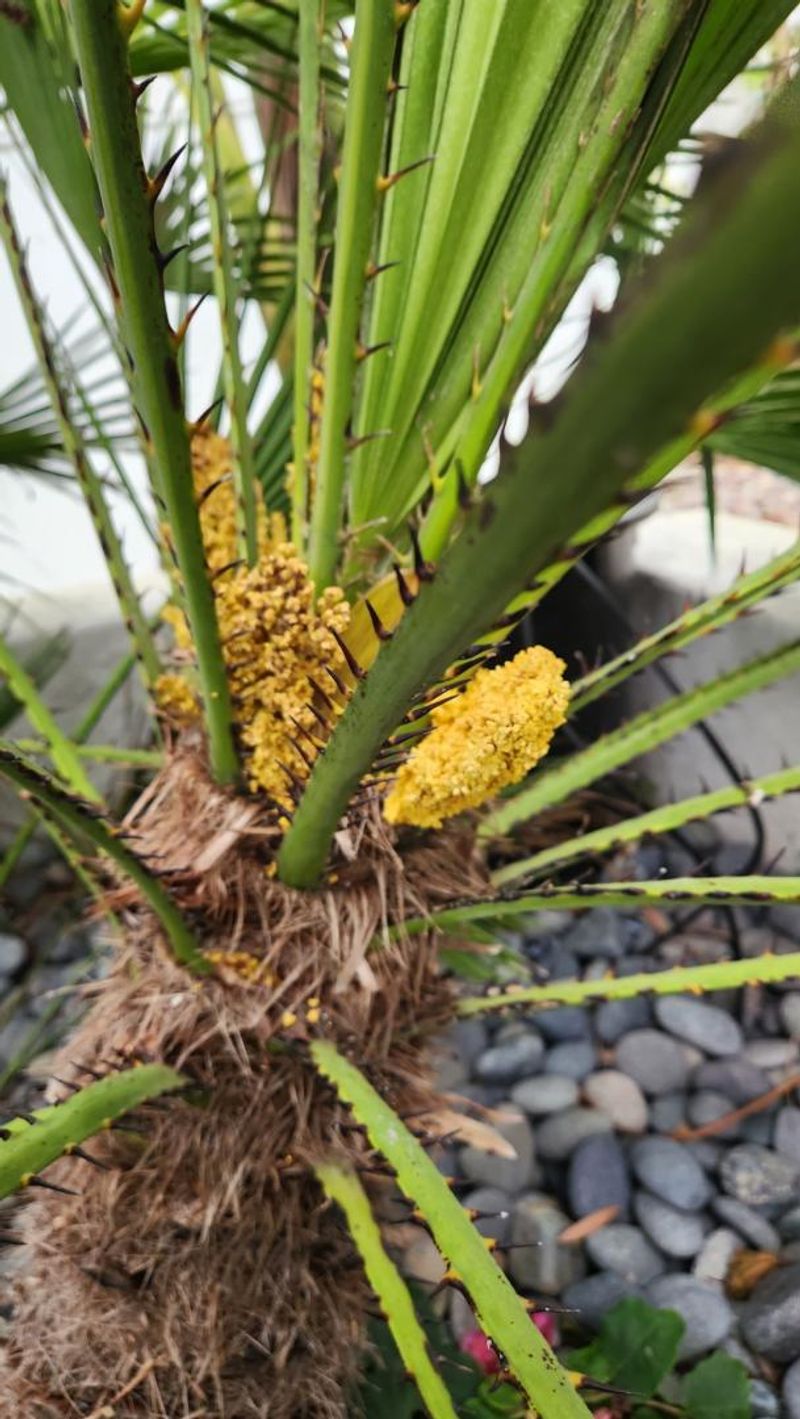
If your goal is fewer flying objects during a storm, there is a better target than the fronds. If your palm has heavy fruit or seed clusters that could become a hazard, removing them can reduce the number of potential projectiles during a storm.
Those dangling coconuts, dates, and seed pods can turn into real projectiles in high wind. Removing them lowers the risk to windows, walls, and people.
This kind of trimming actually helps without hurting the tree. You take away the dangerous parts and leave the healthy green canopy alone.
Timing matters too. General upkeep can happen before hurricane season, but heavy cutting right before or during September storms only adds stress.
Remember to clean your tools between trees and skip the climbing spikes. Keeping wounds and germs away protects your palm’s long-term health.
If a palm is very tall or the job feels risky, calling a certified arborist is a wise move. Pros have the gear and knowledge to do it safely.
Fun fact worth sharing: healthy palms have survived tropical storms for ages by simply swaying and bending. They were basically born for this weather.
So this year, put down the idea of a hurricane cut. Snip the fruit, remove only withered fronds, and let your palm’s natural strength do the rest.