These Edible Plants Are Pretty Enough For Oregon Front Yards
Oregon front yards do not have to choose between looking pretty and growing something useful.
Some edible plants are charming enough to sit right by the walkway without making the place look like a tiny farm exploded. Think soft leaves, bright blooms, neat shapes, and surprise harvests hiding in plain sight.
That kind of garden feels fun because guests may admire it before they realize dinner is growing near the porch.
Oregon’s cooler seasons can be friendly to many edible plants, especially ones that do not mind a little shade or damp spring weather. The trick is picking plants that look intentional instead of random.
Nobody wants a front yard that screams “forgotten vegetable patch.” A few beautiful edibles can add color, texture, and a little bragging power to the space. Your front yard can feed the eyes first, then sneak something tasty onto your plate later.
1. Blueberries Look Like Landscape Shrubs With A Bonus Harvest
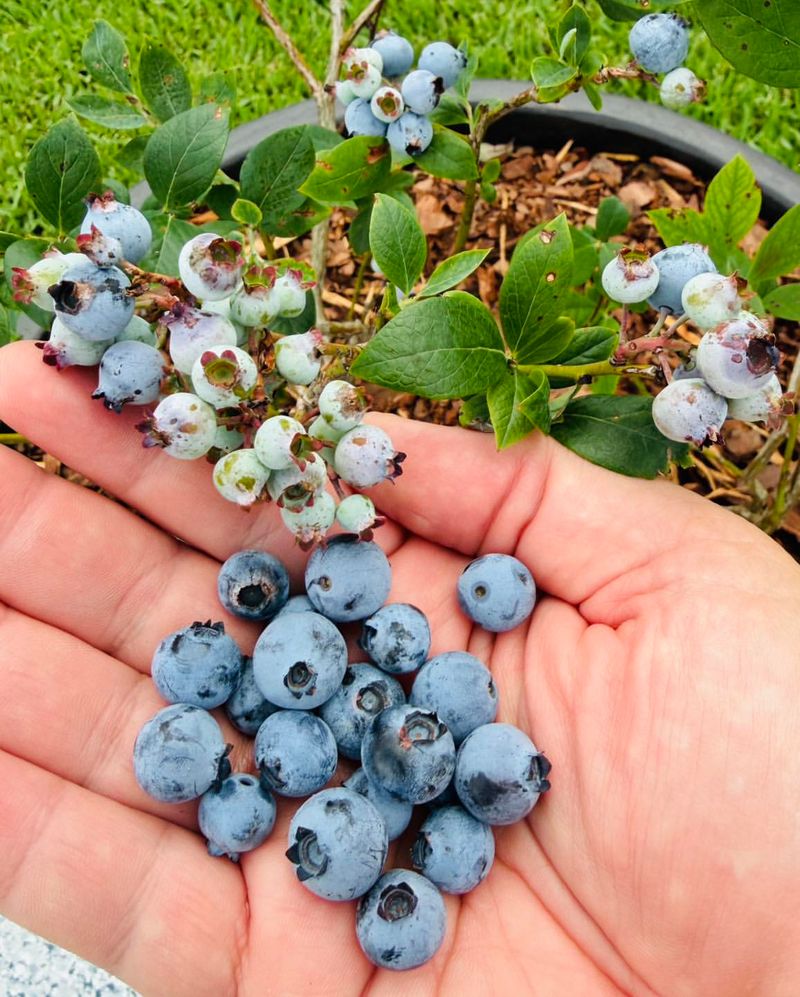
Few plants earn their place in a front yard quite like blueberries. They look like a carefully chosen landscape shrub all year long, and then summer comes and they reward you with buckets of sweet, fresh fruit.
Most people walking by would never guess they are looking at a food-producing plant. In our state, blueberries are a natural fit.
The acidic, well-drained soil found in much of the western part of the state is exactly what these plants love.
Varieties like Bluecrop, Duke, and Chandler are popular choices that grow well across a range of elevations and climates.
You can even find compact varieties that stay under four feet tall, which makes them perfect for foundation plantings or low borders.
Spring brings delicate white bell-shaped flowers that attract bees and other pollinators. Summer delivers the berries.
Fall turns the leaves a brilliant red and orange that rivals any ornamental shrub you could buy at a nursery. Even in winter, the reddish stems add subtle color to the yard.
Plant at least two different varieties near each other to improve pollination and get a bigger harvest.
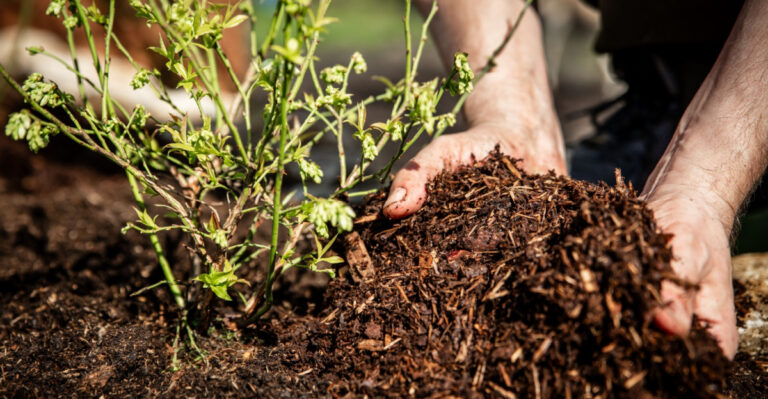
Mulch around the base with wood chips or pine needles to keep the soil moist and acidic. Water consistently during dry summers, especially in the first couple of growing years.
Once established, blueberry bushes can produce fruit for decades, making them one of the smartest investments you can make in your front yard.
2. Artichokes Bring Big Silver Leaves And Dramatic Flower Buds
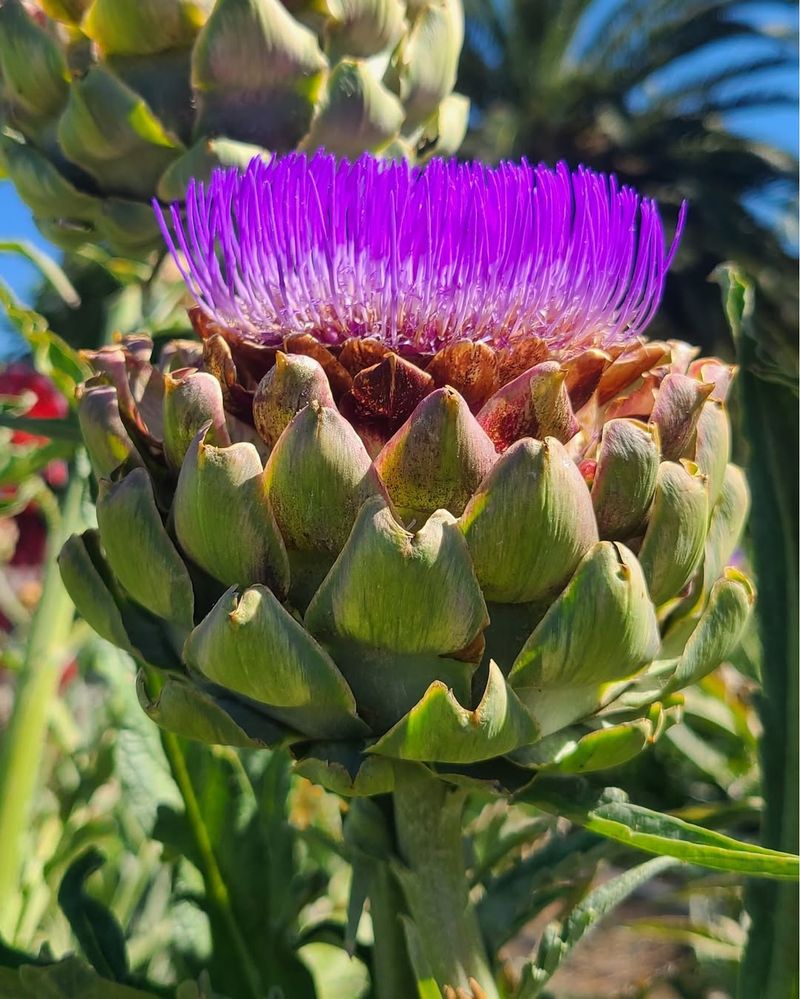
There is nothing subtle about an artichoke plant, and that is exactly the point. The leaves are enormous, arching, and silver-green with a texture that catches light in a way most ornamental plants simply cannot match.
Planted near the front of a bed or at the corner of a walkway, one artichoke plant becomes an instant focal point.
These plants thrive in the mild, wet winters and warm summers found in the western valleys of our state.
They are perennials here, meaning they come back year after year once established. In colder inland or northern regions, they may need a little extra mulching in winter to protect the roots, but they are surprisingly tough plants.
Your Oregon Garden Changes Every Week. Your Plan Should Too.
Gardening in Oregon changes quickly throughout the season. Every Friday you’ll receive a simple weekly plan showing exactly what to plant, prune, fertilize, harvest, and protect so you never miss the right timing.
The flower buds are the part most people recognize as food. Harvest them before they open and you have a delicious vegetable for steaming or grilling. If you miss the harvest window and the buds open into full bloom, do not worry.
The purple thistle-like flowers are absolutely stunning and attract bees from across the neighborhood.
Give artichokes plenty of space because they can spread four to five feet wide. They prefer full sun and rich, well-drained soil. A little compost worked into the planting hole goes a long way.
Water deeply but not too frequently. Once they settle in, they grow fast and bold, giving your front yard a look that feels almost tropical and completely unique on the block.
3. Lavender Makes The Walkway Smell Amazing
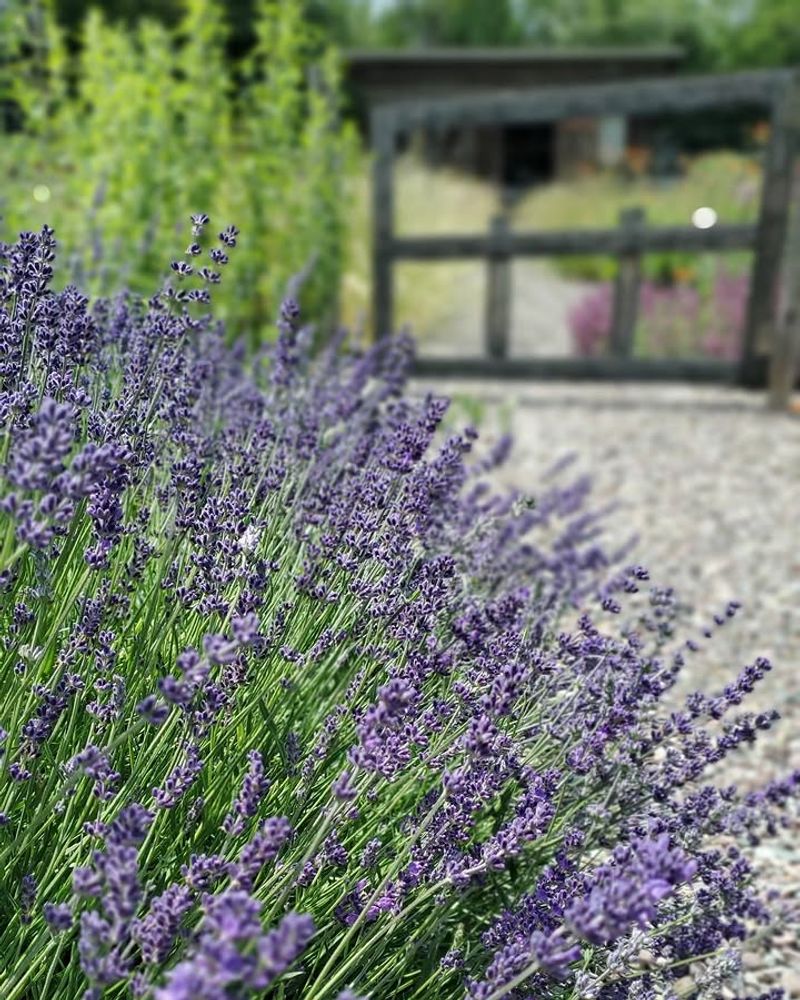
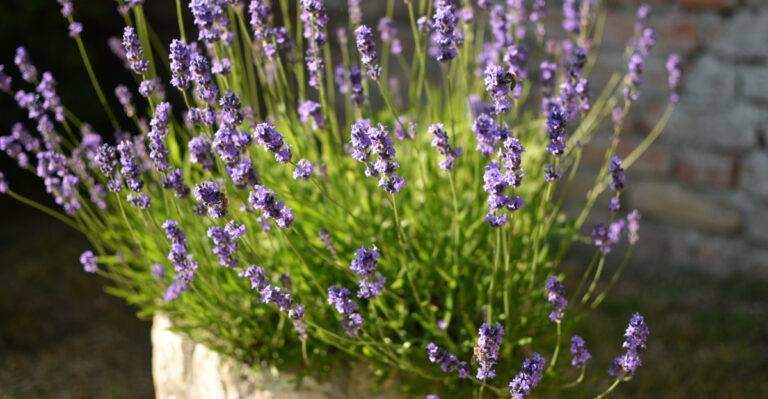
Picture yourself walking up to your front door through a cloud of soft purple blooms and one of the most calming scents in the plant world.
That is what lavender delivers every single day from late spring through summer. It is a plant that works on every single sense at once.
Lavender is well-suited to the drier eastern parts of our state and also does beautifully in the sunnier spots found in the western valleys.
It needs good drainage above almost anything else. If your soil stays too wet in winter, plant lavender in raised beds or on a slight slope where water moves away from the roots quickly.
Sandy or rocky soil is no problem at all for this plant. English lavender varieties like Hidcote and Munstead are compact, cold-hardy, and reliable bloomers.
Spanish lavender has that distinctive winged top that looks almost whimsical in the garden. Both are edible and can be used in baking, teas, and even savory dishes like roasted chicken or lamb.
Trim lavender back by about one-third after it finishes blooming to keep it tidy and encourage more flowers the following year.
Do not cut into the woody base because the plant struggles to regrow from old wood. Plant it in full sun and skip the heavy fertilizer since lavender actually prefers lean soil.
Bees absolutely love it, so expect your front yard to buzz with pollinator activity all season long.
4. Rosemary Stays Handsome And Useful All Year
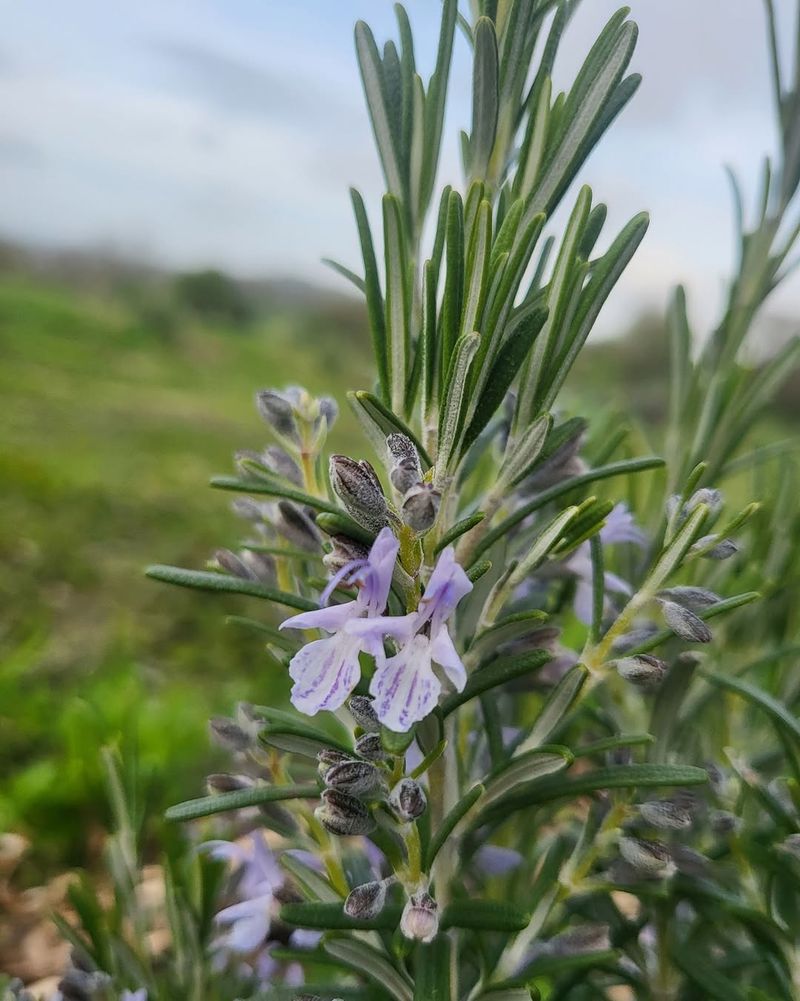
Some plants look great for a season. Rosemary looks great for every season, every year, without much help from you at all.
It is evergreen, which means even in the gray, rainy months that our state is known for, there is still something green and structured in your front yard holding the design together.
Rosemary can grow into a full shrub over time, reaching three to four feet tall and wide depending on the variety.
Upright varieties like Tuscan Blue work well as low hedges or border plants. Trailing varieties like Prostratus are beautiful spilling over a retaining wall or the edge of a raised bed.
Both produce tiny blue or purple flowers in late winter and early spring that pollinators appreciate before much else is blooming.
The needle-like leaves have a rich, piney, slightly citrusy fragrance that releases every time you brush past the plant.
Fresh rosemary is one of the most versatile kitchen herbs around. Use it with roasted vegetables, bread, olive oil, marinades, and more. Snipping a few sprigs never hurts the plant and actually encourages bushier growth.
Rosemary loves heat, sun, and excellent drainage. Plant it against a south or west-facing wall to capture reflected warmth if you live in a cooler coastal area.
In the drier eastern regions, it may need supplemental watering through the hottest months.
Once established, it is remarkably drought-tolerant and low-maintenance, making it a true workhorse plant for a beautiful, edible front yard.
5. Sage Adds Soft, Silvery Texture To The Border
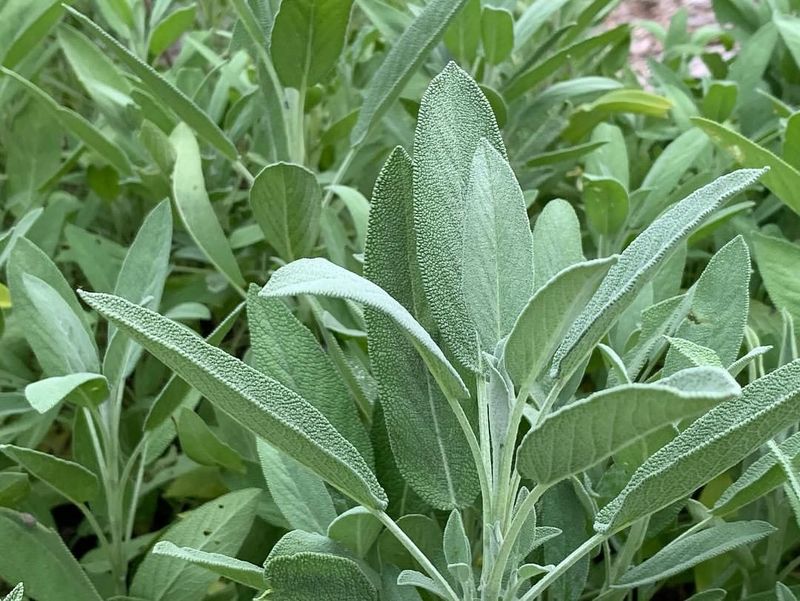
Not every plant needs to shout to get attention. Sage earns its spot in the front yard through quiet elegance.
The leaves are soft, slightly fuzzy, and carry a cool silver-green tone that plays beautifully against bolder greens or the warm tones of brick and wood siding. It is the kind of plant that makes a whole bed look more polished just by being in it.
Common culinary sage is a perennial in most parts of our state and comes back reliably each spring.
Purple sage, golden sage, and tricolor sage are beautiful varieties that add even more color to the mix. They all have the same savory flavor and work wonderfully in the kitchen for stuffing, sauces, butter, and roasted meats.
Growing different varieties together creates a layered, textured look that feels intentional and designed.
Sage grows to about two feet tall and wide, making it an ideal mid-border plant. It pairs especially well with rosemary and lavender since they all prefer similar conditions: full sun, lean soil, and sharp drainage.
Avoid overwatering because sage roots are prone to rot in soggy conditions. Trim the plant back in early spring before new growth starts to keep it compact and prevent it from getting too woody at the base.
After a few years, you may want to replace older plants with fresh ones if they start looking scraggly. Propagating from cuttings is easy and free.
Sage also attracts hummingbirds and bees when it flowers, adding even more life to your yard.
6. Chives Give You Purple Blooms And Kitchen Flavor
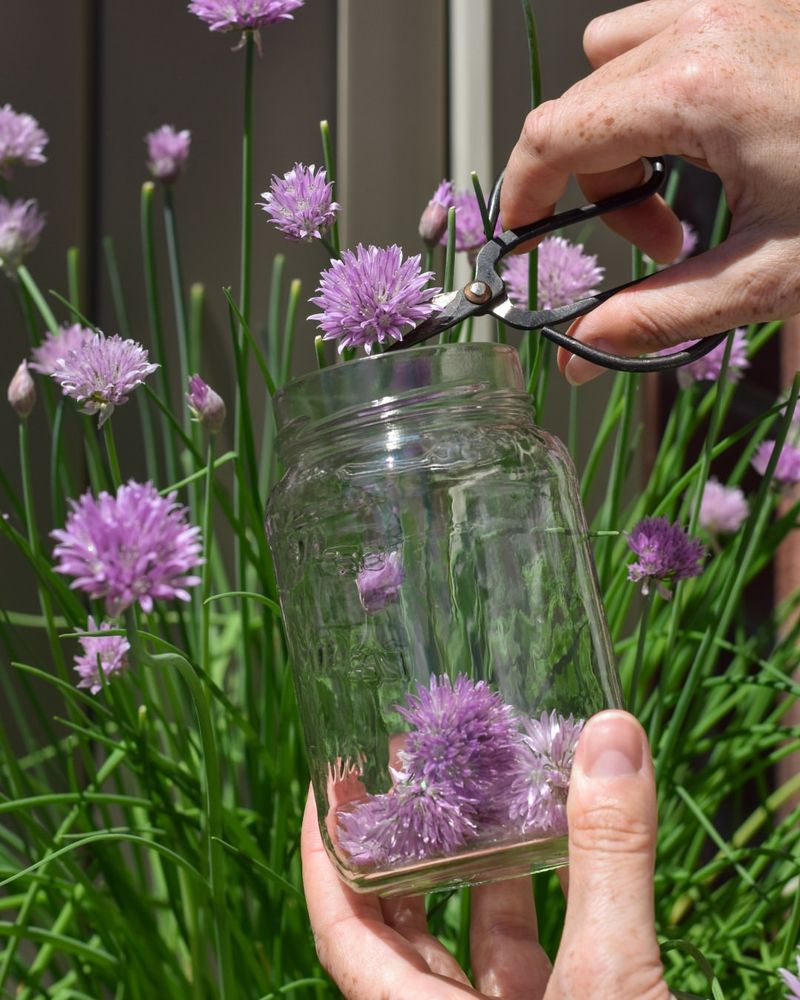
There is something almost cheerful about a clump of chives in full bloom. The round, purple pompom flowers sit on top of tall, slender green stems and look like something out of a storybook garden.
They bloom in late spring and early spring, depending on your location, and they keep their tidy grass-like form all season long.
Chives are incredibly easy to grow and ask for very little in return. They tolerate partial shade, though they prefer full sun. They grow in almost any soil as long as it drains reasonably well.
In our state, they naturalize happily and often self-seed, meaning you may find little chive seedlings popping up around the original plant each year. That is a bonus, not a problem.
The leaves have a mild onion flavor that works in scrambled eggs, baked potatoes, soups, salads, and cream cheese.
The flowers are also edible and make a beautiful garnish with a subtle onion bite. Both parts of the plant are useful and delicious.
Letting a few flowers go to seed ensures the plant spreads naturally and fills in gaps in your border over time.
Plant chives at the edge of a bed where the flowers can be seen clearly. They pair well with strawberries, which is also a bonus because chives are said to help deter some pests when planted nearby.
Divide clumps every two to three years to keep them vigorous and full. They are one of the most rewarding low-effort plants you can put in a front yard.
7. Nasturtiums Spill Color Over Beds And Pots
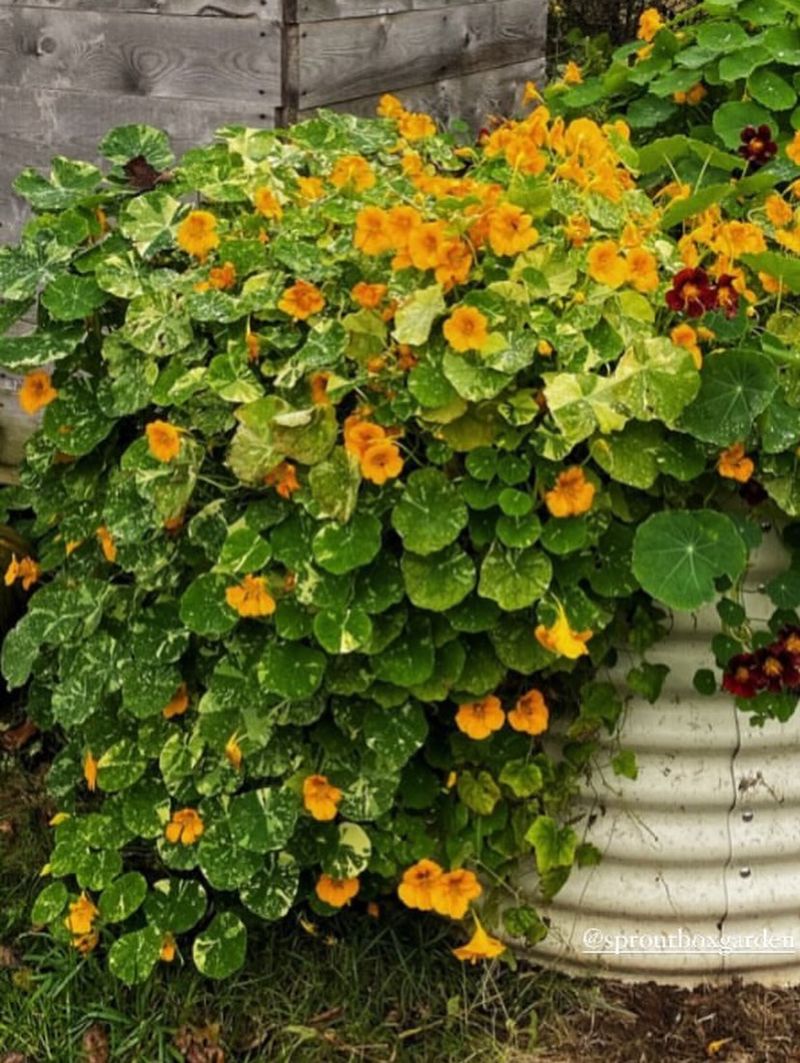
Few plants bring as much color for as little effort as nasturtiums. The flowers come in blazing shades of orange, red, yellow, and cream, and they bloom generously from late spring all the way through the first frost.
The round, lily-pad-shaped leaves are almost as attractive as the flowers, especially when morning dew collects on them in perfect silver droplets.
Nasturtiums are annuals, which means you replant them each year, but they often self-seed so generously that you barely notice. Direct-sow the seeds right into the ground after the last frost date has passed.
They germinate quickly, usually within a week or two, and start blooming fast. No fussing required.
Both the flowers and the leaves are edible and have a peppery, slightly spicy flavor that brightens up salads, sandwiches, and grain bowls.
The flowers make stunning garnishes for everything from cheese boards to cocktails. Some people pickle the seed pods as a substitute for capers, which is a fun kitchen experiment.
Trailing varieties like Jewel Mix or Alaska look gorgeous spilling out of containers or over the edges of raised beds.
Climbing varieties can be trained up a small trellis near a porch or gate for a vertical pop of color. Nasturtiums actually prefer poor soil and do not need much fertilizer.
Too much nitrogen makes them produce lots of leaves and fewer flowers. Plant them in full sun to light shade and water occasionally. They are a front yard showstopper that practically takes care of itself.
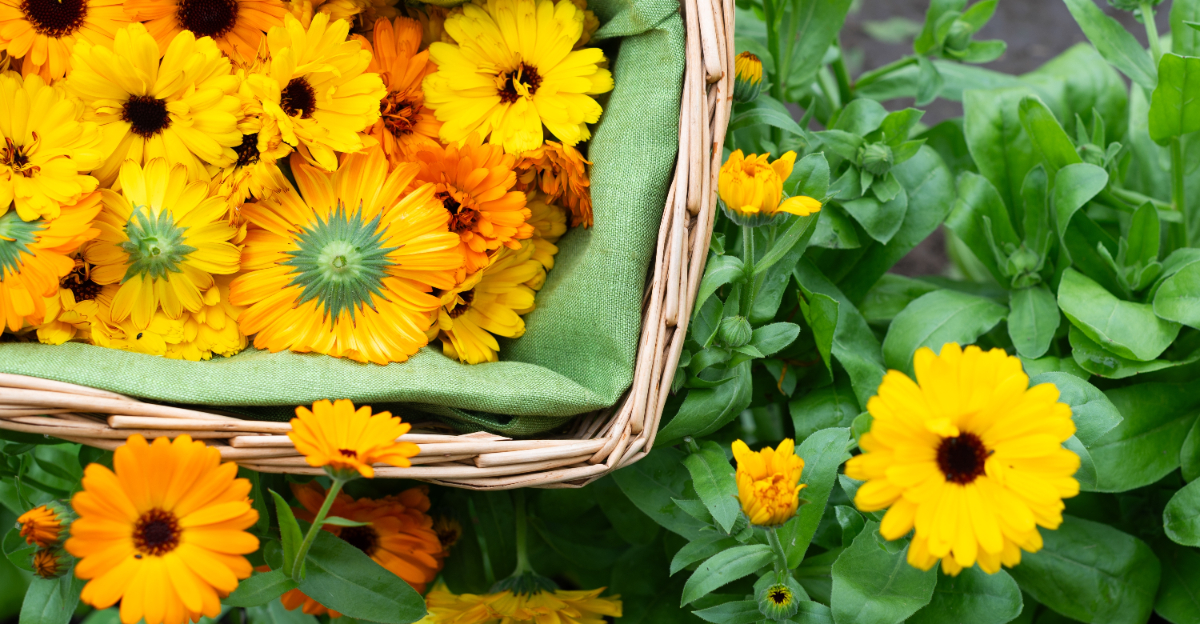
8. Calendula Brightens The Yard With Edible Flowers
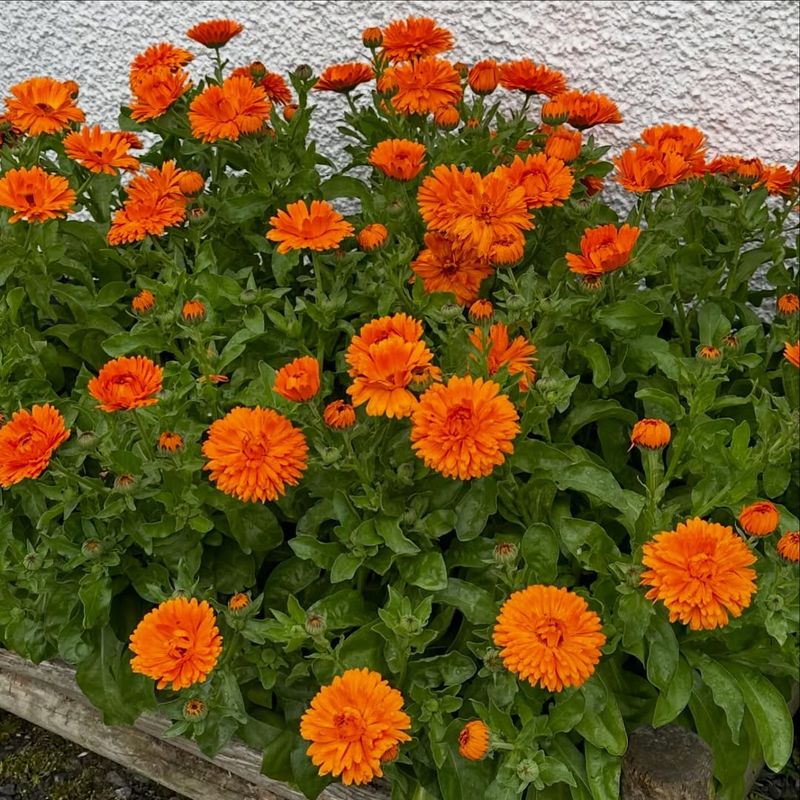
Calendula has been grown in gardens for hundreds of years, and it is easy to understand why. The flowers are a warm, glowing mix of orange, yellow, and gold that light up a front yard even on overcast days.
And in our state, where gray skies are common for much of the year, that kind of cheerful color is genuinely welcome.
Also called pot marigold, calendula is not the same as the common marigold you see at hardware stores.
The flavor is more complex, slightly tangy, and the petals have a long history of use in cooking, herbal teas, and natural skin care.
Sprinkle the petals over salads, soups, rice dishes, or baked goods for a beautiful pop of color and a mild, earthy flavor.
Calendula is a cool-season annual that thrives in our mild springs and falls. You can start seeds directly in the ground as early as late winter in many parts of the state.
It handles light frost without any trouble at all, which makes it one of the first edible flowers you can enjoy each year. Deadhead the spent blooms regularly to keep new flowers coming for months on end.
Plant calendula in full sun for the best blooms, though it tolerates partial shade. It grows about one to two feet tall and looks wonderful in groups or mixed with other border plants.
It also attracts beneficial insects that help protect nearby plants from pests. Saving seeds at the end of the season is simple and gives you a free supply for next year.
9. Strawberries Make A Pretty Groundcover
Ground covers are one of the most practical elements in any front yard design. They suppress weeds, protect soil, and fill space between larger plants.
Most ground covers just sit there looking green. Strawberries do all of that and then hand you a snack on the way to the mailbox.
Everbearing varieties like Seascape and Albion are excellent choices for our state. They produce fruit in spring and again in late summer, giving you two harvests instead of one.
June-bearing varieties produce a single large crop in early summer, which is great if you want enough berries at once for jam or freezing.
Alpine strawberries are smaller-fruited but incredibly ornamental, with a refined, delicate look that suits more formal garden styles.
The plants spread through runners, which means they fill in bare spots naturally over time without any extra effort from you.
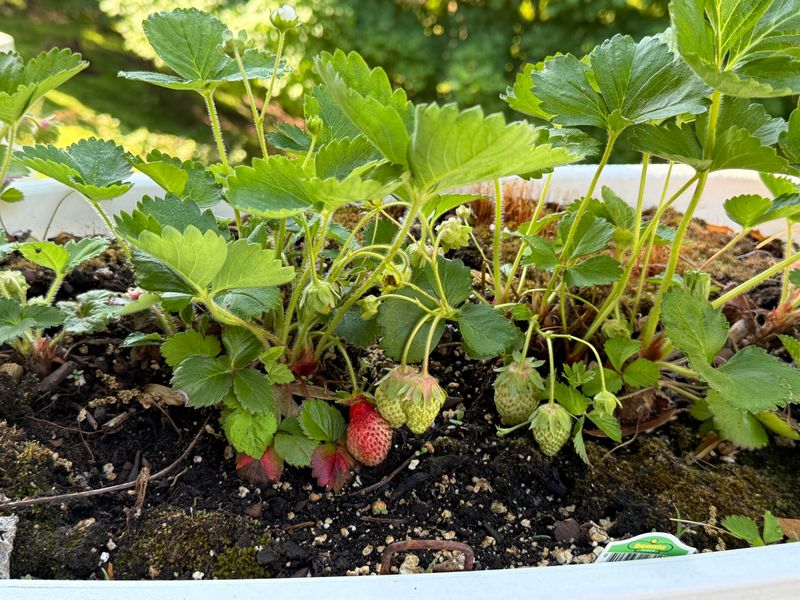
The white flowers are pretty in spring. The bright red berries are stunning against the deep green leaves. In fall, the foliage often takes on warm red tones before winter sets in.
Plant strawberries in full sun for the sweetest fruit and the most vigorous growth. They do well in raised beds, along borders, or cascading over the edges of retaining walls. Amend heavy clay soil with compost before planting to improve drainage.
Refresh your planting every three to four years by replacing older plants with new runners to keep the patch productive and looking its best year after year.