How Often To Change Hummingbird Nectar In A Cool California November
A hummingbird’s heart can race past 1,200 beats per minute while it feeds. That tiny engine burns through sugar so fast that a bird may visit hundreds of flowers or feeders in a single day.
Here’s something worth knowing about late fall in California. Anna’s Hummingbirds stay put all winter in much of the state, and some Allen’s Hummingbirds linger along the coast too.
Your backyard feeder may be one of their most reliable meals once the summer blooms fade.
I have a soft spot for these feisty little regulars. Cooler air buys you a bit more time between refills, but sugar water still spoils quietly, even on gray November days.
So how many days can that feeder really sit before trouble starts? The answer depends less on the calendar and more on what your thermometer says.
1. Cooler Days Stretch Your Hummingbird Feeder Schedule A Little
Cool weather works in your favor at the feeder. Sugar water spoils because yeast, bacteria, and mold feed on it, and those tiny troublemakers slow down when temperatures drop.
That means a November feeder usually stays fresh longer than a July one. Many coastal and inland valley gardens in California see daytime highs in the 60s and low 70s this month, with chilly nights in between.
Here’s where I land after comparing guidance from bird groups like Audubon and the Cornell Lab of Ornithology. Mild temperatures let you stretch nectar a bit, but the sugar solution still breaks down over time.
A feeder that looks fine on day three can turn on you by day six.
I like to treat November as a season of patience, not neglect. The birds have fewer flowers to choose from, so they lean harder on what you offer.
You might be surprised by how much one warm, sunny afternoon changes things. A cool morning can turn into a 78-degree Santa Ana day in Southern California, and that heat speeds up spoilage fast.
So keep one eye on the forecast and the other on your feeder. Weather, not the date, sets the real pace.
2. Plan On Fresh Sugar Water Every Four To Six Days
Most trusted feeder guides land on a simple rule. When daytime highs stay below about 70 degrees, swapping nectar every five to six days is a solid target.
Highs in the 70s call for a tighter schedule of roughly three to four days. Once temperatures climb into the 80s, plan on every two days, and above 90, change it daily.
For a typical cool November in places like the Bay Area, Sacramento Valley, or San Diego, I aim for about twice a week. Some experts prefer that steadier rhythm because it removes the guesswork.
A Sunday and Wednesday routine is easy to remember.
Fill your feeder only partway if birds drain it slowly. A few ounces that get finished in a few days beat a full reservoir that sits and sours.
Here’s a little trick I love. Make a larger batch of nectar and store the extra in a sealed jar in your refrigerator for up to about two weeks.
Then refills take seconds, and you’re less tempted to stretch an old batch. Let the chilled nectar warm to room temperature before you hang it outside for your visitors.
3. Cloudy Nectar Or Black Specks Mean The Feeder Needs Attention
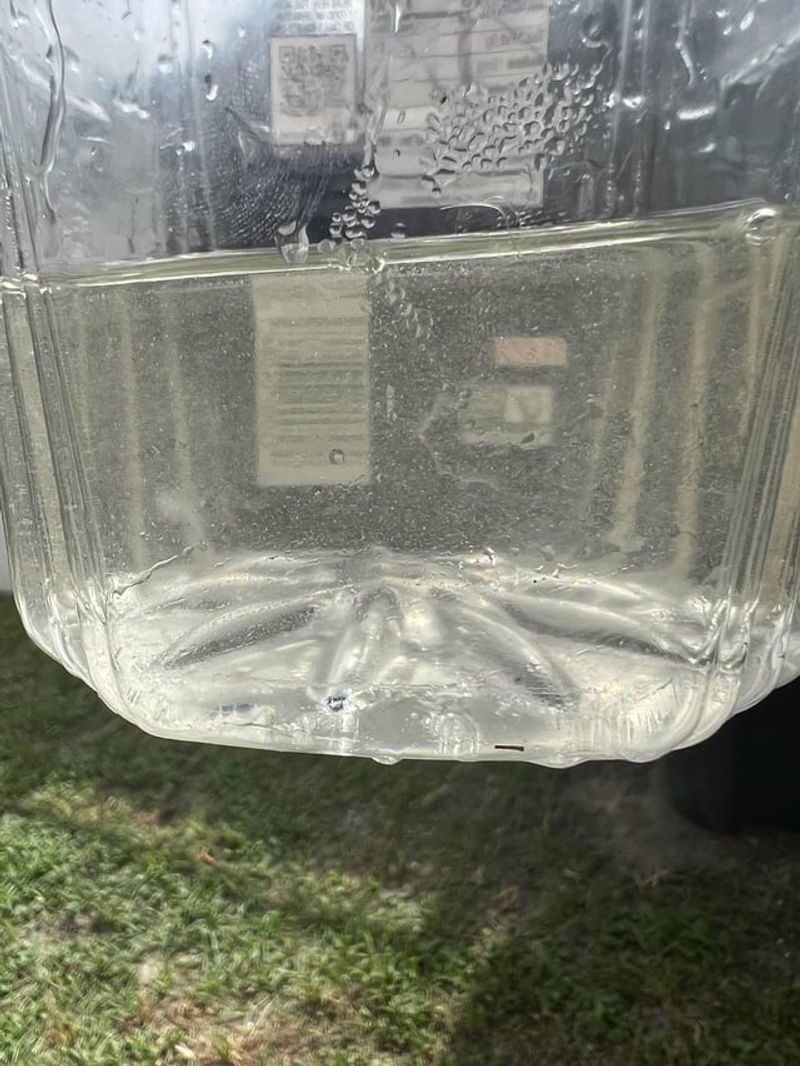
Fresh nectar looks a lot like plain tap water. Crystal clear is what you want to see every time you glance at the reservoir.
Trouble shows up in a few telltale ways. Watch for cloudiness, a milky or yellowish tint, white stringy strands floating inside, or black spots clinging to the feeding ports.
Give it a sniff when you take it down. A sour, yeasty, or vinegar-like smell means fermentation has started, and that batch belongs down the drain.
I’m always surprised by how sneaky black mold can be. It often hides in the little flower-shaped ports where you can’t see it from across the yard.
Another clue comes from the birds themselves. If your regular Anna’s Hummingbird suddenly skips the feeder, spoiled nectar might be the reason.
These birds are picky for good reason.
Bees and ants can also hint that something is off, especially if they crowd leaky ports. Drips attract crowds and gunk.
Spotting any of these signs means it’s time for a full change and a scrub. No amount of topping off fixes a soured feeder, so start fresh with a clean slate.
4. Spoiled Nectar Can Make Tiny Hummingbirds Sick
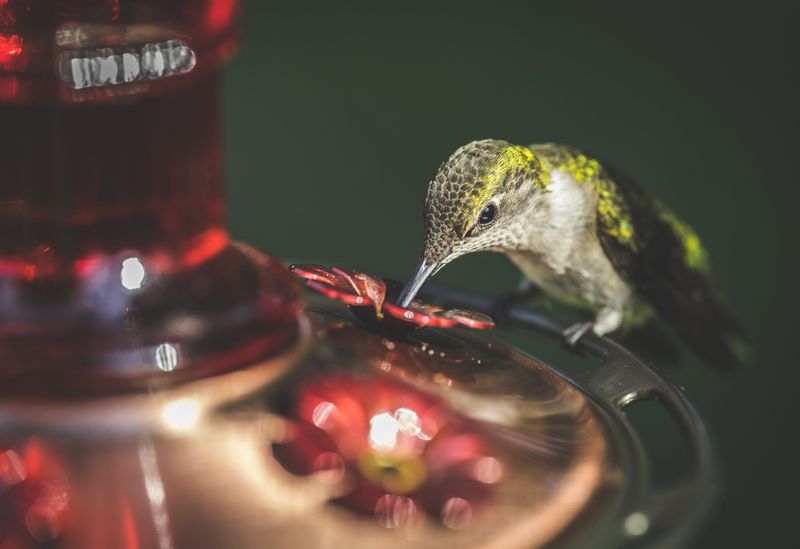
Hummingbirds weigh about as much as a nickel, so small problems hit them hard. Old nectar can grow yeast, bacteria, and mold that may harm their health.
Bird experts warn that fermented sugar water and moldy feeders can lead to illness. One concern is a fungal infection sometimes linked to dirty feeders, which may cause swelling of the tongue and trouble feeding.
Researchers are still studying how often feeder conditions cause these problems in wild birds. Still, the safest choice is clear and simple, since fresh nectar removes the risk.
What I find interesting is how much these birds rely on speed. A hummingbird that can’t feed well quickly runs low on energy, especially on cold nights.
On chilly evenings, hummingbirds can drop into torpor, a deep rest where their body temperature and heart rate fall to save fuel. They wake up hungry and need a quality meal right away.
That morning sip matters more than most people realize. Think of your feeder as their breakfast table after a long, cold night.
Keeping it clean is one of the kindest things you can do for your feathered neighbors this fall. Small habits add up for them.
5. A Simple Four To One Sugar Recipe Beats Store-Bought Red Nectar
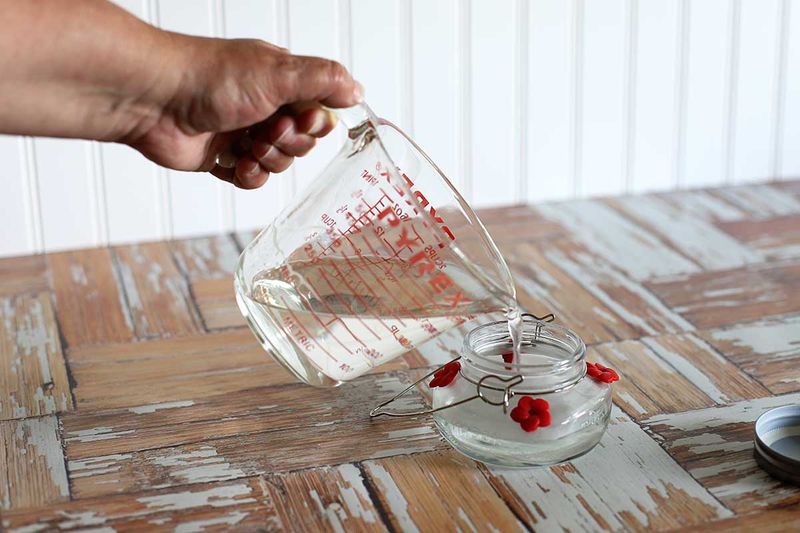
My favorite hummingbird recipe has just two ingredients. Mix one part plain white table sugar with four parts water, and you’ve got nectar that closely matches what many flowers offer.
Stir until the sugar dissolves fully. Many people briefly boil the water first, which helps the sugar mix in and may slow spoilage a little.
Let the mixture cool to room temperature before filling the feeder. Hot nectar can warp plastic parts and isn’t kind to curious birds either.
You might want to think twice about shortcuts. Honey ferments quickly and can grow harmful fungi, while brown sugar, raw sugar, and molasses carry extra iron that hummingbirds don’t handle well.
Artificial sweeteners offer zero energy, so birds burn calories for nothing. Red dye isn’t needed either, since the red parts on most feeders already catch their eye.
Here’s a fun fact I adore. Hummingbirds can lick up to about a dozen times per second using a forked tongue that traps liquid like a tiny pump.
Give that amazing tongue the cleanest sugar water you can. A homemade batch costs pennies and takes about five minutes, so it’s an easy win.
6. Scrub Every Feeder Port With Each Nectar Change
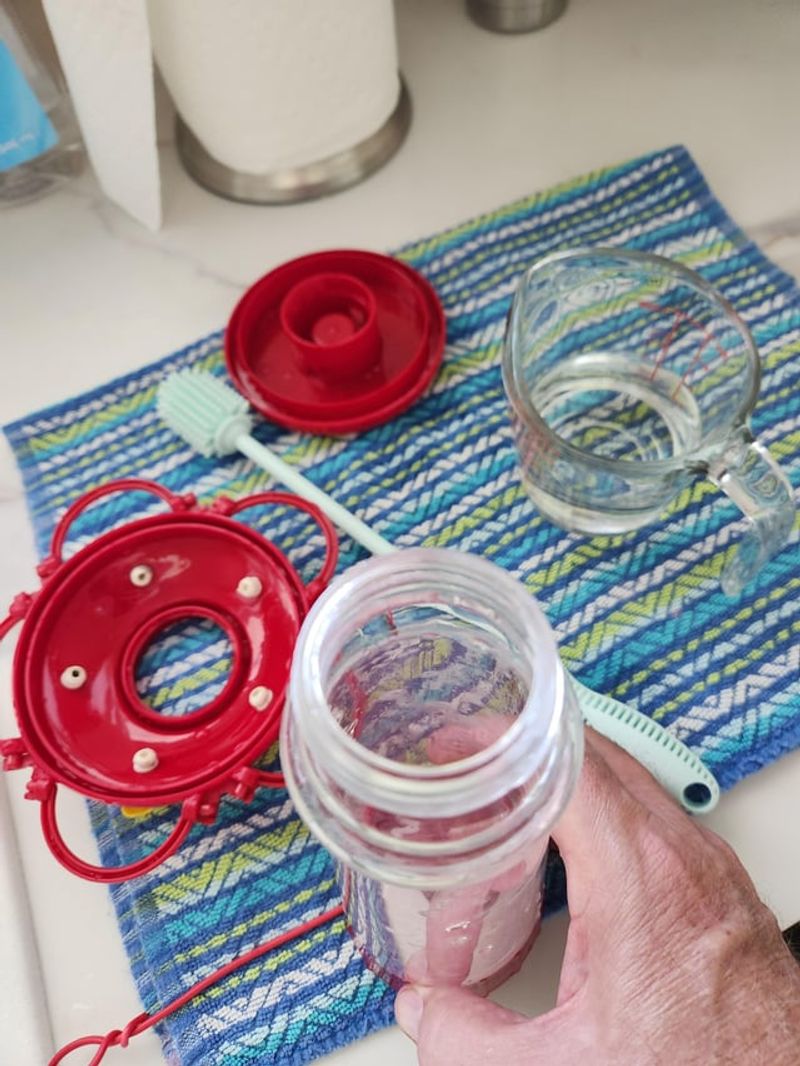
Fresh nectar poured into a grimy feeder loses its freshness fast. Cleaning every time you refill keeps that new batch clear longer.
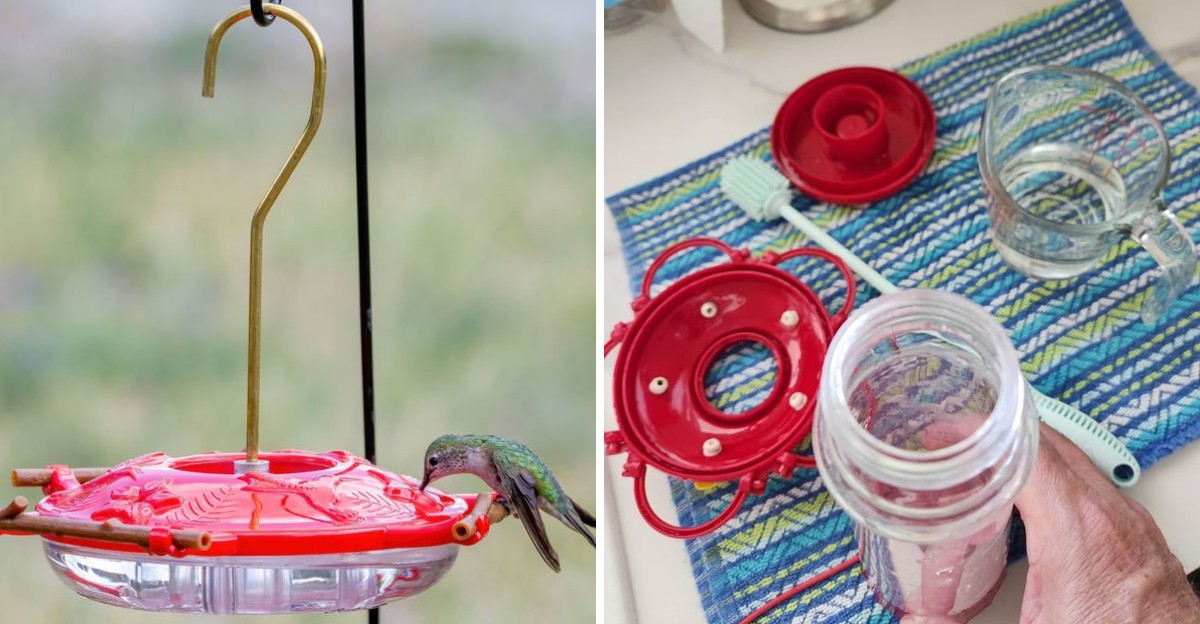
Take the feeder fully apart, including the base, ports, and any bee guards. Rinse everything in hot water and scrub with a bottle brush and a tiny port brush.
For stubborn spots or mold, soak the parts in a mix of white vinegar and water. A ratio around one part vinegar to two to four parts water works well for most feeders.
Some bird groups recommend a weak bleach solution for heavy mold, followed by a very thorough rinse. Whatever you choose, rinse until no smell or residue remains.
Many experts suggest skipping dish soap, since it can leave a film birds may taste. Hot water and scrubbing usually handle routine cleaning just fine.
I keep a second feeder on hand so I can swap them out right away. One dries on the rack while the other serves breakfast.
Choosing a feeder that comes apart easily saves you plenty of frustration. Wide openings and fewer hidden corners mean less gunk and quicker chores on busy November weekends.
7. Shady Feeder Spots And Late Salvias Keep California Hummingbirds Happy
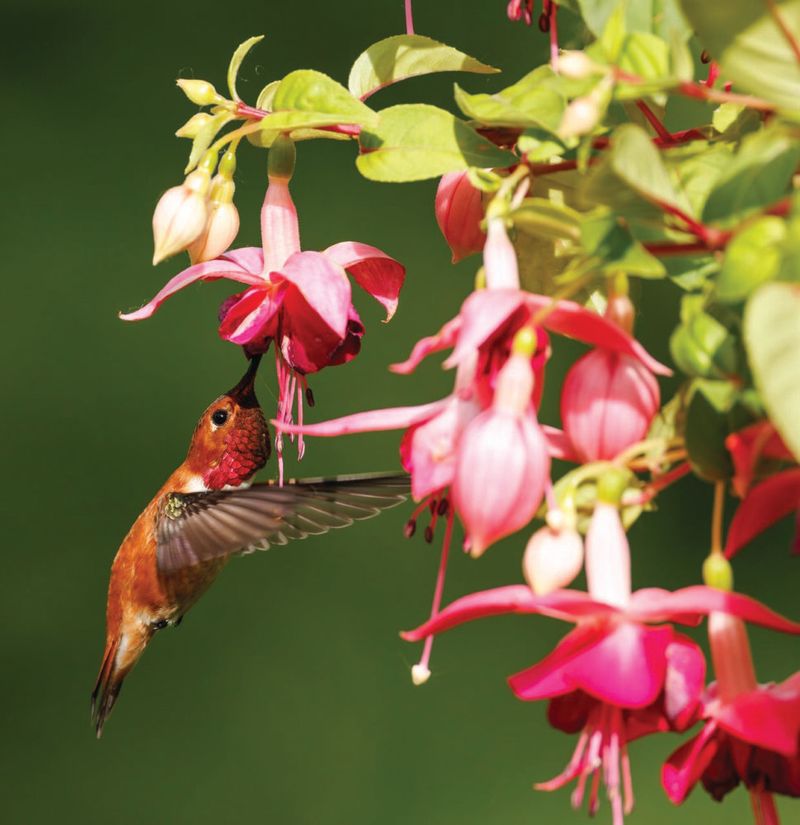
Location quietly shapes how long nectar lasts. A feeder baking in afternoon sun warms up and spoils faster than one tucked into dappled shade.
I like hanging mine where it gets morning light but afternoon shade. That spot helps during surprise warm spells common across California in late fall.
In mountain areas and high desert towns, frosty nights can turn nectar slushy. Bring the feeder inside after dusk and rehang it at first light so birds find breakfast waiting.
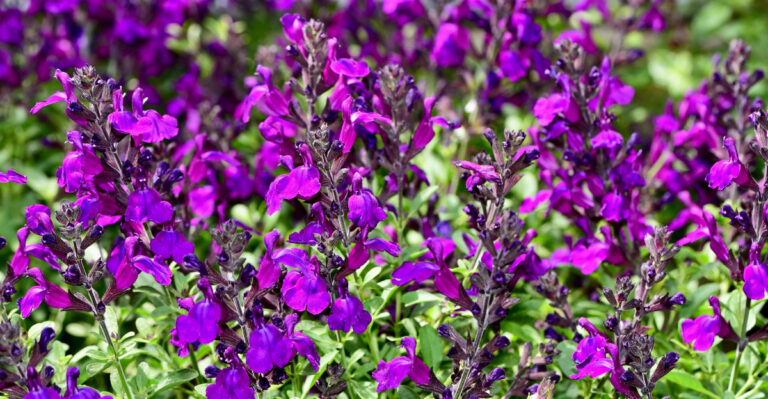
Plants make a wonderful backup to any feeder. Native choices like hummingbird sage, California fuchsia, and manzanita, which starts blooming in winter, offer natural nectar right when birds need it.
Native currants such as chaparral currant bloom in late winter too. Mixing feeders and flowers gives your visitors a reliable menu through the cooler months.
You can see why keeping feeders up all winter makes sense here. Experts note that feeders don’t stop migrating hummingbirds from leaving, so there’s no need to take them down in fall.
Your simple routine of fresh nectar, clean ports, and smart placement adds up. Stick with it, and those buzzing regulars will keep showing up all season long.