Why Drought-Stressed Plants Struggle More In A Virginia Frost
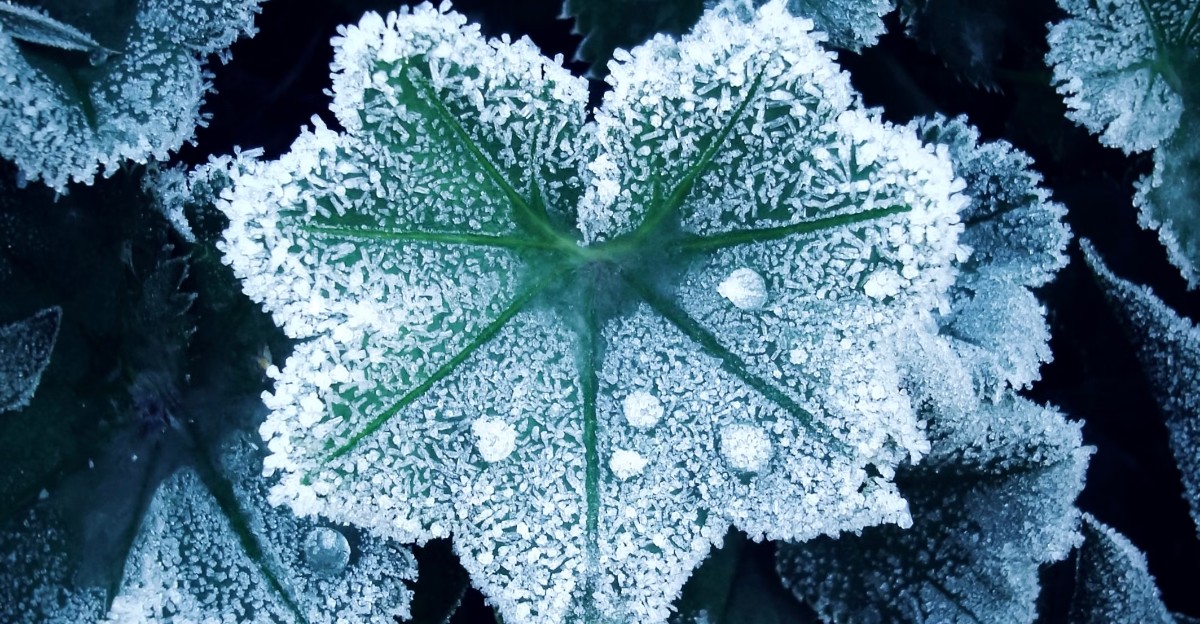
A hard freeze actually dries out a leaf from the inside, pulling water from cells as ice crystals form nearby. Plant scientists describe freezing injury as a kind of sudden drought, which surprised me the first time I read it.
Virginia often sees dry spells in late summer and fall, and plenty of yards head into November with cracked soil. Now the first frosts are arriving, and those thirsty roots and stems are facing a double challenge.
I skipped watering my shrubs one dry autumn and paid for it with crispy brown foliage by late winter. You might notice the same pattern in your own garden once you know what clues to look for.
The connection between dry soil and cold damage runs deeper than most of us ever guess. So what really happens inside a thirsty plant when the thermometer drops below freezing in your Virginia backyard?
1. Droopy Wilted Leaves Lose Their Turgor Pressure Before Frost
Ever poke a water balloon and then poke a half-empty one, feeling the floppy difference right away? Plant cells work much the same way, staying firm thanks to water pressing outward against their walls.
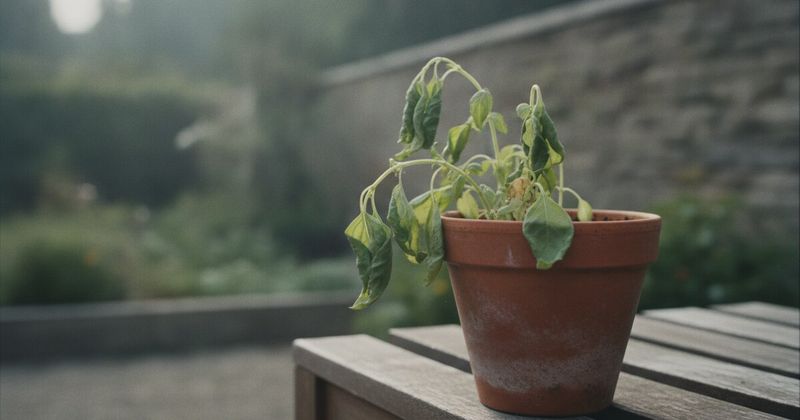
Botanists call that inner push turgor pressure, and it keeps stems upright and leaves spread wide toward the sun. During a long dry stretch, that pressure drops sharply, and you see the result as drooping or curled foliage.
Wilted tissue has fewer resources to protect itself once cold air settles over the garden at night. Its metabolism slows down, and the normal repair work that helps leaves recover from stress struggles to keep up.
I check my hydrangeas and phlox in the late afternoon because that is when thirst usually shows most clearly. If leaves still look limp after sunset, the plant needs a drink before any cold front rolls in.
Remember that some wilting on hot afternoons is normal, especially for large-leaved plants in full sun. The real warning sign is foliage that stays slumped through the cool evening and into the next morning.
Stick a finger about two inches into the soil near the roots to confirm what the leaves are telling you. Dry, crumbly soil at that depth means a slow, deep watering will help firm those tired cells back up.
2. Cracked Dry Soil Holds Less Heat On Freezing Nights
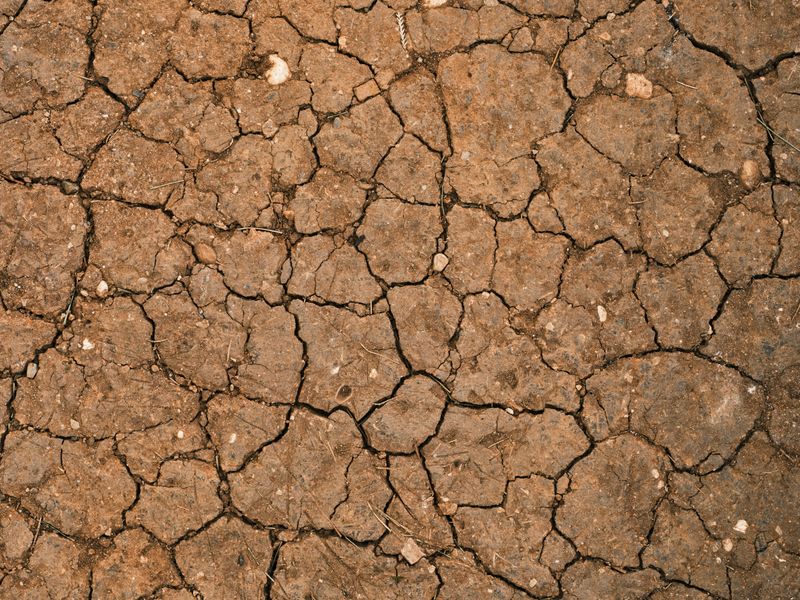
Moist soil acts like a warm brick, quietly soaking up sunshine during the day and releasing it after dark. Dry, cracked ground stores far less warmth to begin with, leaving roots and lower stems more exposed.
Water holds heat far better than air, and soil pores packed with air store and conduct heat poorly by comparison. That simple physics lesson explains why extension specialists recommend watering ahead of a predicted freeze in many gardens.
After I tested this in two raised beds one October, the watered bed showed noticeably less frost on low leaves. My little experiment was hardly scientific, but it matched what university horticulturists have been saying for years.
Mulch helps the soil hang onto that moisture and warmth once you have watered the bed thoroughly. Spread two to three inches of shredded bark, straw, or chopped leaves around the base of each plant.
Keep the mulch a few inches away from trunks and stems, because piled material against bark invites rot. A loose donut shape works better than a tight volcano, letting air move while still sheltering the root zone.
Low spots in the yard deserve extra attention, since cold air drains downhill and settles there like water. Those frost pockets combined with dry soil can create the harshest conditions anywhere on your property during clear nights.
3. Ice Crystals Pull Water Out Of Already Dry Plant Cells
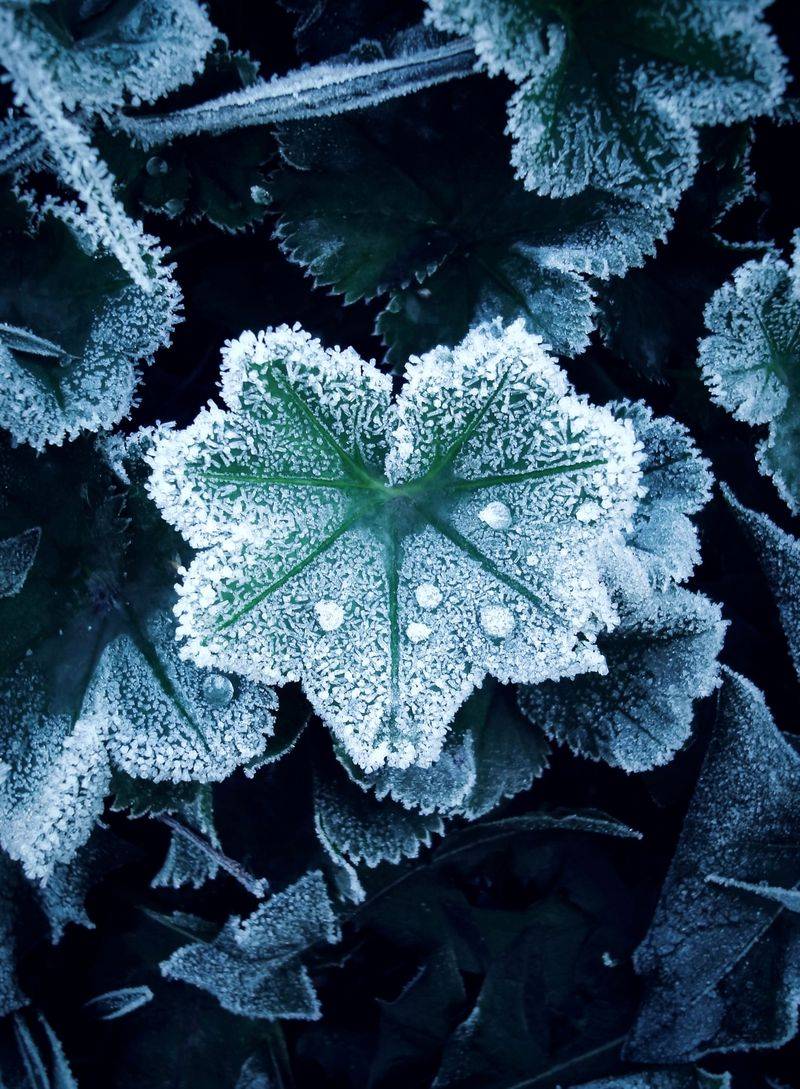
Frost crystals look delicate on a leaf, but they behave like tiny sponges that soak up water from nearby cells. Most ice in hardy plant tissue forms between cells, not inside them, and that ice keeps drawing moisture outward.
A healthy plant can handle some of that pull because its cells start the night with plenty of water. A drought-stressed plant begins the freeze already parched, which matters in Virginia, where a dry autumn is often followed by a sudden cold snap.
The extra drying pushes its cells much closer to their limit. I like to think of it as asking a tired runner to sprint one more mile. When cells dehydrate too far, their membranes can be injured, and the contents leak out once temperatures rise again.
You can spot that injury the next morning as dark, water-soaked patches that later turn brown and papery. Virginia gardeners often see those patches first on the thinnest leaves and the newest growth at branch tips.
The best defense is surprisingly simple, and it starts with your hose a day or two before a freeze. Deep watering while the ground is still unfrozen helps cells start the cold night with a fuller reserve.
Aim for a slow soak that reaches several inches down rather than a quick sprinkle on the surface, which is especially helpful in a Virginia garden with heavy clay soil. Water in the morning when possible, so foliage dries off before the coldest hours of the night arrive.
4. Thirsty Tree Roots Run Low On Stored Sugars
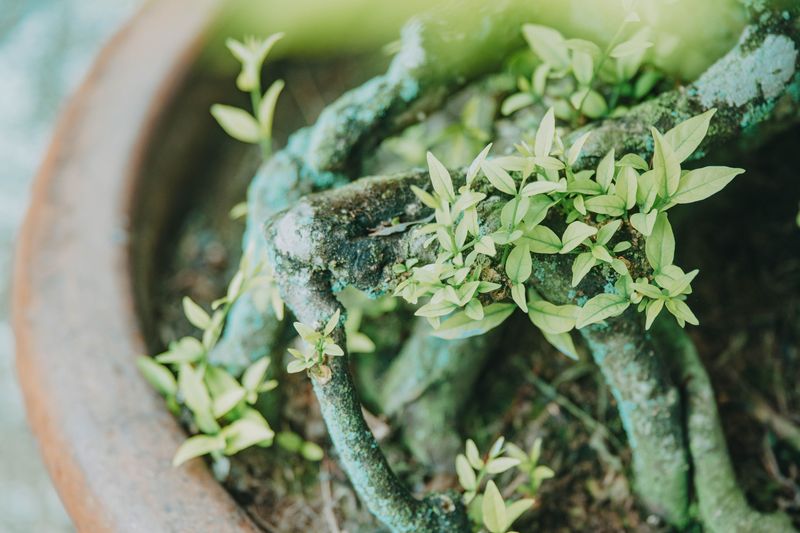
Plants quietly stockpile sugars and starches all summer, a bit like squirrels hiding acorns for leaner months ahead. Those reserves fuel the internal changes that help tissue harden off and tolerate colder weather later in the year.
Drought interrupts that saving plan because thirsty leaves close their pores and make less food through photosynthesis. Research suggests that mild dry spells can sometimes prime plants for cold, but severe, extended drought may drain those reserves instead.
That nuance fascinates me, since it shows plants are not simple machines that respond the same way every time. The length and intensity of the dry stretch seem to matter a great deal for how well tissues handle frost.
Dissolved sugars inside cells also act like a natural antifreeze, lowering the point where water turns to ice. A plant that went hungry all summer may carry fewer of those protective compounds into its first cold nights.
You can help rebuild some strength by keeping established plants watered through dry fall weeks until the ground freezes. Leave healthy foliage in place as long as it stays green, because those leaves keep producing food until they drop.
Avoid heavy pruning on stressed trees and shrubs this time of year, since cutting removes stored energy along with branches. Save major shaping jobs for late winter, when you can see the structure clearly and judge any cold damage.
5. Newly Planted Trees And Shrubs Have Shallow Thirsty Roots
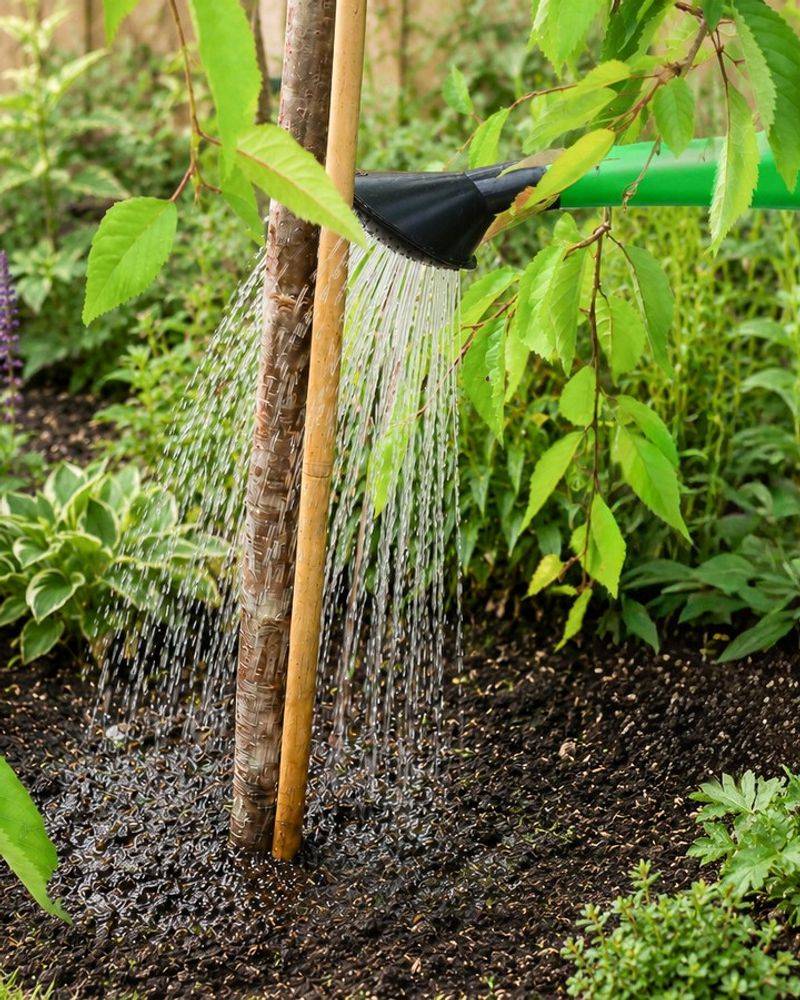
That adorable sapling you planted last spring still has a root system roughly the size of its original nursery container. It might look settled, yet its roots probably have not reached far into the surrounding soil to find moisture.
Extension experts note that new trees and shrubs often need one to several years to establish, depending on their size. During that window, a dry summer hits them harder than older neighbors with deep, wide-ranging roots.
I learned this lesson with a river birch that sulked for two seasons after a parched first summer. Its twig tips browned the following spring, and I suspect the dry fall left it poorly prepared for winter.
Young plantings benefit from a long, slow soak about once a week when rainfall runs short in autumn. A soaker hose or a slow-release watering bag delivers water gradually, letting it sink down instead of running away.
Focus water on the original root ball first, then gradually widen the area as the plant grows over time. Keep watering until the soil freezes, because evergreen transplants especially continue losing moisture through their foliage on mild days.
Fresh mulch rings help too, as long as you keep them wide, shallow, and pulled back from the trunk. A circle about three feet across protects roots and keeps the lawnmower from bumping that tender young bark.
6. Holly And Rhododendron Leaves Dry Out In Winter Wind
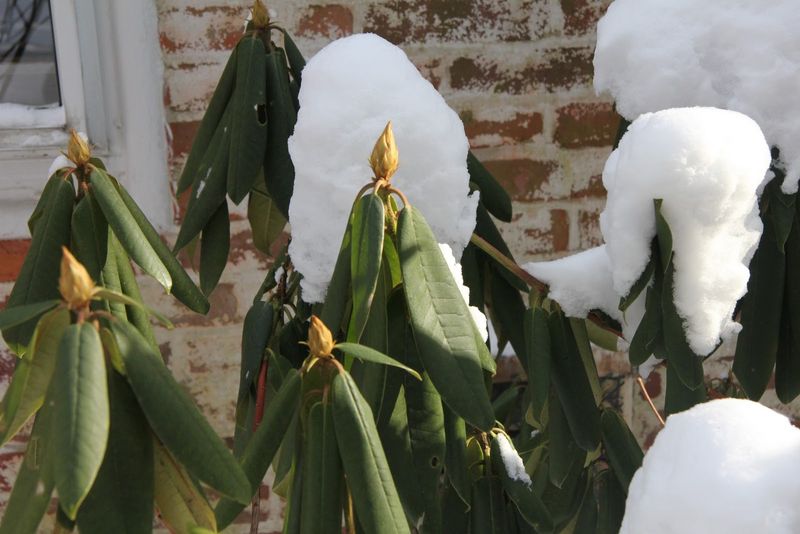
Rhododendron leaves curl into tight little cigars on frigid mornings, a clever trick that reduces moisture loss. Even with that clever habit, evergreens keep losing water through their leaves all winter long, especially on sunny, breezy days.
Hollies, laurels, yews, and arborvitae face the same problem whenever the ground freezes solid around their roots. They cannot pull up fresh water to replace what blows away, so leaf edges and needle tips scorch brown.
Gardeners call this winter burn, and drought makes it far more likely because plants start the season already short. I see it most on south and west sides of shrubs, where afternoon sun and wind combine forces.
Deep fall watering is the most helpful step, giving evergreens a full tank before the soil locks up. On mild winter days when the ground thaws, another drink can top off plants that faced a dry autumn.
Anti-desiccant sprays can add a thin coating that slows water loss from foliage during harsh, windy stretches. Research shows mixed results, though, and these products do not prevent the cell drying caused by ice forming inside tissue.
Burlap screens set a foot or so from exposed shrubs can break the wind without trapping moisture against leaves. Skip plastic wraps, which can overheat in sunshine and encourage fungal trouble once temperatures swing back upward.
7. Late Fertilizer Pushes Tender Green Shoots Into Cold Snaps
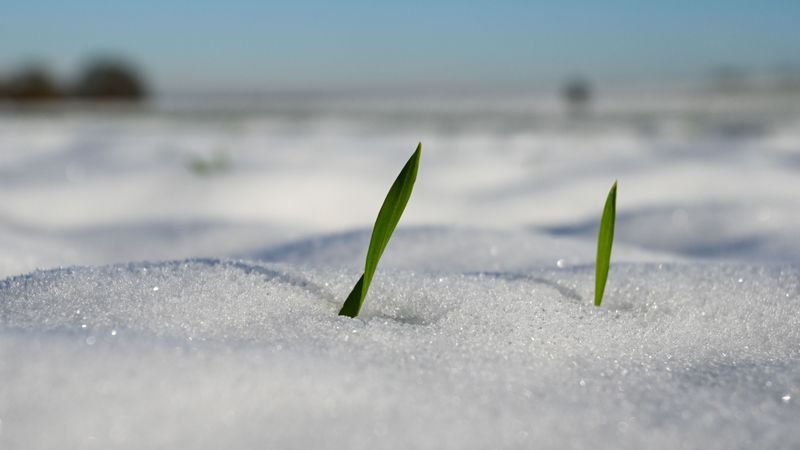
Feeding a struggling plant feels like the kind thing to do after a rough, dry summer in the garden. Unfortunately, a late dose of nitrogen often triggers soft new shoots right when the plant should be slowing down.
Fresh growth is packed with water and has thin cell walls, so it handles freezing temperatures poorly. Those tender tips often blacken overnight after the first hard frost, while older, hardened stems nearby stay mostly unharmed.
Drought-stressed plants are especially tempting to fertilize, because pale leaves seem to beg for a nutrient boost. Yet dry roots absorb fertilizer poorly, and salts left in parched soil can actually add more stress to the plant.
I now put the fertilizer bag away by late summer for most woody shrubs and perennials in my beds. That pause lets plants harden their stems gradually, which seems to bring them through winter with far fewer damaged tips.
Water should come first whenever a plant looks tired after a drought, since moisture fixes more problems than food. A soil test from your local extension office can tell you whether nutrients are really lacking at all.
If frost does nip some tips, resist the urge to fertilize right away or prune immediately in a panic. Wait until spring growth begins, then trim back only the brown portions to healthy buds you can clearly see.
8. Dogwoods And Japanese Maples Struggle After Dry Summers

Our state tree, the flowering dogwood, has shallow roots that sit close to the surface like a doormat. That design suits rich woodland soil, but it leaves the tree especially sensitive whenever summer rain runs short.
Japanese maples, birches, beeches, and magnolias share that thirsty reputation, according to horticulture specialists across Virginia. Their leaves often scorch along the edges during hot, dry weeks, a visible clue that roots are struggling to keep pace.
I never get tired of my red Japanese maple, so I baby it with mulch and extra water every dry autumn. A stressed specimen heading into winter may show twig dieback or weak buds once spring finally rolls around.
Give these sensitive trees a deep drink every week or so during dry fall weather, before the ground freezes. Water slowly out to the edge of the branches, since many feeder roots spread wider than the tree canopy.
Container-grown maples need even more attention, because pots dry quickly and roots above ground chill faster than buried ones. Move them into an unheated garage or sheltered corner when a hard freeze appears in the forecast.
A little effort now pays off when those dogwood blossoms open next spring and maple leaves unfurl without brown edges. Healthy, well-watered roots give these beloved trees their best chance at shrugging off whatever winter brings.