The September Crape Myrtle Care Mistakes Virginia Homeowners Keep Making
Your Virginia crape myrtle may still be covered in blooms when September arrives. That can make the pruners feel hard to resist.
But fall trimming and extra care can sometimes do more harm than good. A few common habits can leave trees with fewer flowers, weaker growth, or more problems next season.
The good news is that most crape myrtle mistakes are easy to avoid. Proper fall care helps crape myrtles recover, prepare for winter, and bloom well next year.
1. Pruning Too Late Removes Future Flower Growth
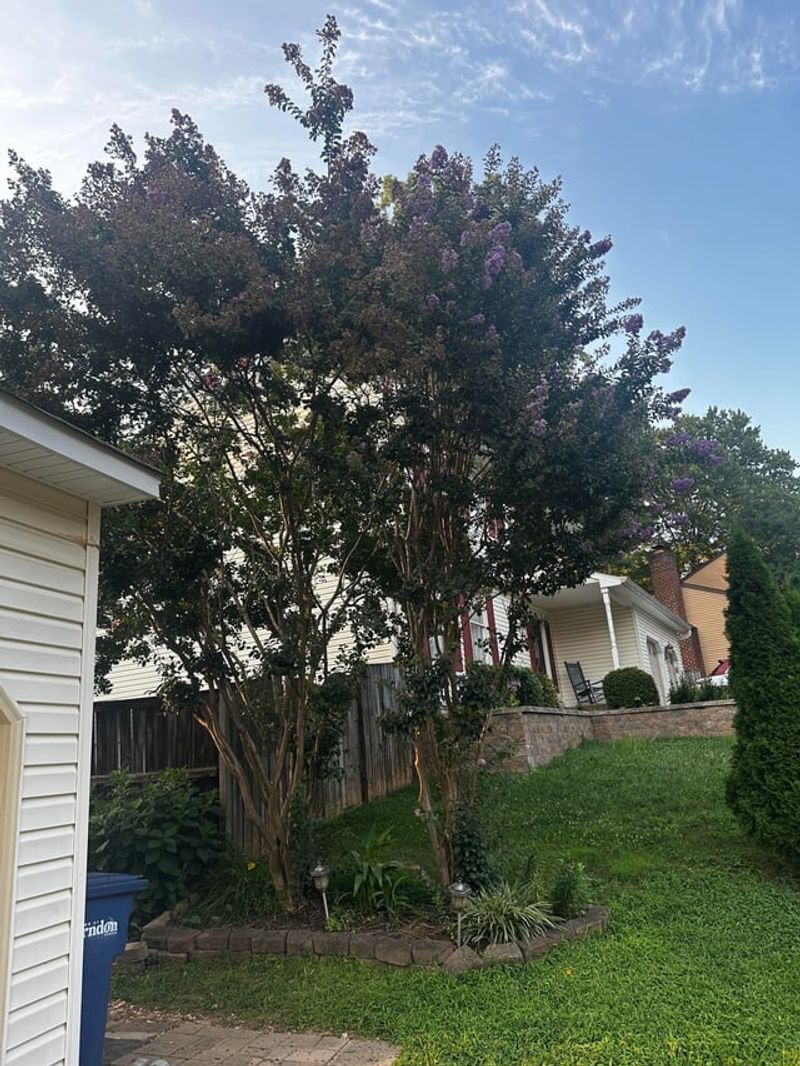
Those pruners feel awfully good in your hand on a cool September morning. Resist the pull, because crape myrtles make their flowers on new growth, so late pruning can reduce the amount of time the plant has to produce flowering shoots.
When you cut in early fall, you are shaping wood the tree is still using to store energy for winter. Snipping now can also wake up soft, tender shoots that have no time to toughen before the first frost rolls in.
Horticulture folks across the state point to late winter or very early spring as the sweet spot for pruning. Late winter or early spring, before new growth begins, works well for most yards.
Timing matters in the other direction too. Prune during a freakishly warm January stretch and new growth may push out, only to get zapped by a surprise cold snap a few weeks later.
If something bugs you right now, stick to the harmless stuff. Snapping off spent seed heads within easy reach or clipping one clearly broken twig will not hurt anything.
Save the real shaping work for the dormant window, when bare branches let you see the structure clearly. You will make smarter cuts and waste far less of the tree’s stored food.
A handy trick: tie a ribbon on branches you want gone, then walk away. Come February, your plan is already mapped out and your summer blooms stay safe.
2. Topping Crape Myrtles Creates Weak Branches
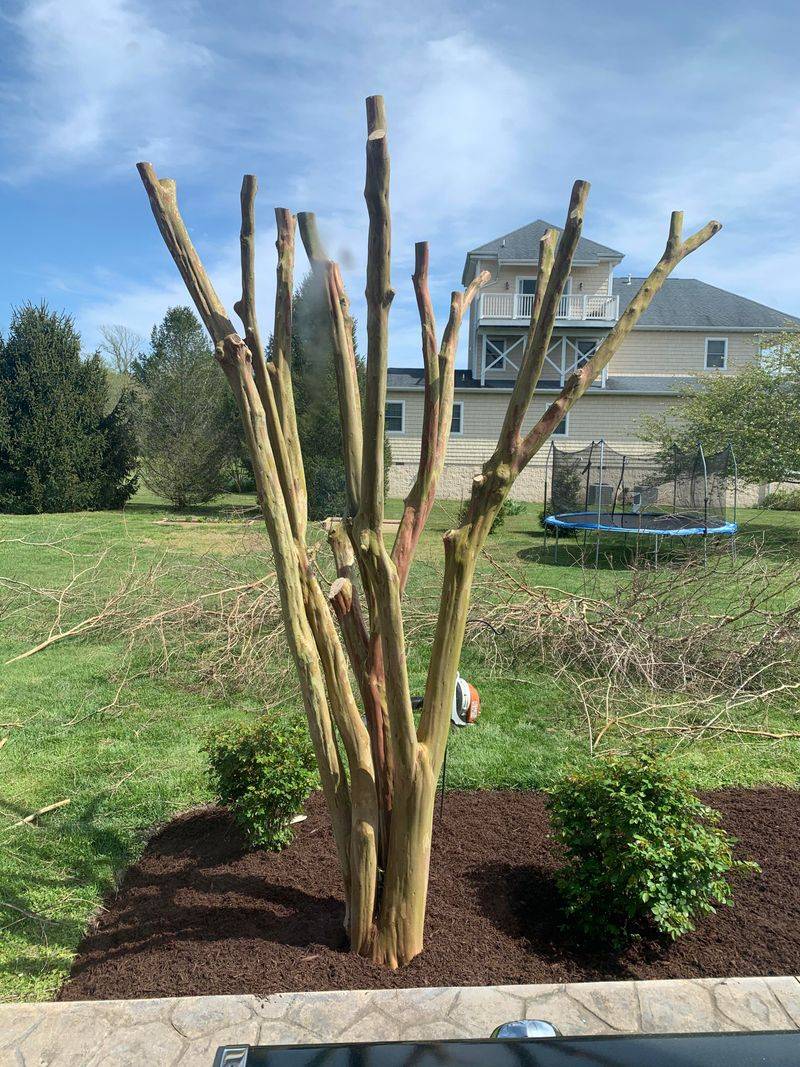
One of the biggest mistakes with crape myrtles is treating them like shrubs that need a yearly haircut.
Cutting large branches back to stubs may seem like a way to control size, but it removes the tree’s natural structure and encourages a rush of vigorous, crowded growth.
Hacking off thick main limbs forces the tree to push out dozens of fast-growing shoots called water sprouts. Those shoots grow upright and create a crowded canopy that is harder to manage.
The real issue is structure. Sprouts that emerge after severe cuts compete for space and can create poorly attached branches as the tree tries to rebuild its canopy.
There is a looks problem too. A crape myrtle’s charm lives in its smooth, mottled trunks and that graceful vase shape, and topping trades all of it for lumpy knuckles.
Big open wounds invite trouble as well. Insects and fungal issues find easy entry, and the tree loses food reserves that were tucked away in the wood you just removed.
Your Virginia Garden Changes Every Week. Your Plan Should Too.
Gardening in Virginia changes quickly throughout the season. Every Friday you’ll receive a simple weekly plan showing exactly what to plant, prune, fertilize, harvest, and protect so you never miss the right timing.
Better approach: thin instead of top. Remove crossing branches, inward-growing twigs, and anything smaller than a pencil, then step back and let the frame breathe.
If your tree already got the stub treatment, recovery is possible. Choose two or three of the strongest sprouts per knuckle, cut the rest, and rebuild the canopy over a few seasons.
Neighbors may keep chopping every year. Yours can be the yard that proves restraint looks better.
3. Overwatering Keeps Roots Under Stress
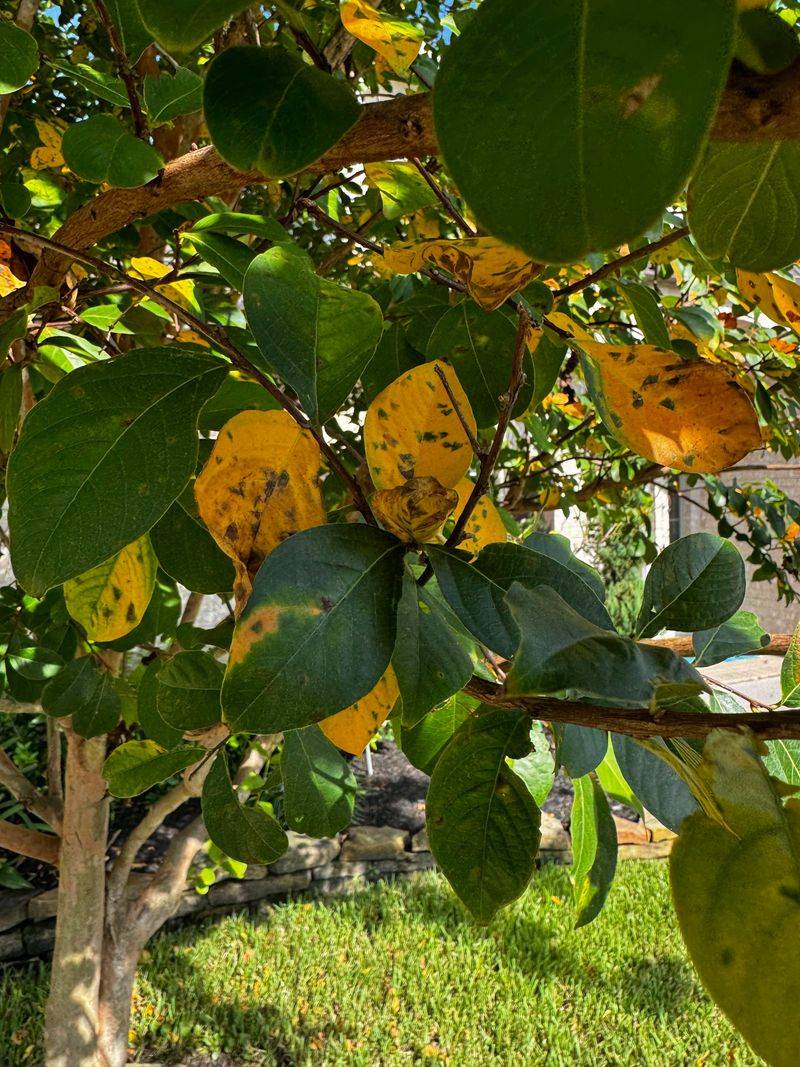
Ask a crape myrtle what it wants and the answer is simple: dry feet and plenty of sun. Soil that stays soggy is one of the quickest ways to take the shine off a healthy tree.
Plenty of Virginia yards sit on heavy clay that holds water like a bowl. Add an irrigation system running on a lawn schedule and the root zone rarely gets a chance to drain.
Watch for the warning flags. Yellowing leaves, droopy branches, and wilting that happens even when the soil feels damp all point toward too much water, not too little.
Constant moisture also sets the table for root rot and leaf spotting. Damp, stuffy conditions can encourage fungal issues like powdery mildew, while sooty mold often appears when insects leave behind honeydew on leaves and branches.
A finger is the best moisture meter you own. Push it two or three inches into the soil, and if it comes out damp, skip watering for a few more days.
Established crape myrtles handle late-summer dry spells surprisingly well. A deep soak every week or two during drought beats a light daily sprinkle by a mile.
One more fix worth making: aim sprinkler heads away from the trunk. Lawn spray that hits the bark and lower leaves every evening keeps the canopy wet overnight.
Drier roots grow deeper, and deeper roots handle whatever weather September throws at them.
4. Adding Too Much Fertilizer Pushes Late Growth
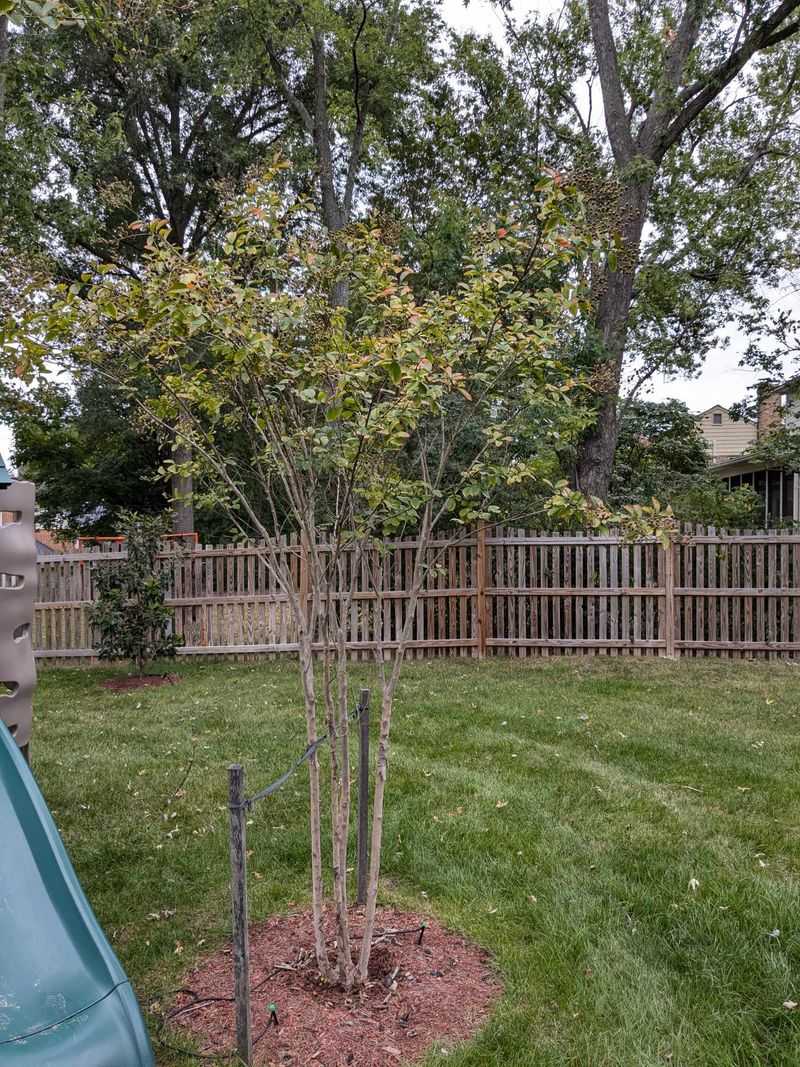
Fertilizer feels like kindness. Toss a few handfuls around the trunk in September and it seems like you are helping, but the timing works against the tree.
Nitrogen tells a plant one thing: grow leaves now. Heavy feeding late in the season produces floppy green shoots instead of the flower buds you actually want.
Soft new growth also lacks time to harden off. The first real cold snap can arrive in late October or November, and tender tips take the hit.
Established crape myrtles rarely need much anyway. If fertilizer is needed, a light spring application based on soil conditions is usually sufficient for established trees.
Lawn fertilizer causes accidental overfeeding all the time. If your turf gets a fall feeding and the crape myrtle sits in the middle of it, the roots drink up that nitrogen too.
A soil test through your local Virginia Cooperative Extension office takes the guesswork out. For a few dollars you learn exactly what your yard has and what it lacks.
Skip the September bag entirely and your tree will spend fall doing the right work: thickening bark, storing sugars, and settling roots before dormancy.
Curious fact worth tucking away: a slightly hungry crape myrtle often blooms harder than a pampered one. Lean soil keeps the plant focused on flowers rather than foliage.
5. Ignoring Suckers Leaves Messy New Shoots
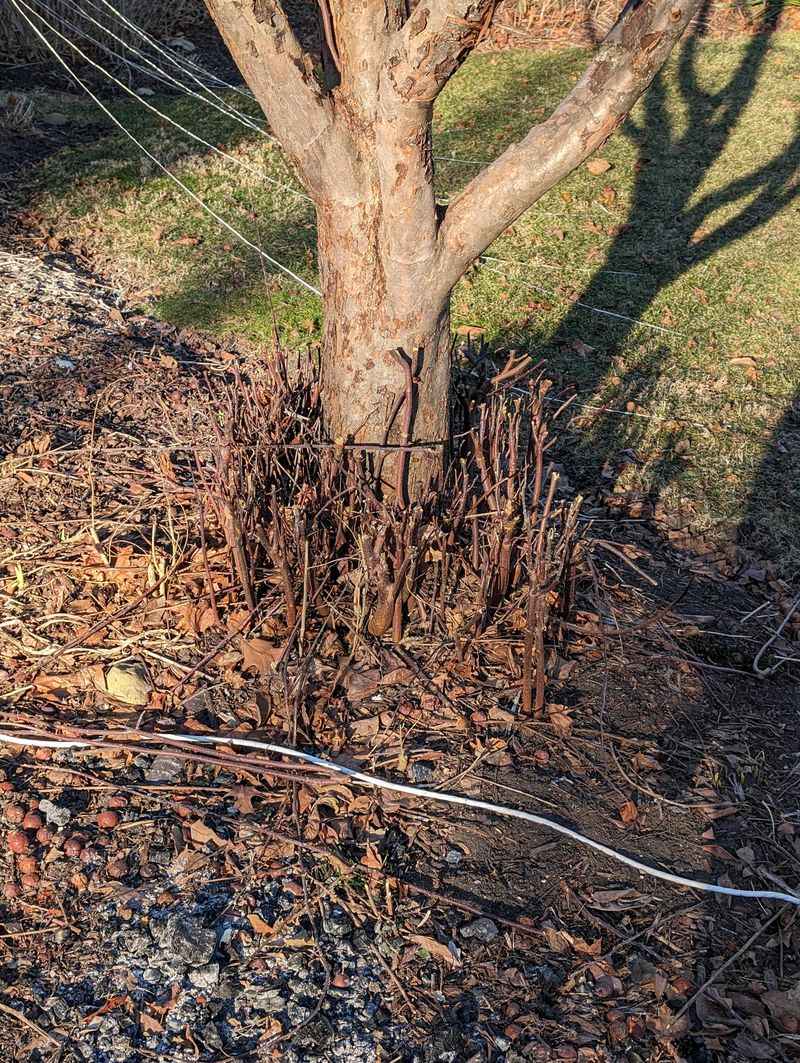
Ever notice that little thicket of skinny shoots crowding the bottom of your tree? Those are suckers, and they show up faster than weeds in summer.
Suckers rise from the base or straight out of the root system. Leave them alone for a season or two and your tidy three-trunk specimen turns into a shrubby tangle.
They are not just an eyesore either. Each shoot pulls water, nutrients, and light away from the trunks you actually care about.
Air movement suffers as well. A dense clump at the base traps humidity, which gives powdery mildew a cozy spot to get started in muggy weather.
Removing them is genuinely easy work. Snap or snip the shoots as close to their point of origin as you can reach, cutting flush rather than leaving stubs.
Small suckers pull off cleanly with a gloved hand. Waiting until they turn woody means sawing, bigger wounds, and a much better chance they return.
Make it a habit rather than a project. A two-minute pass every few weeks during the growing season keeps the base clean without any real effort.
Heavy mulch piled against the trunk seems to encourage them, so keep that layer pulled back. A clear, open root flare is one of the simplest upgrades you can give any crape myrtle.
6. Planting In Too Much Shade Reduces Blooms
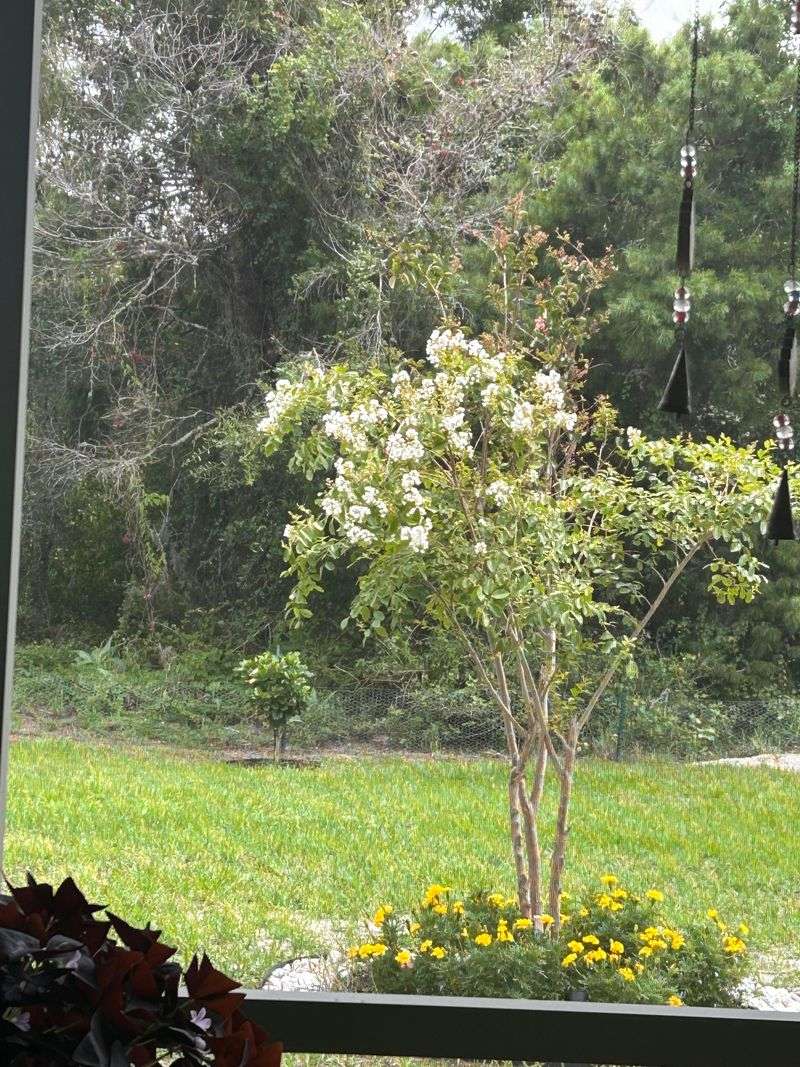
Sunshine is the whole deal with crape myrtles. They evolved as sun worshippers, and no amount of fussing will make up for a shady spot.
Six hours of direct sun is the minimum for solid flowering. Eight or more gives you the thick canopy and heavy bloom clusters that turn heads on the street.
Shade produces a very different plant. Branches stretch long and thin reaching for light, leaves thin out, and flower clusters shrink to a handful of sad little sprays.
Damp shade brings its own baggage. Leaves that stay wet into mid-morning invite powdery mildew and sooty mold, both familiar headaches in humid stretches.
Mature oaks and maples are usually the culprits. A crape myrtle planted twenty years ago in full sun can end up fully shaded as neighboring trees fill out.
Selective limbing on the overhanging tree sometimes solves it. Opening the canopy above lets morning light reach the crape myrtle without removing anything major.
Fall can be a good transplanting window for smaller crape myrtles, while larger trees are much more difficult to move successfully.
Before you dig anywhere new, spend a Saturday tracking the sun across your yard. Ten minutes of observation each hour beats years of wondering why the blooms never came.
7. Skipping Mulch Protection Exposes Root Zones
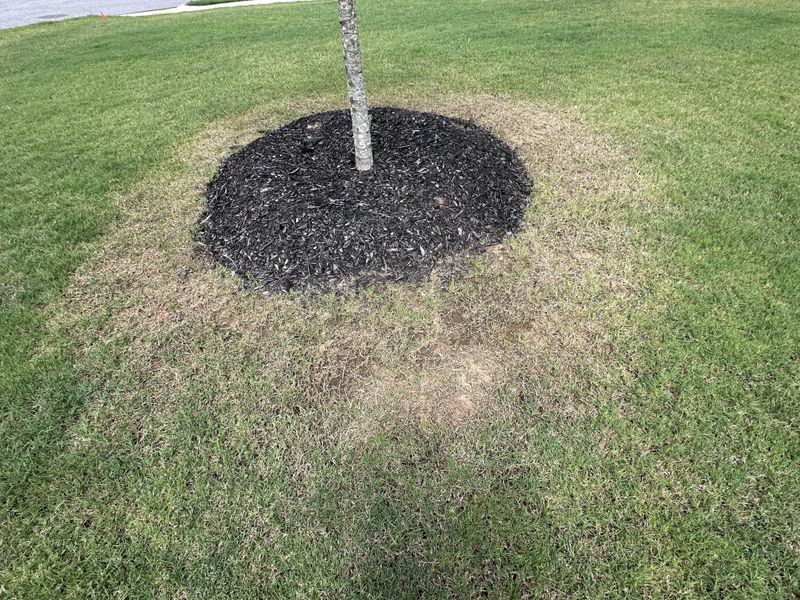
Bare soil around a tree trunk is a missed opportunity. A simple ring of mulch does more for crape myrtle health than most of the products on the garden center shelf.
Moisture holding comes first. Shredded bark slows evaporation, which matters during dry September stretches when rain can go missing for weeks.
Temperature swings even out too. Mulch buffers roots against hot afternoons and the cold snaps that arrive once the calendar flips toward winter.
Weeds lose their foothold. Grass growing right up to the trunk competes hard for water and nutrients, and it often loses anyway once the tree fills out.
Then there is the lawnmower factor. A mulch ring keeps trimmer string and mower decks away from thin crape myrtle bark, which scars easily and heals slowly.
Depth is where people go wrong. Two to three inches is plenty, spread in a wide circle out toward the drip line rather than a narrow collar.
Keep the material several inches back from the trunks. Mulch piled against bark traps moisture, softens the wood, and gives pests an easy hideout.
Think donut, not volcano. That one image has probably saved more trees across neighborhoods than any other piece of yard advice, and it costs you nothing but a rake and five minutes.
8. Leaving Disease Problems Unchecked Weakens Trees
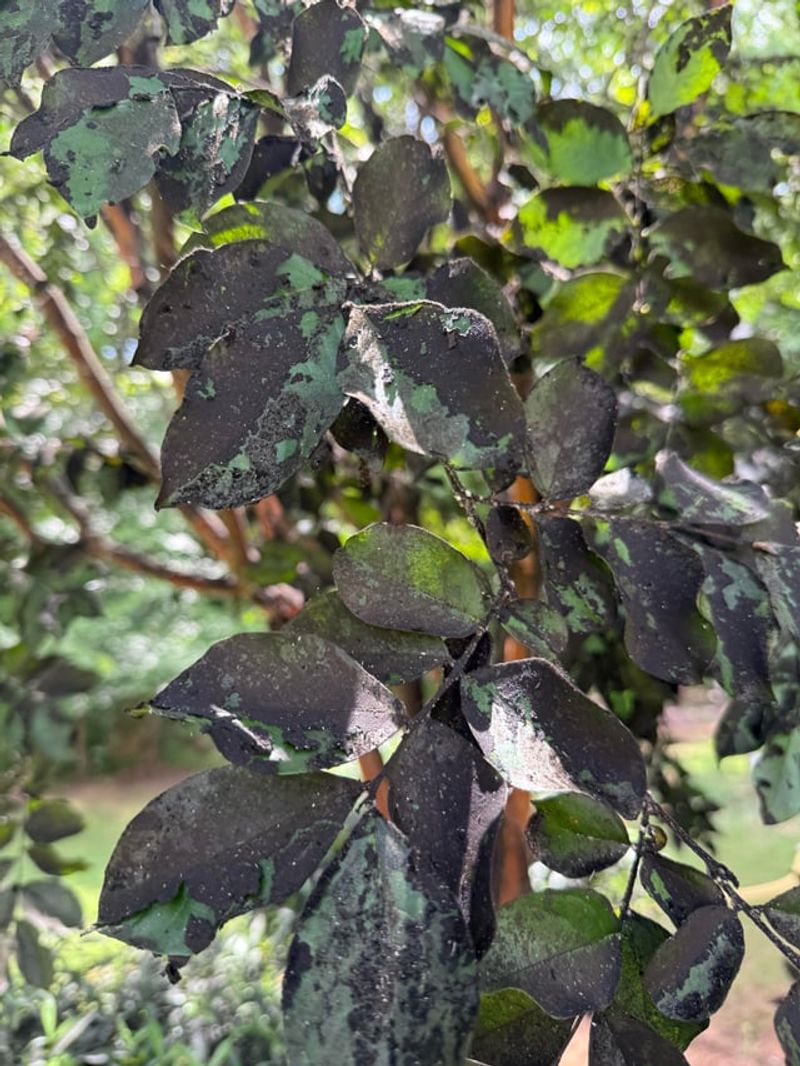
A white dusting on the leaves is not morning frost. Powdery mildew coats new shoots and foliage with a grayish film, and it loves the mild, humid days Virginia serves up in spring and fall.
Black, sticky leaves signal something different. Sooty mold grows on honeydew, the sugary waste left behind by aphids and scale insects feeding on the branches above.
Crape myrtle bark scale has been spreading through the region too. Look for white or gray felt-like bumps clinging to the trunks and larger limbs.
Cercospora leaf spot rounds out the usual suspects. It shows up as dark spots followed by early leaf drop, often with a burst of red and orange color.
Catching problems early keeps them manageable. A weakened tree flowers less, leafs out thinner, and takes longer to bounce back from drought or cold.
Cleanup helps more than people expect. Rake and remove fallen leaves in autumn so spores do not overwinter right beneath the canopy.
Airflow does real work as well. Thinning crowded interior branches during the dormant season lets leaves dry faster after morning dew.
Horticultural oil applied at the right time handles scale, and resistant varieties can greatly reduce powdery mildew problems. When you feel stuck, your county Extension agent can identify the issue from a photo and suggest a fix that fits your yard.
9. Choosing The Wrong Variety Creates Long Term Issues
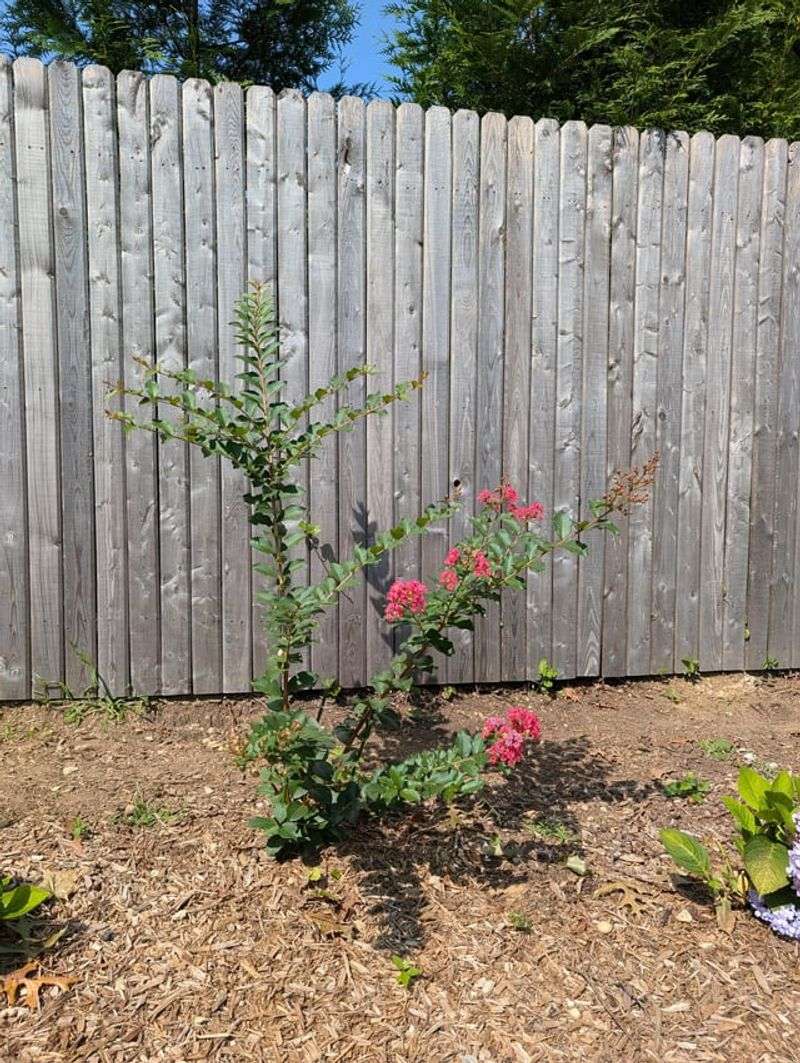
Here is a stat that explains a lot of bad pruning: crape myrtle varieties range from three-foot shrubs to trees topping thirty feet. Pick the wrong one and you fight it forever.
Picture a Natchez, which stretches toward thirty feet, planted under a front window. Every summer becomes a wrestling match with loppers, and the tree loses its shape each time.
Matching mature size to the space solves the problem before it starts. Dwarf types like Pocomoke suit foundation beds, while taller selections belong along driveways and property lines.
Cold hardiness deserves attention in Virginia too. The state spans USDA Zones 6 through 8, so a variety that shrugs off winter in Norfolk may struggle up in the mountains near Roanoke.
Disease resistance is worth paying for. Many of the National Arboretum hybrids with Native American names were bred specifically to fend off powdery mildew.
Fun bit of history: those hybrids came from crossing the common crape myrtle with a Japanese species prized for its gorgeous cinnamon bark. Breeders got tougher plants and better trunks in one shot.
Read the plant tag carefully, and trust mature size numbers over how small the plant looks in the pot. Nursery containers hide a lot of future growth.
Your local Virginia Cooperative Extension office and independent garden centers know which cultivars actually perform nearby. One good conversation can save decades of unnecessary pruning.