Basil Near Arizona Tomatoes May Help With Whiteflies, But Timing And Care Matter More
Growing basil next to your tomatoes sounds like an easy win, and the idea has real appeal for Arizona gardeners facing a short fall season and persistent whitefly pressure. A field study in Kenya did find a large drop in whitefly numbers when basil rows were combined with protective covers over tomato plants, which got a lot of people excited.
The catch is that one study, in one country, with a specific setup, does not guarantee the same results in a Phoenix or Tucson backyard. This article sorts out what the research actually shows, what Arizona’s fall season demands, and how to manage whiteflies whether or not you decide to plant basil nearby.
Basil is a possibility, not a fall-harvest guarantee
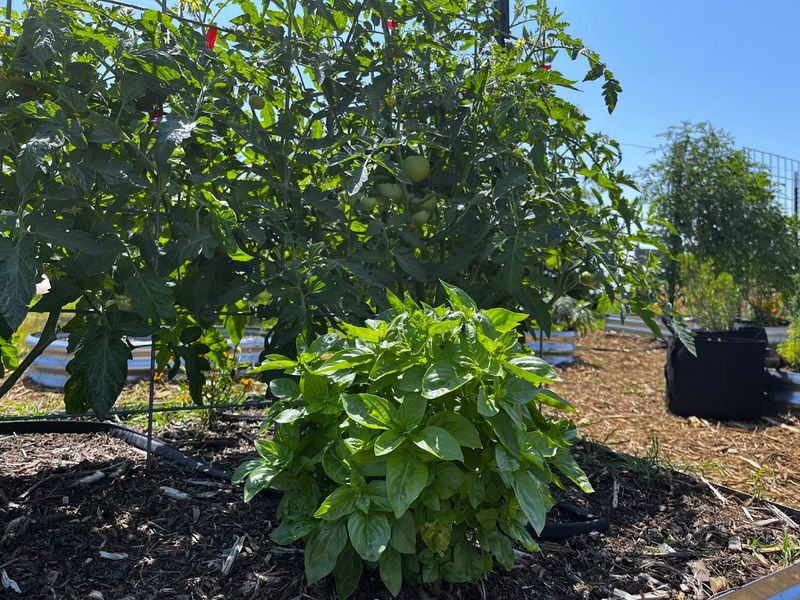
Gardeners in the Phoenix and Tucson areas have been hearing that planting basil beside tomatoes cuts down on whiteflies and leads to a bigger fall harvest. That framing is more confident than the evidence supports.
Basil grown near tomatoes may reduce whitefly pressure under certain conditions, but no study confirms that simply placing a basil plant beside an Arizona tomato will reliably do either of those things.
The most relevant research comes from a Kenya field trial that tested basil rows combined with agronet covers over tomatoes. That study reported a 68.7% reduction in whitefly infestation and higher yields for the combined treatment.
The key word is “combined” – the trial used both basil intercropping and physical covers together, and it was conducted in a different climate, with different pest pressures, on a different scale than a home garden.
Arizona fall tomatoes already face a narrow window shaped by heat, timing, and frost risk. Local growing conditions, variety choice, and pest monitoring have a far more established effect on your harvest than adding a neighboring herb.
Basil is worth trying as an experiment, but treat it as one optional layer rather than a fix for whiteflies or a path to more tomatoes.
The reported reduction came from basil plus covers
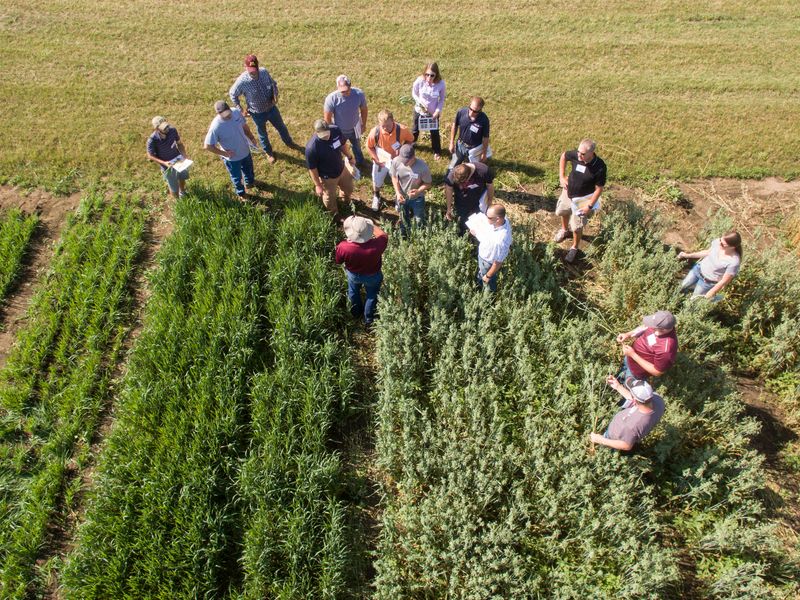
The Kenya field trial that sparked a lot of excitement about basil and whiteflies did produce striking numbers. Researchers reported a 68.7% reduction in Bemisia tabaci infestation and higher tomato yields in plots that used both basil rows between tomato rows and agronet covers overhead.
The study record makes clear that the treatment was a package deal, not a test of basil by itself.
Pulling basil out of that combination and expecting the same result in an Arizona backyard skips over a lot of important variables. The trial used a specific intercropping layout, a specific whitefly species, a particular climate, and a physical barrier that blocked pest movement independently of any plant scent.
Removing the covers from that equation changes the entire setup, and no Arizona-based equivalent trial has been run.
A separate garden-scale companion-planting study adds another caution: tomato pests did not respond to companion planting in that research, which underscores why a single promising trial should not be read as proof that basil works universally. Conditions, spacing, pest species, and whether plants are covered all affect outcomes.
Your Arizona Garden Changes Every Week. Your Plan Should Too.
Gardening in Arizona changes quickly throughout the season. Every Friday you’ll receive a simple weekly plan showing exactly what to plant, prune, fertilize, harvest, and protect so you never miss the right timing.
The Kenya result is genuinely interesting, but it describes one specific treatment in one place, not a reliable recipe for Arizona home gardens.
Does basil scent confuse whiteflies?
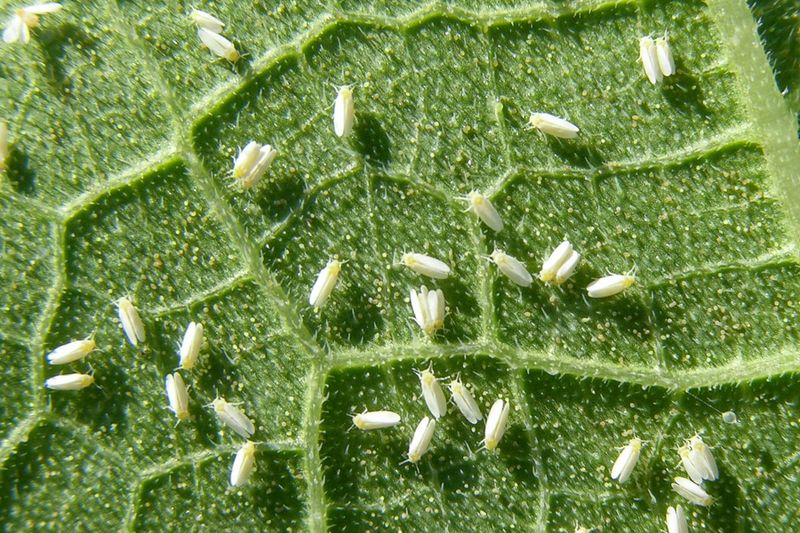
The popular explanation for why basil might help tomatoes goes something like this: basil releases oils that scramble whitefly navigation, so the pests cannot find your tomatoes. The mechanism sounds logical, but the research behind it is narrower than that story suggests.
Laboratory work on plant volatiles did find that specific compounds from wild tomato varieties altered Bemisia tabaci host-choice behavior in controlled assays. That volatile and host-choice study involved wild tomato scents under laboratory conditions – not basil oils in an open garden bed.
A separate glasshouse experiment tested a “confusion effect” using volatiles from multiple host plants and found some delay in feeding activity, but no lasting reduction in whitefly performance over time.
Neither study tested basil planted beside tomatoes outdoors. Neither established that basil oils, specifically, disrupt whitefly navigation in a way that translates to fewer pests on your crop.
The broader science of plant volatiles and insect behavior is genuinely active and interesting, but the leap from laboratory assays to a practical Arizona garden outcome has not been made. Treating basil as a proven whitefly repellent overstates what those studies actually show.
Arizona’s fall window may matter more than a companion plant
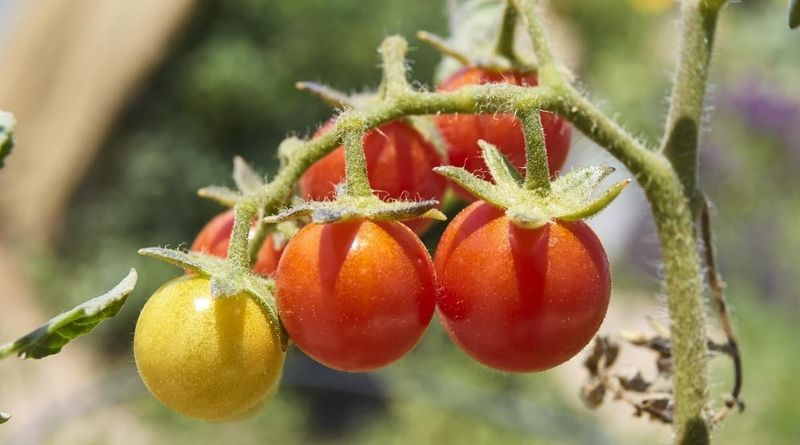
Fall tomatoes in low-desert Arizona live or fade based on a narrow set of local conditions that no companion plant can change. The Southern Arizona fall crop typically runs from around September until late November, with frost risk capable of ending the season abruptly.
Local tomato guidance notes that temperatures above 90 degrees Fahrenheit reduce pollen viability and fruit formation, which is why short-season varieties and careful timing matter so much here.
Maricopa County gardeners face an additional consideration: fall planting is often delayed on purpose until whitefly populations begin to drop with cooler temperatures. That timing strategy is grounded in real pest-pressure patterns, and it matters far more to your crop than whether basil is growing nearby.
Planting too early into high whitefly populations increases risk, basil or not.
Getting the planting date right, choosing a variety suited to the short fall window, and keeping an eye on daytime highs are the factors that most reliably shape what ends up on your tomato plants by November. Basil does not extend the season, protect against frost, or improve pollen viability in heat.
Focusing on those local realities first gives your fall crop a much stronger foundation than any companion-planting experiment on its own.
Grow basil for its own needs, not as a low-water fix
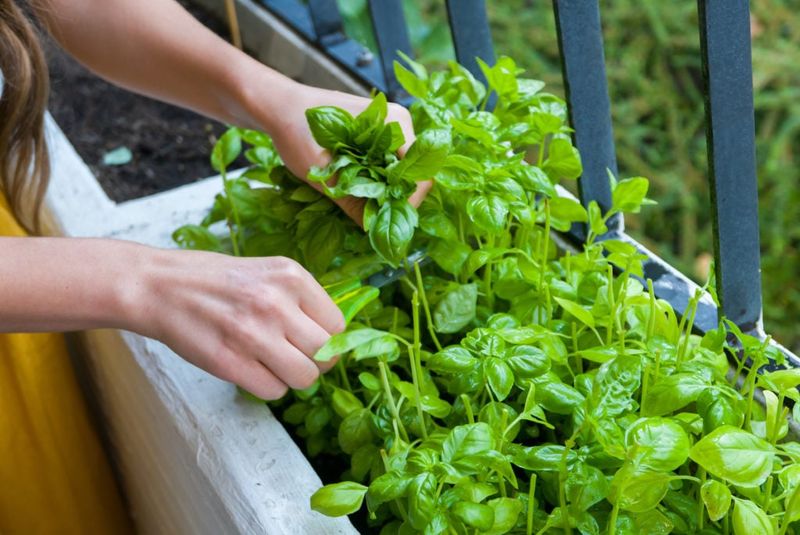
If you want to try basil near your tomatoes, growing it well starts with understanding what it actually needs in Arizona’s climate. Basil is not a drought-tolerant desert herb.
It needs well-drained soil and regular irrigation, especially before the summer monsoon rains arrive to help bridge the gap.
Container-grown basil dries out faster than in-ground plants, so pots need more frequent checking during hot stretches. The recommended spacing between basil plants is 6 to 12 inches, according to Arizona basil care guidance.
That spacing applies to the basil plants themselves and is not a proven formula for how far to place basil from tomatoes to affect pest behavior.
Basil also benefits from pinching flower heads to keep leaves coming, and it does best with some afternoon shade protection during the peak of summer heat. Treating it as a crop with its own care requirements, rather than as a passive deterrent you can plant and ignore, gives you a better chance of keeping it healthy long enough to see whether it has any effect on nearby tomato plants.
At minimum, you get fresh basil for the kitchen, which is a worthwhile return regardless of what happens with your whitefly count.
Monitor whiteflies instead of relying on basil
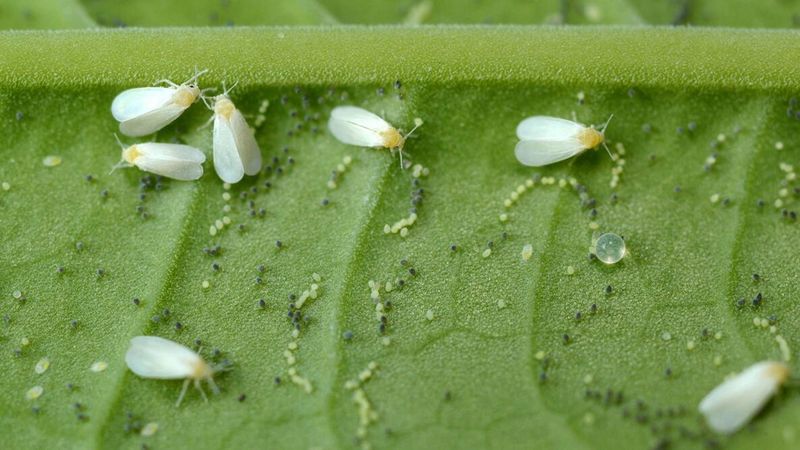
Whiteflies feed on plant sap and can transmit viruses to tomatoes, so catching a problem early matters more than hoping a nearby herb keeps them away. The first step is regular inspection: flip leaves and look at the undersides, where adults, eggs, and nymphs congregate.
Yellow sticky cards placed near plants help you track adult populations and notice changes over time.
Outdoors, beneficial insects including parasitic wasps and predatory beetles provide real pressure on whitefly populations. Protecting those natural enemies by avoiding broad-spectrum pesticides gives them a chance to do useful work.
Arizona whitefly management guidance emphasizes conserving these natural enemies as a primary strategy before reaching for any spray product.
If pest numbers climb past what beneficials can handle and intervention feels necessary, insecticidal soap or narrow-range oil are options. Both require thorough coverage of leaf undersides, where whiteflies actually live, and careful attention to product label directions.
Apply early in the morning or late in the day to reduce the chance of harming beneficial insects visiting the garden. None of these steps guarantee control, but monitoring and responding to actual pest pressure is a far more reliable approach than assuming basil has the situation handled.
Plan for tomatoes first; treat basil as an experiment
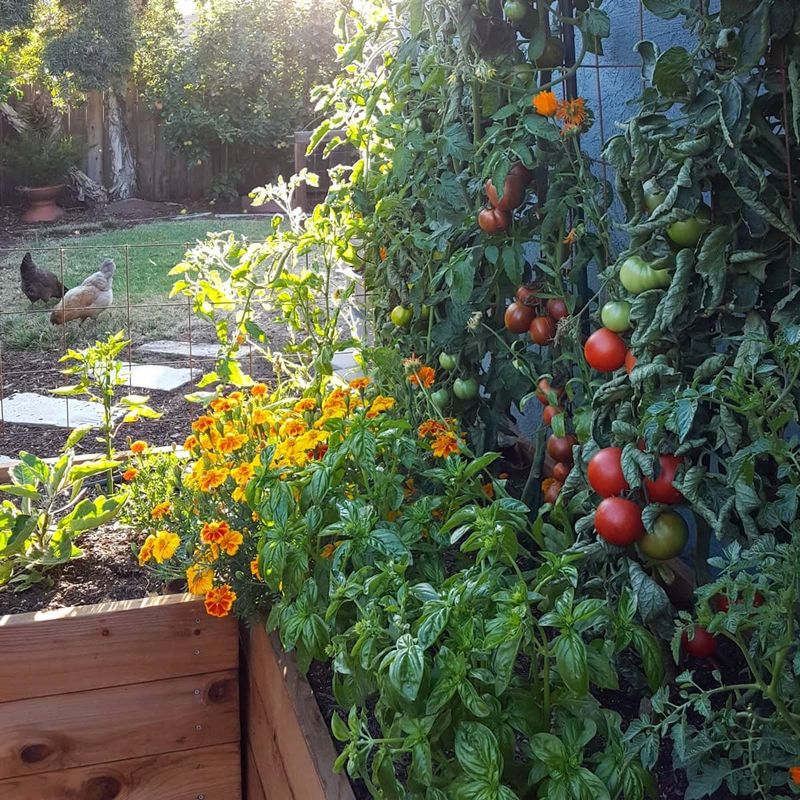
A productive fall tomato crop in the low desert comes down to getting the timing right, picking varieties built for a short season, and staying on top of pest pressure as temperatures cool. Those priorities hold whether or not basil is growing nearby.
Local planting calendars and heat-tolerant short-season varieties are your most reliable tools.
Basil is a reasonable addition to a fall garden bed if you are curious about companion planting and willing to give it the water and care it needs. Go in with realistic expectations: you are running a small personal trial, not applying a proven pest-control system.
Track what you observe, and let that inform future seasons.
The best outcome from adding basil is a useful herb for cooking, a more interesting garden bed, and a season’s worth of firsthand data. Sometimes the most honest gardening advice is simply to try something carefully and see what your own patch tells you.