Why Florida Gardeners Are Swapping These 8 Front Yard Plants In April
April flips a switch in Florida gardens, and what worked a month ago can suddenly feel out of place. Front yards that looked fine in early spring can start to struggle as heat builds and growth speeds up.
That is when many gardeners make a quiet change. Plants that lag, fade, or demand too much effort get pulled, and better performers take their spot.
It is not about chasing trends. It is about choosing plants that keep up with the season and still look sharp from the curb.
A few smart swaps now can save time, cut back on maintenance, and keep your front yard looking fresh as conditions shift.
1. More Florida Gardeners Are Replacing Boxwood With Cocoplum
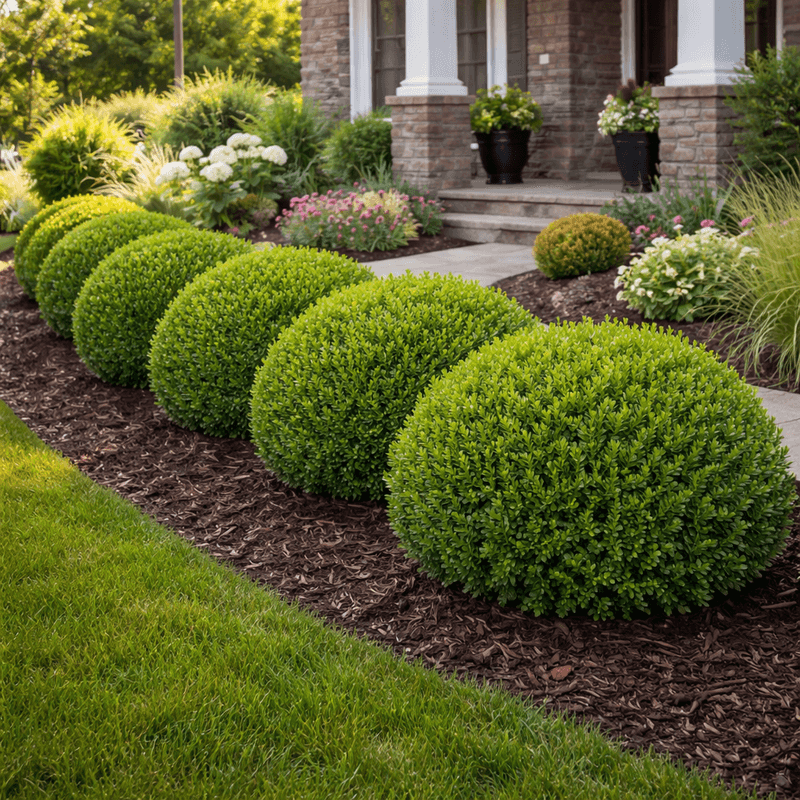
Boxwood has long been the go-to hedge shrub for formal front yards, but in Florida, it has always been a bit of a square peg in a round hole. The climate here is simply not where boxwood performs best.
Florida’s heat, humidity, and alkaline soils stress boxwood plants over time, making them more vulnerable to pests like boxwood leafminer and fungal issues that thrive in warm, wet conditions.
Cocoplum, by contrast, is right at home. Native to South Florida and well-adapted to coastal and inland settings across the southern half of the state, cocoplum grows into a dense, evergreen hedge that holds its shape beautifully.
According to the University of Florida IFAS, cocoplum tolerates a wide range of soil types, handles salt spray, and thrives in both full sun and partial shade. That kind of flexibility is exactly what Florida front yards need.
The glossy leaves give cocoplum a polished, lush appearance that works well in both formal and relaxed landscape styles. It can be trimmed into a tidy hedge or left to grow in a more natural form.
Fruit production also adds wildlife value, attracting birds to the yard. The main caution is cold sensitivity.
Cocoplum is best suited for Central and South Florida, so gardeners in North Florida should check local hardiness before planting.
2. Indian Hawthorn Is Losing Ground To Tougher Dwarf Yaupon Holly
Indian hawthorn used to be everywhere in Florida front yards, and it is easy to see why. It has a tidy growth habit, produces pretty flowers, and stays relatively compact.
The problem is that entomosporium leaf spot, a fungal disease, has become a serious issue for Indian hawthorn across much of the Southeast, including Florida.
Once that disease takes hold, plants develop ugly reddish spots, drop leaves, and go into a slow decline that is hard to reverse.
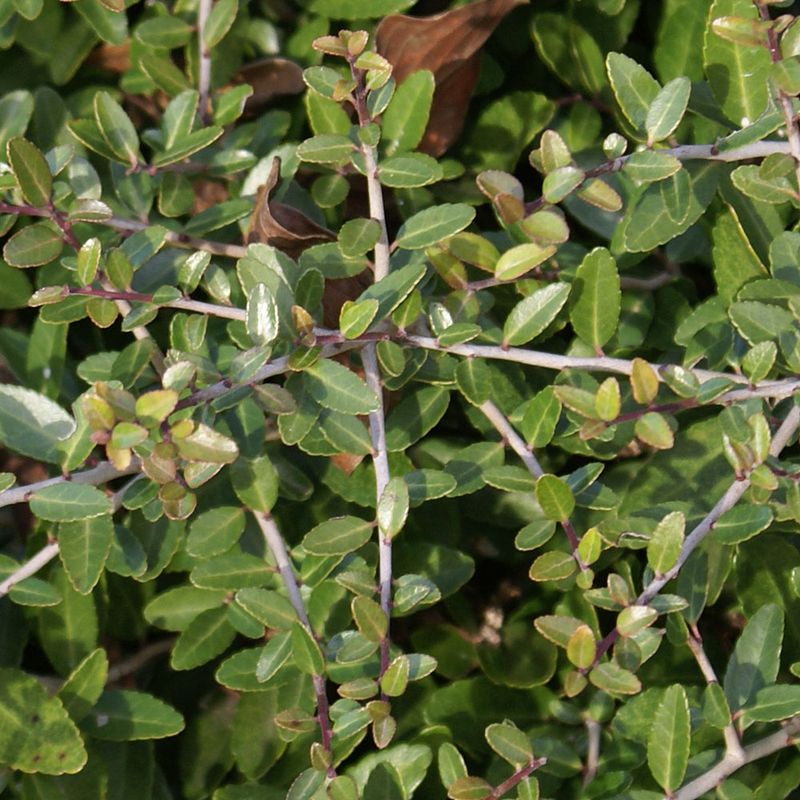
Dwarf yaupon holly is stepping in as a more dependable replacement. Yaupon holly, Ilex vomitoria, is native to Florida and is recognized by the University of Florida IFAS as one of the most adaptable shrubs for Florida landscapes.
The dwarf varieties stay low and rounded, making them excellent choices for foundation plantings and low hedges. They tolerate drought, salt, wet soils, and full sun without complaint.
Pest and disease problems are far less common with dwarf yaupon holly than with Indian hawthorn, which means less spraying and less worry for homeowners. The small, dense foliage holds color year-round and gives the front yard a clean, structured look.
Your Florida Garden Changes Every Week. Your Plan Should Too.
Gardening in Florida changes quickly throughout the season. Every Friday you’ll receive a simple weekly plan showing exactly what to plant, prune, fertilize, harvest, and protect so you never miss the right timing.
One thing to keep in mind is that female plants produce berries that are toxic if eaten, so households with young children or pets should plant with that awareness. Overall, the durability trade-off is strongly in yaupon’s favor.
3. Water Hungry Turf Is Giving Way To Perennial Peanut
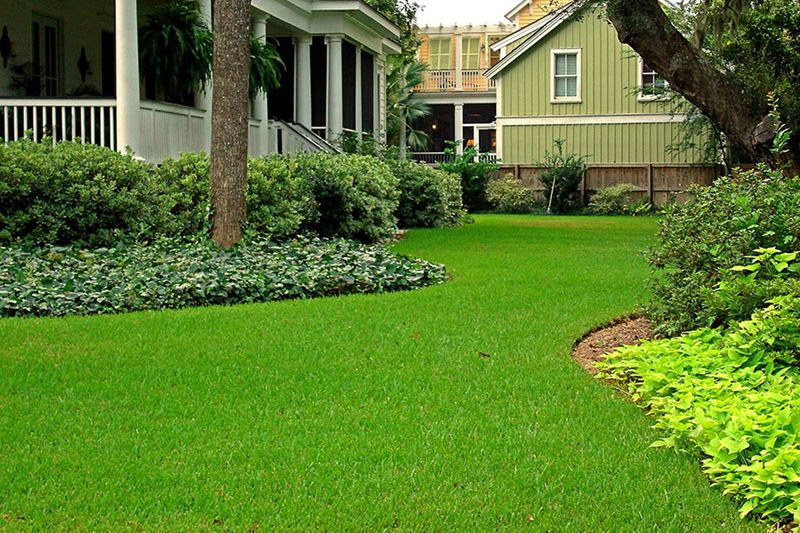
Traditional turfgrass in Florida comes with a long list of demands: regular irrigation, frequent mowing, fertilizer applications, and ongoing weed control.
For many homeowners, especially those dealing with water restrictions or high utility bills, that routine has started to feel unsustainable.
Perennial peanut, Arachis pintoi, is gaining serious attention as a low-maintenance groundcover alternative for front yards where foot traffic is light.
The University of Florida IFAS has documented perennial peanut as a tough, drought-tolerant legume that fixes its own nitrogen from the air, meaning it needs little to no fertilizer once established.
It produces cheerful small yellow flowers throughout the warm season and stays green and attractive without the irrigation demands of St. Augustine or bahia grass.
That combination of low input and good looks makes it genuinely appealing.
There are important limitations to understand before planting. Perennial peanut spreads vigorously through underground runners, so it works best in defined areas where spread can be managed.
It is not suitable for high-traffic lawn areas because it does not hold up well under repeated foot pressure. It also prefers full sun and well-drained soil, so shady or poorly drained front yards are not good candidates.
For sunny, lower-traffic spaces where homeowners want to reduce mowing and irrigation, though, perennial peanut offers a genuinely practical and attractive solution that turf simply cannot match.
4. Florida Homeowners Are Trading Loropetalum For Native Firebush
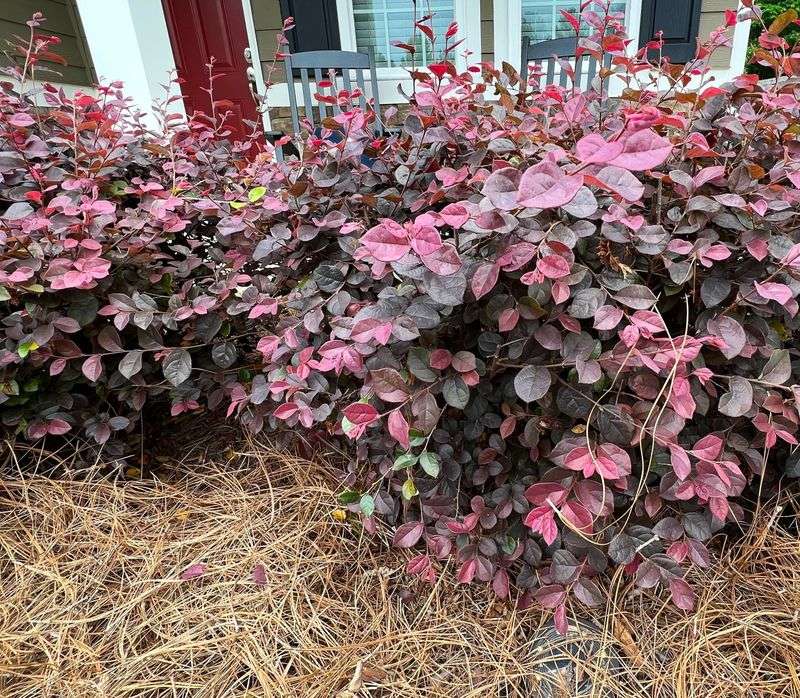
Loropetalum, sometimes called Chinese fringe flower, became popular in Florida front yards for its burgundy foliage and showy pink blooms. It can look stunning when young, but over time, many Florida homeowners have found it finicky.
In Florida’s alkaline soils, loropetalum may develop chlorosis, a yellowing condition caused by nutrient deficiencies. It also tends to outgrow its space faster than expected, requiring frequent pruning to keep it from overtaking walkways or windows.
Native firebush, Hamelia patens, is getting more attention as a front yard alternative for homeowners who want bold color with far less fuss.
Firebush is recognized by the University of Florida IFAS as an excellent Florida-friendly shrub that thrives in heat, tolerates drought once established, and provides outstanding value for pollinators.
Hummingbirds, butterflies, and native bees all visit its tubular orange-red blooms throughout the warm season.
Firebush grows vigorously in full sun and can be managed as a large shrub or trimmed to stay more compact. It is worth noting that firebush can be cut back hard in late winter to control size, and it bounces back quickly.
In North Florida, it may behave more like a perennial, going dormant in cold winters and resprouting in spring. That is a manageable trait, not a dealbreaker.
For homeowners who want a native, wildlife-friendly, low-input alternative to loropetalum, firebush makes a strong and well-supported case for itself.
5. Azalea Beds Are Being Reworked With Florida Anise In Shadier Yards
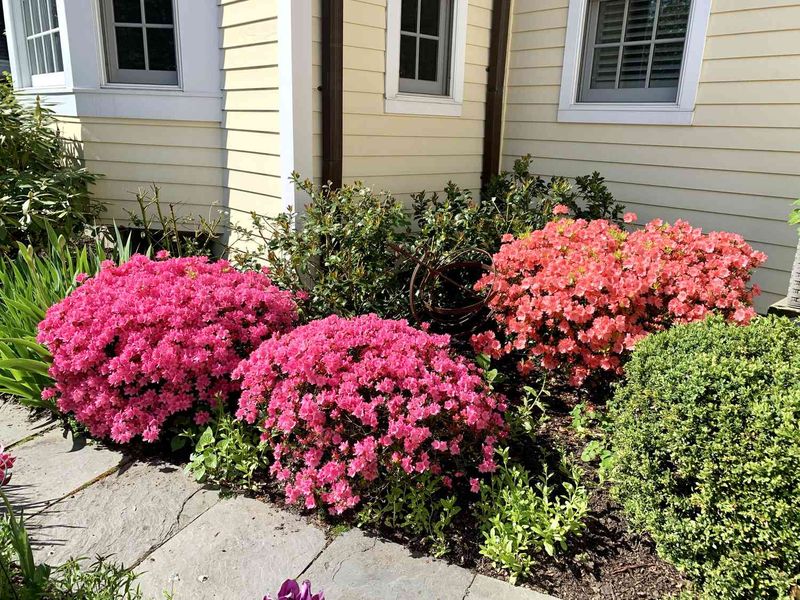
Azaleas have a devoted following in Florida, and for good reason. When they bloom in late winter and early spring, few plants are more striking.
The challenge is that azaleas are more demanding than they look. They require acidic, well-drained soil, consistent moisture, and protection from afternoon sun.
In yards where conditions are not quite right, they decline gradually, producing fewer blooms and dropping leaves in ways that look untidy and discouraging.
Florida anise, Illicium floridanum, is drawing interest as a shade-friendly alternative for homeowners who want evergreen structure in low-light front yard areas without the seasonal fuss.
Native to North and Central Florida, Florida anise is a dense, aromatic shrub that holds its dark green foliage year-round.
The University of Florida IFAS recommends it for shaded or partially shaded landscapes where other shrubs tend to struggle.
Florida anise is not a flowering showstopper the way azaleas are. Its blooms are small and unusual-looking rather than showy, so the appeal is more about texture, density, and year-round greenery than seasonal color.
It grows slowly and maintains a tidy shape with minimal pruning. One important caution: all parts of the plant are toxic if ingested, so households with curious pets or small children should factor that in.
For shaded front yards in North and Central Florida where a reliable, low-maintenance evergreen presence is the goal, Florida anise is a well-supported and sensible choice.
6. Crotons Are Being Swapped For Coontie In Lower Maintenance Landscapes
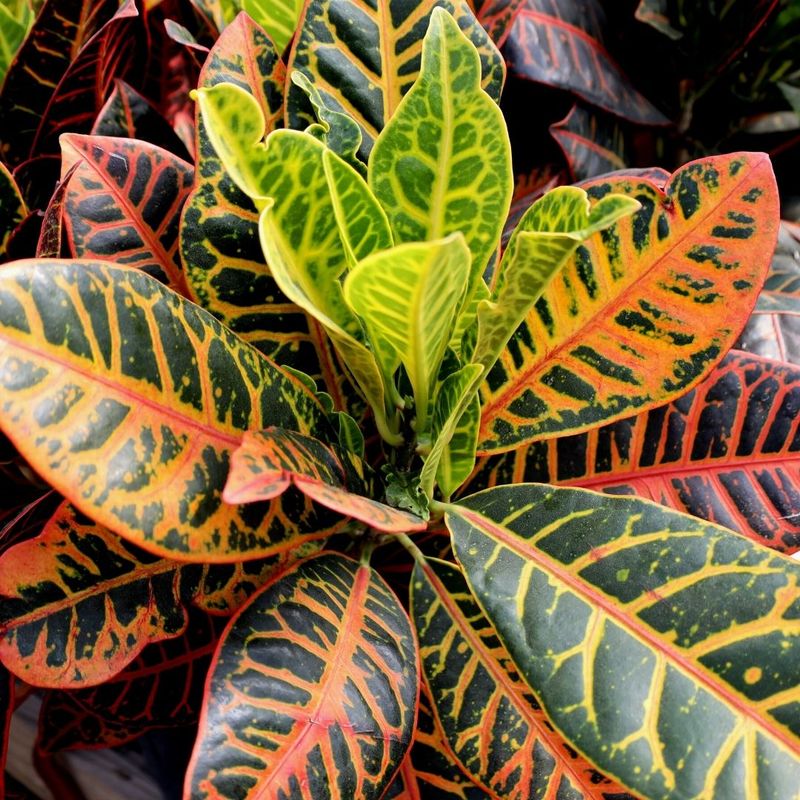
Crotons are undeniably eye-catching. Their wild splashes of red, orange, yellow, and green make them one of the most colorful shrubs available in Florida landscapes.
But that visual drama comes with real trade-offs. Crotons are cold-sensitive, prone to scale and mealybug infestations, and can look rough after even a mild cold snap.
In Central and North Florida especially, they require extra protection in winter and may suffer significant damage in colder years.
Coontie, Zamia integrifolia, is gaining favor as a lower-drama, lower-maintenance alternative that still delivers strong visual presence.
Florida’s only native cycad, coontie has deep historical roots in the state and is widely recommended by the University of Florida IFAS for Florida landscapes.
It forms a low, dense mound of dark green, feathery fronds that hold their appearance through heat, drought, and even mild freezes without complaint.
Once established, coontie needs very little water, no fertilizer to speak of, and almost no pest management. It also serves as the sole larval host plant for the Atala butterfly, a striking native species that was once nearly lost from Florida.
Planting coontie can actually help support Atala butterfly populations in your area, which adds meaningful ecological value to the front yard. The growth rate is slow, so patience is needed at first.
But for homeowners who want a tough, clean, genuinely Florida-native plant that holds its looks year-round, coontie is hard to beat.
7. Foundation Plantings Are Moving From Nandina To Simpson’s Stopper
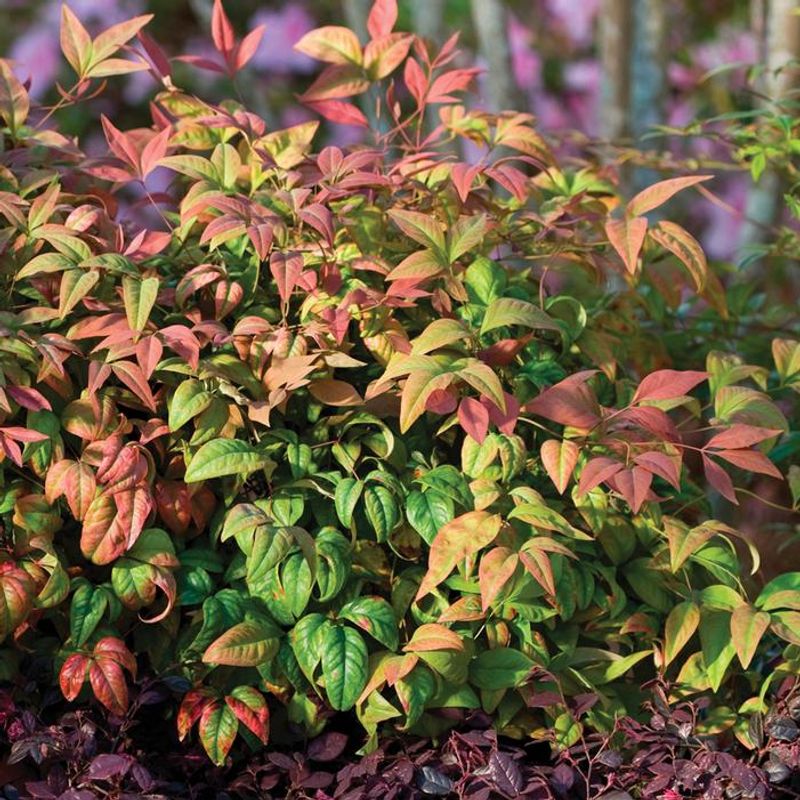
Nandina, also called heavenly bamboo, has been a staple of Florida foundation plantings for decades. It is easy to understand the appeal: it grows reliably, holds its foliage year-round, and produces red berries that look attractive through fall and winter.
However, Florida-specific concerns have prompted a closer look. Nandina is a non-native plant that has shown invasive potential in some natural areas, and its berries have been documented as harmful to birds that consume them in large quantities.
Simpson’s stopper, Myrcianthes fragrans, is drawing attention as a more Florida-appropriate choice for front foundation plantings. Native to South and Central Florida, this evergreen shrub is compact, dense, and highly ornamental.
The University of Florida IFAS notes that it produces small white flowers with a pleasant fragrance and red berries that are genuinely attractive to native wildlife without documented toxicity concerns.
Simpson’s stopper handles full sun and partial shade, tolerates drought once established, and can be trimmed into a formal hedge or left in a natural rounded form.
It is slower-growing than nandina, which actually works in its favor for foundation use since it stays in bounds longer without constant cutting.
Cold hardiness is a consideration: Simpson’s stopper performs best in Central and South Florida and may struggle in the northern part of the state during hard freezes.
For homeowners in the right climate zone, it offers a native, wildlife-friendly, and visually appealing upgrade over nandina.
8. More Front Yards Are Replacing Traditional Shrubs With Muhly Grass
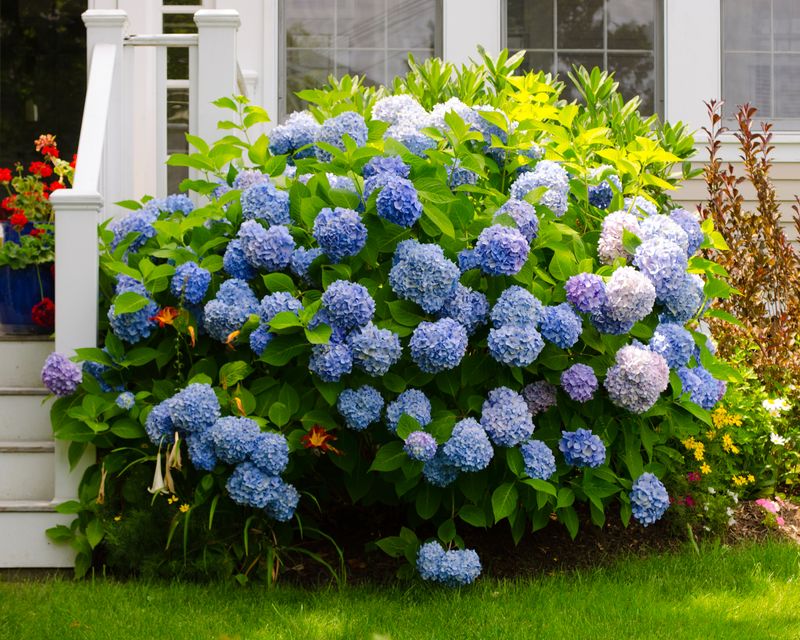
There is something genuinely striking about a front yard planted with muhly grass in full bloom. Every fall, Muhlenbergia capillaris erupts into clouds of airy pink to magenta plumes that seem to glow in afternoon sunlight.
For Florida homeowners who are tired of the same old row of rounded shrubs along the foundation, muhly grass offers a completely different kind of front yard presence that feels both modern and natural.
Beyond its looks, muhly grass is a practical choice for Florida landscapes.
Native throughout much of Florida and recommended by the University of Florida IFAS, it is highly drought-tolerant once established, thrives in full sun, and requires very little fertilizer or supplemental irrigation.
It grows in a neat clump that stays tidy most of the year and does not spread aggressively the way some ornamental grasses can.
Maintenance is minimal. Clumps can be cut back in late winter to encourage fresh growth, and that is about as demanding as it gets.
Muhly grass also attracts birds that feed on its seeds after the bloom period, adding a bit of wildlife activity to the front yard. The main limitation is sun: muhly grass needs at least six hours of direct sunlight daily to perform well, so heavily shaded front yards are not a good fit.
For sunny Florida front yards where the goal is lower maintenance and a more distinctive, layered look, muhly grass is a well-earned favorite.