Why Florida Gardeners Were Right To Wait Until October To Plant These
Florida summer gardening has a way of humbling even the most enthusiastic plant person. The air is thick enough to wear, the bugs treat your yard like a all-inclusive resort, and anything you plant seems to either bolt, wilt, or simply give up before it had a real chance.
Smart gardeners know this feeling well, and they also know the secret move that changes everything.
Wait. Just wait.
While everyone else was fighting the heat and losing, the patient ones were sipping something cold, keeping an eye on the calendar, and saving their best seeds for a much better moment.
That moment is October. Softer sunshine, cooler mornings, calmer weather, and soil that has finally stopped trying to cook everything in it.
The fall planting window in Florida is genuinely one of the most rewarding times of year to get growing.
1. Lettuce Loves Cooler October Days
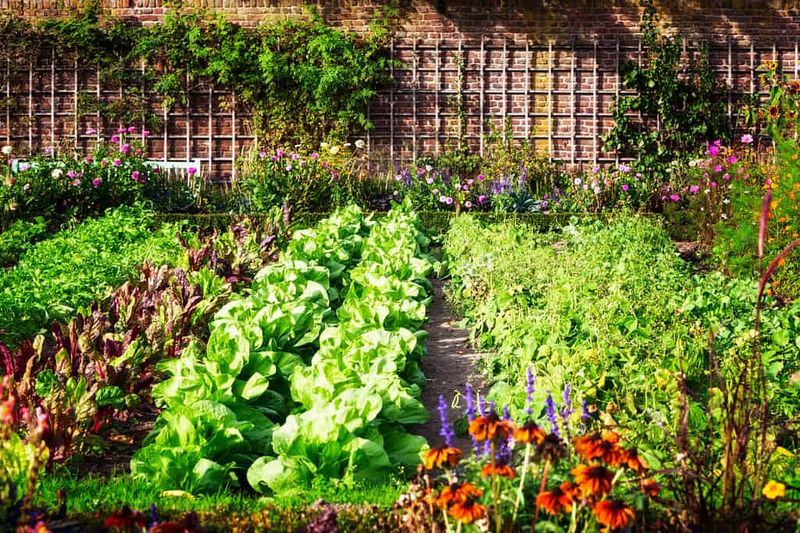
Anyone who has tried summer lettuce in Florida knows the sad story. The plants shoot up tall, flower fast, and taste bitter as old coffee.
Gardeners call that bolting, and heat is the main trigger. Once October brings nights in the 60s, lettuce finally relaxes and grows the sweet, crisp leaves you want.
Leaf types like Black Seeded Simpson and Red Sails do great here. Romaine and butterhead varieties also handle the mild winter with ease.
Sow seeds about a quarter inch deep, since tiny lettuce seeds need a little light to sprout. Keep the soil evenly moist, but not soggy, during the first two weeks.
A light layer of shade cloth can help on unusually warm October afternoons. Pull it off once the weather settles into that pleasant fall rhythm.
Here is a handy trick for a steady harvest. Plant a short row every two or three weeks instead of one big batch.
That way you pick fresh salads from fall through early spring. Cut the outer leaves first, and the center keeps pushing out new growth for weeks.
Lettuce also fits nicely in containers on a patio or balcony. Just make sure the pot drains well and gets at least four to six hours of sun.
Waiting until fall pays off with tender, mild leaves every time. Your salad bowl will thank you for that patience.
2. Broccoli Finally Thrives Once October Arrives
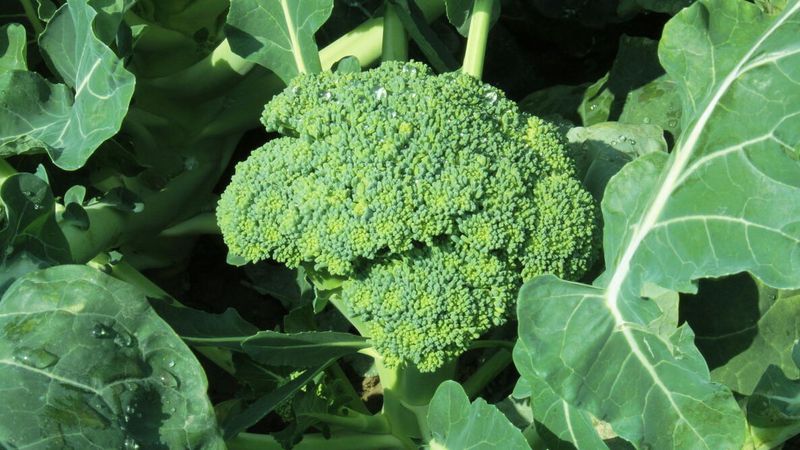
Broccoli is a bit of a drama queen about heat. Give it a hot Florida July, and it sulks, wilts, and forms loose, yellow heads.
October changes the mood entirely. Cooler temperatures let broccoli build those tight, dark green crowns that look like tiny trees.
Most gardeners start with transplants from a local nursery. Young plants save you several weeks and give you a head start on harvest.
Space them about 18 inches apart so air can move between the leaves. Good airflow helps keep fungal problems from settling in.
Broccoli is a hungry plant, so feed it well. Mix compost into the soil before planting, then add a balanced fertilizer every three or four weeks.
Your Florida Garden Changes Every Week. Your Plan Should Too.
Gardening in Florida changes quickly throughout the season. Every Friday you’ll receive a simple weekly plan showing exactly what to plant, prune, fertilize, harvest, and protect so you never miss the right timing.
Fun fact time. The name broccoli comes from an Italian word meaning small arm or branch.
Watch the heads closely as they grow. Harvest when the little buds are firm and tight, before any yellow flowers peek out.
Cut the main head at a slant, leaving the plant in the ground. Many varieties then send out smaller side shoots you can snack on for weeks.
Varieties like Waltham 29 and Packman handle the sandy soil and mild winter well. Pick a few, and compare which one your family likes best.
Fresh garden broccoli tastes sweeter than store versions. It is worth every day of waiting.
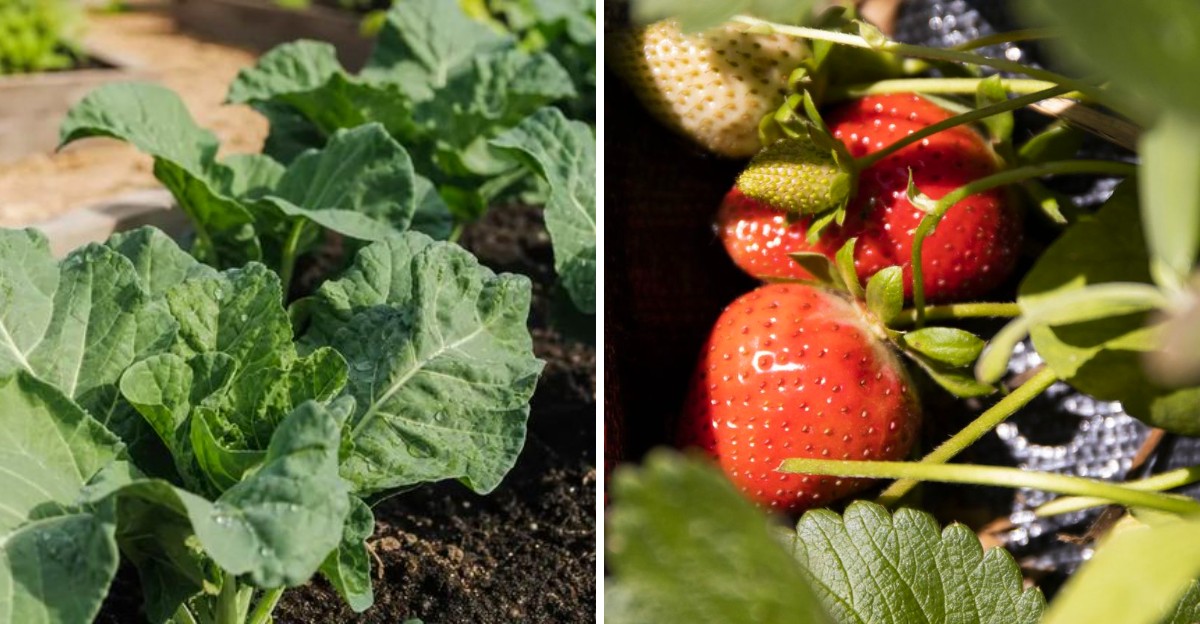
3. Strawberries Make Winters Taste Like Candy
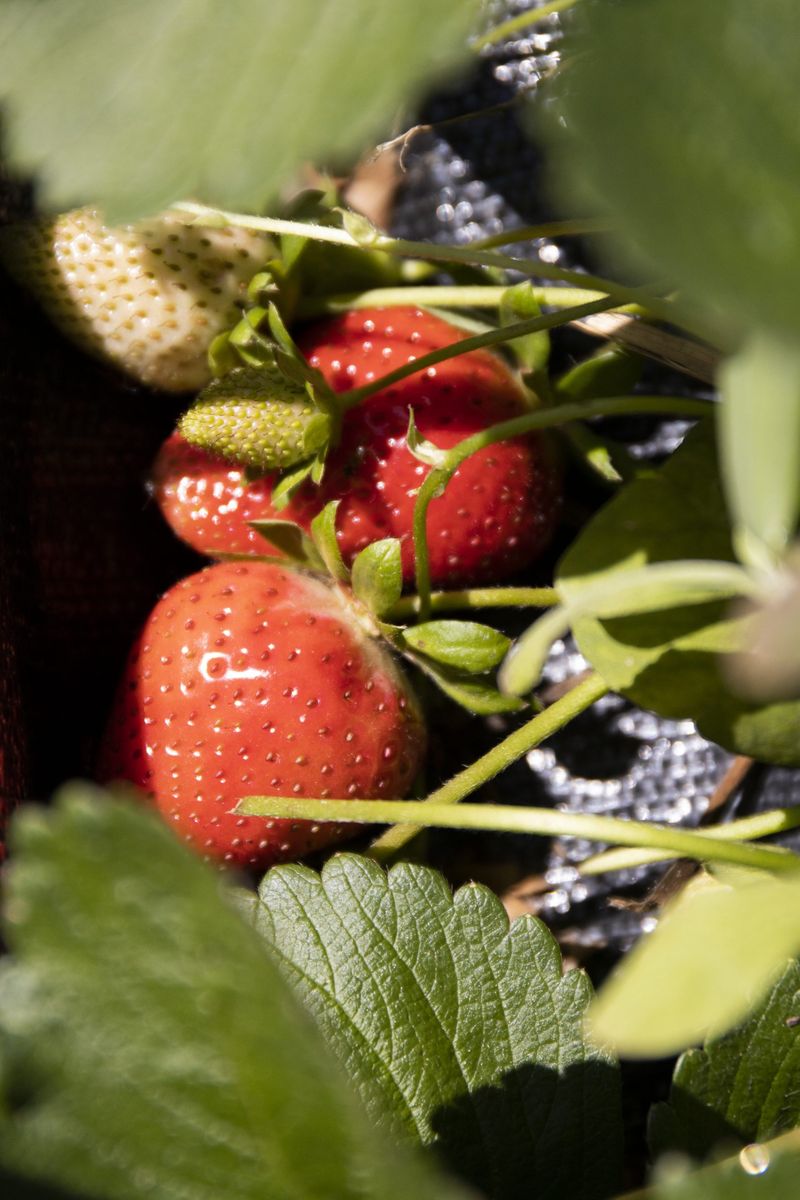
Ever wonder why grocery stores fill up with berries each winter? A huge share of the nation’s winter strawberries come from the Plant City area.
Commercial growers there set their plants in fall for a good reason. The same timing works beautifully for home gardeners across the state.
Strawberries planted in October settle their roots while the weather is mild. By December or January, sweet red fruit starts showing up.
Pick varieties bred for warm regions and recommended for Florida conditions. Florida Radiance is a well-documented UF/IFAS developed variety that performs reliably here.
Ask your local nursery or UF/IFAS extension office about other currently available varieties suited to your specific region, since recommendations can shift as new options become available.
Set each plant so the crown sits right at soil level. Bury it too deep and it may rot, but too shallow and the roots dry out.
Raised beds or hanging baskets work wonders for drainage. They also keep berries off damp ground where slugs love to snack.
Spread pine straw or plastic mulch under the plants. It keeps fruit clean and helps hold moisture in sandy soil.
Keep an eye on the weather in January. If a frost warning pops up, toss an old sheet over the plants overnight.
Birds adore strawberries as much as kids do. A simple net draped over the bed can save your harvest from feathered thieves.
There is nothing quite like eating a sun-warm berry straight off the plant. That first bite makes waiting feel totally worth it.
4. Carrots Grow Sweeter In Fall Soil
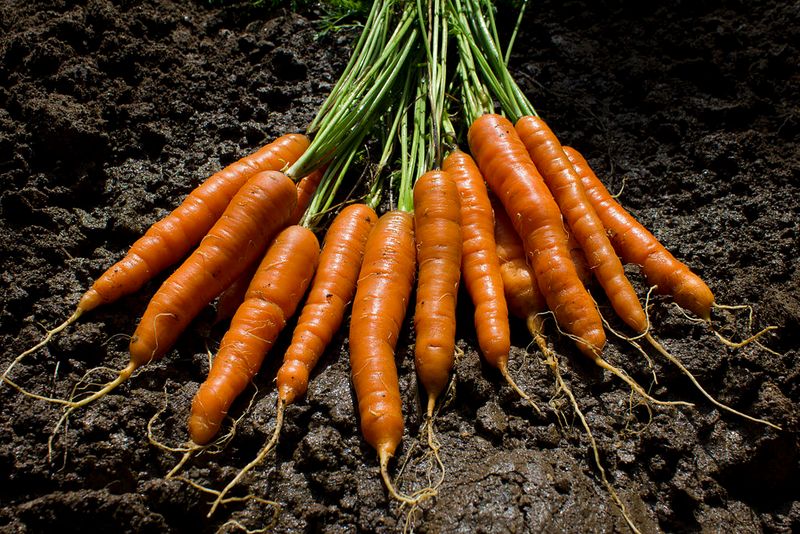
Grandma used to say carrots taste best after a cool spell, and she was onto something. Chilly nights help carrots store more sugar in their roots.
In Florida, those chilly nights mostly show up after October. That makes fall the golden window for crunchy, sweet carrots.
Good news for many local gardeners, carrots like loose soil. Sandy ground lets the roots stretch down straight without twisting.
If your yard has rocks or hard clay, try a deep raised bed or a large container. Shorter types like Danvers or Chantenay handle shallow spots well.
Carrot seeds are tiny and a little slow. They can take up to three weeks to sprout, so patience is part of the deal.
Keep the top layer of soil damp the whole time. Some gardeners lay a board over the row, then lift it once green sprouts appear.
Thinning feels painful but matters a lot. Pull extra seedlings so the rest stand about two inches apart.
Crowded carrots stay skinny and tangled together. Those tiny thinned carrots make a cute snack, too.
Harvest begins roughly 70 days after planting. Brush away soil at the top to peek at the root size first.
Kids especially love pulling carrots from the ground. It feels like finding buried treasure right in your backyard.
5. Herb Gardens Burst With Cilantro And Parsley In October
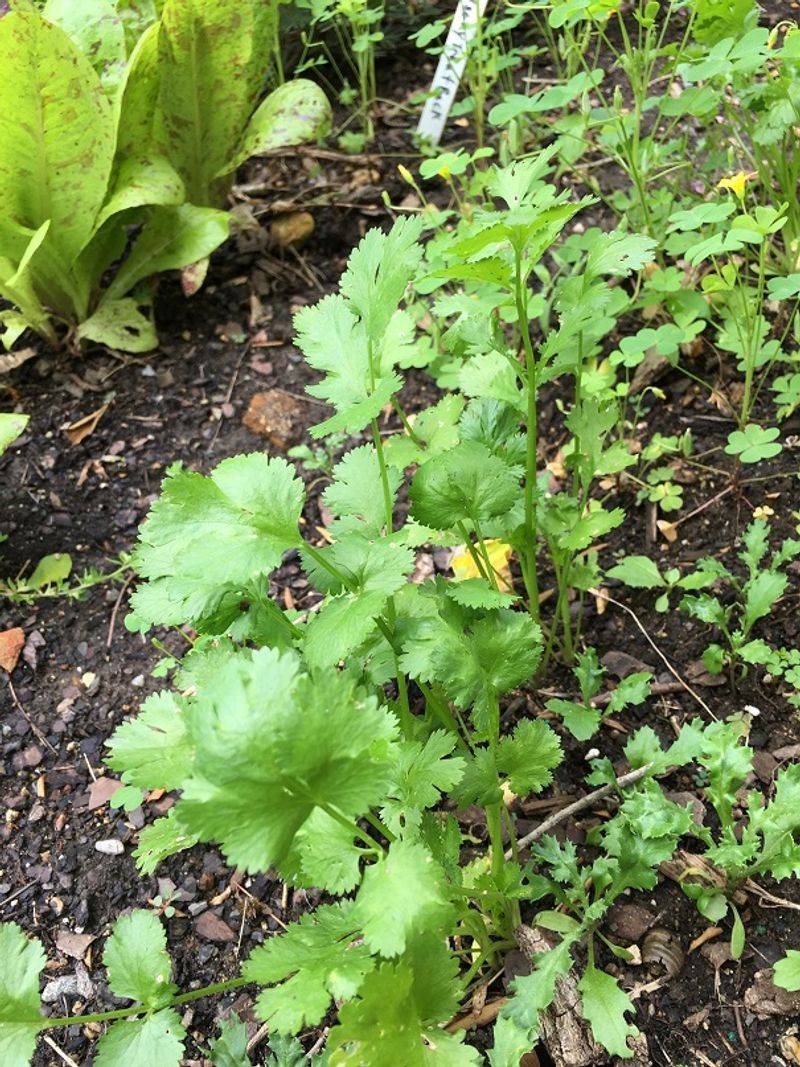
Cilantro in summer is a lesson in frustration. You blink, and the whole plant has flowered and gone to seed.
These leafy herbs simply prefer cool air. Planting them in October gives Florida cooks months of fresh flavor for salsa, soups, and tacos.
Cilantro grows fast from seed and dislikes being moved. Sow it directly where you want it to grow, either in the ground or a pot.
Parsley is slower to start but lasts much longer. Once it gets going, a single plant can supply a family all winter.
Try both flat-leaf and curly parsley to see which you prefer. Flat-leaf tends to have a stronger taste for cooking.
Here is a fun bonus for nature lovers. Parsley is a favorite food for black swallowtail caterpillars.
If you spot green, striped caterpillars munching away, consider planting a little extra. They will turn into gorgeous butterflies that visit your yard.
Dill is another cool-season herb that pairs well with this group. It also attracts helpful insects that snack on garden pests.
Harvest the outer stems first, and let the center keep growing. Regular trimming encourages bushier, fuller plants.
A sunny windowsill or patio pot works fine for small spaces. Fresh herbs make every home-cooked meal feel a little fancier.
6. Collards And Kale Shine When Fall Rolls In
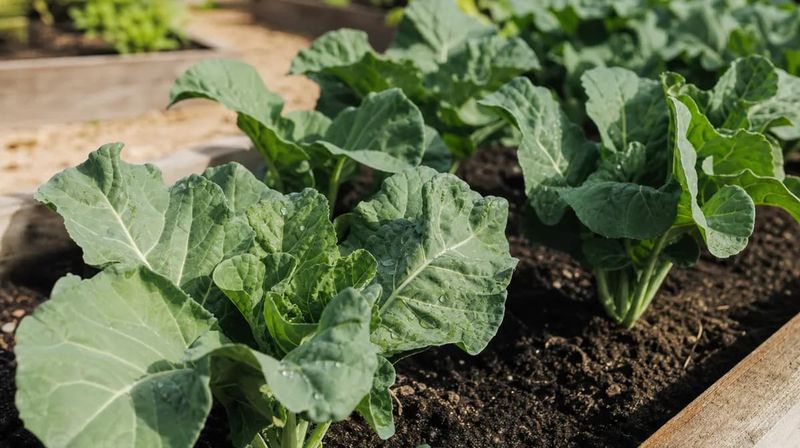
Southern kitchens have treasured collard greens for generations. A pot simmering on the stove is practically a holiday tradition.
Those big leafy plants grow happiest once October cools things down. In Florida, fall-planted collards can keep producing well into spring.
Kale belongs to the same plant family and follows similar rules. Varieties like Lacinato and Red Russian add color and texture to any bed.
Both greens handle a light frost without much fuss. In fact, a touch of cold often makes the leaves taste milder and sweeter.
Give each plant room to spread out, about 18 to 24 inches apart. Collards can grow surprisingly large, sometimes waist high.
Watch the undersides of leaves for small green caterpillars. Hand-picking them or using a natural spray made from Bt keeps damage low.
Aphids sometimes cluster on new growth, too. A strong blast from the garden hose usually sends them packing.
Harvest from the bottom up, picking the lower leaves first. The plant keeps growing taller and pushing out fresh leaves from the top.
Pick greens in the morning when they are crisp and full of water. Store them in the fridge wrapped in a damp towel.
With just a few plants, you can enjoy greens for months. That is a lot of flavor from one small patch of ground.
7. Flower Beds Glow With Petunias And Snapdragons
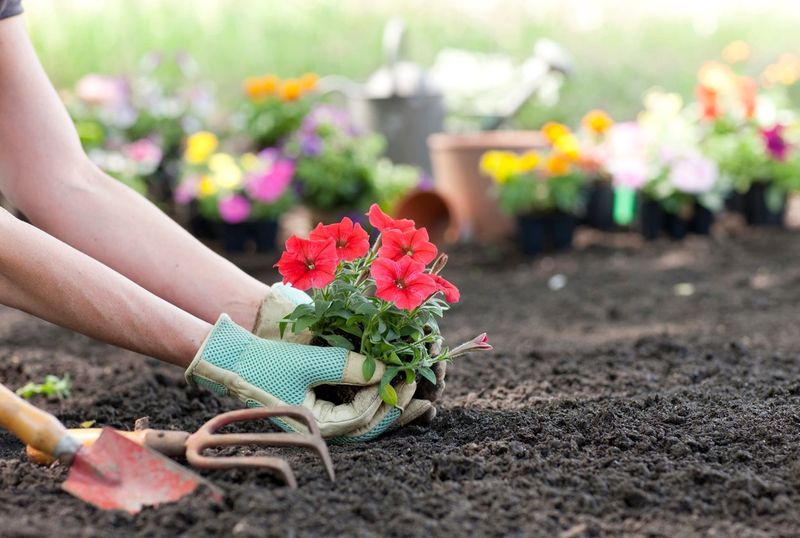
Imagine a front yard bursting with pink, purple, and golden blooms in December. While northern neighbors shovel snow, Florida yards can look like spring.
Cool-season flowers make that happen. Planting them in October lets them settle in before the peak winter show.
Petunias are the cheerful workhorses of the fall bed. They spill over pots and borders with trumpet-shaped flowers in nearly every color.
Snapdragons add height and a bit of whimsy. Squeeze a bloom gently, and it opens and closes like a tiny dragon mouth.
Kids find that trick endlessly entertaining. It is a great way to get young helpers excited about gardening.
Other strong fall choices include pansies, dianthus, and alyssum. Alyssum even gives off a light honey scent on warm afternoons.
Most of these annuals would wilt fast in summer heat. That is exactly why patient gardeners saved them for fall.
Plant them in a spot with plenty of morning sun. Well-drained soil mixed with compost helps the roots stay healthy.
Pinch off faded flowers every few days, a habit called deadheading. It pushes the plant to make more blooms instead of seeds.
A light feeding of flower fertilizer once a month keeps colors bright. Your curb appeal will turn heads all season long.
8. Onions And Garlic Settle Into Florida Soil In Fall
Some crops test your patience more than others. Onions and garlic are the slow and steady turtles of the garden.
They need a long, cool season to form nice bulbs. October planting gives growers the time these plants crave.
Choose short-day onion varieties, since they are made for southern regions. Granex, the type behind famous sweet onions, is a popular pick.
Plant sets or transplants about four inches apart. Keep the tops just above the soil so they can soak up sunshine.
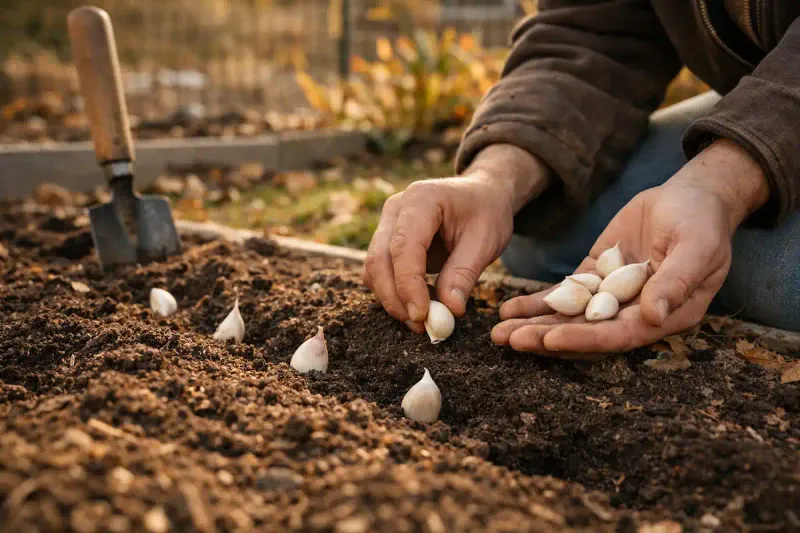
Garlic is a little trickier in warm climates. Softneck varieties and Creole types tend to perform better than the hardneck kinds grown up north, and checking with your local UF/IFAS extension office for currently recommended varieties is a smart first step.
Some gardeners try chilling garlic cloves in the fridge for several weeks before planting, with the idea that a brief cold period may encourage better bulb development. Results can vary, and this practice is not a firmly established recommendation for Florida conditions, so it is worth experimenting cautiously rather than relying on it as a guaranteed technique.
Push each clove into the soil pointy side up, about two inches deep. Cover with mulch to hold moisture and block weeds.
Both crops dislike competition, so weed often. Their thin leaves cannot shade out unwanted plants the way bushy crops can.
Harvest usually arrives in spring, when the tops start to yellow and flop over. Let the bulbs dry in a shady, airy spot for a couple of weeks.
Homegrown onions and garlic add serious flavor to meals. The long wait makes them taste even better.