Fake Spider Webs On Georgia Shrubs Can Trap Birds And Bats This Halloween
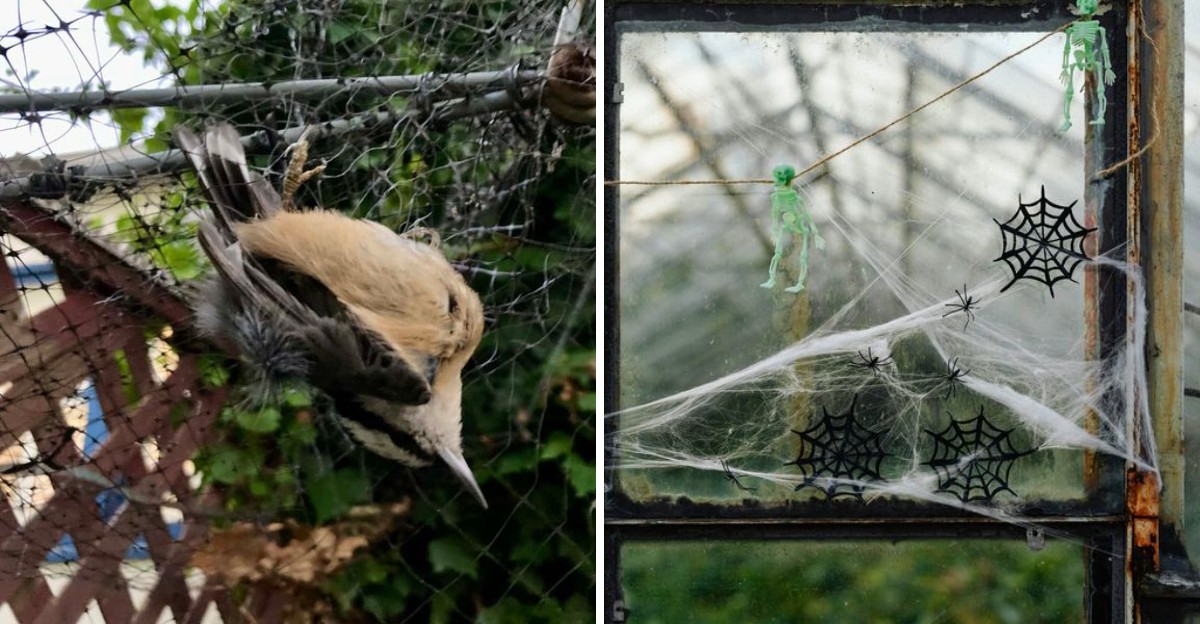
Halloween decorations can look harmless on your shrubs, but stretchy fake spider webs create a problem that is easy to overlook.
Birds moving through branches may become tangled in loose fibers. Bats can also encounter decorations placed near their usual flight paths.
The risk comes from the material itself, especially when it stretches between twigs and catches on wings or feet.
Before decorating your Georgia yard, consider where wildlife normally moves through the plants. Keep synthetic webbing off shrubs and trees rather than trying to make it safer by stretching it loosely.
You can still create a spooky display without putting strands where animals might encounter them.
Choose decorations that do not create tangling hazards, and secure anything that could blow into nearby branches. Your Halloween setup can look festive while leaving wildlife room to move.
1. Fake Spider Webs Are Stronger Than They Look
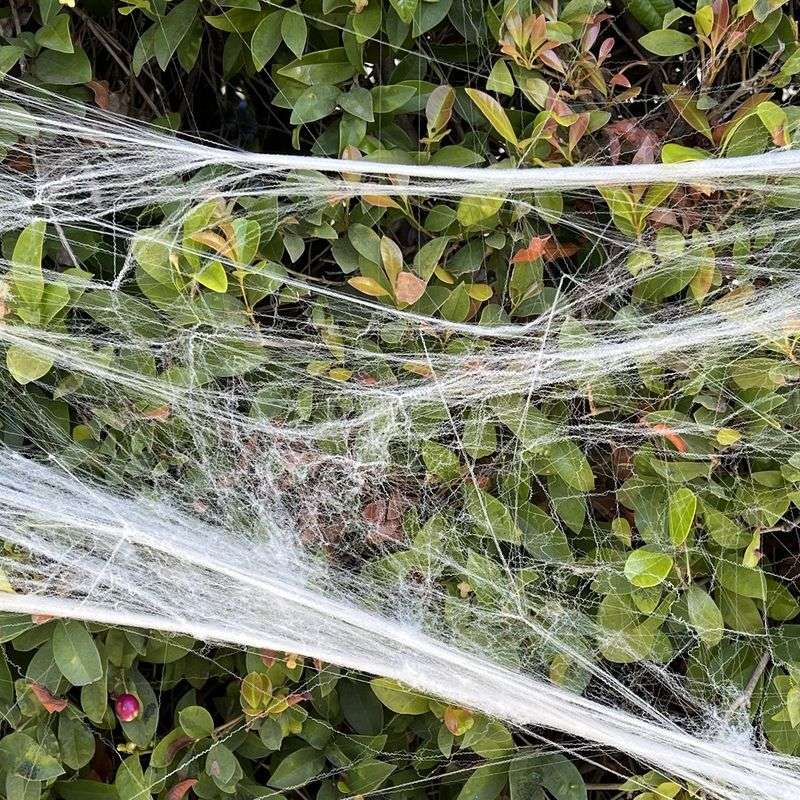
Pull a strand of fake webbing between your fingers, and you will notice it stretches a lot before it snaps. Most of these decorations are made from polyester or similar synthetic fibers, which hold up well outdoors.
Real spider silk works very differently in a yard.
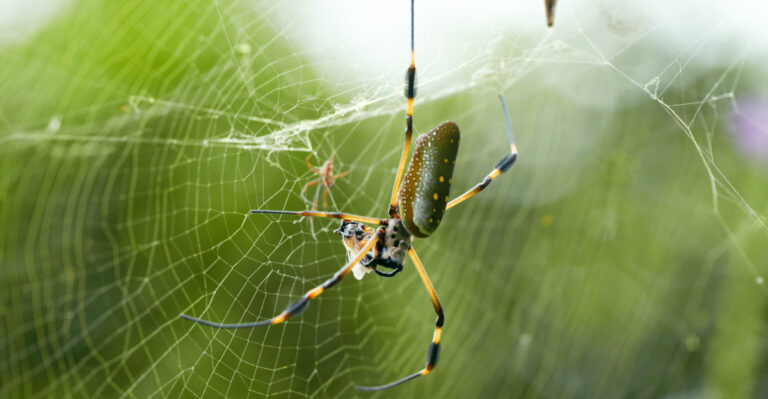
A natural web is small, light, and usually rebuilt by the spider every day or so. Store-bought webbing is often sold in big bags and pulled into wide, thick sheets that cover entire shrubs.
Once those fibers wrap around a wing or leg, a small animal may struggle to break free on its own.
Struggling can make things worse, since the loose strands tend to tighten and twist around a body. Wildlife rehabilitators in several states have reported treating animals caught this way during the fall season.
Rain does not do much to weaken the material either. Georgia storms may knock webbing around, but the fibers often stay intact and simply shift into new spots on the branches.
If you already own a bag of webbing, try stretching a piece by hand before you use it. Feeling how tough it is can change how you think about draping it across your hedges.
Thinner, sparse webbing may seem safer, yet loose single strands can still snag small creatures, so less is not a full solution.
2. Birds Can Get Tangled While Moving Through Shrubs
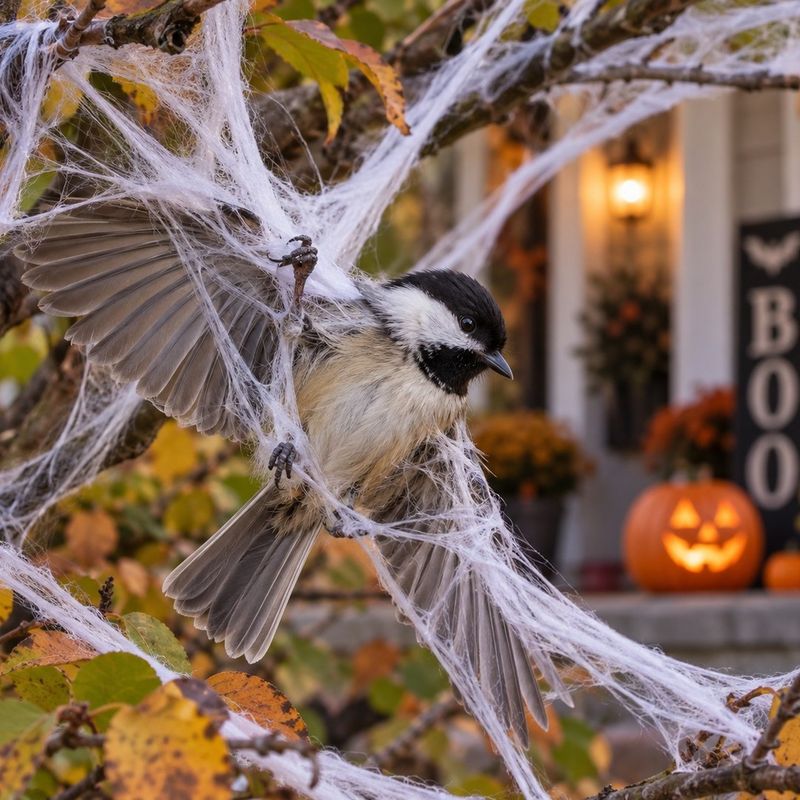
Watch a hedge for ten minutes on a fall morning and you will likely see small birds hopping in and out. Wrens, sparrows, chickadees, and cardinals use dense shrubs for cover and for hunting insects.
Those quick movements leave little time to notice fine fibers stretched across a gap.
Birds that forage low, like Carolina wrens and towhees, spend a lot of time poking through branches. A foot or wing can catch a strand before the bird realizes anything is there.
Hummingbirds are another concern in some yards, since a few may still be passing through in early fall.
Small birds have light bones and delicate feathers, so even a short tangle can cause stress or injury. Feet wrapped in fibers may also lose circulation if the strands are not removed.
Your Georgia Garden Changes Every Week. Your Plan Should Too.
Gardening in Georgia changes quickly throughout the season. Every Friday you’ll receive a simple weekly plan showing exactly what to plant, prune, fertilize, harvest, and protect so you never miss the right timing.
Shrubs near feeders, birdbaths, or berry plants tend to get extra bird traffic. If you decorate, those are the spots to leave alone.
Check any decorated shrubs at least once each morning and again near dusk.
Spotting a trapped bird early gives it a much better chance of recovering. Quick checks take only a minute, and they also help you catch loose webbing before it spreads to other branches in your yard.
3. Bats Can Get Caught While Flying Through Yards At Night
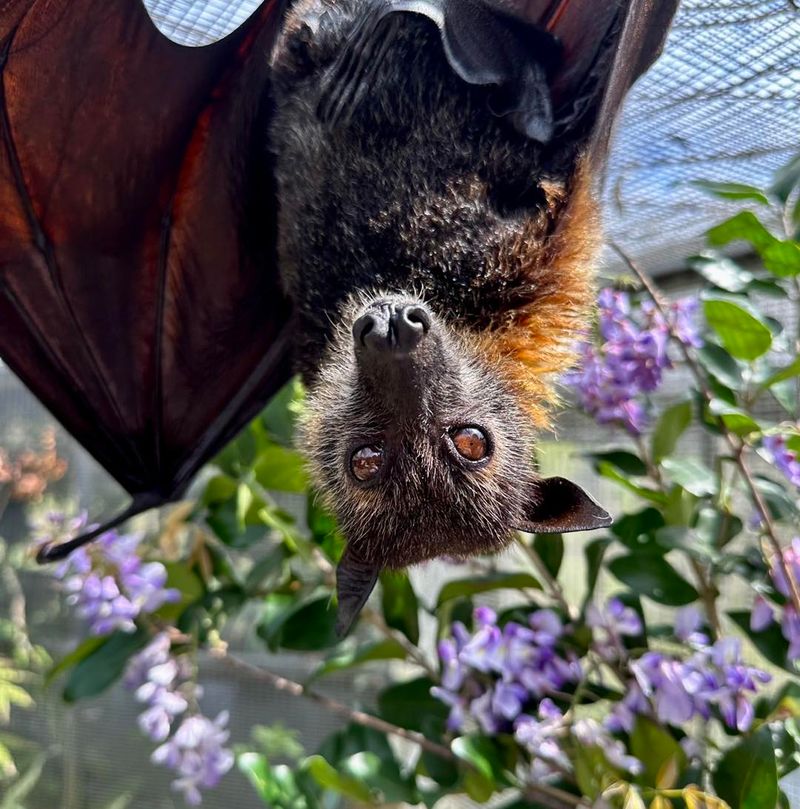
Dusk is when the trouble usually starts for bats. As the light fades, many species leave their roosts and swoop low over lawns, porches, and shrubs to catch flying insects.
Bats find their way using echolocation, which works well for solid objects and insects.
Thin, scattered webbing may be harder for them to detect, especially when it hangs in open air between branches. Wildlife groups have documented bats caught in fake webs, though how often it happens varies by area.
Georgia is home to around 16 bat species, including eastern red bats and big brown bats.
Some bats roost in trees and shrubs during the day, so webbing on foliage may affect them even when they are resting. A bat tangled at night could stay stuck until morning without anyone noticing.
Never handle a bat with bare hands.
Bats can carry rabies, so contact a licensed wildlife rehabilitator or your local animal control office if you find one trapped. Wearing thick gloves only helps a little, so leaving it to trained people is the safer choice.
Porch lights draw insects, and insects draw bats. Keeping webbing away from outdoor lights cuts down on chance encounters during October evenings.
4. Halloween Falls During Georgia’s Fall Bird Migration
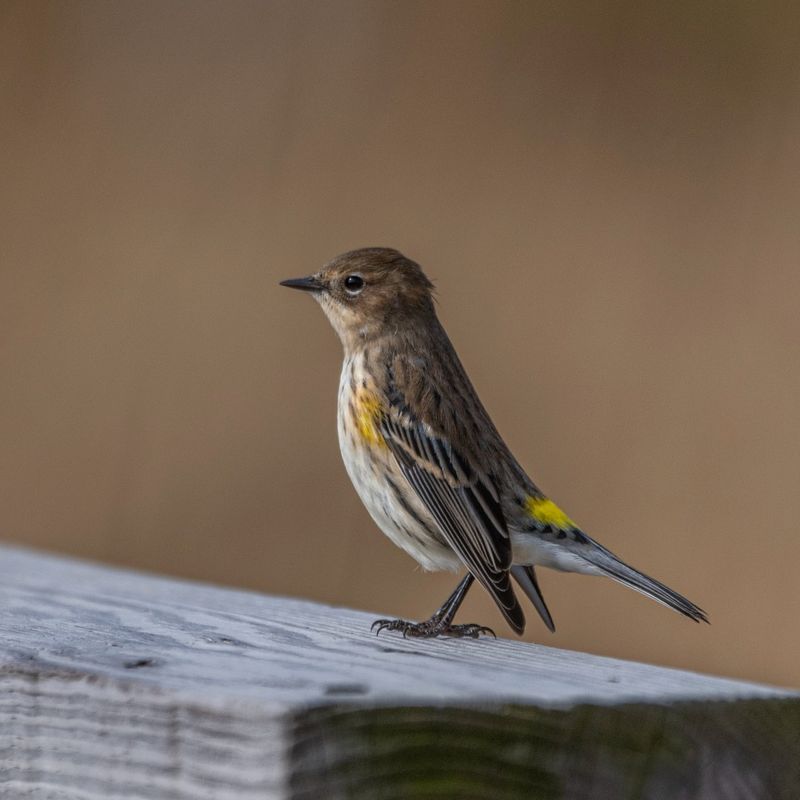
October is a busy month in the sky over the Southeast. Fall migration in Georgia generally runs from late summer into November, and October often brings a lot of movement.
Warblers, thrushes, vireos, and other songbirds pass through on their way south.
Migrating birds often stop to rest and refuel in places with food and cover. Suburban shrubs, hedges, and small trees can serve as quick rest stops, especially in neighborhoods with few natural areas nearby.
Tired birds may be less cautious as they hunt for insects and berries.
Exact timing depends on weather, location, and species. North Georgia and the coast can see different patterns, and cold fronts may push large waves of birds through in a single night.
Winter residents also begin arriving around this time. Species like ruby-crowned kinglets and yellow-rumped warblers settle into yards for the colder months.
Putting webbing up in early October means it overlaps with both migrants and new arrivals.
If you love seeing birds, think about waiting until closer to Halloween to decorate, and keep webbing off fruiting shrubs like beautyberry and holly. Those plants attract hungry travelers, and a decoration-free shrub gives them a safer place to feed.
5. Loose Webbing Can Blow Into Trees And Stay There For Months
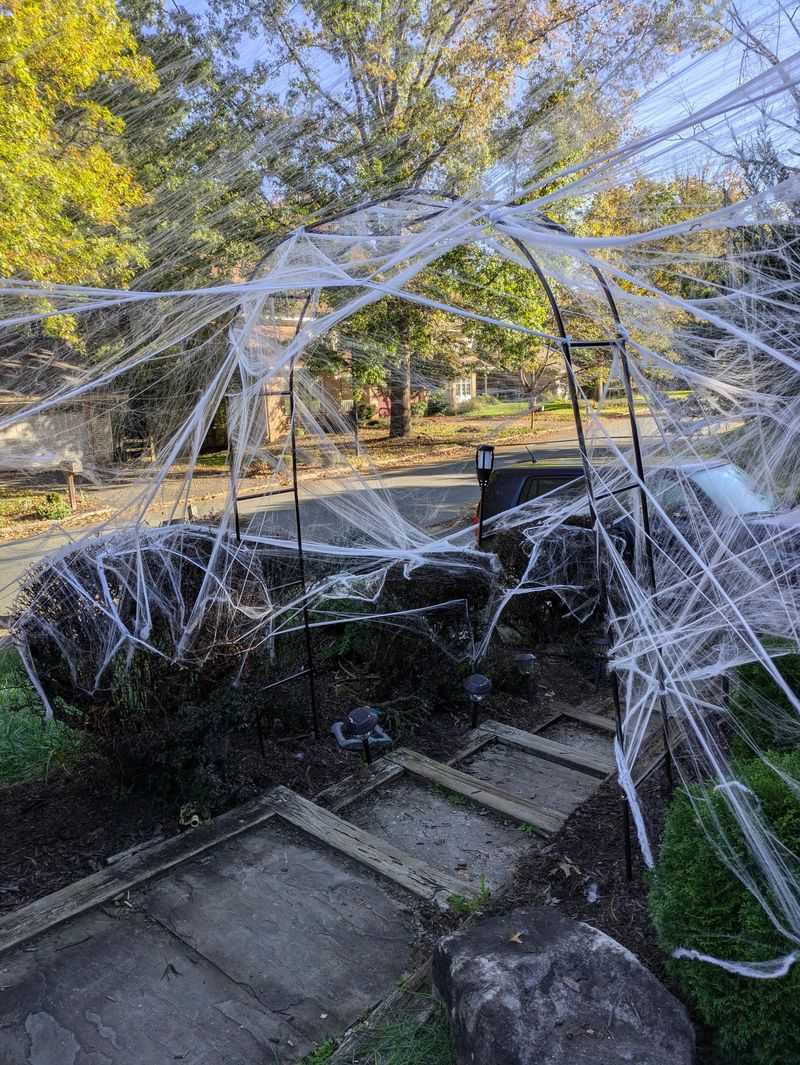
Wind does not care that the holiday ended. A breezy fall day can tear strands of webbing loose and carry them into taller trees, neighbor yards, or nearby woods.
Once those fibers land high in a tree, they can be tough to reach.
Synthetic webbing breaks down very slowly, so it may hang around through winter and into spring. Leftover strands can catch on birds, bats, or squirrels long after the jack-o-lanterns are gone.
Nesting season is part of the worry here.
Some birds collect soft materials to line their nests in spring. Loose fibers in the yard might end up woven into a nest, where young birds could get tangled.
Storms are common in Georgia during fall, and gusty fronts can scatter decorations quickly. Checking the yard after windy weather helps you catch drifting pieces before they travel far.
Take webbing down soon after Halloween instead of letting it linger into November.
Pull it off slowly and gather every piece you can see, including bits stuck deep inside shrubs. A trash bag and a pair of gloves make the job easier, and webbing that has been outside usually is not worth saving for next year anyway.
6. Trapped Wildlife May Need Help From A Wildlife Rehabilitator
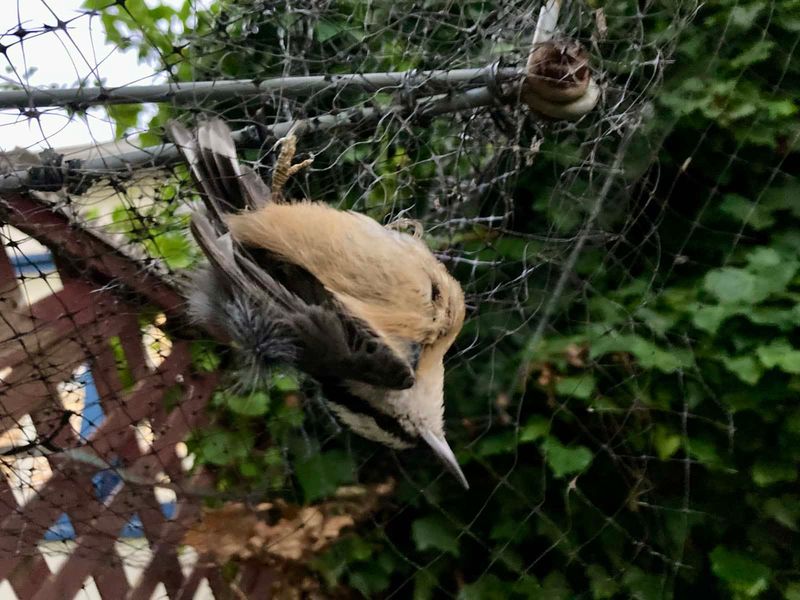
Finding a trapped animal can feel scary, but a calm plan makes a big difference. Your first job is to keep pets and kids away so the animal does not panic further.
Small birds can sometimes be freed carefully by an adult wearing gloves.
Use small scissors to snip strands away from the body, working slowly and avoiding feathers and skin. A light towel placed over the bird may help it stay calm while you work.
Even if the animal flies off, it could have hidden injuries.
Fibers wrapped tightly around legs or wings can cut off blood flow, which may not show right away. A licensed wildlife rehabilitator can check for damage and care for the animal until it is ready to go.
Bats are a different story, so do not try to free one yourself. Call a rehabilitator or animal control for help.
The Georgia Department of Natural Resources keeps a list of licensed rehabilitators on its website.
Save a phone number in your contacts before you decorate, just in case. Placing a gently caught bird in a ventilated box in a quiet, dark spot while you wait for advice can reduce its stress until help arrives.
7. Keeping Fake Webs Indoors Removes The Risk From Your Yard
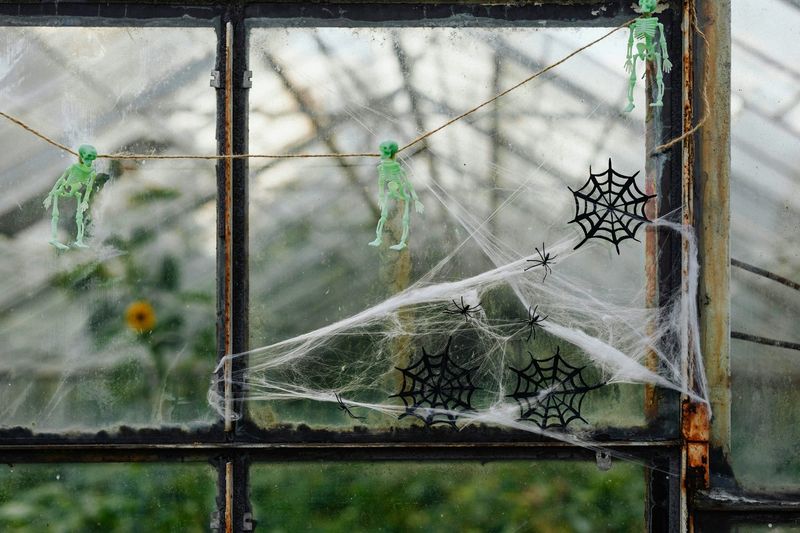
Inside the house, a fake web is just a fun decoration. Draping it across a mantel, bookshelf, or front window gives you the spooky look without exposing birds and bats.
Windows are a smart choice because people outside can still enjoy the display.
If you want something for the yard, there are plenty of wildlife-friendly options. Pumpkins, hay bales, scarecrows, and solid plastic spiders add a festive feel without loose fibers.
Rope webs made from thick cord are another popular alternative.
Larger openings and sturdy material make them easier for animals to see and avoid. Hang them flat against a wall or door rather than across open spaces where creatures travel.
Painted wooden cutouts and lighted displays can also make a yard stand out on Halloween night. Many Georgia neighborhoods take decorating seriously, and these choices fit right in.
Keep pets in mind too, since cats and dogs sometimes chew or swallow loose webbing indoors.
Store leftover webbing in a sealed bag between uses. Making a small switch like this still lets you celebrate, and it gives the wrens, warblers, and bats around your home a safer fall season.