Why Groundhogs Become Very Interested In Your Ohio Garden Before Winter
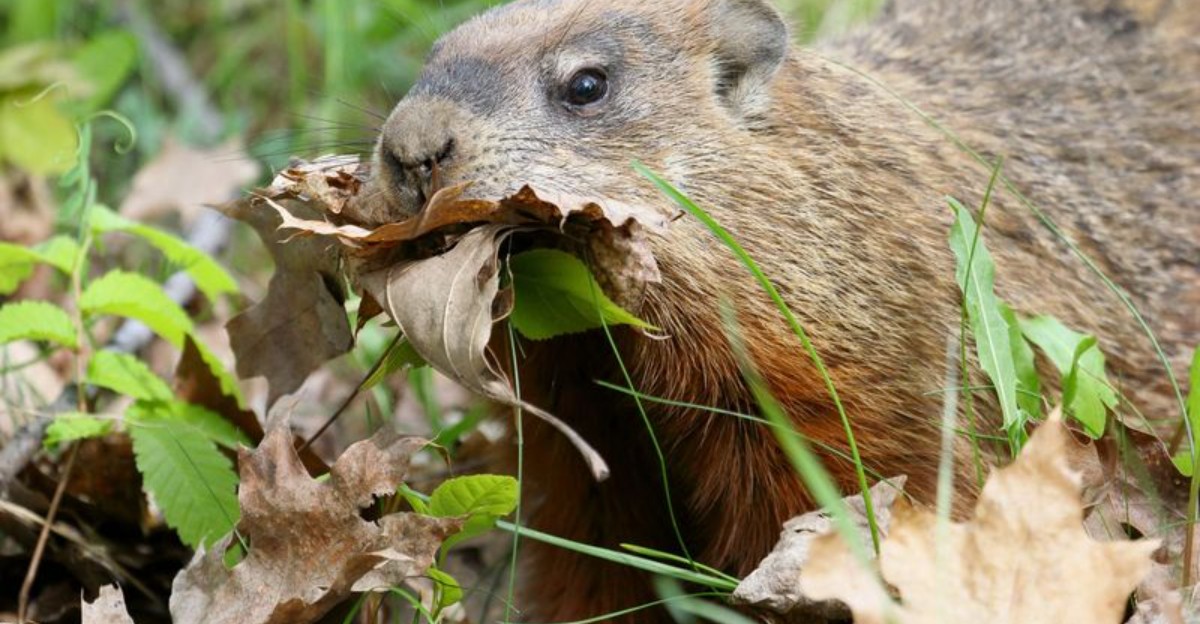
Something with a serious appetite just moved into the neighborhood, and your tidy garden beds look like the last buffet before a long closing.
Groundhogs in Ohio treat October like a shopping spree. They eat with purpose, pack on pounds, and take notes on every yard with an easy meal.
Your late greens and leftover veggies read like a sign that says “open.”
Gardeners tend to blame the wrong culprit. Deer get the credit, rabbits get the heat, and the real diner slips out of sight with a full belly.
Their interest has a reason, and it goes deeper than hunger. Once you see it, the timing makes sense.
Walk the edges of your garden this week and look for the signs. A little attention now keeps your beds from turning into a free-for-all.
1. Groundhogs Are Getting Ready To Hibernate
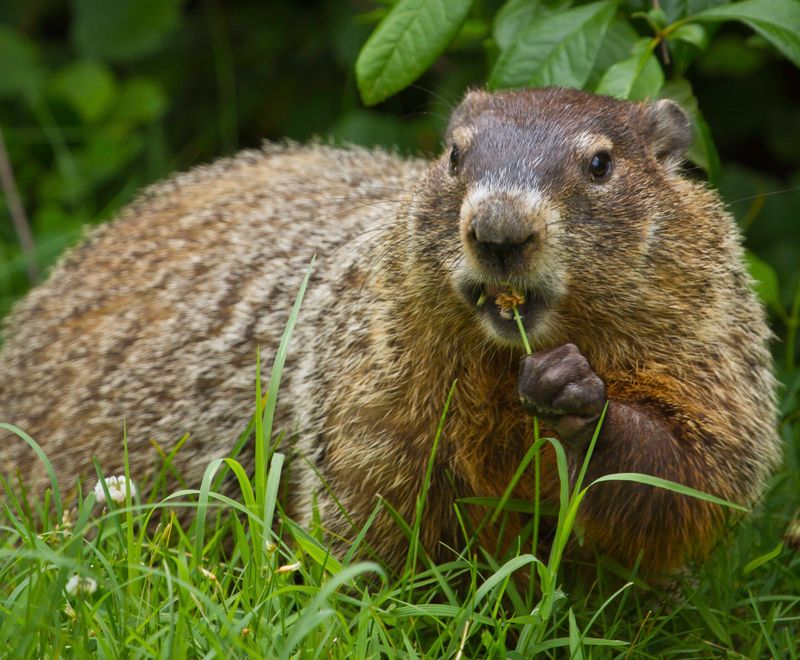
Picture a chubby neighbor racing a countdown clock. As fall rolls across Ohio, that is pretty much the groundhog living near your yard.
Groundhogs are one of the few true hibernators in the state. Unlike squirrels, they do not stash acorns or wake up for snacks.
Most Ohio groundhogs head underground around late October or early November. They usually stay tucked away until late February or March.
That gives them a short window to prepare, and they know it. Shorter days and cooler nights act like an alarm that says eat now.
So late summer and early fall become a feeding frenzy. Your beans, greens, and fallen fruit suddenly look like a buffet with no closing time.
Here is a fun bit of trivia for your next dinner party. Groundhogs are actually a type of large ground squirrel, and they belong to the marmot family.
You may notice more daytime activity too. Groundhogs feed mostly in the morning and late afternoon, so those are great times to watch for them.
Knowing this timing helps you plan smarter. Protect your fall crops from late August through October, when hunger peaks.
Once the first hard frosts settle in, visits usually taper off. Until then, expect a furry guest who treats every leaf like a last meal.
2. They Need A Thick Layer Of Fat To Make It Through Winter
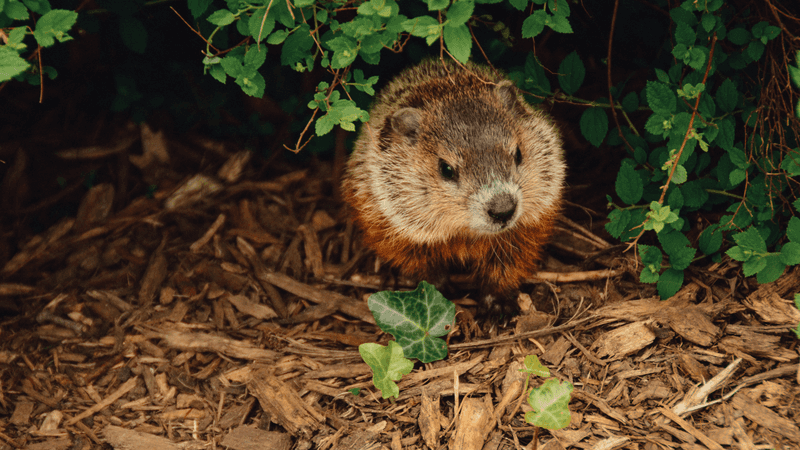
Think of fat as a groundhog’s winter sleeping bag and pantry rolled into one. Without it, the long cold months would be impossible to get through.
During hibernation, a groundhog does not eat or drink anything. For around five months, every bit of energy comes from fat stored under its skin.
That is why fall eating looks so intense. A groundhog is not being greedy, it is filling a fuel tank that must last until spring.
Fresh, tender plants are packed with water and nutrients that help them bulk up fast. A well-watered Ohio garden offers far more of that than a dry, scruffy field.
Late-season crops like kale, broccoli, and fall lettuce are especially tempting. They stay green and juicy while wild plants turn brown and tough.
Your Ohio Garden Changes Every Week. Your Plan Should Too.
Gardening in Ohio changes quickly throughout the season. Every Friday you’ll receive a simple weekly plan showing exactly what to plant, prune, fertilize, harvest, and protect so you never miss the right timing.
Want to make your yard less inviting? Clear away fallen fruit, keep grass trimmed near the garden, and remove brush piles where they might hide.
Groundhogs like cover close to their food. Open space makes them nervous, because hawks, foxes, and coyotes are watching too.
A little tidying will not end the visits, but it can make your garden feel less like a safe, cozy diner. Every small change helps tip the odds your way.
Pair tidying with a good fence for the best results. Your fall harvest will thank you.
3. They Can Lose Up To Half Their Weight By Spring
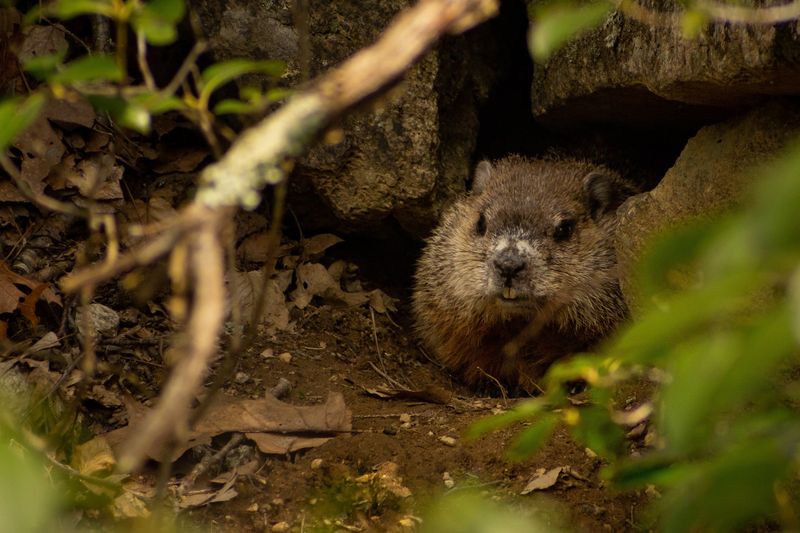
Imagine stepping on the scale after winter and finding half of you gone. For some groundhogs, that is close to what spring looks like.
Researchers report a wide range of weight loss during hibernation. Some groundhogs drop about 25 to 30 percent, while others lose as much as half their body weight.
Their bodies slow way down to save energy, but they still burn fuel. Every so often, they briefly warm up, which uses a lot of stored fat.
That big loss explains the frantic fall eating you see in your garden. A groundhog heading underground too thin may struggle to make it to spring.
It also explains why spring visits can be so bold. A hungry, slimmed-down groundhog crawls out ready to munch the first green shoots it finds.
For Ohio gardeners, that means two busy seasons each year. Fall is about bulking up, and early spring is about refueling fast.
Plan ahead by keeping fences in good shape through winter. Check for gaps after snow melts, before you plant peas and lettuce in March or April.
Did you know males often wake first? They roam around looking for mates before the females come out, so early sightings are often the guys.
Keep an eye out on those first mild days. Fresh tracks in soft mud are a clear sign someone is awake.
4. Their Heartbeat Drops To 4 Or 5 Beats A Minute
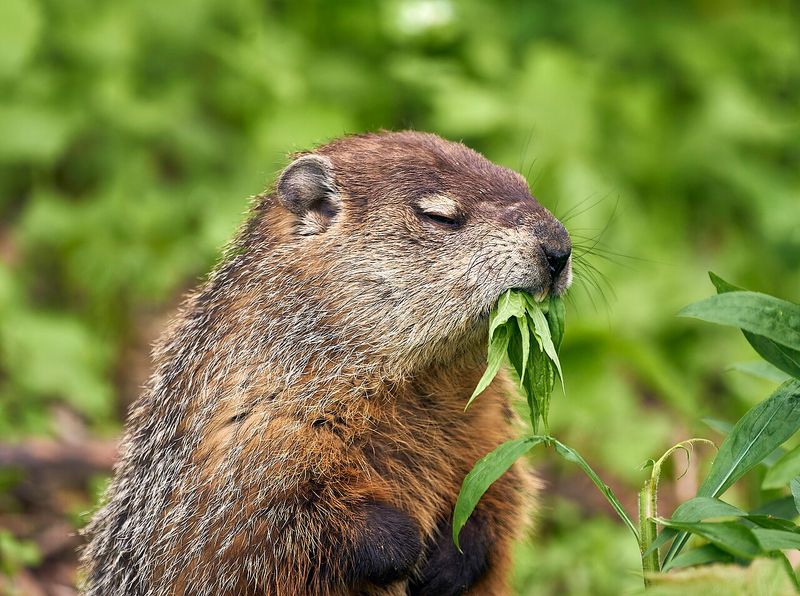
Your heart beats around 70 times a minute while you read this. A hibernating groundhog’s heart might beat only 4 or 5 times in that same minute.
That is one of nature’s wildest slowdowns. Before hibernation, a groundhog’s heart beats roughly 80 times a minute.
Body temperature drops too, from about 99 degrees to as low as 37 degrees Fahrenheit. That is only a few degrees above freezing!
Breathing slows from around 16 breaths a minute to as few as two. The whole body runs on a tiny trickle of energy.
This deep slowdown is how a groundhog stretches its fat reserves for months. If its body ran at normal speed, the fat would run out in a few weeks.
So why should gardeners care about heartbeats? Because this energy-saving trick only works if there is enough stored fuel to begin with.
The more a groundhog eats in fall, the safer its long sleep becomes. Your garden is basically helping power that tiny, slow heartbeat.
There is a bright side for you, though. Once a groundhog settles into this state, it will not raid your garden until the weather warms.
Winter gives you a break to repair fences and plan. Use those quiet months wisely before the spring wake-up call.
5. Your Garden Is Probably Close To Their Burrow
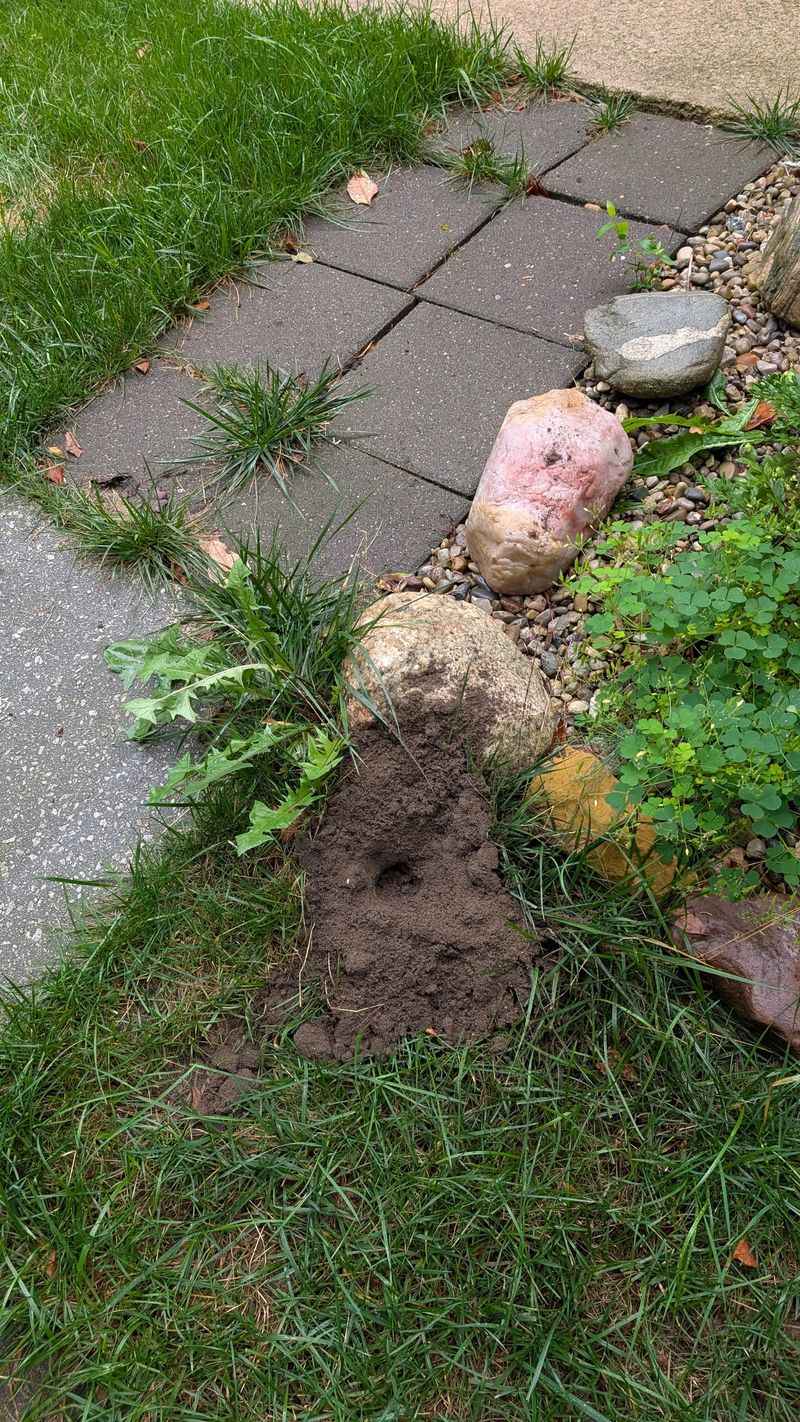
If you have a groundhog in your garden, its front door is probably close by. These animals rarely travel more than a half-mile from home.
Many stay much closer than that, sometimes just a few dozen yards away. Short trips mean less time out in the open with predators around.
Groundhogs love to dig under sheds, decks, porches, and along foundations. These spots give them a roof overhead and fast access to tasty plants.
Their burrows are impressive feats of engineering. Tunnels can stretch 15 to 25 feet sideways and sit 2 to 6 feet underground.
Most burrows have several entrances, including a main hole with a big dirt mound. Smaller escape holes are often hidden in tall grass or brush.
Take a walk around your yard this fall with fresh eyes. Look for holes about 10 to 12 inches wide and piles of loose soil nearby.
Check along fence lines, woodpiles, and the edges of outbuildings too. Fresh dirt and worn paths through grass are strong clues.
Finding the burrow helps you understand where the trouble starts. It also tells you which side of the garden needs the strongest protection.
Be careful near those holes, though. Burrows can weaken soil under sheds and trip up lawn mowers.
6. One Groundhog Can Eat Up To 1.5 Pounds Of Plants A Day
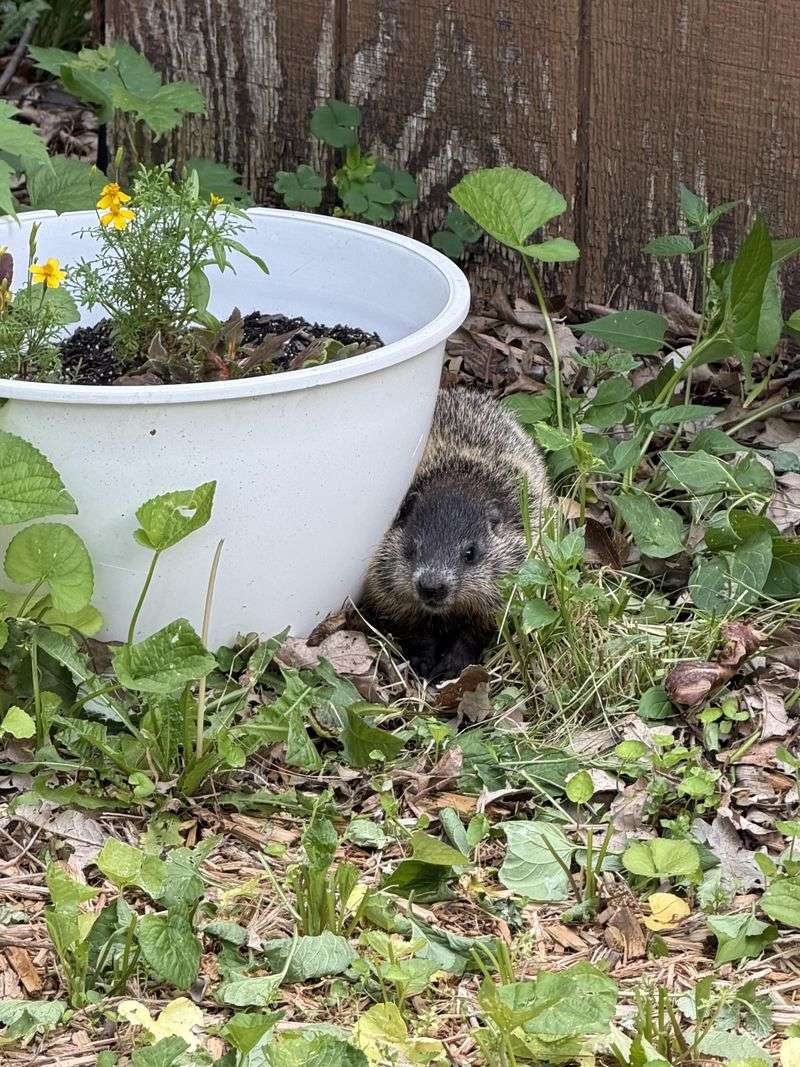
A pound and a half of salad a day sounds like a lot for one small animal. For a fall groundhog, that is just a normal menu.
Adult groundhogs usually weigh between 5 and 12 pounds. Some sources say they can eat up to a third of their body weight each day.
Most reports put daily eating at about 1 to 1.5 pounds of plants. Spread across a small garden bed, that adds up very quickly.
One groundhog can clear a row of young lettuce in a single visit. A family of them can strip a vegetable patch in just a few days.
The damage often looks neat, with plants chewed down to stubs. You may also see bite marks on squash, melons, and low-hanging fruit.
Here is a handy trick for figuring out who is snacking. Deer leave ragged tears and usually feed at night, while groundhogs eat in daylight close to the ground.
A simple trail camera can settle the mystery for good. Point it at the garden edge, and check the footage after a day or two.
Once you know the culprit, you can pick the right defense. Acting early saves far more than replanting later.
Speed matters in the fall. Many crops simply will not have time to regrow before frost.
7. Peas, Lettuce, Clover And Apples Top The Menu
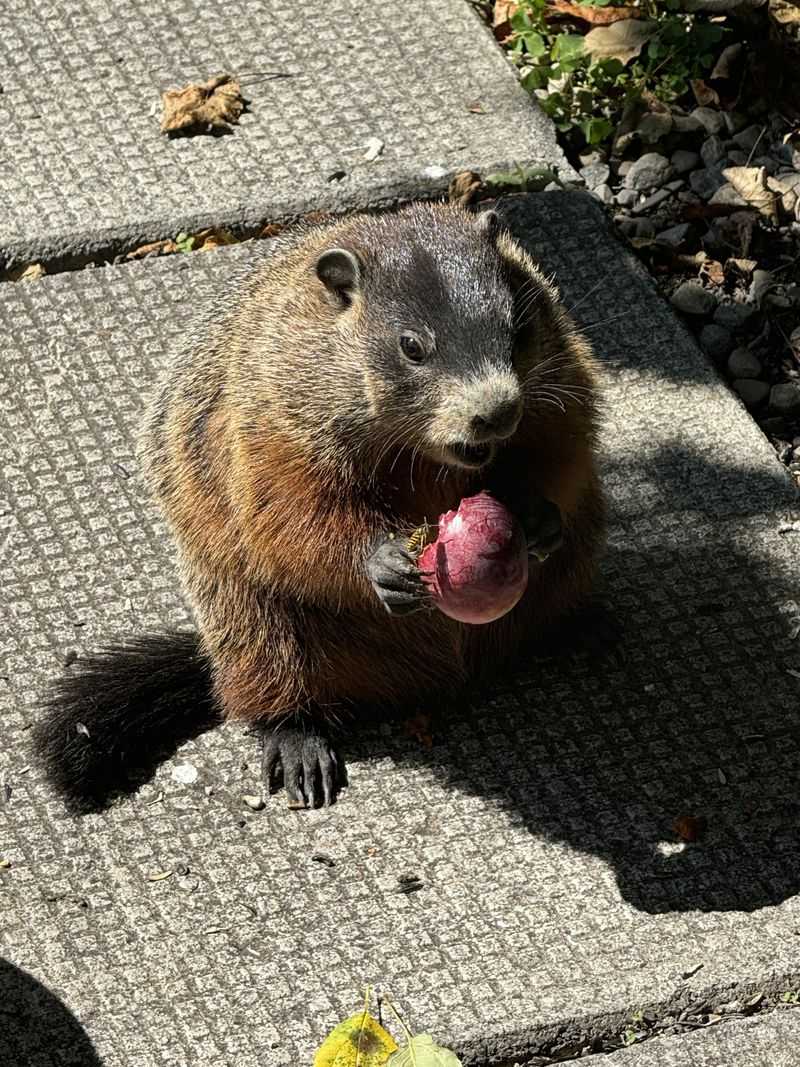
Groundhogs have favorite foods, just like picky kids at a buffet. Peas and lettuce usually sit right at the top of their list.
Beans, carrot tops, broccoli, and squash come close behind. Soft, leafy greens are easy to chew and full of moisture.
Outside the vegetable bed, clover is a huge draw. Alfalfa, dandelions, and many lawn grasses also make the menu.
Fruit lovers, take note. Groundhogs enjoy berries, cherries, and apples, and they can even climb trees to reach them!
In Ohio, fallen apples in autumn are like candy on the ground. Picking them up daily removes one of the biggest lures in your yard.
A clover-filled lawn right next to your garden can also act like a welcome mat. Consider mowing it short or adding a buffer strip of gravel or mulch.
Some gardeners try planting less tasty crops near the edges. Groundhogs tend to skip strong-smelling herbs like lavender, mint, and sage.
That will not guarantee safety, but it can slow them down. Think of it as making the front of your buffet a little less exciting.
Keep your most prized crops in the safest, fenced spot. Watch which plants get hit first, since that list tells you exactly what your local groundhog loves.
8. A Buried, Loose Fence Keeps Them Out
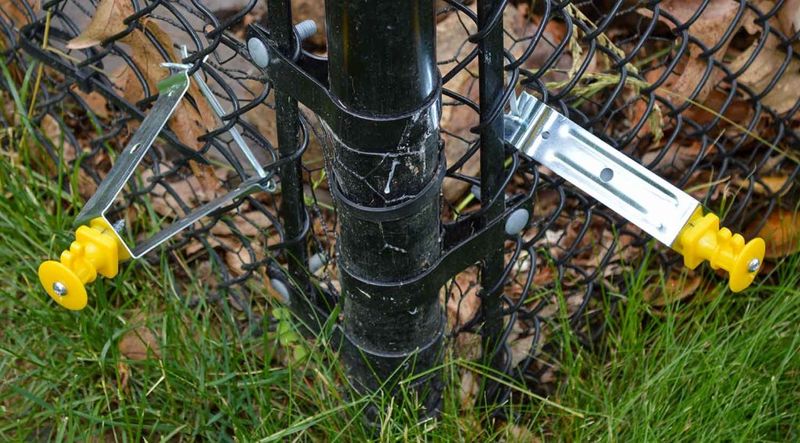
Groundhogs are excellent diggers and surprisingly good climbers. A regular garden fence often looks like a fun challenge to them.
The best design uses sturdy welded wire with holes about 1 inch or 3/4 inch wide. Aim for a fence at least 3 to 4 feet tall above ground.
Next comes the digging defense. Bury the bottom 12 to 18 inches of wire and bend it outward in an L shape, away from the garden.
When a groundhog tries to tunnel under, it hits that buried wire. Most give up rather than dig around it.
Now for the clever part at the top. Leave the upper 12 to 18 inches of wire loose and floppy instead of tightly attached.
As a groundhog climbs, the wobbly wire bends back toward it. Groundhogs dislike shaky footing, so they usually drop back down.
Some gardeners add a single electric wire about 4 to 5 inches off the ground outside the fence. Follow the product directions carefully if you try this.
Install your fence before fall feeding peaks in late summer. It is much easier to keep groundhogs out than to break an old habit.
Walk the fence line every week or two. Fix sagging spots and fill any new holes right away.
9. Check Ohio’s Rules Before Trapping
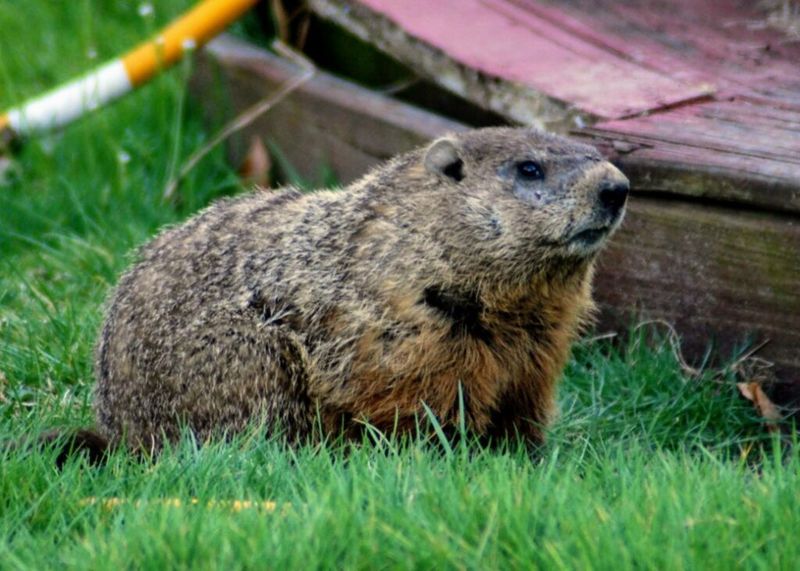
Before you set a trap, take a few minutes to learn the rules. Ohio has clear guidelines, and following them keeps you out of trouble.
Homeowners can legally trap groundhogs on their own property without a special permit. If the land belongs to someone else, you need written permission from the owner.
Every trap must be labeled with your name and address. You also need to check traps at least once every 24 hours.
Any captured animal must be removed within that same window. Leaving a groundhog stuck in a hot trap is stressful and against the rules.
Moving a live groundhog has limits too. You can only release it on another property with that landowner’s permission, and outside city or village limits.
Releasing it right where it was caught is another legal option. Body-gripping traps come with extra size and placement restrictions, so read up first.
Not comfortable handling wildlife yourself? Hire a licensed nuisance wildlife control operator to do the job safely.
Your city may have its own rules as well. Call local police or animal control before trapping inside town limits, like Cincinnati or Columbus.
Trapping works best alongside fences and yard cleanup. Otherwise, a new groundhog may move into the empty burrow next season.