Wolf Spiders Start Appearing Inside Georgia Homes As Fall Nights Get Cooler
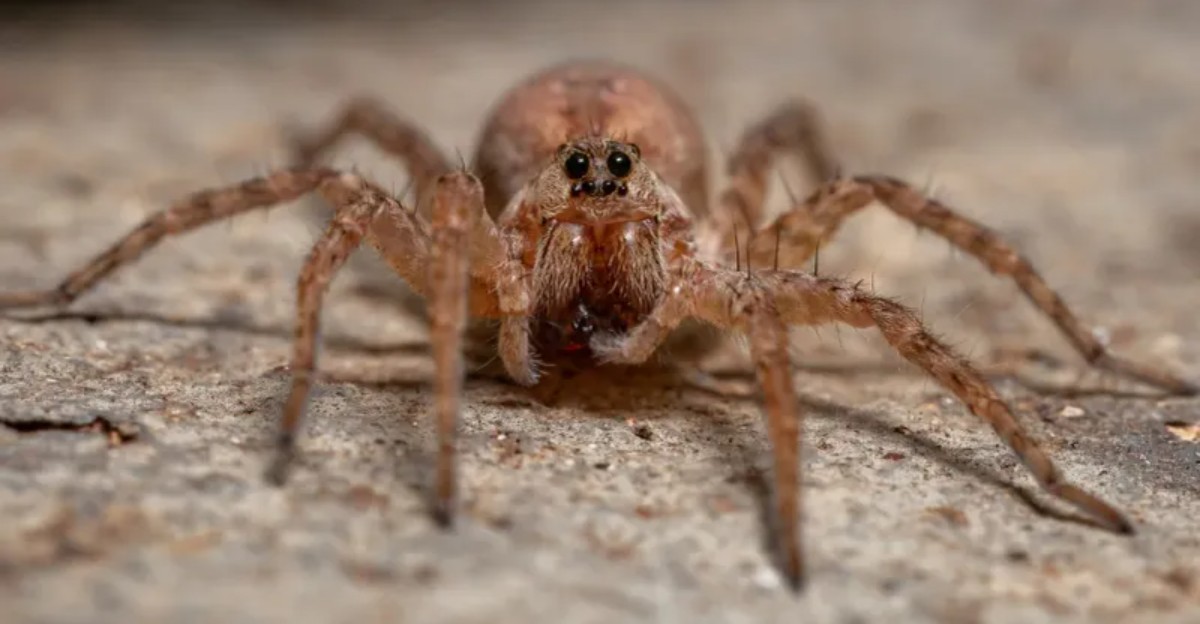
Big, hairy spiders darting across the kitchen floor at night can send anyone reaching for a shoe. Their size alone makes them seem far more dangerous than they really are.
Wolf spiders can appear inside Georgia homes during fall, often entering through gaps while wandering in search of prey or mates.
These spiders do not spin webs to catch food. They hunt on the ground instead, which is why you usually spot them running along baseboards or across open floors.
Bites are uncommon and usually mild, though one can still sting and itch for a little while.
Sealing the gaps they use matters far more than chasing down every spider that wanders inside your home.
1. That Fast, Hairy Spider Racing Across The Floor Isn’t Building Webs
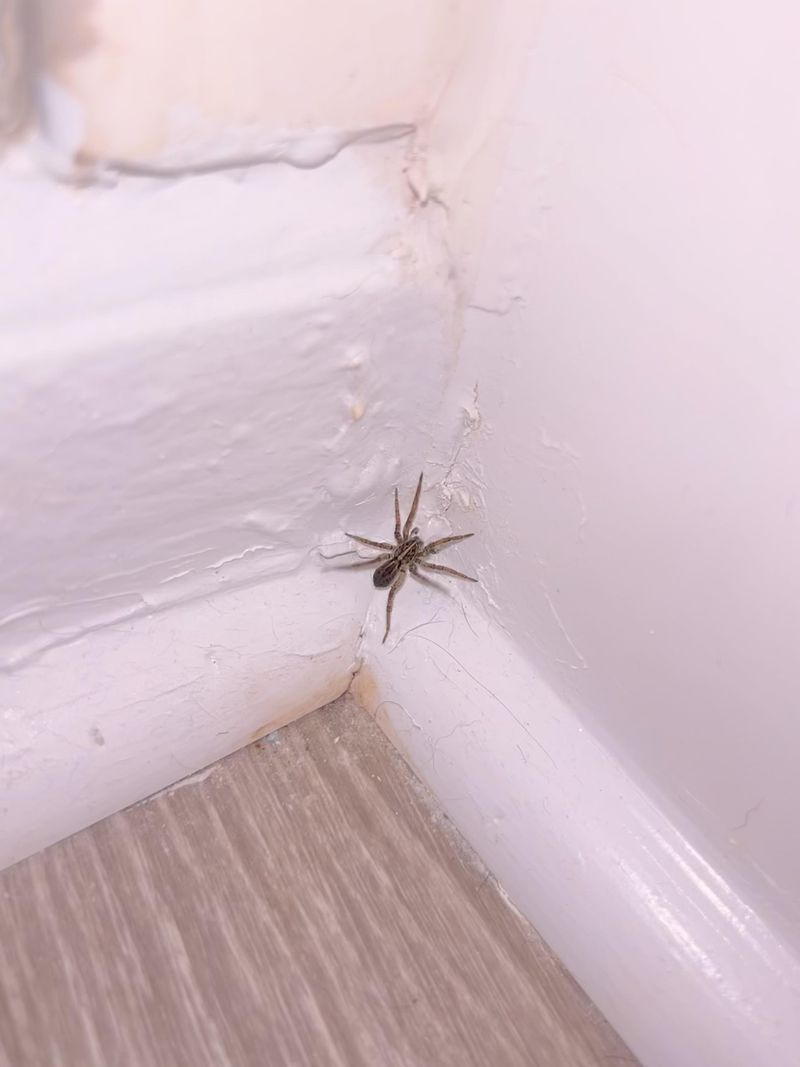
Speed is the giveaway. A wolf spider runs down its prey instead of waiting in a web, so it often looks like it is sprinting across your floor with somewhere to be.
Wolf spiders hunt on the ground, mostly at night, using strong legs and good eyesight to find insects.
You will not find a wolf spider sitting in a sticky web in the corner of your ceiling. Most species live in leaf litter, under rocks, or in shallow burrows, and some line those burrows with silk.
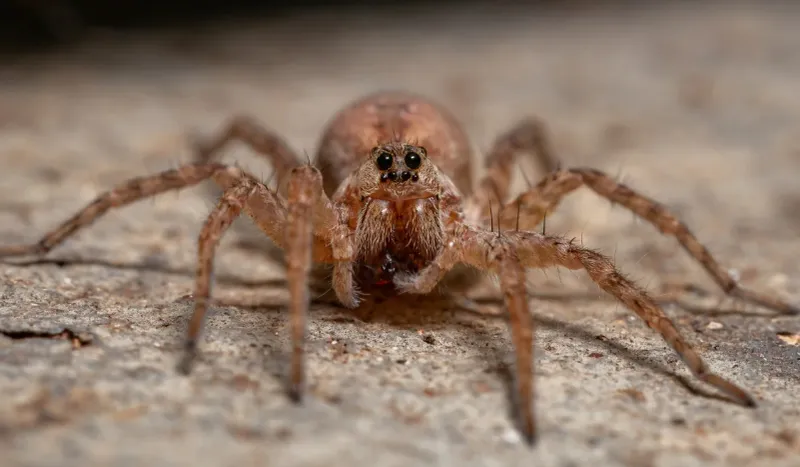
Their bodies are usually brown, gray, or tan with stripes or mottled patterns that blend into soil and fallen leaves outdoors.
Look at the eyes if you can get a safe peek with a flashlight. Wolf spiders have two large eyes facing forward and a row of smaller eyes below, and their eyes often shine green when light hits them.
That eyeshine is a handy trick for spotting them in a Georgia yard after dark.
Sizes vary quite a bit by species, from fairly small to large enough to feel alarming. Some people mistake them for brown recluses, but recluses are smaller, less hairy, and have a violin-shaped mark on the front body section.
When in doubt, a clear photo sent to your county Extension office can help with identification.
2. Wandering Males Searching For Mates Often Explain Fall Sightings
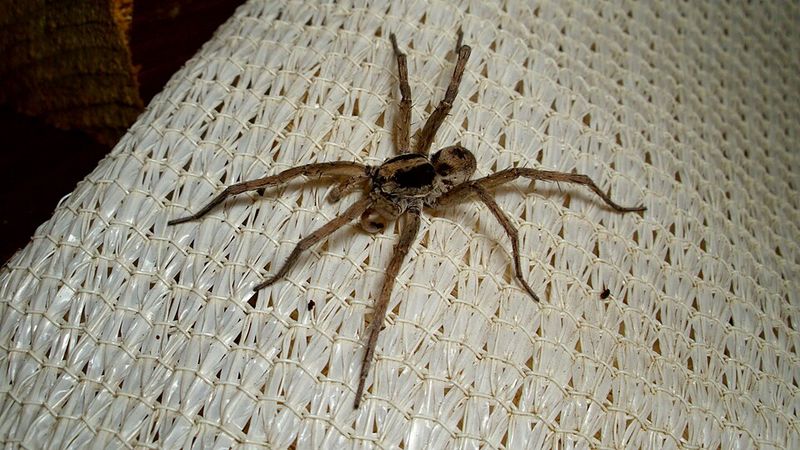
Romance, oddly enough, may be behind that spider in your hallway. In many wolf spider species, adult males leave their usual hiding spots to roam in search of females.
All that walking around raises the odds that one of them slips through a gap and ends up indoors.
Timing depends on the species, since not every wolf spider follows the same calendar. Some mate in spring or summer, while others are active in late summer and fall, so sightings in Georgia can happen across several months.
Cooler nights may also play a part, though the link is not fully clear.
Some people believe spiders move inside to escape the cold, but most wolf spiders are built to handle outdoor life through the seasons. Many indoor visitors are simply wanderers that took a wrong turn.
Males often have a slimmer body and enlarged leg-like parts near the mouth called pedipalps, which can look like small boxing gloves.
Your Georgia Garden Changes Every Week. Your Plan Should Too.
Gardening in Georgia changes quickly throughout the season. Every Friday you’ll receive a simple weekly plan showing exactly what to plant, prune, fertilize, harvest, and protect so you never miss the right timing.
Spotting one or two inside does not usually mean you have an infestation. Wolf spiders generally do not settle in and breed indoors the way some other spiders can.
If you keep seeing them in the same room, though, it is worth checking that area for an opening to the outside.
3. Gaps Under Doors Give Them An Easy Way In
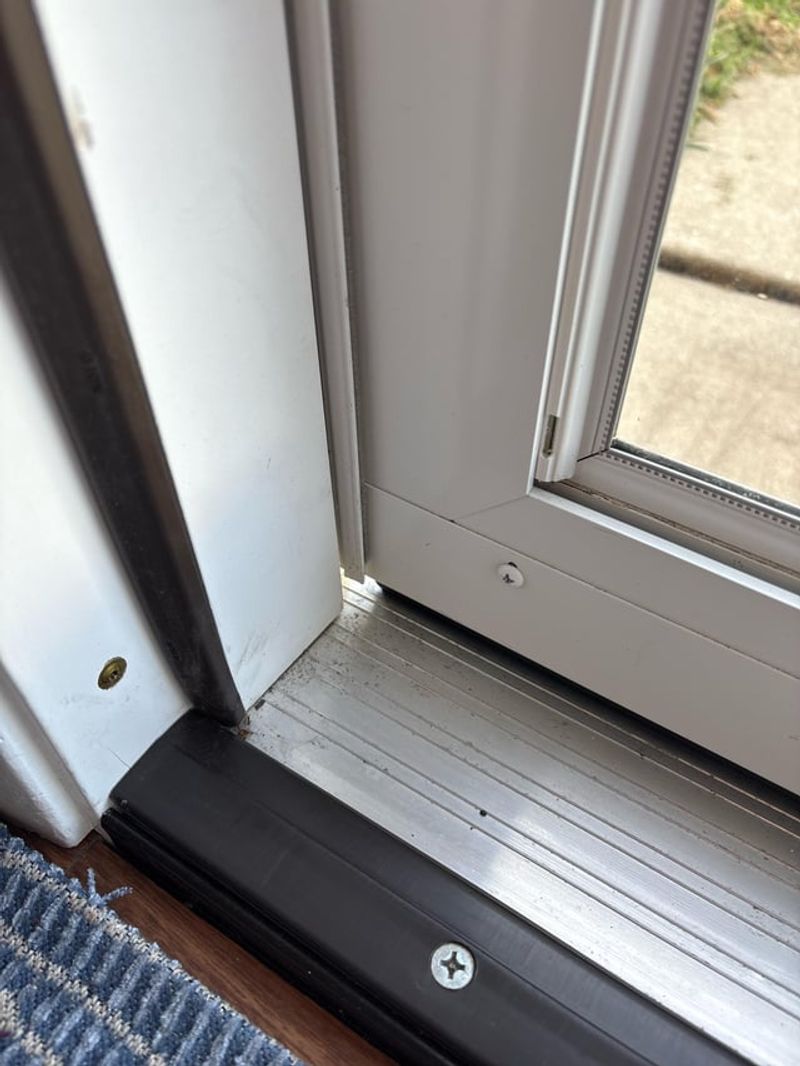
Slide a sheet of paper under your back door. If it passes through easily, a wolf spider can probably fit too.
Spiders that hunt on the ground tend to follow walls and edges, and that path often leads straight to a door threshold.
Garage doors are a common trouble spot in Georgia houses because worn rubber seals leave uneven gaps along the bottom. Sliding patio doors, basement entries, and crawl space doors can have the same problem.
Check them at night with a flashlight from inside while someone shines a light from outside.
Light slipping through tells you where air, bugs, and spiders can slip through as well.
Other entry points matter too, even if doors get most of the blame. Torn window screens, gaps around pipes and cables, and cracks in the foundation can all let small creatures wander in.
Exterior-grade caulk works well for narrow cracks, while expanding foam or copper mesh can fill larger holes around pipes.
Clutter right next to the house can make things easier for spiders. Piles of firewood, thick mulch against the foundation, and stacked boxes give them hiding spots close to your doors.
Moving those items a few feet away will not solve everything, but it can reduce how often spiders end up near an opening.
4. Porch Lights Attract The Insects They Hunt
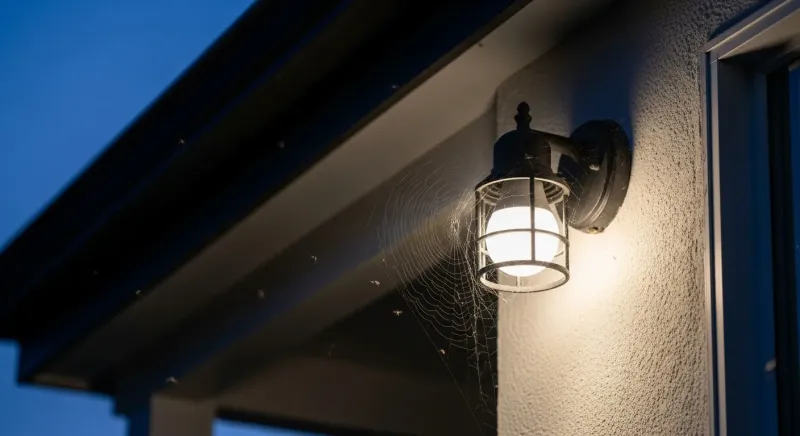
Moths circling a porch bulb are basically a dinner bell. Wolf spiders are not drawn to the light itself, but they do notice where insects gather.
A bright doorway can turn into a busy hunting ground after sunset.
Warm fall evenings in Georgia often bring plenty of flying insects out near homes. Crickets, moths, and beetles collect around lights, and spiders may follow that food supply close to your entryway.
Every time the door opens, there is a small chance something sneaks inside.
Switching bulbs can help a little. Yellow bug lights and warm-toned LED bulbs tend to attract fewer insects than bright white or bluish bulbs, though results vary with the bulb and your surroundings.
Motion-sensor lights are another option since they stay off most of the night.
Placement matters too, if you can change it. A light mounted a short distance from the door, shining back toward it, can pull insects away from the threshold itself.
Turning off unneeded outdoor lights on calm nights is the simplest fix of all.
Fewer insects near the house usually means fewer hungry hunters nearby, which helps keep surprise indoor visits lower.
5. Mothers Carry Their Babies Piled On Their Backs
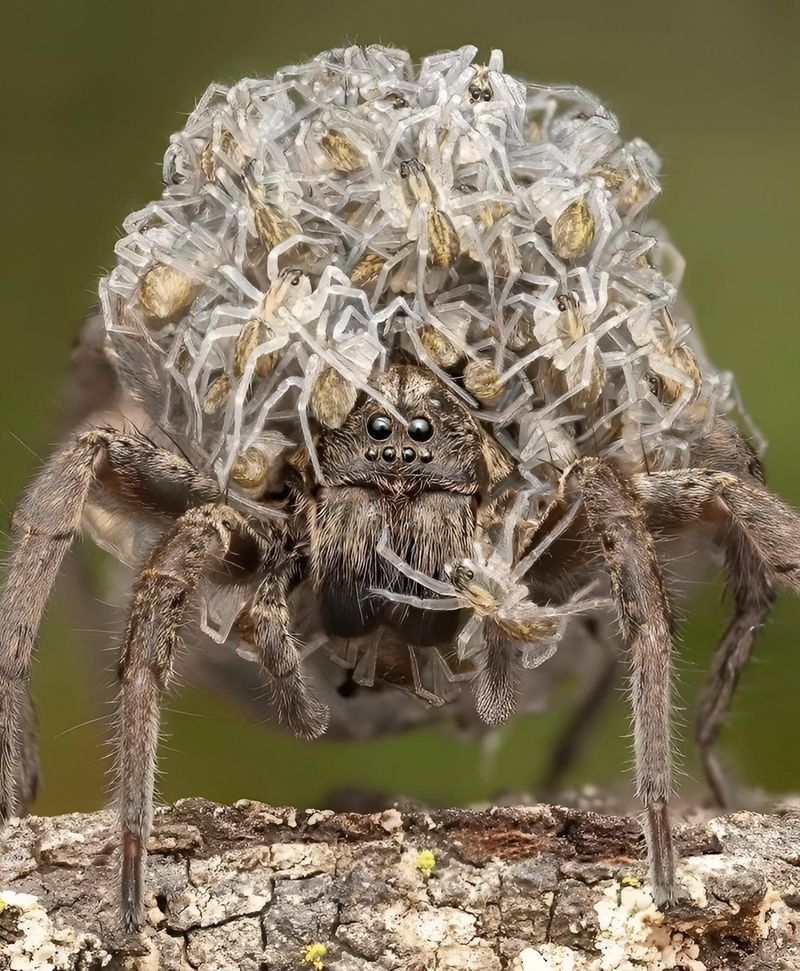
Few spiders take parenting as seriously as wolf spiders do. A female carries her round egg sac attached to the tip of her abdomen, dragging it along wherever she goes.
When the eggs hatch, the tiny spiderlings climb onto her back and ride there for a while.
It can look like her body is covered in a bumpy, moving coat. Dozens of babies may cling to her at once, and they stay until they are ready to head off on their own.
Gardeners in Georgia sometimes spot these mothers under pine straw, mulch, or stepping stones.
Please resist the urge to smack one with a shoe. The babies can scatter in every direction, which turns one spider into many very small ones running across your floor.
If a mother wanders indoors, a calmer option is to trap her under a cup, slide paper underneath, and release her outside away from the house.
Outdoors, these families are part of a healthy yard. Young wolf spiders eat small insects and become food for birds, lizards, and other wildlife.
Leaving them alone in garden beds is usually the easiest and most helpful choice for everyone.
6. A Bite Is Uncommon And Generally Mild
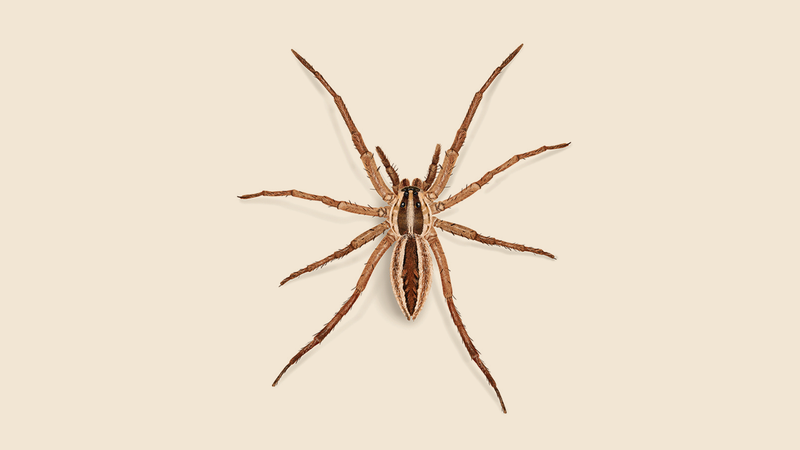
Despite the scary look, wolf spiders would rather run than fight. Bites tend to happen only when one is pressed against skin, grabbed, or trapped in clothing or bedding.
Most people who see them in Georgia homes are never bitten at all.
When a bite does happen, it usually feels like a bee sting. Redness, mild swelling, and some itching or soreness are typical, and symptoms often fade within a few days.
Wolf spider venom is not considered medically serious for healthy people.
Basic care is usually enough. Wash the area with soap and water, apply a cool compress, and consider an over-the-counter pain reliever or antihistamine if needed.
Watch the spot over the next few days for signs of infection.
Get medical help if you notice spreading redness, pus, fever, trouble breathing, or swelling of the face or throat. People with allergies, young children, and older adults may react differently, so caution makes sense.
Simple habits can lower the risk even more. Shake out shoes, gloves, and towels left on the floor or in the garage, and wear gloves when moving boxes or yard debris.
7. Door Sweeps And Sticky Traps Cut Down On Indoor Visits
A few dollars of hardware can do more than a spray bottle. Door sweeps close the gap at the bottom of exterior doors, blocking one of the most common paths ground-hunting spiders use.
Most screw or stick onto the door and take only a few minutes to install.
Choose a sweep that touches the threshold evenly without dragging too hard. Brush-style sweeps can work well on uneven floors, while rubber types seal tightly on smooth surfaces.
Replacing worn garage door seals is another smart move for Georgia homes with attached garages.
Sticky traps, sometimes called glue boards, are helpful for catching wanderers and showing where they come in. Place them flat along walls, behind furniture, and near doors, since wolf spiders tend to travel along edges.
Keep them away from pets and small children, and check them often.
Traps tell you a lot when you look at where the catches happen. Several spiders near one door usually point to a gap that still needs attention.
Indoor insecticide sprays are rarely needed for wolf spiders, and results can be limited because the spiders keep moving.
Sealing gaps, reducing outdoor lighting, and keeping clutter down often work better together than any single fix.