Why Hemlocks Fail In Open Michigan Lawns And The Shade Clue Gardeners Miss
A hemlock can look perfectly at home at the nursery and completely misplaced six weeks later.
The needles lose their deep green color. New growth slows. The lawn around it looks fine, which makes the tree’s decline even more confusing.
Then you notice another hemlock growing beside a shaded Michigan ravine. It is dense, cool-looking, and thriving under taller trees.
That contrast holds the clue.
Eastern hemlock is exceptionally shade tolerant and naturally favors moist, well-drained sites where roots stay relatively cool.
An exposed lawn can deliver the opposite package: hotter soil, drying wind, turf competition, and long afternoon sun.
So is shade really the missing ingredient?
Often, it is part of a much bigger site puzzle.
A sunny lawn does not automatically doom a hemlock, but heat and moisture stress can make establishment much harder, especially for a young tree.
Read the site before blaming the species.
The best hemlock location often feels more like a woodland edge than the middle of a lawn. On a hot August afternoon.
1. Too Much Afternoon Sun Can Turn An Open Lawn Into A Stress Test
The hottest part of the day can reveal a planting problem that morning light hides.
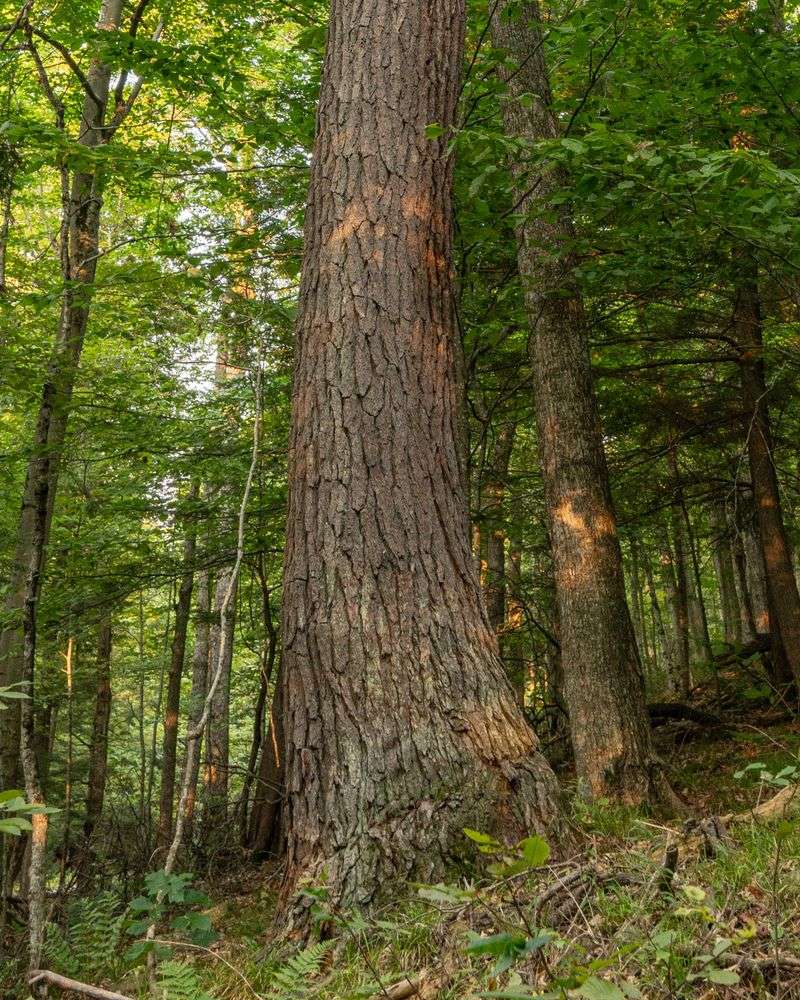
Eastern hemlock is extremely shade tolerant, and its natural Michigan habitat often includes cool forest interiors, ravines, stream corridors, and other protected sites.
That does not mean a few hours of direct sun will ruin the tree. The bigger issue is prolonged exposure paired with heat and drying soil.
An open lawn can deliver all three at once.
Young hemlocks are especially vulnerable while their roots are establishing. Strong afternoon sun heats the foliage and root zone at the same time, so the tree may struggle to replace moisture as quickly as it loses it.
A site with morning light and afternoon shade usually gives you a friendlier balance. East-facing locations, woodland edges, or areas protected by taller trees can provide useful light without the harshest late-day heat.
Do not crowd the tree directly beneath a dense canopy just to create darkness. Hemlocks still need room, moisture, and healthy soil.
The shade clue is really about moderation.
A lawn that bakes from noon until evening asks a cool-adapted tree to work much harder than necessary. Move that same planting toward a cooler edge of the yard and the entire situation can improve.
Hemlocks tolerate shade beautifully.
They do not need to prove anything by roasting in the center of the lawn.
2. Hot Turf Around The Roots Misses The Cool-Woodland Clue
The real trouble may be happening several inches below the grass.
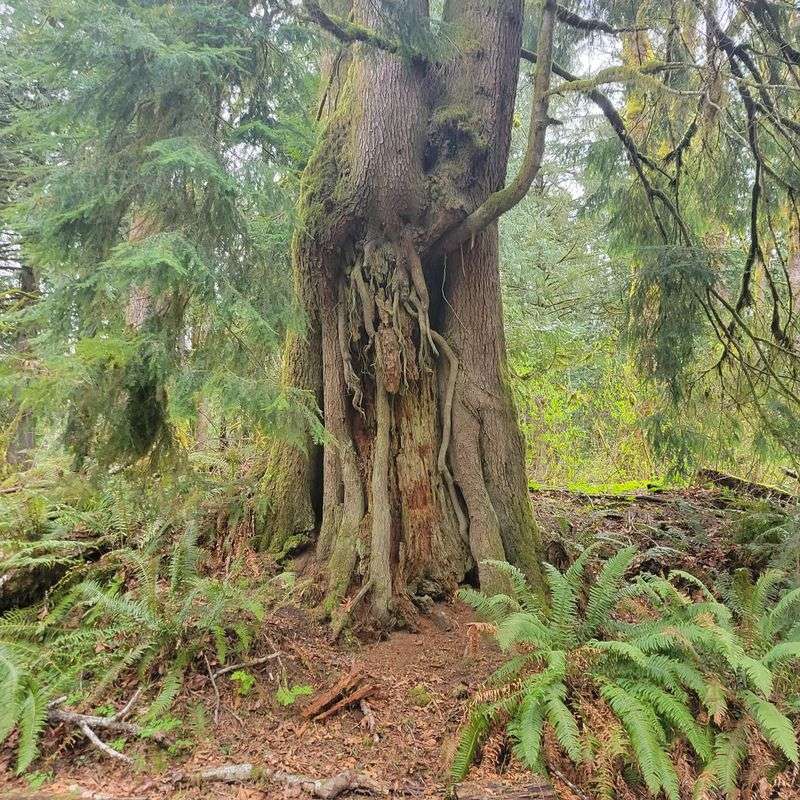
A sunny Michigan lawn can warm quickly during July and August, while a forest floor stays buffered by canopy shade, leaf litter, and surrounding vegetation.
Eastern hemlock naturally performs well on moist, well-drained sites, and that cooler root environment is easy to overlook when choosing a landscape location.
Turf makes the contrast stronger.
Grass competes for moisture in the same upper soil layers a newly planted tree is trying to explore. Repeated mowing traffic can also compact soil, reducing the pore space that helps water and oxygen move through the root zone.
Your Michigan Garden Changes Every Week. Your Plan Should Too.
Gardening in Michigan changes quickly throughout the season. Every Friday you’ll receive a simple weekly plan showing exactly what to plant, prune, fertilize, harvest, and protect so you never miss the right timing.
That combination matters more than the lawn looking green.
A sprinkler can keep grass present while the deeper root ball of a young hemlock still dries unevenly. Check the soil around the root zone rather than using turf color as your moisture gauge.
A wider mulched area can help recreate some woodland conditions by reducing grass competition and buffering soil temperature. Organic mulch can also reduce moisture stress around landscape trees.
Site selection does even more.
A north or east side of the yard, a broad woodland edge, or a location protected from intense afternoon heat often keeps the root zone more comfortable.
Hemlock is not asking for a swamp or permanent darkness.
It wants the kind of steady, cool moisture that open turf often struggles to provide.
The lawn may look peaceful.
Underground, the tree can be losing the competition.
3. Letting The Root Zone Swing From Dry To Soggy Adds More Stress
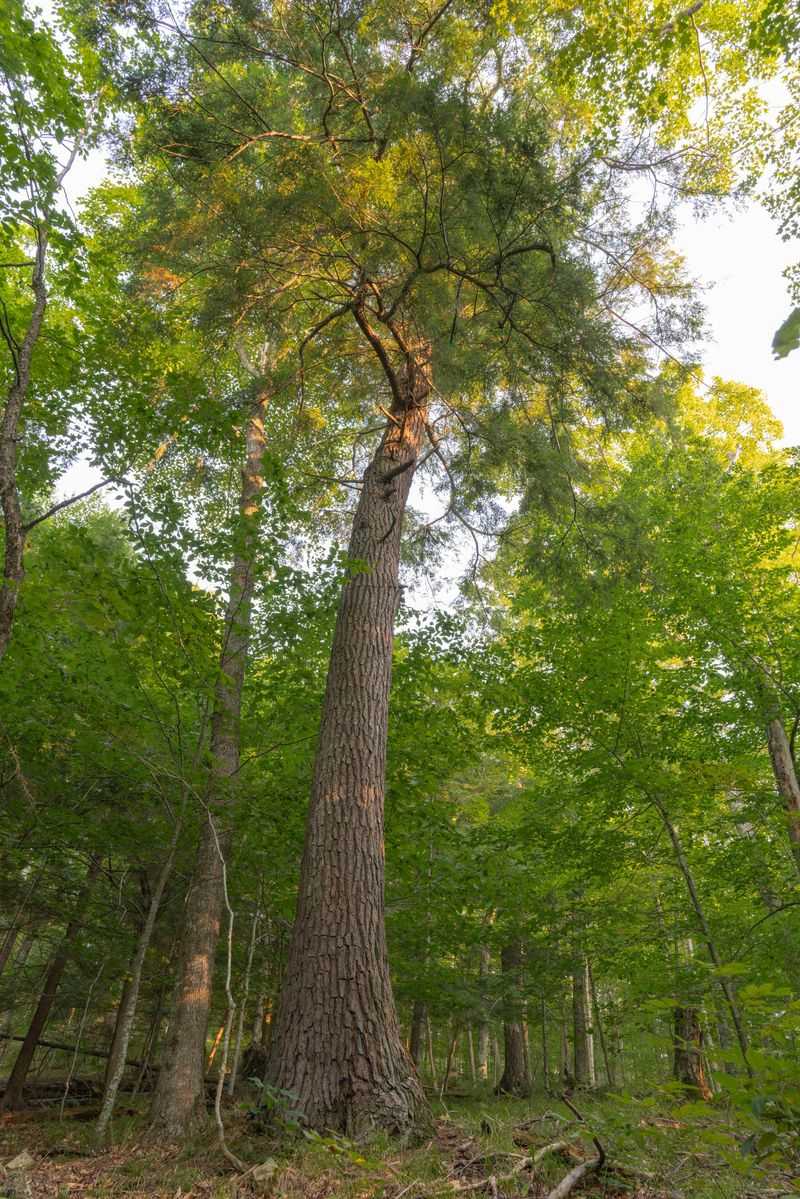
A hemlock can dislike drought and still object strongly to soggy soil.
That sounds fussy until you look at the tree’s natural habitat. Eastern hemlock generally favors moist to very moist sites with good drainage. The roots need dependable water, but they also need oxygen.
Michigan weather can make that balance tricky.
A wet spring may saturate heavy soil, followed by a dry summer stretch that rapidly pulls moisture from the upper root zone. Young hemlocks have little margin for those swings while they establish.
Check drainage before planting rather than after needles begin fading.
Water should move through the soil instead of sitting around the root ball for long periods. At the same time, sandy or exposed sites may need closer moisture monitoring during hot weather.
When irrigation is needed, soak the root zone slowly and thoroughly rather than giving the trunk a quick daily splash. Then check the soil before watering again.
The goal is consistent moisture, not a calendar ritual.
Mulch can help by slowing evaporation and reducing competition from turf, but it cannot fix a location where water routinely ponds.
Needle yellowing or thinning can have several causes, so moisture alone should not become an automatic diagnosis.
Still, the soil deserves an early check.
Hemlocks like their drinks regular, not served as alternating droughts and swimming pools.
4. Leaving Grass At The Trunk Removes A Useful Woodland Buffer
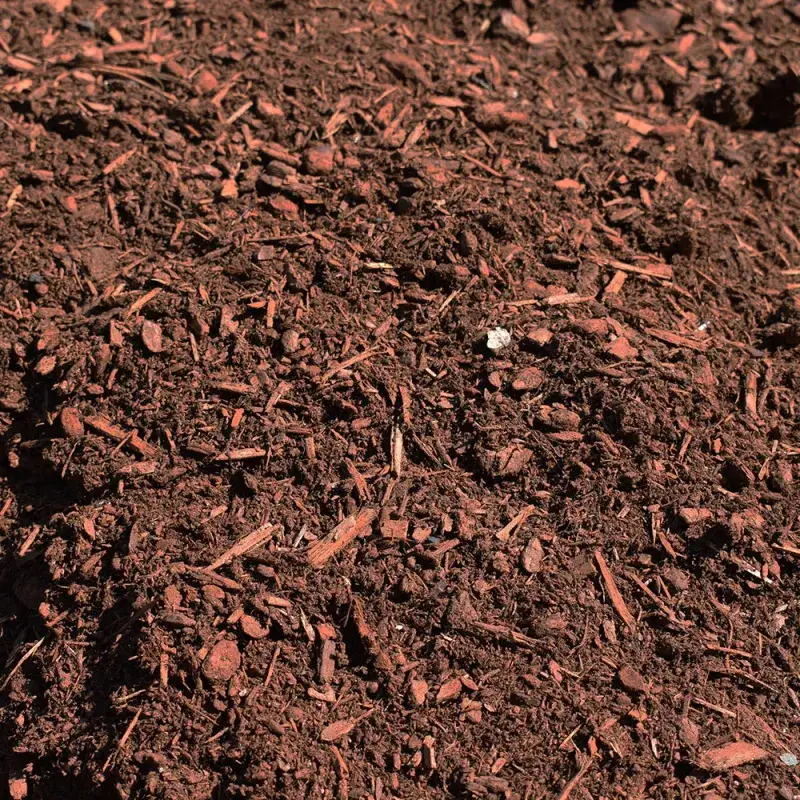
One ring of wood chips can change an open-lawn planting more than another round of fertilizer.
Mulch helps reduce two stresses that hemlocks commonly face in exposed turf: fluctuating soil temperature and rapid moisture loss.
It also removes grass from the immediate root zone, cutting down competition for water. MSU research has found that a modest organic mulch layer can reduce moisture stress around landscape trees.
Make the ring wide rather than tall.
A layer around two to three inches deep is generally enough for most landscape beds. Shredded bark, wood chips, or another coarse organic mulch can work well.
Then leave the trunk alone.
Piling mulch against the bark creates a damp collar around the base and can hide the root flare. Keep open space around the trunk so that transition remains visible.
That wide, flat mulch ring acts more like a woodland floor.
It also protects shallow roots from mowers and string trimmers, another advantage that has nothing to do with shade but can make a major difference in tree health.
Refresh the layer when it becomes thin rather than automatically piling fresh material on top every spring. Too much mulch creates its own problems.
This is one of the easiest fixes for a hemlock already sitting in lawn.
You may not be able to move a mature tree into a ravine.
You can at least stop making its roots compete with turf at point-blank range.
5. Exposing A Hemlock To Open Wind Can Dry Needles Even Faster
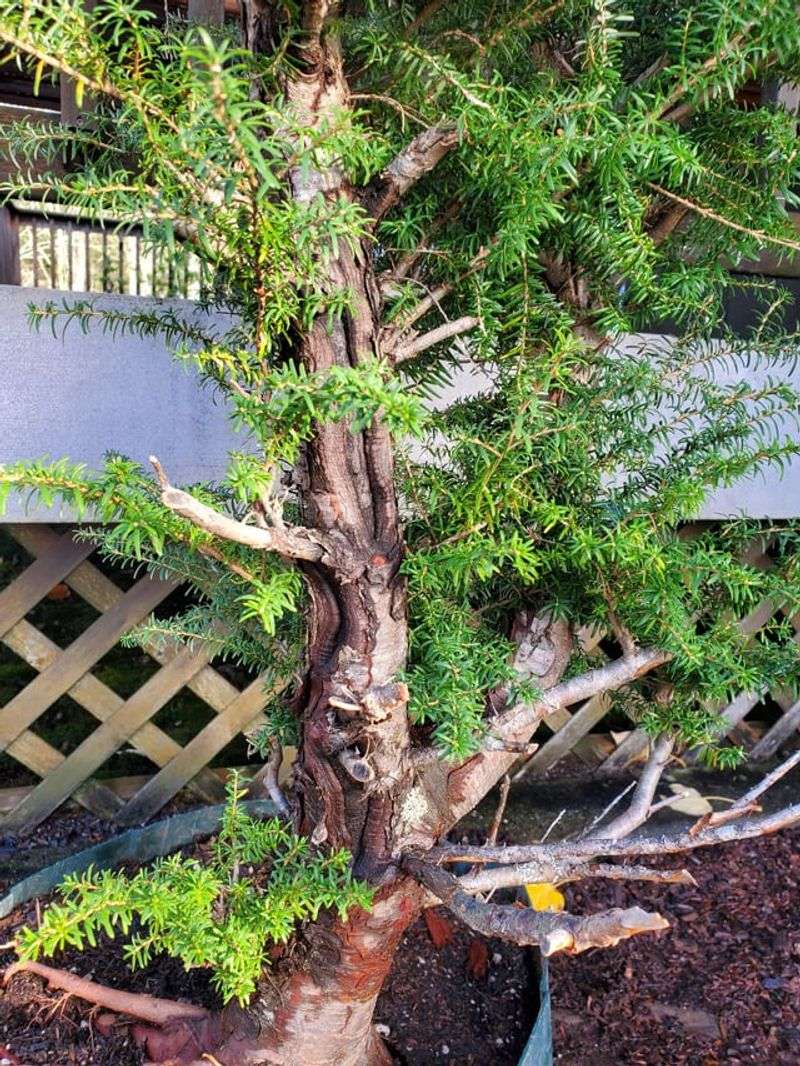
Winter can expose a problem that summer never made obvious.
A hemlock standing alone in an open Michigan yard receives more wind than one sheltered by a woodland edge.
Evergreen needles can lose moisture during winter, while frozen soil limits how quickly roots replace it. Strong winds, sun, and low humidity can contribute to the familiar browning called winter burn.
Wind is rarely the only factor.
A tree already stressed by dry soil, full afternoon sun, or poor establishment has less room to handle another source of moisture loss.
Use nearby features for shelter.
A fence, mixed shrub border, building, or existing tree group can reduce direct wind without enclosing the hemlock in stagnant air. The goal is protection, not wrapping the tree inside a sealed box.
Newly planted trees deserve the most attention during their first winters.
Keep soil adequately moist going into winter when autumn has been dry. A good mulch ring also helps moderate root-zone conditions.
Temporary burlap screening can be useful on especially exposed sites. MSU recommends a properly built windscreen rather than loose material whipping against evergreen foliage.
Then check the pattern of spring browning.
Damage concentrated on the exposed side offers a clue that wind and winter moisture loss may be part of the problem.
An open lawn gives a hemlock plenty of personal space.
Sometimes it gives the tree far too much weather with it.
6. Planting Beside Hot Pavement Makes The Lawn Site Even Harsher
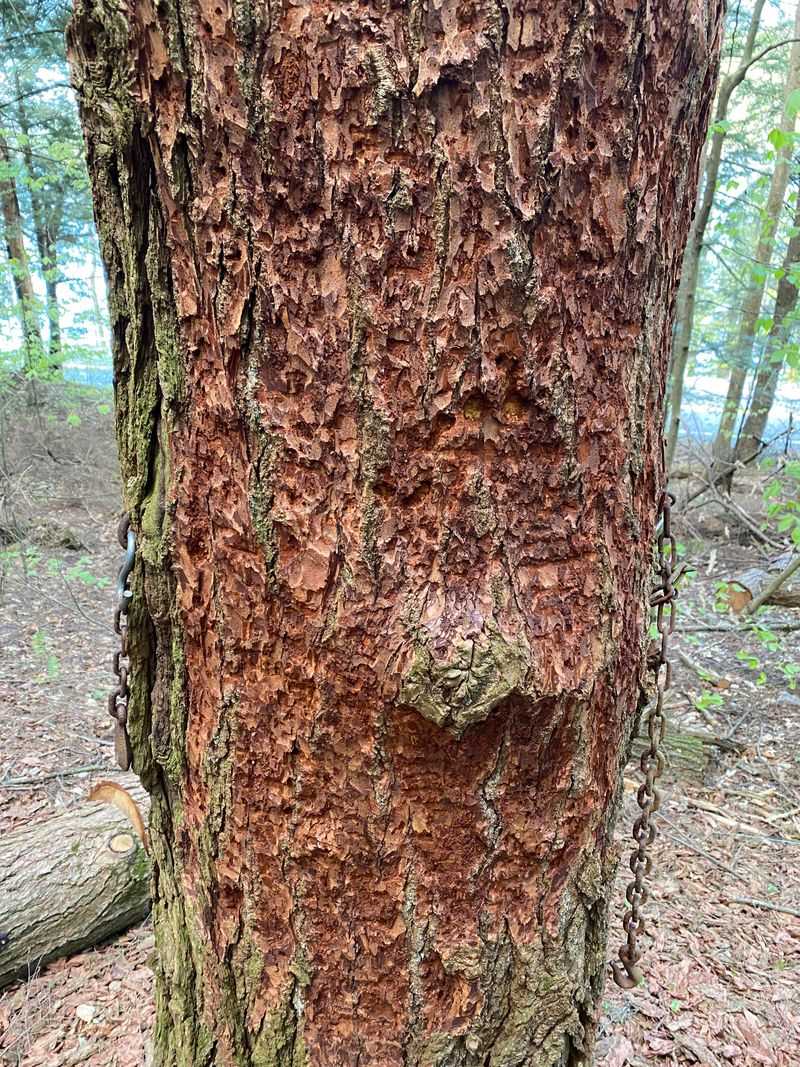
A planting spot can be sunny on paper and much hotter in real life.
South-facing walls, concrete driveways, patios, and dark pavement can create warmer microclimates around nearby plants.
A hemlock beside one of those surfaces may face a hotter root zone and stronger afternoon heat than a tree planted only a short distance away.
Open turf can add another layer.
Soil compacted by foot traffic or lawn equipment takes in water less effectively and gives roots less favorable growing space.
Pair that with heat and the site starts moving farther from the cool, moist conditions eastern hemlock favors.
Walk the yard during a hot afternoon before choosing the planting hole.
Notice which surfaces radiate heat and which areas stay noticeably cooler. A spot protected by afternoon shade can feel dramatically different from the strip beside a driveway.
Give pavement some breathing room too.
Roots need usable soil volume, not a narrow pocket boxed in by concrete on several sides.
Existing trees can help create a better microclimate, although you still need to account for competition from their roots.
The strongest site often combines filtered light, good drainage, organic mulch, and protection from intense heat.
That sounds like a long wish list.
In practice, it usually means moving the planting hole away from the hottest part of the property.
Hemlock wants a cool seat.
Do not reserve it one beside the radiator.
7. Blaming Shade Before Checking For Woolly Adelgid Can Miss The Real Problem
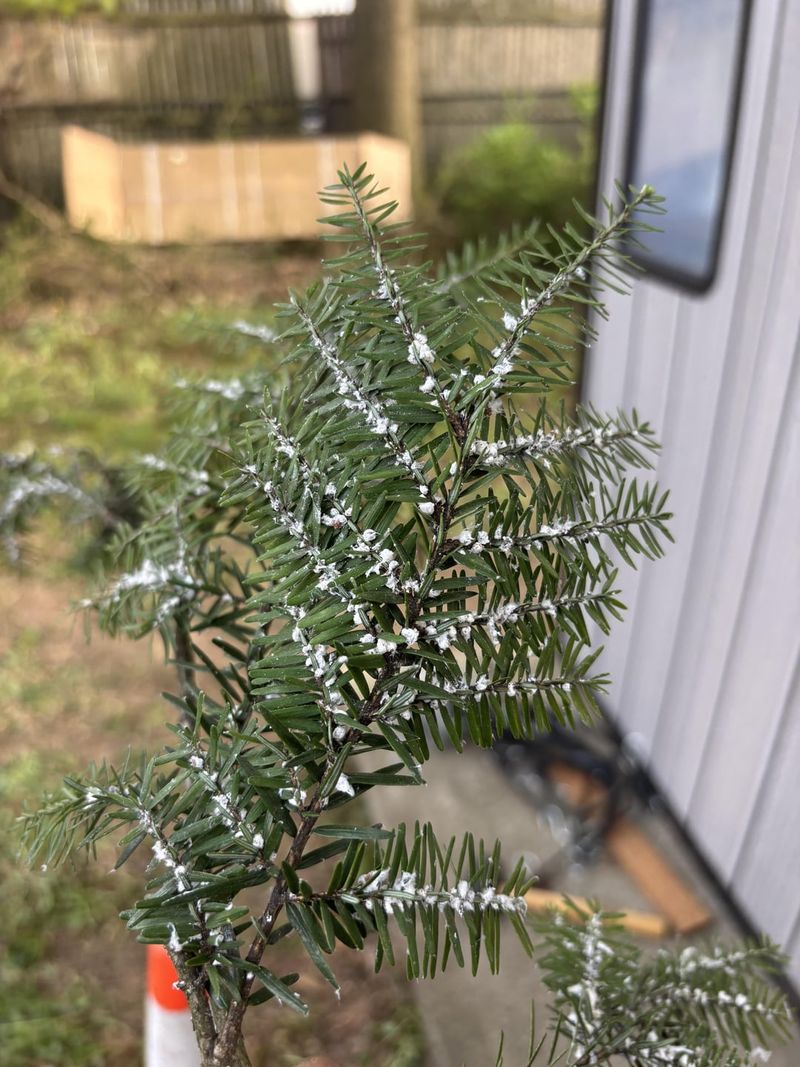
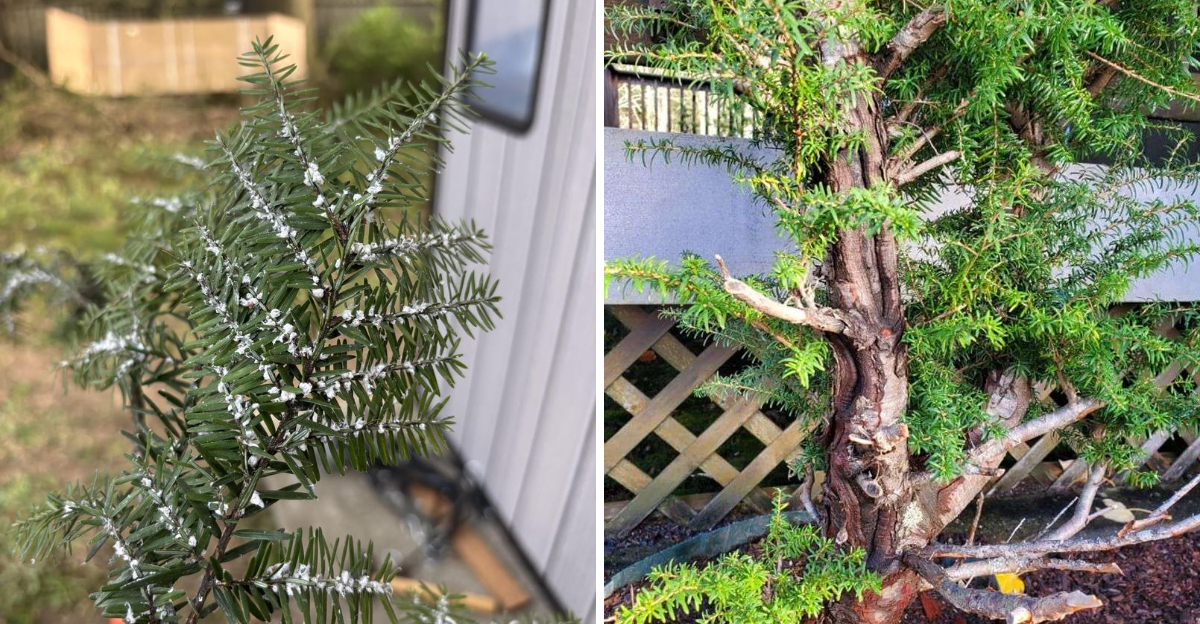
White fuzz under the branches changes the diagnosis completely.
Hemlock woolly adelgid produces small white, cottony masses at the bases of needles on the undersides of twigs. The waxy ovisacs can be present year-round and are especially noticeable from late fall through spring.
This pest is no longer only a distant concern in Michigan.
As of 2026, Michigan officials report hemlock woolly adelgid in areas of 11 counties: Allegan, Antrim, Benzie, Leelanau, Manistee, Mason, Muskegon, Oceana, Ottawa, Van Buren, and Washtenaw.
That makes a close branch inspection worthwhile before assuming yellowing or thinning is simply a shade problem.
Look underneath several branches, especially on lower growth you can inspect safely.
Site stress and adelgid damage can overlap. A tree growing in hot, dry conditions may already be struggling, while an infestation adds a completely different pressure that shade or extra irrigation will not solve.
Do not treat on suspicion alone.
Michigan officials recommend confirming the pest and using appropriate management guidance for infested trees. Treatment options exist, but the right approach depends on the tree and site.
A certified arborist can help with larger or valuable landscape hemlocks.
A pale hemlock in full sun may need better growing conditions.
A hemlock wearing tiny white cotton balls needs an entirely different conversation.
8. Choosing Another Wide-Open Lawn Spot Repeats The Same Site Mistake
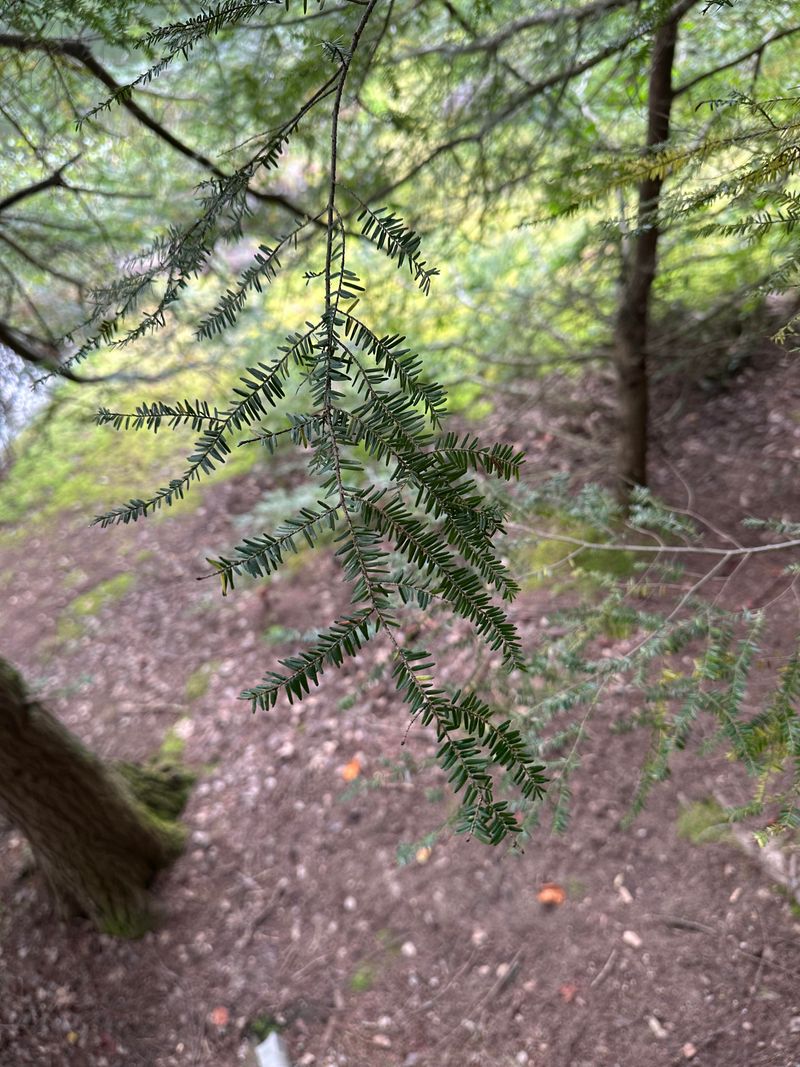
The best time to fix a bad hemlock site is before the root ball reaches the hole.
Watch the yard through a full day.
Morning shade alone can be misleading when the same location receives intense western sun from midafternoon onward. Look for a cooler position with filtered light or afternoon protection, then check what is happening underfoot.
Drainage matters as much as shade.
Eastern hemlock favors moist, well-drained soil, so avoid both a chronically dry lawn crest and a depression that stays saturated after storms. Give the tree enough usable soil for its future roots and enough breathing room from pavement and buildings.
Think long term too.
Eastern hemlock develops into a substantial forest tree under favorable conditions, so a cozy space beside the house can become cramped as decades pass.
Once planted, replace turf around the immediate root zone with a broad mulch ring and keep moisture reasonably consistent during establishment.
Then monitor rather than micromanage.
Needle color, new growth, soil moisture, and pest signs will tell you more than a rigid watering schedule.
The biggest lesson is simple: shade is a clue, not the whole prescription.
Cool roots, steady moisture, drainage, shelter, and room all matter.
Choose the site that feels least like the middle of a baking lawn.
That is usually where a hemlock starts looking much more like itself.