Why Michigan Campers Should Stop Bringing Firewood Home After A Weekend Up North
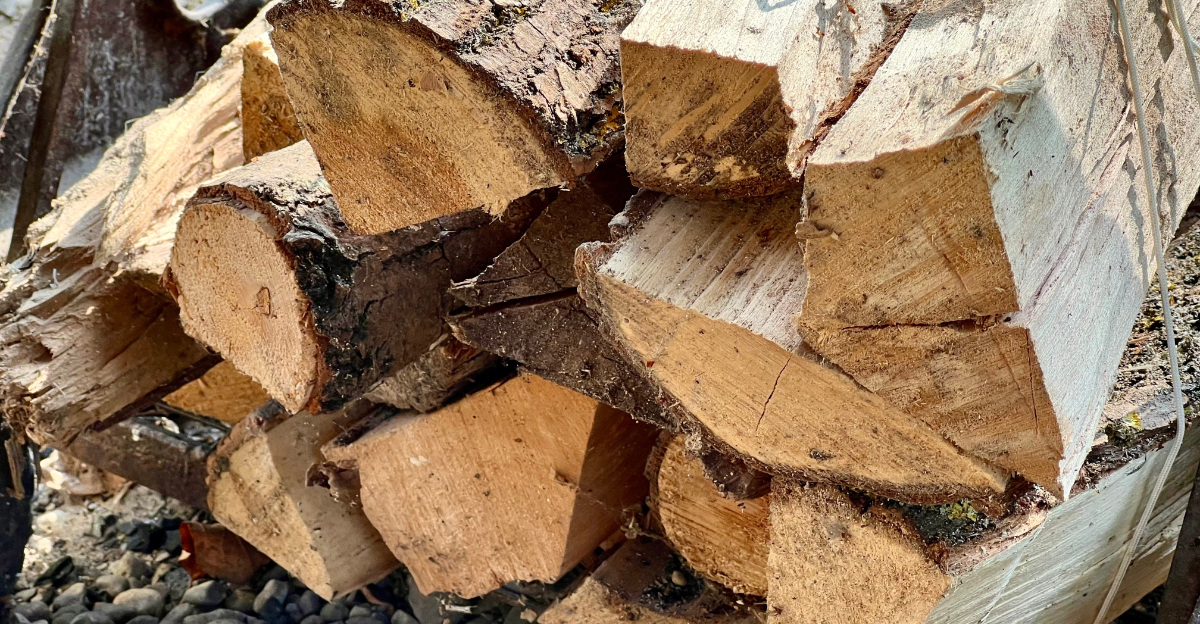
Bringing firewood home from a camping trip feels harmless, but this common habit poses a serious risk to Michigan’s forests. Invasive insects like emerald ash borer and various wood boring beetles often hide undetected inside bark and logs.
Moving firewood even a short distance can introduce these pests to entirely new areas where they have no natural predators. Once established, these invaders can devastate local tree populations within just a few years.
Many Michigan campgrounds now enforce strict rules against transporting firewood for exactly this reason. Buying firewood locally near your camping destination, then using it entirely on site, prevents this unintentional spread.
Burning all wood completely before leaving also reduces the chance of pests hitching a ride home in leftover logs. This small change in habit protects forests statewide from damage that can take decades to reverse.
1. Leftover Firewood Should Stay Near The Campsite
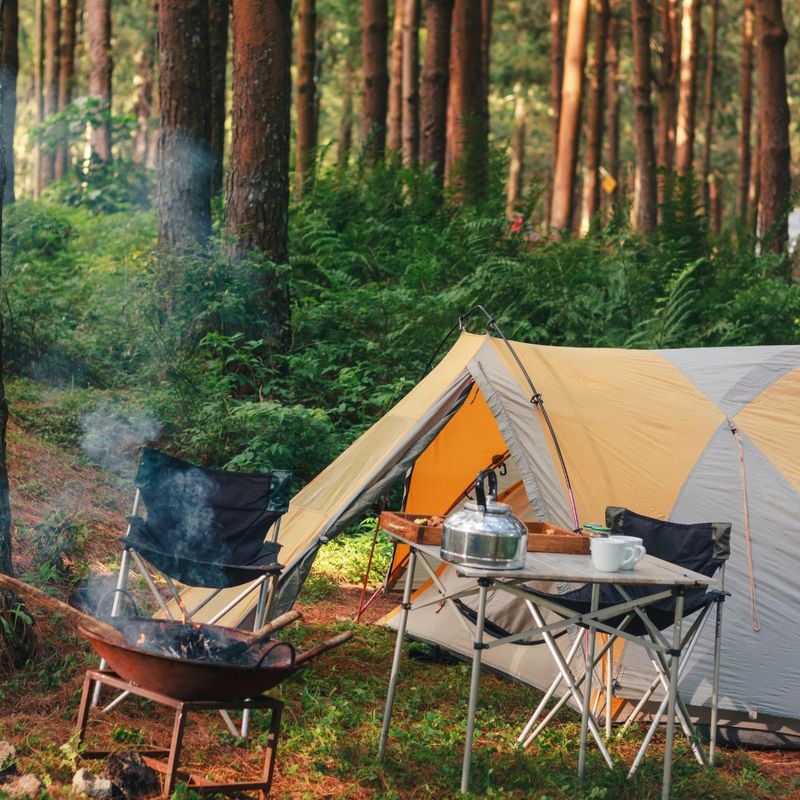
Picture this: your weekend up north is wrapping up, the fire has burned low, and there are still a few good logs left in the pile. The natural instinct is to toss them in the trunk and save them for next time.
Michigan DNR and MDARD actually advise against doing exactly that, recommending instead that unused firewood be left at the campsite rather than transported home or moved to a different campground.
The reason behind that advice comes down to what wood can carry without showing any visible signs. Untreated firewood may contain insects and plant diseases specific to one part of Michigan that have not yet spread to other regions.
When that wood travels south or to a new county, it can quietly introduce those problems into forests, parks, and even backyard trees that have no natural resistance built up.
Leaving those last few logs behind is genuinely one of the simplest protective actions a camper can take. There is no equipment needed, no expertise required, and no extra cost involved.
The trees lining neighborhood streets, the oaks in local parks, and the maples in home landscapes across Michigan all benefit when firewood stays close to where it was cut.
A small habit shift at the end of a camping trip can have a surprisingly large ripple effect across the state’s forests and green spaces for years to come.
2. A Piece Of Firewood Can Hide More Than You Can See
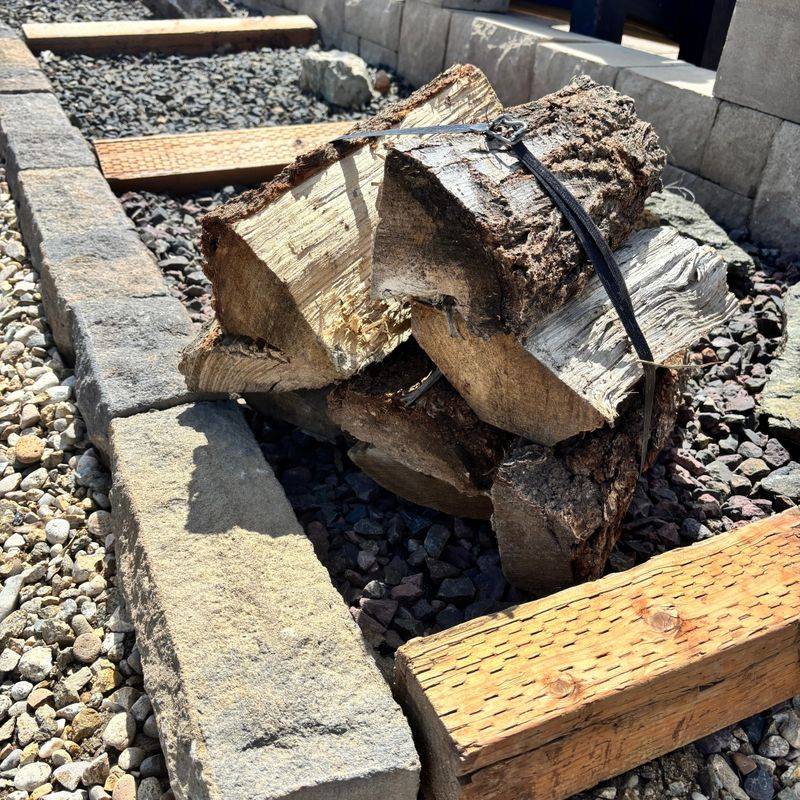
Firewood looks simple enough. A solid log sitting in a bundle gives no obvious hint of anything unusual, yet what lives beneath the bark or inside the wood itself can tell a very different story.
Michigan officials have noted that more than 140 pests and plant diseases can potentially travel in untreated firewood, and the unsettling part is that most of them are completely invisible to the naked eye.
Insects can deposit eggs deep inside bark crevices. Larvae tunnel through the inner wood where no casual inspection would ever reach them.
Fungal spores and other plant pathogens can be present inside the grain of the wood without changing how the log looks, smells, or feels from the outside.
Your Michigan Garden Changes Every Week. Your Plan Should Too.
Gardening in Michigan changes quickly throughout the season. Every Friday you’ll receive a simple weekly plan showing exactly what to plant, prune, fertilize, harvest, and protect so you never miss the right timing.
A bundle that appears perfectly fine sitting on the tailgate could still be carrying multiple harmful organisms ready to emerge once the wood reaches a new location.
Visually checking firewood before loading it into a vehicle simply does not provide reliable protection against these hidden travelers. The organisms that cause the most concern are specifically the ones that have evolved to go undetected inside their host material.
That is part of what makes them so successful at spreading when wood moves from one place to another.
Trusting your eyes alone when it comes to firewood safety is a bit like checking whether food is still good by looking at the outside of the package. What really matters is what you cannot see at all.
3. Even Moving Firewood Across Michigan Can Spread Problems
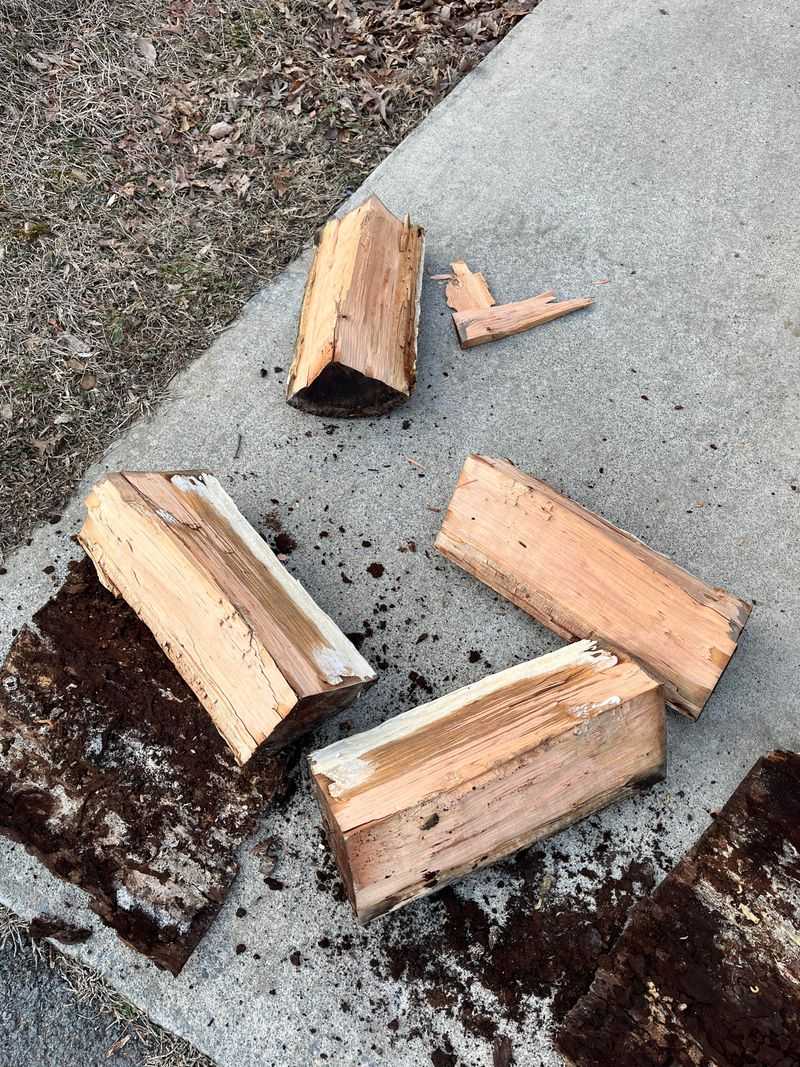
Many people assume the firewood concern is mainly about crossing state lines, but the real picture is broader than that.
Michigan DNR warns that hauling untreated firewood even short distances within the state can introduce forest pests into locations where they have not yet become established.
The border between states is not the boundary that actually matters most when it comes to protecting native trees.
The current state recommendation is that firewood should not be moved more than 10 miles from where it was originally cut unless it has been properly heat treated according to certified standards. Think about what that means for a typical camping trip.
A camper driving home from Gaylord, Traverse City, or the Upper Peninsula is covering hundreds of miles with wood that may have originated in a forest ecosystem very different from the one near home.
Every mile that firewood travels in a truck bed or trunk is a mile that any insects, larvae, or fungal spores inside that wood travel too.
Northern Michigan forests have their own mix of pest pressures, and some of those problems have not yet reached southern Michigan counties.
A single trip home with leftover wood can bridge that gap in ways that take years to fully show up but can be very difficult to reverse once they do.
Keeping wood within 10 miles of its origin is a straightforward guideline that makes a real difference when campers across the state follow it consistently.
4. Oak Wilt Can Travel With Infected Oak Firewood
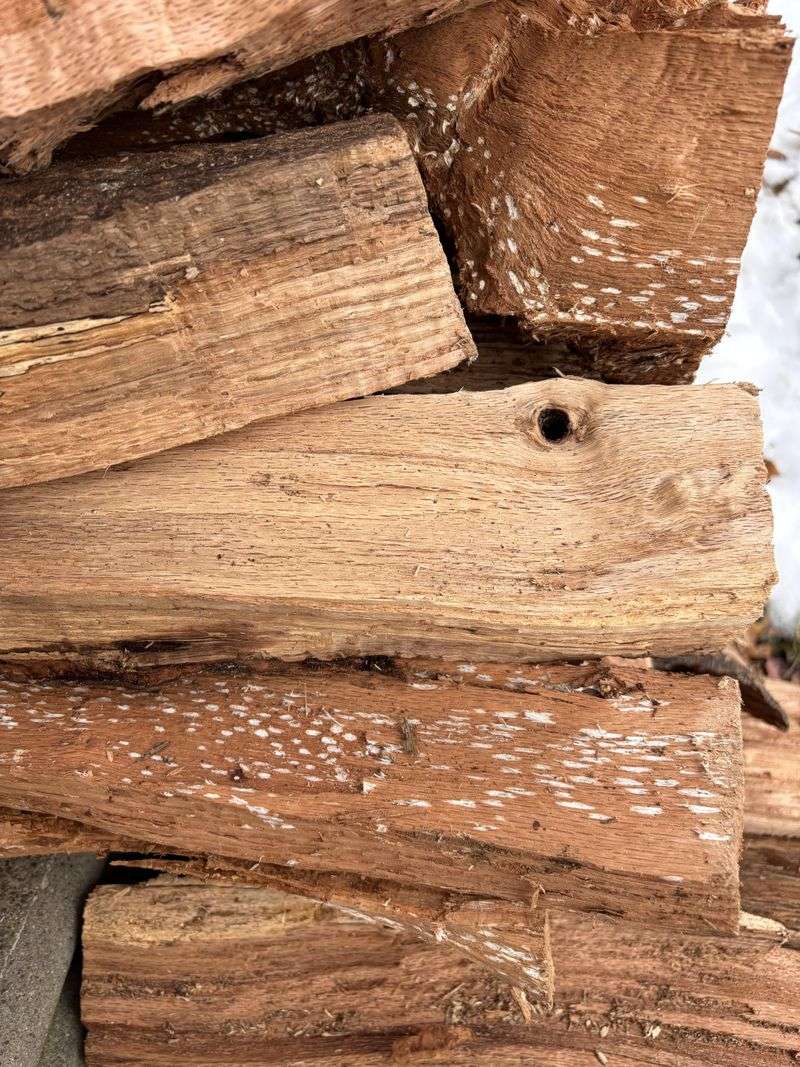
Oak trees are one of Michigan’s most iconic and ecologically important species, providing food and habitat for hundreds of wildlife species while shaping the character of forests and neighborhoods alike.
Oak Wilt is a serious fungal disease that threatens those trees, and firewood is one of the ways it can move from an affected area into a location where it has not yet arrived.
When infected oak wood gets transported to a new site, the fungus responsible for Oak Wilt can travel with it.
The disease spreads through root connections between nearby oaks and through certain insects that carry fungal spores, but moving infected wood shortens the distance the disease needs to travel on its own.
Campers sometimes pick up or cut oak for firewood without knowing the tree it came from was already affected, because early-stage infection does not always produce obvious visual symptoms on the logs themselves.
Assuming that cut oak is harmless simply because the logs look normal is a risky bet. The safest approach for anyone who cares about the oaks in their community is to leave oak firewood where it originated rather than bringing it home.
Michigan’s oak populations face enough pressure from naturally occurring spread without firewood transportation adding additional pathways into new areas.
Leaving local wood local is especially important with oak, because once Oak Wilt establishes itself in a new neighborhood or woodlot, managing it becomes a long and expensive process for homeowners and land managers alike.
5. Northern Michigan Has Invasive Insects Worth Keeping Localized
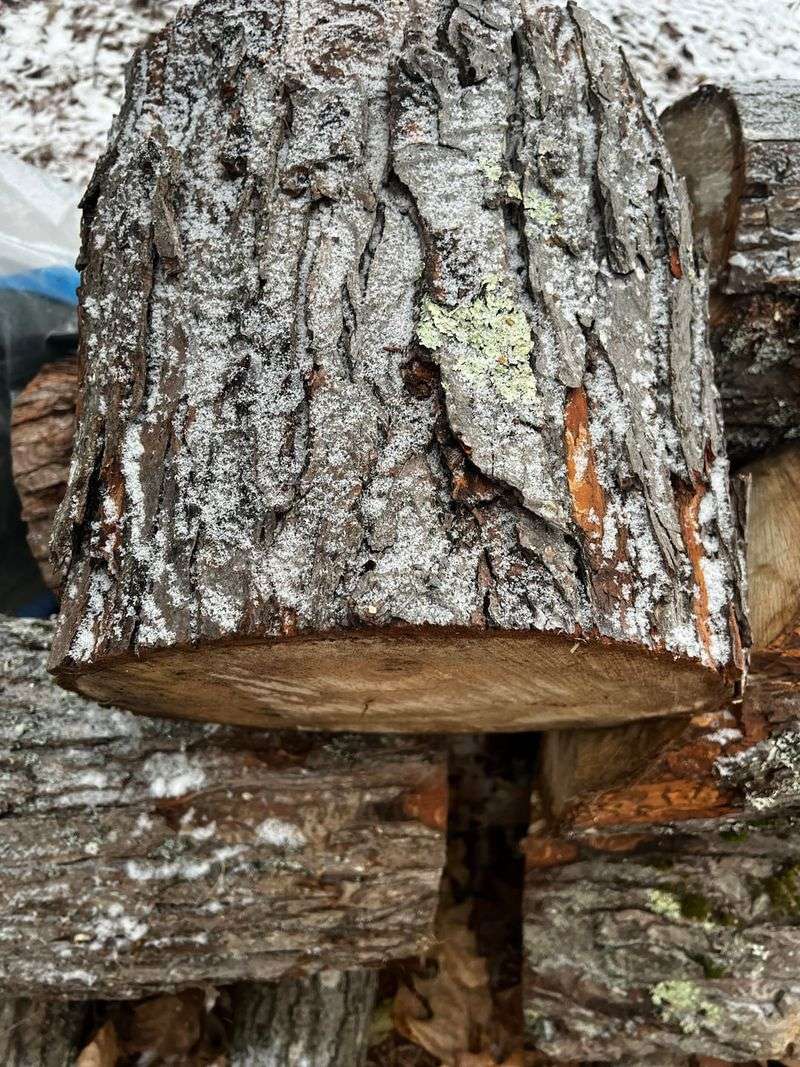
Trips up north put campers right in the middle of Michigan’s most ecologically rich forests, which also happen to be areas where new invasive insect detections continue to occur.
The warning about firewood has particular relevance for anyone spending time in those northern counties, because the insects that officials are working to contain are often linked to firewood as a possible pathway for reaching new locations.
A timely example is the 2026 detection of Balsam Woolly Adelgid in Roscommon County. This invasive insect targets true fir trees and has caused serious damage in other parts of North America where it has become established.
Michigan officials identify firewood and other tree products as possible pathways through which this insect could reach new counties beyond where it has currently been found.
A camper who picks up wood near an infested area and drives it home could unknowingly help that insect skip over the natural barriers that would otherwise slow its spread.
The reassuring thing is that campers do not need to become experts in insect identification to help with this. Nobody expects a weekend camper to spot a Balsam Woolly Adelgid on a piece of firewood before packing up camp.
The safer and far simpler practice is to avoid transporting untreated firewood away from where it originated, full stop. That single habit removes the risk entirely, regardless of which specific insect might be present in the wood.
Protecting northern Michigan’s forests starts with the choices made right at the campsite.
6. Dry Or Seasoned Firewood Is Not Automatically Safe To Move
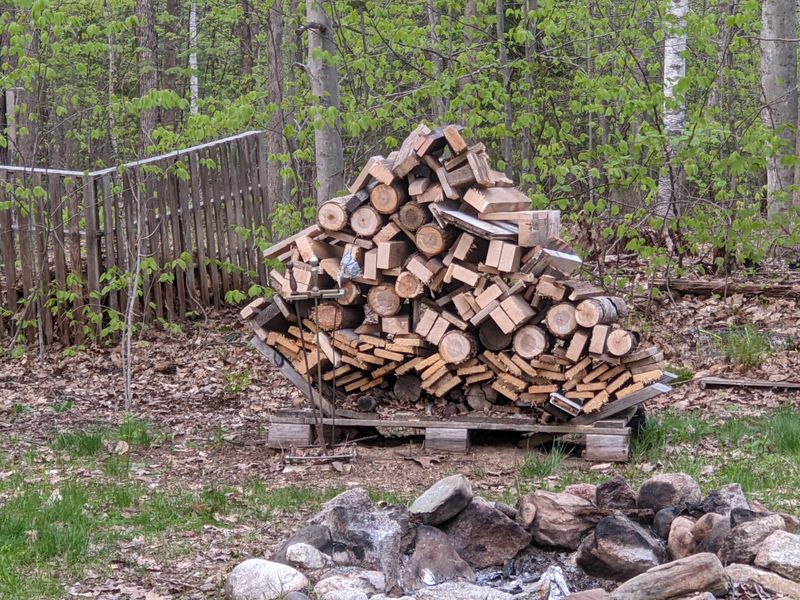
There is a common and completely understandable assumption that old, dry firewood must be safe to move around.
If the wood has been sitting in a pile for a year or two and looks thoroughly dried out, it feels reasonable to assume anything living inside it would be long gone.
That assumption, unfortunately, does not hold up when it comes to many of the organisms that make firewood transport risky. Drying firewood for normal burning is not the same process as certified heat treatment.
Certified heat treatment involves raising the internal temperature of the wood to a specific level for a set period of time, following standards designed to eliminate harmful insects, larvae, eggs, and pathogens.
Simply allowing wood to air dry over a season or two does not consistently achieve those internal temperatures, which means organisms can survive inside seasoned wood that looks completely ready to burn.
When firewood must travel a longer distance, the right move is to look for certified heat treated products that carry proper labeling.
Certified firewood is treated according to established standards and should remain in its original sealed packaging when campground rules require proof of certification.
Buying certified wood and keeping it sealed until use gives campers the confidence that they are not unknowingly moving harmful organisms from one location to another.
Age and appearance alone are simply not reliable indicators of whether firewood is safe to transport across the state.
7. Buy Firewood Where You Plan To Burn It
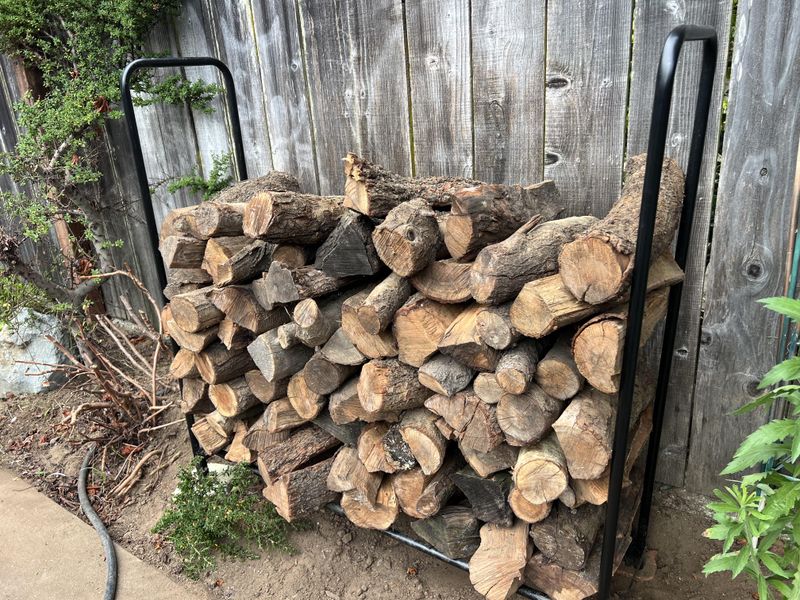
Swapping one simple habit for another is often the most effective way to make a lasting change, and this situation is no different.
Instead of loading firewood into the car before heading to camp, the better practice is to leave it at home and pick up wood at or near the destination.
Many state park campgrounds sell firewood on-site, and local vendors near popular camping areas typically offer it as well.
When the campground itself sells certified heat treated firewood, that is the easiest and most straightforward option available.
Purchasing right at the park means the wood was sourced locally or treated appropriately, and there is no transportation concern to worry about.
If certified wood is not available at the campground, buying from a supplier as close as possible to the actual burn site is the next best choice.
The shorter the distance between where the wood was cut and where it gets burned, the lower the risk of spreading anything harmful.
The guiding rule that Michigan officials promote is easy to remember: keep local firewood local. Buy it where you plan to burn it, burn all of it while you are there, and leave whatever remains at the site when you pack up.
Bringing wood from home might feel like a money-saving move, but the cost of spreading a forest pest or fungal disease into a new area is far greater than the price of a bundle of campground firewood.
This habit is genuinely one of the easiest ways campers can protect Michigan’s forests.
8. Check The Rules Before Every Camping Trip
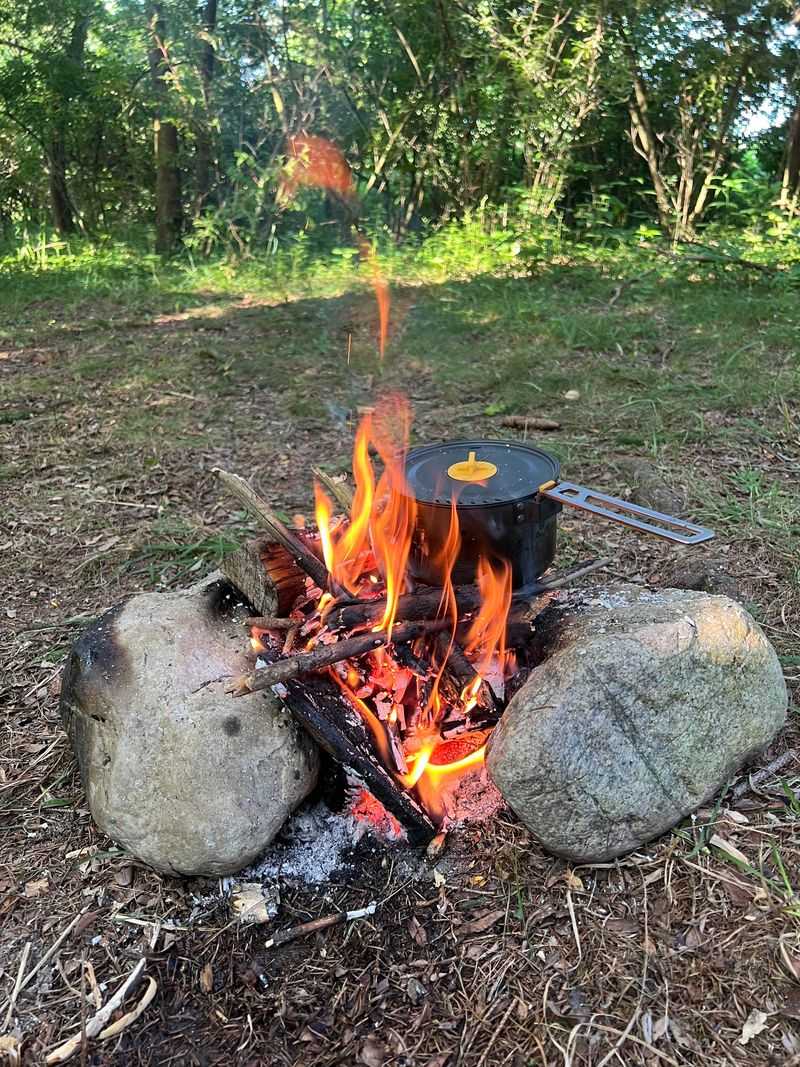
Rules around firewood are not the same everywhere, and they can change from one season to the next depending on new pest detections or active quarantines.
Before heading out on any Michigan camping trip, taking a few minutes to check the specific firewood restrictions at the destination is a genuinely worthwhile step.
National parks, national forests, lakeshores, and state-managed areas each have their own guidelines, and some locations restrict what firewood visitors are allowed to bring onto the property at all. Quarantines add another layer to consider.
When a new invasive species is detected in a Michigan county, state and federal agencies can put quarantine regulations in place that restrict the movement of firewood and other tree products out of the affected area.
These quarantines are not permanent fixtures on a map, they shift as pest populations change, which means checking current regulations before each trip is more reliable than assuming last year’s rules still apply today.
Preparing firewood for a camping trip is very simple. First, check the firewood rules for your specific campsite before you go. Always try to buy your wood near your destination. If you do need to travel with wood, make sure it is certified heat-treated.
Once you are camping, plan to burn all the wood you bought during the trip. Never pack unused logs back into your vehicle to bring home, just leave them at the site. Following this routine costs nothing extra and takes almost no effort.
Over time, when enough campers adopt these habits consistently, the collective impact on the health of the state’s forests and landscapes becomes genuinely significant.